The Shrubs Illinois Gardeners Should Prune In Early August (And Ones To Leave Alone)

Timing decides everything once early August pruning shears come out. Illinois gardeners face a narrow window that closes fast. Wait too long and next spring’s buds simply disappear.
Cut too soon and fresh growth stalls before winter arrives. Every shrub reacts differently to an early August trim. Some plants forgive mistakes while others lag for months.
Weather here often swings hard between humid heat and sudden frost. Pruning choices made now shape blooms you never expect. Your instincts might push you to trim everything at once.
That impulse can undo an entire growing season of color. Certain shrubs need attention immediately while others need complete rest. Confusing these categories affects your structure, beauty, and bloom.
Gardeners across Illinois who choose correctly gain fuller, healthier shrubs. Precision beats enthusiasm every single time inside this narrow window.
Knowing which shrubs to cut now truly decides whether your garden flourishes fully next winter.
Boxwood Hedges Still Take Light Shaping
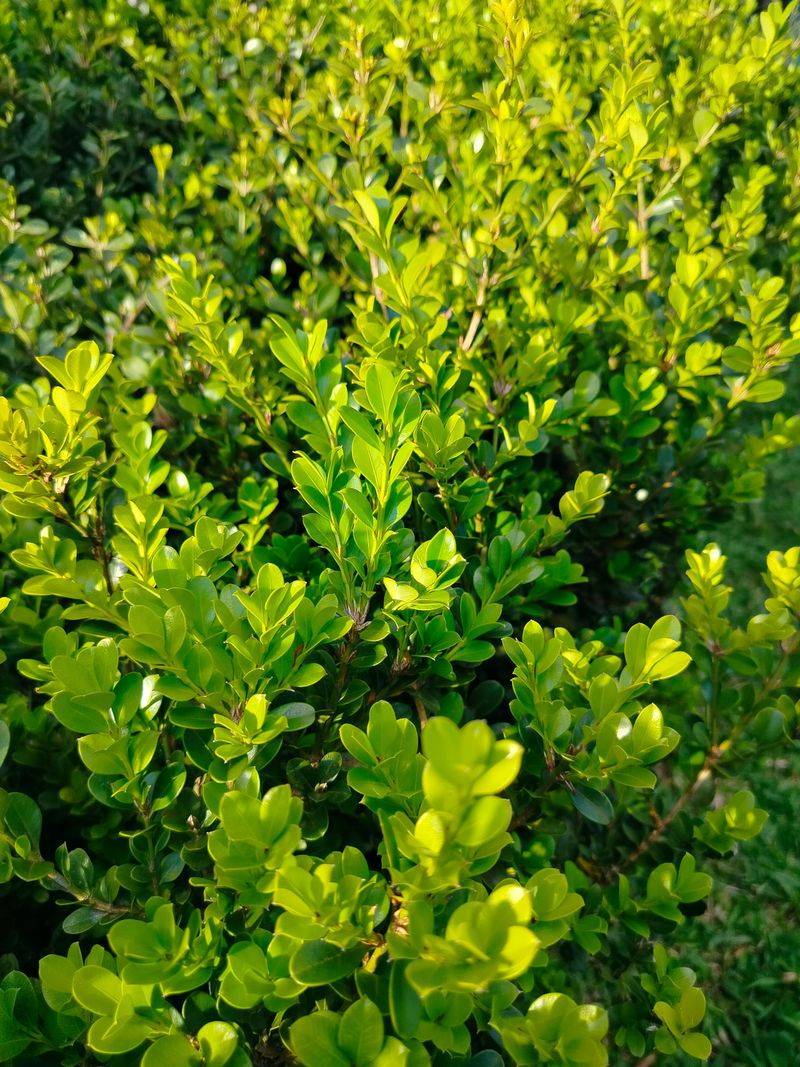
Boxwood hedges are the workhorses of the garden world. They grow slowly, hold their shape well, and rarely complain about a trim.
Early August is a good window for light shaping on boxwoods. The summer growth has mostly settled, and the plants still have time to harden off before frost hits.
Avoid cutting too deep into old wood right now. You want to clean up the fuzzy new growth along the outside edges, not reshape the whole shrub from scratch.
A light touch goes a long way with boxwoods. Take off no more than a third of the new growth, and use clean, sharp shears to avoid tearing the leaves.
Torn leaves turn brown fast in summer heat. That browning can make a freshly trimmed hedge look worse than an untrimmed one.
One thing Illinois gardeners often miss is airflow. Boxwoods packed too tightly together trap moisture inside, which leads to fungal problems by fall.
Thinning the interior a bit while shaping the outside helps the whole plant breathe. Think of it like giving your hedge a haircut and a little ventilation at the same time.
After trimming, clean up all the clippings around the base. Leaving debris behind invites pests and disease to settle in for the season.
A well-shaped boxwood heading into fall is a thing of quiet beauty. That tidy silhouette will carry your yard through winter with serious curb appeal.
Yew And Arborvitae Accept Trims Now
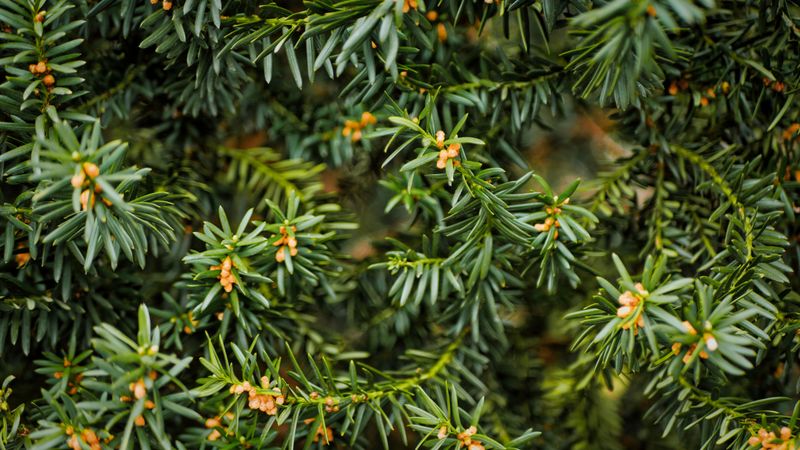
Yews are tougher than they look, and arborvitae are right there with them. Both evergreens handle an August trim without much fuss.
The key with yews is to cut back to where you can still see green growth. Brown, bare wood deeper inside will not push new buds on its own.
Arborvitae need a gentler approach. They grow in a natural pyramid shape, and the goal is to encourage that form, not fight against it.
Trimming arborvitae in early August lets the fresh cuts seal up before cold weather arrives. Waiting too long into fall cuts it too close to frost season, especially in northern parts of the state.
Your Illinois Garden Changes Every Week. Your Plan Should Too.
Gardening in Illinois changes quickly throughout the season. Every Friday you’ll receive a simple weekly plan showing exactly what to plant, prune, fertilize, harvest, and protect so you never miss the right timing.
Both shrubs benefit from shaping the sides more than the top. Keeping the top slightly narrower than the base allows sunlight to reach the lower branches all season long.
Sun-starved lower branches on arborvitae turn brown and stay that way permanently. Protecting them now means a fuller, healthier look for years ahead.
For yews used as foundation plantings, keep them from creeping too close to the house. Good airflow between the shrub and the siding prevents moisture buildup and rot.
Use bypass pruners for small stems and hedge trimmers for longer runs. Always clean your blades between plants to avoid spreading any fungal issues from one shrub to the next.
Yews and arborvitae trimmed now will settle in beautifully for fall. They are two of the most forgiving shrubs any Illinois gardener can grow.
Overgrown Hedges Get One Last Shape
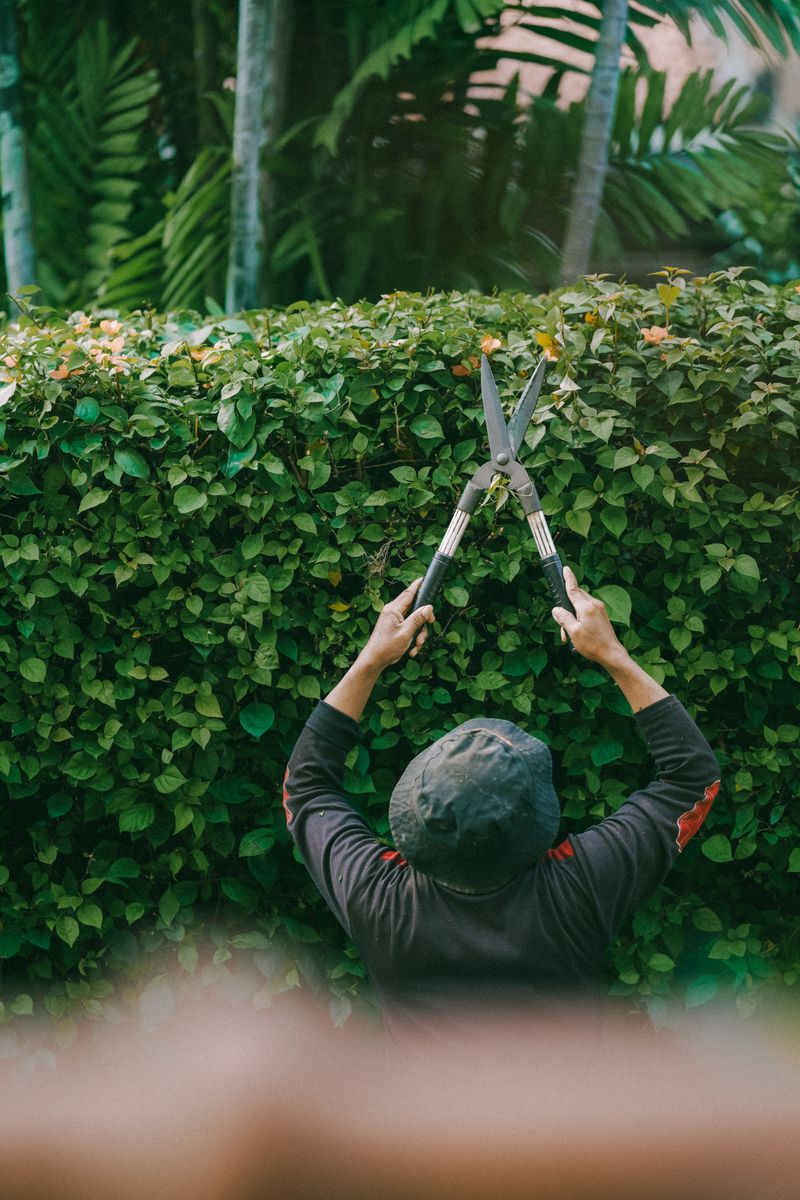
If your hedges got away from you this summer, early August offers a last real chance to rein them in. Wait much longer, and new growth will not have time to harden before the first frost.
Overgrown hedges are not a lost cause. A firm but measured trim can bring them back to a manageable size without shocking the plants.
The rule of thumb is to never remove more than one-third of the total plant at once. Going beyond that stresses the shrub and can weaken its ability to survive a cold winter.
Start by removing any damaged or crossing branches first. Getting those out of the way gives you a clearer picture of what the natural shape actually looks like.
Work from the bottom of the hedge upward when shaping. This approach prevents you from accidentally cutting the top too short while the base stays wild.
Hedges with multiple plant types need special attention. Different species grow at different rates, so one section might need more cutting than the section right next to it.
After a hard trim, give the hedge a slow, deep watering. Roots need extra support when the plant is putting energy into recovering from significant cuts.
A light layer of mulch around the base helps hold in moisture during the remaining hot weeks. Keep the mulch a few inches away from the stems to prevent rot.
A hedge shaped once in August will maintain a clean, structured look through the first snowfall.
Rose Of Sharon Tolerates Light Trims Now
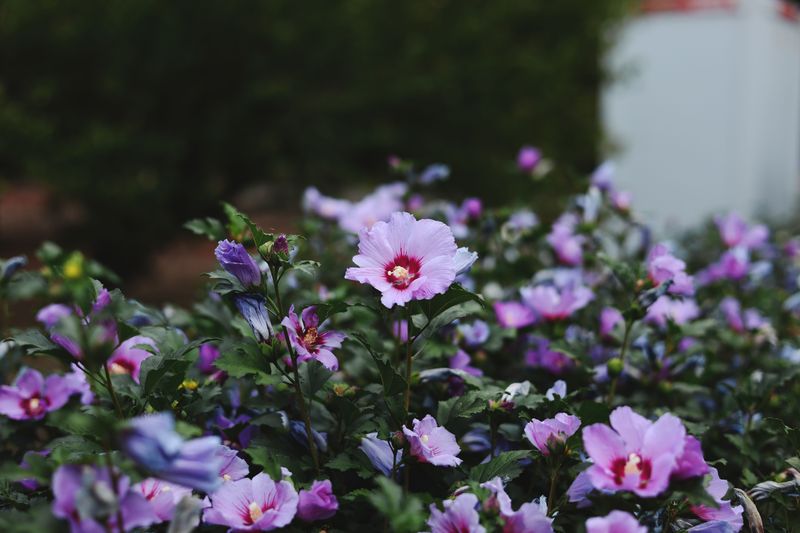
Rose of Sharon is the late-summer showstopper that most gardeners completely ignore when it comes to pruning. That oversight can reduce next year’s bloom quality.
This shrub flowers on new wood, which means the growth it puts out this season becomes next year’s bloom. A light trim in early August encourages a fresh flush of that growth before the season ends.
Keep cuts minimal right now. You are tidying the shape, not restructuring the whole plant, so stick to removing wayward branches and spent flower clusters.
Rose of Sharon spreads aggressively through self-seeding. Removing spent blooms as part of your August trim is one of the smartest moves you can make to control its spread.
Without trimming, a single plant can drop hundreds of seeds that sprout all over your beds next spring. A few minutes with the clippers now saves hours of weeding later.
The shrub itself is remarkably forgiving about timing. It handles heat, drought, and a bit of rough handling better than most flowering shrubs in the Midwest.
If yours has grown too tall over the years, a harder cut can be done in late winter instead. August is not the time for dramatic reshaping, just a clean-up pass.
Pair your trim with a slow-release fertilizer to support the new growth you are encouraging.
The plant will channel that energy into strong stems that carry blooms well into September. Rose of Sharon remains one of the most reliable performers in a hot Illinois summer.
Lilacs Already Set Next Year’s Buds
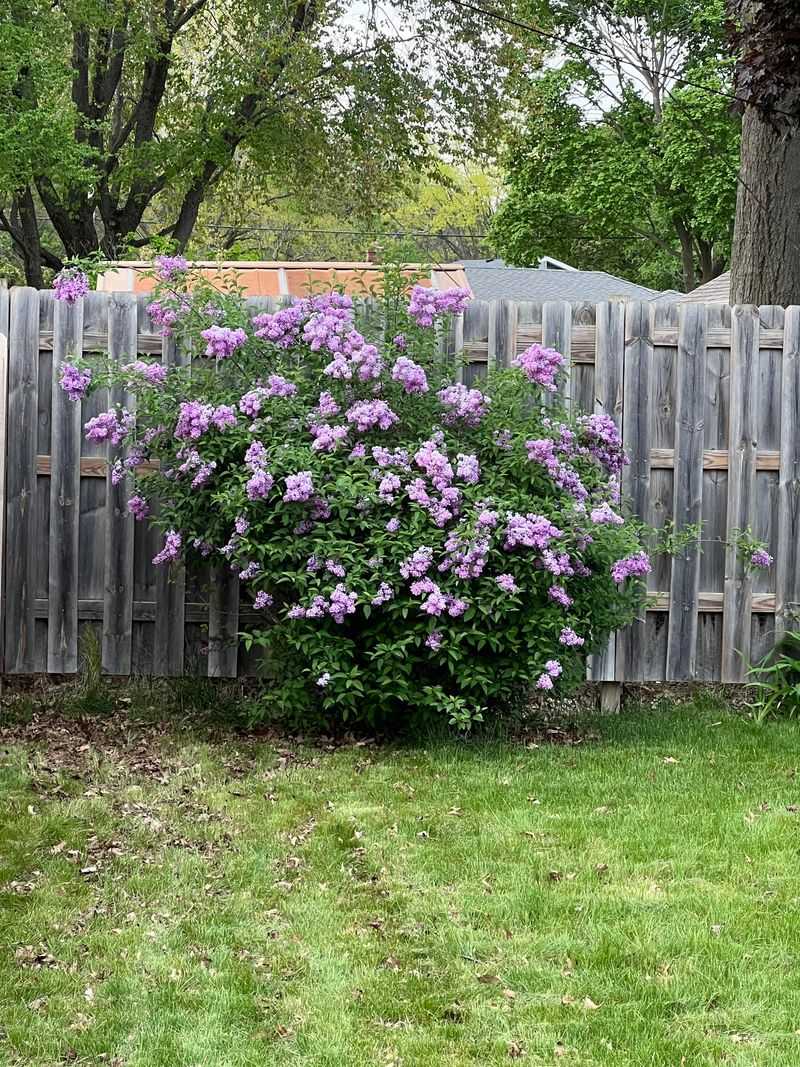
Lilacs are sentimental favorites in Midwest gardens, but they respond poorly to pruning at the wrong time. By early August, next spring’s flower buds are already forming on the branches.
Cutting a lilac now means cutting off those buds. You will not see the effect until April, when the shrub produces fewer blooms than neighboring plants.
The correct time to prune lilacs is right after they finish blooming in late spring. That window gives the plant a full season to set new buds before summer ends.
If you missed that window this year, the best move is to leave the shrub completely alone. Patience is genuinely the right tool here.
Lilacs that have grown into tangled, multi-stemmed messes can be renovated, but that work belongs in late winter before growth begins. August pruning will not fix an overgrown lilac without reducing next year’s flowers.
One common mistake is confusing lilac with forsythia or other spring bloomers. They look similar when not in flower, so tag your plants early in the season to avoid mix-ups.
Feeding a lilac in August is also a bad idea. Late fertilizing pushes tender new growth that frost will damage before it can harden.
If your lilac looks a bit scraggly right now, resist every urge to tidy it up. Those awkward branches are protecting next year’s purple clusters. Sometimes the best pruning decision is no pruning at all.
Forsythia Should Be Left Alone In August
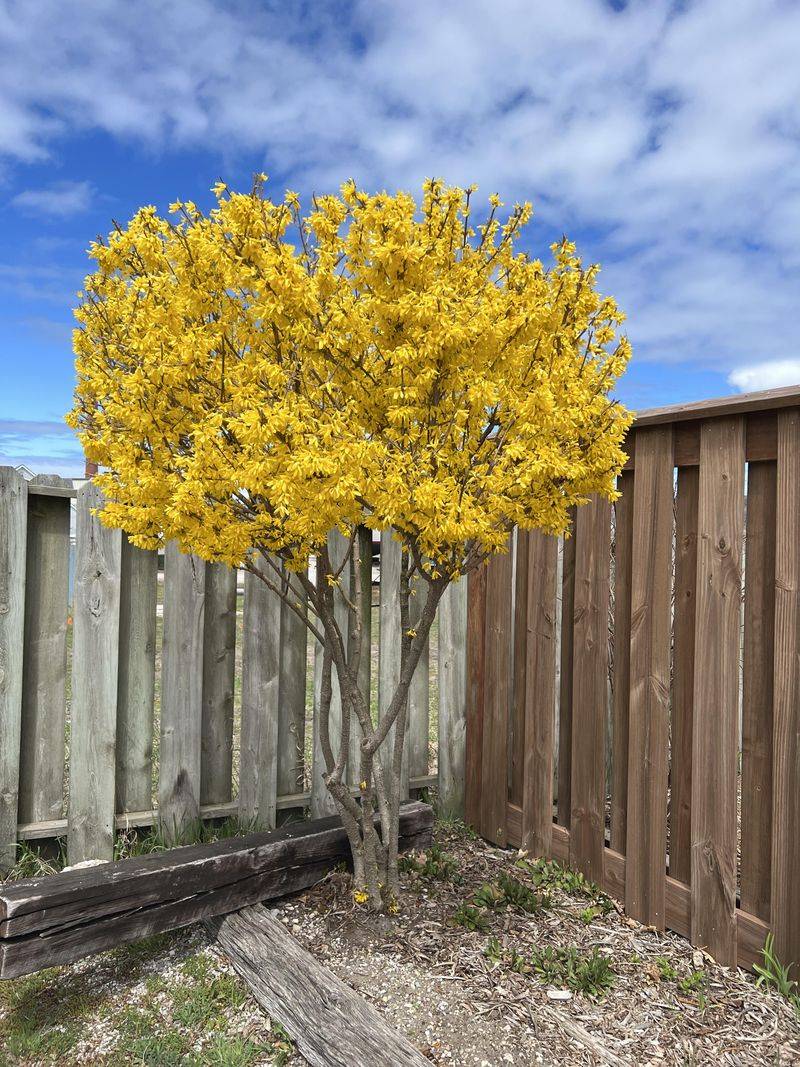
Forsythia is the shrub that announces spring has finally arrived, and gardeners love it for exactly that reason. But timing its pruning correctly is what keeps that yellow display coming back year after year.
Like lilacs, forsythia blooms on old wood. The buds for next spring’s flowers are already developing on this summer’s new growth right now in August.
Pruning forsythia in early August removes those buds. You will end up with a neatly shaped shrub that produces almost no flowers the following spring.
The correct window for forsythia is the three to four weeks right after it finishes blooming, typically in early to mid-spring depending on your part of the state. That short post-bloom period is your only real chance to shape it without sacrificing flowers.
If you did prune it correctly this past spring, the shrub may still look a bit wild by August. That is normal and healthy growth happening exactly as it should.
Forsythia is known as a fast-growing shrub in Midwest landscapes. Skipping one season of pruning will not cause lasting harm, but pruning at the wrong time will.
In August, your job with forsythia is simply to observe. Check for damaged wood or broken branches that need removal, but leave the live, budded stems completely alone.
Removing only damaged material is always safe, no matter the time of year. Just be careful not to confuse dormant-looking stems with truly lifeless ones.
A forsythia managed with correct timing is one of the most joyful sights in any early spring garden.
Rhododendrons And Azaleas Hold Next Flowers

Rhododendrons and azaleas are prized shade plants, and they are also among the easiest to accidentally set back with an August trim. Both shrubs set their flower buds for the following year during mid to late summer.
By early August in most of the state, those buds are already present on the branch tips. A well-meaning haircut right now removes exactly what you spent all spring waiting to see.
The safe pruning window for both plants is right after they finish blooming in spring. That post-bloom period, typically late spring, is when the plants are ready to redirect energy into new growth.
August is a month to admire rhododendrons, not to cut them. Walk past with your clippers in your pocket and keep moving.
If a branch is broken, diseased, or rubbing against another, removing it carefully is always acceptable. The goal is to avoid cutting healthy, bud-bearing stems in any season except spring.
Azaleas are slightly more forgiving than rhododendrons when it comes to light shaping. But even with azaleas, August cuts risk reducing next year’s flower count noticeably.
Mulching around the base of both plants in August is a much better use of your time. A fresh layer of acidic mulch like pine bark helps maintain the soil conditions both plants crave.
Healthy roots heading into fall means stronger blooms come spring. Avoid pruning your rhododendrons and azaleas in August, and you will see stronger blooms in May.
Potentilla And Spirea Wait Until Late Winter
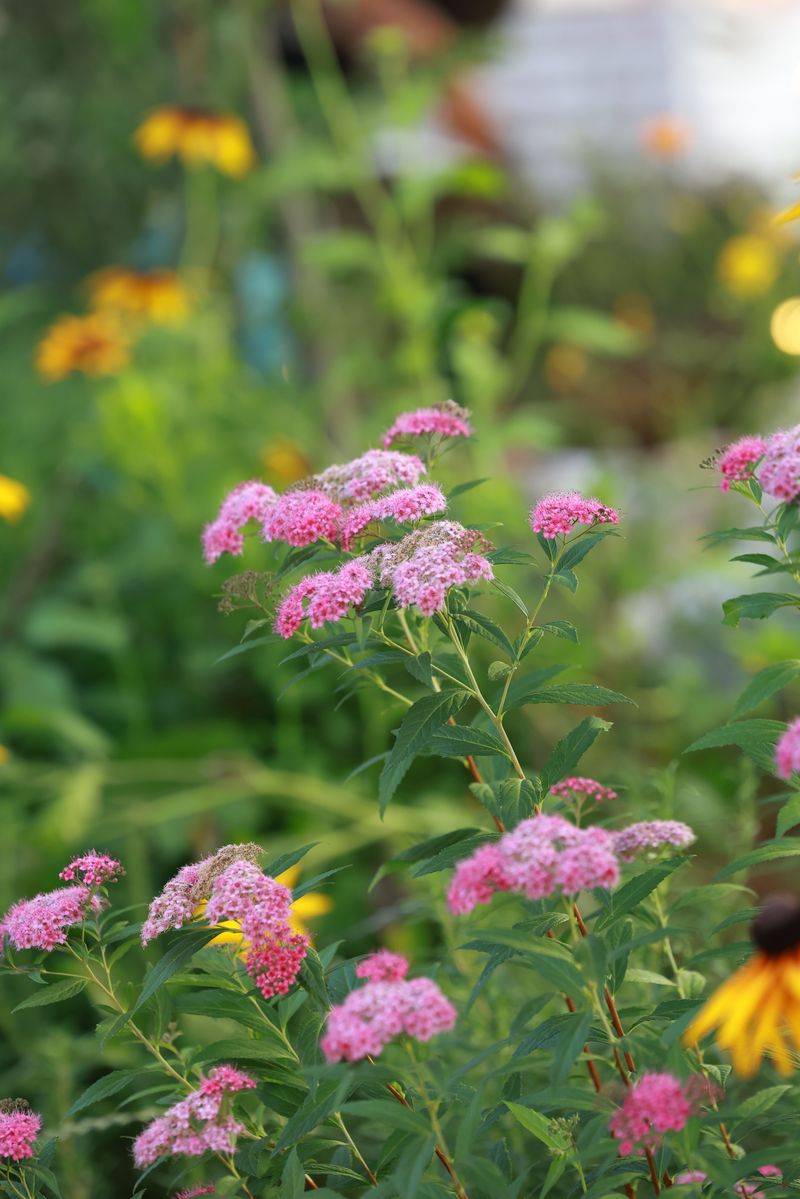
Potentilla and spirea are two of the hardest-working flowering shrubs in Midwest gardens. Both bloom for months on end and ask for very little in return.
Many gardeners reach for the pruners in August when these shrubs start looking tired and floppy. That instinct is understandable, but it works against the plant’s natural bloom cycle.
Spirea, especially varieties like Anthony Waterer or Goldflame, is still producing blooms or recovering from its second flush in early August. Cutting it back hard now removes the remaining flower energy and stresses the plant heading into fall.
Lightly removing spent flower clusters is fine on spirea right now. Full rejuvenation cuts belong in late winter or very early spring before new growth emerges.
Potentilla keeps blooming well into fall if left alone. It is one of the few shrubs that rewards neglect with more color, not less.
Pruning potentilla in August interrupts that bloom cycle and pushes the plant to put energy into recovery instead of flowers. The payoff for waiting is a shrub covered in yellow or orange blooms through October.
Both shrubs handle hard winter pruning exceptionally well. Cutting them back to about six to eight inches in late February or early March encourages dense, vigorous new growth loaded with buds.
Patience with potentilla and spirea in August leads to noticeably better blooms. These are the shrubs Illinois gardeners should prune thoughtfully, saving the real work for the cold quiet of late winter.