The Midsummer Fertilizer Mistake That Scorches Oregon Plants During A Heatwave
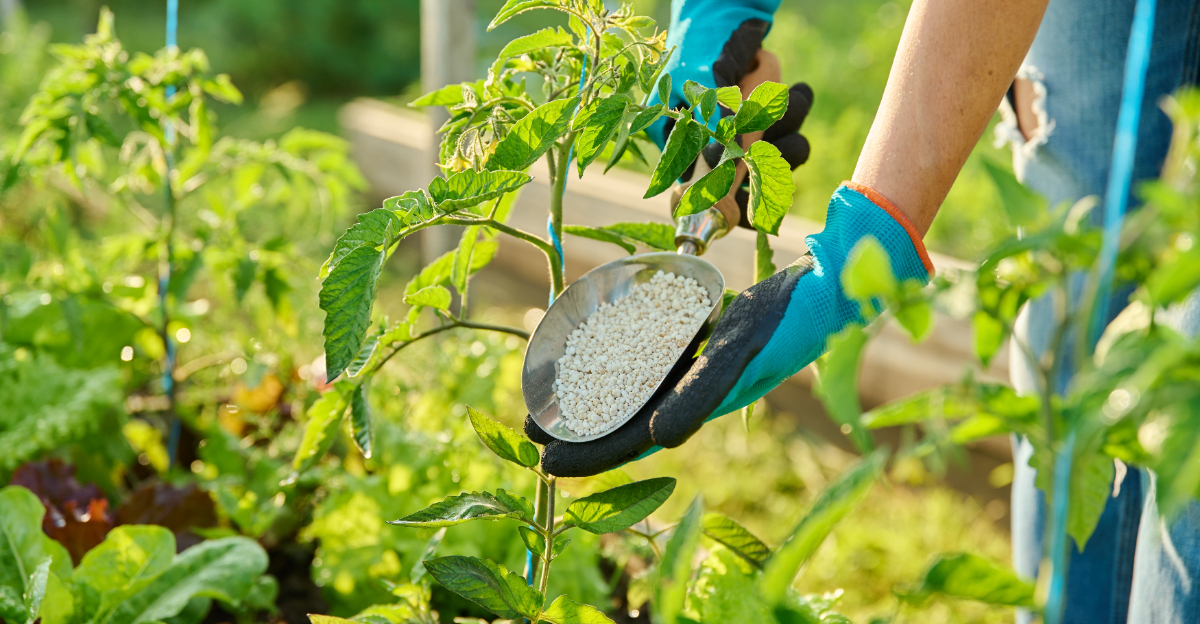
Oregon summers rarely warn you before they turn. Your tomato leaves can look glossy on Monday and papery by Friday, curled at the edges like they caught too much sun in one sitting.
Most gardeners blame the heat alone, but there’s a second factor hiding in plain sight, something tied to timing rather than temperature. Get that timing wrong, and the damage shows up fast.
This combination trips up even gardeners who’ve grown tomatoes for years. A few extra scoops during the wrong week can push plants past their limit before anyone notices.
Once you see what’s really happening beneath the surface, you’ll know exactly when your garden needs feeding, and when it needs to be left alone.
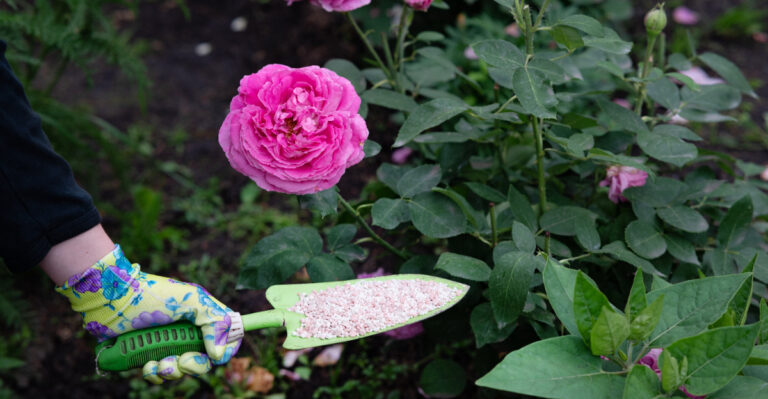
Fertilizing During A Heatwave Burns Roots Instead Of Feeding Them
Fertilizer sounds like plant food, but timing changes everything. Pouring nutrients onto stressed roots during a heatwave is like forcing someone to eat a huge meal while running a marathon.
When soil temperatures rise above 85 degrees, roots slow down dramatically. They stop absorbing water and nutrients efficiently, which means fertilizer just sits there.
That sitting fertilizer draws moisture out of the roots through a process called osmosis. The roots lose water instead of gaining nutrients, and the damage spreads fast.
Nitrogen-heavy fertilizers are the worst offenders in hot conditions. They create high salt concentrations in the soil that pull moisture away from plant tissue.
This kind of root stress catches gardeners off guard because the damage does not show up instantly. You fertilize on a Tuesday, and by Friday the leaves are curling and browning at the tips.
Even organic fertilizers can cause problems when applied during extreme heat. Compost and fish emulsion still release nutrients that overwhelm heat-stressed roots.
The root system is the engine of your plant. When that engine overheats and gets flooded with salts at the same time, the whole system shuts down.
Skipping fertilizer during a heatwave is not neglect. It’s a protective choice for your garden.
Oregon’s Dry Summer Heat Makes This Mistake Worse
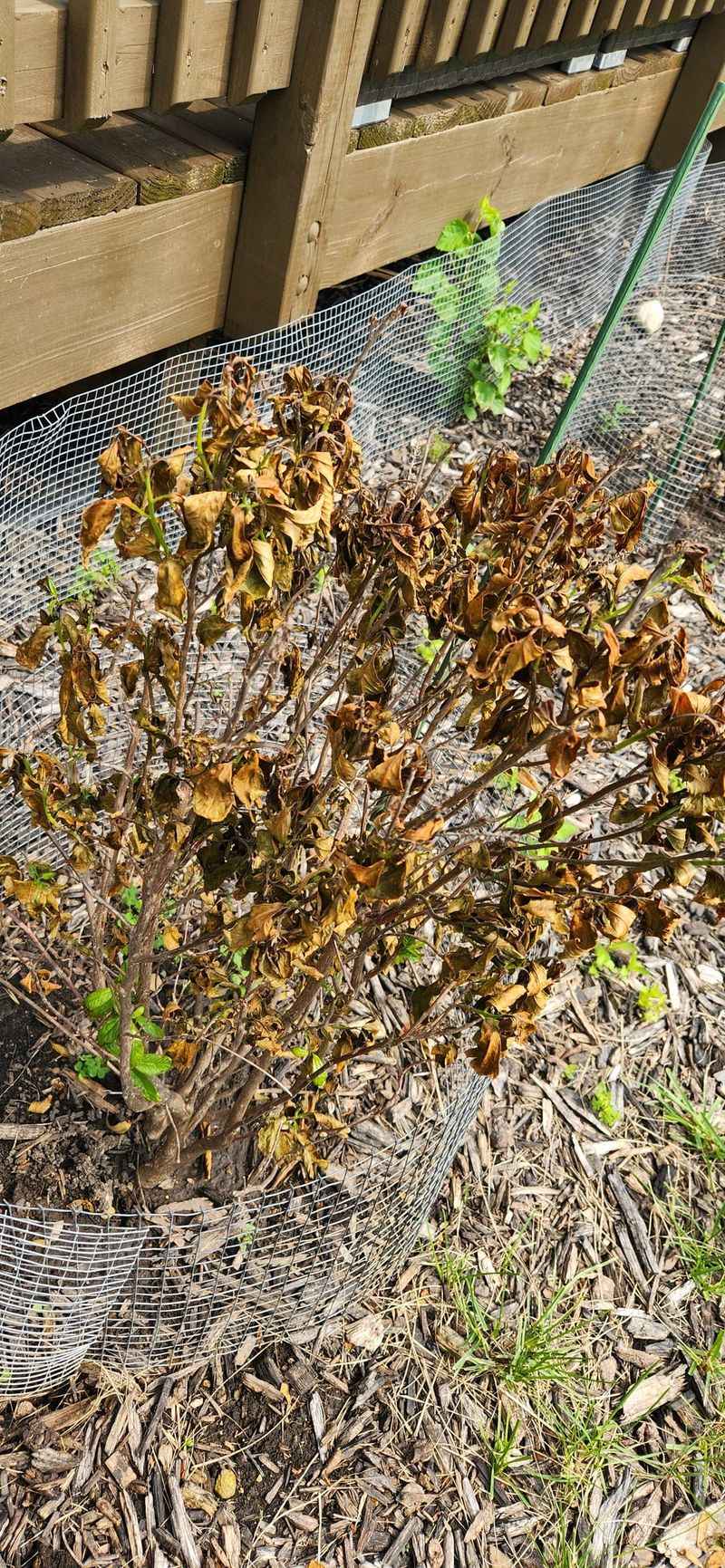
Oregon summers hit differently than most people expect. West of the Cascades, the humidity drops and temperatures can spike past 100 degrees with very little warning.
That sudden dry heat is brutal for garden soil. Moisture evaporates quickly, leaving behind concentrated pockets of fertilizer salts with nowhere to go.
East of the Cascades, conditions get even more extreme. High desert areas around Bend and Pendleton regularly see scorching afternoons that bake the top layer of soil into a crust.
When soil crusts over, water cannot penetrate evenly. Fertilizer applied on top sits in a concentrated layer right where feeder roots are most active.
The Willamette Valley gets its own version of this problem. Hot spells there can last a week or more, with nighttime temps staying warm enough to keep roots stressed around the clock.
Dry conditions also mean gardeners water more, which seems helpful but can backfire. Watering pushes dissolved fertilizer salts deeper into the root zone, spreading the damage further.
Your Oregon Garden Changes Every Week. Your Plan Should Too.
Gardening in Oregon changes quickly throughout the season. Every Friday you’ll receive a simple weekly plan showing exactly what to plant, prune, fertilize, harvest, and protect so you never miss the right timing.
Oregon’s landscape is stunning, but its summer weather creates a narrow window for safe fertilizing. Missing that window by just a few days can set a garden back by weeks.
Knowing your local forecast is not just weather trivia. For Oregon gardeners, it is a critical part of every fertilizing decision from June through September.
Plants Most Vulnerable To Fertilizer Burn
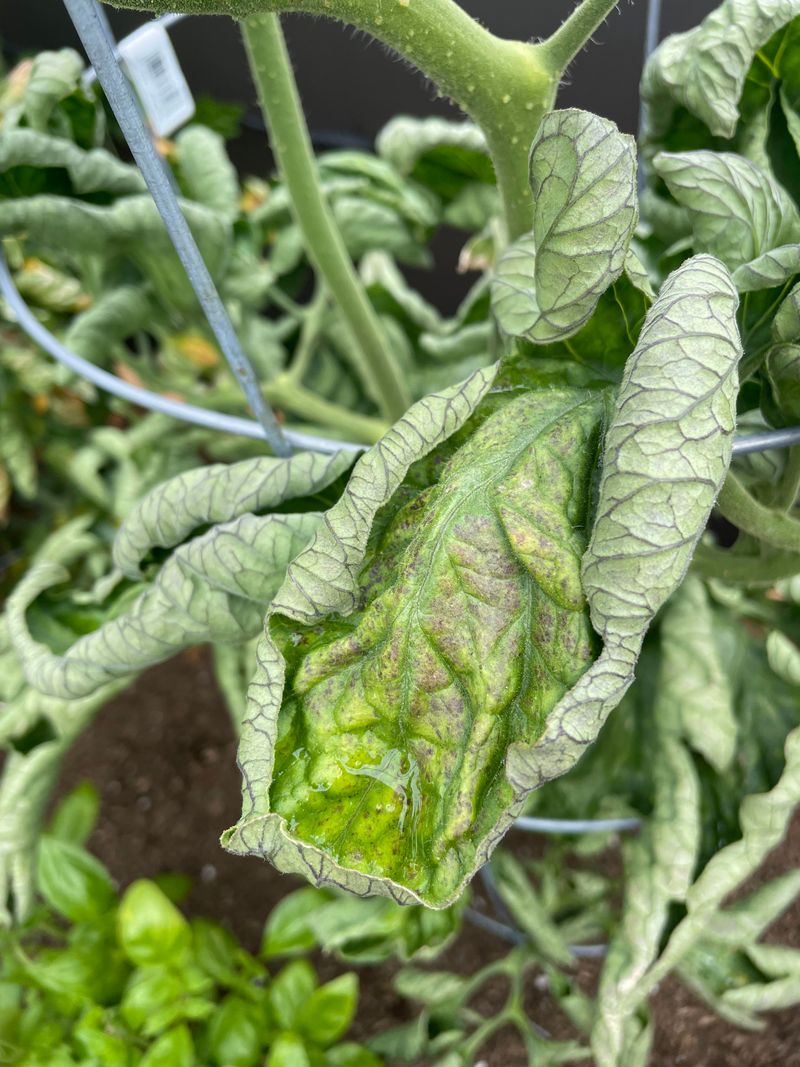
Not every plant reacts the same way to midsummer fertilizer. Some are tough and bounce back quickly, while others fold almost overnight when conditions turn harsh.
Tomatoes top the list of vulnerable plants. Their root systems are sensitive to salt buildup, and they are already working hard to set fruit during peak summer heat.
Peppers share that same fragility. Push them with fertilizer during a heatwave and their leaves will curl inward like tiny fists, trying to protect themselves from the stress.
Lettuce and spinach are almost guaranteed to bolt and burn if fertilized during hot spells. These cool-season crops are already struggling to survive summer, so extra nutrients just accelerate their decline.
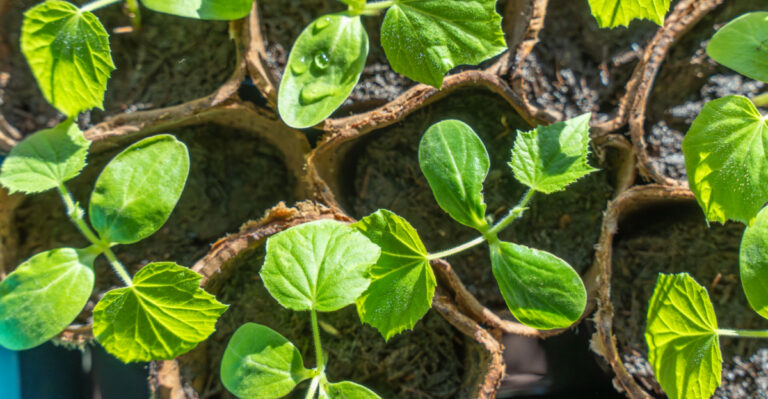
Young transplants are especially at risk. Their root systems have not spread wide enough to dilute fertilizer concentration, so the salts hit them harder and faster than established plants.
Container plants face double the danger. Pots heat up faster than garden beds, and fertilizer salts have nowhere to escape in a confined volume of soil.
Blueberries are another surprise casualty. They prefer acidic, low-nutrient soil, and fertilizing them during heat stress can trigger leaf scorch that looks like a disease but is purely chemical damage.
Knowing which plants are most at risk helps you prioritize where to hold back. Protecting your most vulnerable plants first is the fastest way to save your summer harvest.
Signs Your Plant Has Already Been Scorched
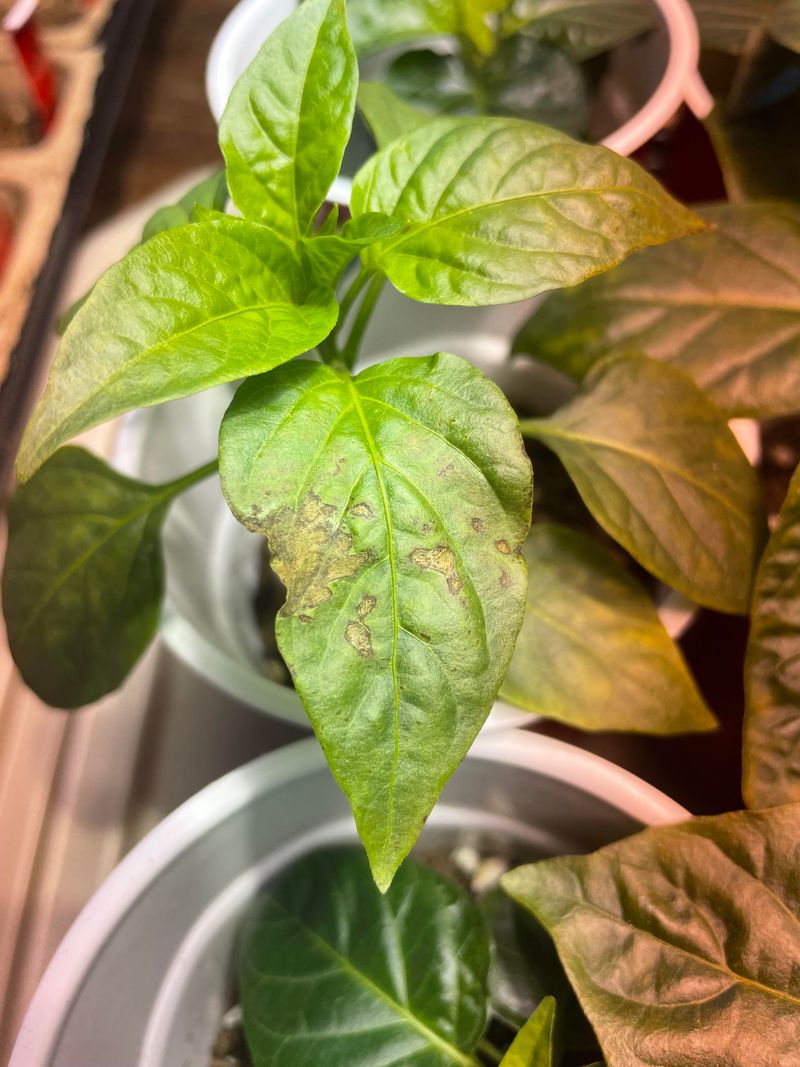
Catching fertilizer burn early gives you a real shot at recovery. The trouble is that the signs look a lot like other common problems, so many gardeners misdiagnose it.
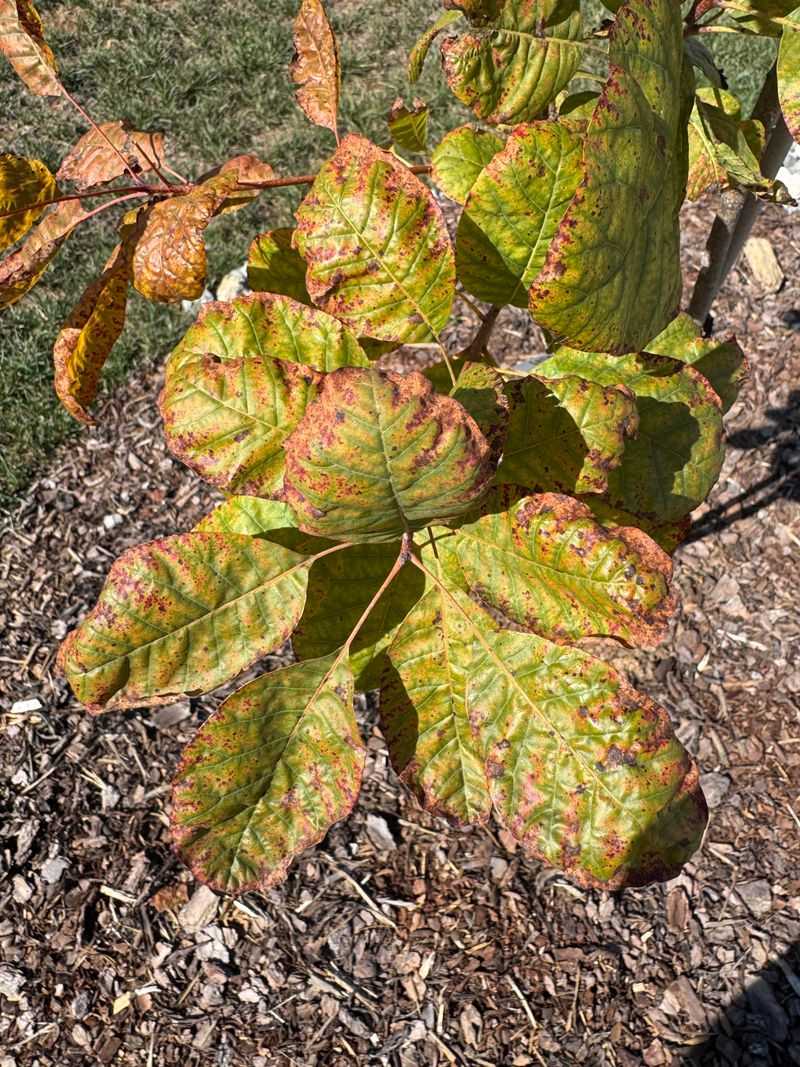
Brown, crispy leaf tips are the most obvious clue. The damage usually starts at the edges and works inward, leaving a scorched margin that looks almost like someone held a lighter to the leaf.
Wilting is another red flag, especially when it happens in the morning. Plants that wilt early in the day, before temperatures peak, are telling you their roots cannot move water properly.
Yellowing leaves can mean many things, but combined with crispy edges and recent fertilizer application, it points strongly toward salt stress. The yellow appears between the veins first, then spreads outward.
Look at the soil surface for a white or crusty residue. That crust is dried fertilizer salt, and it is a visible sign that concentration levels are dangerously high near the roots.
Stunted new growth is a sneaky symptom. When roots are burned, the plant stops sending energy upward, so new leaves come in small, pale, and slow.
Check the roots if you can gently lift a container plant. Burned roots turn brown and mushy instead of staying firm and white, which is a clear sign of chemical damage.
This kind of damage often gets blamed on heat alone. But these combined symptoms are your garden’s way of asking for help right now.
Best Time To Fertilize During Oregon Summers
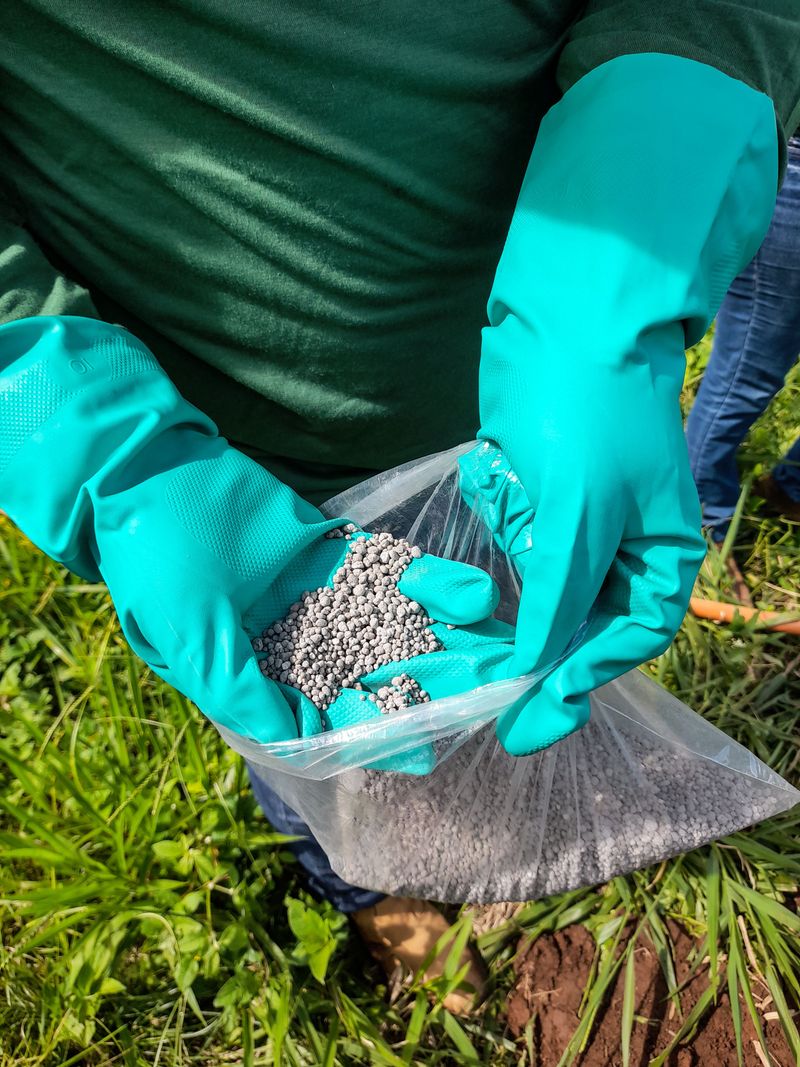
Timing your fertilizer application is everything during summer. Get it right and your plants thrive; get it wrong and you spend weeks nursing them back to health.
Early morning is the golden window. Soil temperatures are at their lowest before 9 a.m., roots are actively absorbing water, and you have hours before the heat of the day arrives.
Aim for days when the forecast stays below 80 degrees for at least 48 hours after you fertilize. That buffer gives nutrients time to dissolve and move into roots before stress sets in.
Late spring, before the heat really locks in, is the ideal season for a heavy feeding. Getting nutrients into the soil in May sets plants up to coast through summer without needing much extra help.
If you missed spring feeding, wait for a cool spell in late August or early September. Oregon summers often break by late August or early September, giving you a second chance to fertilize safely.
Slow-release granular fertilizers are a smarter choice for summer than liquid feeds. They release nutrients gradually over weeks, reducing the risk of salt spikes during sudden heat events.
Water deeply before applying any fertilizer during warm months. Moist soil dilutes the concentration and helps nutrients spread more evenly through the root zone.
A little patience makes a real difference in summer gardening. Waiting for the right moment to feed your plants is a sign of skill, not hesitation.
Steps To Rescue A Plant After Fertilizer Burn
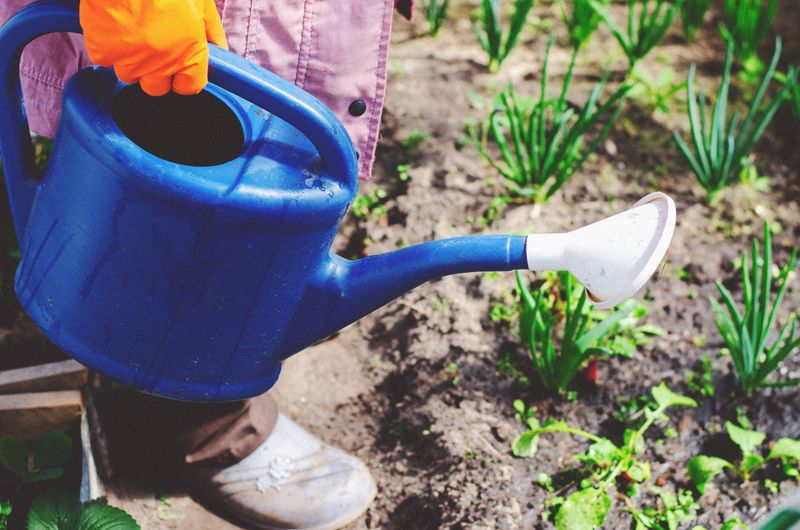
Finding scorched plants in your garden is a discouraging moment. But recovery is possible if you act quickly and follow the right steps.
Start by watering deeply and slowly. Flooding the soil with plain water flushes out excess fertilizer salts and moves them away from the root zone where they are causing damage.
Repeat that deep watering for two or three consecutive days. Each round pushes more salt further down and out of reach of the feeder roots that are doing most of the absorbing.
Trim off badly scorched leaves with clean scissors. Removing burned tissue helps the plant redirect its limited energy toward healthy growth instead of trying to repair hopeless damage.
Move container plants to a shaded spot immediately. Getting them out of direct sun reduces stress on roots that are already struggling to move water through damaged tissue.
Do not apply any new fertilizer for at least four weeks after a burn event. The plant needs time to rebuild root health before it can safely handle nutrients again.
Add a thin layer of mulch around the base of affected plants. Mulch keeps soil cooler, holds moisture longer, and gives roots a better environment to recover in.
Recovery from fertilizer burn is slow but steady. With consistent care and a little patience, most plants bounce back stronger than you might expect.