What It Means When Mosquito Control Trucks Roll Through Your Pennsylvania Town

Mosquito control trucks moving through Pennsylvania neighborhoods each summer often go unnoticed. That low hum rolling down the street carries more than just noise.
A light mist trails behind, and few residents ever stop to ask what exactly is in it, or why it’s there.
Most people simply wave the truck along, trusting it knows what it’s doing. But there’s a specific window crews are chasing, tied to how mosquitoes behave once the sun goes down.
That timing changes the whole picture behind the spray. It also shows why acting fast, before numbers climb, matters more than most residents realize.
Trucks Are Spraying To Reduce Adult Mosquitoes Before They Spread Disease
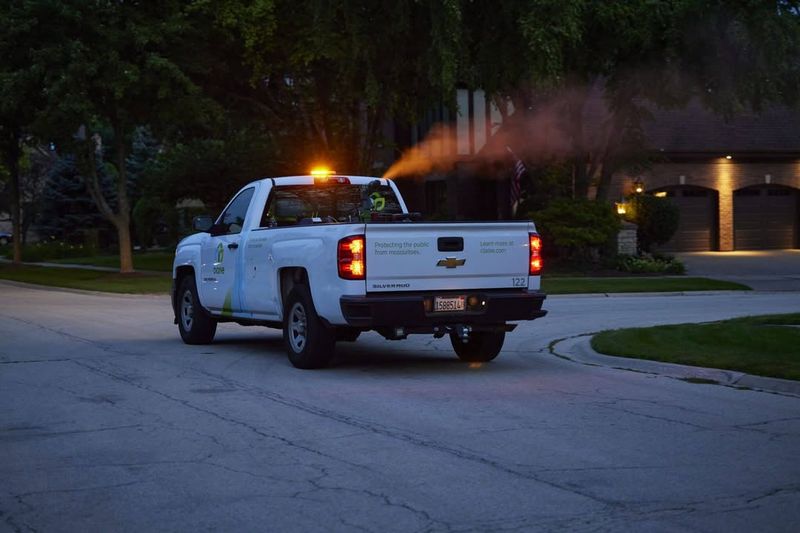
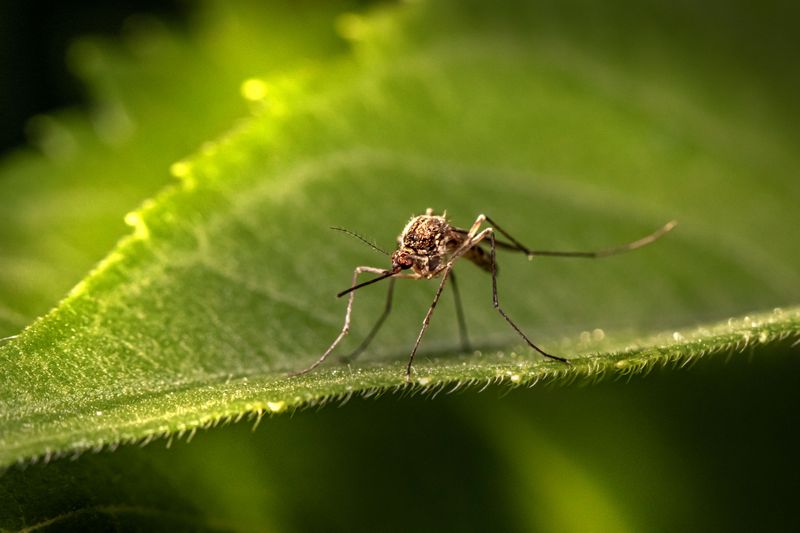
That cloud of mist trailing behind the truck is not random. Mosquito control trucks are on a mission to cut down adult mosquito populations before those insects can spread illness to people nearby.
Mosquitoes in Pennsylvania can carry West Nile virus, Eastern Equine Encephalitis, and other serious diseases. These are not rare concerns either, as Pennsylvania health officials regularly report confirmed cases each summer season.
The trucks target peak mosquito activity hours, typically around dusk and dawn. Adult mosquitoes rest in low vegetation during the day, so spraying at those transitional hours makes the treatment far more effective.
Local health departments coordinate these spray routes based on trap data and disease surveillance reports. When mosquito populations spike or a virus is detected nearby, trucks roll out faster and cover more ground.
What it means for you is simple: your county is being proactive. Spraying is not a sign of panic, but a planned public health response to rising risk levels in your area.
Pennsylvania counties like Bucks, Montgomery, and Allegheny run active spray programs backed by state funding. Seeing the truck in your neighborhood means your local officials are watching the data closely and acting on it.
Mosquito control spraying is one layer of a bigger prevention plan. Larviciding, public education, and habitat reduction all work together to keep disease transmission low across the state this summer.
Pennsylvania’s Peak Spray Season And What Triggers It
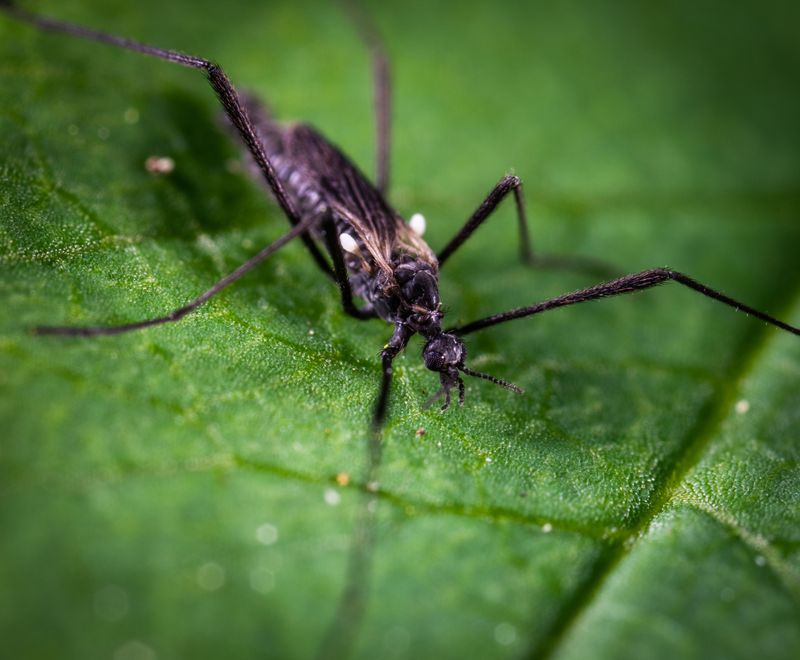
Summer in Pennsylvania hits different when the humidity climbs and the rain refuses to quit. That wet, warm combination is exactly what sends mosquito populations into overdrive across the state.
Spray season typically runs from late June through September. However, a rainy spring can push the start date earlier, catching many residents off guard before they have even thought about bug spray.
County vector control programs monitor mosquito trap counts weekly. When those numbers cross a certain threshold, or when a trapped mosquito tests positive for West Nile virus, the spray schedule kicks into action almost immediately.
Standing water is the main trigger behind heavy spray activity. Flooded storm drains, clogged gutters, and pooled water in low-lying yards all create perfect breeding grounds that send local populations skyrocketing within days.
Temperature plays a big role too. Mosquitoes develop faster in warm water, so a stretch of hot days after heavy rain can cause a population surge that surprises even experienced county health workers.
Your Pennsylvania Garden Changes Every Week. Your Plan Should Too.
Gardening in Pennsylvania changes quickly throughout the season. Every Friday you’ll receive a simple weekly plan showing exactly what to plant, prune, fertilize, harvest, and protect so you never miss the right timing.
Homeowners often notice trucks appearing after major storms. That timing is not a coincidence because spray crews follow the weather patterns just as closely as any meteorologist would during the season.
Knowing what triggers spray activity helps you stay a step ahead. When you see heavy rain followed by heat, expect trucks within a week or two, and start thinking about your own yard prevention steps right away.
The Actual Ingredients Behind The Spray

Most people assume the mist smells dangerous. The truth is that the chemicals used in most Pennsylvania municipal spray programs are approved by the EPA and used at very low concentrations designed for public safety.
The most common active ingredients are pyrethrins and synthetic pyrethroids like permethrin or resmethrin, modeled after natural compounds found in chrysanthemum flowers.
At the concentrations used in truck-mounted foggers, these products break down quickly in the environment. Sunlight and air exposure typically degrade them within hours of application, leaving minimal residue on surfaces by morning.
Some counties use Duet, combining two pyrethroid compounds, while others rely on Biomist or similar ultra-low-volume outdoor formulations.
These sprays target insect nervous systems but carry very low toxicity to mammals, with brief exposure during a normal spray event posing negligible risk for most adults and older children.
People with asthma or chemical sensitivities may still want to stay indoors during active spraying. Your county health department can provide the specific product name and safety data sheet for whatever they are currently using in your area.
Asking for that information is completely reasonable. Knowing exactly what is in the air around your home gives you real control over decisions that affect your whole family this season.
Staying Inside During And After Spraying
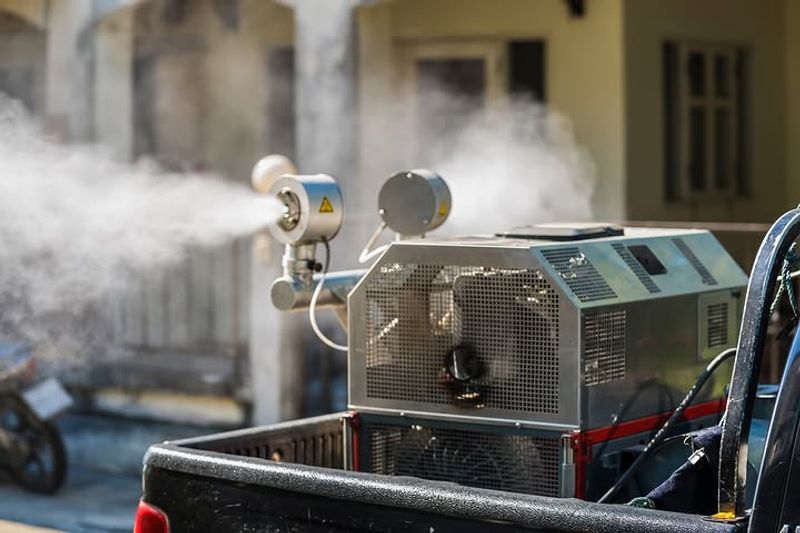
Seeing the truck turn onto your block gives you just a few minutes to act. Close your windows, bring in any outdoor toys or cushions, and get your family inside before the mist reaches your yard.
Most health departments recommend staying indoors during active spraying and for about 30 minutes afterward. That window gives the mist time to settle and begin breaking down before you head back outside.
If you were outside when the truck passed and got caught in the spray, do not panic. Wash any exposed skin with soap and water, and change your clothes as a simple precaution against lingering residue.
Pregnant women, infants, and people with respiratory conditions should stay inside a bit longer than the standard 30-minute guideline. An extra hour of caution costs nothing and provides meaningful peace of mind for sensitive household members.
After the wait period, wipe down outdoor furniture and any garden surfaces you plan to touch. A quick rinse of patio tables and chairs with water is enough to remove any settled residue from the application.
Avoid watering your garden immediately after spraying. Giving the product time to break down naturally before you introduce water helps protect beneficial insects that may visit your plants the following morning.
The short indoor window is genuinely brief. Think of it like waiting for a thunderstorm to pass, and you will be back outside enjoying your evening before the fireflies even come out tonight.
Protecting Pets, Gardens, And Beehives From Drift

Your dog rolling in the grass right after a spray truck passes is not a great scenario. Pyrethroids are known to be toxic to cats and fish at higher concentrations, so a little preparation goes a long way for pet owners.
Bring pets indoors before the truck arrives if you can anticipate the schedule. Most counties post spray routes online or send alerts through local emergency notification systems, giving you enough lead time to act.
Fish ponds and water features deserve special attention. Cover them with a tarp or fine mesh before spraying, since even small amounts of pyrethroid drift can harm aquatic life in a contained pond environment.
Vegetable gardens are generally considered low-risk after the spray breaks down. Still, covering leafy greens with a light row cover or bedsheet during the spray window is a smart, easy step that costs almost nothing.
Beehives are the most vulnerable to spray drift, since pyrethroids are highly toxic to bees. Beekeepers should seal hive entrances the evening before a scheduled spray and reopen them the next morning.
Contact your county vector control office if you keep bees. Many Pennsylvania counties maintain a voluntary beekeeper registry that flags nearby hive locations so spray crews can adjust routes or timing around registered apiaries.
A few simple steps before the truck arrives can protect everything you have worked hard to grow. A covered garden, a registered hive, and a pet indoors turns a stressful evening into a non-event.
Who To Contact If You Want To Opt Out
Not everyone wants the truck rolling past their yard, and that is a fair position to take. Pennsylvania residents have the right to request that their property be skipped during scheduled spray events.
The first step is finding your county vector control or mosquito control program online. Most county health department websites list a direct phone number or email contact for spray-related questions and opt-out requests.
When you call, be ready to provide your full address and the reason for your request. Common reasons include beekeeping, chemical sensitivity, organic gardening, or simply personal preference, and all of them are typically accepted without pushback.
Some counties maintain a formal no-spray registry. Once your address is added, crews are instructed to skip your property or adjust their nozzle direction when passing by your home during active treatment runs.
Opting out means taking on more responsibility for mosquito control yourself. Eliminating standing water, using larvicide dunks in ponds, and planting mosquito-repelling herbs are effective steps you can take independently.
You can also request advance notice of spray schedules without opting out entirely. Signing up for county alerts lets you take temporary precautions on spray nights without permanently removing your address from the treatment route.
Either way, you have options. Mosquito control programs in Pennsylvania are designed to serve the public, and reaching out to your local office puts the control right back in your hands where it belongs this season.