Why Tennessee Yellow Jackets Are Peak Aggressive In Early August And What Actually Works
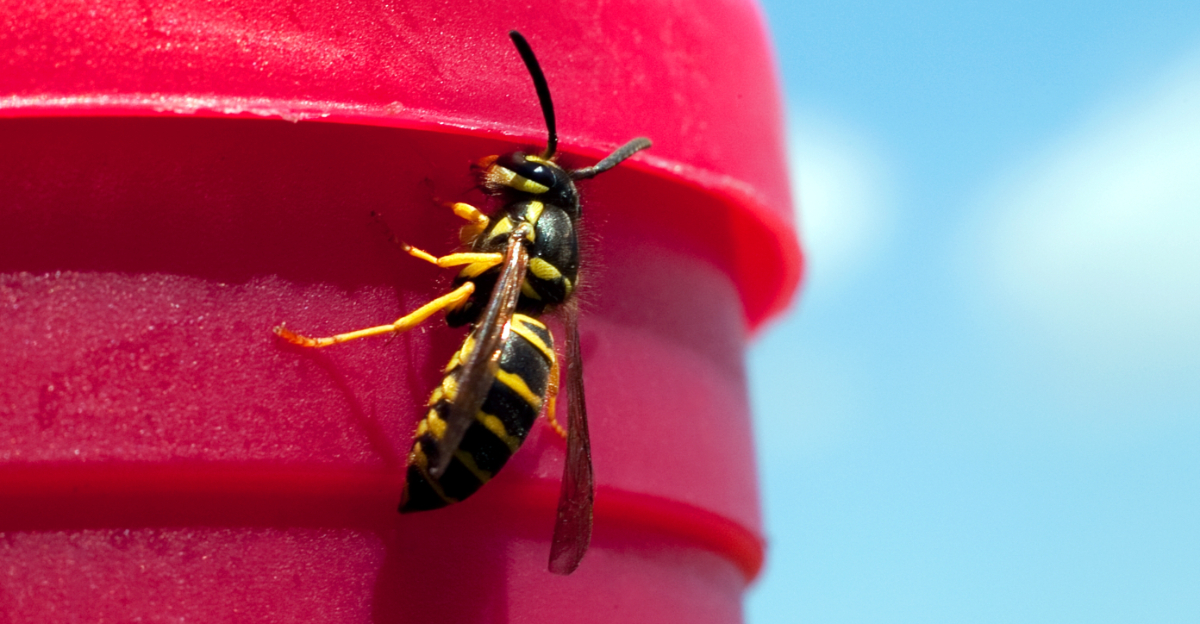
Picture yourself swatting a yellow jacket away, then suddenly facing a dozen more. Every nest you pass now hides a surprising shift. Tennessee summers push local insects into a different mode.
Calm afternoons can turn tense within seconds for you. Food grows scarce, and hunger sharpens curiosity toward you. You barely brush a nest before activity spikes fast.
Dozens respond quickly, ready to protect their colony. Late season colonies stop building, start protecting instead. Weather adds real pressure, cooler nights stress every colony nearby.
Across Tennessee, you can sense this shift before autumn arrives. Knowing why this happens gives you real, usable power. Ignoring it could cost you more than a sting.
Wasps sting repeatedly, and your skin remembers every hit. Children and curious pets face your biggest risk this season.
Professionals see this exact pattern repeat across properties yearly. Your very next move determines whether you stay safe now.
Colonies Reach Maximum Population Now
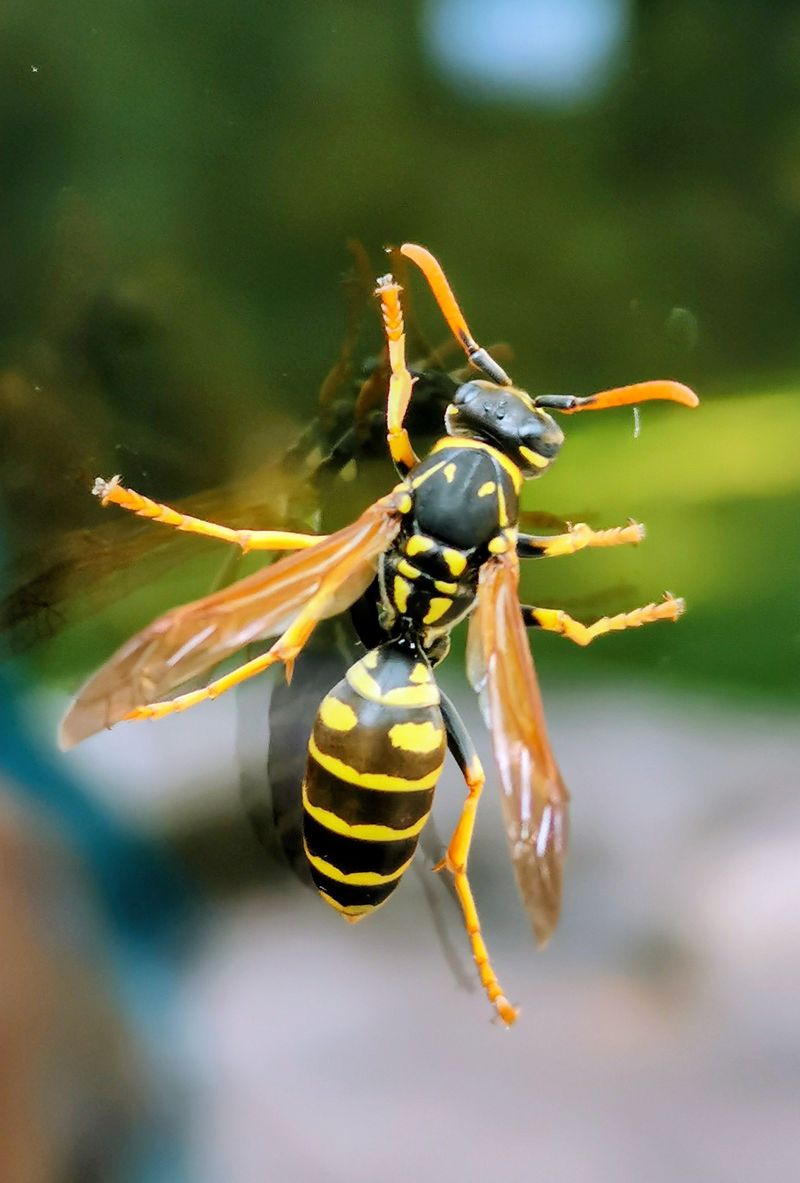
August is the month yellow jacket colonies hit their peak population. A single colony that started with one queen in spring can now hold thousands of workers at full strength.
Each new worker adds another defender to the nest, making the whole colony more likely to respond defensively.
More bodies mean more guard bees patrolling a wider zone. You might trigger a response without even realizing the nest is nearby.
Tennessee yellow jackets are especially aggressive during this population peak because the colony has so much to protect. Thousands of workers share one collective instinct: defend at all costs.
Early spring colonies are small and mostly focused on growing. By August, growth is complete and defense becomes the top priority for every single worker in the nest.
Homeowners are often caught off guard because the nest grew silently underground all summer. One wrong step near a ground-level entrance and the entire defensive force responds instantly.
Knowing that colonies peak in early August helps you stay alert during the most dangerous weeks of the year. Awareness alone can prevent a painful and frightening encounter in your own yard.
Natural Prey Becomes Scarce This Time
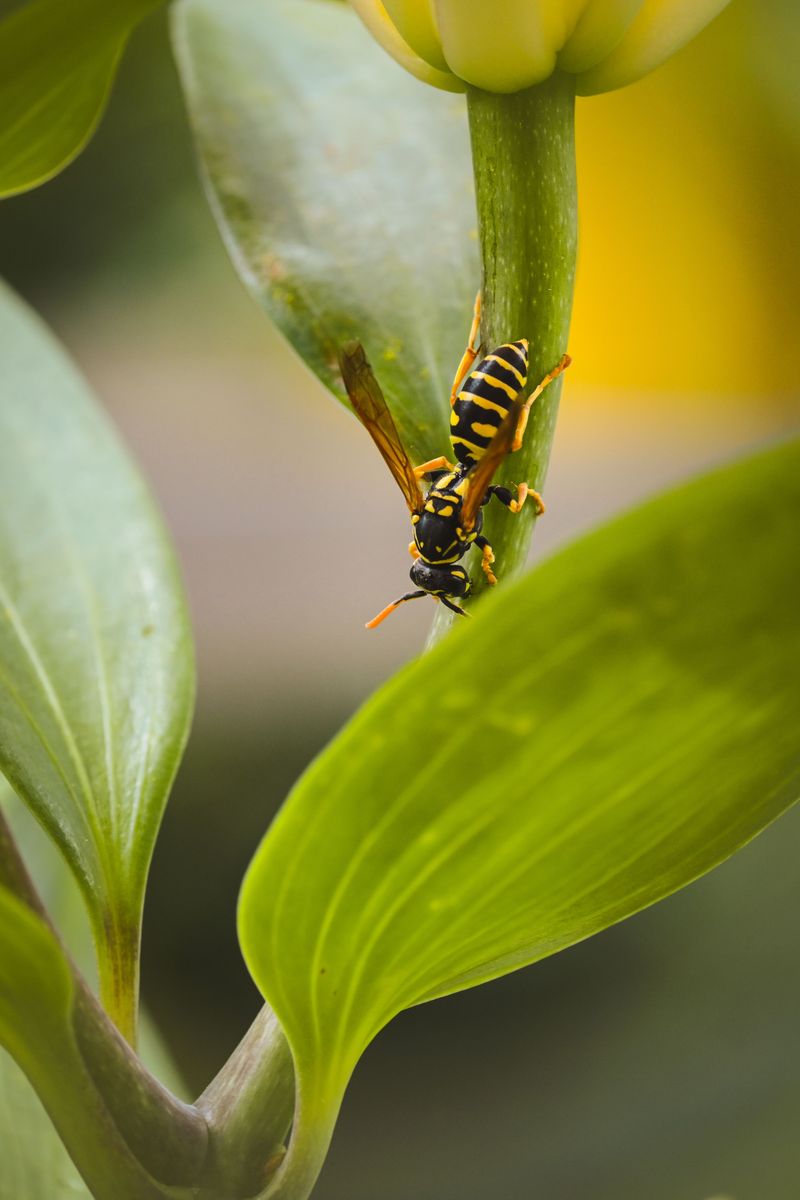
Early in the season, yellow jackets hunt caterpillars, flies, and other soft-bodied insects to feed their larvae. Protein-rich prey keeps the colony focused on hunting rather than raiding your cookout.
A hungry colony becomes more defensive and more active. Workers that used to spend their energy hunting now spend it competing, scavenging, and defending territory with extra intensity.
The shift in food availability directly fuels the aggression spike seen across Tennessee every summer. Less prey means more desperation, and desperate insects take more risks.
Gardeners who notice yellow jackets hovering near plants in August are often watching this hunting behavior play out in real time. The wasps are searching, not just wandering.
Reduced prey also pushes yellow jackets into contact with humans more often. They follow scent trails from grills, garbage, and outdoor meals because natural options are simply not cutting it.
Your Illinois Garden Changes Every Week. Your Plan Should Too.
Gardening in Illinois changes quickly throughout the season. Every Friday you’ll receive a simple weekly plan showing exactly what to plant, prune, fertilize, harvest, and protect so you never miss the right timing.
Understanding this food pressure helps explain why August encounters feel so different from June ones. The insects are not randomly mean, they are responding to genuine resource stress in their environment.
Keeping that context in mind makes it easier to take smart precautions. You are not dealing with random bad luck, you are dealing with a predictable seasonal pattern that you can actually plan around.
Workers Shift Toward Sugary Foods

Protein fuels larval development, but adult yellow jackets run on sugar. As larva production slows in August, workers need carbohydrates more than ever to keep themselves energized.
Sodas, fruit, sweet tea, and sugary snacks become irresistible targets. Workers will hover near open cans and plates with a boldness that feels almost personal.
This shift in diet is one of the biggest reasons August cookouts turn into yellow jacket standoffs. The insects aren’t acting without reason, they’re searching for energy.
A single open soda can left on a picnic table can attract dozens of workers within minutes. The sweet smell carries far, and once one scout finds a source, others follow fast.
Fruit trees in Tennessee yards become hotspots during this period. Fallen or overripe fruit ferments and releases strong sugary odors that draw large numbers of foraging workers.
Even lip balm, sweet-smelling sunscreen, or flavored drinks near your mouth can trigger unwanted attention. Yellow jackets associate sweet scents with food sources and investigate aggressively.
Swapping out sugary drinks for water during outdoor meals reduces attraction significantly. Keeping all food in sealed containers and cleaning up spills immediately also makes a noticeable difference in the number of visitors you attract.
The sugar-seeking phase is predictable and manageable once you recognize it. Small behavioral changes on your end can dramatically reduce close encounters during the peak weeks of Tennessee yellow jacket season.
Queens Stop Laying, Colony Purpose Fades
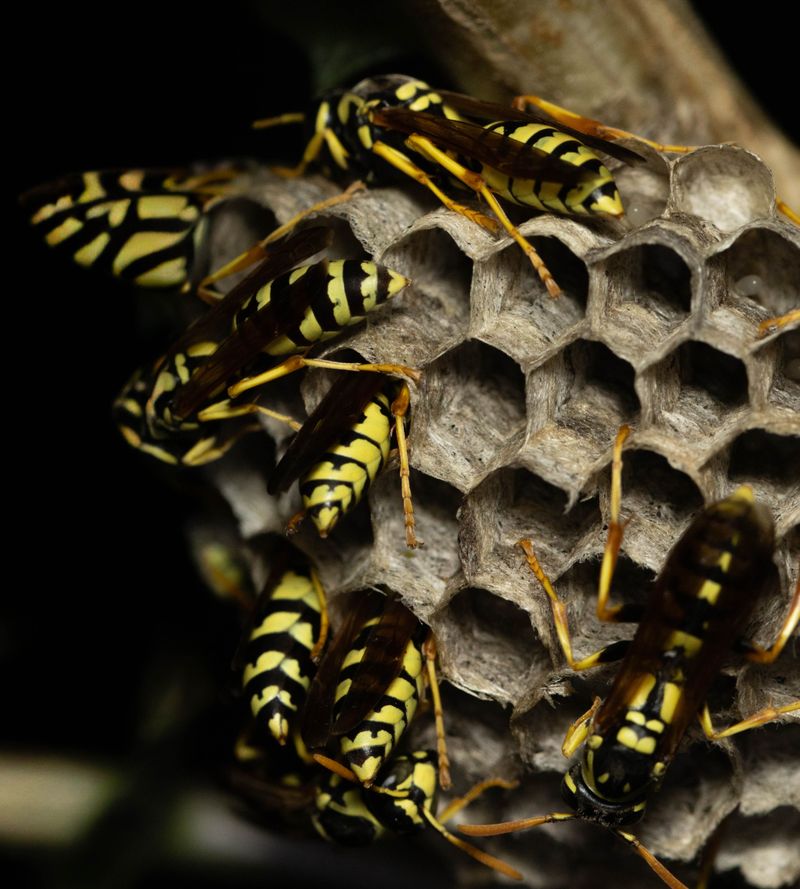
By early August, the queen dramatically slows her egg-laying. The colony that once had a clear biological mission, grow and expand, suddenly starts losing its sense of direction.
Workers were built to serve the queen and feed larvae. When that role disappears, their energy has nowhere productive to go, and tension rises inside the nest.
Scientists describe this phase as colony senescence. The colony has not collapsed yet, but its purpose is dissolving, and that creates behavioral instability across the entire worker population.
Disoriented workers become unpredictable. Without larvae to tend and without a strong reproductive drive to follow, they respond to disturbances with faster, fiercer reactions than earlier in the season.
This is a key reason why August yellow jackets feel more defensive than June ones. The colony has lost its calming biological purpose and workers are essentially on edge all the time.
New queens and males are produced during this window to carry genes into next year. The workers protecting those future queens are especially motivated and unusually reactive to any perceived threat.
For homeowners, this means that even minor disturbances near a nest can trigger a response that feels wildly out of proportion. The colony behaves unpredictably at this stage.
Giving nests a very wide berth in August is the smartest move you can make. The internal instability inside the colony makes every encounter riskier than it looks from the outside.
Sealed Trash Bins Remove Attraction

Garbage cans are a strong attractant for August yellow jackets. Meat scraps, fruit rinds, sugary residue, and food wrappers send out scent signals that workers can detect from a surprising distance.
Switching to trash bins with locking or tight-fitting lids is one of the most effective deterrents you can use. A sealed container reduces the scent signal almost completely.
Many Tennessee homeowners do not realize their open trash area is the main reason yellow jackets keep showing up near the house. Fixing that one thing can reduce encounters dramatically.
Rinsing out food containers before tossing them also helps cut down on odor. A sticky soda bottle or a meat tray with residue is a powerful attractant even inside a closed bag.
Placing trash bins away from decks, patios, and doors creates distance between foraging wasps and the spaces where people spend time. Location matters almost as much as the lid quality.
Some homeowners double up by using trash cans with bungee cords to ensure no gaps exist at the lid. That extra step is especially useful during the peak aggression weeks of early August.
Composting is another hidden attractant that often gets overlooked. Open compost piles are loaded with fermented fruit and food scraps that strongly attract sugar-seeking workers.
Covering compost bins the same way you would your trash creates a consistent barrier. Small, consistent habits like these stack up to create a noticeably calmer outdoor environment throughout the worst weeks of Tennessee yellow jacket season.
Covered Food Limits Backyard Encounters

Leaving food uncovered outside in August is practically an open invitation. Yellow jacket workers are constantly patrolling for exactly the kind of scents that rise from an unprotected plate or bowl.
Mesh food covers are a simple, affordable fix that most outdoor entertaining guides overlook. Placing one over any dish that is not actively being eaten cuts down on foraging visits fast.
Grills are a major source of attraction during backyard cookouts. Grease drippings, marinades, and meat juices create a scent cloud that workers follow straight to your cooking area.
Keeping a spray bottle of water nearby can help deter individual scouts without triggering a defensive response. A gentle mist discourages landing without creating the kind of threat response that swatting does.
Serving food in sealed containers until guests are ready to eat is another easy win. The fewer minutes food sits open, the fewer scouts get the chance to find and signal the source.
Cleaning up spills immediately is just as important as covering food in the first place. Even a small puddle of lemonade on a table can draw workers within a few minutes on a hot August afternoon.
Kids and pets are especially vulnerable near uncovered food because they move unpredictably. A child reaching for a cup near a foraging worker is exactly the kind of sudden motion that triggers a defensive sting.
Building a habit of covered food and quick cleanup transforms your backyard into a far less appealing target. Consistency is what makes this strategy work against Tennessee yellow jackets during peak season.
Professionals Handle Nest Removal Safely
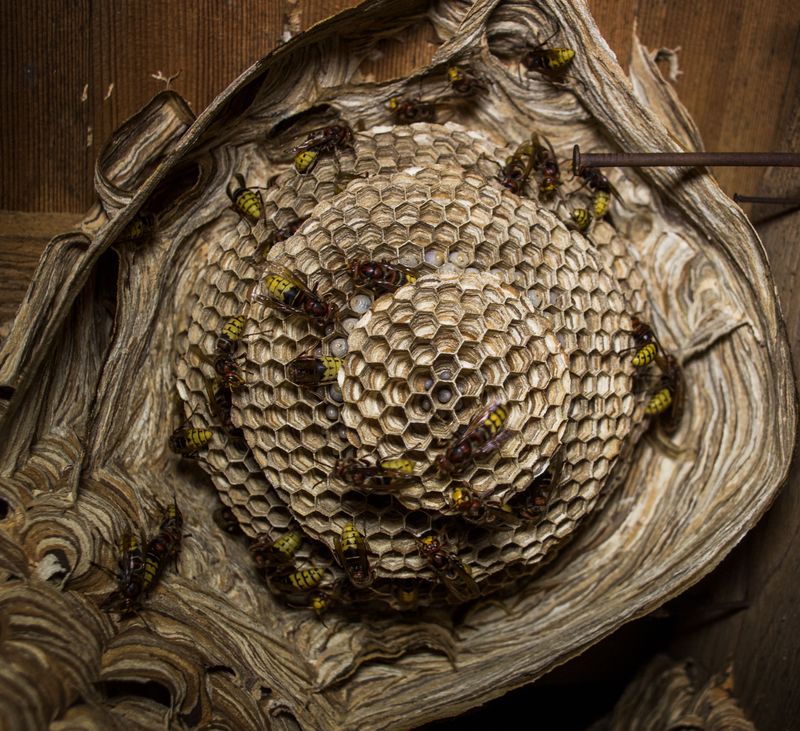
Finding a yellow jacket nest in your yard can feel alarming, especially in August when the colony is at full strength. The urge to handle it yourself is understandable, but the risks are serious.
A single disturbed nest in peak season can release hundreds of workers in seconds. Professional pest control technicians have the gear, training, and products to manage that without getting hurt.
Ground nests are the trickiest because the entrance hole is small and easy to miss. A pro can locate the full extent of the nest before treating, which homeowners rarely can do safely.
Wall voids and crawl spaces present a different challenge entirely. Workers trapped inside walls after a partial treatment will sometimes chew through drywall, creating a whole new and frightening problem.
Licensed exterminators use targeted insecticides that reach deep into the nest structure. Surface sprays from a hardware store rarely penetrate far enough to reach the colony at its core.
Timing matters in professional removal too. Most technicians prefer treating at dusk when workers are back inside the nest and movement is minimal, maximizing the treatment’s effectiveness.
The cost of professional removal is often lower than people expect, especially compared to the potential cost of a serious sting incident.
If the nest is large, near a door, or under a structure, calling a professional is simply the smart call. Tennessee yellow jackets at peak aggression are not a DIY situation for most households.
Sealing Cracks Prevents Indoor Nesting

Yellow jackets do not need a large opening to move indoors. A small gap near a window frame, soffit, or foundation can be more than enough for workers to establish a hidden nest.
Late summer is when colonies actively explore new spaces, making August an important month to inspect your home’s exterior. A quick walk around the house can reveal surprising vulnerabilities.
Caulk is your best friend for this job. Applying a fresh bead of weatherproof caulk around window frames, door gaps, and utility penetrations closes off the most common entry points fast.
Soffits and roof eaves deserve special attention because they are warm, sheltered, and often overlooked. Yellow jackets love building inside these spaces where they stay protected from rain and predators.
Checking your attic vents and crawl space screens for tears or gaps is also worthwhile. A small hole in a vent screen is an open door to a colony that could grow large before you notice it.
Foundation cracks are another common entry point, especially in older Tennessee homes. Expanding foam sealant works well for larger gaps where caulk alone would not provide enough coverage.
Indoor nests are significantly harder to treat than outdoor ones. Workers inside walls are harder to reach and more likely to scatter through the home when disturbed during any removal attempt.
Spending an afternoon sealing your home in late July or early August is one of the smartest investments in Tennessee yellow jacket prevention you can make before peak aggression season hits full force.