Is Your Front Door Landscaping Breaking California’s 5-Foot Fire Rule?
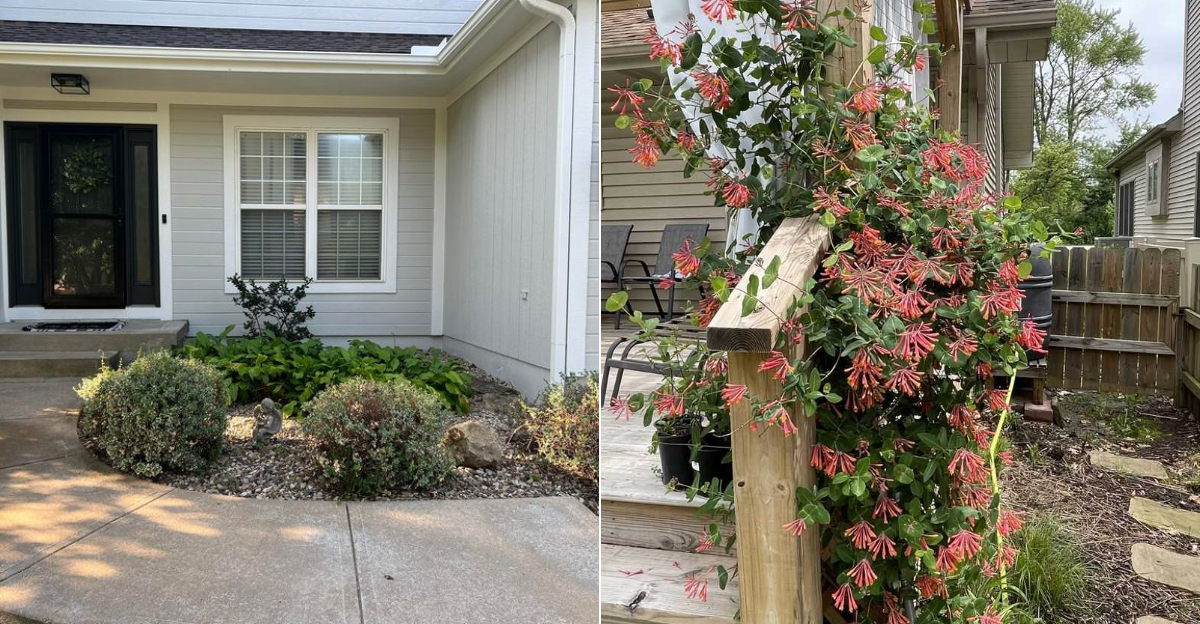
That pretty setup beside the front door may be doing more than boosting curb appeal. In fire-prone parts of California, plants and decorative materials near the house can create problems inside the crucial five-foot zone.
The tricky part is that many risky choices look completely normal. A healthy shrub may sit too close to siding.
A tidy layer of mulch may seem harmless until dry weather changes the equation.
California’s fire guidance puts special attention on the space nearest a structure for good reason. Embers can land there first, and small details may influence what happens next.
This does not mean the entryway has to look bare or unfriendly. It does mean every plant and material deserves a closer look.
A few adjustments can keep the front door attractive without letting curb appeal quietly work against the home.
1. Your Front Door Is In Zone 0
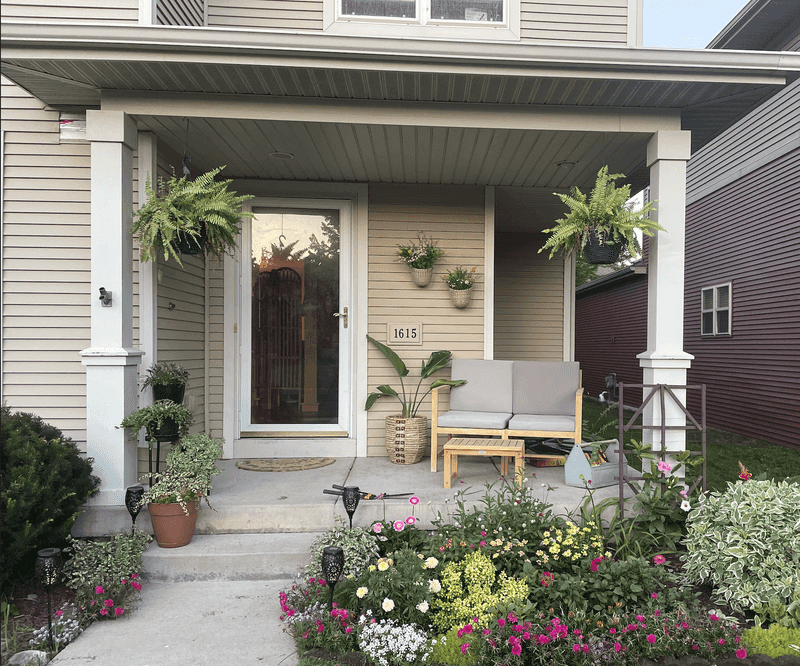
Not everyone knows that fire safety guidelines divide your property into zones. Zone 0 is the closest zone to your home, covering the area within five feet of any exterior wall or opening.
Your front door sits right in the middle of this zone, and it may be the most overlooked spot on your entire property.
This zone matters so much because embers from a wildfire can land right at your doorstep. When they do, any combustible material nearby gives them a place to grow into a flame.
That flame can then move up your wall or through a gap in your door frame very quickly.
Fire agencies across California have updated their guidelines in recent years to focus heavily on Zone 0. The reason is simple.
Most homes that catch fire during a wildfire do not burn from direct flame contact. They ignite from embers landing in small, overlooked spots.
Your front door area is one of those spots.
Clearing Zone 0 means removing wood mulch, dried leaves, dried-out plants, and any other burnable materials within five feet of your home. Replace them with gravel, decomposed granite, or concrete pavers.
These materials do not ignite, and they give embers nowhere to go. Your front door can still look great with smart, fire-safe design choices.
2. Bark Mulch Can Break The Rule
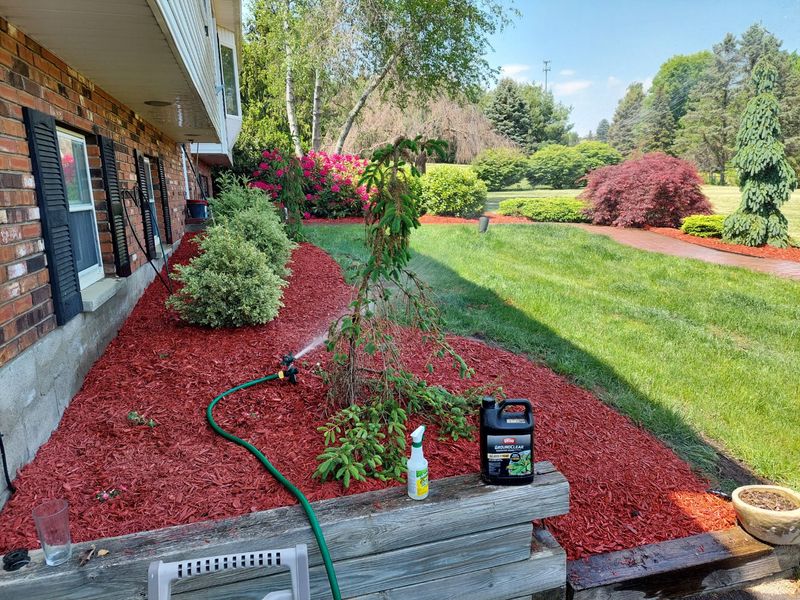
Bark mulch is one of the most popular landscaping materials in the country. It looks tidy, keeps moisture in the soil, and breaks down into nutrients over time.
However, most homeowners do not realize that bark mulch is extremely flammable, especially when it dries out in warm weather.
Studies from fire research labs have shown that bark mulch can ignite from a single ember. Once it starts burning, it can smolder for a long time without visible flames.
That slow burn can travel underground and reach your home’s foundation or crawl space before anyone notices.
In California’s hot, dry summers, bark mulch near your front door can dry out quickly. A single ember from a wildfire miles away can land in that mulch and start a chain reaction.
That is exactly what the 5-foot rule is designed to prevent.
Your California Garden Changes Every Week. Your Plan Should Too.
Gardening in California changes quickly throughout the season. Every Friday you’ll receive a simple weekly plan showing exactly what to plant, prune, fertilize, harvest, and protect so you never miss the right timing.
Swapping bark mulch for a non-combustible ground cover is one of the easiest wins you can get in fire safety. Pea gravel, river rock, or decomposed granite all look attractive and do not carry fire.
You can still use bark mulch in areas farther from your home, just keep it out of Zone 0. Making this one change near your front door could protect your entire house from an ember strike.
3. Potted Plants Still Count As Fuel
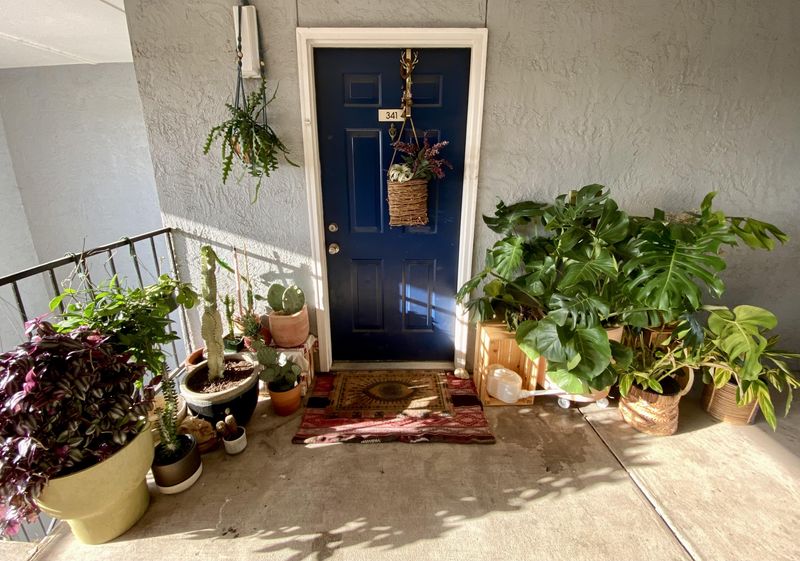
Many people assume that potted plants are safe because they can be moved around. That flexibility makes them feel harmless.
But during a wildfire, there is rarely time to move anything, and those pots sitting beside your front door become fuel just like anything else.
The plant itself is the main concern. Dry leaves, woody stems, and withered growth inside a pot can catch an ember easily.
Plastic pots can melt and spread flame. Even terra cotta pots filled with dry soil and a stressed plant can contribute to fire spread near your entryway.
In the northern and central regions of California, summer conditions can stress plants badly. A potted plant that looked healthy in spring can become a dry, brittle fire hazard by August.
That change happens gradually, and most homeowners do not notice until it is too late.
If you want to keep potted plants near your front door, choose plants with high moisture content and low flammability. Succulents are a great option because they store water in their leaves and do not dry out as quickly.
Use ceramic or metal pots instead of plastic or wood. Keep the plants well-watered and remove any withered leaves or stems regularly.
Moving pots at least five feet from the door is the safest choice of all, and it still keeps your entryway looking welcoming.
4. Shrubs Beside The Door Raise Risk
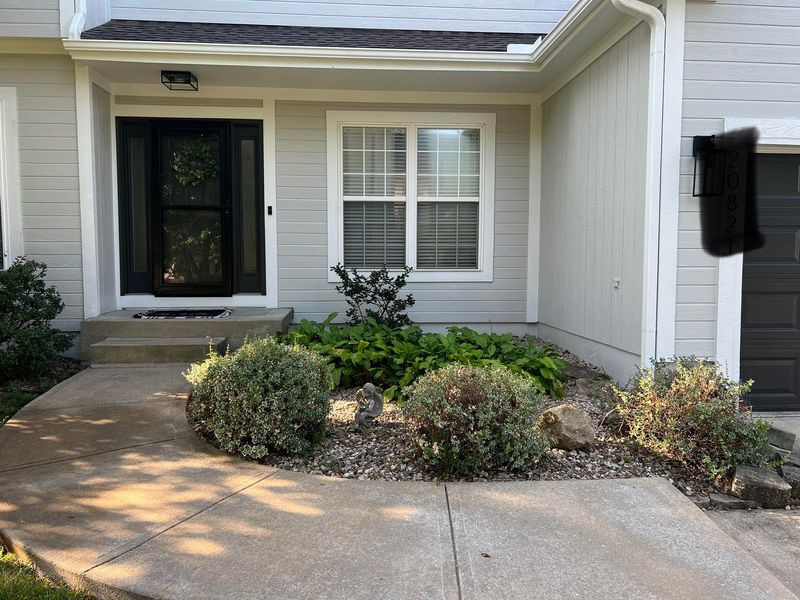
A pair of matching shrubs on either side of a front door is a classic landscaping look. It frames the entrance nicely and adds color and texture.
However, shrubs placed within five feet of your door can act as a direct path for fire to travel from the ground to your home’s walls and roof.
Dense, woody shrubs hold a lot of dry material inside, especially near the base. Withered branches, dried leaves, and twigs collect in the interior of the plant where they are hard to see.
When an ember lands in that hidden material, a fire can build quietly before breaking out into open flame.
Some of the most common front door shrubs in our state, like juniper and rosemary, are also among the most flammable. They contain oils in their leaves that burn quickly and at high temperatures.
Planting these species right beside your door is one of the riskier landscaping choices you can make in a fire-prone area.
If you love the look of framing shrubs, consider replacing them with lower-risk plants like succulents, lavender planted farther out, or ornamental grasses kept well-trimmed. Always prune shrubs regularly to remove damaged wood.
Keep them pruned low so they do not touch the walls. Moving any shrub at least five feet from the door dramatically lowers the fire risk at your entryway.
5. Wood Planters Add Fuel Near Walls
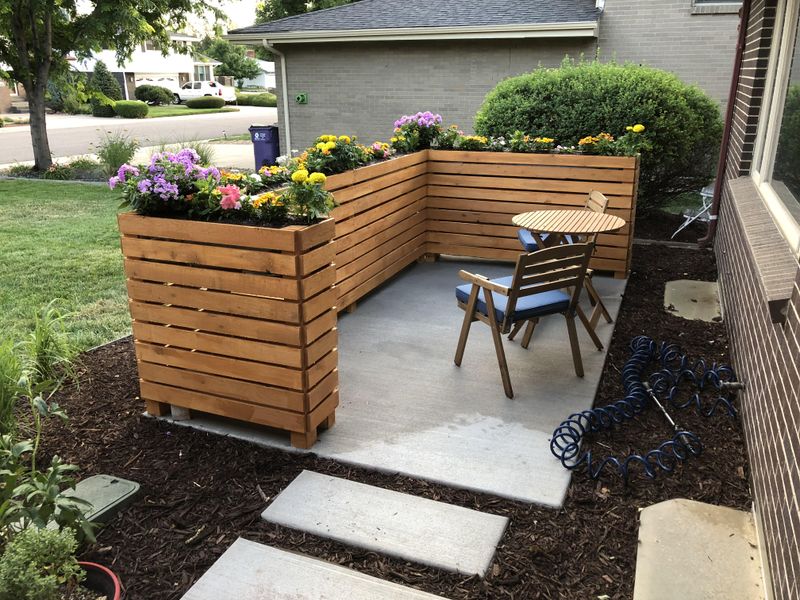
Raised wood planters have become a trendy addition to front yard landscaping. They look rustic and charming, and they make gardening easier on the knees.
However, a wood planter box sitting against your home’s exterior wall is essentially a pile of dry lumber right next to your house.
Wood burns. That fact is easy to overlook when the planter looks solid and sturdy.
But after a few seasons in the sun, wood planters dry out, crack, and become very easy to ignite. Embers that land on or near a wood planter have plenty of fuel to work with, and the fire can spread to your wall in minutes.
The soil inside the planter does not offer much protection either. If the plants are dry or the soil is loose and mixed with organic matter, the whole planter can become a fire source.
Even treated or painted wood is not fire-resistant enough to meet the Zone 0 standard.
Switching to metal, stone, or concrete planters is a smart upgrade. These materials do not burn, and they come in many attractive styles.
You can find options that look just as rustic or modern as wood. Place them at least five feet from your home’s walls.
If a wood planter is already in place, consider removing it before the next fire season. Your wall and your whole home will be much safer for it.
6. Doormats Can Catch Windblown Embers

Almost every home has a doormat sitting right at the front door. Most people never think of a doormat as a fire hazard.
However, coir mats, jute mats, and synthetic fiber mats are all combustible. An ember landing on a dry doormat can ignite it in seconds.
What makes this especially tricky is the location. A doormat sits right at your door threshold.
If it catches fire, the flame is immediately next to your door frame, your door itself, and potentially your entryway flooring. That is one of the worst spots for a fire to start near your home.
During a wildfire event, wind carries embers far ahead of the main fire front. Those embers can travel miles and land anywhere, including on your front porch.
Conditions in California during fire season make this a realistic threat for millions of homeowners, not just those in remote areas.
Replacing a flammable doormat with a fire-resistant option is a simple and affordable fix. Look for doormats made from materials like recycled rubber, metal mesh, or stone.
Some tile-based mats are also a good option. These alternatives still do the job of catching dirt and debris from your shoes.
They just do not give embers a place to grow into a flame. It is one of the smallest changes you can make with one of the biggest safety payoffs for your front door area.
7. Dry Leaves Collect Around Thresholds
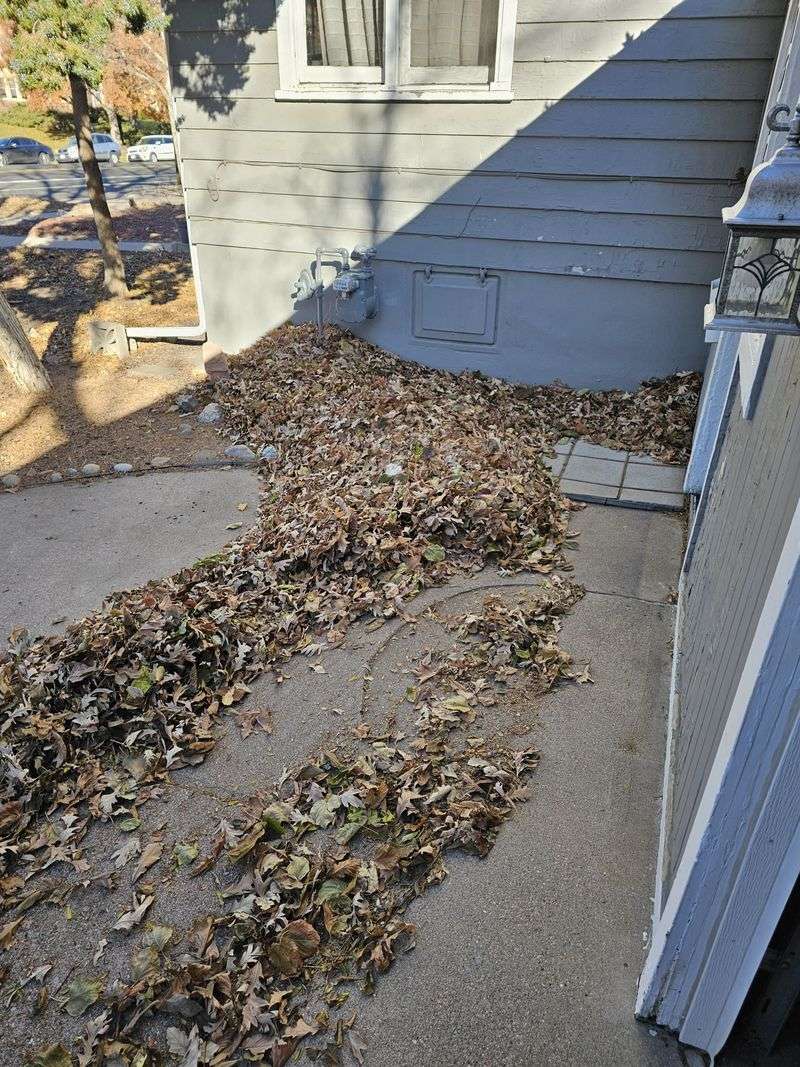
Leaves are one of the sneakiest fire hazards around any home. They drift in from nearby trees, collect in corners, and pile up against door thresholds without anyone paying much attention.
During fire season, that small pile of dry leaves can be all an ember needs to start a fire.
Door thresholds and porch corners are natural collection points for leaf debris. Wind pushes leaves into these sheltered spots where they stay dry and accumulate over time.
Even if you sweep regularly, leaves can build up again within a day or two during autumn or after a windy period.
In the southern and central parts of California, fire season now overlaps with leaf-fall season for many tree species. That means there is a window every year when both ember risk and leaf accumulation are at their peak at the same time.
That overlap is exactly when many homes are most vulnerable.
The fix is straightforward but requires consistency. Sweep your front porch and door area at least once a week during fire season.
Pay close attention to corners, door frames, and any gaps where leaves can collect. If you have trees close to your entryway that drop a lot of leaves, consider whether trimming them back would reduce the debris.
Keeping this area clean takes only a few minutes and makes a real difference in how ember-resistant your front door zone is during the most dangerous time of year.
8. Vines Can Carry Fire Upward
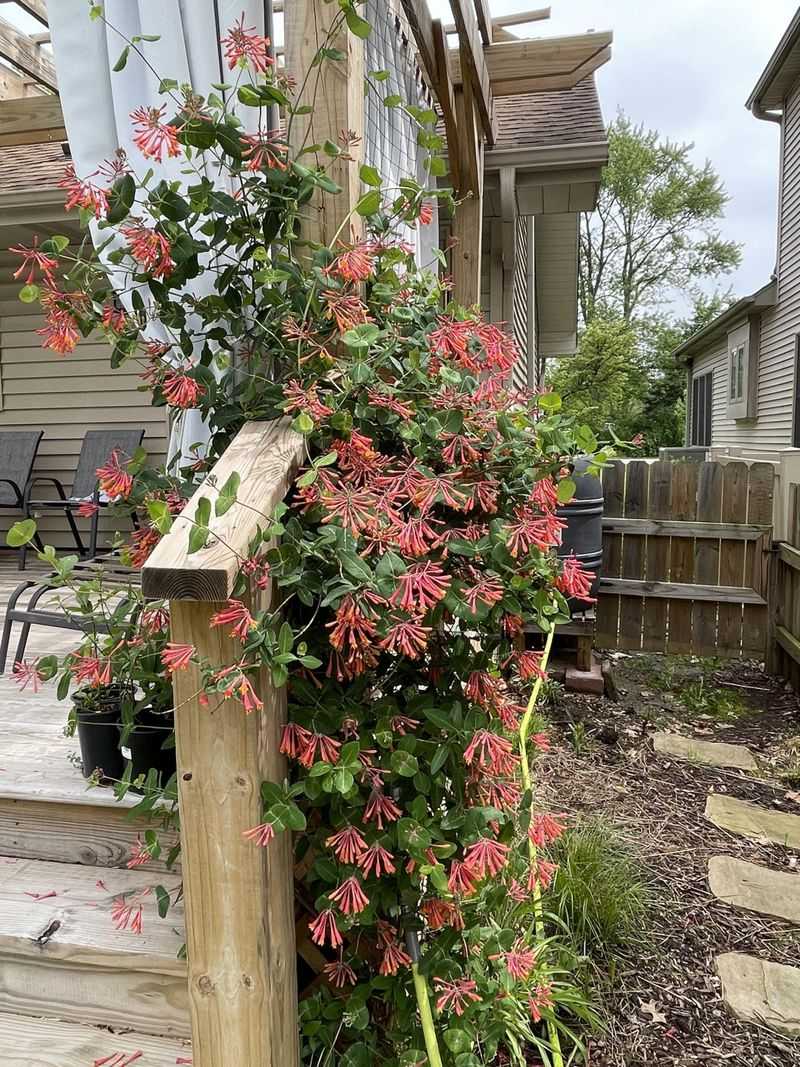
Climbing vines are one of the most romantic landscaping features a home can have. They soften hard exterior walls and give a house a lush, cottage-like appearance.
However, when vines grow along your exterior wall near your front door, they create a direct fire pathway from the ground to your roof.
Vines grab onto walls, climb up window frames, and reach eaves and rooflines over time. During a fire, that vertical growth acts like a ladder for flames.
A fire that starts at the base of a vine near your door can travel upward quickly and reach your roof in a very short time.
Many popular vine species also dry out significantly during the hot, dry months common across much of our state. Dried wisteria, ivy, and bougainvillea all burn readily.
Even green-looking vines can have dry, withered material hidden inside the growth that ignites easily when an ember lands nearby.
Removing vines from your home’s exterior walls is the safest option, especially within Zone 0. If you love the look of a vine-covered entry, consider using a freestanding trellis placed at least five feet from the wall.
That way the vine grows away from the structure rather than along it. Keep any vines well-watered and pruned to remove withered material.
Regular maintenance reduces the fire risk significantly and helps you keep the aesthetic you love without putting your home in danger during fire season.