Illinois Compost Breaks Down Faster Now, Here’s Why And What It Needs
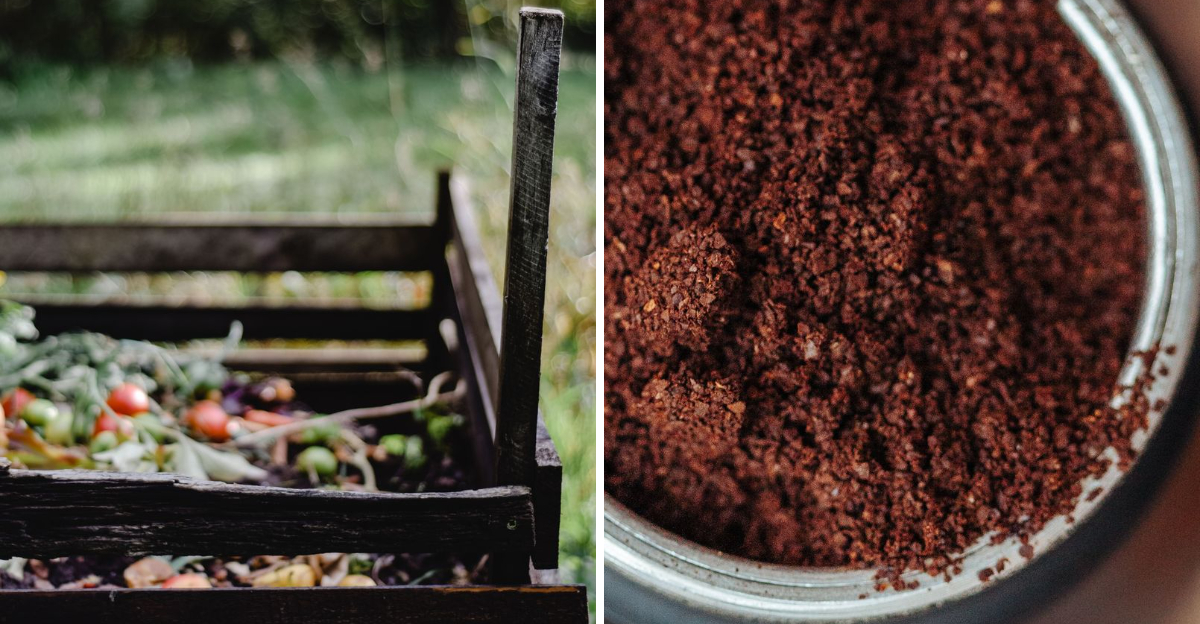
Heat is turning your compost pile into an active system. Illinois summers encourage steady microbial activity. Humidity holds warmth inside the pile, feeding bacteria steadily and nonstop.
Longer daylight hours often correlate with warmer temperatures, which can extend microbial activity. You might not notice it, but your bin keeps working nonstop right now.
Every scrap you add either speeds decay or slows it down. Better choices help the process; poor ones hold it back. Nitrogen-rich greens paired with carbon-heavy browns create a strong natural balance.
Moisture levels shift constantly during hot summer stretches, changing what your pile needs hour by hour. Coffee grounds and grass clippings become powerful boosters this time of year.
Overlooking these details can reduce your results this season. Timing matters more than most gardeners realize.
Choosing the right ingredients now determines whether your soil turns rich or stays plain. Moving forward is the only real option.
Heat Speeds Up Illinois Compost Microbial Activity
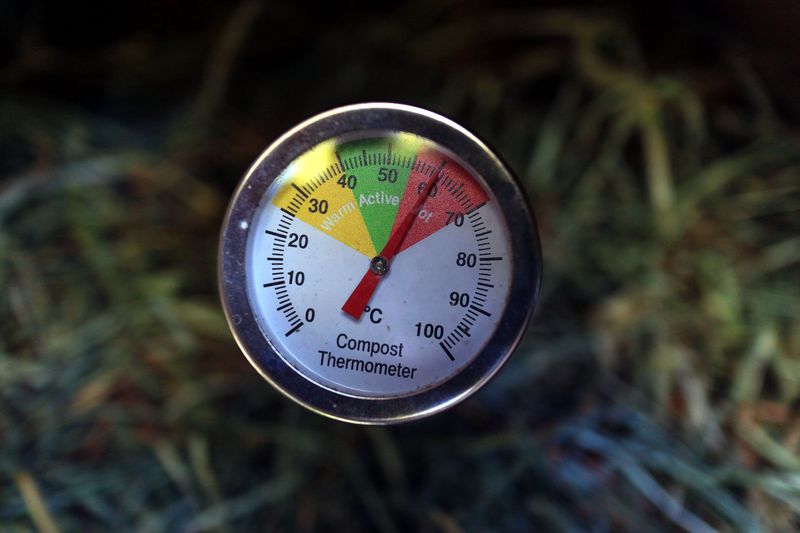
Lift the lid, and microbes appear to move quickly through the warm layers underneath. Hot spells tend to activate bacteria and fungi, helping scraps break apart more quickly each day.
Warmth acts like a signal, telling the smallest workers in your bin that conditions are favorable for growth. As temperatures climb, microbial populations often multiply, creating a livelier environment inside the pile.
Turning the heap often helps spread that warmth and pulls oxygen through pockets that might otherwise stay stagnant. When the middle feels warm to the touch, your compost is generally moving along at a solid pace.
This internal heat can also help break down tougher materials that resist decay in cooler months. Steady warmth tends to reduce odors as well, which can keep the bin more pleasant near doorways or patios.
Many gardeners notice that a well-managed summer pile shows more visible activity compared to its winter counterpart.
Feeding it thoughtfully during these warm stretches can support that momentum rather than slow it down. Adding a mix of greens and browns helps microbes stay fed while the heat does its part.
Checking moisture occasionally prevents the pile from drying out despite the added warmth. Small, consistent care during hot weeks often pays off later with soil that feels rich and ready.
Keep feeding the pile with intention, because this seasonal boost tends to set the stage for stronger results by fall.
Warmth alone will not finish the job, but it gives your compost a meaningful head start toward becoming something useful for your garden.
Warm Soil Boosts Decomposition Rates
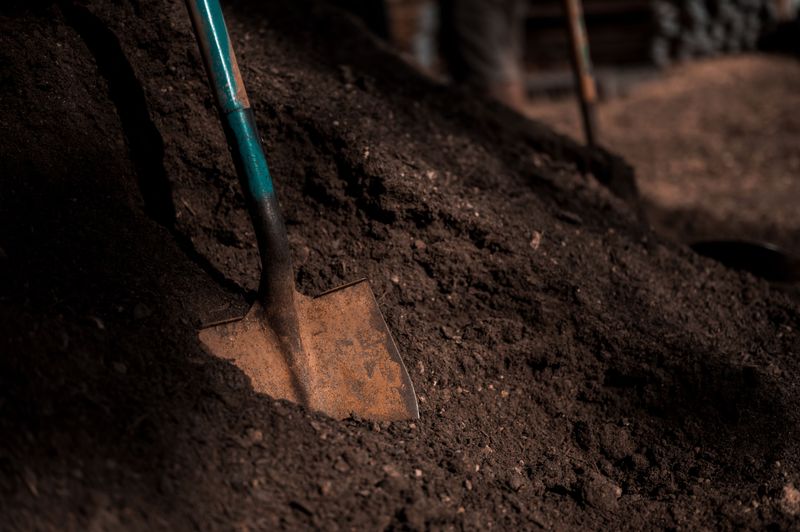
Step barefoot nearby, and the ground itself can feel surprisingly active beneath your usual outdoor chores. Warm soil tends to support worms, beetles, and microbes that continue working just below the compost pile.
This underground activity often complements what happens above, creating a fuller cycle of breakdown throughout the bin.
Setting bins directly on bare earth instead of concrete allows this natural exchange to continue more easily. That contact can share both warmth and helpful organisms, keeping the bottom layer from turning cold or inactive.
Your Illinois Garden Changes Every Week. Your Plan Should Too.
Gardening in Illinois changes quickly throughout the season. Every Friday you’ll receive a simple weekly plan showing exactly what to plant, prune, fertilize, harvest, and protect so you never miss the right timing.
Concrete, by contrast, may block that connection and slow progress near the base. A layer of twigs or small branches placed at the bottom can help protect airflow when heavy rain presses down.
This simple addition allows water to drain while still letting air circulate through the lower sections. Healthy ground beneath the pile often supports a faster overall finish, meaning less waiting for garden-ready material.
Illinois gardeners who pay attention to what lies underneath their bins sometimes notice quicker results than those who ignore it. Soil temperature can shift depending on shade, sunlight, and surrounding plant cover, so placement matters.
Choosing a spot with partial sun exposure may help maintain steady warmth without overheating the pile. Over time, this attention to ground conditions can make a noticeable difference in how quickly organic material transforms.
While no single factor controls the entire process, warm, active soil beneath the bin tends to support the effort happening above it in a meaningful way throughout the season.
Summer Humidity Keeps Piles Moist
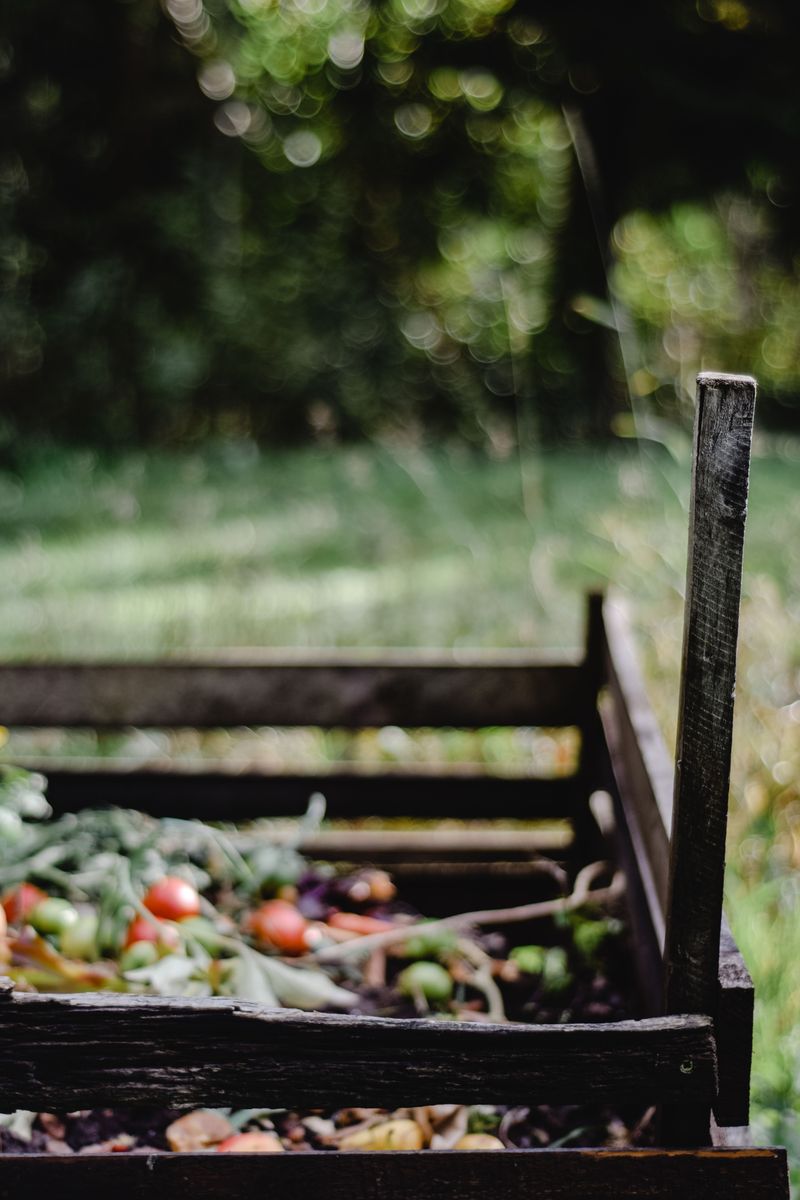
Some days feel sticky, and your compost pile often responds well to that muggy summer air. Moist conditions help microbes travel more easily across surfaces, reaching bits that dry heaps tend to miss.
Humidity acts almost like a delivery system, carrying moisture to areas that might otherwise sit untouched. Checking moisture levels by squeezing a handful can offer a quick sense of how the pile is doing.
Material that feels similar to a damp sponge is usually in a good range for active breakdown. If pieces crumble apart too easily, adding water slowly or mixing in damp fruit peels can help restore balance.
On the other hand, too much wetness can cause clumping, which may block airflow and slow the process down. Stirring in cardboard, dry leaves, or shredded paper can absorb excess moisture and loosen dense sections.
Finding that middle ground between too dry and too wet often takes a bit of observation over several days. Weather conditions can shift during summer, so checking the pile regularly is a reasonable habit.
Covering the bin loosely during heavy rain can prevent it from becoming oversaturated too fast. Meanwhile, leaving it slightly open during dry spells allows natural humidity to seep in and support the microbes inside.
Paying attention to these small adjustments can help maintain steady progress throughout the warmer months.
Maintaining good moisture balance tends to help compost break down more consistently through changing summer conditions.
Longer Days Extend Breakdown Time
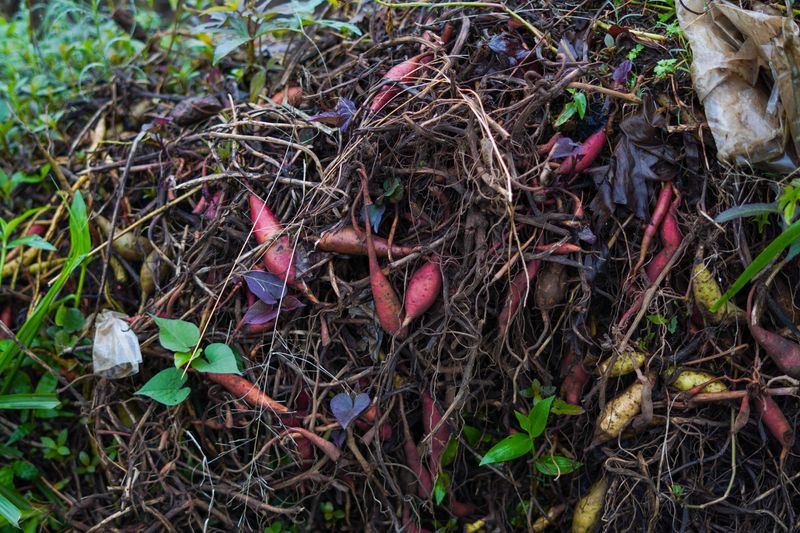
Sunlight lingers later into the evening, giving backyard routines a little extra time after dinner winds down. Long summer days tend to keep piles warmer for extended periods, giving decomposers more working hours overall.
This extended daylight can translate into steady progress that might not happen as quickly during shorter days. That extra time often means squeezing in one more turn or bucket trip before the evening settles in fully.
Small habits during these longer days can matter more than they seem, since fresh scraps tend to break down faster when added earlier.
Covering new additions with a layer of browns can help trap daytime warmth inside the pile a bit longer. This small step allows heat to continue supporting microbial activity even as temperatures start to dip after sunset.
More daylight generally feels generous for outdoor tasks, and your future soil often benefits from that extra attention as well.
Gardeners who take advantage of longer evenings sometimes find their compost routines easier to maintain consistently.
Spending just a few extra minutes outside during these months can make a noticeable difference over several weeks.
Longer days also tend to support plant growth nearby, creating more green material that can eventually be added to the pile. This natural rhythm between sunlight, soil, and scraps often works in favor of anyone paying attention to it.
Taking advantage of these extended hours, even briefly, can help keep momentum going throughout the season and support a smoother transition into cooler months ahead.
Grass Clippings Add Nitrogen
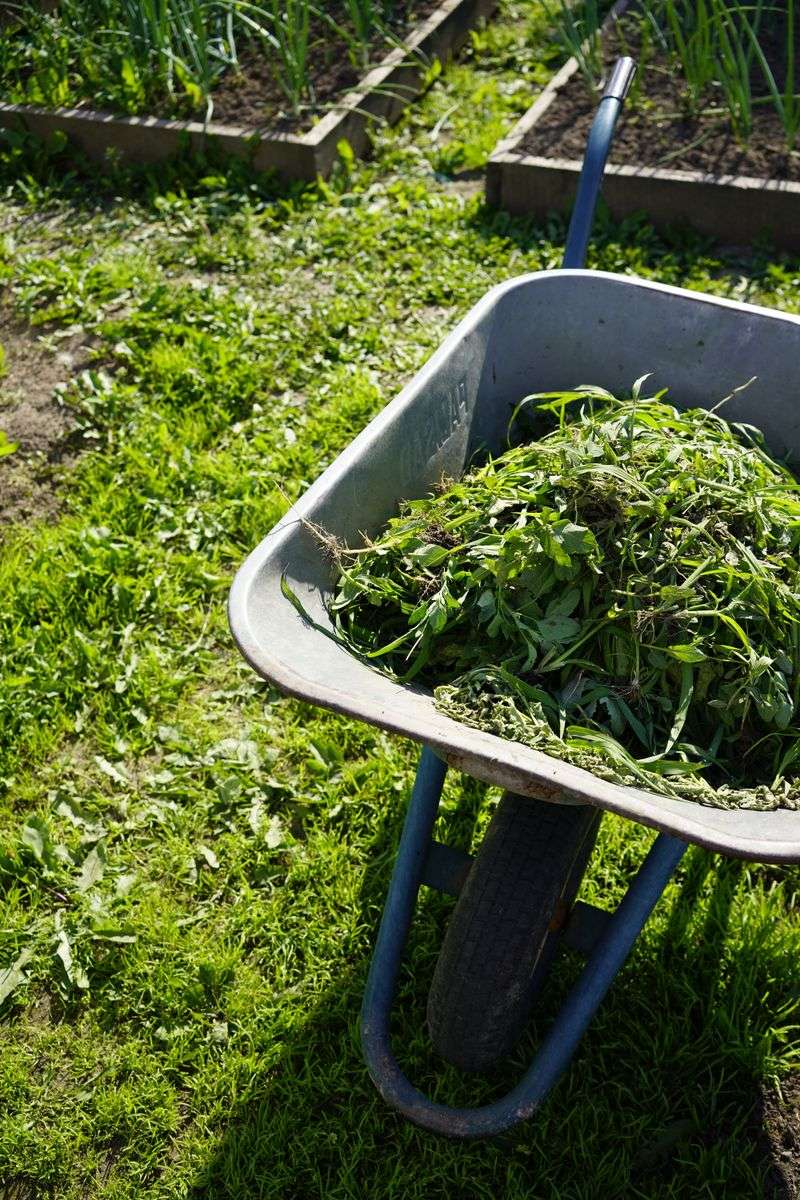
Fresh mowing day can end up feeding your compost pile just as much as it feeds your lawn. Green clippings bring nitrogen, which tends to help microbes build energy and tackle drier materials more effectively.
This nitrogen boost often supports faster breakdown, especially when paired with carbon-rich additions like leaves or paper.
Adding clippings in thin layers is generally a good approach, since thick mats can turn slimy and block airflow. When airflow gets blocked, the pile may start to smell or slow down its overall progress.
Mixing clippings with shredded paper or dry leaves can help maintain a looser, more breathable texture throughout the bin.
This combination allows nitrogen-rich material to work alongside carbon sources without overwhelming the pile’s balance.
It is worth avoiding clippings from lawns treated with weed control products, since residue may affect the compost quality. Choosing untreated grass whenever possible tends to support a healthier and more reliable breakdown process.
Many Illinois gardeners find that saving clippings over a few mowing sessions provides a steady supply for ongoing compost needs.
Storing them briefly in a dry container can prevent them from becoming overly wet or compacted before use. Handled thoughtfully, this green boost can help transform a slower pile into one that shows visible progress within days.
Grass clippings are a simple, often overlooked resource that many yards already produce regularly during summer months.
With a bit of attention to layering and moisture, this readily available material can play a meaningful role in supporting compost health.
Coffee Grounds Boost Illinois Compost Microbes
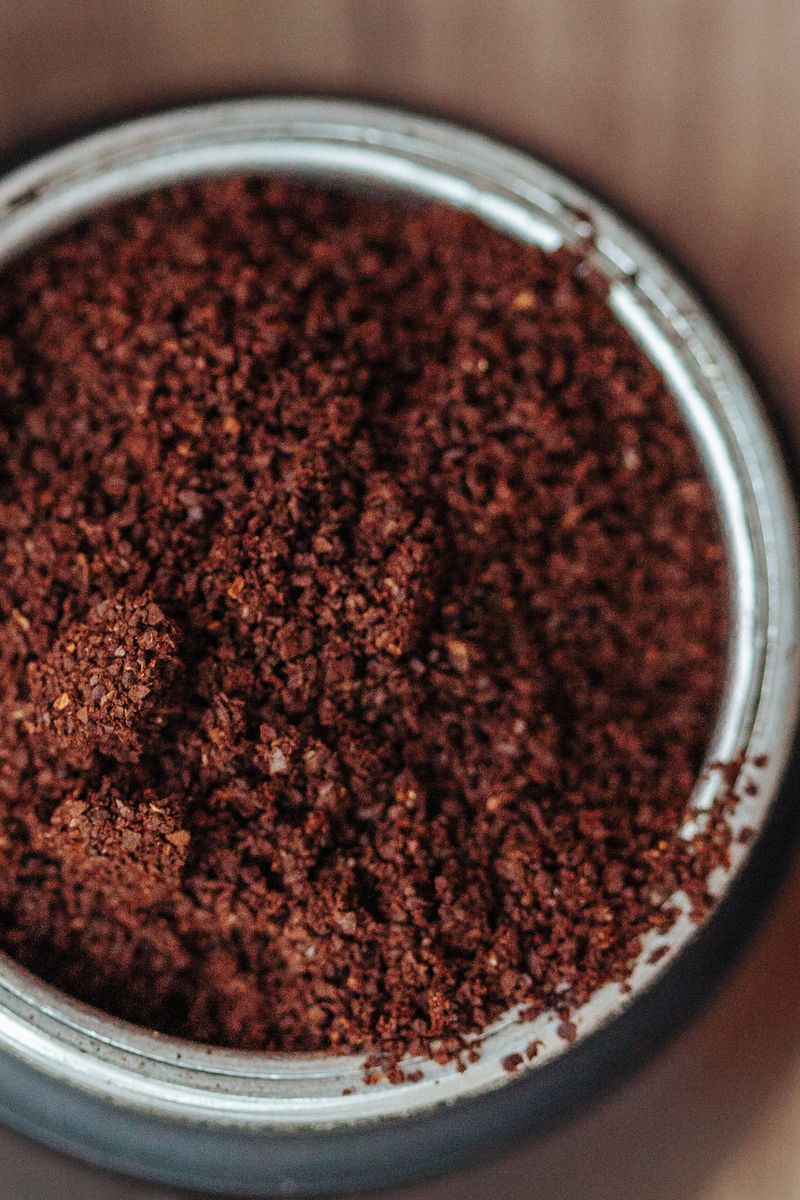
Morning leftovers can give the compost a helpful early boost. Used coffee grounds add nitrogen along with tiny particles that give microbes plenty of surface area to gather on.
This texture can support faster microbial activity, especially when mixed evenly throughout the pile rather than left in clumps.
Filters can often be added too, particularly paper ones that do not contain plastic stitching or coatings. Sprinkling grounds between layers of browns tends to work better than dumping one large, soggy mound in a single spot.
This approach helps distribute moisture and nitrogen more evenly, supporting consistent breakdown across the entire pile.
Coffee grounds are often mistakenly thought to be highly acidic, but once composted, their pH is generally close to neutral.
When used in moderation alongside other materials, grounds tend to blend well without significantly shifting overall pH levels.
Saving grounds daily from home brewing can create a steady, low-effort addition to your compost routine over time.
This small daily habit tends to keep Illinois compost active, even during stretches when kitchen scraps look fairly modest.
Coffee grounds also tend to attract certain beneficial organisms that support decomposition in their own way. Pairing this habit with occasional turning can help distribute the nitrogen boost more thoroughly throughout the bin.
Over several weeks, this consistent addition can contribute to a noticeably richer and more active compost pile, offering a simple way to put everyday kitchen habits to good use in the garden.
Shredded Leaves Balance Moisture
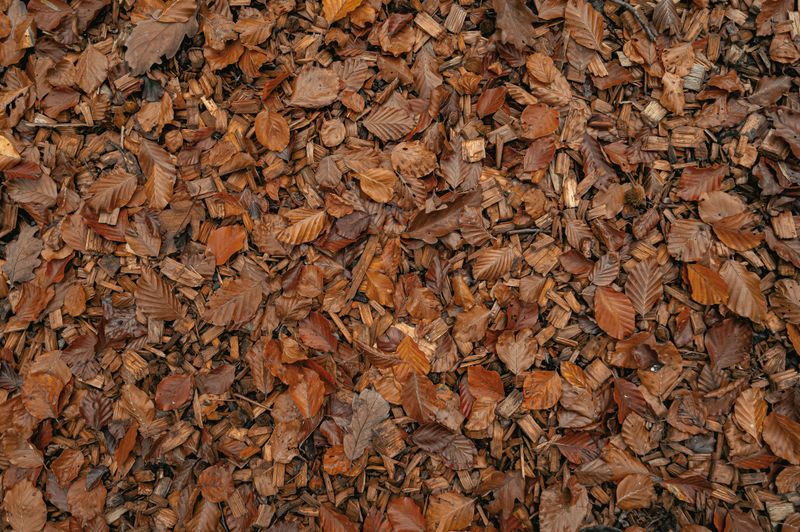
Fall leftovers can still play a useful role in summer, especially when your pile starts feeling heavy or dense. Shredded leaves tend to soak up extra moisture, reduce matting, and create small spaces that allow air to move through.
This improved airflow often supports steadier decomposition, particularly during humid stretches when piles can become overly wet.
Whole leaves tend to break down more slowly, so running them through a mower first can speed things along.
Storing a dry bag of shredded leaves nearby makes it easy to grab handfuls whenever the pile starts looking too shiny or damp. This simple habit allows for quick adjustments without needing to search for materials each time.
Shredded leaves also tend to soften strong odors that can come from fruit scraps or overly wet vegetable matter.
Reducing these smells can make outdoor bins feel more manageable, especially in warmer weather when scents tend to linger. Fewer strong odors can also mean less interest from flies or other insects drawn to overly moist piles.
Keeping a consistent supply of browns like shredded leaves often helps balance the nitrogen-heavy additions from kitchen scraps or grass clippings.
This balance tends to support a more even breakdown process rather than one that feels lopsided or stalled.
Simple browns like these often save the day when a pile starts feeling too wet or compacted. With regular use, your bin tends to breathe more easily, supporting a smoother, more consistent path toward finished compost over time.
Veggie Scraps Supply Nutrients
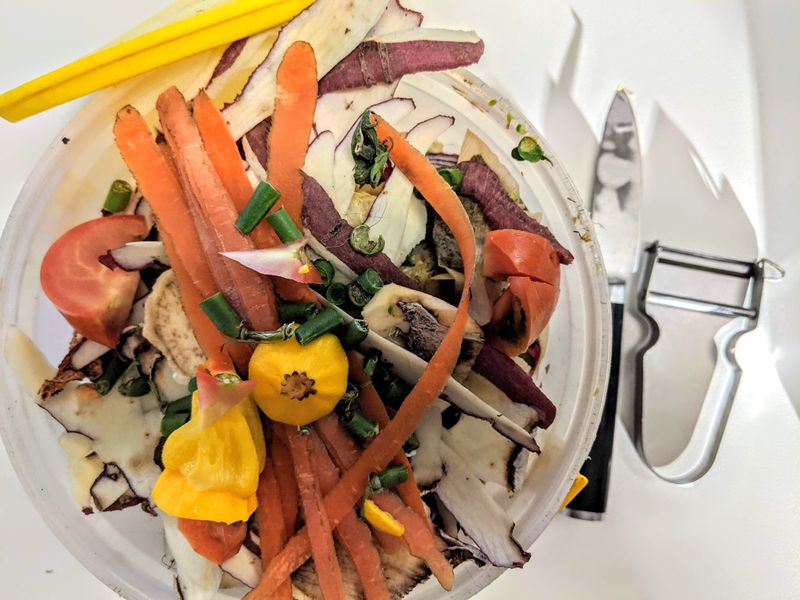
Kitchen prep tends to produce a useful resource rather than waste, especially when peels head outside regularly.
Vegetable scraps bring water, minerals, and easy-to-break-down material that microbes can access fairly quickly once added.
Melon rinds in particular break down quickly and release moisture that helps keep the pile from drying out during hot stretches.
Chopping chunky pieces into smaller sections tends to help them soften faster without forming stubborn, slow-to-break clumps.
This small extra step can make a noticeable difference in how quickly scraps blend into the surrounding material. Some Illinois gardeners limit onions or citrus, as these are commonly believed to slow breakdown, though evidence on this is limited.
Balancing these stronger scraps with softer vegetables can keep the pile working at a steadier pace overall. Burying fresh scraps under a layer of leaves or shredded paper can help discourage pests and reduce noticeable smells.
This layering technique tends to keep the bin looking tidy while still allowing decomposition to continue underneath.
Rotating scrap placement around the pile, rather than adding everything to one spot, can support more even breakdown.
Many households already generate a steady supply of vegetable scraps, making this a low-effort way to support compost health.
Over time, this habit can reduce kitchen waste while contributing meaningfully to richer, more nutrient-dense soil later on.
Feeding the pile with these scraps regularly tends to keep momentum going, especially when combined with other materials mentioned earlier.
With a bit of consistency, vegetable scraps can play a steady, supportive role in helping your compost move toward a finished, garden-ready state.