Where Chiggers Hide In Illinois Yards And How They’re Different From Ticks

You feel an itch and immediately blame the wrong biting bug. Chiggers hide in tall grass you brush past without noticing them. Unlike ticks, chiggers disappear before you ever manage to spot them.
Illinois lawns hide dense clusters of chiggers near your fence line. Ticks move slowly across your skin and cling on for days. They bite fast, inject enzymes, then fade before you feel it.
Welts appear hours later, spreading red and relentless across your skin. Many people blame ticks for irritation you actually got from chiggers. Understanding this key Illinois difference protects your skin all summer.
Summers here push both pests straight into your backyard space. Humidity and tall grass quietly fuel their spread right near you. Your yard could already hold unseen, itching threats waiting patiently.
Knowing where these creatures wait changes what you do outside. Ignore this warning, and your next walk outside could leave you covered in bites.
Tall Grass And Overgrown Vegetation

Tall grass is basically a five-star hotel for chiggers. These tiny mites love gathering near the tips of grass blades, patiently waiting for a warm body to brush past.
In Illinois, lawns left uncut for extended periods can quickly become favorable chigger habitat.
The thick, humid environment created by long grass gives them exactly the shelter they crave to thrive and multiply.
Chiggers cannot jump or fly like many other insects people fear. Instead, they simply cling to blades of vegetation and latch on the moment skin or clothing makes contact.
Ticks behave in a similar ambush style, but they tend to prefer slightly taller brush, shrubs, and wooded edges over low grass.
Chiggers, on the other hand, are far more common in manicured-but-neglected lawns than ticks typically are. Mowing your lawn regularly remains one of the easiest, most effective ways to reduce chigger populations fast.
Keeping grass trimmed short makes the entire yard environment far less inviting for these biting pests. If you notice patches of weedy, overgrown growth near your yard’s edges, treat those areas first.
Those neglected corners often act as the source, quietly spreading chiggers into the rest of your outdoor living space.
Wearing long pants tucked securely into socks before walking through tall grass adds real, immediate protection. A little preparation always goes a long way when chiggers reach their peak during hot, humid Illinois summers.
Wooded Areas With Heavy Underbrush

Step into a shaded Illinois forest, and you are now in an area where chiggers are common. Wooded spots with thick underbrush create the perfect humid, cool microclimate that these mites truly adore.
Chiggers thrive wherever leaf litter meets low-growing plants along the forest floor. The combination of moisture and organic material supports their entire life cycle, from egg all the way to adult.
Ticks also love wooded areas, but there is a key difference in where each pest tends to wait patiently. Ticks often perch higher on shrubs and low branches, while chiggers stay much closer to the ground itself.
Your Illinois Garden Changes Every Week. Your Plan Should Too.
Gardening in Illinois changes quickly throughout the season. Every Friday you’ll receive a simple weekly plan showing exactly what to plant, prune, fertilize, harvest, and protect so you never miss the right timing.
When you walk through underbrush, chiggers transfer from leaves and stems onto your shoes and ankles first. From there, they crawl steadily upward, searching for soft, warm, exposed skin to settle on.
Hikers throughout Illinois state parks frequently report chigger bites after long summer trail walks. The underbrush along trail edges becomes especially loaded with these mites during June through August.
Staying on cleared paths and avoiding contact with overgrown vegetation reduces your exposure significantly during any hike. Treating shoes and lower pant legs with permethrin spray before heading out adds another strong layer of defense.
After spending time in wooded areas, a hot shower within two hours can wash chiggers off before they settle in fully. Scrubbing thoroughly with soap removes the mites completely before any biting begins in earnest.
Brief exposure near dense underbrush can still result in several bites. Planning your route around cleared trails keeps chiggers from ever reaching your skin in the first place.
Shaded Spots Near Garden Edges

Garden borders are overlooked chigger habitats that most homeowners never consider. The shady, moist soil along flower beds and vegetable gardens creates ideal conditions for mite activity.
Chiggers avoid direct sunlight whenever possible. The cool shade produced by garden plants and mulch keeps them active and hunting even on the hottest Illinois afternoons.
Ticks can also lurk near garden edges, but they are more likely found where grassy areas meet wooded borders. Chiggers are the dominant pest in the lower, shadier sections of home gardens.
Gardeners who kneel or sit near plant borders often end up with bites around their waist and ankles. Those are the areas where clothing fits snugly, which is exactly where chiggers prefer to feed.
Pulling weeds barehanded near these shaded spots increases your risk noticeably. Wearing gloves and long sleeves while gardening is a smart habit during peak chigger season.
Applying diatomaceous earth along drier garden edges may help reduce chigger numbers, though it works best in low-moisture conditions. This powder can dehydrate mites on contact, though it becomes less effective once soil is wet or humid.
Keeping mulch layers thin and raking them regularly also disrupts chigger habitat. A tidy garden edge is not just visually appealing, it can help manage pests throughout the season.
Damp Soil Close To Fences And Trees

Fences and trees create natural shade pockets where moisture lingers long after rain. That damp, sheltered soil is prime real estate for chigger populations in Illinois yards.
Chiggers need humidity to survive, especially during their larval stage. Soil that stays moist near fence posts and tree bases gives them the environmental stability they require.
Many homeowners notice they get bitten most often when working near these specific yard zones. Pulling weeds near the fence line or raking under trees puts you right in the middle of chigger territory.
Ticks also favor shaded, moist areas, but they tend to favor leaf piles more than bare soil. Chiggers are more soil-dependent and concentrate in the top layer of damp ground.
Improving drainage near fence lines can reduce chigger numbers over time. Fixing low spots where water collects removes the moisture conditions these mites depend on to stay active.
Trimming low branches on trees near your yard also helps by letting sunlight reach the soil below. Sunlight dries out the ground, making it far less hospitable for chigger survival.
A targeted yard treatment applied around fence bases and tree trunks in late spring may help reduce chigger activity early in the season.
Size Makes Chiggers Nearly Invisible To The Eye
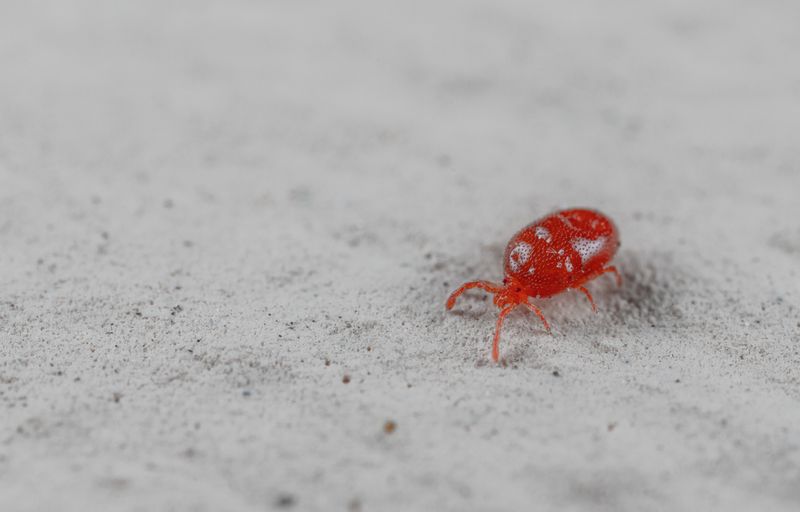
Chiggers are incredibly small, typically measuring well under half a millimeter as larvae. That is smaller than the period at the end of this sentence, which explains why most people never actually see them.
Their bright red color might seem like it would help you spot them, but at that size, even red is hard to see without magnification. You usually only know they were there after the itching starts.
Ticks, by contrast, are much easier to spot. Even a young nymph tick is several times larger than an adult chigger, making ticks far more visible during a body check.
The size difference between chiggers and ticks is one of the most important ways to tell them apart. If you can see the pest clearly without a magnifying glass, it is almost certainly not a chigger.
Because chiggers are so tiny, they can wander across your skin for quite a while before you feel anything. By the time the itch begins, they may have already finished feeding and dropped off.
Checking for chiggers after outdoor activities is tricky precisely because of their size. Running a magnifying glass along your skin or checking clothing under bright light can sometimes reveal small clusters of red dots.
Knowing that chiggers in Illinois yards are nearly invisible helps explain why so many bites go unexplained. Prevention is far more practical than detection with these microscopic pests.
Feeding Happens On Skin, Not By Burrowing In
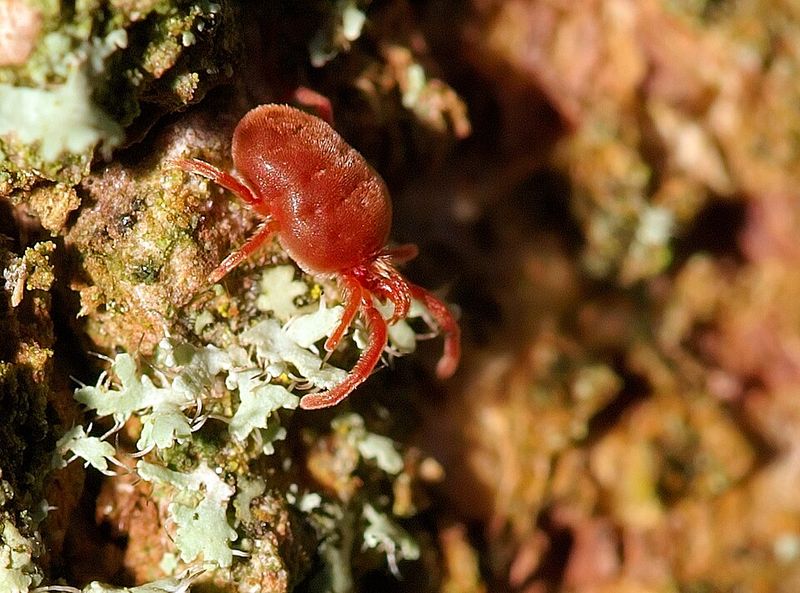
One of the biggest myths about chiggers is that they burrow under your skin. That is completely false, and understanding the truth makes the whole experience less unsettling.
Chigger larvae attach to the surface of your skin and inject a digestive enzyme. That enzyme breaks down skin cells, forming a feeding tube called a stylostome that the chigger sips from.
The stylostome is what causes the intense itching and the characteristic red welt. Your body reacts to the enzyme, not to the mite itself burrowing anywhere beneath the surface.
Ticks feed differently by inserting a barbed mouthpart directly into the skin and anchoring themselves firmly. A tick stays attached for days to consume a full blood meal, while a chigger typically finishes within hours.
Because chiggers stay on the surface, a good shower can actually remove them before a bite fully develops. That is why dermatologists recommend showering as soon as possible after potential exposure.
Scratching a chigger bite does not release a buried mite because there is no mite under your skin. Scratching only worsens the irritation and can introduce bacteria, leading to a secondary skin infection.
Knowing how chiggers actually feed helps you treat bites more effectively. Hydrocortisone cream and antihistamines address the real cause, which is your skin’s reaction to that enzyme left behind.
Bites Cluster Around Tight Clothing Areas
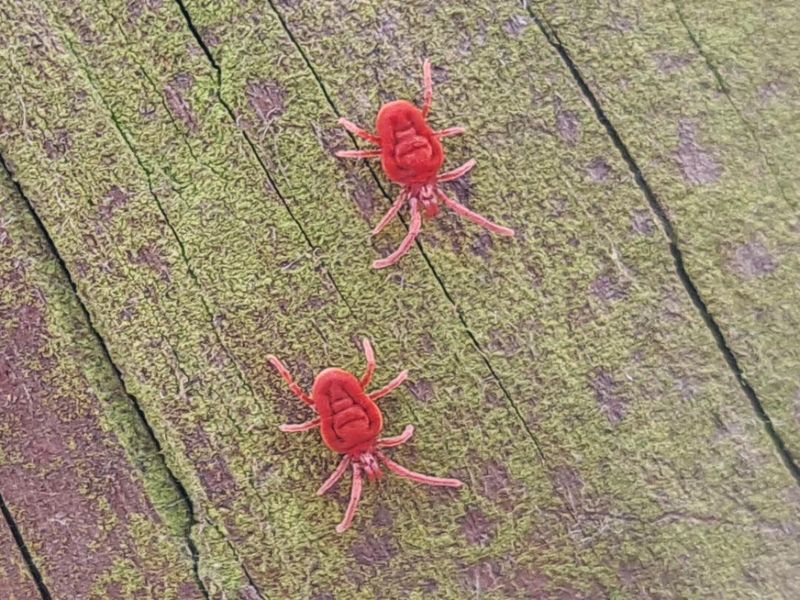
Chigger bites have a very recognizable pattern that sets them apart from most other insect bites. They tend to cluster around areas where clothing fits tightly against the skin.
Waistbands, sock lines, bra straps, and the backs of knees are classic chigger bite locations. The mites crawl upward from the ground and stop where fabric creates a snug barrier.
Tick bites, on the other hand, appear more randomly across the body. Ticks often attach wherever they happen to land, from the scalp to behind the ear to the groin area.
If you wake up covered in bites clustered around your waist and ankles, chiggers are the much more likely culprit. That predictable pattern is one of the clearest diagnostic clues available without seeing a doctor.
Wearing loose-fitting, light-colored clothing helps reduce the number of bite sites. Loose fabric gives chiggers less of a stopping point and makes them easier to spot before they settle in.
Tucking your shirt into your pants and your pants into your socks creates a physical barrier along those common bite zones. It may look a little silly, but it genuinely works as a prevention strategy.
Treating your clothing waistband and sock areas with insect repellent before going outside adds chemical protection to those key zones. Focusing repellent on the areas where chigger bites cluster most is a smart, targeted approach.
Larval Stage Is The Only Stage That Bites
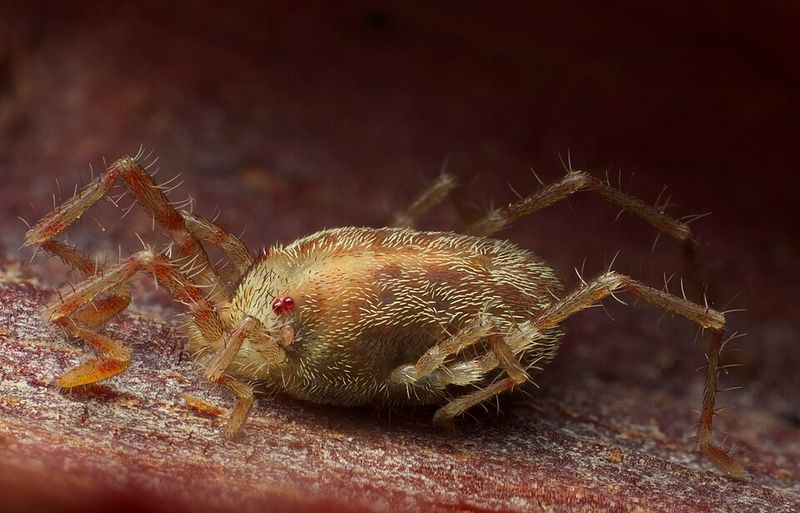
Most people assume every stage of a chigger’s life is out to get them. Surprisingly, only the larval stage actually bites humans.
After hatching from eggs, chigger larvae need a blood meal to develop into nymphs. Once they get that meal and drop off the host, they transform and never bite again.
Adult chiggers are actually predators that feed on other small insects and mite eggs in the soil. They play a role in the ecosystem that has nothing to do with bothering you in your backyard.
Ticks are different because multiple life stages feed on hosts, including larvae, nymphs, and adults. That means ticks pose a biting risk across a longer portion of their life span.
The larval chigger is only active for a brief window, typically from late spring through early fall in Illinois. Knowing when larvae are active helps you time your prevention efforts most effectively.
Peak chigger larval activity in Illinois generally falls between June and August, though timing can shift with weather. Those are the months when outdoor activities align most dangerously with chigger feeding season.
Understanding that only larvae bite also explains why chigger season feels so intense but so temporary. Once summer fades and temperatures drop, the biting stage of the chigger life cycle winds down significantly, giving you real seasonal relief.