8 Easy Ways To Turn A Tree Stump Into A Backyard Feature In Illinois
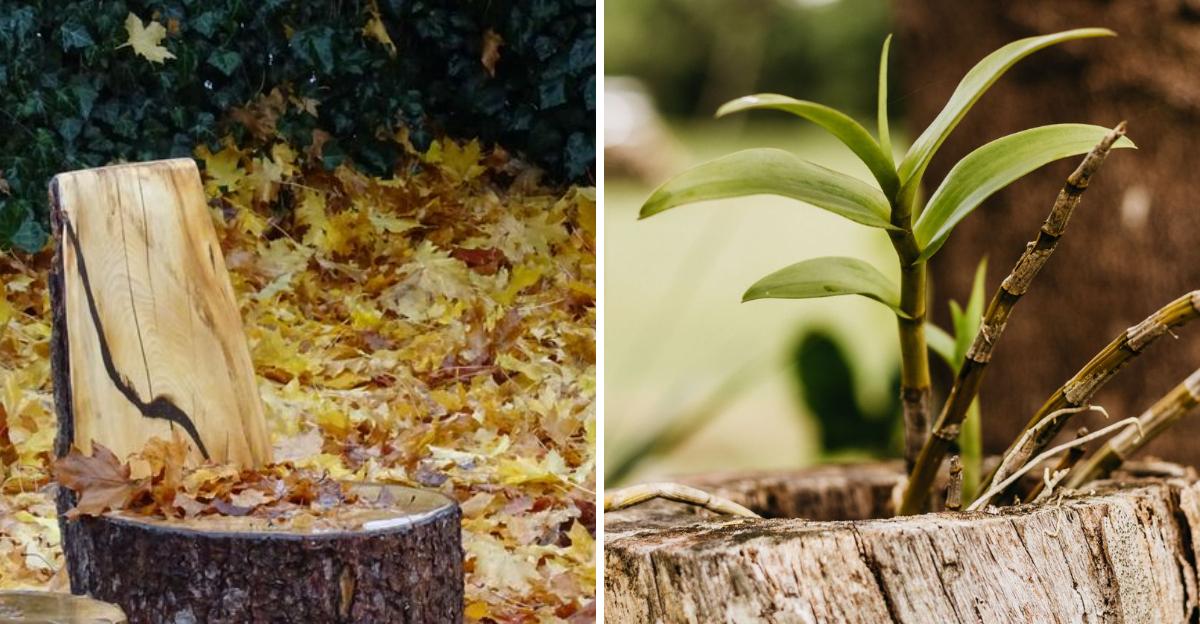
That leftover stump in your yard isn’t leaving on its own. Illinois homeowners like you pay quite a lot for stump removal. Waiting around only makes your yard look more unfinished.
A worn stump can stand out for the wrong reasons. Turning that stump into art costs you almost nothing. Money you save on removal can fund projects you want.
Winters in Illinois test every clever trick you might try outside. Nothing forces you to accept a flaw as permanent. Every option fits your budget, your schedule, and your patience.
Guests will notice what clever thing you did with it. Skill matters less than the effort you give. Tools you already own around the house can transform your yard.
Patience helps, but your imagination matters even more than skill. Your stump can become the thing neighbors admire and envy. You won’t believe what your yard could look like once you finish.
1. Cover It With A Decorative Stump Cap
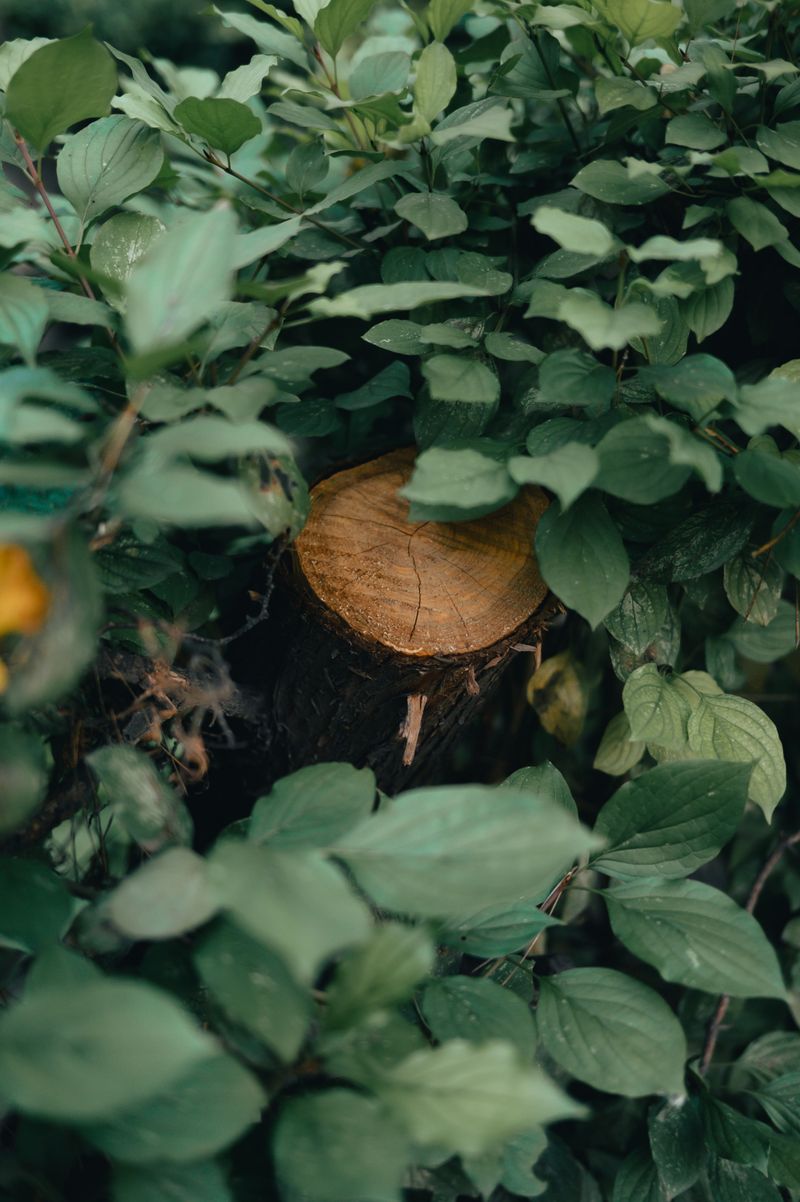
Sometimes the simplest fix is the most satisfying one. A decorative stump cap drops right over your stump and instantly hides it from view.
Guests will likely walk right past without noticing the stump underneath. You can find them at garden centers or online for a very reasonable price.
Some caps are made from resin and look incredibly realistic from just a few feet away. Others are crafted from treated wood that blends naturally into a garden setting.
Placement matters more than people realize. Set the cap over the stump, then surround the base with mulch or small river rocks to seal the look.
This method works especially well for stumps that sit in high-visibility spots near a patio or walkway. Guests will walk right past without ever suspecting there is a stump underneath.
Illinois winters can be rough on outdoor decor, so choose a cap rated for cold weather. Resin and treated hardwood options hold up well through freeze-thaw cycles without cracking.
You can also stack two caps of different sizes for a whimsical layered look. Kids especially love the fairy-garden vibe this creates in the backyard.
Swapping caps seasonally keeps the yard feeling fresh without any digging or planting. One stump, many styling options, little to no removal cost, and a yard that benefits every time.
2. Surround It With Climbing Vines
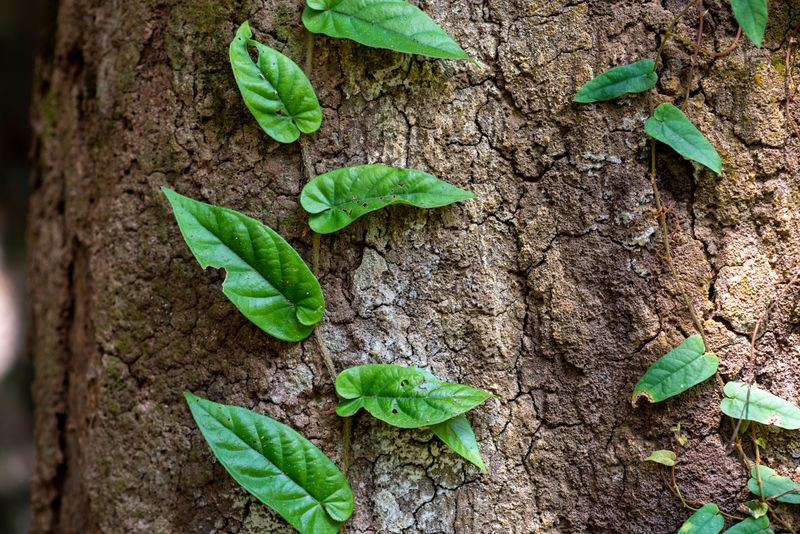
Nature has a way of reclaiming things beautifully, and climbing vines are proof of that. Letting vines grow over your stump is one of the most low-effort solutions available to Illinois homeowners.
Trumpet vine, Virginia creeper, and sweet potato vine all spread quickly and look gorgeous. Plant them at the base of the stump and guide the stems upward with small garden staples.
Within one growing season, the stump can be mostly or completely covered. By year two, you will have a lush green mound that looks completely intentional.
Native Illinois vines like Virginia creeper are especially smart choices because they attract local wildlife. Birds will visit regularly for the berries, turning your old stump into a small wildlife spot.
Your Illinois Garden Changes Every Week. Your Plan Should Too.
Gardening in Illinois changes quickly throughout the season. Every Friday you’ll receive a simple weekly plan showing exactly what to plant, prune, fertilize, harvest, and protect so you never miss the right timing.
Make sure you choose a vine that suits your yard’s sun exposure. Some vines prefer full sun while others do best in partial shade, so match carefully.
Trim the vines back each spring to keep them from spreading too far across the yard. A quick prune once a year is all the maintenance this method requires.
If you want flowers, go with trumpet vine or clematis for a stunning seasonal display. The blooms add serious color without any extra work beyond initial planting.
Vines also soften the hard edges of a stump naturally over time. What started as an eyesore quietly becomes a living sculpture you never want to remove.
3. Turn The Stump Into A Raised Planter
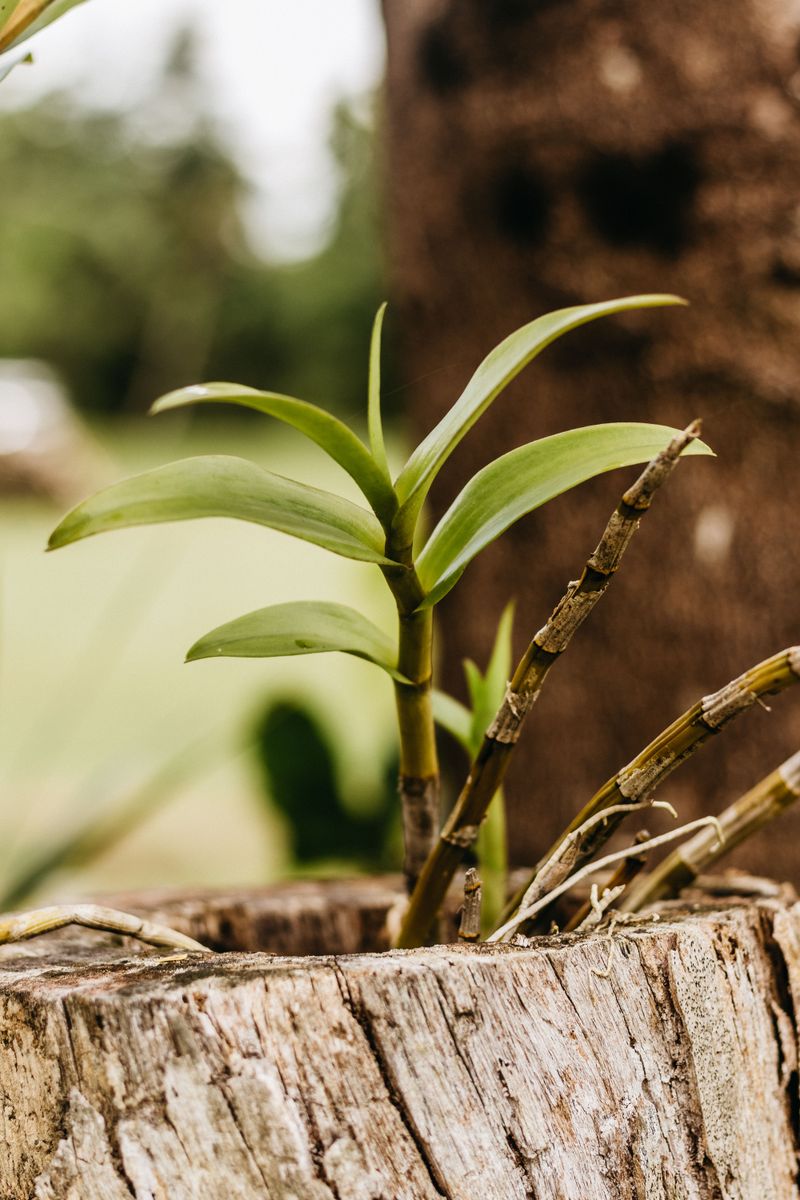
Picture this: your old stump becomes the most charming spot in the yard. Turning it into a raised planter is one of the easiest ways to disguise a tree stump without paying for removal.
Start by hollowing out the center of the stump using a chisel or drill. You do not need to go too deep, just enough to hold a few inches of soil.
Fill the hollow with potting mix and plant your favorites right inside. Petunias, marigolds, and herbs all thrive beautifully in a stump planter setup.
The wood naturally holds moisture, which helps your plants stay hydrated longer. That can be an advantage compared to a regular pot or container, depending on the stump’s condition.
Illinois summers can get hot and dry, so moisture retention is a real advantage. Your stump planter may retain moisture longer than some traditional containers, especially during dry summer stretches.
As the seasons change, swap out your plants to keep things fresh. Spring bulbs, summer annuals, and fall mums all work perfectly in this setup.
Over time, the wood softens and breaks down, naturally feeding the soil around it. That slow decomposition actually enriches your garden bed without any extra effort from you.
You can paint the outside of the stump or leave it rustic for a woodland feel. Either way, guests will stop and ask how you pulled it off so effortlessly.
4. Build A Small Garden Bed Around It
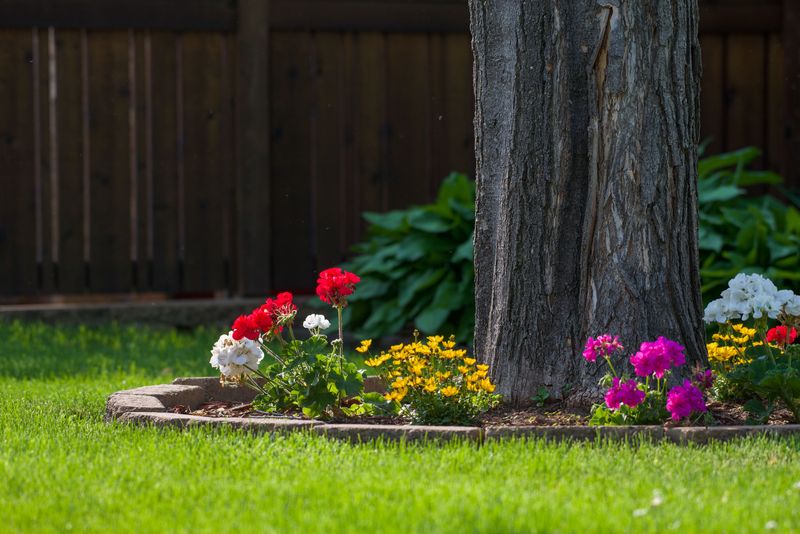
Framing your stump with a garden bed is one of the smartest moves a homeowner can make. Instead of fighting the stump, you make it the star of a brand-new garden feature.
Start by outlining a circle or oval around the stump using garden edging, bricks, or stones. This creates a defined space that looks planned and polished from day one.
Fill the bed with rich compost and plant shade-tolerant species that suit Illinois conditions. Hostas, ferns, astilbe, and bleeding heart all thrive in shaded garden beds with minimal fuss.
The stump becomes an anchor point, giving your new garden bed a natural focal piece. Visually, it grounds the whole planting arrangement and makes the space feel intentional.
You can also tuck in some annuals around the edges for seasonal pops of color. Impatiens and begonias work beautifully as border plants in partially shaded Illinois yards.
Mulch the entire bed generously to hold moisture and suppress weeds throughout the season. Cedar mulch has a pleasant scent and is known to help repel some insects.
As years pass, the stump slowly becomes part of the bed’s natural ecosystem. Mosses, fungi, and ground beetles move in, quietly breaking the wood down without any effort from you.
A garden bed transforms a problem into a feature that actually adds home value. That is a win most Illinois homeowners never expected from an old tree stump.
5. Place A Birdbath Or Garden Statue On Top

Got a flat-topped stump? Lucky you, because you just scored the perfect natural pedestal. Placing a birdbath or garden statue on top is one of the quickest disguise solutions around.
The stump provides a sturdy, elevated base that keeps the birdbath at the perfect height. Birds prefer water sources that sit off the ground, so this setup is genuinely functional.
Choose a birdbath that matches the width of your stump for the most stable placement. A bath that overhangs too much on one side can tip, especially during Illinois windstorms.
Concrete birdbaths can crack if water freezes inside them, so empty or cover yours before winter. Resin styles are more forgiving but still benefit from being brought indoors during hard freezes.
Just bring lightweight resin styles indoors before the first hard freeze to extend their lifespan significantly.
Garden statues work just as well if you prefer a more sculptural look. A stone rabbit, owl, or frog perched on the stump adds instant charm to any backyard corner.
Surround the base of the stump with low-growing groundcover or river pebbles to finish the look. That simple detail makes the whole setup look like it was professionally designed.
This approach requires no special tools and no planting knowledge whatsoever. Anyone can pull it off on a Saturday afternoon with a quick trip to a local garden shop.
Your stump stops being a problem the moment something beautiful sits on top of it. That shift in perspective is what many Illinois homeowners are discovering.
6. Carve It Into A Natural-Looking Seat
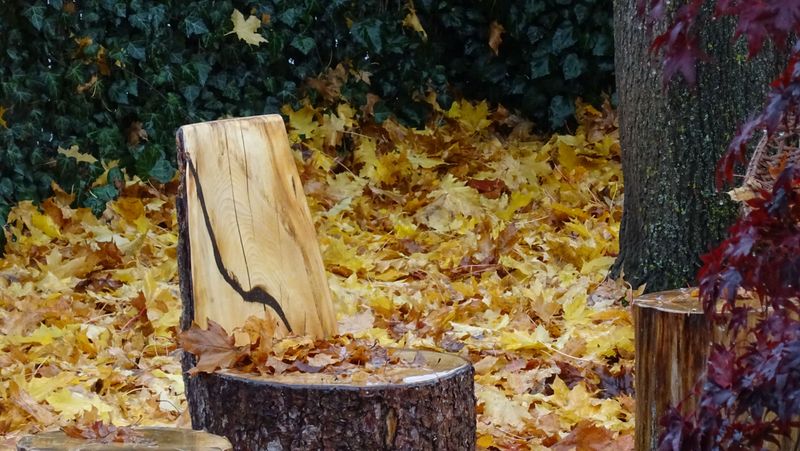
There is something deeply satisfying about turning a problem into furniture. Carving your stump into a rustic outdoor seat is a creative solution that doubles as yard art.
Start by sanding the top surface smooth using coarse-grit sandpaper, then work up to a finer grit. A flat, splinter-free surface makes the seat comfortable and safe for everyday use.
You can leave the sides natural and rough for a woodland aesthetic that fits perfectly in an Illinois yard. Or carve simple patterns into the sides for a more decorative, artistic finish.
Seal the top with outdoor wood sealant to protect it from rain and moisture damage. One coat per season keeps the surface in great shape without much effort at all.
Pair the stump seat with a small side table made from a shorter stump nearby. That matching set creates a cozy outdoor nook that guests will immediately gravitate toward.
Kids absolutely love having their own little woodland seat in the backyard. It sparks imaginative play and gives them a special spot that feels entirely their own.
If you want extra comfort, add a waterproof outdoor cushion on top. A simple round cushion in a bold color adds personality and makes longer sitting sessions much more enjoyable.
A carved stump seat is one of those backyard features that always starts a conversation. People will ask where you bought it, and you get to smile and say you made it yourself.
7. Layer Mulch And Shade-Loving Plants Over It
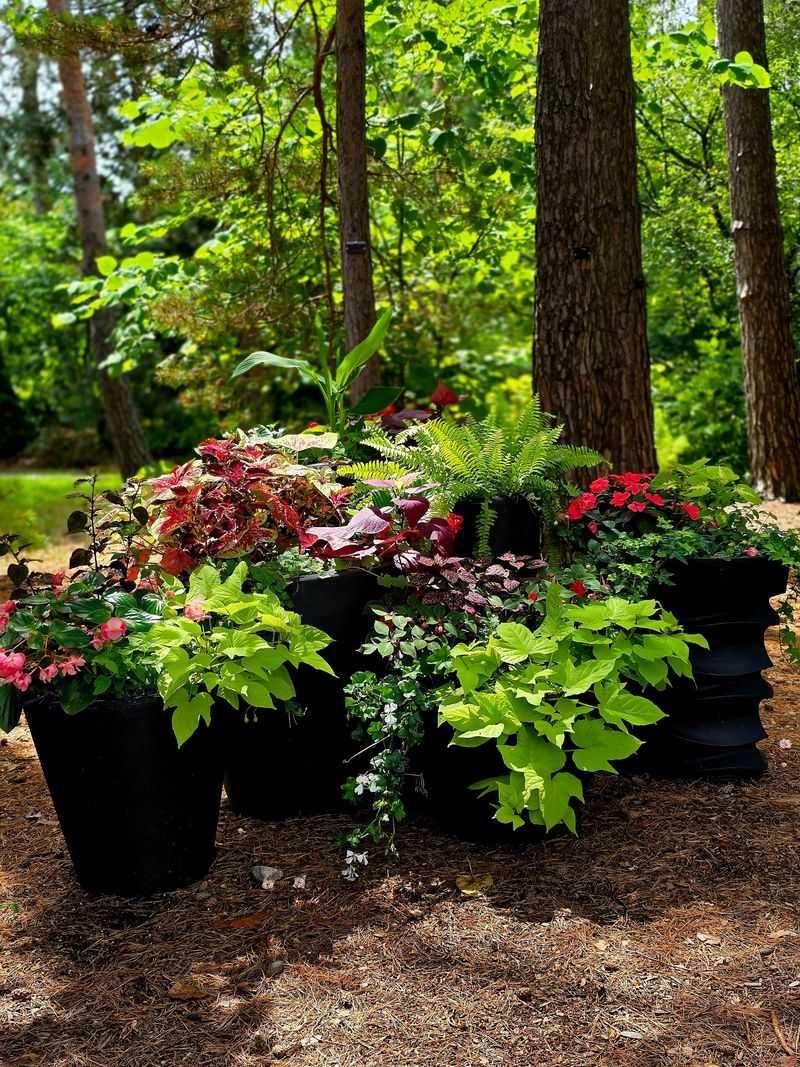
Mulch is one of the most underrated tools in a homeowner’s outdoor toolkit. Layering it generously around and over a stump creates an instant naturalistic look with almost no effort.
Start by piling mulch directly against and partially over the stump’s base. Use cedar or hardwood mulch at least three inches deep for the best visual coverage.
Then plant shade-loving species around the stump to complete the woodland scene. Hostas, ferns, and astilbe are all perfect for Illinois yards with partial or full shade.
As the plants grow, they spread outward and downward, pulling visual attention away from the stump. Within one season, the stump becomes largely hidden beneath the foliage.
Mulch also serves a practical purpose beyond just looking good in the yard. It suppresses weeds, retains soil moisture, and slowly enriches the ground as it breaks down naturally.
Refresh the mulch layer each spring to keep the coverage looking neat and full. A bag of mulch is inexpensive and makes an immediate visual difference.
Mix in a few colorful annuals at the edges of the mulched area for seasonal interest. Impatiens and coleus both pop beautifully against dark mulch in shaded garden spots.
This layered approach is one of the best ways to disguise a tree stump without paying for removal in Illinois. It is affordable, attractive, and gets better with every passing year.
8. Wrap It With A Wooden Barrel Planter
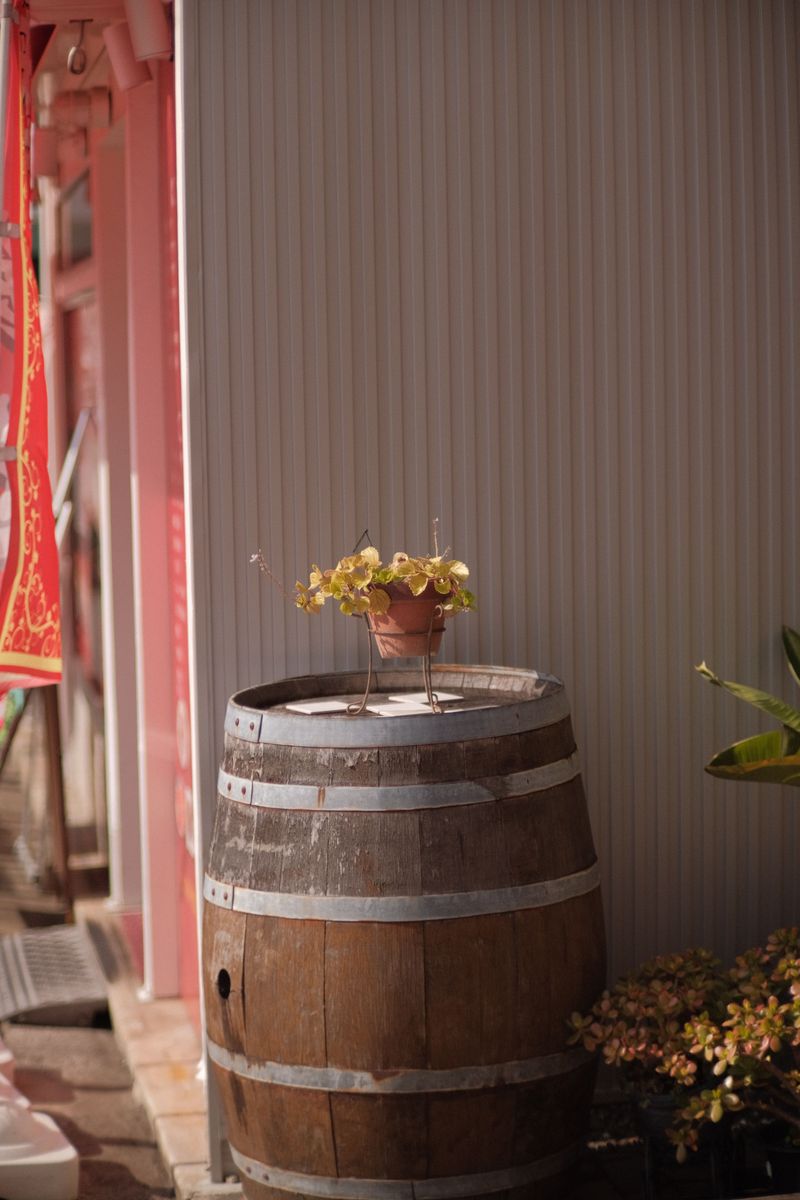
Half-barrel planters have been a backyard staple for decades, and for good reason. Placing one directly over or around a stump is one of the cleverest tricks in the outdoor design playbook.
Choose a barrel that is wide enough to sit snugly around the stump’s base. Half-barrel planters come in a range of sizes, so measure your stump before buying to make sure it fits snugly.
Fill the barrel with quality potting mix and plant whatever makes you smile most. Tomatoes, herbs, trailing petunias, and ornamental grasses all thrive in barrel planters with proper drainage.
The barrel completely hides the stump from view at ground level. Guests see only a beautiful, overflowing planter, with the old wood hidden underneath.
Wooden barrels naturally weather into a gorgeous silvery-gray color over time. That aged look pairs perfectly with the rustic outdoor aesthetic many Illinois homeowners love.
To extend the barrel’s lifespan, apply a coat of wood preservative to the outside each spring. That simple step prevents rot and keeps the barrel looking sharp for many seasons ahead.
You can also line the inside of the barrel with landscape fabric before adding soil. The fabric prevents soil from washing out while still allowing proper drainage after heavy rains.
Wrapping your stump with a barrel planter is a budget-friendly way to disguise a tree stump without paying for removal in Illinois. It is practical, pretty, and surprisingly easy to pull off on any weekend.