10 Cool-Season Greens North Carolina Gardeners Sow In August For Salads Straight Through Frost
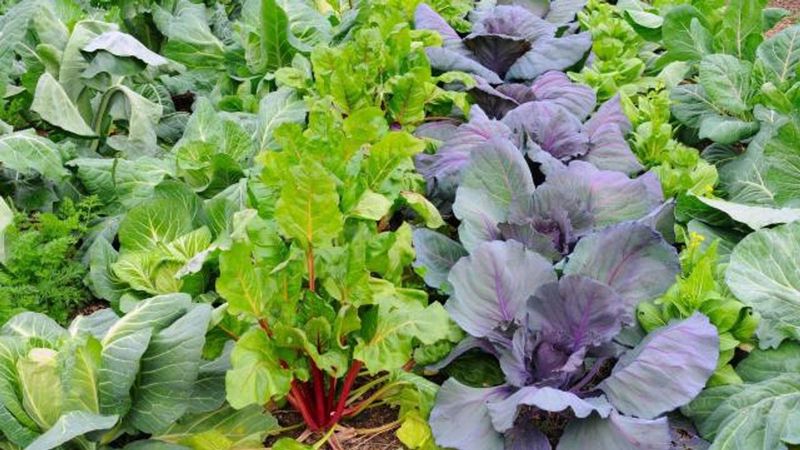
It is late August in North Carolina, the porch thermometer still says 91, and the tomatoes look tired and scorched. But down at soil level, something quieter is starting to happen. The nights are inching cooler, and that shift is your window to sow greens that will shrug off the first frost and keep filling your salad bowl into December. Most folks quit gardening when the heat breaks, and that is exactly the mistake we are going to fix here.
These ten cool-season greens go in the ground now, while it is still muggy, so you are harvesting crisp leaves long after your neighbors have packed it in.
1. Spinach That Actually Sweetens After a Cold Snap
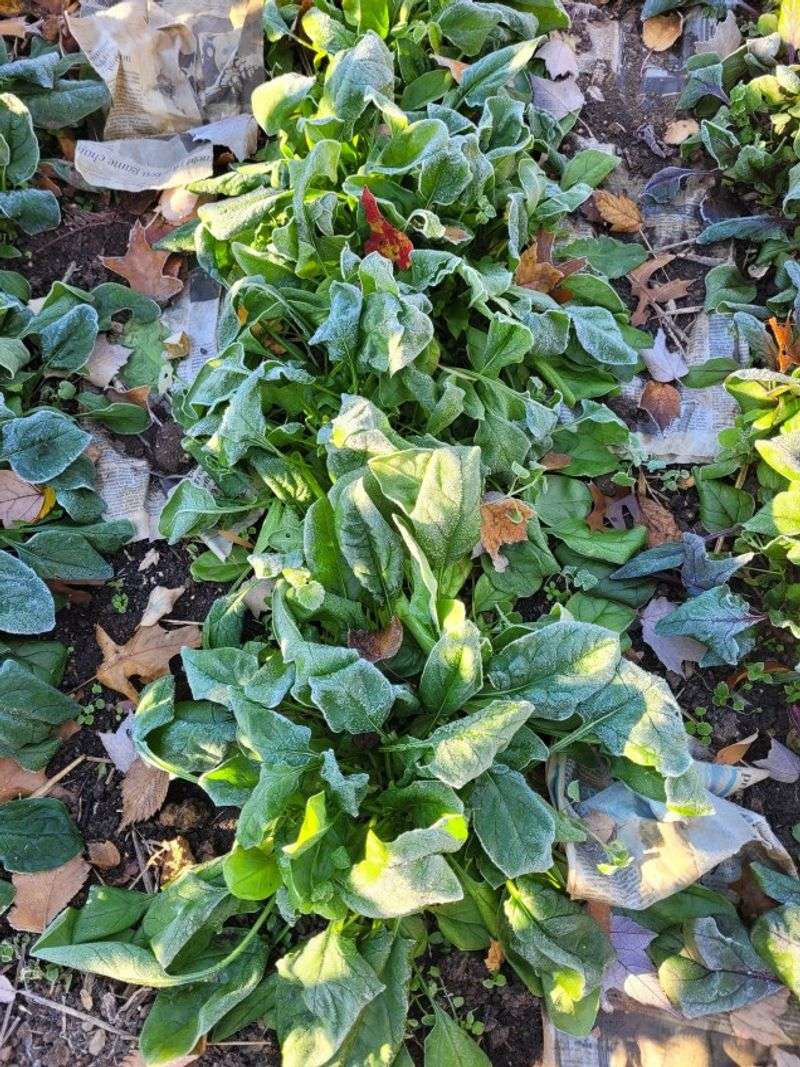
Spinach has a trick most gardeners never see. Sow it in the heat of August and it sulks, but let a frost roll over it and the leaves turn noticeably sweeter as the plant pumps sugar into its cells to keep from freezing.
Here is where it gets tricky. Spinach (Spinacia oleracea) hates germinating in warm soil, so early August sowings in the Piedmont often rot. The fix is simple. Wait until soil dips under 70 degrees, usually late August, and chill your seed in the fridge for a week first.
Sow seeds half an inch deep and two inches apart in a spot that gets morning sun. Thin to six inches once true leaves show. NC State Extension notes spinach handles temperatures down into the low 20s with a little protection, so a row cover thrown on before a hard snap keeps you picking through Christmas in most of the state.
Water steady, because dry spells make it bolt. In our red clay, work in a couple inches of compost first so roots do not fight compacted ground.
The payoff is a January salad from your own yard, sweeter than anything on the store shelf, while the grill sits under a tarp.
2. Arugula Grows Faster Than Your Patience
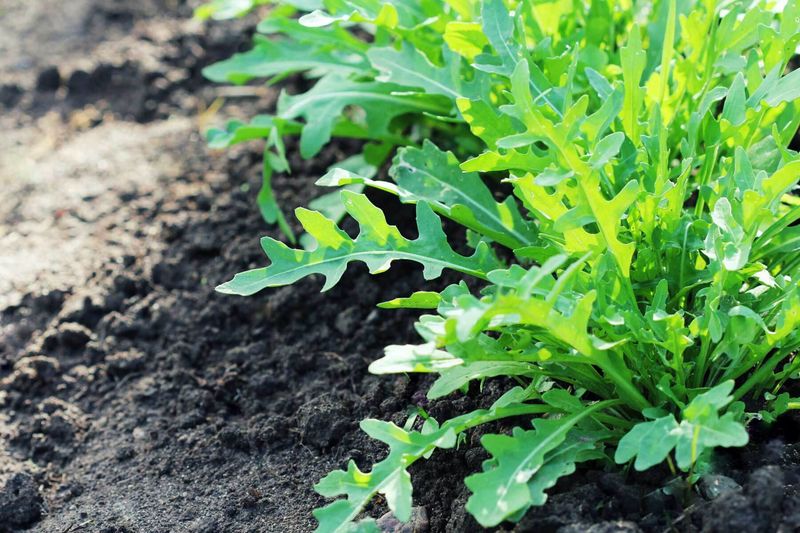
Some greens make you wait. Arugula does not. Sow it on a Saturday and you can be thinning peppery baby leaves into a salad in under three weeks, which is genuinely the fastest reward in the fall garden.
Arugula (Eruca vesicaria) actually prefers the cooling weather of late summer. Heat makes it bitter and quick to flower, so August sowings really hit their stride as the muggy afternoons finally back off across the Coastal Plain and Piedmont.
Scatter seeds a quarter inch deep in a wide band, then thin to four inches apart. You do not need to be precise. Cut leaves at three inches for mild flavor or let them reach six inches for a sharper bite.
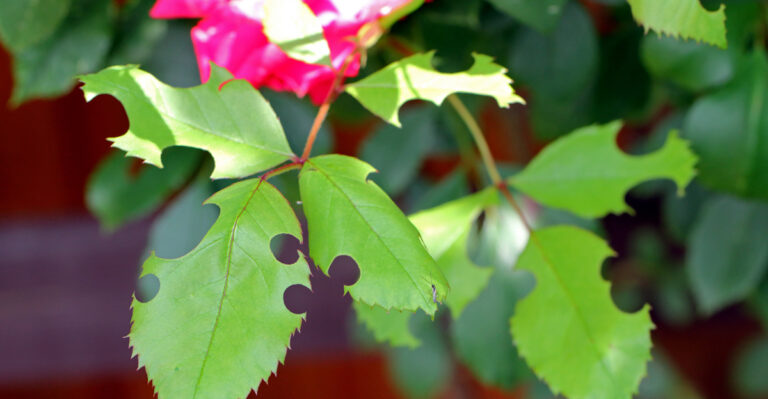
Flea beetles have their eye on it, poking tiny shotgun holes in the leaves. A lightweight row cover laid over the bed right after sowing blocks them without much fuss.
Keep sowing a short row every two weeks and you will roll harvests straight through the first frost, since arugula shrugs off temperatures into the mid 20s. That peppery kick on a cold-night sandwich is a small, proud thing.
Your North Carolina Garden Changes Every Week. Your Plan Should Too.
Gardening in North Carolina changes quickly throughout the season. Every Friday you’ll receive a simple weekly plan showing exactly what to plant, prune, fertilize, harvest, and protect so you never miss the right timing.
3. Kale Turns Into a Winter Workhorse
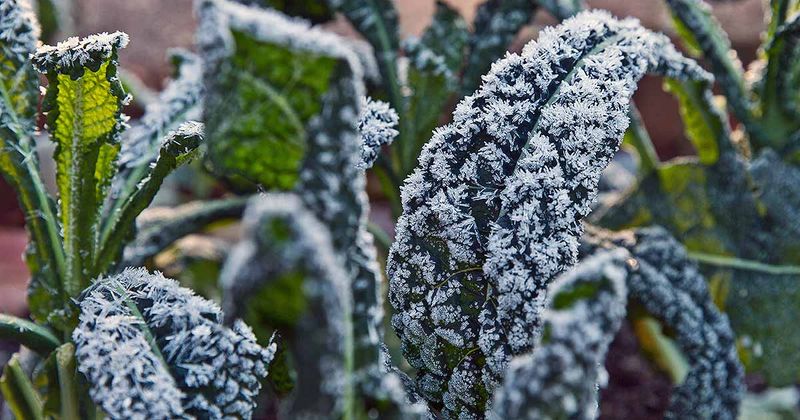
Picture the yard in January, everything brown and asleep, and one plant standing there still handing you dinner. That is kale, the quiet hero of the North Carolina cold-season bed.
Kale (Brassica oleracea) is built for our mild winters. A light frost breaks down some of the starch in the leaves into sugar, so a curly leaf you picked in December tastes far less harsh than one from September.
Sow seeds half an inch deep and space plants a full 18 inches apart, because kale gets big and greedy for room. Start them by late August so plants are sturdy before nights turn cold. In zones 7b and 8a, established kale often survives untouched down to the upper teens.
Cabbage worms are the antagonist here, those pale green caterpillars that chew ragged holes. Pick them off by hand or use a row cover, and check the undersides of leaves once a week.
Harvest the outer leaves and leave the center growing point, and one plant feeds you for months. Not a magic solution to a bare winter garden, but close to it.
4. Leaf Lettuce Keeps the Salad Bowl Full
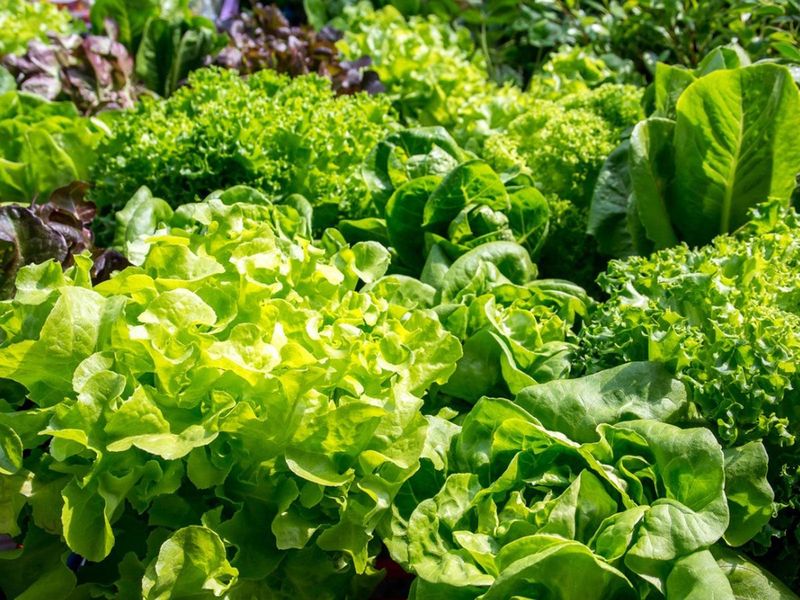
Store lettuce goes limp in a day. A leaf you cut ten minutes ago snaps when you fold it, and fall is the only season North Carolina really gives you good lettuce without a fight.
Summer heat turns lettuce (Lactuca sativa) bitter and sends it bolting to seed almost overnight. Once late August nights slide toward the 60s, loose-leaf types like Black Seeded Simpson or red oakleaf settle in and stay tender for weeks.
Barely cover the tiny seeds, since they need a little light to sprout, and thin plants to eight inches apart. Pick a spot with afternoon shade if your early sowing still bakes.
Slugs come out after our afternoon storms and chew the low leaves. A ring of crushed eggshells or a shallow dish of beer nearby cuts their numbers.
Cut the outer leaves and the plant keeps making more, a method growers call cut-and-come-again. Leaf lettuce takes light frost fine down to around 28 degrees, and a floating cover stretches that further. Fresh greens on the table while the porch fan is finally off, that is the whole point.
5. Swiss Chard Brings Color to a Gray Season
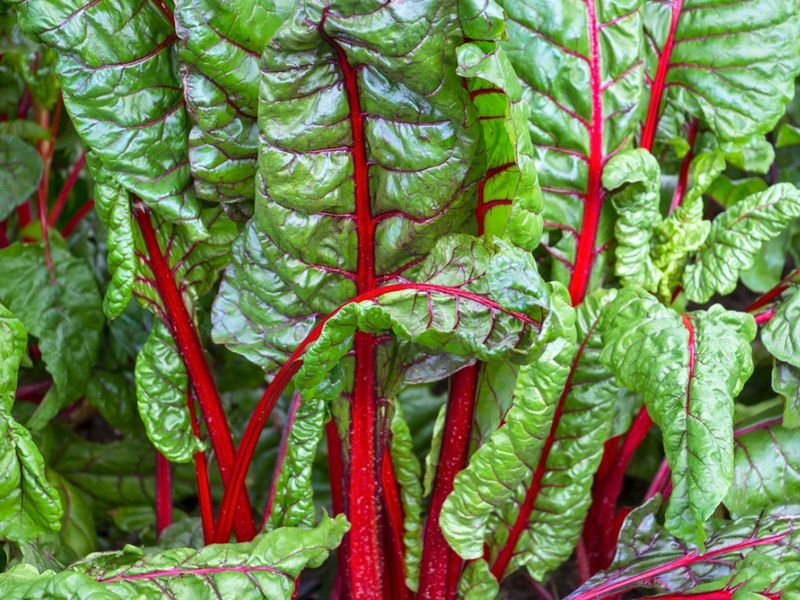
Most fall greens read like a wall of green. Then there is Swiss chard, with stems in neon pink, gold, and red glowing against a gray December yard like somebody left the Christmas lights on.
Swiss chard (Beta vulgaris) is a beet grown for its leaves, and it handles both lingering late-summer heat and real cold better than almost anything else on this list. That toughness is what earns it a spot.
Sow seed clusters an inch deep and thin seedlings to ten inches apart. Each knobby seed holds several plants, so expect to pinch out extras. Get them going by late August in the mountains where frost arrives sooner, closer to early September along the coast.
Leaf miners tunnel pale trails through the leaves in warm spells. Snip off affected leaves and toss them, and a row cover early on keeps the flies away.
Chard shrugs off frosts into the mid 20s and often overwinters in the Piedmont to give you a second spring flush. Cut outer stalks at the base and it keeps pushing new ones. A rainbow harvest in the cold, and you barely lifted a finger.
6. Mustard Greens Bite Back Against the Cold
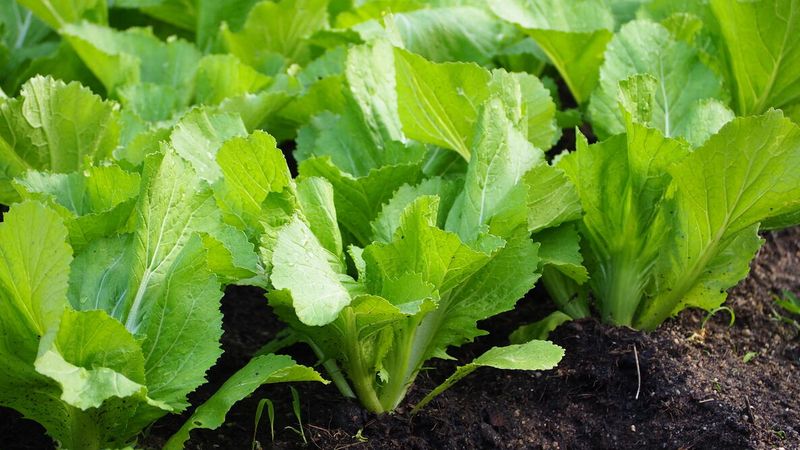
Southern cooks have leaned on mustard greens for generations, and there is a reason your grandmother had a patch out back. They grow fast, they taste like the South, and cold weather only makes them better.
Mustard greens (Brassica juncea) carry a sharp, sinus-clearing heat when young that mellows into something rich and almost sweet after frost hits. Sow them in late August and the cooling nights do the seasoning for you.
Drop seeds a quarter inch deep and thin to six inches apart. They germinate in just a few days in warm soil, so August sowing is genuinely easy. Water them well and they rarely complain.
Flea beetles and cabbage loopers both come sniffing, punching holes and chewing edges. A light row cover for the first month spares the young leaves the worst of it.
Harvest young leaves for salads and let older ones go to the stovetop with a little vinegar. Mustard takes frost down into the mid 20s and keeps producing across the Piedmont and Sandhills through late fall. A pot of greens on a cold night feels like home.
7. Mizuna Fills the Bowl Feathery and Fast
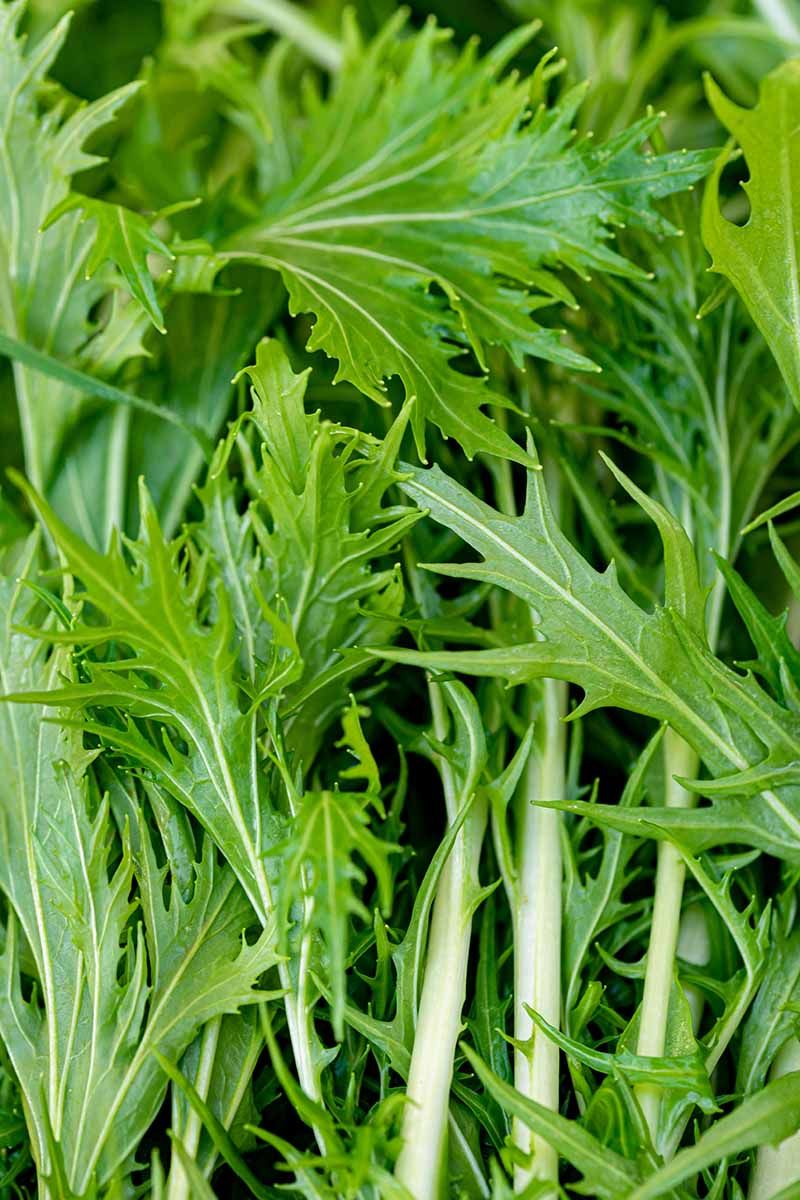
Ever bought a fancy salad mix and wondered what those wispy, feathery leaves were? Odds are it was mizuna, and it grows here easier than half the plants in your yard already.
Mizuna (Brassica rapa var. nipposinica) is a Japanese mustard with a mild, faintly peppery flavor and a soft crunch. It loves cool weather and laughs at the frosts that flatten tomatoes, which makes late August the ideal time to start it.
Sow seeds a quarter inch deep and thin to eight inches for full heads, or grow it thick and cut it young for baby greens. It bounces back after every cutting, giving you three or four harvests off one sowing.
Mizuna resists many pests better than its cousins, though flea beetles still take a nibble in warm spells. A row cover early handles them.
Cold-hardy into the low 20s, mizuna keeps a Piedmont bed productive well past the first frost with almost no coddling. A handful tossed into any salad makes it look like you shopped somewhere expensive, and you did not.
8. Tatsoi Makes a Rosette You Can Eat
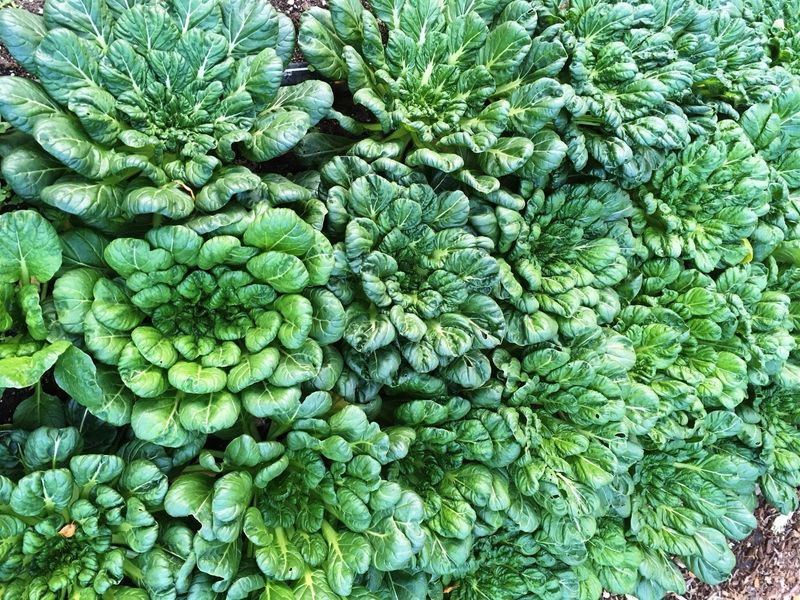
Tatsoi grows into a low, flat rosette of dark spoon-shaped leaves that looks less like a vegetable and more like a green flower pressed against the soil. And that shape is exactly why it survives our surprise cold snaps.
Tatsoi (Brassica rapa var. rosularis) hugs the ground, which lets it trap a little warmth and dodge drying wind. That habit makes it one of the hardiest greens you can grow in North Carolina, taking temperatures down toward 15 degrees when established.
Sow seeds a quarter inch deep and thin to ten inches apart for full rosettes. Start in late August so plants mature before deep cold. The small, tender leaves carry a mild mustard flavor with a hint of spinach.
Few pests bother it seriously, though slugs may hide in the tight center after a storm. Check now and then and pluck them out.
Cut the whole rosette at the base or pick outer leaves for a longer run. Dropped into a stir-fry or a raw salad, tatsoi holds its texture better than most. A quiet overachiever in the coldest corner of the garden.
9. Corn Salad Thrives When Everything Else Quits
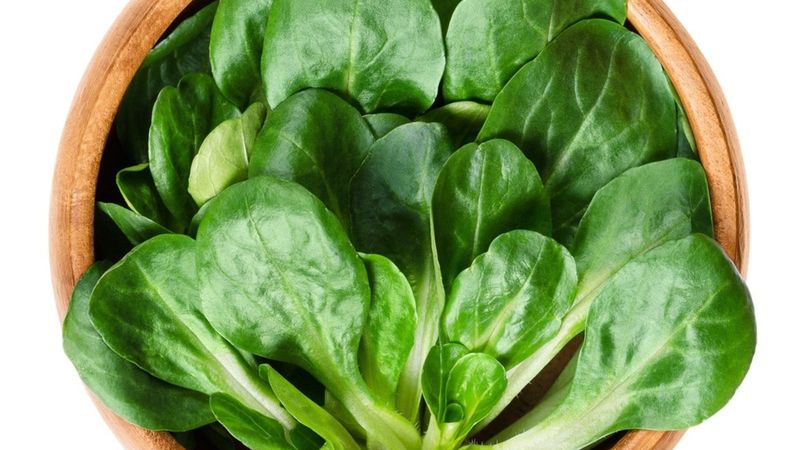
Here is a fact that surprises most gardeners. There is a green so cold-hardy it can survive being buried under snow and still hand you dinner, and hardly anyone in North Carolina grows it.
Corn salad, also called mache (Valerianella locusta), forms small tender rosettes with a soft, nutty, almost buttery flavor. It is the coldest-hardy salad green on this list, shrugging off temperatures into the single digits without so much as a row cover.
Sow seeds a quarter inch deep and just three inches apart, since the plants stay small. Late August through September works across the state. Germination can be slow in warm soil, so keep the bed moist and be patient.
Pests mostly leave it alone, which is part of the appeal. It asks for almost nothing once up.
Cut whole rosettes when they reach a couple inches across. Corn salad genuinely fills the dead of winter when the rest of the garden has given up, giving mountain gardeners in zone 6a a fresh salad in January. A hidden gem worth the seed packet.
10. Bok Choy Rounds Out the Cold-Weather Harvest
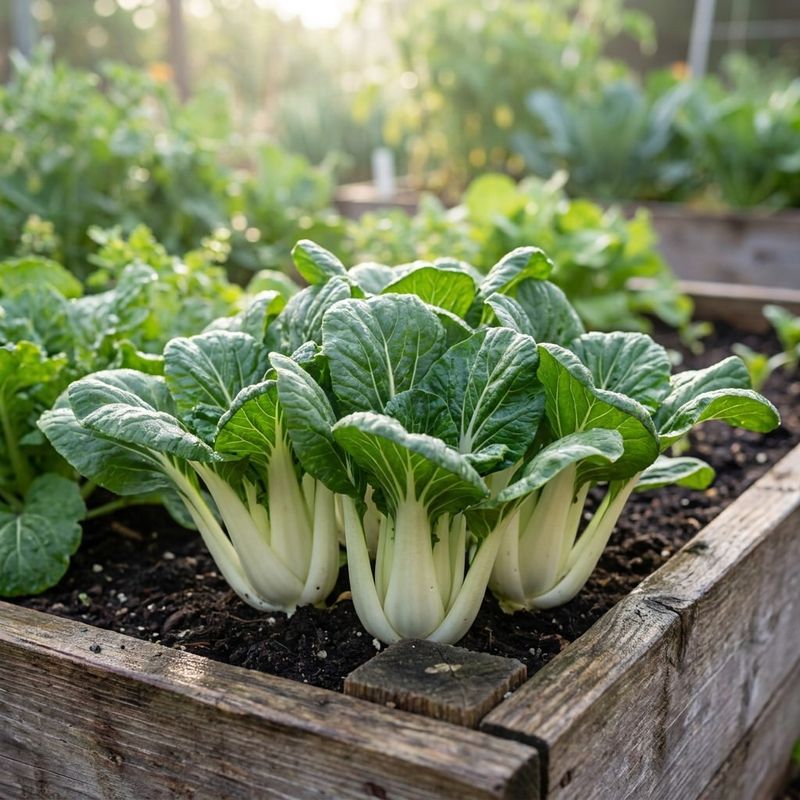
Crisp white stalks, deep green leaves, and a crunch that holds up whether you eat it raw or toss it in a pan. Bok choy closes out this list because it does double duty, salad bowl and skillet, when the garden is winding down.
Bok choy (Brassica rapa subsp. chinensis) is a fast cool-season crop that matures in about six to eight weeks from an August sowing. The cooler nights of a North Carolina fall keep it from bolting the way summer heat would.
Sow seeds half an inch deep and thin baby types to six inches, full-size heads to ten inches. Steady water matters, because uneven moisture triggers bolting and toughens the stalks.
Flea beetles and cabbage worms both want a share. A row cover for the early weeks, plus a weekly leaf check, keeps damage light.
Baby bok choy takes light frost into the upper 20s, so harvest full heads before a hard freeze in the mountains, later along the milder coast. Slice the crisp stems into a winter salad and you close the season the way you should, with a full plate and dirt still under your nails.