What To Leave In Your Georgia Yard This August To Keep Pollinators Coming Back
Cleaning up every corner of the yard can feel productive at this time of year. Many gardeners start cutting, clearing, and removing anything that looks past its best before autumn arrives.
Some of those late-summer leftovers are far more valuable than they appear. Seed heads, fading flowers, and standing stems continue providing food and shelter long after the brightest blooms have faded.
Leaving a few things untouched does not make a yard look neglected. It gives bees, butterflies, and other helpful insects the resources they still need before cooler weather sets in.
That simple approach is becoming more common in Georgia as more people look for easy ways to support pollinators.
A little restraint now can turn your yard into a place wildlife returns to again and again.
1. Let Nectar Flowers Bloom Through August
Flowers left blooming through August are one of the most powerful things you can offer pollinators right now. August heat can be brutal, and food sources thin out fast.
Keeping nectar-rich plants standing gives bees and butterflies a reliable refueling spot.
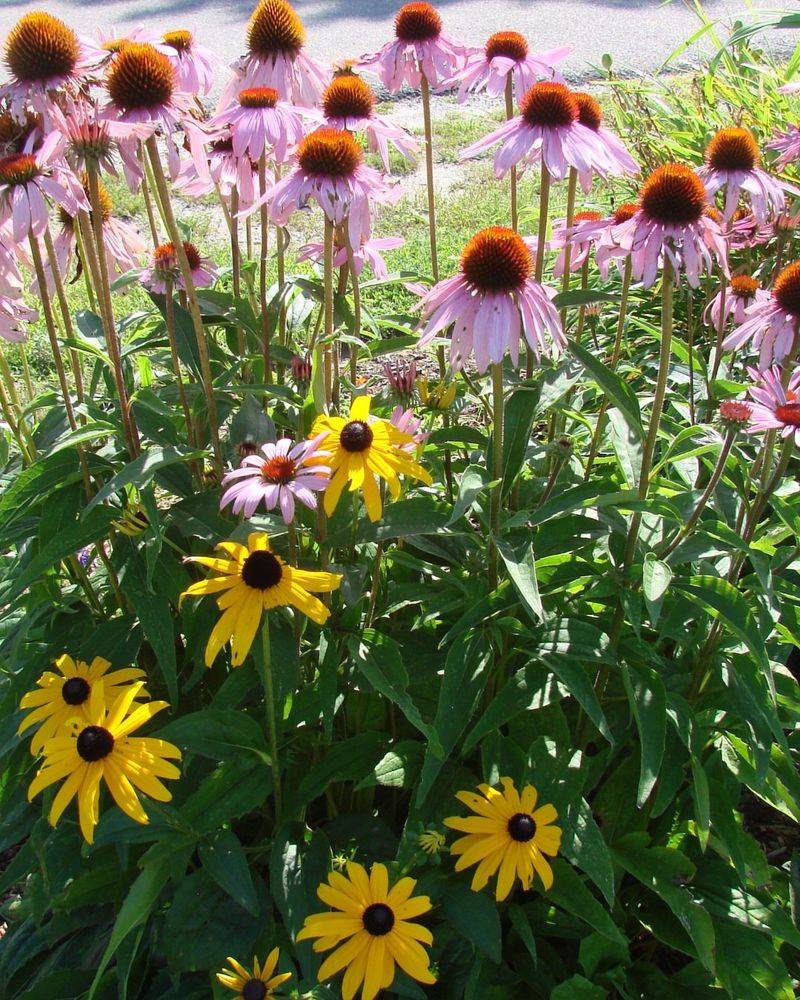
Native plants like coneflowers, black-eyed Susans, and lantana tend to hold up well in late summer heat. They produce nectar consistently, even when temperatures spike.
Pollinators recognize these plants and return to them regularly.
Resist the urge to cut back anything that still has open blooms. Even a single flowering stem can attract multiple species in one afternoon.
Leaving flowers standing costs nothing but offers real value to visiting insects.
Some gardeners worry that messy-looking late-summer plants will drag down curb appeal. A light trim around the edges of a bed can keep things tidy without removing the blooms themselves.
That balance works well in most yards.
Zinnia, salvia, and verbena are also solid late-summer performers worth keeping. If you planted any of these earlier in the season, hold off on cleanup.
Pollinators are still counting on them well into September.
2. Leave Leaf Litter For Beneficial Insects
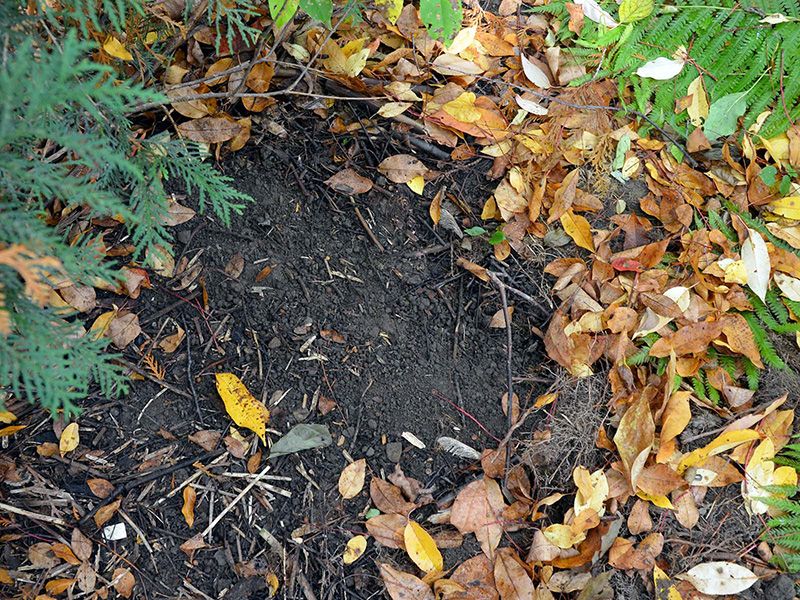
Leaf litter might look like yard waste, but it is actually a working habitat. Beneath those dry, curling leaves, beneficial insects are resting, sheltering, and in some cases raising young.
Raking it away removes more than you might expect.
Ground-nesting bees use loose leaf layers for protection. Firefly larvae, beetles, and other helpful insects also depend on this layer during warm months.
Clearing it out in August can disrupt insects that are mid-cycle.
A thin, natural layer under trees or along fence lines is enough to make a difference. You do not need a thick pile to support insect activity.
Even a modest amount of leaf cover offers meaningful shelter.
Keeping leaf litter in low-traffic corners of your yard works well if a tidy yard matters to you. Tuck it behind shrubs or along a garden border.
Out of sight, it still does its job for the insects living in it.
Leaf litter also holds moisture close to the soil, which helps plants and soil organisms during dry August stretches. So it supports the yard on multiple levels, not just insect life.
Your Georgia Garden Changes Every Week. Your Plan Should Too.
Gardening in Georgia changes quickly throughout the season. Every Friday you’ll receive a simple weekly plan showing exactly what to plant, prune, fertilize, harvest, and protect so you never miss the right timing.
Leaving it in place is a low-effort choice with layered benefits.
3. Keep Hollow Stems For Solitary Bee Nests
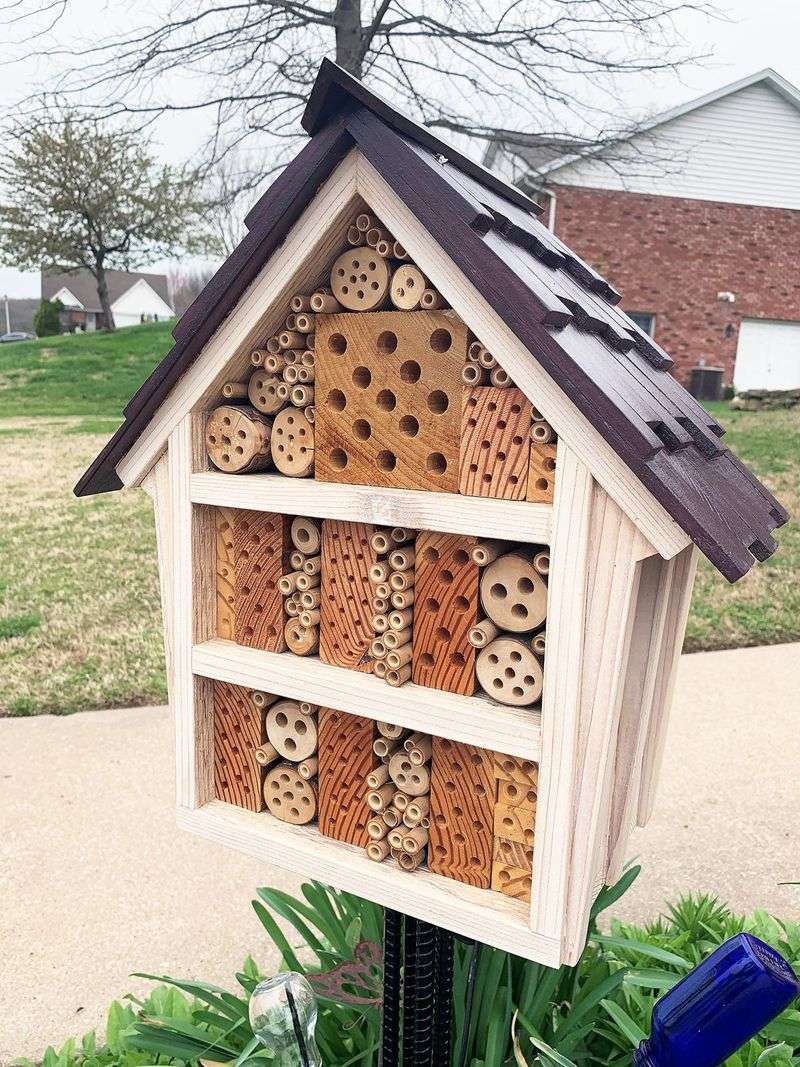
Hollow stems are one of the most overlooked nesting spots for solitary bees. Unlike honeybees, solitary species like mason bees and leafcutter bees nest alone inside small cavities.
A hollow stem is a perfect fit for them.
Plants like Joe Pye weed, sunflower, and elderberry often leave behind hollow or pithy stems after flowering. Cutting them down in August removes nesting opportunities right when bees need them most.
Leaving stems standing through the season supports these insects at a critical time.
Solitary bees do not sting aggressively and are highly effective pollinators. A single mason bee can pollinate as much as several honeybees in a day.
Keeping their habitat intact is a practical choice, not just a sentimental one.
You do not need to leave every stem in your yard. Picking a section, even a small cluster near a back fence or garden edge, gives solitary bees enough space to work with.
A few stems go a long way.
If you want to go further, you can bundle cut stems together and hang them in a sheltered spot. That creates a simple, low-cost bee nesting structure.
Either approach, leaving stems in place or bundling them, supports solitary bee populations heading into fall.
4. Allow White Clover To Finish Flowering
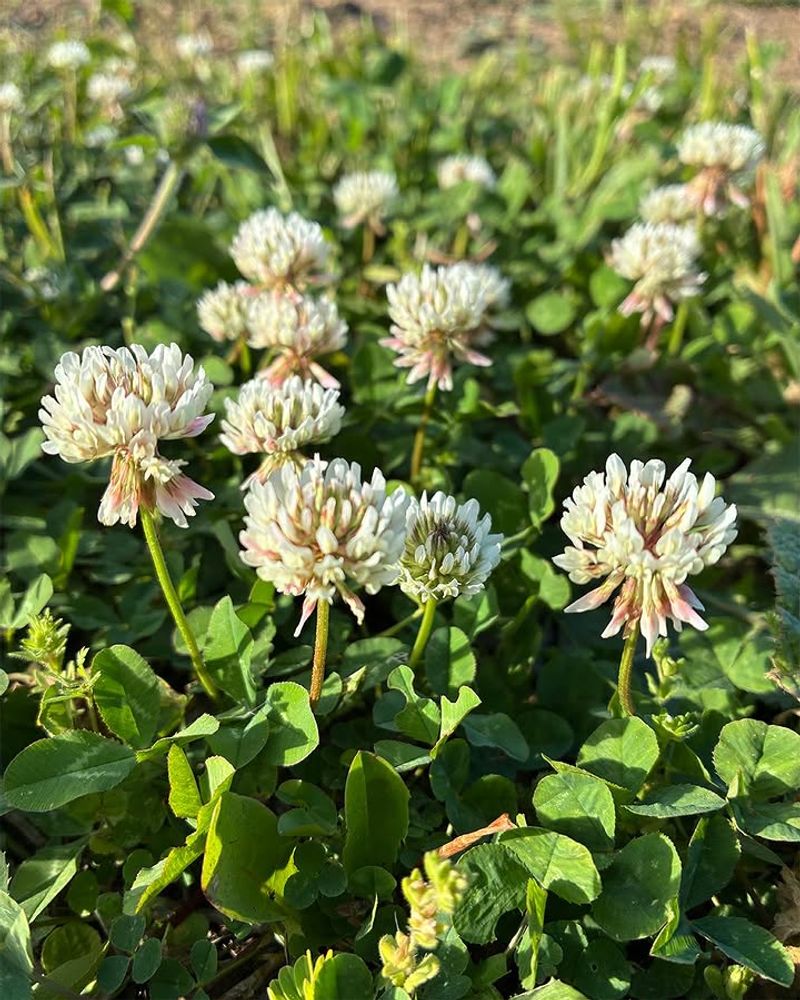
White clover in a lawn is not a weed problem. It is a food source.
Bees, especially bumblebees and honeybees, visit clover flowers heavily during late summer when other options are limited. Mowing it down cuts off that food supply.
Clover flowers are small but packed with nectar. A patch even a few feet wide can support a surprising number of pollinator visits in a single day.
Letting it bloom through August is one of the simplest things you can do for your local bee population.
If mowing the whole lawn feels necessary, consider leaving one section unmowed. A strip along a fence line or a corner of the yard works well.
That small area can still serve as an active feeding zone for bees.
White clover also fixes nitrogen in the soil, which benefits surrounding grass and plants. So leaving it standing has practical lawn benefits too, not just pollinator value.
It earns its place in a yard on more than one level.
Some homeowners worry about clover attracting bees where children or pets play. That is a fair concern.
Keeping clover in low-traffic areas of the yard gives bees a safe feeding space while keeping play areas comfortable for your family. It is a workable balance that most yards can accommodate without much effort.
5. Avoid Broad-Spectrum Insect Sprays
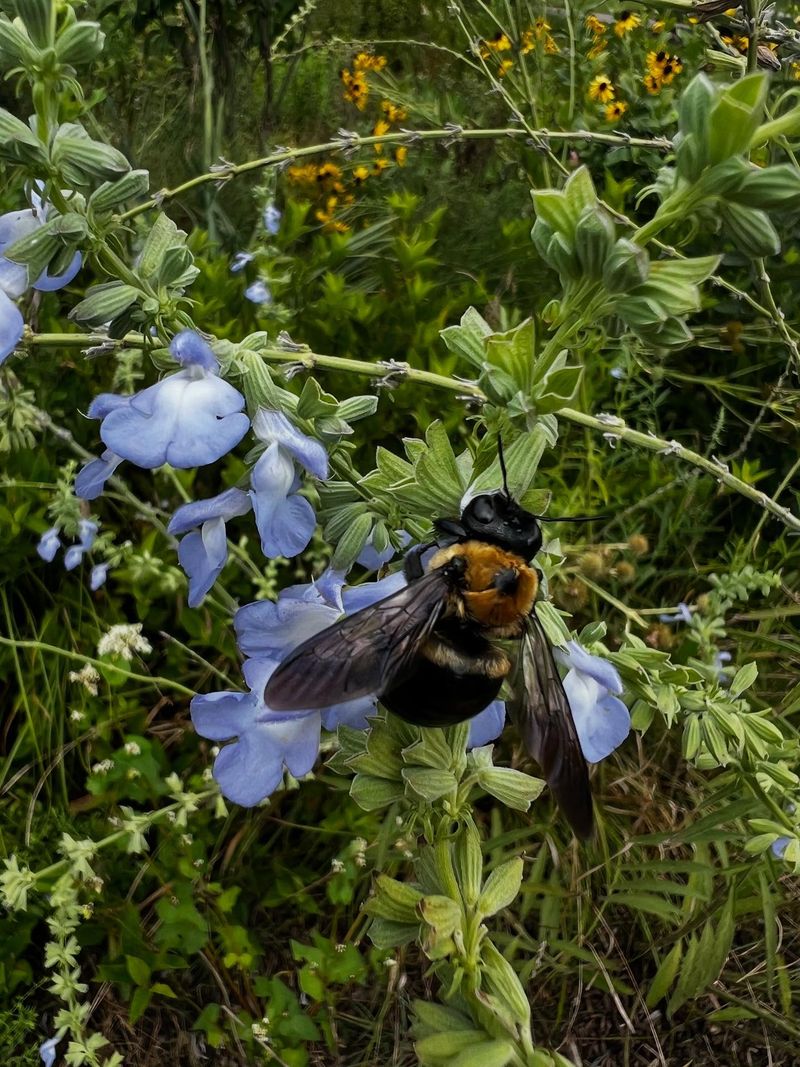
Broad-spectrum insect sprays target a wide range of insects, not just the ones causing problems. When applied during August, they can reach bees, butterflies, and other pollinators visiting nearby flowers.
The timing and placement of any spray matters enormously.
Spraying in the early morning or late evening reduces the chance of contact with active pollinators. Bees tend to be most active mid-morning through mid-afternoon.
Avoiding sprays during peak activity hours lowers the risk to visiting insects.
Targeted treatments for specific pest problems are a better approach than blanket applications. If aphids are on one plant, treating just that plant is more precise than spraying an entire bed.
Precision reduces unintended impact on insects you want to keep around.
Reading product labels carefully before applying anything is always worth the extra few minutes. Some products are marketed as natural or organic but still pose risks to pollinators if used incorrectly.
Label instructions exist for a reason and are worth following closely.
In Georgia, August is a high-activity month for pollinators. Cutting back on sprays during this window, even partially, can help maintain the insect diversity in your yard.
A yard with fewer chemical inputs often attracts a wider range of beneficial species over time, though results can vary depending on local conditions and surrounding land use.
6. Refresh Shallow Water For Bees And Butterflies
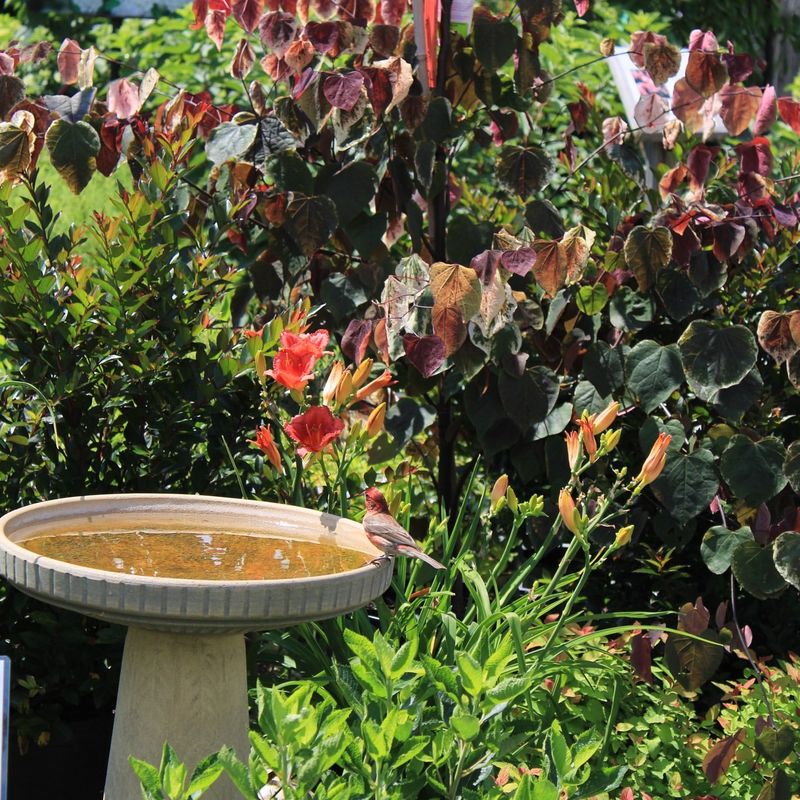
Pollinators get thirsty, especially during August heat waves. Bees and butterflies cannot use deep water safely because they can slip and struggle to get back out.
Shallow water with a rough landing surface is what actually works for them.
A simple dish, tray, or shallow bowl filled with clean water and a few pebbles or marbles does the job well. Insects land on the pebbles and sip from the water around them.
It requires almost no setup and very little maintenance.
Change the water every two to three days. Stagnant water can attract mosquitoes, which is not what you want near a garden.
Fresh water also stays cleaner, which is better for the insects drinking from it.
Placing the water source near flowering plants makes it even more useful. Pollinators can drink and feed in the same spot without traveling far.
That kind of convenience keeps them returning to your yard more consistently.
Shade matters too. A water dish sitting in full sun all day will evaporate quickly and heat up fast.
Positioning it where it gets morning sun and afternoon shade helps keep the water cooler and available longer. That small detail can make the station much more effective throughout the hottest part of the day.
7. Skip Deadheading Until Early Fall
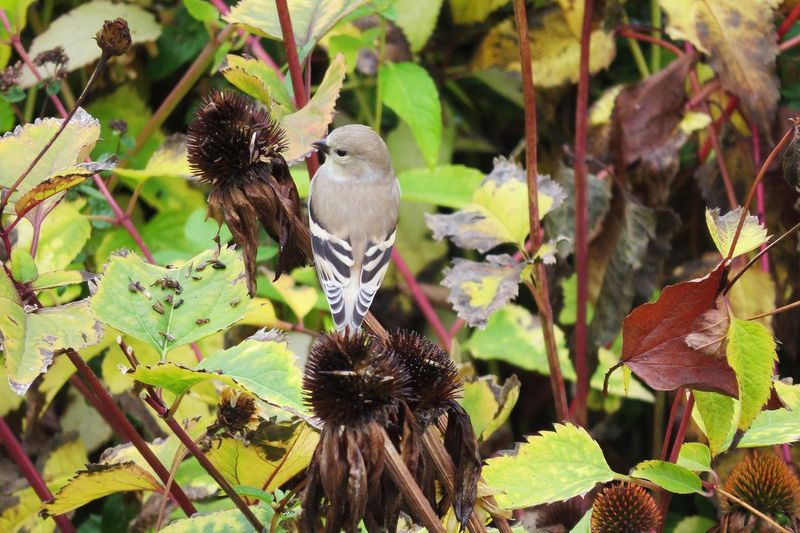
Deadheading, which means removing spent flower heads, is a common garden habit. It encourages many plants to bloom again.
But in August, skipping it for a few weeks can actually benefit both pollinators and birds.
Spent flower heads often still offer pollen and nectar, even after petals drop. Bees and small insects continue to visit these fading blooms.
Removing them too early cuts off a food source that is still in use.
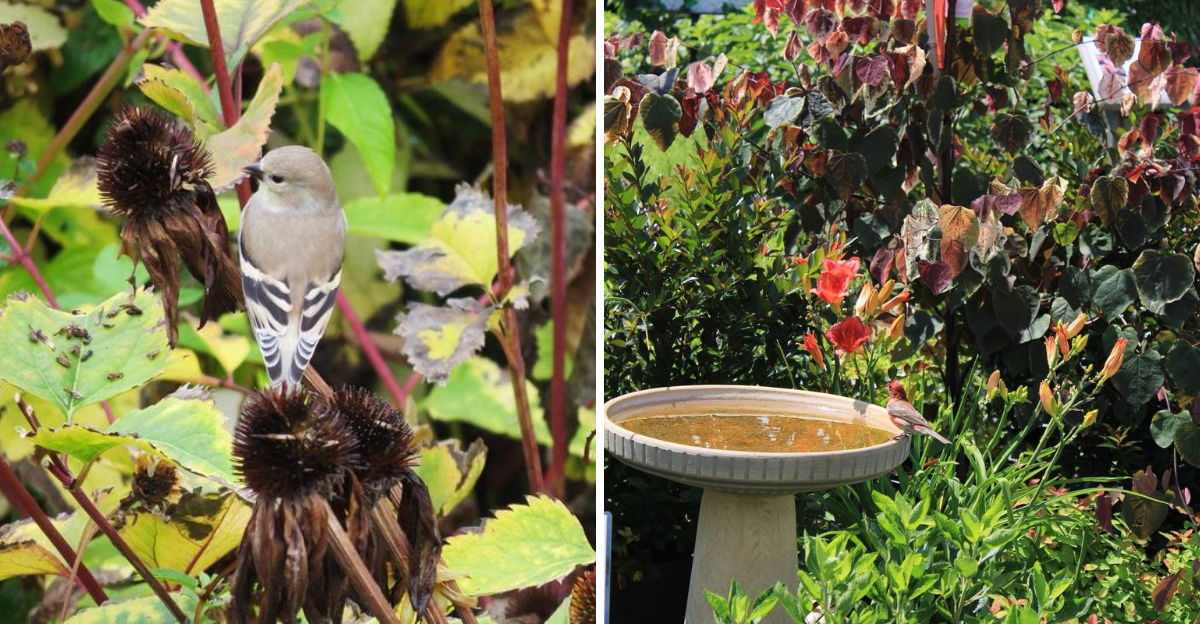
Seed heads that form after flowering become food for birds heading into fall. Goldfinches, sparrows, and other small birds forage on coneflower and rudbeckia seeds.
Leaving those heads standing supports wildlife beyond just pollinators.
Waiting until late September or early October to deadhead gives the full cycle time to play out. Blooms fade, seeds form, and wildlife benefits at each stage.
That sequence is worth preserving when you can.
If a plant looks truly ragged and is not producing any new buds, light cleanup is reasonable. But if there is still activity around the flower head, whether bees visiting or seeds forming, leaving it alone is the better call.
Most gardeners find that holding off on deadheading for a few weeks in late summer requires very little effort and pays off noticeably in yard activity and wildlife visits.
8. Save Major Yard Cleanup For Early Fall
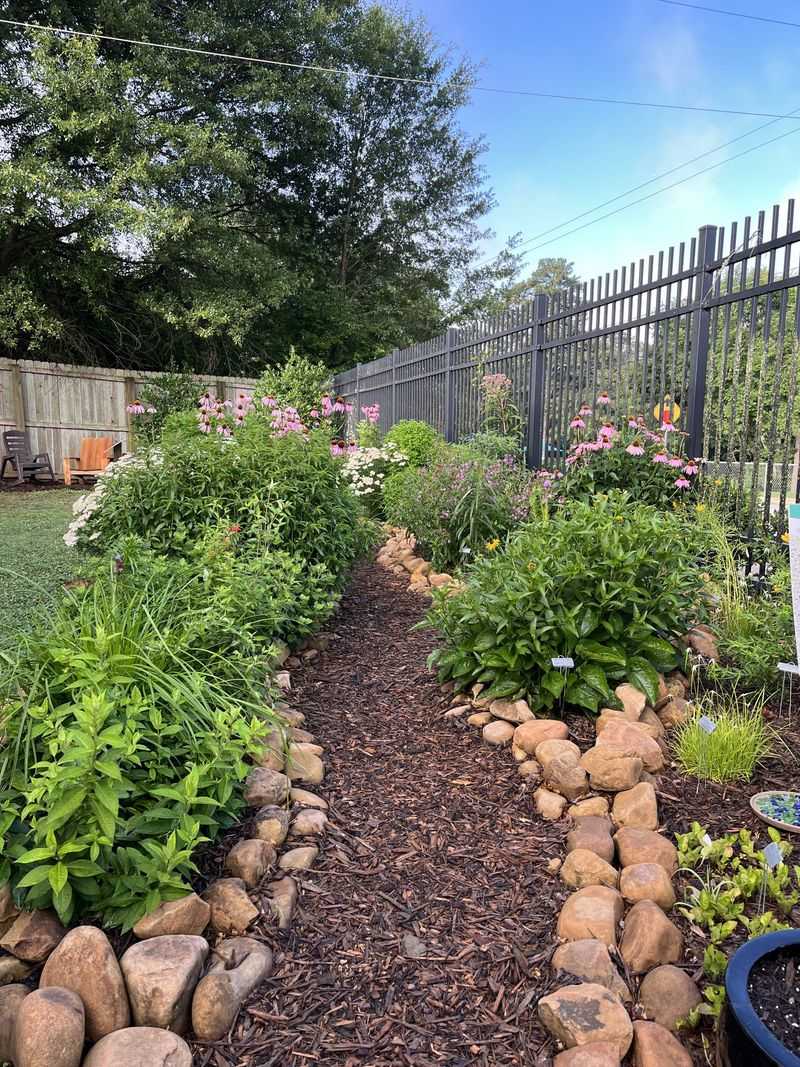
A full yard cleanup in August can remove more habitat than most people realize. Brush piles, leaf accumulations, and overgrown patches all serve as shelter for insects during the hottest part of the year.
Clearing everything at once leaves pollinators with fewer places to rest and nest.
Waiting until October or November to do major cleanup gives the season time to wind down naturally. By then, many insects have completed their cycles or moved on.
Cleanup at that point causes far less disruption to active populations.
Brush piles near garden edges are worth keeping through August. They provide shelter for beetles, small bees, and other beneficial insects on hot days.
A pile that looks untidy to you may be genuinely useful to the insects living in it.
Overgrown corners and unmowed strips serve a similar purpose. They are not signs of a neglected yard.
They are functioning habitat zones that support the insects helping your garden thrive.
Across the Southeast, including right here in Georgia, August is a peak period for pollinator activity. Holding off on aggressive yard work during this window gives insects space to do what they do naturally.
Early fall cleanup, done thoughtfully, can still leave some structure in place for overwintering species, making your yard a stronger habitat year after year.