Why This Odd Looking Bug In Georgia Gardens Is Actually Good News
Not every strange creature on your leaves deserves to be chased out of the garden. One especially unusual visitor may actually be doing valuable work while you barely notice it.
Its appearance certainly does not inspire confidence at first. With a strange body and unfamiliar features, this tiny hunter can easily be mistaken for something that threatens your plants.
Give it a moment before deciding what to do. What looks suspicious could be helping control insects you would much rather have gone.
Gardeners in Georgia may encounter this beneficial visitor moving quietly through flowers, vegetables, or ornamental plants during summer.
Knowing the difference between helpful insects and unwanted pests can completely change how you react to an unfamiliar bug.
This odd little hunter earns its place by doing something surprisingly useful behind the scenes.
1. Green Lacewing Larvae Are The Strange Visitors Behind The Mystery
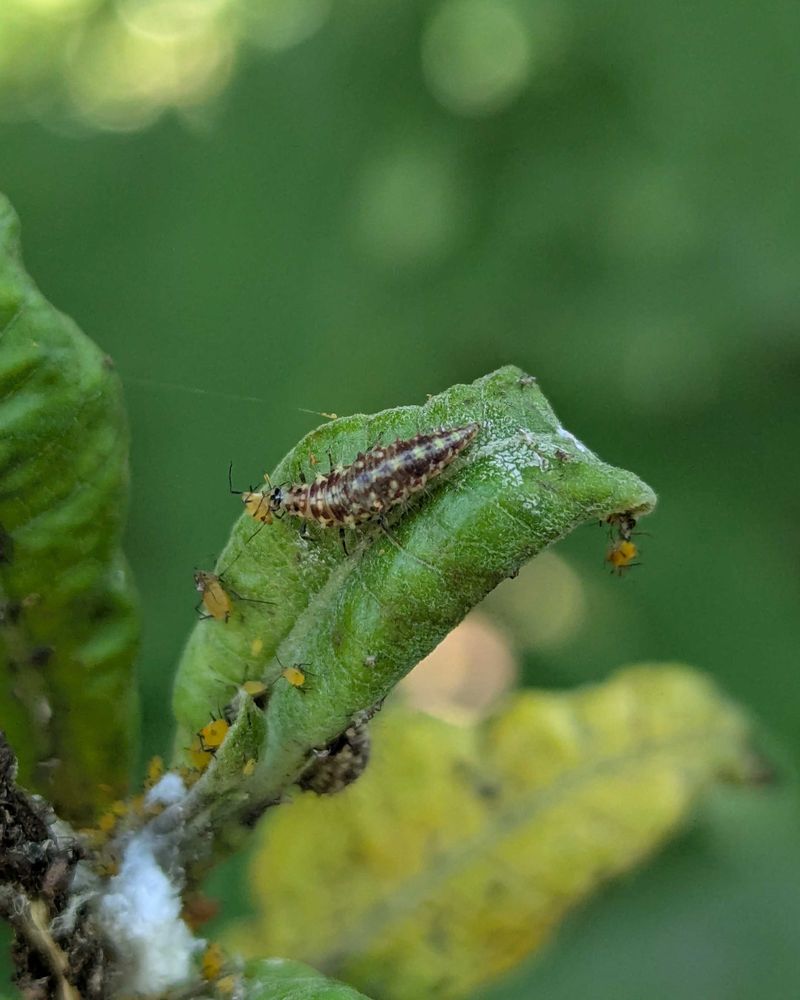
Spotting something that looks like a tiny monster on your tomato plant is alarming at first. Lacewing larvae are small, usually under half an inch, with a flattened body covered in bristly tufts and curved, pincer-like mouthparts.
They look like something out of a science fiction movie.
These larvae hatch from tiny eggs that adult lacewings lay on slender stalks attached to leaves. Each egg sits on its own little thread, keeping it slightly raised off the surface.
That design helps protect the eggs from being eaten by other insects nearby.
Once hatched, the larvae move fast and hunt aggressively. Gardeners in Georgia often spot them in summer when pest pressure is at its highest.
Warm, humid conditions across the region create the perfect environment for both lacewing larvae and the pests they pursue.
One larva can consume dozens of soft-bodied insects during its short larval stage, which lasts a few weeks. After feeding heavily, it spins a small silk cocoon and transforms into an adult.
Recognizing this creature before reacting to its strange appearance can save you from accidentally removing a natural pest control helper from your garden.
2. Their Unusual Appearance Hides A Useful Garden Hunter
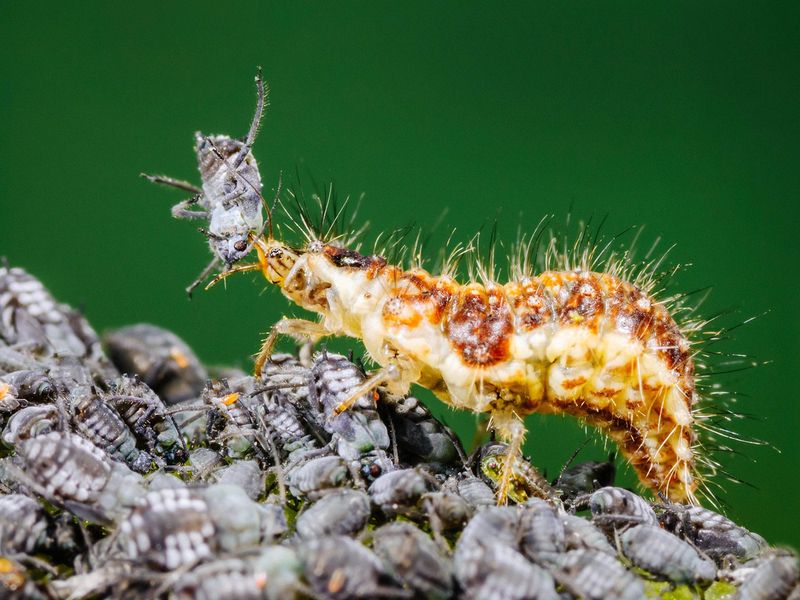
Looks can be wildly misleading in the insect world. Lacewing larvae appear threatening and strange, but every odd feature on their body serves a practical hunting purpose.
Those bristly tufts can even trap debris, helping the larva camouflage itself among plant material.
Some lacewing larvae actually pick up the remains of their prey and pile them onto their backs. Bits of plant fuzz, insect husks, and other debris stack up into a disguise that makes them nearly invisible to predators.
It sounds bizarre, but it works remarkably well in a leafy garden setting.
Their mouthparts are hollow and curved, designed to pierce soft-bodied insects and drain fluids. This feeding method is efficient and fast.
A single larva can handle a small aphid colony in a matter of days without causing any harm to the surrounding plants.
Gardeners who learn to recognize these unusual features often shift from concern to appreciation quickly. Once you understand that the spiky appearance is a survival tool rather than a threat, these larvae become fascinating to observe.
Your Georgia Garden Changes Every Week. Your Plan Should Too.
Gardening in Georgia changes quickly throughout the season. Every Friday you’ll receive a simple weekly plan showing exactly what to plant, prune, fertilize, harvest, and protect so you never miss the right timing.
Across backyard gardens in the Southeast, this small predator quietly earns its place among the most practical insects a gardener could hope to find on their plants.
3. Aphids Become One Of Their Favorite Targets
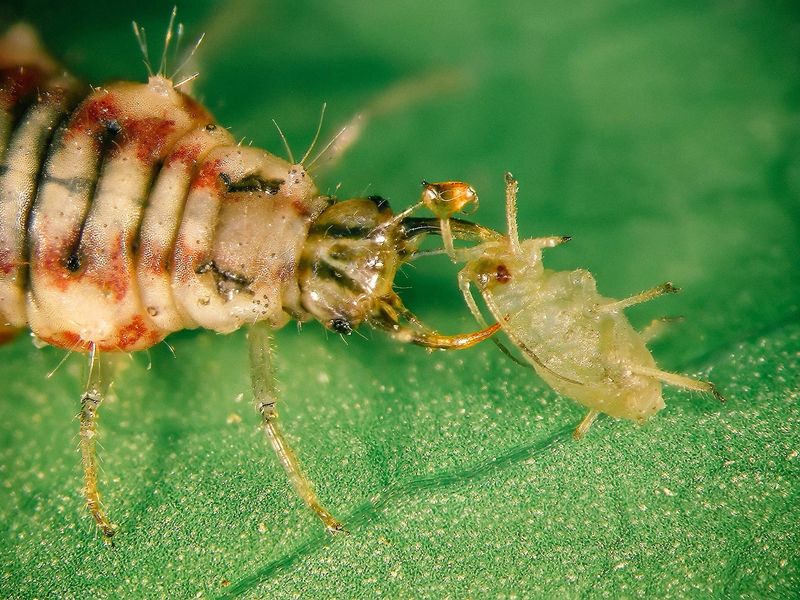
Aphids are a constant frustration for home gardeners, and lacewing larvae treat them like a buffet. Soft-bodied, slow-moving, and clustered together in large groups, aphids are easy prey for a fast and determined larva.
One hungry larva can work through an aphid colony with impressive speed.
Aphid populations can spike quickly in warm weather, especially on roses, tomatoes, peppers, and ornamental shrubs. Lacewing larvae often show up right around the same time pest numbers climb, which is not a coincidence.
Adult lacewings are attracted to gardens with abundant prey when laying their eggs.
Each larva uses its hollow mouthparts to pierce the aphid and extract fluids. It moves from one aphid to the next without pausing for long.
Over a few days, a small cluster of larvae can noticeably reduce an aphid infestation on a single plant.
Relying solely on lacewing larvae to resolve a heavy aphid infestation may not be realistic, but they can genuinely slow pest spread when present in good numbers.
Combining their natural activity with good garden hygiene, like removing heavily infested leaves, gives the best results.
Welcoming lacewing larvae as part of your pest management approach adds a reliable, chemical-free layer of protection to your plants.
4. Mites And Scale Insects Can Also End Up On The Menu
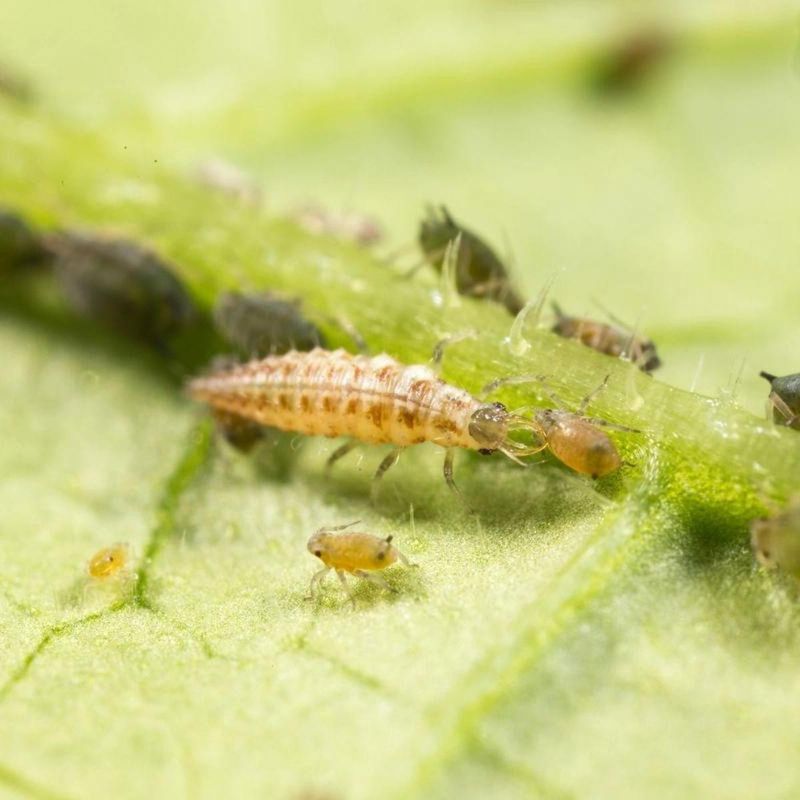
Aphids get most of the attention, but lacewing larvae are far less picky than most people realize. Spider mites, whitefly eggs, thrips, and soft scale insects are all fair game for a hungry larva moving through garden foliage.
Variety is a real feature of their diet.
Spider mites are notoriously difficult to manage without chemical sprays. They reproduce fast and cause visible damage to leaves before most gardeners even notice them.
Lacewing larvae can access the same tight spaces where mites cluster, giving them a natural advantage in reaching these pests.
Soft scale insects cling to stems and feed on plant sap, weakening growth over time. They are slow-moving and easy for a larva to grab.
While lacewing larvae may not eliminate a heavy scale infestation on their own, they can reduce populations enough to make a real difference alongside other management steps.
Gardeners dealing with multiple pest types at once often find that encouraging beneficial insects provides a broader solution than targeting one pest at a time.
Lacewing larvae cover a surprising range of small, soft-bodied targets across different plant types.
Keeping them present in your garden through smart planting and reduced chemical use gives them the best chance to work across the full variety of pests they naturally pursue.
5. Adult Lacewings Take On A Very Different Appearance
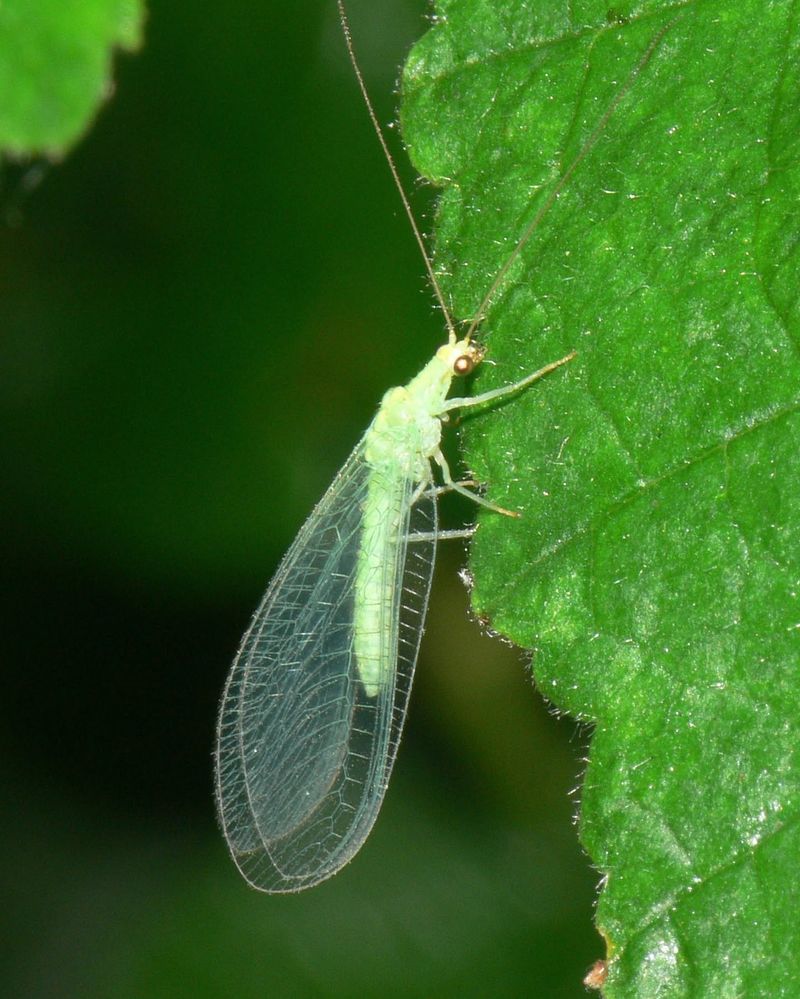
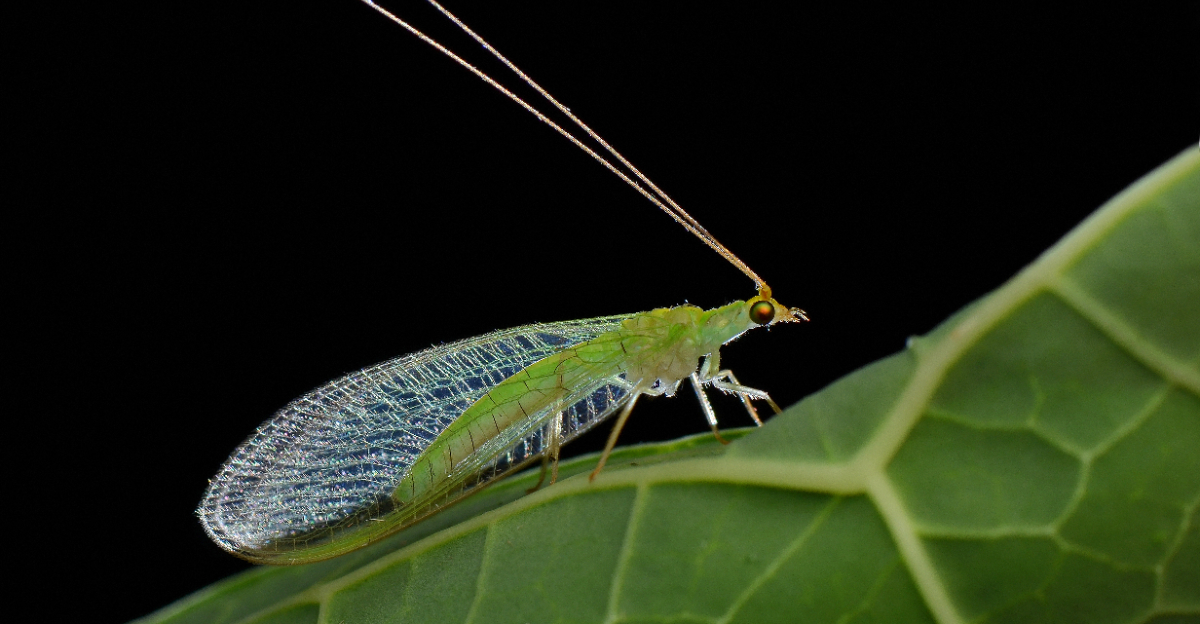
Adult green lacewings look nothing like their larvae. Where the young are spiky and aggressive, adults are delicate, soft-looking, and almost elegant.
Bright green bodies, large copper-gold eyes, and wings that look like finely woven lace make them easy to identify once you know what to look for.
Adults are mostly nocturnal, which is why many gardeners in Georgia rarely spot them during the day. At night, they fly through gardens searching for nectar, pollen, and honeydew left behind by aphids.
Some adult species also eat small insects, though many rely more heavily on plant-based food sources.
Despite their fragile appearance, adults play a critical role in continuing the life cycle. After mating, females carefully place their stalked eggs on plant surfaces near pest colonies.
Placing eggs close to food sources gives the hatching larvae the best possible start.
Adults are attracted to gardens with a mix of flowering plants, particularly those with small, accessible blooms. Herbs like dill, fennel, and coriander are commonly mentioned as plants that support adult lacewings.
Growing a variety of flowering plants alongside vegetables can encourage adults to linger and lay eggs nearby, setting up the next round of larval pest control in your garden through the growing season.
6. Broad Spectrum Sprays Can Work Against These Garden Allies
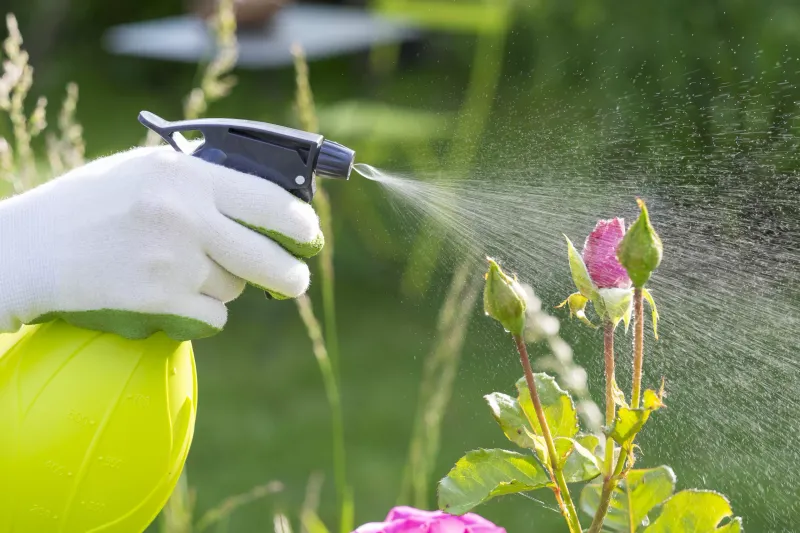
Reaching for a broad-spectrum pesticide spray is a common first reaction when any bug appears on garden plants. Unfortunately, most of those sprays do not distinguish between harmful pests and helpful predators.
Lacewing larvae and adults are vulnerable to many commonly used garden insecticides.
Pyrethrin-based sprays, neem oil applied during active periods, and many synthetic insecticides can reduce lacewing populations along with target pests. Once beneficial insects are reduced in a garden, pest populations often rebound faster than before.
Removing predators can actually make pest problems worse over time.
Selective treatment matters a great deal when beneficial insects are present. Spot-treating heavily infested areas rather than spraying entire plants gives predatory insects a chance to survive in nearby sections of the garden.
Timing also plays a role, since spraying in the early morning or late evening reduces contact with active beneficials.
Checking plant surfaces before spraying helps you understand whether pest numbers are actually high enough to need intervention. Lacewing larvae and other beneficial insects are often already working on the problem.
Giving them a short window before treating can sometimes reveal that chemical intervention is not necessary.
Protecting these allies by being cautious with sprays is one of the most practical steps a gardener can take to support long-term, natural pest management in any backyard setting.
7. Welcoming Lacewings Supports Natural Pest Control
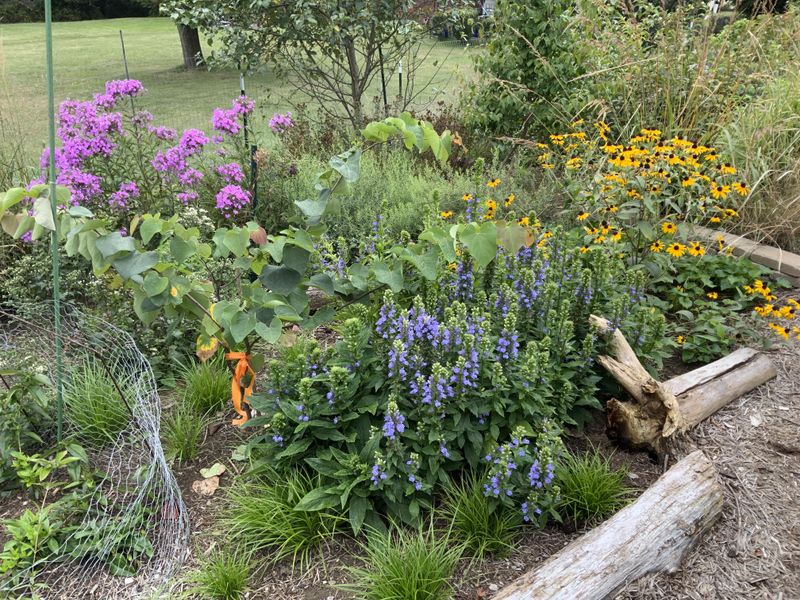
Creating a garden that attracts and keeps lacewings does not require major changes. Small adjustments to plant selection and management habits can make a meaningful difference.
Flowering plants that produce accessible pollen and nectar are a practical starting point.
Dill, fennel, yarrow, and sweet alyssum are often cited as plants that support beneficial insect populations. Mixing these into vegetable beds or planting them along borders gives adult lacewings a reliable food source.
A fed adult is more likely to stay and lay eggs nearby.
Reducing or eliminating broad-spectrum sprays is probably the single most impactful step for supporting lacewings and other beneficial insects. Even organic options can affect beneficials if applied carelessly.
Spot treatment and careful timing help protect the insects already working in your garden.
Leaving some plant debris and organic material in low-traffic areas of the garden also gives lacewings and other beneficials places to shelter.
A garden that feels slightly less manicured is often more ecologically active and pest-resistant than a perfectly tidy one.
Across Georgia, gardeners who shift toward habitat-friendly practices tend to notice a gradual improvement in natural pest balance over a season or two. Patience is part of the process.
Welcoming lacewings is not a quick fix, but building a garden that supports them creates a more stable, self-regulating growing environment over time.