The Porch Plant That Handles 104° Arizona Afternoons Without Wilting
Morning flowers often look perfect until the afternoon sun takes over. Then they droop, fade, and leave your containers looking tired.
You should not have to replace porch plants every summer. One heat-loving favorite keeps its color when temperatures reach 104° on summer afternoons.
That kind of performance matters more than you might think. Healthy blooms make your home feel welcoming despite the heat.
Across Arizona, gardeners are choosing this plant because it refuses to wilt when many others struggle through relentless sunshine.
Give it the right spot and basic care, and it will reward you with dependable color instead of constant disappointment.
Once you grow this plant yourself, you will see why it has become a favorite for porches that face the hottest afternoon sun.
1. Moss Rose Is The Plant That Handles Extreme Heat
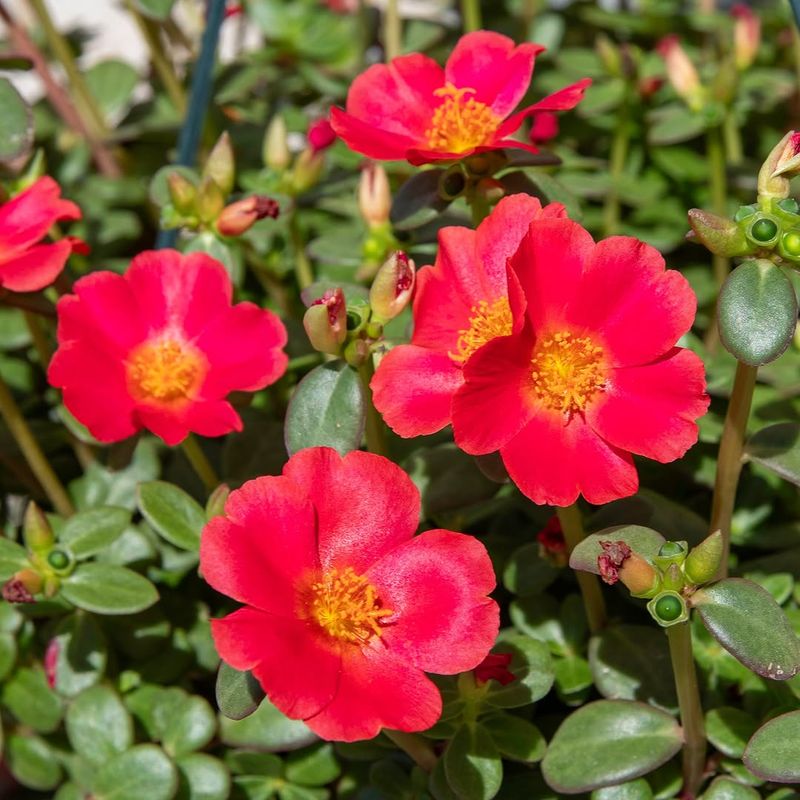
Moss rose does not just survive extreme heat. It actually performs better when temperatures climb into triple digits.
Portulaca grandiflora is a succulent-like flowering plant with thick, fleshy stems and needle-thin leaves. Those features help it store water and resist wilting even on the most brutal summer afternoons.
Native to South America, moss rose was built for sandy, dry, sun-drenched environments. Arizona summers feel familiar to it in a way that most flowering annuals simply cannot match.
On a south-facing porch baking in 104°F heat, other plants may droop by noon. Moss rose opens its blooms wider and keeps its color sharp.
That contrast is hard to ignore once you have seen it firsthand.
One thing worth knowing is that moss rose blooms close at night and on cloudy days. That is completely normal behavior for this plant.
Blooms reopen as soon as sunlight returns.
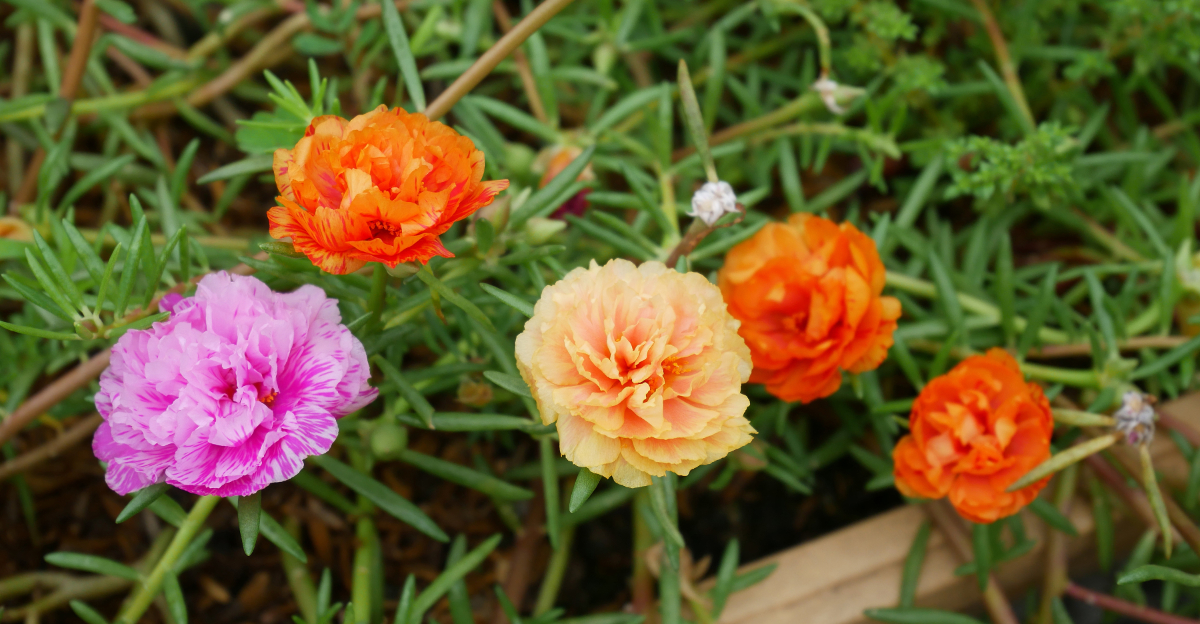
Flowers come in red, orange, yellow, pink, white, and bi-color varieties. Some cultivars have single petals, while others have ruffled, rose-like blooms that look surprisingly elegant for such a tough plant.
In containers on a hot porch, moss rose can bloom steadily from late spring through early fall with minimal care. Few flowering annuals offer that kind of staying power under intense desert conditions.
2. Choose A Container With Good Drainage
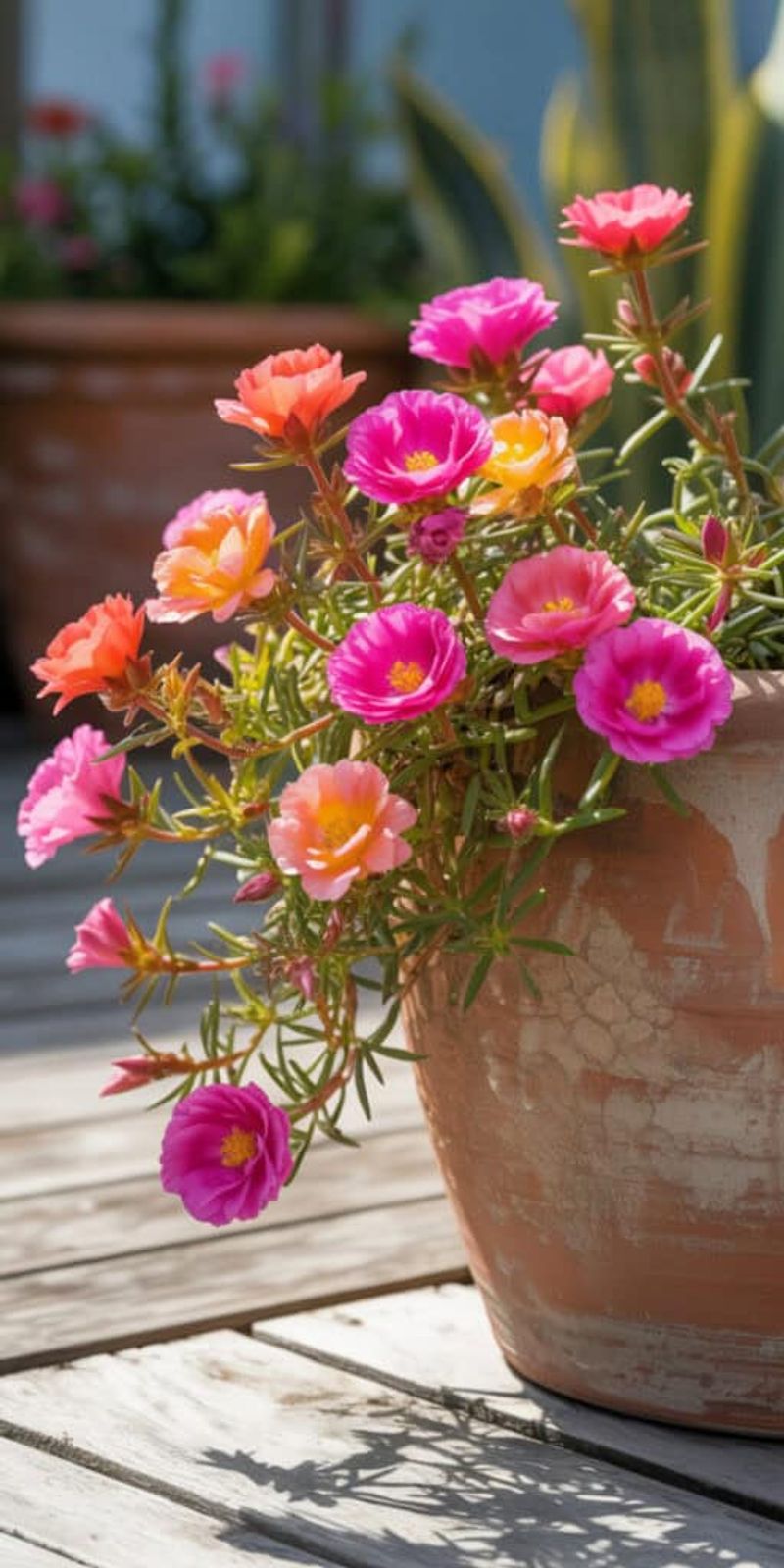
Container choice matters more than most people expect. A pot without proper drainage can waterlog roots fast, and moss rose roots do not handle standing water well at all.
Terracotta pots are a solid option for hot climates. They are porous, which means they allow some airflow to the roots and help excess moisture evaporate.
That breathability suits moss rose very well in summer heat.
Plastic pots hold moisture longer. In cooler climates, that can be an advantage.
In a blazing Arizona summer, it raises the risk of soggy soil, especially after an afternoon monsoon storm rolls through.
Whatever material you choose, make sure there is at least one drainage hole at the bottom. Two or three holes are even better.
Without them, water pools at the root zone and causes problems quickly.
Pot size is worth thinking about too. A smaller container dries out faster, which actually works in moss rose’s favor.
Your Arizona Garden Changes Every Week. Your Plan Should Too.
Gardening in Arizona changes quickly throughout the season. Every Friday you’ll receive a simple weekly plan showing exactly what to plant, prune, fertilize, harvest, and protect so you never miss the right timing.
A pot between six and ten inches wide is usually a good fit for a single plant or a small cluster.
Avoid pots with built-in saucers that hold water underneath. If your pot sits in a saucer, empty it after watering.
Letting roots sit in collected water, even briefly, can stress the plant over time.
3. Use A Fast-Draining Potting Mix
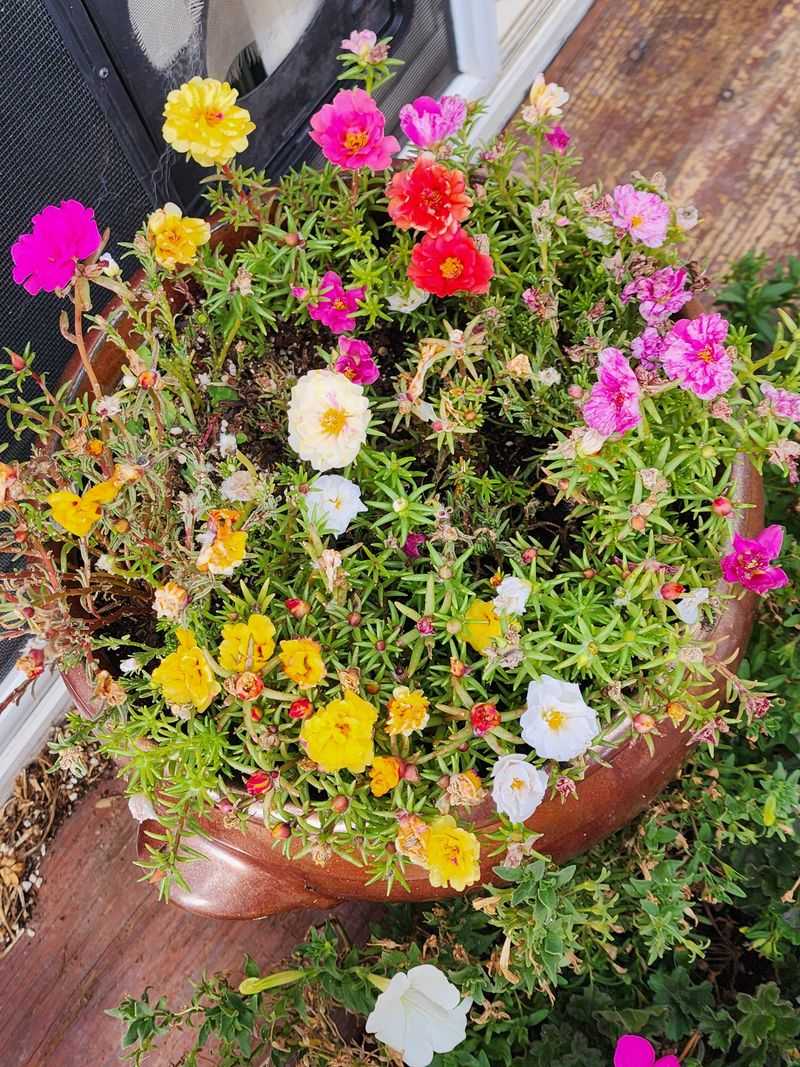
Soil quality plays a huge role in how well moss rose performs in a container. Regular potting mix holds too much moisture for this plant’s liking.
A cactus and succulent mix works well right out of the bag. It drains quickly, stays loose, and does not compact easily in heat.
Moss rose roots prefer that open, airy structure.
If you only have standard potting soil on hand, you can improve it. Mix in coarse perlite or coarse sand at roughly a one-to-one ratio.
That adjustment helps water move through faster and reduces the chance of soggy roots.
Avoid mixes that contain a lot of peat or moisture-retaining additives. Those products are designed for plants that need consistent moisture, which is the opposite of what moss rose prefers.
Rich, nutrient-dense soil is also not what this plant needs. Moss rose actually tends to produce more blooms in leaner soil.
Overly fertile soil pushes leafy growth at the expense of flowers.
When filling your container, leave about an inch of space at the top. That gap makes watering easier and prevents soil from washing over the rim during heavy summer rains.
Getting the soil mix right from the start saves a lot of trouble later.
4. Water Only When The Soil Feels Dry
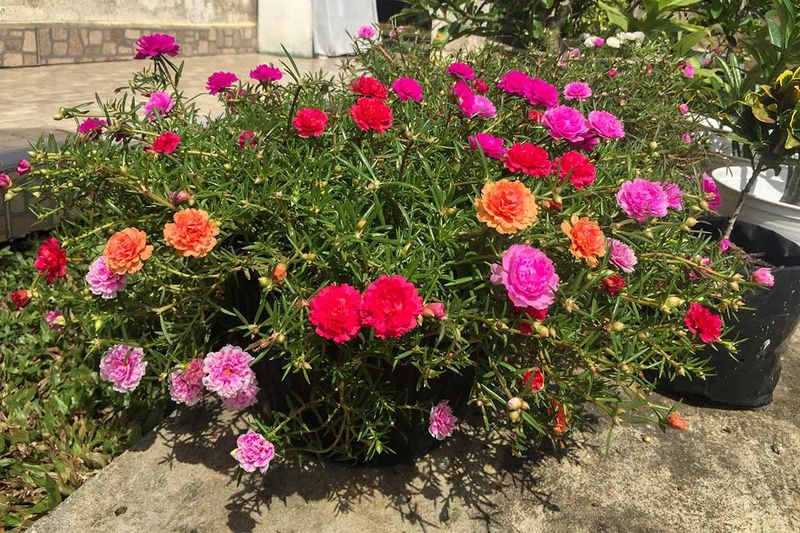
Overwatering is one of the most common mistakes people make with moss rose. This plant is far more forgiving of dry soil than it is of wet roots.
A simple finger test works well. Push your finger about an inch into the soil.
If it feels dry at that depth, water thoroughly. If there is still any moisture, wait another day and check again.
When you do water, soak the soil until water runs out of the drainage holes. That encourages roots to grow deeper and helps flush out any salt buildup from fertilizer or tap water.
In peak summer heat, moss rose in a small container may need water every one to two days. Larger pots dry out more slowly, so they may only need water every two to three days.
Heat, wind, and direct sun all speed up evaporation.
Watering in the morning tends to work better than watering in the afternoon. Morning water gives roots time to absorb moisture before the hottest part of the day hits.
Avoid wetting the leaves and flowers when you water. Direct the water toward the base of the plant and the soil surface.
Wet foliage in intense sun is not ideal and can sometimes stress the plant.
5. Avoid Too Much Fertilizer
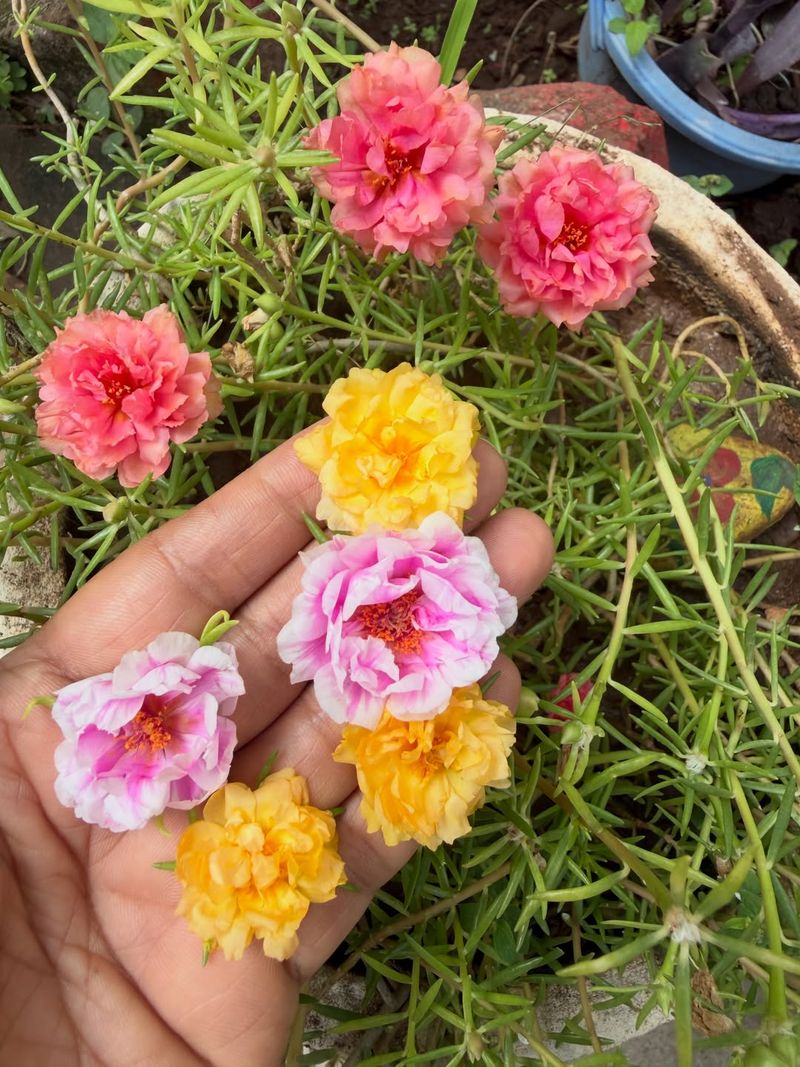
Moss rose does not need heavy feeding. Pushing too much fertilizer into the pot often backfires and results in lush green growth with fewer blooms.
A light application of balanced, slow-release granular fertilizer at the start of the season is usually enough to support healthy growth. One application can carry the plant through several weeks without repeat feeding.
If you prefer liquid fertilizer, a diluted balanced formula applied once a month is a reasonable approach. Avoid applying it more frequently than that, especially during the hottest stretch of summer when the plant is already under stress.
High-nitrogen fertilizers are worth skipping altogether. Nitrogen encourages leafy, vegetative growth.
Moss rose is a flowering plant, and pushing nitrogen tends to shift energy away from blooms.
Signs of over-fertilizing include yellowing leaves, soft or mushy stems, or a sudden drop in flower production. If you notice those symptoms, hold off on feeding for several weeks and let the soil flush out with plain water.
Container plants do lose some nutrients over time as water washes through the drainage holes. A light, occasional feed helps replace what gets lost without overdoing it.
6. Remove Faded Flowers To Keep Blooms Coming
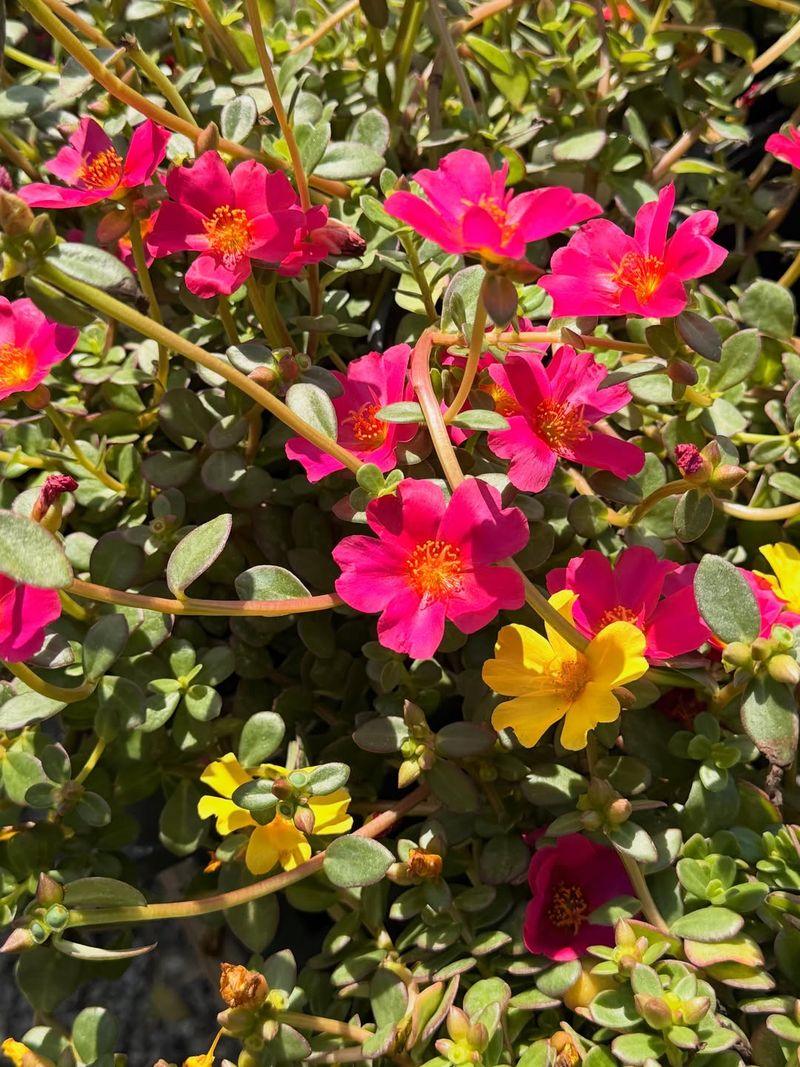
Deadheading sounds like a chore, but with moss rose it takes only a few minutes and makes a noticeable difference in how long the plant keeps blooming.
When a flower fades and starts forming a seed pod, the plant shifts energy toward seed production. Removing spent blooms redirects that energy back into producing new flower buds instead.
Pinch off faded flowers between your thumb and finger, removing the bloom and the small swelling base just behind it. That base is where the seed pod forms, so removing it early is the key part.
Some newer moss rose cultivars are bred to be self-cleaning, meaning they drop spent blooms on their own without much intervention. If you are not sure which type you have, a little manual deadheading a few times per week will not hurt.
While you are removing spent flowers, take a quick look at the overall plant. Trim any stems that look leggy or stretched.
Light pruning encourages bushier, more compact growth and more flowering stems overall.
In Arizona, monsoon season brings humidity along with heat. Deadheading during that period also helps prevent moisture from collecting in old flower heads, which can sometimes lead to mold on the surface of the plant.
7. Watch For Root Rot After Heavy Summer Rain
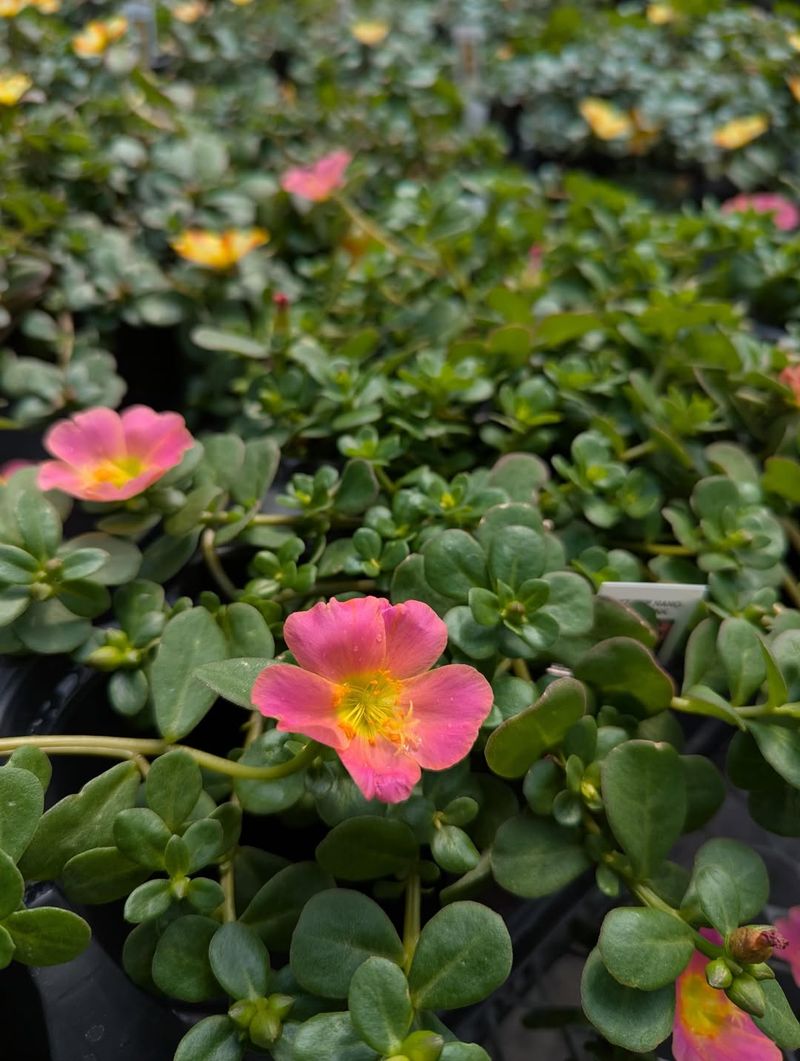
Arizona monsoon season brings something moss rose is not naturally prepared for: heavy, repeated rainfall in a short period of time. That moisture shift can cause real problems if the container does not drain well.
Root rot develops when roots sit in waterlogged soil for too long. Oxygen gets cut off, and roots begin to break down.
A plant that looked perfectly healthy before a rainstorm can start showing stress within days afterward.
Watch for warning signs after heavy rain. Yellowing leaves, soft or dark stems near the soil line, and wilting that does not improve after the soil dries out are all signals worth taking seriously.
If you suspect root rot, pull the plant from the pot and inspect the roots. Healthy roots are white or light tan and firm.
Rotting roots look brown or black and feel soft or mushy.
Catching it early gives you options. Trim away affected roots with clean scissors, let the roots air out for a few hours, then repot into fresh, dry soil in a clean container.
Prevention is easier than recovery. Move containers under a covered porch overhang during extended rain events when possible.
Elevating pots slightly on pot feet also helps water drain away from the base more efficiently.