The Meaning Behind Hummingbirds Abandoning Your Texas Garden During A Heat Wave
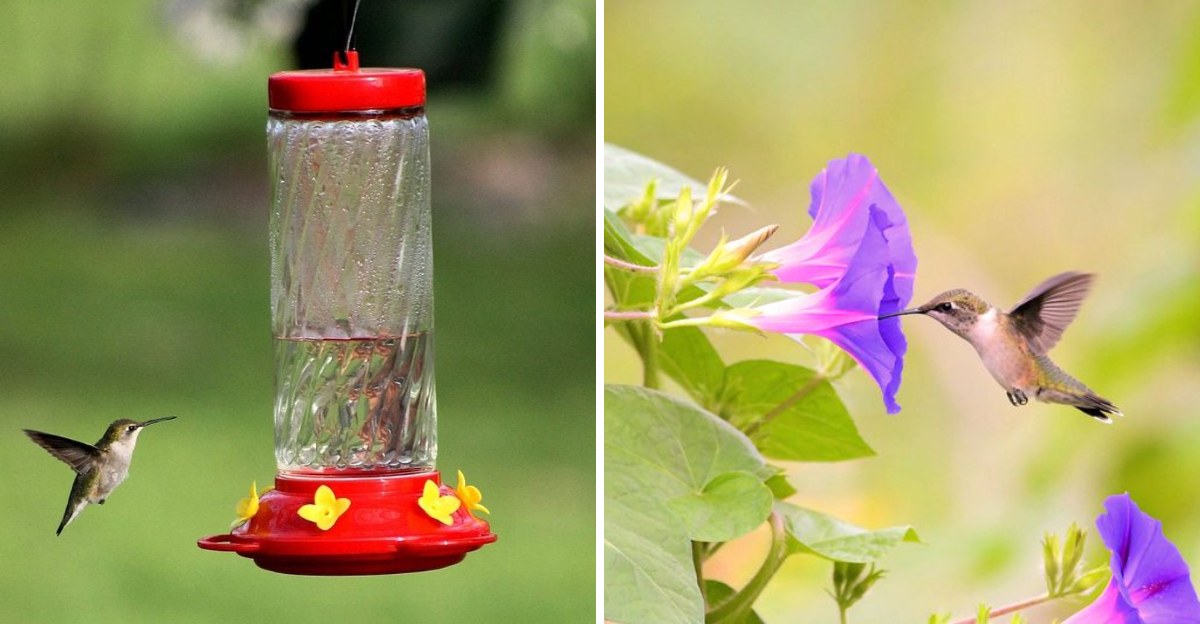
You’ve been watching hummingbirds visit your Texas garden regularly all season. And then a heat wave arrives, and suddenly they’re gone. The feeder sits untouched. The flowers that were getting daily visits see no activity.
The yard that felt alive with that constant, flickering energy goes quiet. Most Texas gardeners who experience this take it personally, wondering what changed and whether the hummingbirds are coming back.
The answer is more interesting than most people expect. Hummingbirds don’t abandon a reliable food source without reason.
When they disappear during a heat wave, they’re responding to real and specific conditions that the extreme heat creates, both in your garden and in the broader environment around it.
Understanding those conditions doesn’t just explain why they left. It gives you practical information about what to do to bring them back and keep them visiting through the rest of the summer.
Beyond the practical, an unexpected absence of hummingbirds carries meaning in several cultural and symbolic traditions that have long been part of Texas life.
1. They’re Likely Just Avoiding The Hottest Part Of The Day
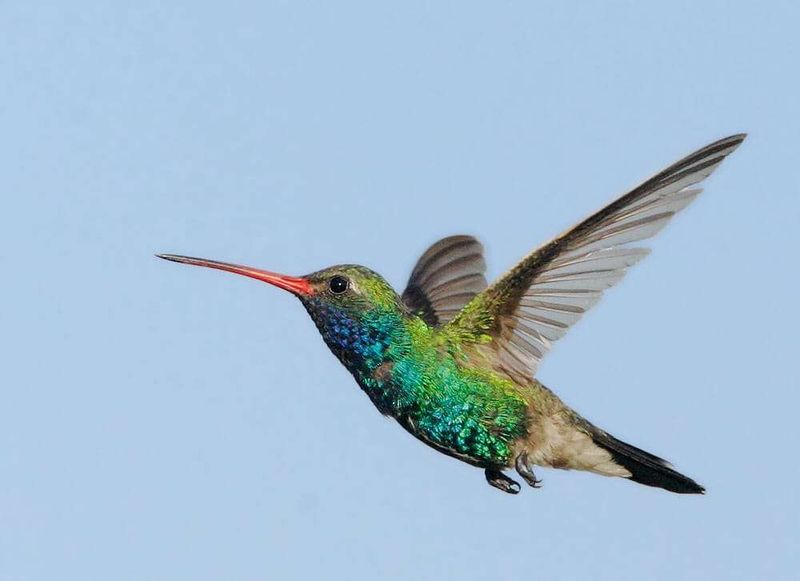
Picture this: it’s 2 PM in Texas, the pavement is practically glowing, and your hummingbird feeder is just hanging there, completely ignored. Before you worry, know that hummingbirds are actually really smart about managing their energy during extreme heat.
Just like you wouldn’t want to run sprints in 105-degree weather, these tiny birds choose to rest when temperatures peak.
Hummingbirds have incredibly fast metabolisms, which means they burn through energy at a rate most animals can’t match. When the air is scorching hot, flying around uses even more energy than usual.
To protect themselves, they retreat to shaded branches, dense shrubs, or tree canopies where the air is a little cooler and they can rest without overheating.
This behavior is totally normal across all bird species, not just hummingbirds. A quiet garden at midday during a heat wave is actually a healthy sign. The birds are doing exactly what they should be doing: conserving energy and staying safe.
You’ll likely notice them return in the early morning hours, right around sunrise, and again in the late afternoon as the sun starts to drop. Those are their peak feeding windows during hot weather. If you want to catch a glimpse, that’s your best bet.
One helpful tip is to watch your feeder between 6 and 9 AM. That’s when hummingbirds tend to fuel up for the day before the heat gets intense.
Then again around 5 to 7 PM, activity often picks back up as things cool down. A quiet feeder at noon doesn’t mean they’ve left your garden for good.
2. Your Nectar May Have Spoiled Faster Than You Realized
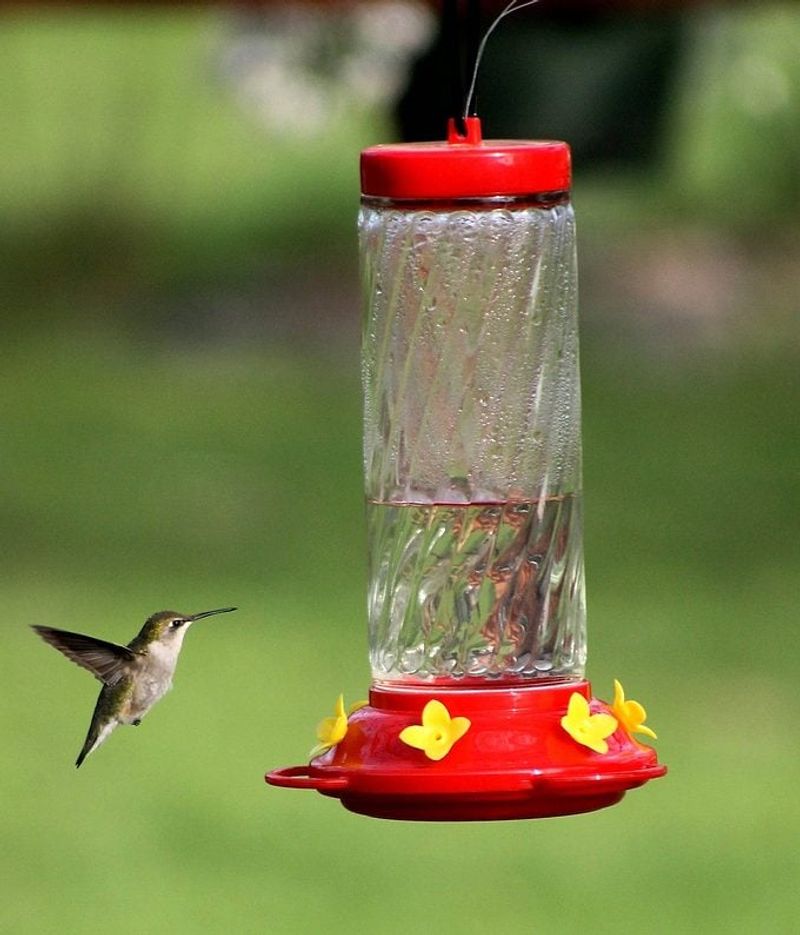
Here’s something a lot of feeder owners don’t realize until it’s too late: nectar goes bad really fast in the Texas summer heat. What looks like perfectly fine sugar water in the morning can turn cloudy, fermented, or even moldy by afternoon.
Your Texas Garden Changes Every Week. Your Plan Should Too.
Gardening in Texas changes quickly throughout the season. Every Friday you’ll receive a simple weekly plan showing exactly what to plant, prune, fertilize, harvest, and protect so you never miss the right timing.
Hummingbirds have an incredibly sharp sense of taste, and they will flat-out refuse to drink nectar that’s gone off.
When nectar ferments, it produces small amounts of alcohol. Mold can also grow inside the feeder ports and reservoir, especially if the feeder isn’t cleaned between refills.
Both of these things are harmful to hummingbirds, and they seem to sense it right away. A feeder full of bad nectar is basically invisible to them.
During a heat wave, nectar that would normally last two or three days in mild weather might only stay fresh for 24 hours, or even less if the feeder is in direct sunlight. That means your regular refill schedule probably needs to speed up significantly in summer.
The fix is pretty straightforward. Clean your feeder thoroughly every single day during extreme heat, using hot water and a bottle brush.
Skip the soap if you can, since residue can linger and affect the taste. Make fresh nectar using one part white sugar to four parts water, and let it cool before filling the feeder.
Always check the nectar before you assume the birds are gone. If it looks anything other than crystal clear, toss it out and start fresh.
Clear, clean, fresh nectar is one of the most powerful things you can do to keep hummingbirds coming back to your Texas garden all summer long.
3. They May Have Found A Better Natural Buffet Nearby
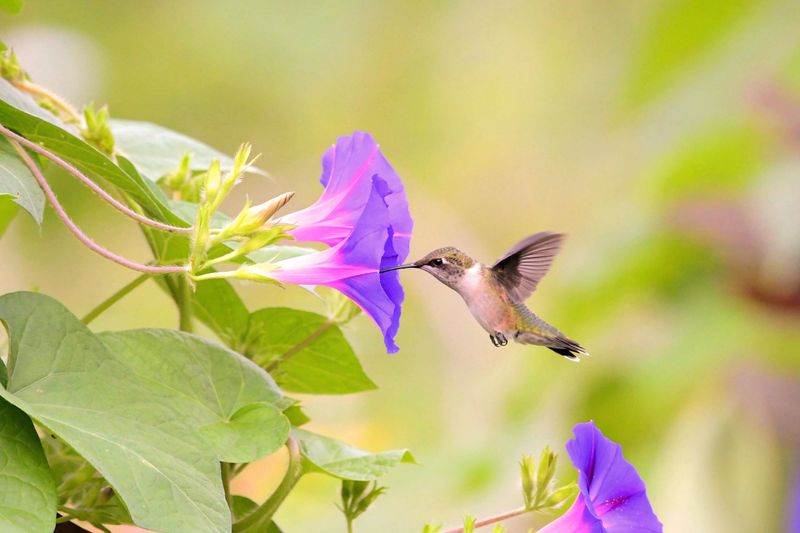
Feeders are convenient for us, but hummingbirds don’t always see it that way. When natural flowers are blooming nearby, hummingbirds will often skip the feeder entirely and head straight for the real thing.
Fresh flower nectar is more nutritious than sugar water, and flowers also attract tiny insects and spiders that hummingbirds need for protein. A feeder simply can’t compete with that full package.
Texas summers bring a surprising variety of blooms, even during heat waves. Native plants like salvia, turk’s cap, coral honeysuckle, and lantana are all serious hummingbird magnets.
If a neighbor’s yard or a nearby field is suddenly full of these plants, your feeder might get skipped over for a few weeks while that natural buffet is available.
This is actually great news for hummingbird health. A bird that’s feeding on real flowers is getting a more balanced diet than one relying solely on sugar water.
So a quiet feeder during bloom season often means your local hummingbirds are doing really well, just somewhere else for the moment.
If you want to keep them closer to home, consider planting native Texas flowering plants in your garden. Salvia greggii, also called autumn sage, is a Texas favorite that blooms through summer heat and pulls hummingbirds in like a magnet.
Turk’s cap is another excellent option because it thrives in both sun and shade.
Mixing native plants with your feeder setup gives hummingbirds a reason to stay in your yard rather than wandering to find better options elsewhere. You don’t have to choose between plants and feeders.
Offering both creates the most welcoming environment possible for these remarkable little birds.
4. It Could Be Molting, Not Migration
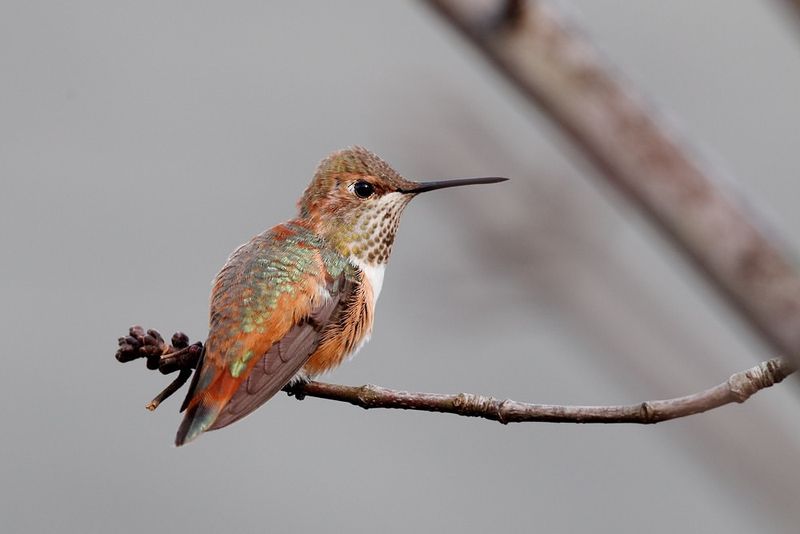
Not many people know this, but hummingbirds go through a molting phase every year, usually in mid to late summer. Molting is when old feathers fall out and fresh ones grow in to replace them.
It sounds simple, but for a tiny bird that relies on speed and agility to survive, growing new feathers takes a lot of energy and can make them feel a bit vulnerable.
During molt, hummingbirds tend to lay low. They spend more time sitting quietly in sheltered spots, less time zipping around the yard, and generally become much harder to spot.
Their flying patterns change because new feathers affect their aerodynamics. Some birds even look a little scruffy or patchy during this period, which can make them harder to recognize even if they do pass through your garden.
Molt timing often overlaps with heat waves in Texas, which makes the disappearing act even more pronounced. The combination of extreme heat and feather regrowth means these birds are running on a conservation budget.
Every calorie counts, and unnecessary flights get cut from the schedule. The good news is that this phase doesn’t last forever. Once new feathers are fully grown in, hummingbirds bounce back to their usual energetic selves.
You’ll often see a surge in feeder activity once molt wraps up, especially as late summer transitions into early fall and birds start preparing for migration.
Keeping your feeder clean and stocked during the molting period is one of the best things you can do. Even if visits seem rare, a reliable food source helps molting birds recover faster and build the strength they need for the months ahead.
5. Nesting Females Are Prioritizing Closer Food Sources
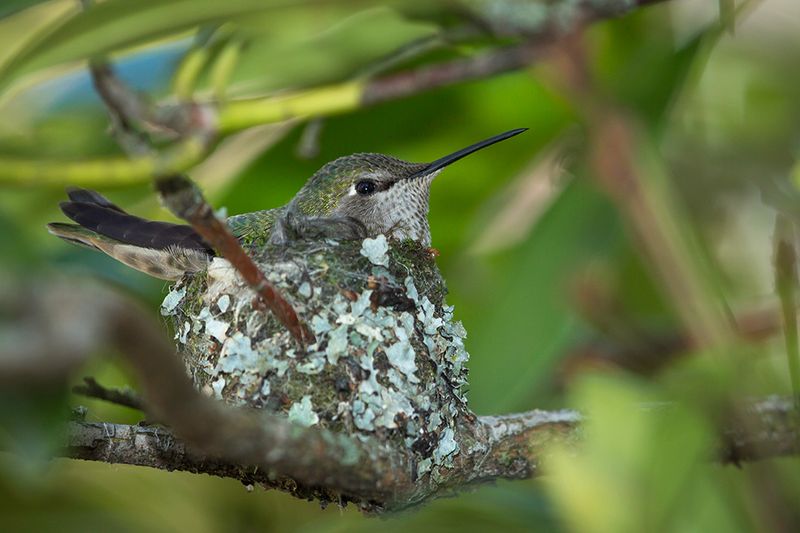
Female hummingbirds are incredibly dedicated mothers, and that dedication changes everything about how they move through a garden.
During nesting season, which runs from roughly April through July in Texas, a female spends the majority of her time on the nest.
She only leaves briefly to feed, and when she does, she picks the closest reliable food source available, not necessarily your feeder.
If her nest is tucked in a tree on the other side of the neighborhood, your yard might simply be too far for a quick feeding trip. She needs to get back fast to keep eggs or chicks warm.
Every extra minute away from the nest carries risk, so she makes practical choices based on distance, not loyalty to your garden.
This behavior can feel like abandonment, but it’s really just efficient parenting. Once the chicks leave the nest and become independent, usually within three to four weeks of hatching, the female’s range expands again and she often returns to familiar feeders with a lot more freedom in her schedule.
You might even spot a juvenile hummingbird at your feeder in late summer. Young birds are slightly larger-looking than adults because their feathers are still fresh and full, and they tend to be a little bolder or clumsier around feeders since everything is new to them.
That’s a sign that nesting season nearby was successful. Planting low-growing native flowers close to the ground near your feeder can help attract nesting females who need a quick, close option.
The shorter the trip from nest to food, the more likely she is to choose your yard as her go-to spot during those busy weeks of raising young.
6. What Actually Helps During A Heat Wave
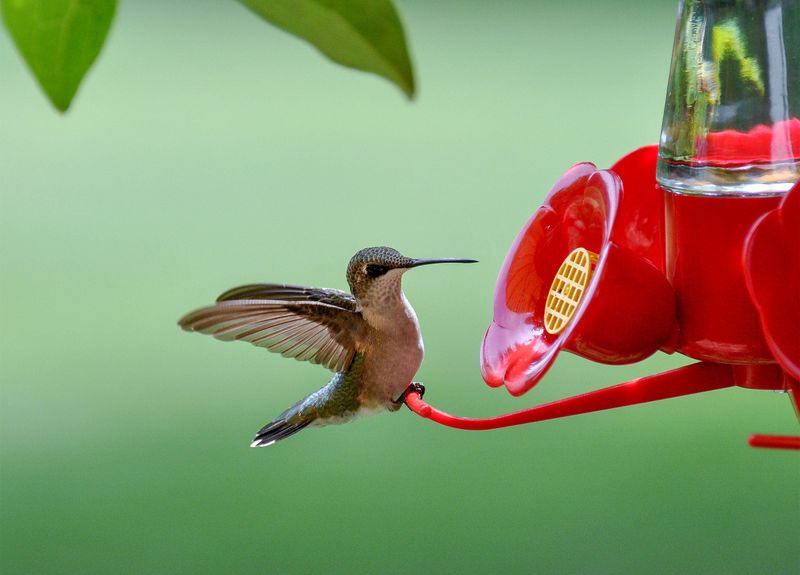
When a Texas heat wave hits, the single most important thing you can do for hummingbirds is keep your nectar fresh.
Fermented or moldy nectar can make hummingbirds sick, and once they have a bad experience at your feeder, they may avoid it for a while. Staying on top of feeder hygiene during hot weather is a real act of care for these birds.
One of the smartest strategies is rotating multiple feeders. If you have two or three feeders, you can swap them out on a rolling schedule so one is always freshly cleaned and filled while another is being washed.
This keeps the birds from ever encountering spoiled nectar, and it also means you’re not scrambling to clean everything at once in the middle of a hot afternoon.
Feeder placement matters more than most people realize. Deep shade sounds like a good idea during a heat wave, but feeders tucked too far back in shade can be hard for hummingbirds to spot.
Dappled shade, the kind you get under a tree with some light filtering through the leaves, is the sweet spot. It keeps the nectar cooler than direct sun while keeping the feeder visible.
Adding a shallow water feature nearby is another great move. Hummingbirds love to bathe in very shallow, moving water.
A gentle mister or a small dripper attached to a birdbath can draw them in even when the feeder isn’t the main attraction. They use water to cool down and clean their feathers.
Small changes like these can make a big difference in how often hummingbirds visit during the hardest days of summer. A well-maintained, thoughtfully placed feeder signals to them that your garden is a safe and dependable stop.