The One Thing Ohio Gardeners Should Do To Strawberry Beds In August For Next Year
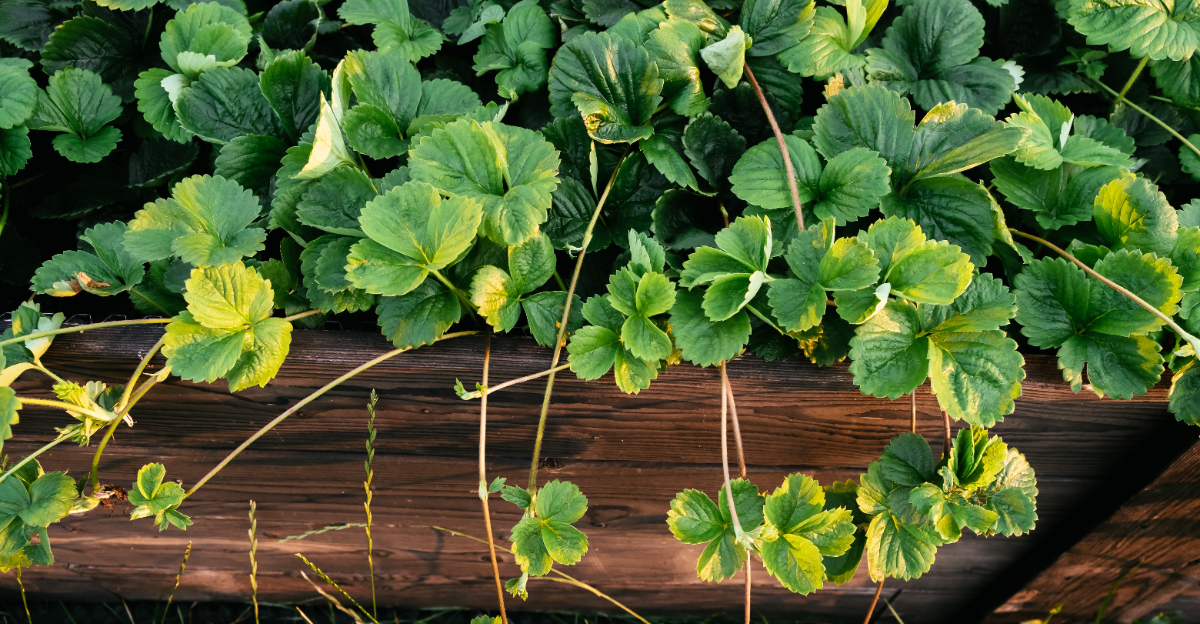
You just picked your last strawberry, and already your plants are plotting next year’s harvest. Ohio gives you a narrow window most gardeners overlook completely.
Fertilizing now determines whether next summer brings baskets or barely anything for you. Timing matters more than most people realize, especially in unpredictable Ohio weather.
Neglect this stage, and your plants pause before they even start building next year’s buds. Every skipped week reduces fruit you might not see again. Serious growers know August isn’t downtime, it’s setup time.
Waiting until spring means arriving after the real work already happened. Nutrients applied now fuel bud formation happening invisibly beneath your plants.
Confidence separates gardeners who harvest generously from those who wonder why. Nothing about this process rewards delay or distraction.
Specific steps, precise timing, and correct nutrients change everything ahead for you. Wait too long, and you’ll spend next spring wondering where your harvest went.
Why August Is A Critical Month For Strawberry Beds
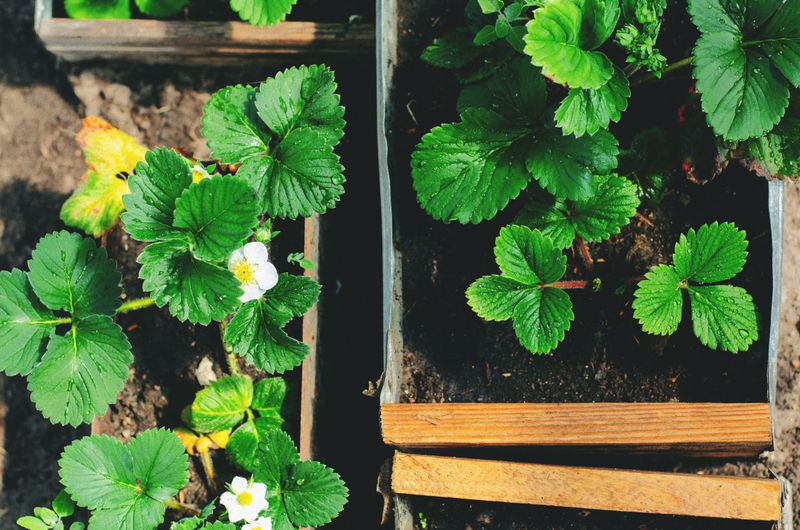
August sneaks up fast, and your strawberry bed is not resting. After the summer harvest wraps up, the plants shift into a quieter but incredibly important growth phase.
This is when roots deepen and crowns strengthen for the cold months ahead. The work happening underground right now will determine how strong your plants emerge next spring.
Fertilizing your strawberry beds in August gives plants the nutrients they need during this exact window. Miss it, and you are essentially leaving next year’s harvest to chance.
Ohio summers can be intense, and plants are often stressed by heat and pest pressure after fruiting. A well-timed nutrient boost helps them recover fast and build real strength before fall arrives.
Gardeners who skip August care often notice weaker runners, smaller crowns, and lower berry counts the following season. The connection between August nutrition and June berries is well supported by gardening experience.
Think of August as the training month for your strawberry plants. They are building muscle, not showing off yet.
The days are still long enough for good photosynthesis, and soil temperatures remain warm enough for root activity. That combination makes late summer a perfect nutrient uptake window.
You do not need to be a master gardener to take advantage of this timing. You just need to show up in August with the right fertilizer and a little intention.
Fertilizing Now Is The Single Best Thing You Can Do
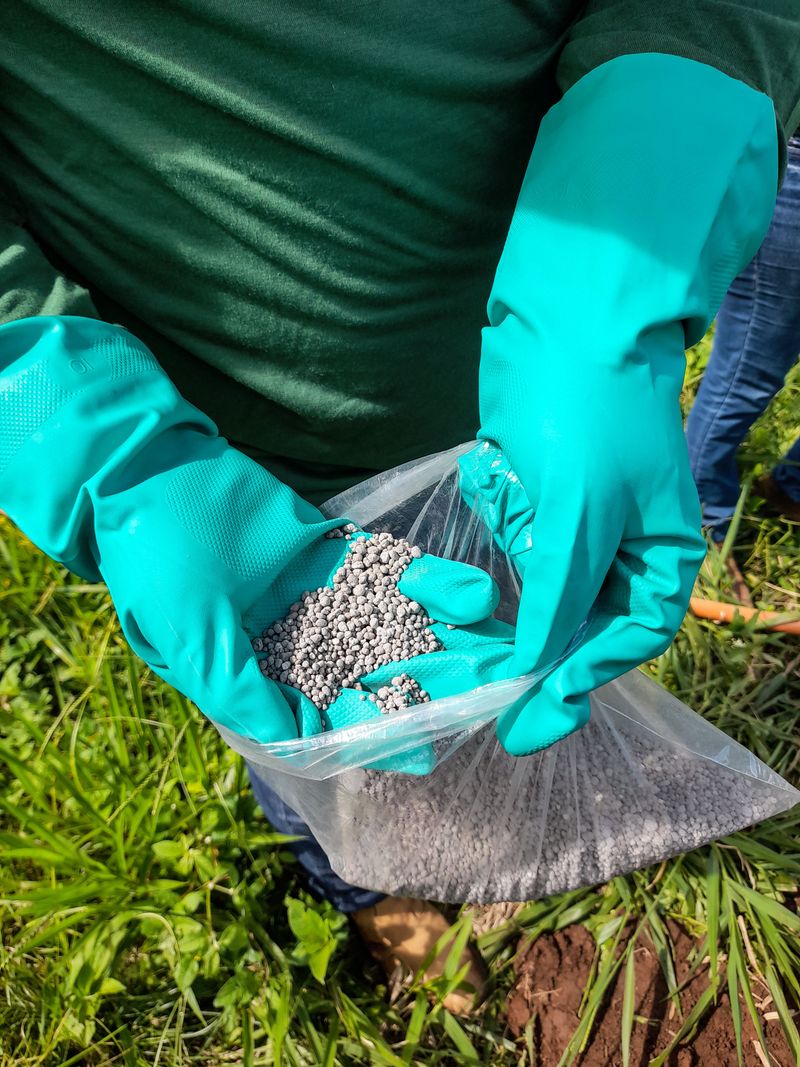
Forget the fancy gadgets and complicated garden hacks for a moment. Fertilizing your strawberry beds in August is one of the most impactful things you can do for next year’s crop.
Fertilizing your strawberry beds in August delivers a focused burst of nutrients exactly when plants are ready to absorb them. Roots are active, leaves are still green, and the plant is primed to use everything you give it.
A balanced fertilizer with slightly higher phosphorus supports root development and crown building. Those two factors are the foundation of a strong, productive plant next spring.
Your Ohio Garden Changes Every Week. Your Plan Should Too.
Gardening in Ohio changes quickly throughout the season. Every Friday you’ll receive a simple weekly plan showing exactly what to plant, prune, fertilize, harvest, and protect so you never miss the right timing.
Many gardeners reach for a 10-10-10 general-purpose fertilizer, and that works well as a starting point. Others prefer a formula like 12-12-12 or a specific strawberry blend from their local garden center.
What matters most is that you are giving the plant nitrogen, phosphorus, and potassium in reasonable amounts. Each nutrient plays a different but connected role in plant health and future fruiting.
Nitrogen helps the foliage recover and stay green longer into fall. Phosphorus pushes energy toward roots and the tiny flower buds forming inside the crown right now.
Potassium strengthens cell walls and helps plants handle temperature swings as fall approaches.
That hardiness pays off big when spring warmth finally arrives and plants burst into bloom. One application done correctly in August can meaningfully improve your harvest.
How Much Fertilizer To Use And When To Apply It
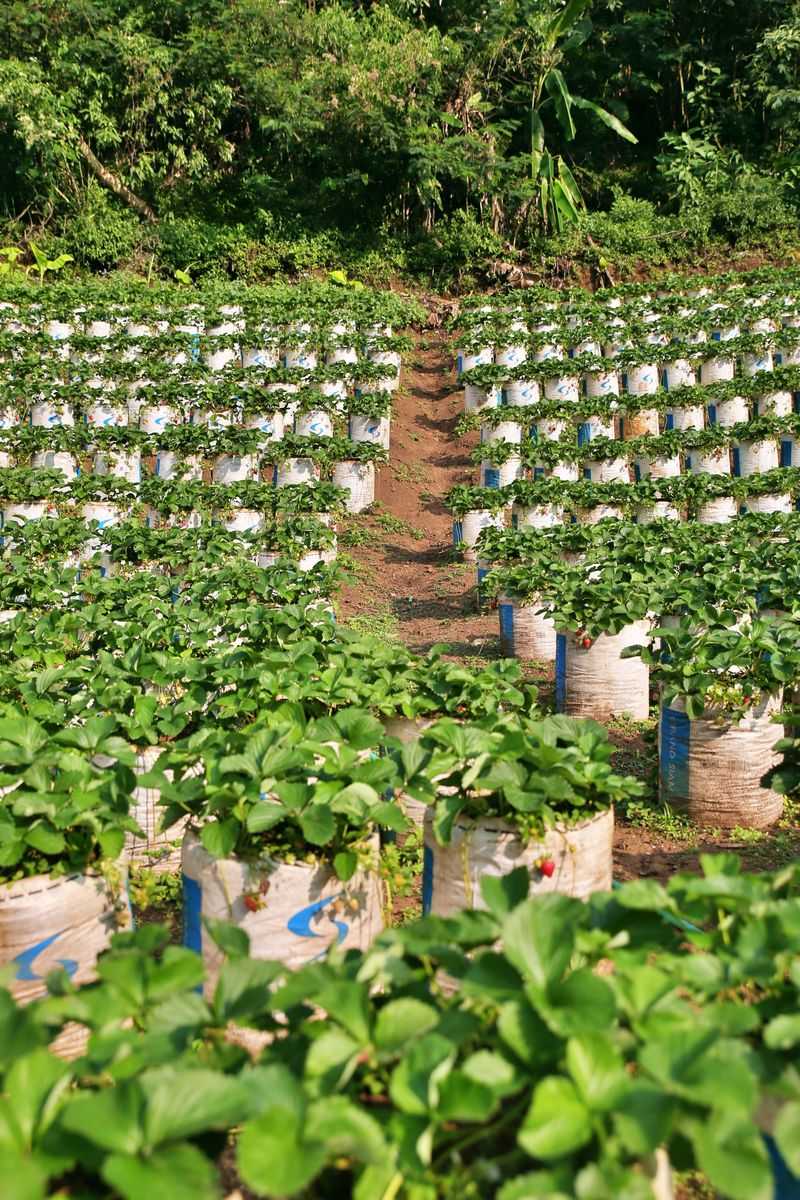
Grab your fertilizer bag and flip it to the back label before you do anything else. Manufacturers print specific rates for a reason, and strawberries are surprisingly sensitive to over-application.
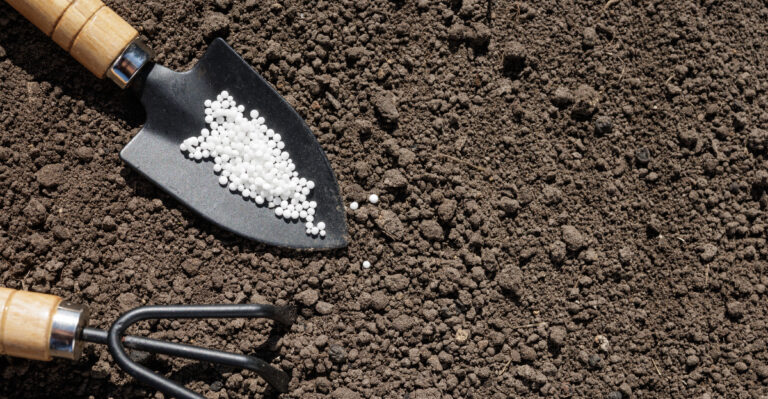
A common guideline for granular fertilizer is about one pound per 100 square feet of bed. That rate gives plants a meaningful boost without burning the roots or crowns.
Spread the granules evenly across the bed, keeping them off the leaves and crowns as much as possible. Fertilizer sitting directly on plant tissue can cause burn, especially in summer heat.
Water the bed thoroughly right after applying, even if rain is in the forecast. That first watering moves nutrients down into the soil where roots can actually reach them.
Timing within August matters too, so aim for early to mid-month rather than the last week. Later applications risk pushing leafy growth too close to frost, which can weaken plants heading into winter.
Early morning is the best time to fertilize and water. Soil is cooler, and plants absorb moisture more efficiently before afternoon heat kicks in.
Avoid fertilizing on days with heavy rain predicted within a few hours. Runoff can wash away your investment and push nutrients into areas where they do not help your plants.
One well-timed, properly measured application is all you need. Resist the urge to add more, thinking it will speed things along.
Why Strawberries Set Next Year’s Fruit Buds In Late Summer
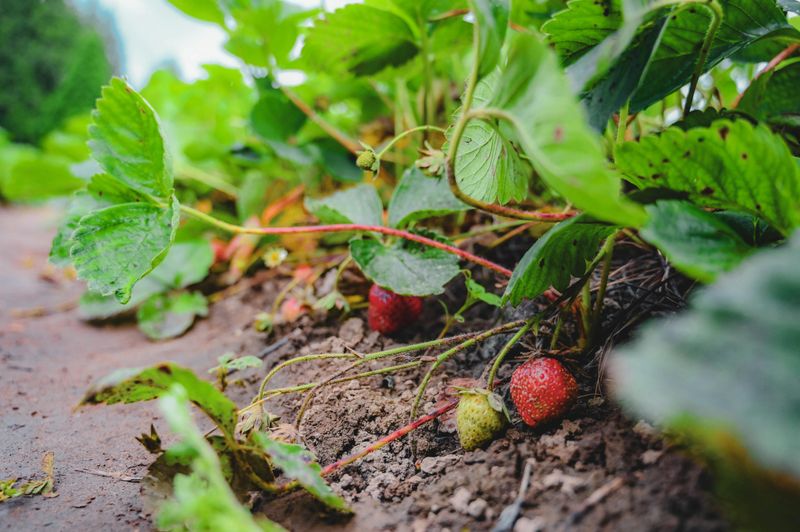
Here is something that surprises a lot of home gardeners when they first hear it. The strawberries you pick next June are actually determined by what happens inside the plant this August.
Strawberry plants form their flower buds in late summer and early fall, not in spring. Those buds develop quietly inside the crown, waiting through winter to bloom when temperatures rise again.
This process is called floral initiation, and it is triggered by shortening days and cooling nights. Both of those signals arrive in August and September across most of the state.
Fertilizing your strawberry beds in August directly supports this bud-forming process. Phosphorus in particular feeds the energy needed to build healthy, plentiful flower buds inside the crown.
Plants that go into this phase underfed tend to form fewer buds. Fewer buds mean fewer flowers in spring, and fewer flowers mean a smaller harvest in June.
Well-fed plants, on the other hand, pack their crowns with strong buds that survive winter and open vigorously in spring. That is the difference between a good year and a great one.
The connection between August nutrition and June berries is direct and measurable. Many gardeners who have compared results report a noticeable difference.
Feed the plant now and trust the process. Next summer, your patch will show you exactly what late summer nutrition can do.
Common Mistakes Ohio Gardeners Make With August Fertilizing
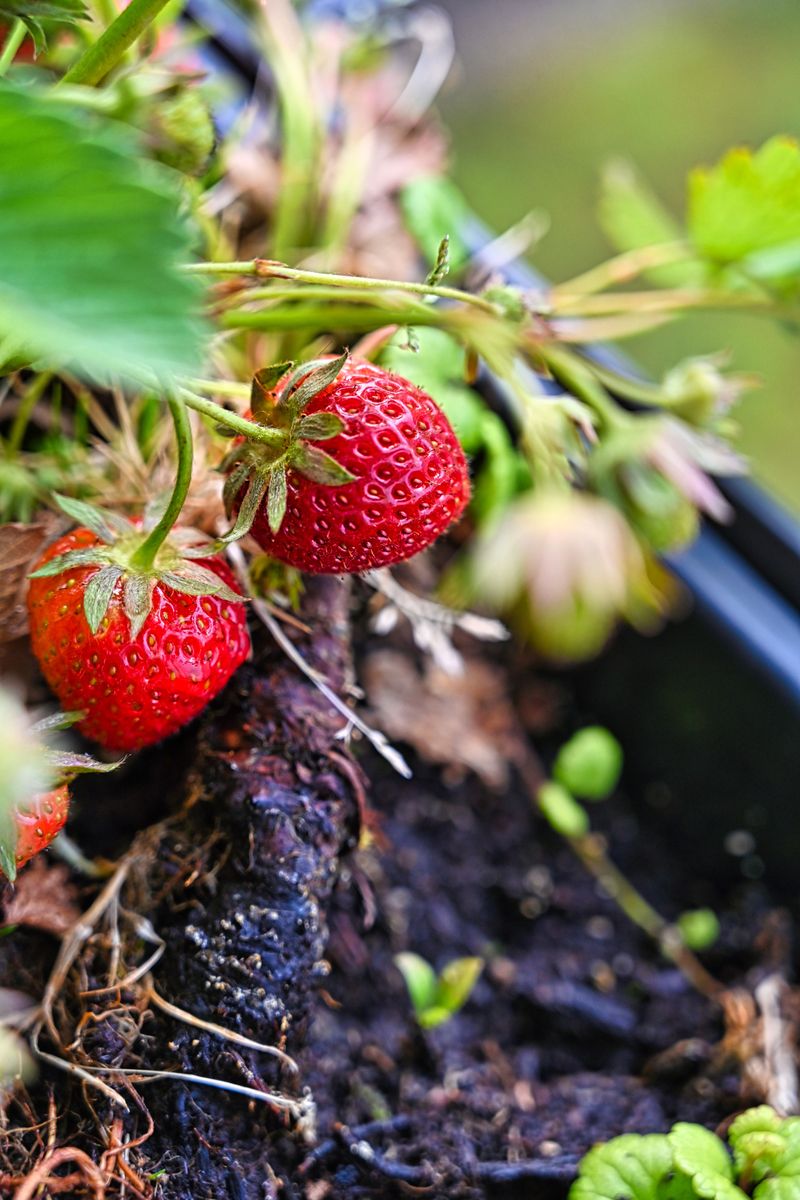
Good intentions do not always lead to good results in the garden. August fertilizing is simple in concept, but a few common errors can undo the benefits before they even begin.
The biggest mistake is waiting too long into the month. Applying fertilizer too late in the season can stimulate new leafy growth that may not harden before frost arrives (exact timing varies by region within Ohio).
That soft new growth is vulnerable to cold damage, which can stress plants heading into winter. Stressed plants come out of dormancy weaker, and that weakness shows up in next year’s harvest.
Another frequent error is using too much nitrogen. High-nitrogen formulas push leafy green growth, which looks lush but actually diverts energy away from root and bud development.
Stick with a balanced formula and follow the label rates closely. More fertilizer is not always better, and with strawberries, it can genuinely cause harm.
Skipping the post-application watering is another mistake that costs gardeners results. Dry granules sitting on the soil surface do not break down quickly enough to help plants during the critical August window.
Some gardeners also forget to clear out old mulch or fallen leaves before fertilizing. Those layers block nutrients from reaching the soil and can harbor disease over winter.
A little prep work before you spread fertilizer goes a long way. Clean beds absorb nutrients better and give plants a healthier environment heading into fall.
What To Do After Fertilizing To Keep Plants Healthy
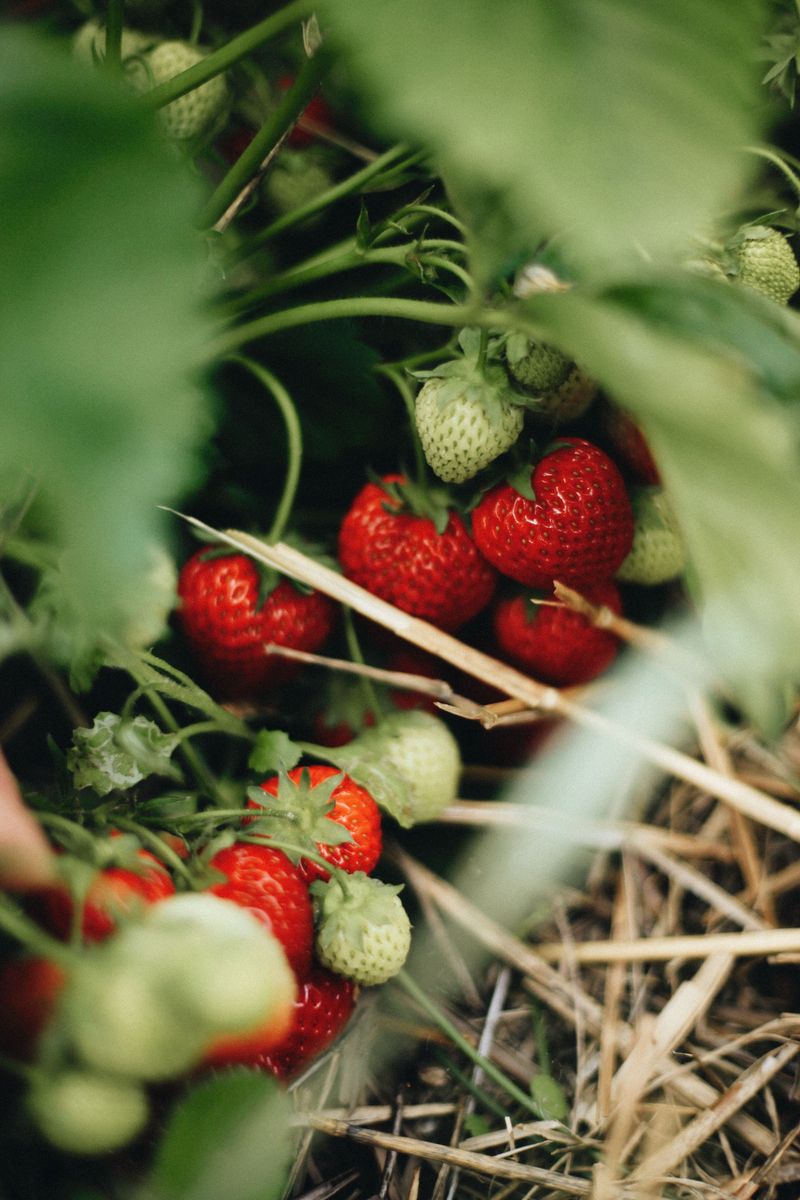
Fertilizing is a powerful step, but it works best when paired with a few follow-up actions. Think of it as the first move in a short end-of-summer care routine.
After watering in the fertilizer, take a few minutes to walk the bed and pull any visible weeds. Weeds compete directly with strawberry plants for the nutrients you just applied.
Trim back any spent or damaged leaves while you are at it. Removing old foliage improves airflow and reduces the chance of fungal issues developing as fall humidity rises.
Check your runners and decide which ones to keep. New daughter plants rooted nearby can strengthen your bed for next season if you pin them down and let them establish before frost.
Thin out overcrowded areas of the bed if plants are packed too tightly together. Good spacing means better airflow, better light penetration, and healthier plants overall heading into next year.
Watch soil moisture levels through the rest of August and into September. Plants coming out of a nutrient boost still need consistent water to make the most of what you gave them.
Add a light layer of straw mulch around the crowns once temperatures begin dropping consistently in fall (timing varies by region within Ohio). That layer protects the roots and crowns from freeze-thaw cycles that can heave plants out of the ground.
Fertilizing your strawberry beds in August is the start of a winning strategy. Follow through on these steps, and next June you’ll be glad you did.