Why Texans Should Grow Rosemary Along Their Porch This August
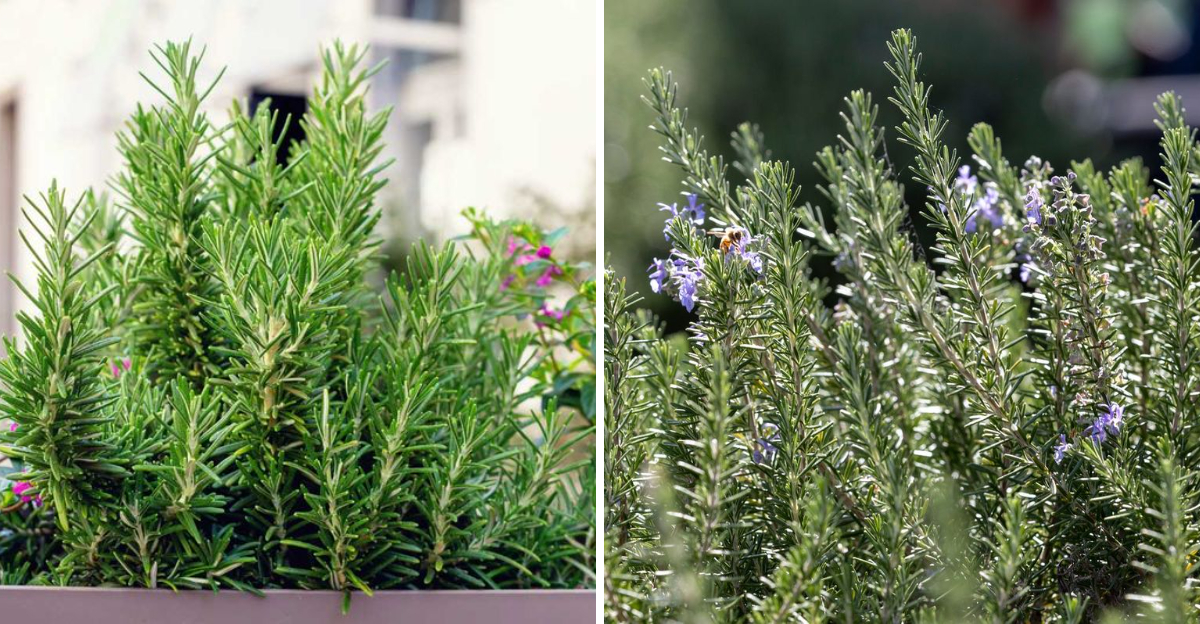
August in Texas is not typically the month most people think about adding new plants to a porch.
The heat is relentless, the motivation for any additional outdoor effort is low, and the idea of keeping something new alive through the worst of summer feels like more trouble than it’s worth.
But rosemary is different. And August, despite everything, is actually one of the better times to get it established on a Texas porch. Rosemary does not struggle in August. It thrives.
This is a plant that comes from environments hotter and drier than most Texas summers, and it behaves accordingly.
It handles reflected porch heat, survives without constant watering, and keeps looking sharp through conditions that defeat almost every other container plant available.
But the reasons to grow rosemary on a Texas porch go well beyond its heat tolerance. The fragrance alone changes the experience of being outside.
The pest deterring properties are real and meaningful. And the culinary and practical uses that come with having it just steps from the kitchen add genuine everyday value.
1. It Genuinely Thrives In Texas Heat
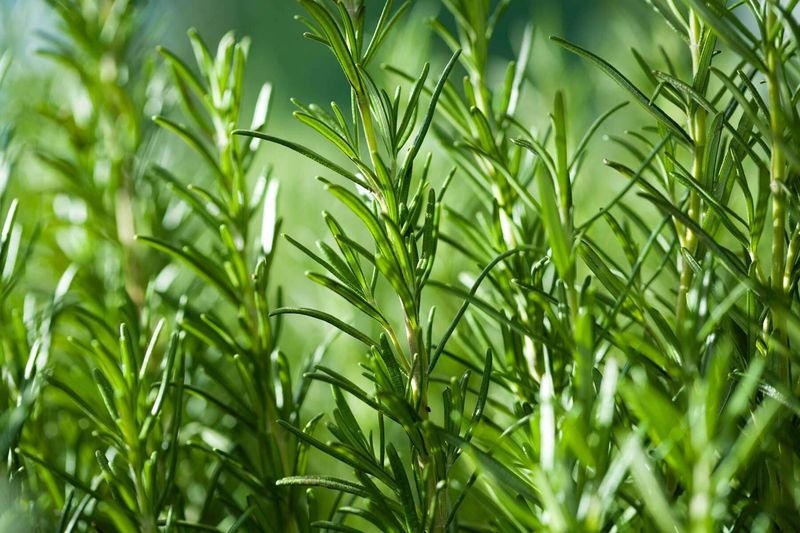
Some plants tolerate heat. Rosemary genuinely enjoys it. Native to the rocky, sun-drenched coastlines of the Mediterranean, this herb evolved in conditions that feel a lot like a Texas summer.
Thin soil, blazing sun, dry air, and long hot seasons are not problems for rosemary. They are home.
In many parts of Texas, rosemary does not stay a small potted herb. Given enough time and the right spot, it grows into a woody perennial shrub that can reach three to five feet tall and just as wide.
That means one plant can eventually fill an entire porch corner with fragrant, silvery-green foliage without needing to be replaced each season.
August in Texas brings peak heat, and that is exactly when rosemary hits its stride. While other herbs wilt, fade, or demand constant attention, rosemary stands firm.
Its needle-like leaves have a waxy coating that helps the plant hold onto moisture even when temperatures climb past 100 degrees. That built-in toughness is not a lucky accident.
It is the result of thousands of years of adaptation to some of the driest, hottest growing conditions on earth.
For Texas gardeners, this matters a lot. Most ornamental plants and culinary herbs need regular babying through the summer.
Rosemary skips all of that. You plant it, give it a little time to settle in, and then mostly just let it do its thing.
The heat that exhausts everything else around it only seems to make rosemary more confident. Planting it this August means you are working with nature instead of against it, and that always makes gardening a whole lot more enjoyable.
2. Nearly Maintenance-Free Once Established
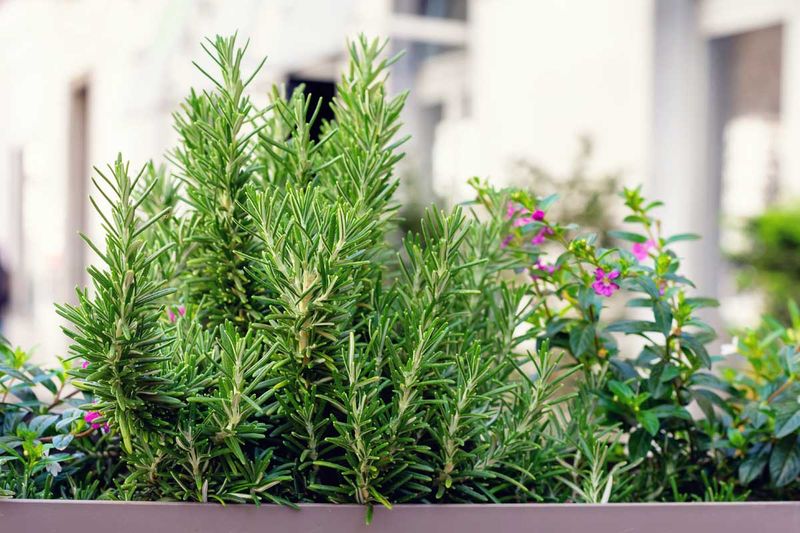
Forget the daily watering schedule. Once rosemary gets established in your garden bed or container, it can go surprisingly long stretches without a drop of water.
That kind of drought tolerance is a rare and valuable trait, especially in August when most other plants are practically begging for a drink every single day.
Your Texas Garden Changes Every Week. Your Plan Should Too.
Gardening in Texas changes quickly throughout the season. Every Friday you’ll receive a simple weekly plan showing exactly what to plant, prune, fertilize, harvest, and protect so you never miss the right timing.
The first few weeks after planting are the most important. During that early period, you do want to water regularly to help the roots settle in and spread out.
Think of it as rosemary getting comfortable in its new home. Once those roots find their footing, though, the plant shifts into a mode that most gardeners can only dream about. It starts managing itself.
A good rule of thumb is to water deeply but infrequently. Let the top inch or two of soil dry out completely before watering again.
Rosemary actually performs better under these slightly stressed conditions. The aromatic oils in its leaves become more concentrated when the plant is not overwatered, which means a slightly thirsty rosemary plant smells even better than a pampered one.
For busy Texans who love the idea of a beautiful, fragrant porch but do not have hours to spend on plant care, rosemary is practically the perfect answer. You do not need a green thumb, a complicated watering system, or a cabinet full of fertilizers.
A sunny spot, a well-draining pot or bed, and occasional attention is really all it takes. Compare that to the daily effort most summer plants demand, and rosemary starts to look less like just an herb and more like a very smart lifestyle choice for any Texas porch this August.
3. Its Real Enemy Is Not The Heat
Here is something a lot of new rosemary growers get wrong. They worry about the Texas sun being too intense, the temperatures being too extreme, or the summer being too harsh.
But rosemary can handle all of that without much trouble. What it truly cannot stand is soggy, waterlogged soil.
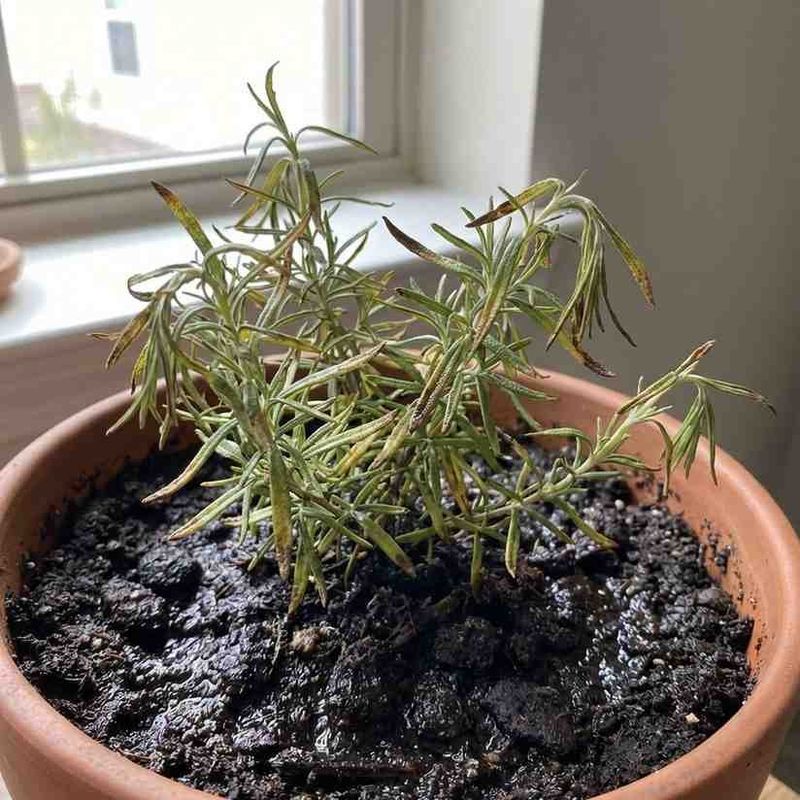
Wet roots are the fastest way to run into problems with this plant. When the soil stays damp for too long, rosemary roots begin to suffocate and rot.
The plant may start to look yellow, droopy, or patchy, and many people mistakenly think it needs more water or more sun. The real fix is almost always better drainage.
In many Texas yards, heavy clay soil is the actual challenge, not the summer heat. Clay holds water for a long time, which creates the exact wet-root conditions rosemary dislikes.
If your yard has clay-heavy soil, consider planting rosemary in a raised bed or a container filled with a well-draining mix. A blend of potting soil and coarse sand or perlite works really well.
Make sure any container you use has drainage holes at the bottom, because even the best soil mix cannot save roots sitting in standing water.
On a porch, containers give you total control over the growing environment. You choose the soil, you control the drainage, and you can move the plant if needed.
That flexibility makes porch growing especially smart for rosemary in Texas. Once you get the drainage right, almost everything else about caring for this herb becomes simple.
Focus less on protecting it from heat and more on keeping its feet dry, and rosemary will reward you with steady, reliable growth all through August and beyond.
4. A South- Or West-Facing Porch Is Ideal
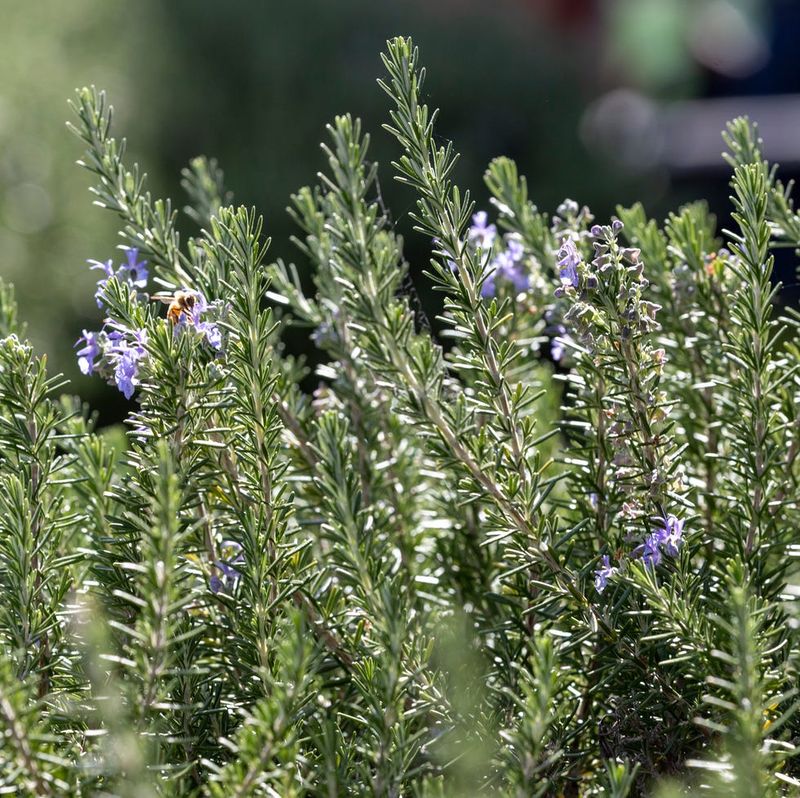
Placement matters more than most people realize when it comes to growing rosemary. Not all porch spots are equal, and knowing which direction your porch faces can make a real difference in how well your rosemary grows.
A south- or west-facing porch is basically the sweet spot for this sun-loving herb in Texas. South-facing porches catch sunlight for most of the day, from morning through late afternoon.
West-facing porches get that intense, direct afternoon sun that many plants struggle to handle. For rosemary, both of those exposures are excellent. The more direct sunlight it gets, the stronger and more aromatic the plant tends to grow.
Unlike shade-loving plants that need protection from the afternoon glare, rosemary leans right into it.
If your porch faces east or north, do not give up entirely. An east-facing porch still gets good morning sun, and rosemary can manage there, though it may grow a little slower and less full than it would in a sunnier spot.
A north-facing porch is the trickiest, since it gets the least direct light. In that case, placing your rosemary near the edge of the porch where sunlight can still reach it is a helpful workaround.
For most Texans, though, the bigger challenge is not finding enough sun. It is making sure the plant is not stuck in a shady corner out of habit or convenience.
Walk around your porch at different times of day and notice where the sun falls most directly. That bright, warm patch of porch real estate is exactly where your rosemary wants to be. Give it that spot, and it will fill out beautifully by the end of August.
5. Evergreen Foliage That Keeps Giving Year-Round
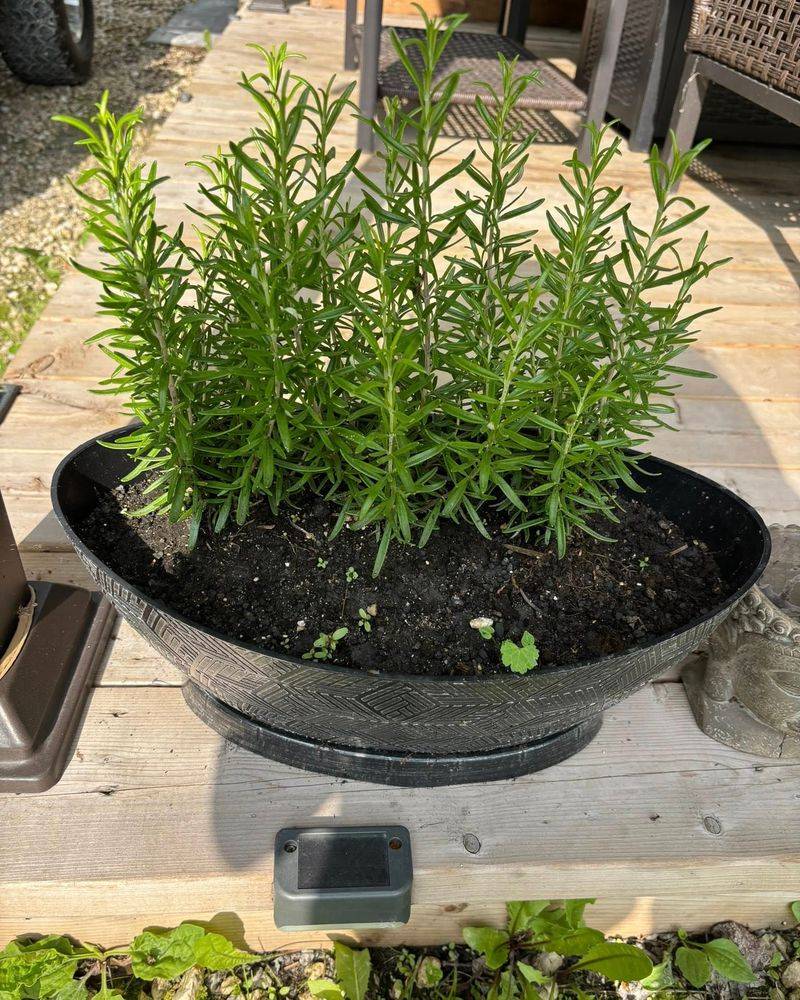
One of the most underrated things about rosemary is that it does not disappear when summer ends. Unlike seasonal herbs that fade out once temperatures drop, rosemary is fully evergreen.
That means the plant you put on your porch in August will still be there looking green, full, and fragrant when the holidays roll around and well into the following year.
That evergreen quality has real practical value. You never have to replant it from scratch each season.
You never have to stare at an empty pot through the fall and winter. The foliage stays put, the aromatic oils stay active in the leaves, and the culinary benefits keep coming.
Fresh rosemary in November, December, and January is a genuinely wonderful thing when you are cooking roasted vegetables, seasoning chicken, or making a simple herb-infused oil.
There is also an ornamental side to this. A well-grown rosemary shrub adds texture, color, and structure to a porch display in any season.
Its silvery-green needles catch the light in a way that looks especially nice against the warm tones of terracotta pots or wood porch planks. Some varieties even produce small blue or purple flowers in late winter or early spring, adding another layer of visual interest.
Starting your rosemary in August gives it several months of strong growing conditions before cooler weather arrives. By the time fall comes, the plant will already be established, rooted, and ready to keep going without missing a beat.
Most of Texas has mild enough winters that rosemary stays comfortable outdoors year-round. Planting now means you are not just getting a summer herb.
You are investing in a permanent, productive, and beautiful porch companion for every season ahead.
6. Pairs Beautifully With Other Texas-Tough Plants
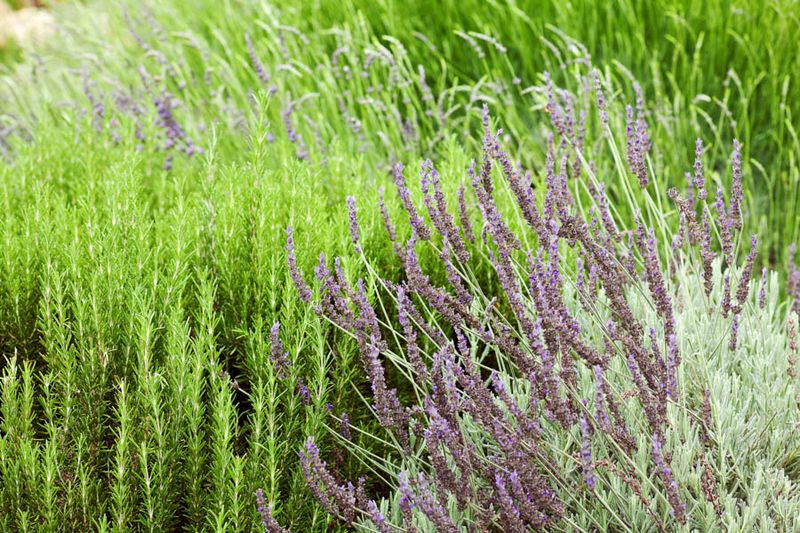
Rosemary is a natural team player. While it looks great on its own, it really shines when grouped with other heat-tolerant plants that share its love of sun, dry conditions, and lean soil.
Pairing rosemary with the right companions creates a porch display that looks intentional, layered, and genuinely beautiful rather than just a single pot sitting by itself.
Lavender is one of the best pairings you can make. Both plants love full sun, both need excellent drainage, and both fill the air with fragrance that makes sitting on your porch feel like a treat.
Their textures complement each other nicely too. Lavender’s soft, feathery flower spikes contrast well with rosemary’s more structured, woody form.
Together they create a relaxed, Mediterranean-inspired look that fits right in on a Texas porch.
Salvia is another excellent match. Texas sage and other salvia varieties are already well-loved in Texas gardens for their toughness and long blooming season.
Planting salvia near rosemary gives you a pop of color alongside the rosemary’s subtle silvery-green tones. The combination is visually interesting without being high maintenance.
Ornamental grasses round out the grouping beautifully. Grasses add movement, height variation, and a different texture that makes the whole arrangement feel more dynamic.
Varieties like blue grama grass or little bluestem are native to Texas and thrive in the same dry, sunny conditions rosemary prefers.
Mixing these plants together in a cluster of pots or a porch-side bed creates a fuller, more polished look with very little extra effort.
Each plant pulls its weight through the summer heat, and the whole group looks better together than any single plant could manage on its own.
That kind of low-effort, high-reward combination is exactly what Texas porch gardening should be.