The Native North Carolina Vines Quietly Replacing Fences As A Living Privacy Screen
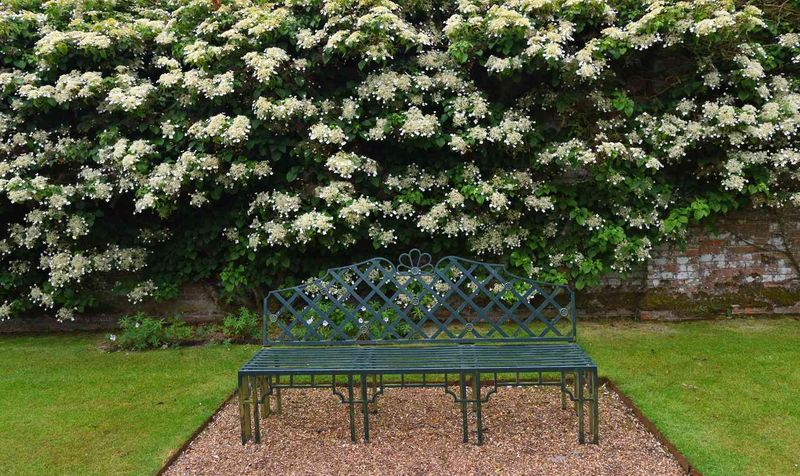
You step onto the back porch on a sticky July evening, sweet tea sweating in your hand, and there it is again. The new neighbor’s second-story window, staring straight down into your cookout. A wooden privacy fence would cost a small fortune and warp in the first muggy summer anyway. So homeowners across North Carolina are doing something quieter instead.
They are letting native vines climb a simple trellis, growing a green wall that feeds bees and monarchs while it hides the view. Here are eight of them worth knowing before your next weekend project.
1. Coral Honeysuckle Blooms Without Bullying Your Yard
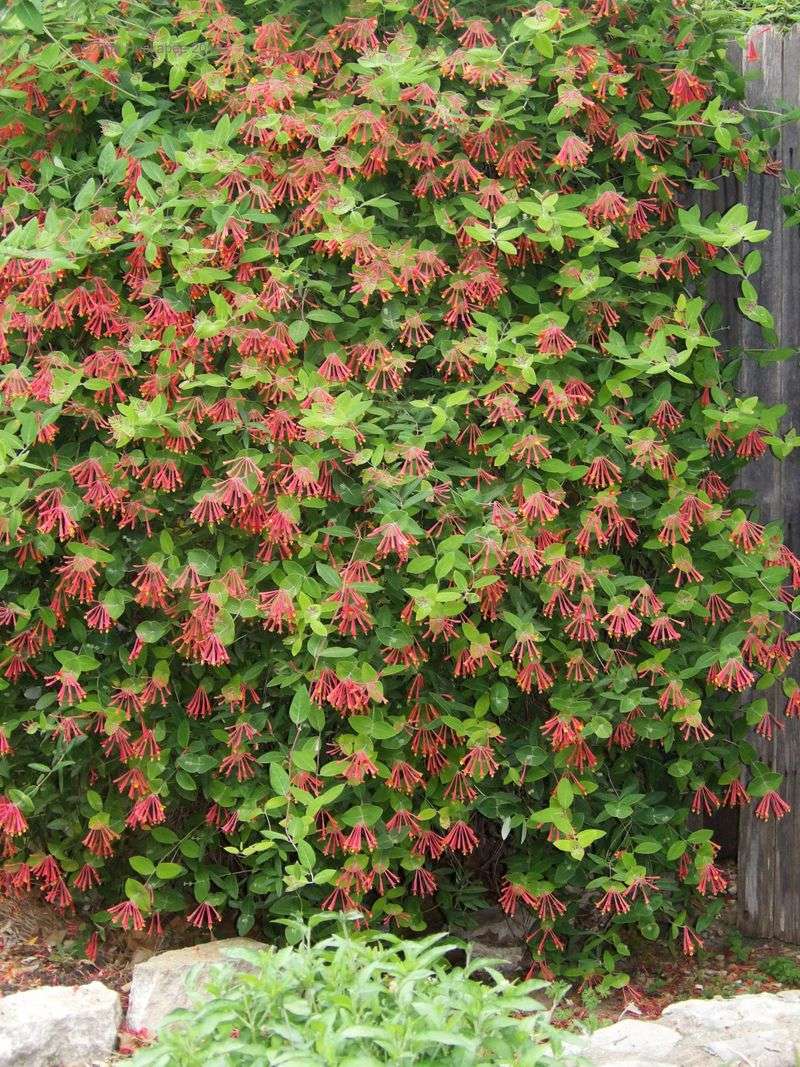
Say honeysuckle to most folks and they picture the invasive Japanese kind smothering a whole ditch bank. Coral honeysuckle, or Lonicera sempervirens, is the native cousin that never earned that bad reputation.
It climbs politely to around 15 feet and stays where you put it. The trumpet-shaped red and coral blooms open in spring and keep going into fall, and ruby-throated hummingbirds treat them like a roadside diner. In the warmer Piedmont, it often holds a little green through mild winters, so your screen does not go fully bare.
Plant one every 6 to 8 feet along a fence panel or cattle-panel arch, water it deeply twice a week the first summer, then mostly leave it be. It shrugs off the afternoon storms that roll in around 4 p.m. and does not mind our red clay once its roots take hold.
Here is where it gets good for lazy weekends. Coral honeysuckle rarely needs the hard pruning that its thuggish relative demands. A light trim after the first spring flush keeps it tidy.
You get a green wall, the hummingbirds get lunch, and nobody has to referee a plant that wants to eat the garage. That is a fair trade.
2. Carolina Jessamine Turns A Fence Gold In February
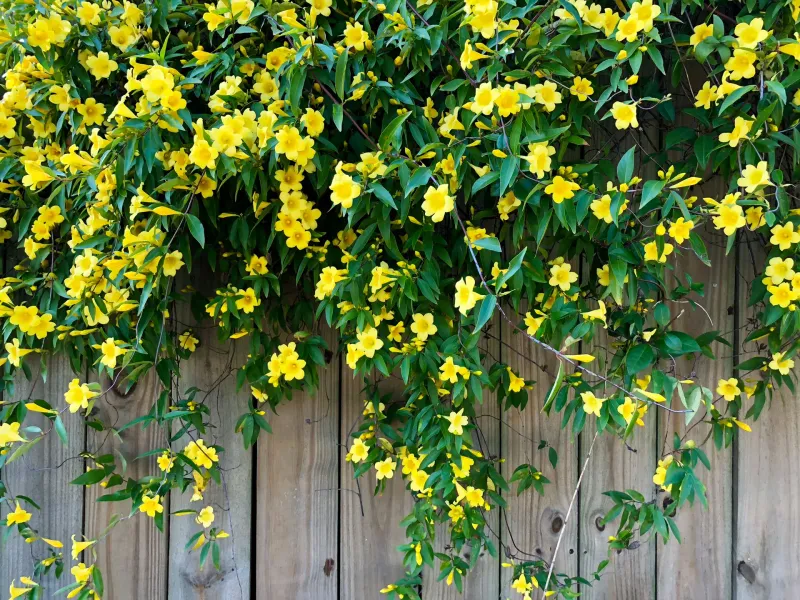
Right when winter has you convinced nothing will ever bloom again, Carolina jessamine lights up. Gelsemium sempervirens is the state flower of South Carolina and grows just as happily across the North Carolina Piedmont and Coastal Plain.
Bright yellow trumpet flowers cover the vine in late winter and early spring, often as early as February in warmer zones. The leaves stay glossy and green year round, which is the part that matters for privacy. A bare screen in January defeats the whole purpose, and this one refuses to strip down.
Give it full sun for the heaviest bloom, though it tolerates part shade. It climbs 10 to 20 feet on a trellis or lattice, and a quick shearing right after flowering keeps it dense instead of leggy.
One honest warning. Every part of Carolina jessamine is toxic if eaten, so it is not the pick for a fence line where curious toddlers or nibbling goats roam. Keep it up high and out of reach.
For an evergreen screen that greets spring before your azaleas even wake up, few native vines pull their weight this well.
3. Crossvine Climbs High And Feeds Early Hummingbirds
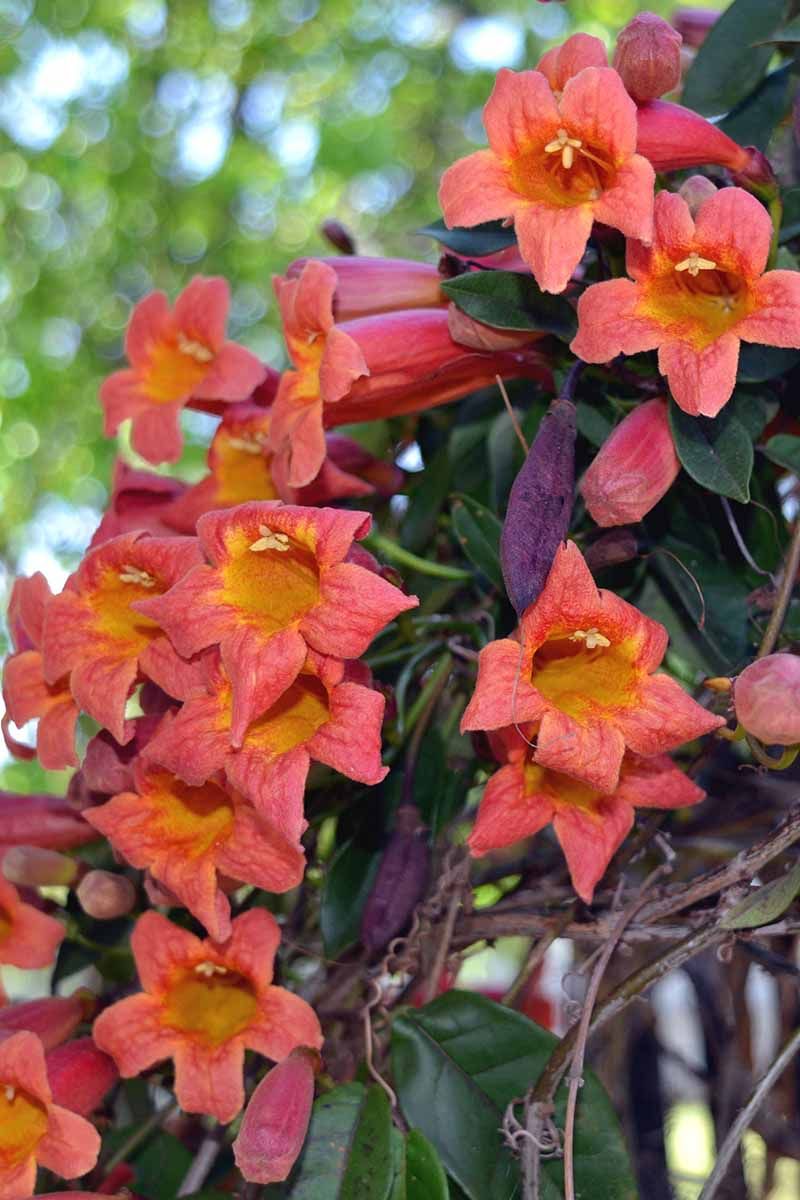
Most vines make you wait years for real coverage. Crossvine, known as Bignonia capreolata, is the overachiever that gets tall fast and holds its leaves through most North Carolina winters.
Your North Carolina Garden Changes Every Week. Your Plan Should Too.
Gardening in North Carolina changes quickly throughout the season. Every Friday you’ll receive a simple weekly plan showing exactly what to plant, prune, fertilize, harvest, and protect so you never miss the right timing.
Split a stem and you will see a faint cross pattern inside, which is where the name comes from. The real show is aboveground, where orange and yellow trumpet flowers open in April, weeks ahead of the trumpet vine crowd. That early timing matters, because it feeds hummingbirds arriving back from migration when little else is blooming.
It reaches 30 to 50 feet in the wild, so on a backyard trellis you will want to prune it after flowering to keep it in bounds. Plant it 8 to 10 feet apart along a tall fence or pergola, and it will scramble up brick, wood, or wire using little clinging tendrils.
Crossvine handles the sandy soils of the Coastal Plain and the heavy clay of the Piedmont with equal patience. It also takes more shade than most flowering vines, so a north-facing fence is not a dealbreaker.
If your goal is a fast, tall, mostly evergreen wall with a spring fireworks moment, this is the workhorse.
4. American Wisteria Gives Drama Without The Regret
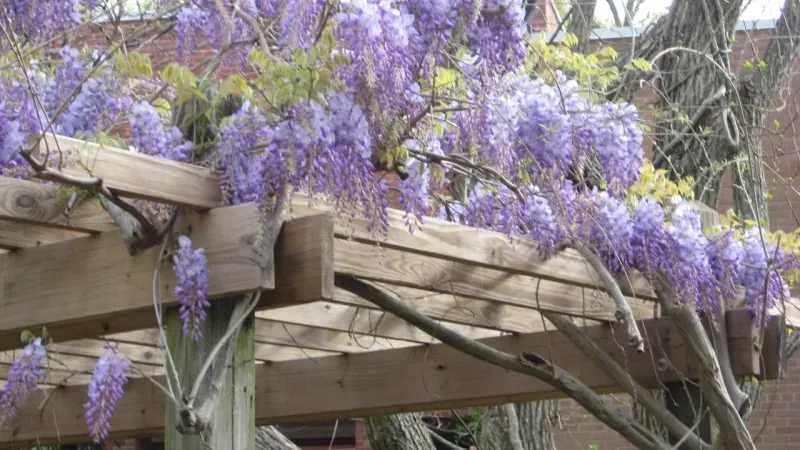
You have seen the horror stories. Chinese and Japanese wisteria pulling down porches and swallowing entire pine trees across the South. American wisteria, or Wisteria frutescens, is the tamer native that gives you the dreamy purple curtains without the property damage.
Growing to about 15 to 30 feet, it is far more manageable than its aggressive imported relatives. The lavender-blue flower clusters droop in late spring, and unlike the invasive kinds, this one often reblooms in smaller flushes through summer. Bees work it hard on warm afternoons.
It wants full sun and a sturdy support, so build the arbor before you plant, not after. A cattle panel bent into an arch works beautifully and costs less than a fence panel. Prune twice a year, once after spring bloom and once in late winter, to steer the vine and boost flowering.
Give it room and honest structure, and American wisteria rewards you with one of the prettiest privacy screens you can grow.
Your porch stays standing. The bees throw a party. Everybody wins.
5. Virginia Creeper Hides A Fence And Feeds Fall Birds
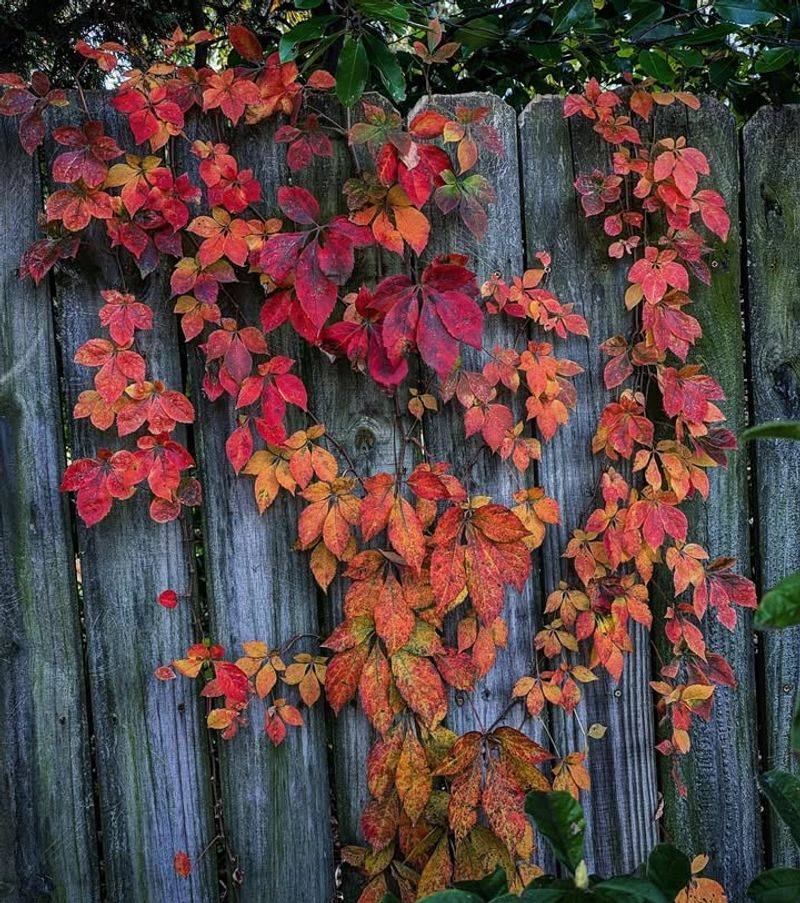
Nobody plants Virginia creeper for the flowers, and that is fine. Parthenocissus quinquefolia earns its keep with dense, five-leaflet greenery that blankets a fence or wall faster than almost anything else native.
Come autumn, it turns a deep scarlet that rivals any maple, and the small dark berries feed migrating songbirds heading through North Carolina in September and October. People sometimes confuse it with poison ivy, but the trick is simple. Virginia creeper has five leaflets, poison ivy has three, and knowing that saves a lot of itching.
It clings with adhesive pads, so it does not need a trellis, though giving it one keeps things controlled. It grows 30 to 50 feet, tolerates deep shade, and does not care whether your soil is Sandhills sand or mountain loam.
Cut it back hard each late winter to keep it from wandering onto siding or gutters, because it will explore if you let it. A yearly trim is the small price for a wall of foliage this thick.
For pure coverage plus a fall color show and a bird buffet, few natives match its honest, workmanlike value.
6. Passionflower Looks Tropical And Raises Butterflies
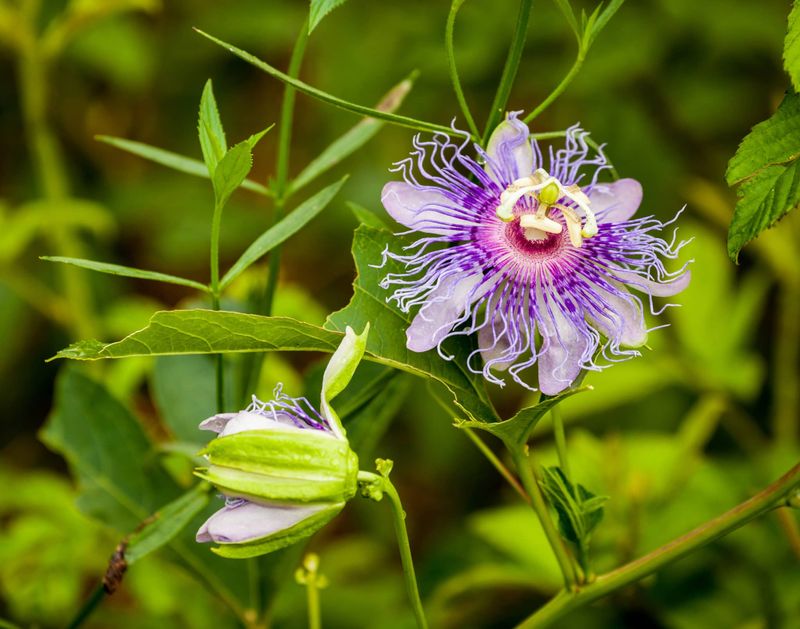
The first time you see a passionflower bloom open, you will swear it belongs in a rainforest, not a Carolina backyard. Passiflora incarnata is fully native here, and folks call it maypop for the way its ripe fruit pops underfoot.
The purple and white flowers are almost too intricate to be real, like something a jeweler dreamed up. Beyond the looks, this vine is a host plant for the gulf fritillary and variegated fritillary butterflies, meaning their caterpillars actually feed on the leaves. Plant it and you are running a tiny butterfly nursery.
It dies back to the ground each winter and shoots up again in spring, climbing 6 to 8 feet by midsummer on a fence or wire. That habit means it is a warm-season screen, best paired with an evergreen vine nearby if you want year-round cover.
Give it full sun and room to sucker, because it spreads by runners and will pop up a few feet away. Mowing around the bed keeps those wanderers in check.
For a screen that doubles as a living science lesson your kids will actually watch, maypop is hard to beat.
7. Trumpet Vine Makes A Bold Bee And Bird Magnet
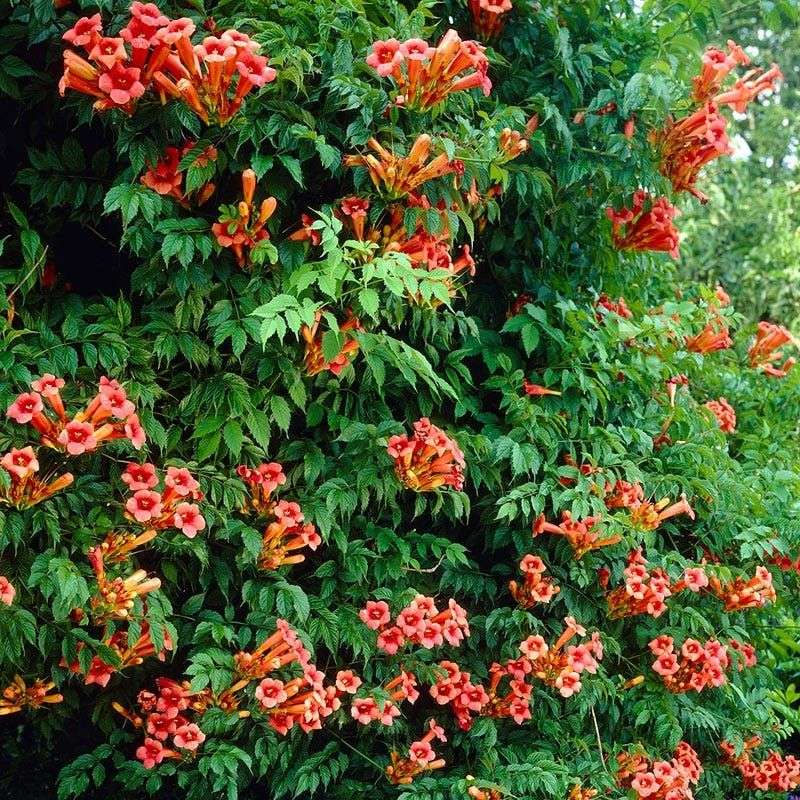
Some plants whisper. Trumpet vine, or Campsis radicans, shows up loud, with fistfuls of fiery orange trumpets that hummingbirds cannot resist all summer long.
Bloom time runs from June clear into September, right through the heat that makes other vines sulk. It is a native powerhouse across North Carolina, thriving in poor soil, drought, and the roadside neglect that would kill fussier plants. If you have a hard, sunny spot where nothing wants to grow, this is your vine.
Now for the honesty part. Trumpet vine is vigorous, and NC State Extension notes it can spread by suckers and root aggressively. Plant it against a strong metal or masonry support, never wooden lattice it can crush, and mow around it to stop the runners.
Space plants 10 to 15 feet apart and give it full sun for the heaviest bloom. Cut it back to a few buds each late winter to keep it dense and flowering rather than leggy.
Managed with a firm hand, it delivers the most reliable summer-long privacy and the busiest hummingbird show on the block.
8. Muscadine Grape Screens The Yard And Feeds You
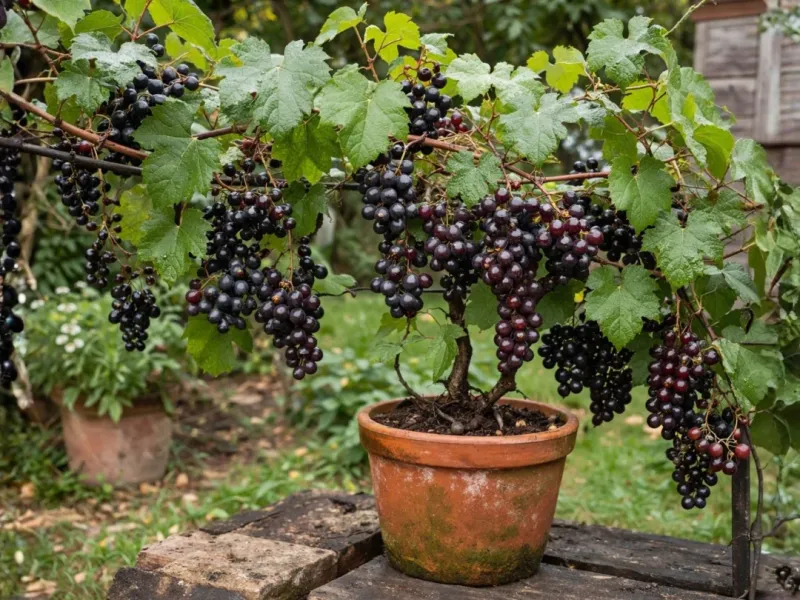
Here is a privacy screen you can eat. The muscadine grape, Vitis rotundifolia, is native to the Southeast and grows wild across North Carolina, and it turns a fence line into a snack bar by late summer.
Broad, rounded leaves make a thick green wall from spring through fall, and by August into September the vines hang heavy with bronze or dark purple fruit. Birds, bees, and box turtles feast on the drops, and so can you, straight off the vine or cooked into jelly.
Muscadines love our long, muggy summers and shrug off the fungal problems that flatten European grapes here. Run them along a sturdy wire trellis or a strong fence, spacing plants about 15 to 20 feet apart because they stretch out fast. A yearly winter pruning keeps the fruit coming and the growth in bounds.
They do want full sun and decent drainage, so a slightly raised bed helps in heavy Piedmont clay. Give them a couple of seasons and the coverage fills right in.
A green screen, a wildlife feast, and grapes for your kitchen off one vine feels like getting three chores done at once.