The One August Pruning Task That Sets Up Better California Rose Blooms For Fall
August sounds like the last month you’d reach for rose shears, yet California gardeners know better. This is the exact window when a few smart cuts decide the difference between bushes that coast into fall and ones that bloom their way through it.
The trick isn’t obvious pruning. It’s a specific technique that tricks your roses into treating late summer like a second spring, redirecting their energy toward fresh buds instead of tired growth.
Miss this moment, and your bushes quietly lose their shot at a strong fall show. Time it well, though, and October becomes your garden’s best-looking month all year.
Removing Spent Blooms Sets Up Fall Flowers
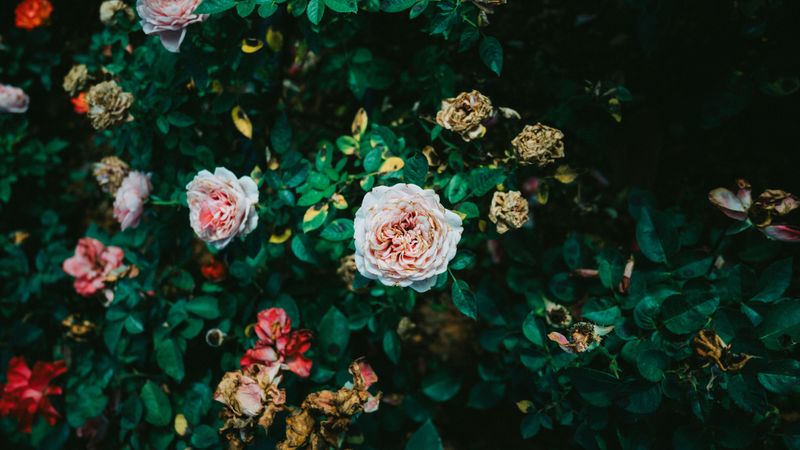
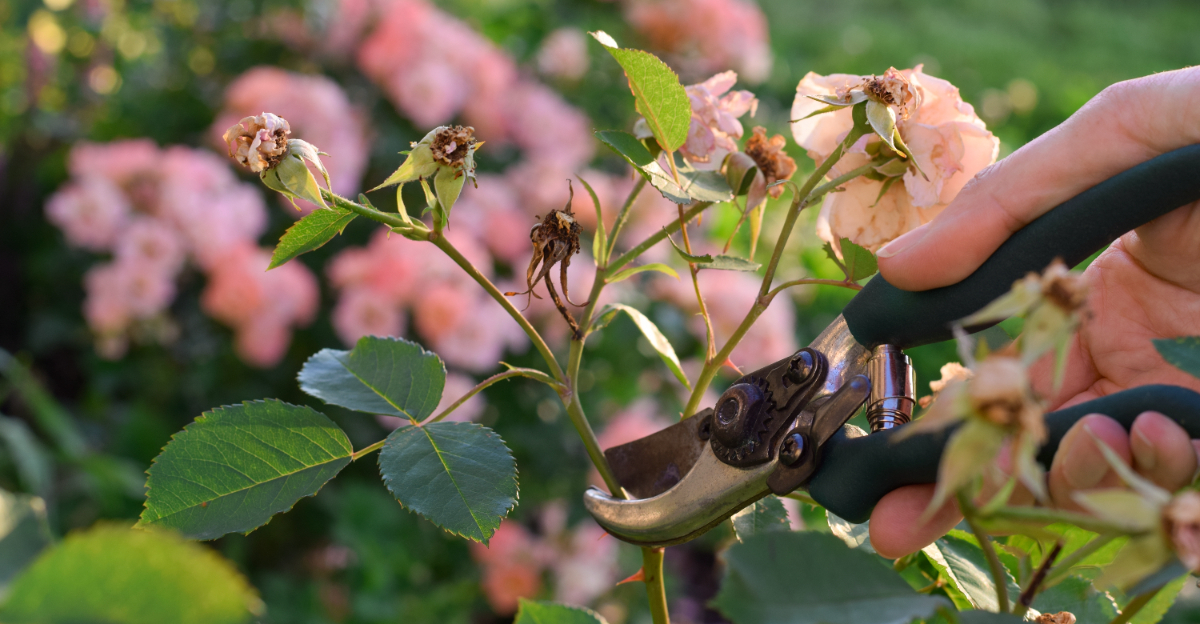
Your roses are talking to you, and spent blooms are their loudest message. When a rose finishes flowering, it starts forming a seed pod called a hip, and that shift pulls energy away from new blooms.
Removing those faded flowers tricks your plant into trying again. The rose redirects its energy from seed production straight into pushing out fresh buds.
August is the sweet spot in California because the warm days still give roses plenty of time to cycle back into bloom before fall arrives. A new flower can appear in as little as five to six weeks after a proper cut.
Gardeners who skip this step often wonder why their roses look tired and sparse by September. The answer is almost always those forgotten, shriveling blooms left hanging on the cane.
Think of removing spent blooms as giving your plant permission to start over. Each spent bloom you remove is one more invitation for a fresh, vibrant flower to take its place.
The payoff is real and visible. Roses that have faded blooms removed consistently in August tend to produce fuller, more colorful clusters when fall temperatures cool things down just enough to make blooming easy.
A quick pass every few days is enough to keep up. Consistency matters more than perfection here.
Some varieties push new buds faster than others, so don’t compare your roses to your neighbor’s. Patience through late August usually pays off once fall arrives.
August Timing Matters For Rose Growth
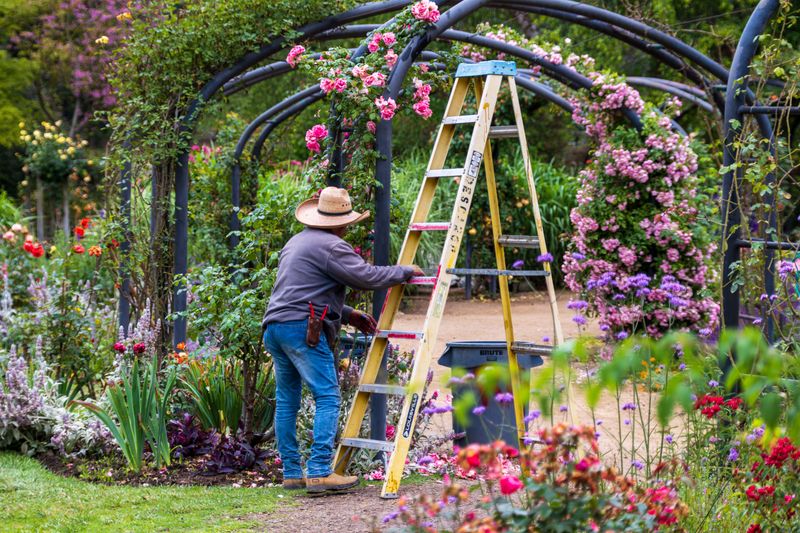
Nail this window and everything else about fall blooms tends to fall into place on its own. Cut too late and your roses will not have enough warm days left to push out new flowers.
August sits in a perfect window between the brutal heat of July and the cooling nights of October. Roses need warmth to build new growth, and August still delivers that heat in generous amounts.
Most repeat-blooming rose varieties take about five to six weeks to go from a fresh cut to a fully open flower. That math works out beautifully when you prune in early to mid-August.
Waiting until September shrinks that window fast. You might get buds, but they could get caught by early cold snaps before they ever fully open.
Coastal California gardens have a slight advantage because temperatures stay mild longer into fall. Inland gardeners, however, should aim to complete their pruning by the second week of August for best results.
Your California Garden Changes Every Week. Your Plan Should Too.
Gardening in California changes quickly throughout the season. Every Friday you’ll receive a simple weekly plan showing exactly what to plant, prune, fertilize, harvest, and protect so you never miss the right timing.
Roses are surprisingly responsive plants that reward gardeners who pay attention to the calendar. Hitting that August window feels like catching a green light at every intersection on the way home.
Seasonal awareness is what separates a good rose garden from a great one. Knowing when to act is just as important as knowing how to act.
Identifying Spent Blooms Correctly
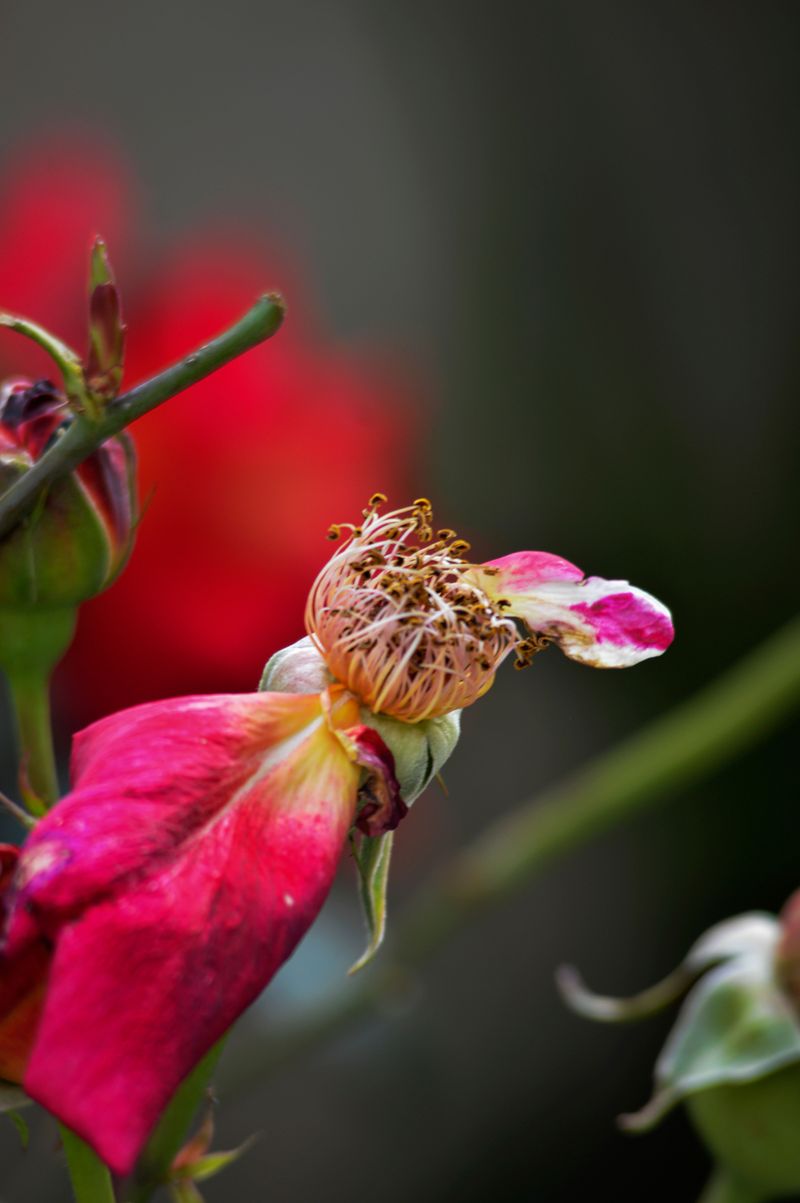
Not every fading rose is ready for the cut, so learning to read the plant accurately is a skill worth building. A spent bloom will have petals that are browning, dropping, or papery to the touch.
Look at the center of the flower. If the petals are falling away on their own and the center looks dry or swollen, that bloom has finished its job.
A bloom that still has most of its petals, even if slightly faded, may just be past its peak color but not yet spent. Give it another day or two before making your move.
Fresh buds are easy to spot because they are firm, tightly closed, and often a deeper green or red color at the tip. Avoid confusing a swelling bud with a fading bloom.
Some rose varieties hold their petals tightly even after the bloom is done, making identification trickier. Gently squeeze the base of the flower head. If it feels soft or hollow, it is ready to remove.
Walking your garden every two to three days during August gives you a clear picture of where each plant is in its cycle. Consistent observation makes the job faster and more accurate over time.
Identifying spent blooms correctly protects your plant from unnecessary stress. Cutting the wrong stem at the wrong time can slow your fall bloom timeline instead of speeding it up.
Cutting Technique For Healthy New Growth
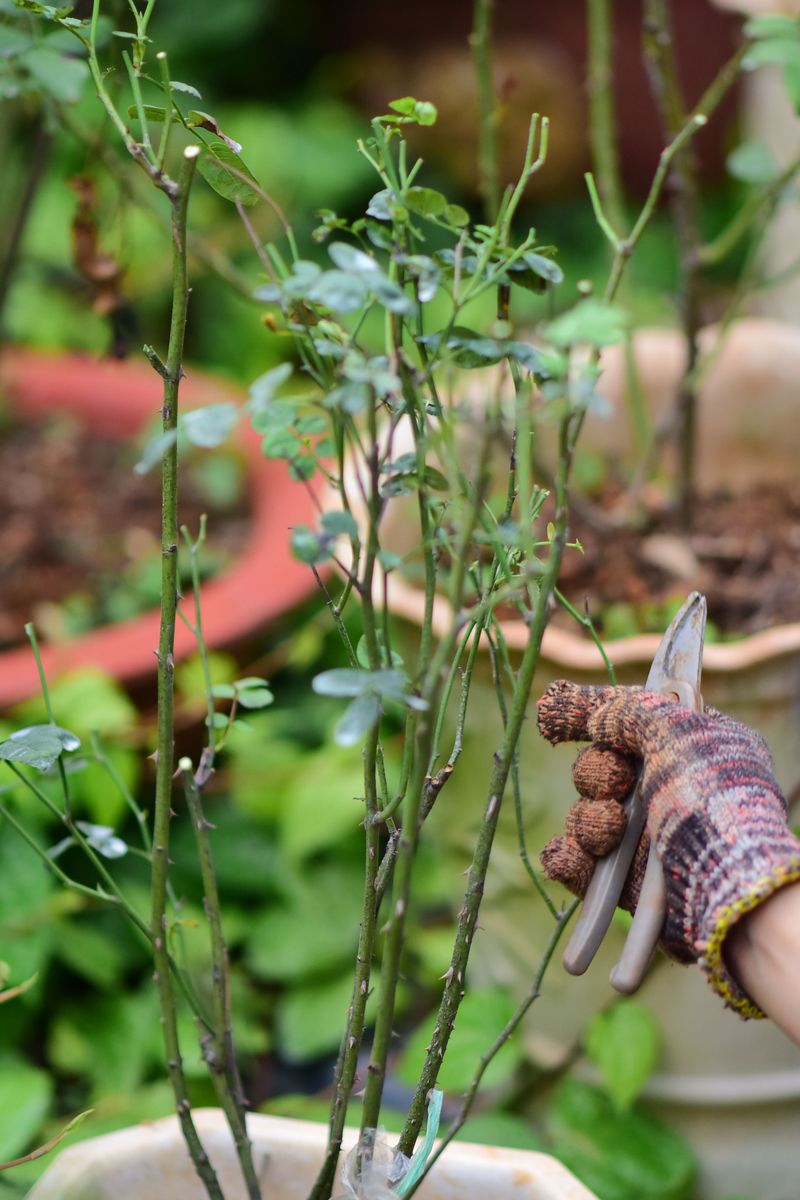
Sharp tools make a cleaner cut, and a cleaner cut means a healthier plant. Dull blades crush the stem tissue instead of slicing it, which opens the door to disease and slows new growth.
Cut at a 45-degree angle, slanting away from the nearest outward-facing bud. That angle lets water run off the cut surface instead of pooling and causing rot.
Find the first set of five leaflets below the spent bloom and make your cut just above that point. Five-leaflet sets mark spots where the cane is strong enough to support a new flowering stem.
Cut too shallow, just below the bloom, and the stem that grows back will be weak and spindly. Cut too deep and you risk removing healthy growth the plant needs for energy production.
As a general rule, this cut typically removes about one quarter to one third of the stem length. This light to moderate cut encourages vigorous regrowth without shocking the plant.
Wipe your shear blades with a disinfecting solution between plants to avoid spreading any fungal issues from one rose to another. This small habit helps protect your roses from spreading problems, with almost no extra effort.
A clean, well-placed cut is what makes every other fall bloom step actually work. Nail the technique once and it becomes second nature every season after that.
Common Mistakes That Delay Fall Blooms
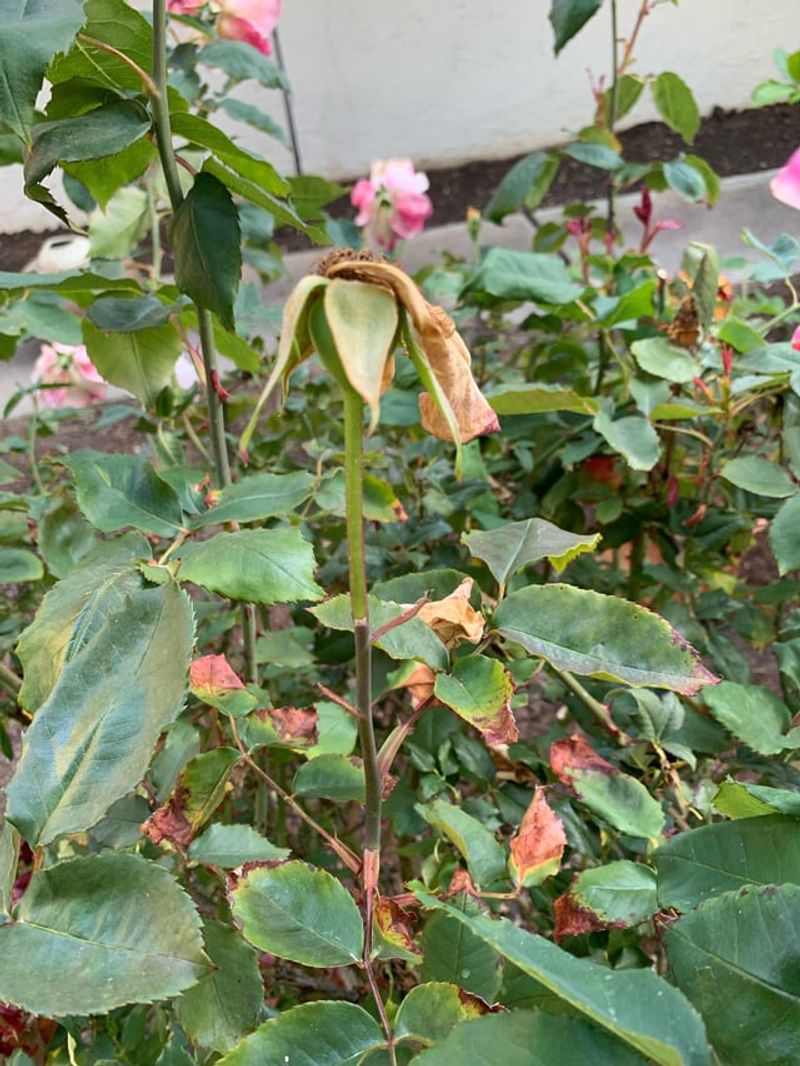
Pruning too lightly is one of the most common errors gardeners make in August. Snipping just the flower head without cutting back to a five-leaflet set leaves a weak stub that produces thin, low-energy stems.
Overwatering right after pruning is another trap that catches a lot of well-meaning gardeners. Soggy soil slows root activity and can lead to fungal problems at the base of fresh cuts.
Skipping fertilizer after the August cut is a mistake that quietly costs you a strong fall bloom. Roses need a boost of nutrients to fuel the new growth cycle you just triggered with your shears.
Using the wrong fertilizer is just as problematic as skipping it entirely. A high-nitrogen blend pushes leafy green growth instead of flowers, so choose a formula balanced for blooming plants in late summer.
Leaving diseased leaves on the plant while pruning is a setup for spreading problems. Remove any yellow, spotted, or powdery leaves when you are already working on the canes.
Pruning during the hottest part of the day stresses the plant more than necessary. Early morning cuts allow the rose to seal its wounds before afternoon heat arrives.
Avoiding these mistakes is what separates a garden full of fall color from one that just sits there looking confused. Small adjustments to your approach can completely change what you see in October.
Caring For Roses After The Cut Back
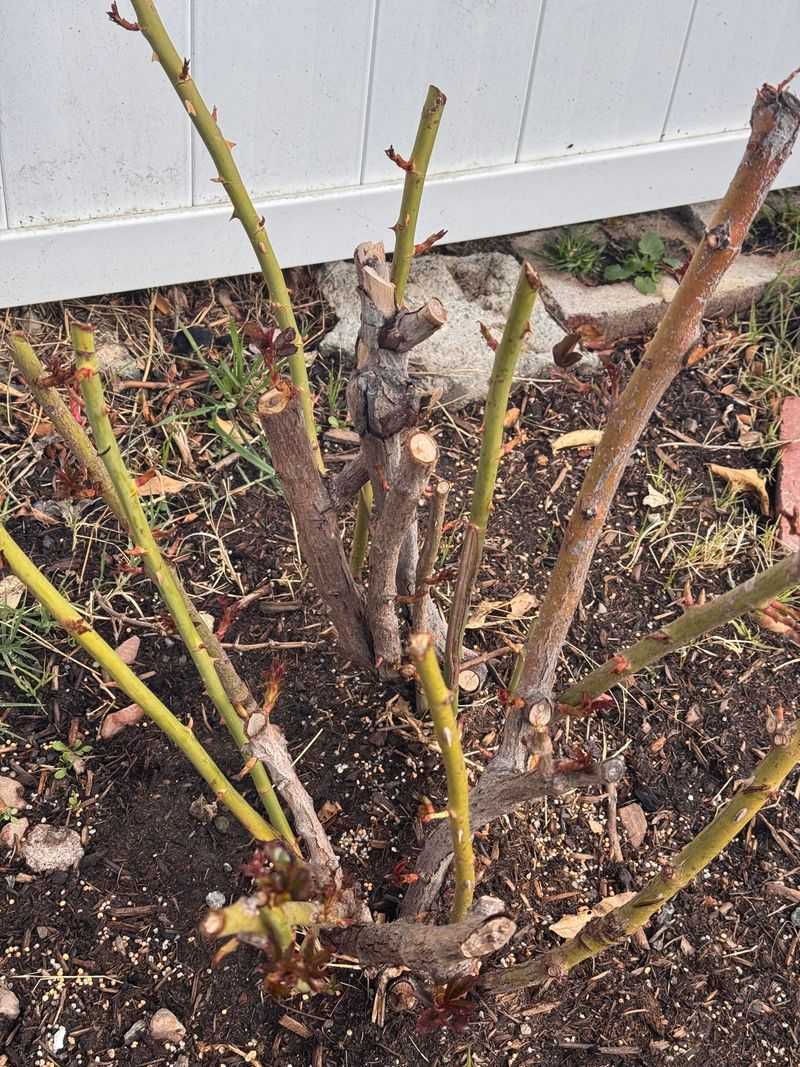
Once the cuts are made, your roses need consistent support to make the most of their fresh start. Think of post-pruning care as the follow-through after a great swing.
Water deeply at the base of the plant two to three times per week, depending on your local heat. Shallow, frequent watering encourages weak surface roots instead of the deep roots that anchor strong growth.
Apply a balanced rose fertilizer within a day or two of pruning to give the plant an immediate energy source. Slow-release granular formulas work well because they feed steadily over several weeks.
A fresh two to three inch layer of mulch around the base of each plant helps retain soil moisture and keeps roots cooler during the remaining August heat. Keep the mulch a few inches away from the main cane to prevent rot.
Watch for new red or green growth tips within seven to ten days of your cut. Those fresh shoots are a sign that your rose accepted the pruning and is actively working toward its next bloom cycle.
If you notice any yellowing leaves or unusual spots appearing after pruning, treat them right away with an appropriate fungicide. Catching problems early prevents them from stealing energy from your developing buds.
Consistent care in the weeks after pruning is what turns a good effort into a genuinely colorful fall garden. Your roses will not forget the attention you gave them in August.