8 Nut And Berry Bushes That Keep Feeding North Carolina Yards For Decades From One Planting
You walk out to the back fence on a warm September morning in North Carolina, coffee in hand, and there they are again. Cardinals working over a shrub you planted years ago, one you barely remember tending. That is the quiet magic of the right nut and berry bushes. Plant them once, give them a good start in that red clay or sandy soil, and they hand you food and a busy, living yard for decades.
Here are eight that earn their spot and keep feeding both people and wildlife long after the shovel goes back in the shed.
1. American Hazelnut
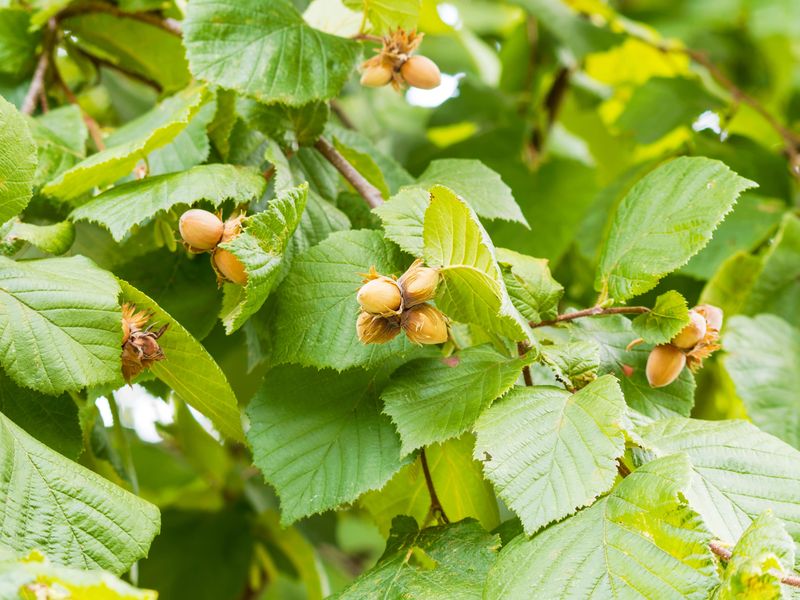
Picture cracking your own hazelnuts on the porch in October, gathered from a shrub that asked almost nothing of you. American hazelnut (Corylus americana) does exactly that, and it does it in the tough clay soil most Piedmont yards are cursed with.
Here is the part folks miss. A single hazelnut will not set a full crop on its own. It needs a friend nearby for pollination, so plant two or three within about 50 feet of each other. Space them 4 to 5 feet apart if you want a hedge, or wider if you want individual shrubs.
They top out around 8 to 16 feet, so they fit a normal yard without swallowing it.
The nuts ripen in late summer through fall, and squirrels genuinely will race you for them. Beat them by picking as soon as the husks start browning. Beyond the harvest, the plant works overtime, hosting native pollinators in spring with dangling catkins and feeding birds through winter.
NC State Extension lists it as well suited to our region, tolerant of both sun and part shade. Give it full sun for the biggest crop. It is not a fussy plant, and that is the whole point. One good planting, a little patience for three or four years, and you have a nut source that outlives most fence posts.
2. Highbush Blueberry
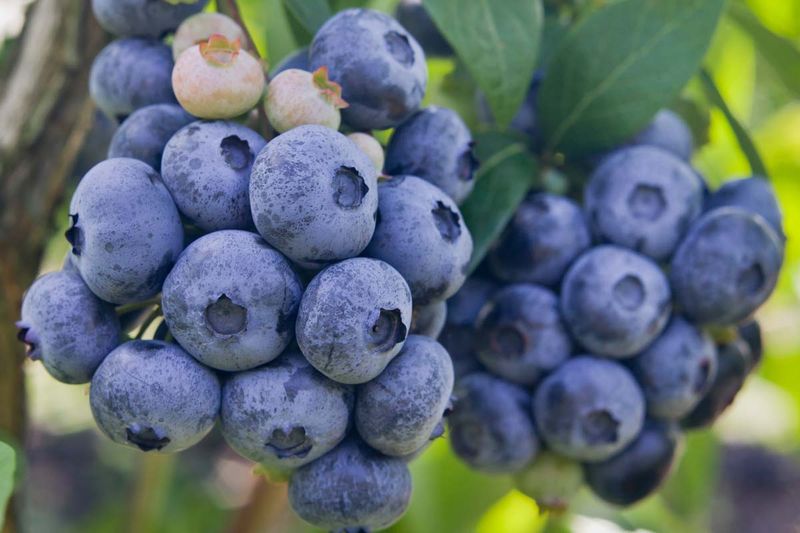
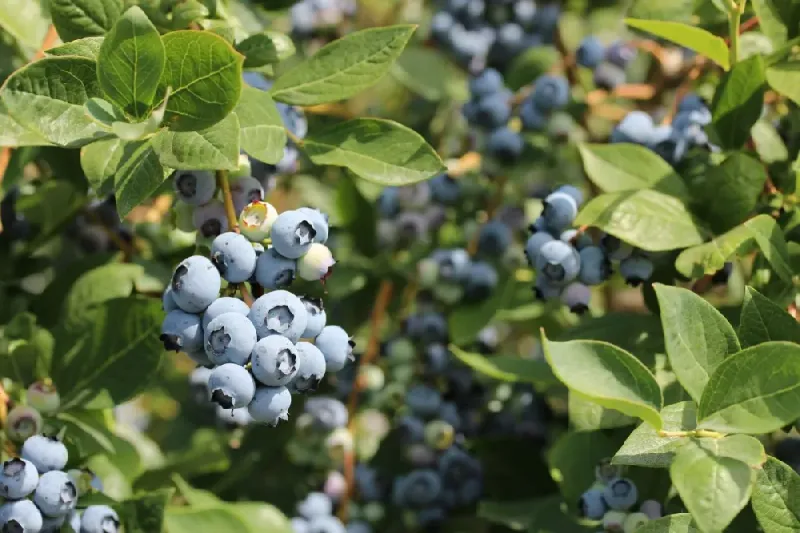
Few things beat a July morning where you pick warm blueberries straight into a bowl without leaving your own yard. Highbush blueberry (Vaccinium corymbosum) makes that a normal summer scene across North Carolina, and it thrives here in a way it does not in most states.
The secret is our acidic soil. Blueberries want a pH around 4.5 to 5.5, which happens to be where a lot of Piedmont and Coastal Plain ground already sits. Test first, then add pine bark or sulfur if you need to drop the number.
Plant two different varieties for better pollination and a longer harvest window. Space them about 5 to 6 feet apart, in full sun for the sweetest berries. They reach 6 to 8 feet tall and can produce for 20 years or more from one planting.
Birds adore them, so drape netting when berries turn blue if you want any for yourself. But honestly, a mature bush gives plenty for you, the mockingbirds, and a pie. Prune out the oldest canes each winter to keep new fruiting wood coming. That single yearly chore keeps a blueberry hedge feeding your family for decades, which is a genuinely fair trade.
Your North Carolina Garden Changes Every Week. Your Plan Should Too.
Gardening in North Carolina changes quickly throughout the season. Every Friday you’ll receive a simple weekly plan showing exactly what to plant, prune, fertilize, harvest, and protect so you never miss the right timing.
3. American Beautyberry
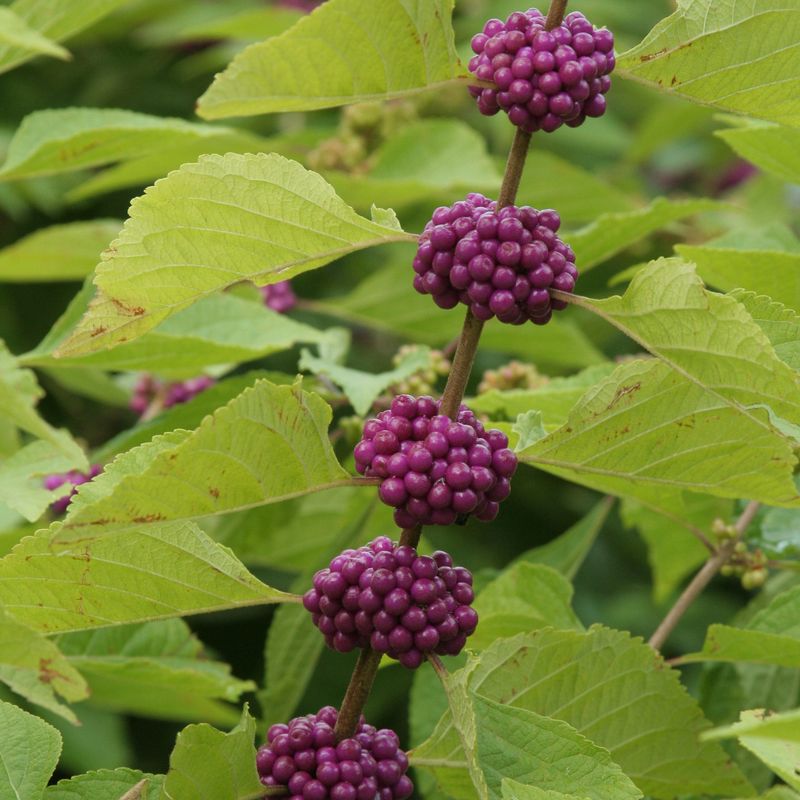
Come late summer, one native shrub lights up shady spots with clusters of purple berries so bright they look almost fake. American beautyberry (Callicarpa americana) is that shrub, and it belongs in far more North Carolina yards than it currently occupies.
The berries are not really a people snack, though they can be cooked into jelly. Their real job is feeding birds. Mockingbirds, cardinals, and towhees strip the branches through fall and into winter, right when other food gets scarce. That makes beautyberry a quiet workhorse for yard-wide bird activity.
Here is a bonus a lot of Sandhills and Piedmont gardeners swear by. Crushed beautyberry leaves have a long folk history as a mosquito deterrent, and NC State Extension notes researchers have studied compounds in the foliage. It may help around a porch on a muggy evening, though it is not a magic force field.
Plant it in part shade, space plants about 4 to 5 feet apart, and expect a loose, arching shrub around 3 to 6 feet tall. It shrugs off drought once established and tolerates our clay. Cut it back hard in late winter and it bounces right back. One plant, years of purple, and a yard full of birds.
4. Chinese Chestnut
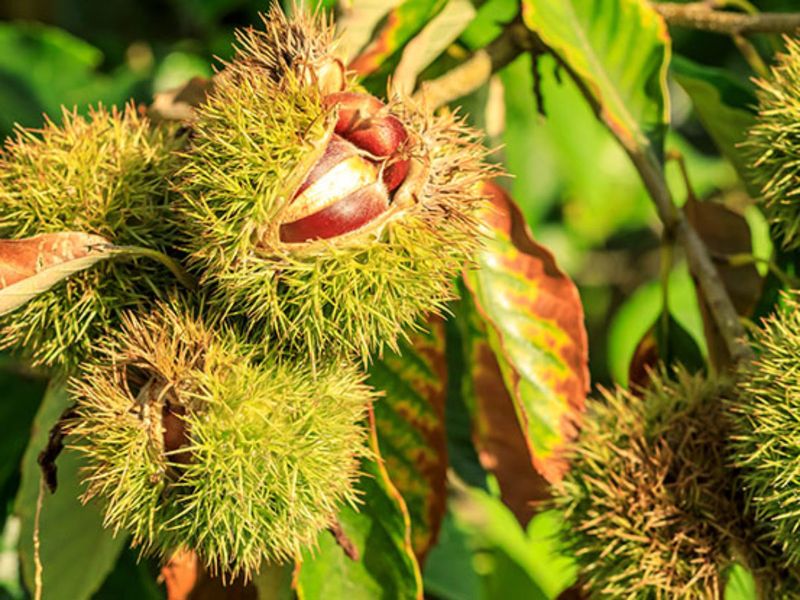
Roasting chestnuts is not just a holiday song lyric if you have the right tree quietly filling out a corner of your property. Chinese chestnut (Castanea mollissima) delivers real, edible nuts and, unlike the lost American chestnut, it resists the blight that wiped out our native forests.
Think of it as more small tree than bush, reaching 40 feet over decades, so give it room. Two trees planted within about 50 feet of each other pollinate far better than one alone. The reward is spiny burrs that split open in fall to drop glossy brown nuts you can roast, boil, or grind into flour.
North Carolina orchards have grown these successfully for years, and they handle Piedmont clay well as long as the spot drains. Standing water is the one thing they will not forgive. Plant on a gentle slope or raised area if your yard holds water after those afternoon thunderstorms.
Expect your first real harvest in 4 to 7 years, then decades of nuts after that. Deer and squirrels will help themselves, so gather promptly once burrs open. A mature Chinese chestnut can drop 30 to 50 pounds of nuts in a good year, which turns a single planting into a genuine food source that outlasts most of us.
5. Elderberry
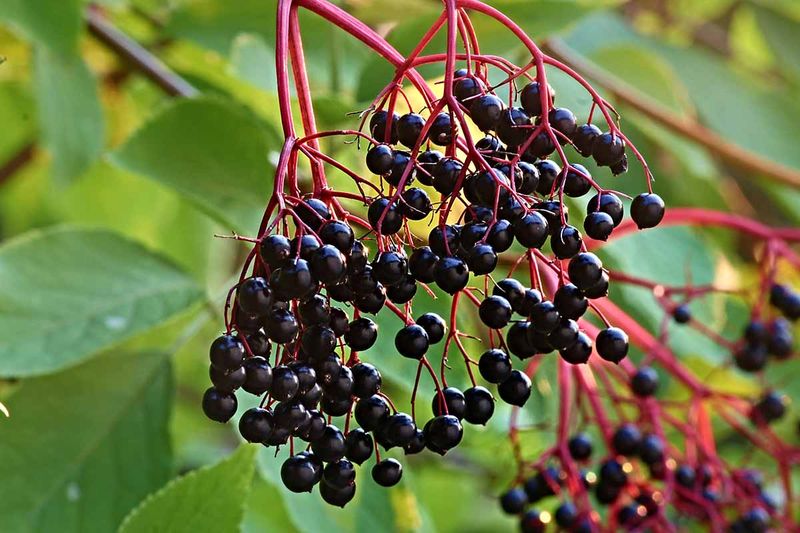
Down along creek edges and low, wet corners where nothing else seems happy, elderberry thrives and turns that soggy problem spot into a harvest. American elderberry (Sambucus canadensis) loves the damp ground that drowns other fruit, making it the go-to for that boggy patch every North Carolina yard seems to have.
Flat white flower clusters cover the shrub in early summer, then give way to hanging bunches of dark purple berries by late summer. Those berries make jelly, syrup, and the elderberry preparations folks reach for during cold season. Just remember to cook them first, since raw berries and the rest of the plant are not for eating.
Pollinators flood the blooms and birds mob the fruit, so wildlife value runs high. Plant two varieties about 6 feet apart for a solid berry set. Elderberry grows fast, reaching 6 to 12 feet, and it produces within just 2 to 3 years, quicker than almost anything else on this list.
It spreads by suckering, which some gardeners love for a thicket and others manage with a mower. Cut old canes to the ground every few winters to renew it. Give it moisture and sun, and one planting keeps producing berries and buzzing with life for many seasons.
6. Rabbiteye Blueberry
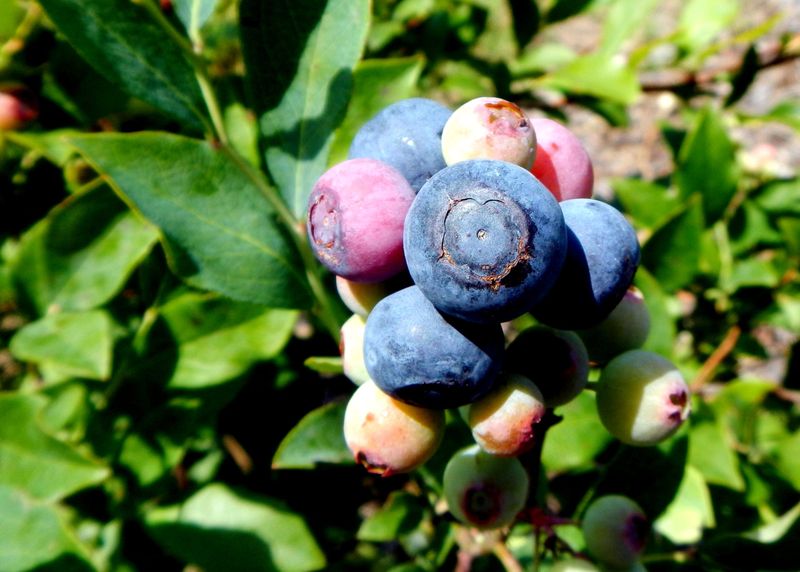
If highbush blueberries struggle in your hot, sandy corner of the state, there is a tougher cousin built for exactly those conditions. Rabbiteye blueberry (Vaccinium virgatum) handles heat, drought, and less-than-perfect soil better than any other blueberry grown in North Carolina.
The name comes from the berries, which blush pink like a rabbit’s eye before ripening to deep blue. They ripen a little later than highbush types, stretching your picking season into July and sometimes August. Pair two varieties for pollination, because rabbiteyes genuinely will not fruit well alone.
These grow big, reaching 6 to 10 feet or taller, so give them 6 feet of spacing and full sun. They are famously long lived. Well tended rabbiteye bushes in the Coastal Plain and Sandhills keep producing for 30 years and beyond, which is why they anchor so many old family gardens.
They are more forgiving of soil pH than highbush, though they still prefer it acidic. Add a couple inches of pine bark mulch each year and they reward you with buckets of fruit. One well chosen planting outlives the porch it shades, feeding your grandkids the same berries you started with.
7. Serviceberry
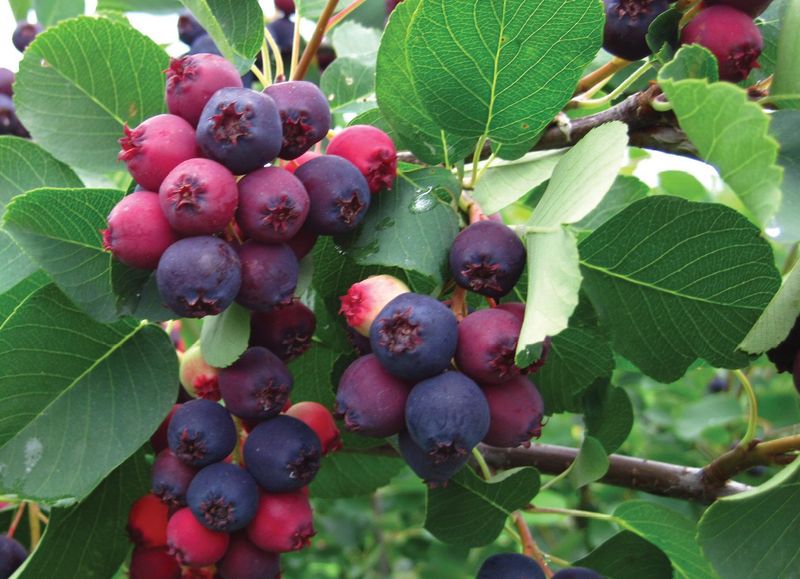
Long before the summer heat sets in, one shrub gives you white spring flowers, June fruit, and fiery fall color all from the same plant. Serviceberry (Amelanchier canadensis) does triple duty, which makes it one of the smartest single plantings a North Carolina yard can hold.
The berries look like blueberries and taste like a mix of blueberry and almond, sweet enough to eat right off the branch. They ripen in June, earning the old name Juneberry. Robins and cedar waxwings show up in flocks the moment they redden, so you may need to move fast for your share.
Serviceberry works as a large multi-stem shrub or small tree, reaching 15 to 25 feet, and it fits nicely at the edge of a yard or under taller trees. It handles part shade, which few fruiting plants do well. Give it decent drainage and it settles in across the Piedmont and mountains with little fuss.
Spring bloom feeds early pollinators when little else is flowering, and fall turns the leaves orange and red for a proper show. One serviceberry means four seasons of interest and a June harvest, decade after decade, from a plant that mostly takes care of itself.
8. Muscadine Grape
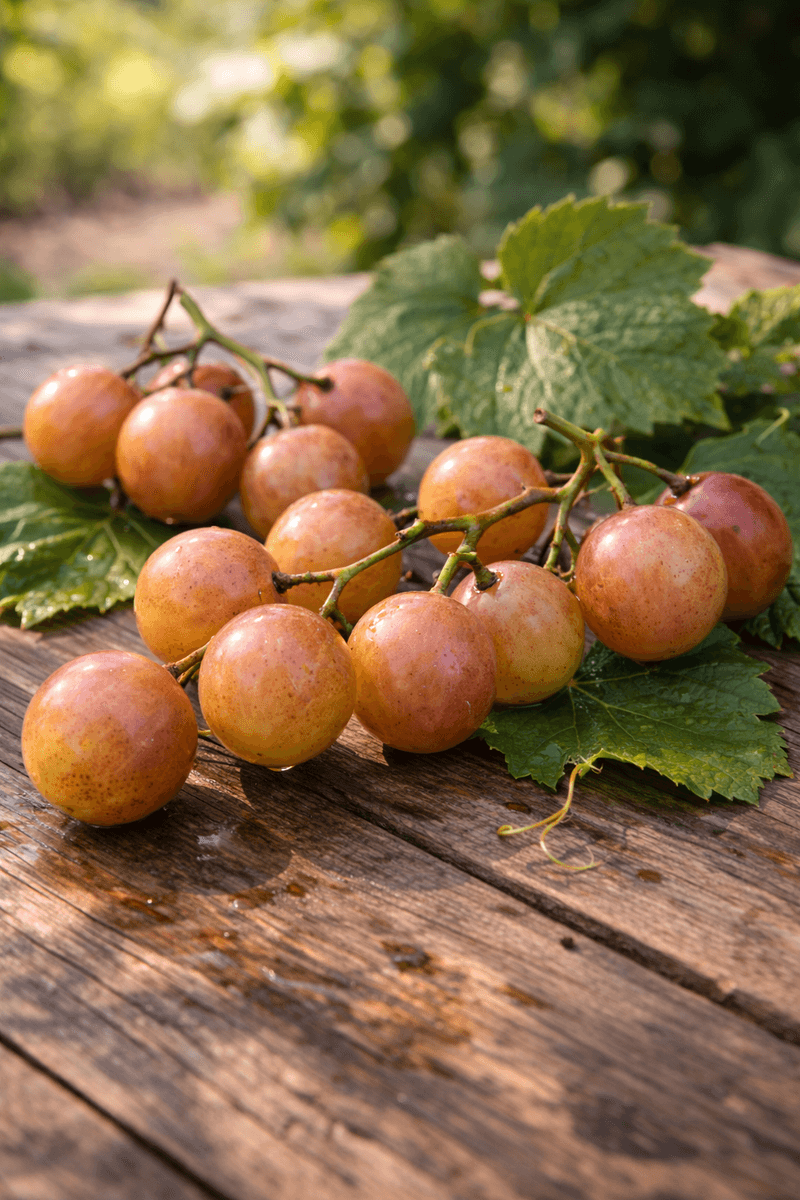
No list of long-lived North Carolina food plants would be honest without the muscadine, the tough native grape that practically defines a Southern backyard. Muscadine (Vitis rotundifolia) is a vine rather than a bush, but train it on a fence or arbor and it becomes a living wall that feeds you every fall.
These are the thick-skinned bronze and purple grapes your grandparents made into jelly and wine. They shrug off the humidity, pests, and diseases that flatten European grapes here, which is exactly why they belong. Native to the Southeast, they were made for our muggy summers and mild winters.
Some varieties need a pollinator vine nearby, while self-fertile types fruit alone, so check the label before you buy. Plant a single vine with 20 feet of trellis to spread across, in full sun for the sweetest fruit. Harvest runs from late August into October.
Muscadines are famously long lived. NC State Extension notes vines can produce for decades, and old homestead plantings across the state keep bearing well past 20 years. Prune hard each winter, feed once in spring, and one vine hands you fruit, shade, and a little living history from a single planting.