How To Stop Brown Patch Fungus From Taking Over Your Illinois Lawn

Circular brown patches don’t wait for permission to spread across your lawn. Overnight, healthy grass turns into something unrecognizable.
Illinois summers hand this fungus everything it needs to thrive. Heat builds. Humidity lingers.
Nighttime moisture clings to every blade until early dawn. Your turf becomes vulnerable before you even notice symptoms.
Patches expand fast, sometimes covering whole sections of lawn within days. Concern is natural here, but urgency matters far more.
Understanding what’s happening beneath the surface changes everything about your response.
Fungal spores target weak spots, poor airflow, and excess nitrogen. Most Illinois homeowners make the problem worse without realizing it. Watering habits, mowing height, and timing all play hidden roles.
Nothing about this disease is truly random, and nothing about recovery is ever impossible. Grass responds quickly when given the right conditions again. Ignore this problem for another week, and there won’t be a lawn left to save.
1. Water Lawns Early In The Morning Only
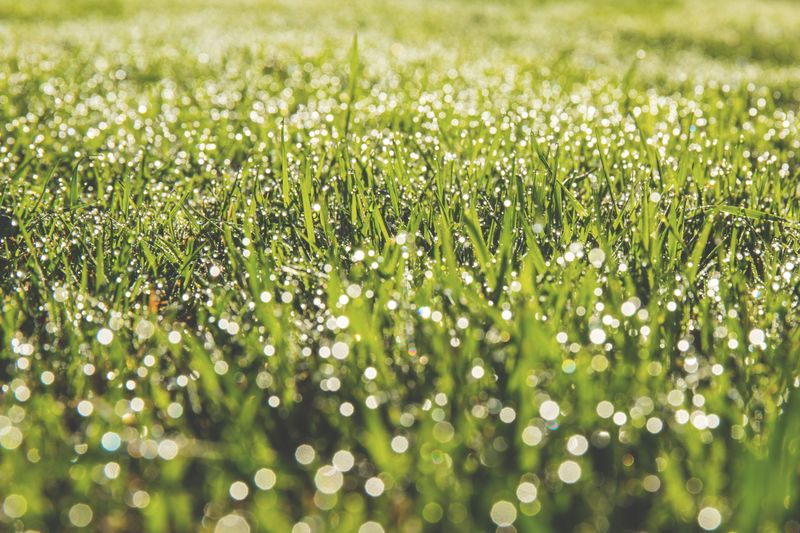
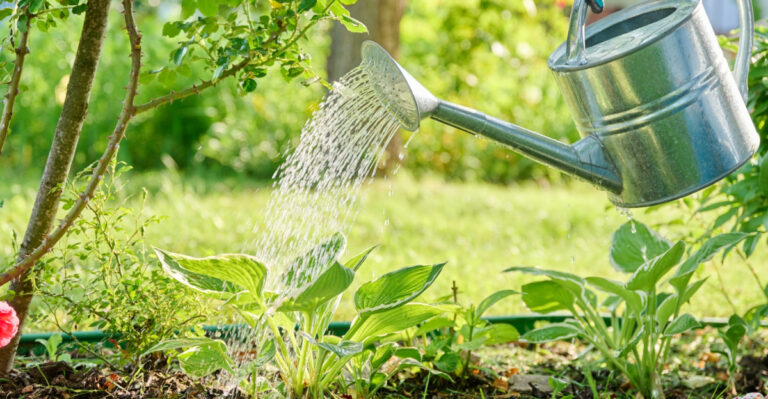
Timing your watering can be the difference between a healthy lawn and a persistent fungal problem. Brown patch fungus loves moisture sitting on grass blades through the night. Watering early gives the sun time to dry things out before evening.
When you water in the morning, the grass absorbs what it needs quickly. The surface dries out within a few hours, leaving no damp environment for spores to spread.
This one change can meaningfully slow fungal growth when combined with other good habits.
Aim to water between 6 a.m. and 10 a.m. for best results. A timer-based sprinkler system makes this easy, even on busy mornings. Set it once and let it do the work for you.
Most lawns in the Midwest only need about one inch of water per week. Overwatering is just as harmful as poor timing, so use a rain gauge to track what your lawn actually receives. Knowing your numbers keeps you ahead of the problem.
If your lawn already shows signs of brown patch fungus, adjusting your watering schedule is the first step. You cannot undo the damage overnight, but you can stop the spread starting today.
Think of morning watering as a key daily defense against disease.
2. Avoid Watering In The Evening Hours

Evening watering is one of the fastest ways to increase the risk of brown patch fungus on your lawn. Grass that stays wet through the night creates conditions that support fungal spore growth.
This is a habit that many homeowners do not realize is causing serious damage. When the sun goes down, temperatures drop and moisture lingers for hours. Fungal spores develop well in these warm, damp, low-light conditions.
Your grass simply cannot dry out fast enough once the sun is gone. Switching from evening to morning watering is one of the simplest changes in lawn care. You do not need any new equipment or products to make this change.
Just shift your schedule and watch your lawn respond within weeks. If you rely on an automatic irrigation system, check what time it is currently set to run. Many systems default to late-night or early-evening cycles for convenience.
Your Illinois Garden Changes Every Week. Your Plan Should Too.
Gardening in Illinois changes quickly throughout the season. Every Friday you’ll receive a simple weekly plan showing exactly what to plant, prune, fertilize, harvest, and protect so you never miss the right timing.
Reprogramming it could help prevent a widespread fungal infection. Brown patch fungus can spread quickly under favorable conditions, especially with prolonged leaf wetness.
Cutting off that moisture source in the evening is one of the smartest moves you can make for long-term lawn health.
3. Mow At The Recommended Height For Your Grass
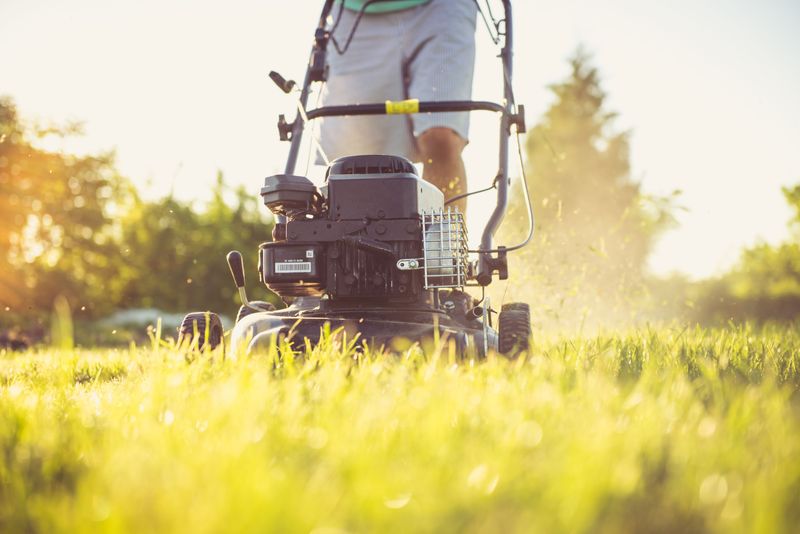
Mowing height matters more than most people realize when fighting lawn disease. Cutting grass too short stresses the plant and makes it far more vulnerable to brown patch fungus.
Taller grass also shades the soil, which helps retain the right amount of moisture without going overboard.
For cool-season grasses common in the Midwest, the ideal mowing height is between 3 and 4 inches. Fescue and bluegrass both perform best when kept on the taller side during summer.
Scalping your lawn might look tidy, but it opens the door to serious problems. Short grass allows more sunlight to hit the soil directly. That sounds good, but it also raises soil temperatures and stresses roots.
Stressed roots mean a weakened lawn that cannot fight off disease on its own. Never cut more than one-third of the grass blade in a single mowing session. This rule is called the one-third rule, and it protects the plant from shock.
Mowing frequently at the right height beats mowing rarely at the wrong one. Check your mower deck height before each season starts. Blades can shift over time, especially after hitting rocks or uneven ground.
A quick adjustment keeps your cuts consistent, helping protect your Illinois lawn against brown patch fungus throughout the season.
4. Sharpen Mower Blades To Prevent Ragged Cuts

Dull mower blades are a hidden threat to your lawn’s health. Instead of cutting grass cleanly, a dull blade tears and shreds the tips of each blade. Those ragged wounds become entry points for brown patch fungus and other diseases.
A sharp blade makes a clean, precise cut that heals quickly. The grass tip closes up fast, leaving little opportunity for pathogens to sneak in. This is one of those details that separates a healthy lawn from a struggling one.
You can tell if your blade is dull by looking at the grass tips after mowing. Healthy cuts leave a clean white line at the tip. Dull cuts leave the tips brown and frayed within a day or two.
Sharpening a mower blade is not complicated, and most hardware stores can do it for a few dollars. At home, a metal file or bench grinder works well for a quick touch-up. Plan to sharpen your blade at least once every two months during mowing season.
Some homeowners keep a spare blade on hand so they can swap it out without any downtime. Clean blades also reduce the chance of spreading fungal spores from one part of the yard to another.
Keeping your equipment sharp is one of the simplest ways to protect against brown patch fungus spreading across your Illinois lawn.
5. Reduce Nitrogen Fertilizer During Hot Humid Months
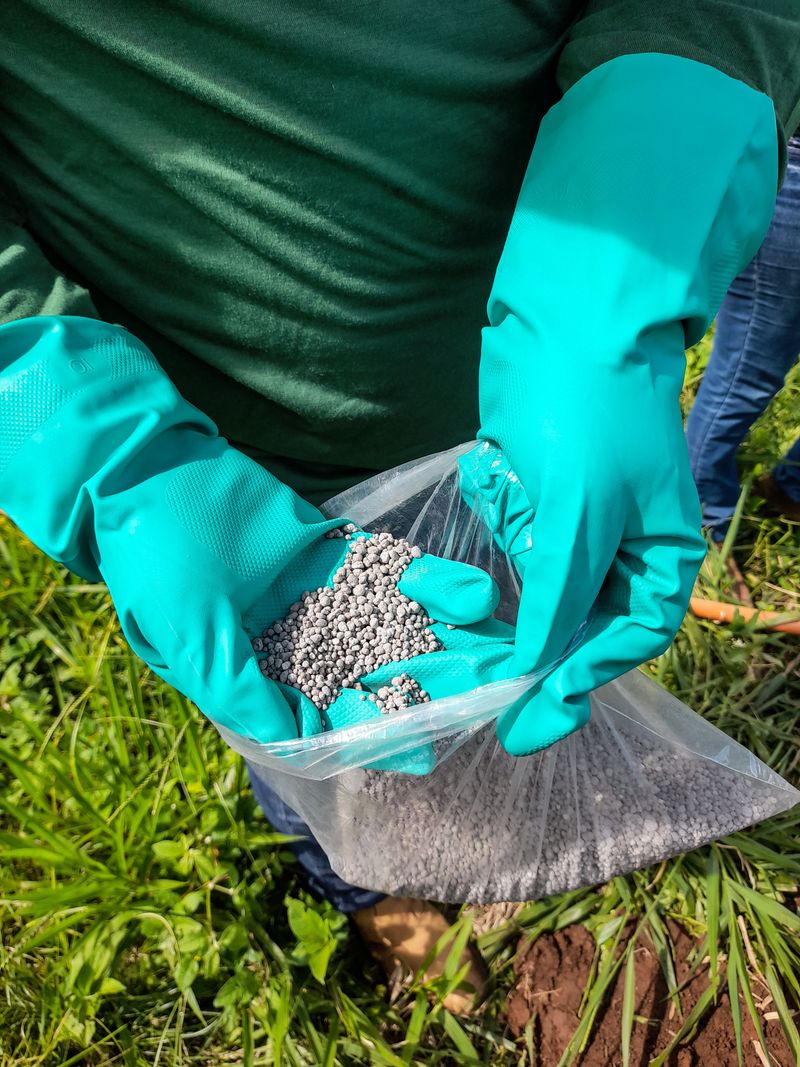
Fertilizing at the wrong time can make brown patch fungus worse in a hurry. High-nitrogen fertilizers push rapid, lush growth that looks impressive but creates soft, disease-prone grass tissue.
During hot and humid months, that soft growth creates conditions that support fungal growth.
Nitrogen is essential for a healthy lawn, but timing is everything. Applying it in late spring before temperatures rise is smart. Spreading it in July or August in a humid Midwest summer increases the risk of disease.
Soft, rapidly growing grass blades have thinner cell walls. Thinner walls mean less resistance to the fungal spores that cause brown patch.
The disease spreads faster through lush, over-fertilized turf than through slower-growing, tougher grass.
Swap heavy nitrogen applications for slow-release or low-nitrogen blends during summer. These products feed your lawn gently without triggering the kind of growth that attracts disease. Read the label carefully and match the product to the season.
A soil test can also tell you exactly what nutrients your lawn needs and when. Many university extension programs in the Midwest offer affordable soil testing kits.
Knowing your soil’s current nitrogen level helps you avoid over-applying and keeps your lawn balanced and better protected against brown patch fungus through the toughest months of the year.
6. Improve Airflow By Dethatching Compacted Areas
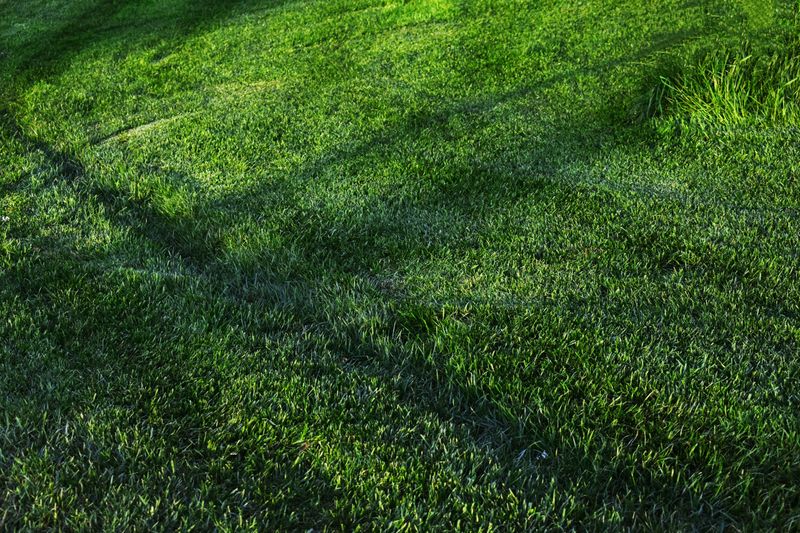
Thatch is the layer of decomposing grass, roots, and debris that builds up between the soil and the green blades above.
A thin layer is harmless, but when it gets thick, it traps moisture and blocks airflow. That combination creates a favorable environment for brown patch fungus to develop.
Poor airflow is one of the biggest factors that allows fungal diseases to take hold. When air cannot move freely through the grass canopy, humidity builds up near the soil. That trapped moisture never dries out, and spores multiply fast.
Dethatching removes that thick, spongy layer and lets air reach the soil again. You can use a dethatching rake for small areas or rent a power dethatcher for larger lawns. Most lawns benefit from dethatching once a year, ideally in early fall or spring.
Core aeration is another powerful tool for compacted lawns. It pulls small plugs of soil out of the ground, creating channels for air, water, and nutrients to move freely. Compacted soil restricts root growth and holds moisture in all the wrong places.
After dethatching or aerating, your Illinois lawn may look rough for a week or two. Stick with it because the long-term benefits are significant.
Better airflow means a drier, tougher lawn that can resist brown patch fungus far more effectively through the sticky Illinois summer months.
7. Apply A Fungicide Labeled For Brown Patch
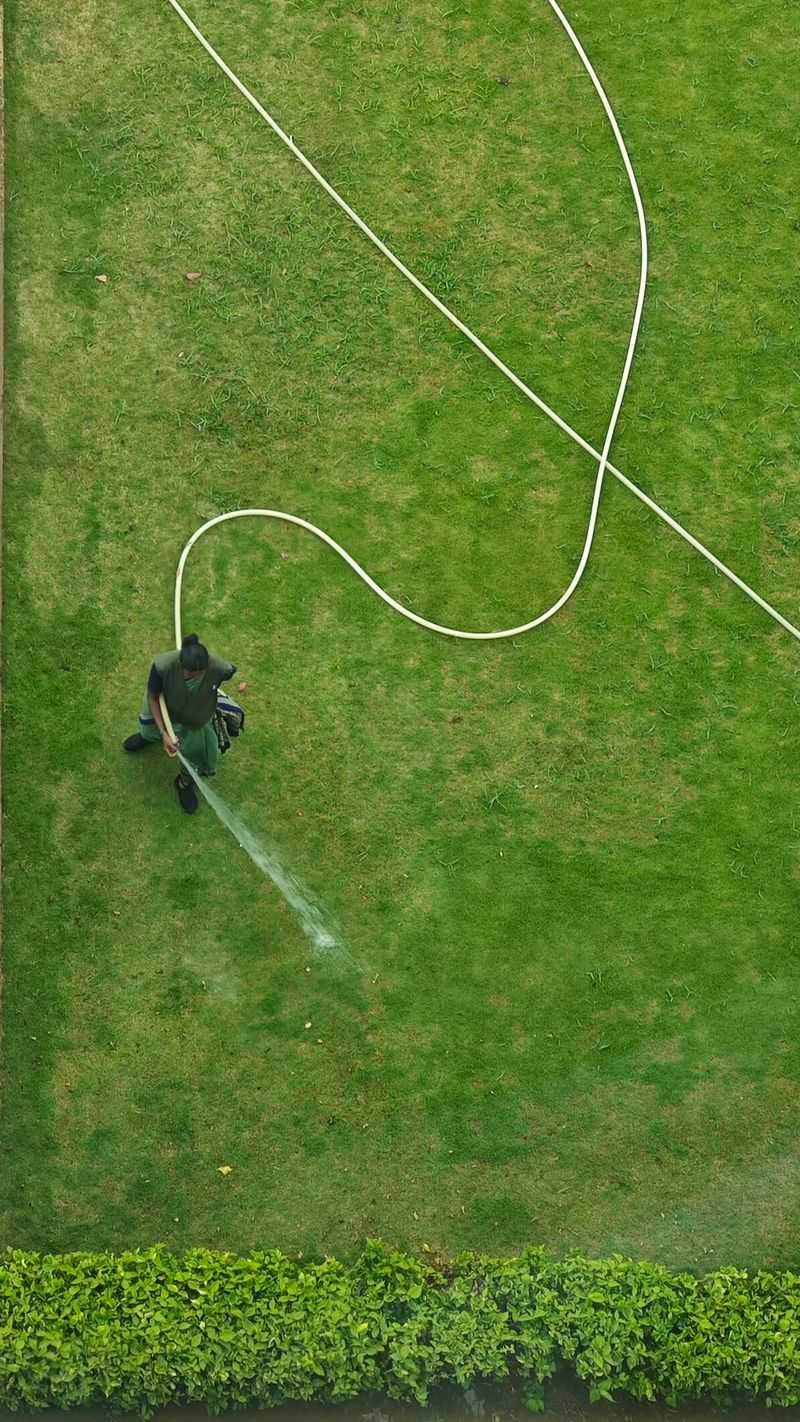
Sometimes good habits are not enough, and a fungicide application may be necessary. A fungicide labeled specifically for brown patch can stop the spread and give your lawn a chance to recover.
Choosing the right product and applying it correctly makes all the difference. Look for active ingredients like azoxystrobin, propiconazole, or thiophanate-methyl on the label.
These compounds target the specific fungal pathogen responsible for brown patch. Generic or broad-spectrum fungicides may not provide the same level of control.
Always follow the label instructions carefully, including mixing rates and application frequency. Overapplying does not speed up results and can harm your lawn or nearby plants. The label is the law, so read every word before you start.
Apply fungicide when conditions favor disease, such as when temperatures stay above 80 degrees and humidity is high. Early treatment is far more effective than waiting until the damage is severe. Once the patches are large, recovery takes much longer.
Rotate between two different fungicide types if you need to apply more than once in a season. Using the same active ingredient repeatedly can lead to fungal resistance over time.
Staying one step ahead of brown patch fungus means being strategic, not just reactive, and a well-timed fungicide application can save weeks of recovery time for your lawn.
8. Space Plants To Reduce Excess Shade And Moisture
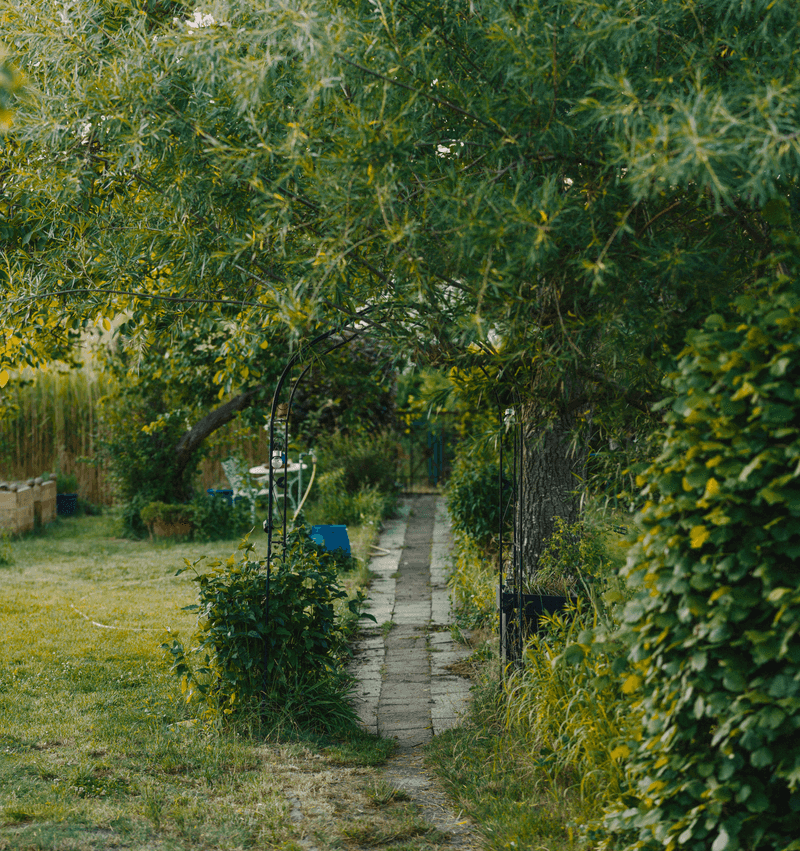
Overcrowded plants and shrubs along your lawn’s edges create shady, damp microclimates that brown patch fungus absolutely loves.
When sunlight cannot reach the grass, moisture stays trapped for hours longer than it should. That slow-drying environment gives spores the perfect conditions to spread.
Walk around your yard and look for areas where plants are bunched together tightly. Dense shrubs, overgrown ornamentals, and unpruned hedges can block airflow and cast deep shade on nearby grass. Even a few feet of breathing room can make a big difference.
Trimming back overgrown plants improves both sunlight penetration and air circulation at the same time.
You do not need to remove anything permanently, just shape and thin what you already have. A seasonal pruning session keeps your yard healthier from the ground up.
Consider the long-term growth habits of any new plants you add near your Illinois lawn. Fast-growing shrubs can go from manageable to lawn-shading in just one or two seasons.
Choosing compact or slow-growing varieties near grass edges reduces future maintenance headaches.
Grass growing under heavy shade is already stressed before fungal spores even arrive. Stressed grass has a weaker immune response and cannot fight off brown patch fungus the way healthy turf can.
Giving your lawn more light and airflow is one of the most underrated strategies for keeping this disease from spreading across your yard season after season.
9. Spot-Treat Affected Areas Before The Fungus Spreads Further
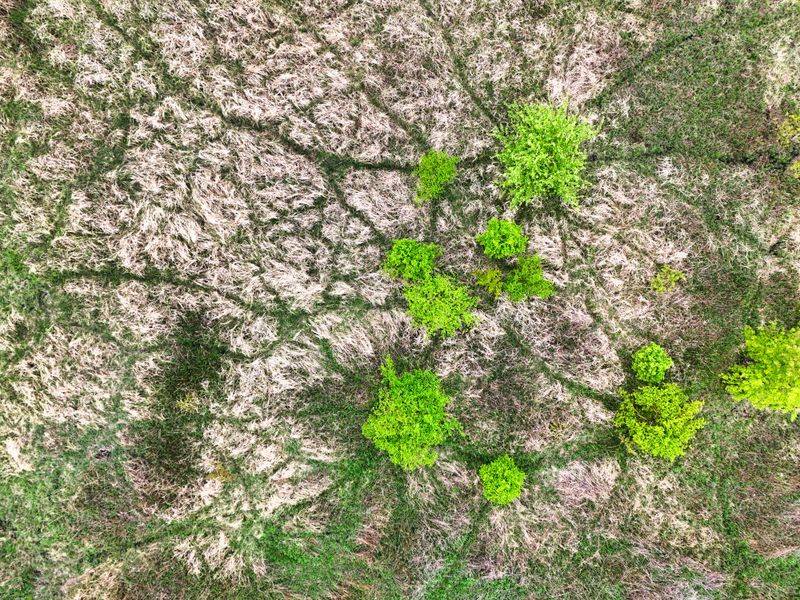
Catching brown patch fungus early is the fastest way to protect the rest of your Illinois lawn. Spot-treating affected areas before the disease spreads can save you weeks of recovery time.
A small circle of damaged turf is much easier to manage than a yard full of patches. When you first notice a circular area of tan or brown grass, act the same day. Use a fungicide spray directly on the affected zone and a buffer area around it.
That buffer zone matters because spores often travel beyond what the eye can see. Mark the edges of the patch with stakes or small flags so you can track whether it is growing.
Checking back every two to three days gives you real data on whether your treatment is working. If the patch keeps expanding, it may be time to switch products or call a professional.
Avoid walking through infected areas and then onto healthy grass. Spores can hitch a ride on your shoes and spread the disease further with every step.
Cleaning your mower deck after mowing infected sections also reduces cross-contamination.
Spot-treating is not a one-and-done solution, but it is a powerful first line of defense. Pairing it with the other strategies in this guide creates a layered approach that improves your lawn’s chances of recovery.
Fighting brown patch fungus early and consistently is one of the most effective ways to protect your lawn all season long.