What It Really Means When Deer Suddenly Avoid Your Pennsylvania Garden
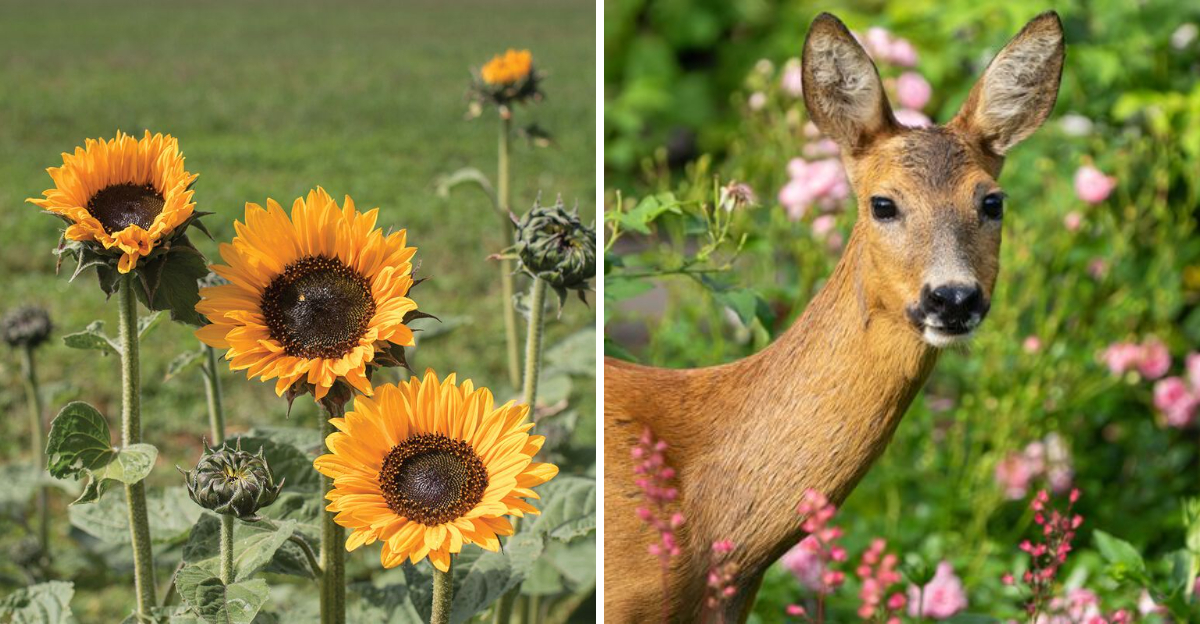
If deer have been a regular problem in your Pennsylvania garden and then suddenly stop showing up, the first reaction is usually relief. And the relief is completely warranted.
But if you haven’t changed anything obvious, no new fencing, no new spray routine, no significant landscaping changes, then the question worth asking is what actually changed. Because deer don’t alter established patterns without a reason.
Something shifted. And knowing what it is matters. A sudden change in deer behavior around your property can signal something genuinely important about the local environment. Sometimes it’s good news.
Sometimes it’s information that deserves attention before whatever is keeping the deer away creates a different problem. And occasionally it points to something happening in the broader landscape that affects your yard in ways that go beyond deer pressure alone.
Pennsylvania deer are creatures of deeply ingrained habit, and when those habits break, the cause is usually real and identifiable.
Here’s what it typically means when deer suddenly stop visiting a Pennsylvania garden they’ve been raiding for months and what to make of each possible explanation.
1. Your Plant Choices May Have Shifted The Balance
Most gardeners don’t realize just how powerful plant selection can be when it comes to keeping deer away. What actually keeps deer away consistently is a garden built around plants they find genuinely offensive in scent, texture, or taste.
We’re not talking about plants that are just mildly unappealing. We’re talking about the ones that make deer turn their noses up and walk the other way.
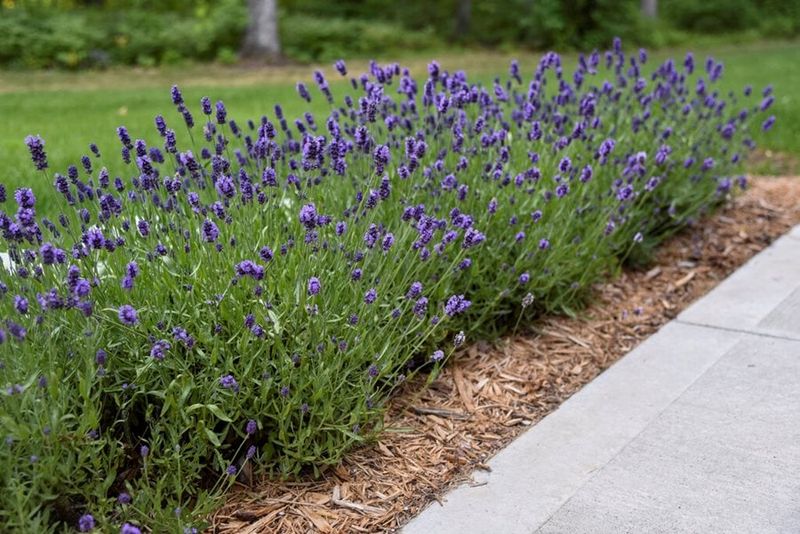
Plants like lavender, yarrow, Russian sage, and ornamental grasses are classic examples. Deer tend to avoid strong-smelling herbs and plants with fuzzy or prickly textures.
Once your garden beds are built around those kinds of plants, browsing can drop off fast. The change can be so noticeable that it almost seems like something else caused it.
If you’ve recently added new borders, swapped out tulips or hostas for deer-resistant varieties, or redesigned part of your yard, that shift in plant selection may be the whole story. Deer are creatures of habit.
They return to spots where they’ve found good food before. When that food disappears and gets replaced by plants they dislike, they stop coming back.
It’s also worth thinking about which plants you removed. Hostas, roses, daylilies, and arborvitae are like candy to deer in Pennsylvania.
If any of those were part of your garden before and you’ve taken them out, you may have pulled away the main reason deer were visiting in the first place.
Rebuilding your garden around genuinely deer-resistant plants is one of the most reliable long-term strategies you can use, and the results often speak for themselves faster than most homeowners expect.
2. You May Have Removed An Accidental Food Source
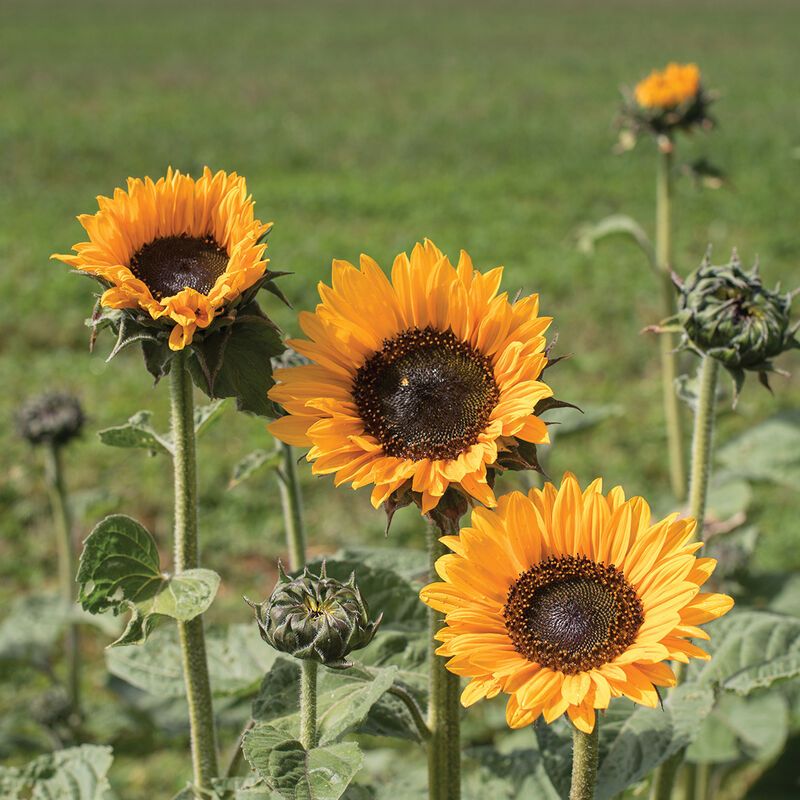
Here’s something a lot of homeowners don’t think about: bird feeders accidentally feed deer too. Deer are surprisingly resourceful when it comes to finding easy meals.
Your Pennsylvania Garden Changes Every Week. Your Plan Should Too.
Gardening in Pennsylvania changes quickly throughout the season. Every Friday you’ll receive a simple weekly plan showing exactly what to plant, prune, fertilize, harvest, and protect so you never miss the right timing.
They can stretch up to reach hanging feeders, and they’re more than happy to eat whatever seed has fallen to the ground below.
Sunflower seeds, cracked corn, and mixed birdseed are all things deer will eat without hesitation. If your feeder has been sitting in the same spot for a while, there’s a good chance it became a regular stop on a local deer’s route.
Moving the feeder, switching to a style deer can’t reach, or simply cleaning up fallen seed more regularly can quietly remove a draw you didn’t even know you had.
Fruit trees are another big one. Apples, pears, and crabapples that drop fruit in late summer and fall can pull deer into your yard like a magnet.
If you’ve cleaned up fallen fruit more consistently this season, or if the fruit drop was lighter than usual this year, that alone could explain why deer have stopped showing up.
Even vegetable gardens that have been harvested and cleared can remove a food source deer were quietly counting on. Once the tomatoes, beans, and lettuce are gone, there’s simply less reason for deer to make the trip.
Removing accidental food sources is actually one of the most effective ways to reduce deer pressure, and many people do it without fully realizing they’ve done it. If your yard feels quieter lately, take a good look around and think about what food source may no longer be there.
3. Natural Food Elsewhere May Have Become More Abundant
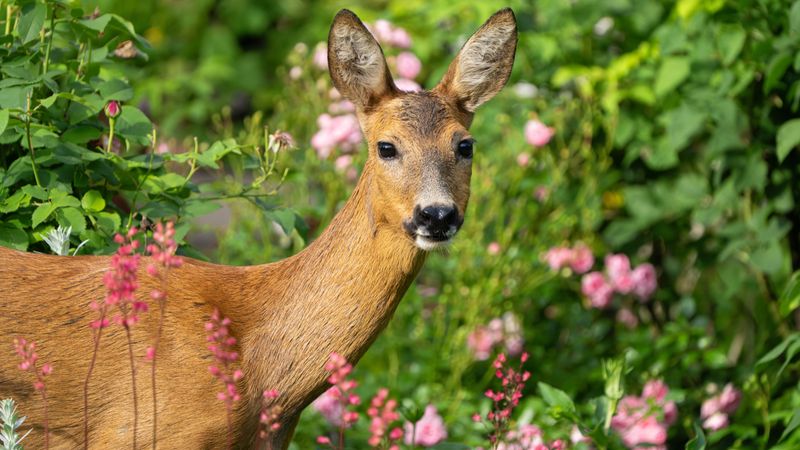
Deer don’t visit your garden because they like your landscaping. They visit because they find food there.
So when the natural world around your property suddenly offers something better, deer will follow that food without a second thought. That’s just how they operate.
Late summer and fall in Pennsylvania bring a big shift in what’s available out in the wild. Acorns start dropping from oak trees, wild berries ripen, and natural browse becomes more plentiful in wooded areas and field edges.
For deer, this is like a seasonal buffet opening up just down the road. Your garden simply can’t compete with that kind of abundance.
This is one of the most common reasons deer seem to vanish from yards in September and October. It’s not that your garden changed.
It’s that the woods got more interesting. Deer are always looking for the easiest, most nutritious meal available, and acorns in particular are a high-calorie food they actively seek out in fall to build up fat reserves before winter.
If you live near wooded land, a forest edge, or even a park with mature oak trees, this seasonal shift in natural food availability can pull deer completely off your property for weeks at a time. It’s a natural pattern that repeats every year.
The good news is that understanding this rhythm can help you predict when deer pressure is likely to return. Once natural food gets scarce again in late winter, deer will start looking toward yards and gardens again.
Knowing that cycle lets you plan ahead and make sure your defenses are ready before the pressure picks back up.
4. Increased Predator Or Dog Activity Nearby
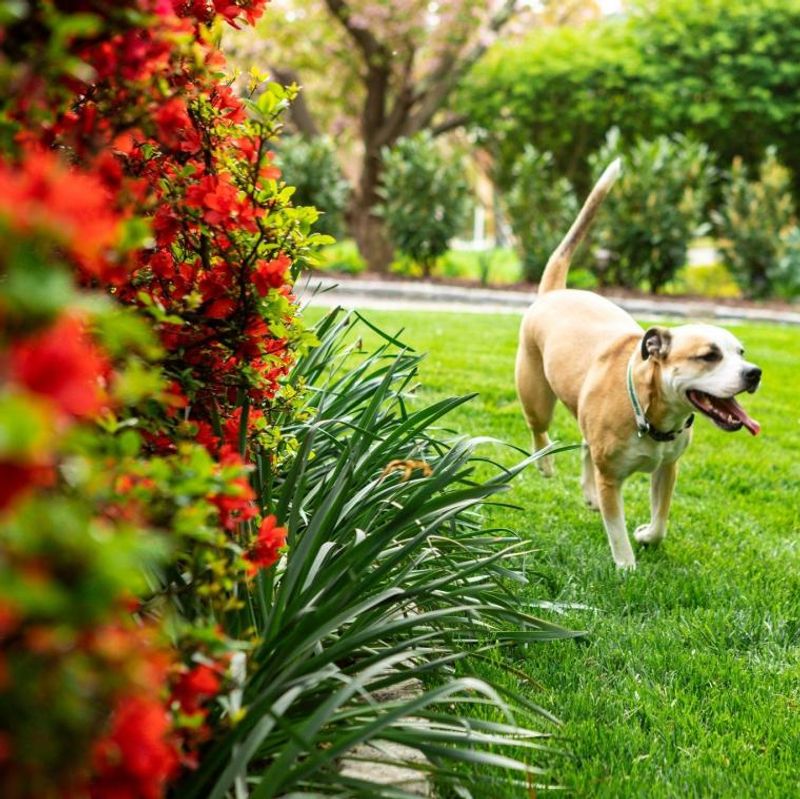
Deer are prey animals, and they know it. Their survival depends on reading their environment carefully and avoiding anything that signals danger.
When something changes in or near your yard that feels threatening to them, they don’t stick around to figure out what it is. They simply go somewhere quieter.
Dogs are one of the most effective natural deer deterrents out there. A dog that spends regular time in the yard, barks at the fence line, or patrols the garden area sends a clear message to deer: this place is not safe.
Even the scent of a dog can be enough to make deer uncomfortable and redirect them elsewhere. If a neighbor recently got a dog, or if you’ve started letting your own dog out more often, that change could be the whole reason deer have backed off.
Coyotes are another factor worth considering. Pennsylvania has a healthy and growing coyote population, and when coyote activity increases in an area, deer behavior shifts noticeably.
Deer become more cautious, more alert, and much more selective about where they spend time. Open yards with little cover suddenly feel like risky territory.
Increased human activity can have a similar effect. If you’ve been spending more time outside, doing yard work, hosting gatherings, or just moving around the property more than usual, deer will pick up on that and adjust their patterns.
They’re not bold animals when they sense regular human presence. Even something as simple as a motion-activated light or sprinkler can make deer feel watched and unwelcome.
Sometimes the most effective deer deterrent isn’t a product at all. It’s simply more activity in your yard on a regular basis.
5. It May Line Up With Seasonal Behavior Changes
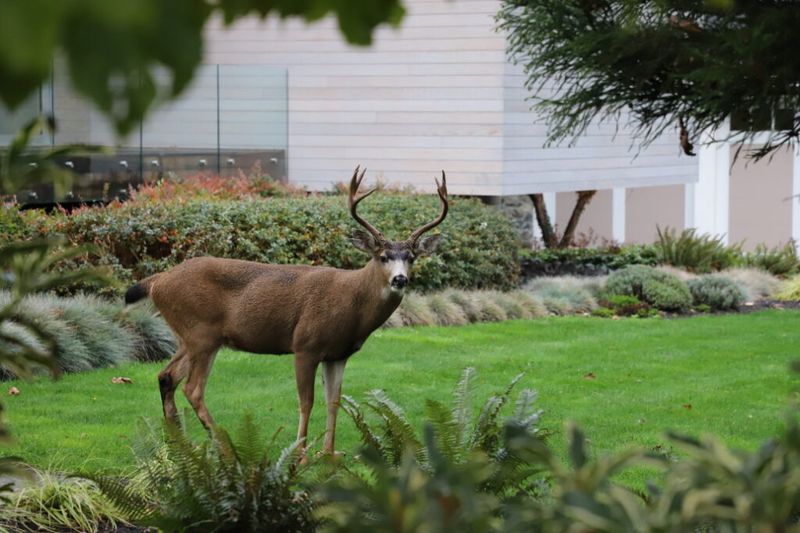
Deer don’t follow the same schedule all year long. Their movement patterns shift with the seasons in ways that have nothing to do with your garden specifically.
If the timing of their disappearance lines up with certain times of year, seasonal behavior is probably the answer.
The fall rut is one of the biggest drivers of deer movement changes in Pennsylvania. Bucks start moving differently in October and November as breeding season kicks in.
They cover more ground, follow different routes, and behave in ways that can seem unpredictable. Does also shift their patterns during this time.
The result is that deer you’ve seen regularly all summer can suddenly seem to vanish as the rut begins and animals move into different areas.
Hunting season adds another layer. Pennsylvania has one of the largest deer hunting programs in the country, and hunting pressure, especially during rifle season in November and December, pushes deer into thicker cover and away from open residential areas.
Deer that were comfortable cutting through your yard in September may become much more cautious and reclusive once hunters are in the field nearby.
Spring and early summer also bring their own shifts. Fawning season causes does to become more secretive and territorial.
Deer may avoid areas they used to frequent simply because their behavior is focused elsewhere during that time. These seasonal rhythms are deeply wired into deer behavior.
They happen every year on a fairly predictable schedule. If you track when deer disappeared from your yard and match it against the Pennsylvania hunting calendar or the rut timeline, there’s a good chance you’ll find a clear connection that explains the change without any other factors involved.
6. It’s Likely Temporary, Not Permanent
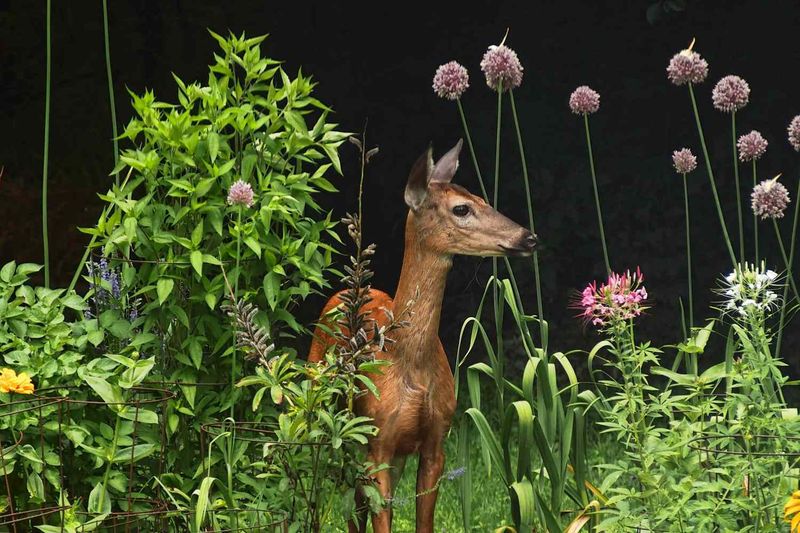
Enjoy the quiet while it lasts, because chances are it won’t last forever. Deer are incredibly adaptable animals, and they eat an enormous variety of plants.
Almost every yard has something that appeals to them at one point or another. A calm stretch in deer activity is worth appreciating, but it’s smart to stay prepared for their return.
Repellents and behavioral shifts tend to wear off over time. Spray repellents need to be reapplied regularly, especially after rain.
Motion-activated devices can lose their effectiveness once deer figure out they aren’t actually dangerous.
Even changes in plant selection can lose some of their power if deer become hungry enough or if new deer move into the area who haven’t learned to avoid your garden yet.
Winter is when deer pressure in Pennsylvania typically gets most intense. Once natural food sources are buried under snow or fully depleted, deer become much less picky.
They’ll eat plants they’d normally avoid and push into yards they’ve left alone for months. Arborvitae, yews, and young fruit trees are especially vulnerable during late winter when deer are hungry and food is scarce.
The best approach is to use a quiet period as an opportunity to strengthen your defenses. Consider adding more deer-resistant plants, refreshing any repellent barriers, and checking your fencing for weak spots.
A temporary break in deer visits doesn’t mean the problem is solved. It means you have a window of time to make your garden harder to access before the pressure returns.
Staying proactive during calm stretches is what separates gardens that stay protected long-term from those that get hit hard every single winter season.