New Jersey Gardens Are Dealing With A Cucumber Disease This Summer
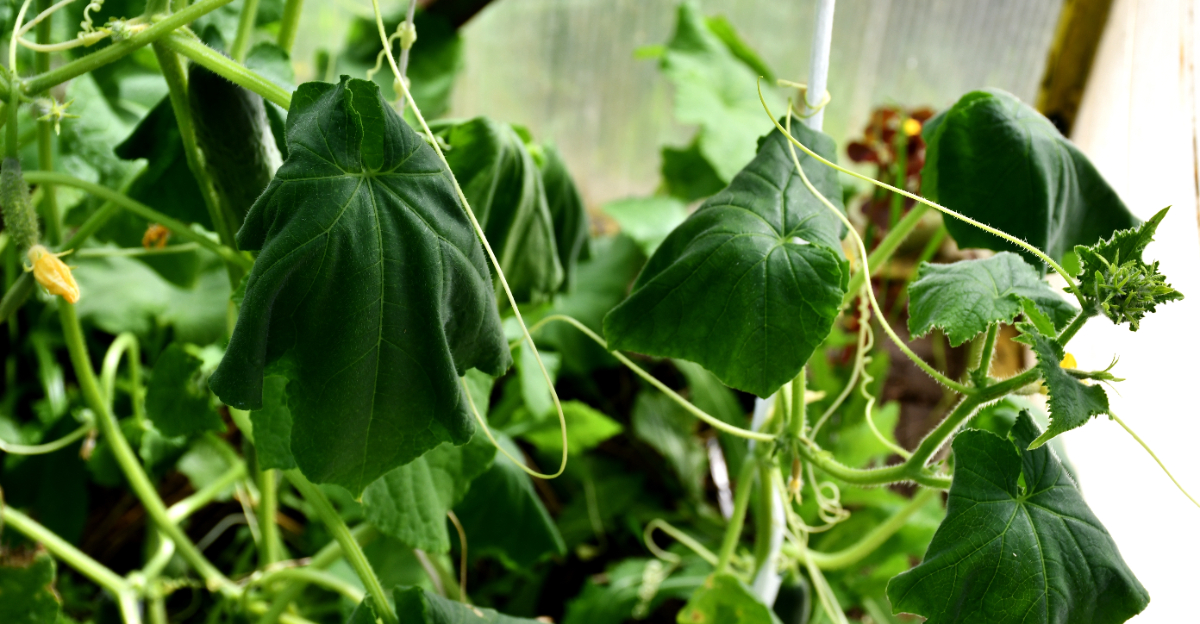
Cucumbers thriving on Monday can be struggling by Friday. Bacteria hiding inside beetles are quietly damaging your entire garden.
Farmers across New Jersey are watching healthy vines decline fast. Wilting spreads through your plants faster than you can react.
Leaves yellow, stems clog, and your harvest disappears in days. Nothing warns you before the damage becomes hard to undo.
Gardeners feel surprised because symptoms hide until it’s too late. New Jersey’s humid summer is fueling this outbreak quickly.
Every infected beetle can carry enough bacteria to end your season. Understanding the threat matters more than worrying over your losses.
Questions are piling up faster than you can find answers. Answers exist, but they demand your full, undivided attention immediately.
This isn’t some distant problem confined only to rural farms. Home growers everywhere are facing the exact same threat now. You will want to see what your cucumbers are facing next.
Bacterial Wilt Is A Growing Concern In New Jersey Gardens
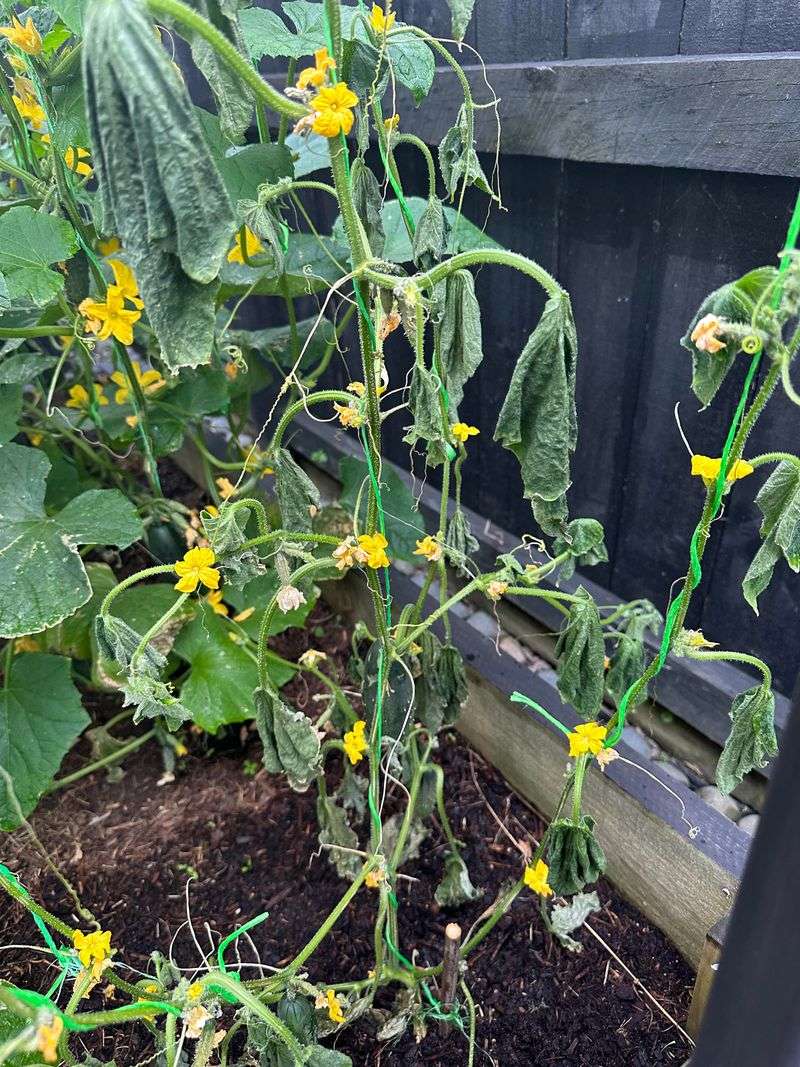
Cucumber patches across the state are showing signs of bacterial wilt. Bacterial wilt is spreading through cucumber patches, sometimes faster than gardeners expect.
This disease is caused by a bacteria called Erwinia tracheiphila. It clogs the water-carrying tubes inside cucumber plants, cutting off their ability to hydrate.
Once a plant is infected, water cannot travel from the roots to the leaves. The whole vine begins to decline, often within days of the first symptoms appearing.
Warm summers with mild winters create favorable conditions for the insects that spread this bacteria. Warm, humid conditions like these can contribute to increased beetle activity in a given season.
The bacteria does not travel through the soil or water like some plant diseases. Instead, it depends entirely on a specific insect to carry it from plant to plant.
That makes bacterial wilt unlike most garden diseases you have probably dealt with before. You cannot simply water less or adjust your fertilizer to stop it.
Some home gardeners across the state have reported losses this season. Home gardeners are seeing similar results in their own backyards.
Catching the problem early gives you the best shot at protecting healthy plants nearby. Acting quickly gives nearby plants the best chance of staying protected.
Cucumber Beetles Are The Real Culprit Behind This Disease
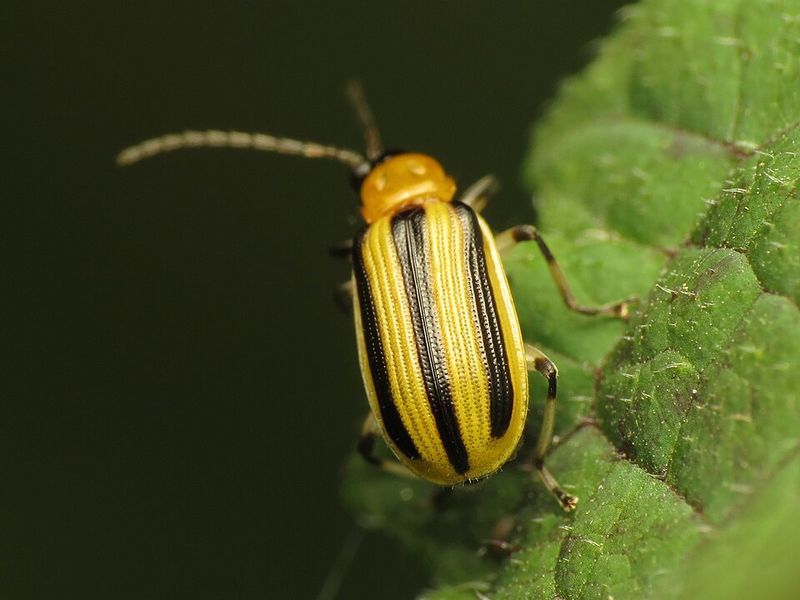
Small but highly effective at spreading disease, the cucumber beetle is the primary vector behind this outbreak. Without this insect, bacterial wilt could not spread at all.
Two types of cucumber beetles cause trouble in New Jersey gardens. The striped cucumber beetle and the spotted cucumber beetle both carry Erwinia tracheiphila in their digestive systems.
When a beetle feeds on a healthy plant, it leaves bacteria behind in its droppings. Those droppings get rubbed into small wounds on the leaf, and infection begins.
One beetle can infect multiple plants in a single afternoon of feeding. That is why outbreaks can seem to spread quickly across an entire garden bed.
Cucumber beetles overwinter in leaf litter and weedy patches near garden edges. Mild winters mean more beetles survive to emerge hungry and active in spring.
Adult beetles show up right when cucumber seedlings are at their most vulnerable stage. Young plants with tender leaves are especially easy targets for heavy feeding damage.
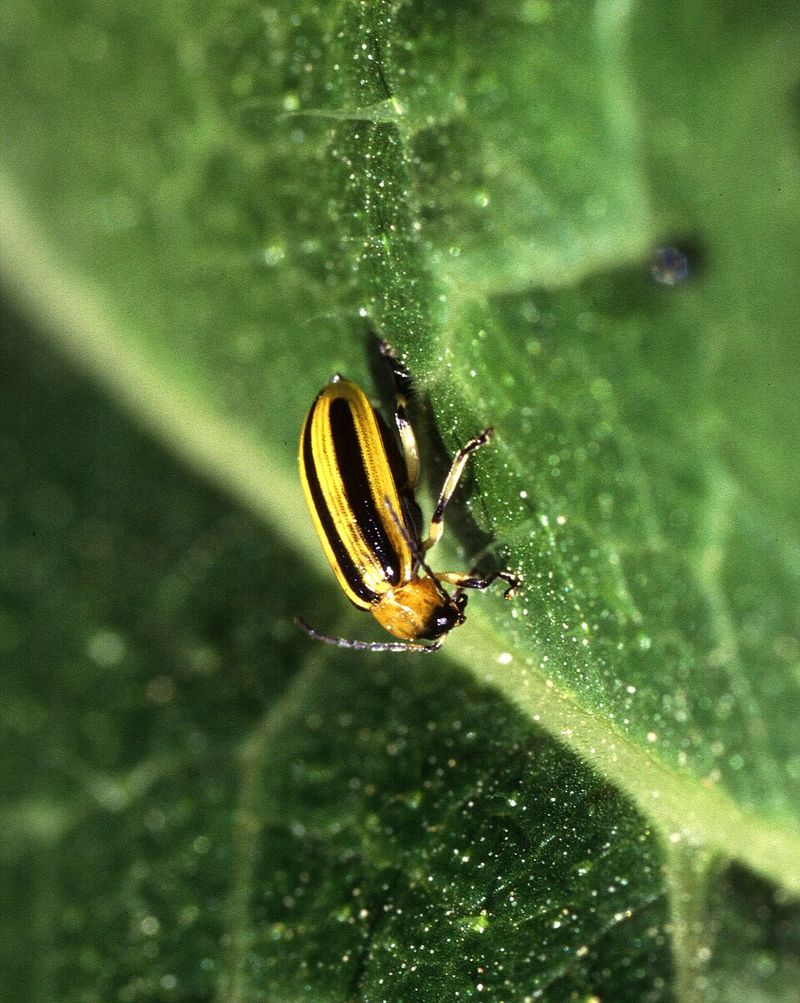
The beetles are not hard to spot once you know what to look for. Striped beetles have bold yellow and black lines running down their backs, about a quarter-inch long.
Spotted beetles look similar but carry round black dots instead of stripes. Both species are fast movers and will drop to the soil quickly when disturbed.
Knowing your enemy changes how you approach protecting your garden. The cucumber beetle is small, but its impact on your harvest can be significant.
Wilting Vines Are The First Sign Something Is Wrong
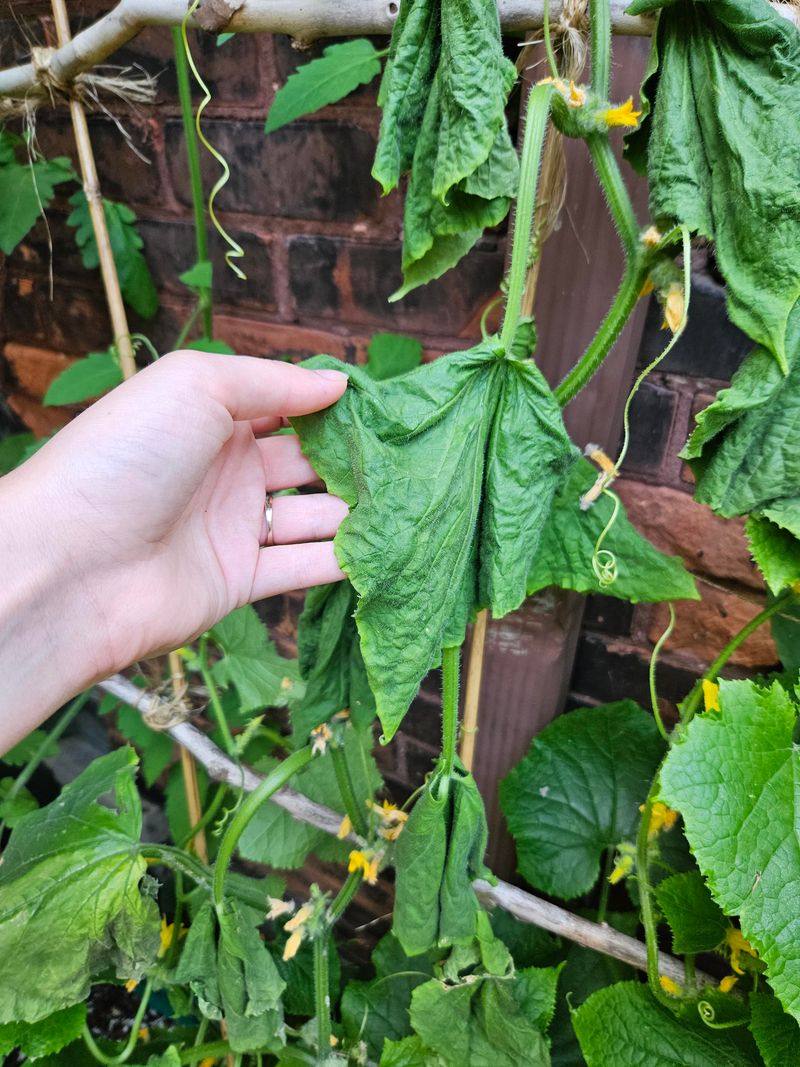
Your cucumber plant looked fine yesterday morning. Now one stem is drooping like it forgot how to stand up, and that is your warning sign.
Bacterial wilt often starts in a single stem or branch before spreading to the whole plant. That early, localized wilting is easy to miss if you are not paying close attention.
A quick field test can help you figure out if wilt is the cause. Cut a wilting stem near the base and press the two cut ends together slowly, then pull them apart.
If you see thin, thread-like strands stretching between the cut ends, bacterial wilt is almost certainly present. Healthy stems will not produce that sticky, web-like residue.
Leaves may also show a dull, grayish-green color before they begin to droop noticeably. Some gardeners mistake this early stage for simple heat stress or underwatering.
That misdiagnosis wastes precious time when fast action could protect neighboring plants. Checking the stem with the cut test takes less than a minute and gives you real answers.
As the disease advances, the wilting becomes permanent and spreads to the entire vine. No amount of watering will perk up a plant that has bacterial wilt in its vascular system.
Plants infected with bacterial wilt rarely show discoloration or rot on the outside. The damage is happening inside the stem, hidden from plain view until decline is near.
Pay close attention when something looks off in the garden. Early detection significantly improves your chances of protecting the rest of your plants.
How This Disease Takes Down Plants So Quickly
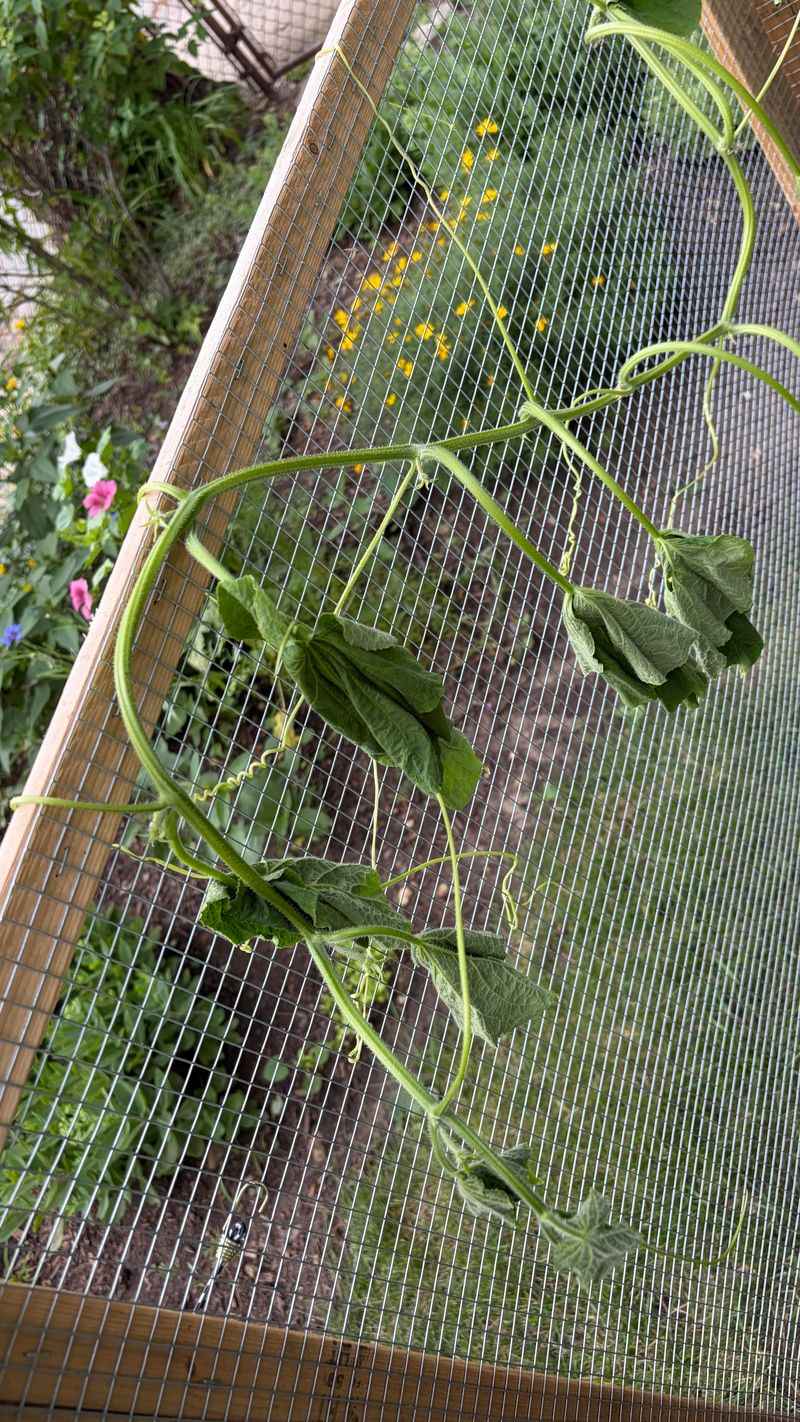
Speed is what makes bacterial wilt so notable to gardeners who have never dealt with it before. A plant can go from healthy to fully wilted in under a week.
Once the bacteria enter the plant through beetle feeding wounds, they multiply rapidly inside the vascular tissue. That tissue is the plant’s internal highway for moving water and nutrients.
As bacteria multiply, they produce a thick, sticky slime that physically blocks water flow. The plant essentially experiences a slow internal shutdown, unable to move moisture to its leaves.
Leaves wilt first because they are the farthest from the water source in the roots. The plant tries to compensate, but the blockage is too severe to overcome.
Cooler morning temperatures may cause a wilted plant to perk up slightly, which can confuse gardeners. By afternoon, when heat peaks, the wilting returns and looks even worse than before.
That back-and-forth pattern is a classic early sign that bacterial wilt is at work. Do not let a brief morning recovery fool you into thinking the plant is healing on its own.
The bacteria also spread through the plant from the original infection point outward. Each new stem and branch becomes colonized as the disease progresses through the vascular network.
There is no treatment that reverses bacterial wilt once a plant is fully infected. Once symptoms are advanced, the plant typically cannot recover.
Understanding the mechanics helps you act faster and smarter. Knowing how wilt works helps you respond with a clear plan.
Steps To Protect Your Cucumbers Before Beetles Strike
Prevention is where you actually gain the advantage. Waiting until beetles arrive and plants start wilting makes prevention much harder.
Row covers are one of the most effective tools available to home gardeners. These lightweight fabric barriers let in sunlight and water while physically blocking beetles from reaching your plants.
Install row covers right after transplanting or germination, before beetles have any chance to feed. Remove them only when flowers appear and need pollination from bees.
Yellow sticky traps placed near garden beds help you monitor beetle populations early in the season. A sudden spike in trapped beetles is your signal to take protective action soon.
Kaolin clay is a natural mineral powder you can spray directly onto plant leaves. It creates a gritty coating that irritates beetles and discourages feeding without harming the plant.
Neem oil sprays applied in the evening can also reduce beetle feeding activity. Reapply after rain since moisture washes the coating away and reduces its effectiveness.
Planting resistant cucumber varieties adds another layer of defense to your strategy. Varieties like Marketmore 76 are commonly recommended for better tolerance to beetle feeding pressure.
Rotating your cucumber planting location each year reduces beetle populations near your beds. Beetles that overwinter near last year’s garden will emerge looking for plants in the wrong spot.
A multi-layered approach works far better than relying on any single method. Stack your defenses and check your plants regularly during peak beetle season.
What To Do If Your Plants Are Already Infected
Finding bacterial wilt in your garden is discouraging, but acting quickly helps protect the plants you still have. Acting fast protects the plants that are still healthy.
Remove infected plants immediately and completely. Pull the entire vine, roots and all, and place it directly into a sealed plastic bag before carrying it out of the garden.
Never compost plants infected with bacterial wilt. The bacteria can survive in plant debris and potentially spread further if decomposing material contacts healthy garden soil.
After removing a sick plant, check every neighboring cucumber immediately using the stem-cut test described earlier. Catching a second infection before it progresses can save the rest of your crop.
Sanitize any tools you used to handle infected plants before touching healthy ones. A simple wipe-down with diluted bleach solution is enough to prevent accidental spread on blades and handles.
Focus your remaining beetle control efforts on the plants that are still standing. Applying kaolin clay or neem oil to healthy vines right after removing infected ones creates a protective barrier.
Consider replanting with a resistant variety if you still have time in the growing season. Late summer plantings of fast-maturing cucumbers can sometimes recover part of a lost harvest.
Some gardeners find success with succession planting, starting new seeds every few weeks. Staggered plantings mean that if one round gets hit, another round is still coming up strong.
Losing plants to bacterial wilt is tough, but a solid recovery plan can still save part of your harvest. There’s still time to protect what’s left of your cucumber season.