The July Yard Habits That Attract More Ticks In Virginia
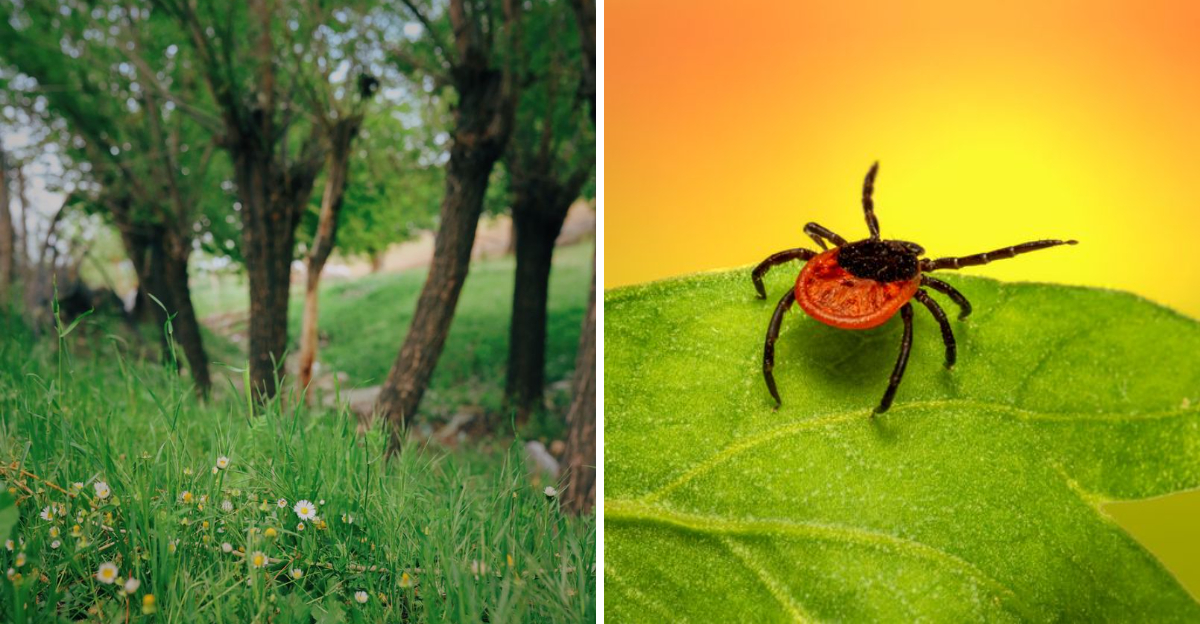
Tick activity is closer than most homeowners realize this week. Virginia’s warm months make lawns more hospitable to ticks.
Ticks never announce themselves before invading your space. Your habits, not luck, decide who gets bitten.
Tall grass near your porch invites trouble fast. Pets carry these hitchhikers straight into your home.
Summer heat keeps your risk climbing every day. Bites often happen without any warning sign at all.
Lyme disease risk rises along with tick activity. Awareness alone won’t protect you from real danger.
Simple changes outside can stop ticks before contact. Ignoring this risk can lead to costly treatment later.
Some ticks close to your home carry several diseases. Backyards near woods face the highest exposure for you.
Kids and pets face the greatest risk here. Tick populations have expanded across much of Virginia in recent years.
Prevention costs you far less than treatment later. Understanding these habits changes how you manage tick risk outside.
1. Ignoring Deer Traffic Through Unfenced Yards
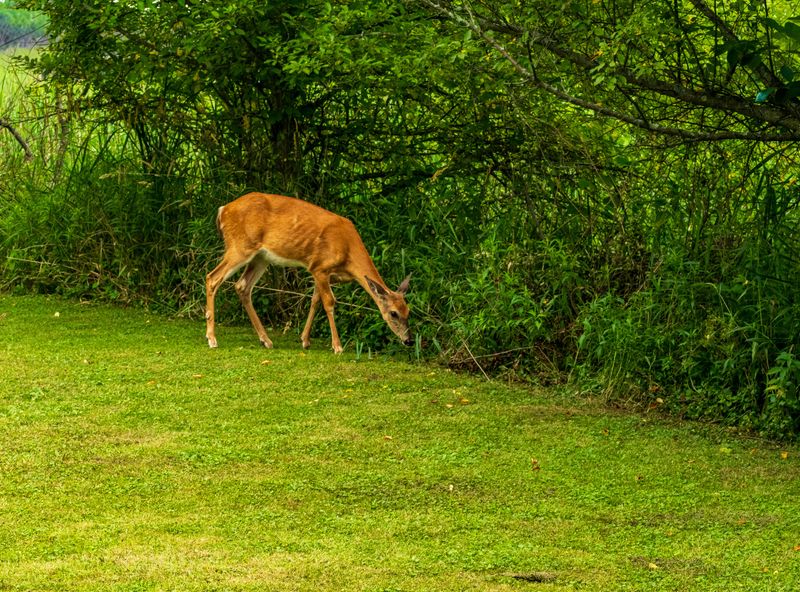
Deer are a common sight, but they also carry ticks into your yard. A single deer can carry dozens of ticks at once, scattering them across your lawn with every visit.
Virginia has a substantial white-tailed deer population, common to much of the eastern United States. Suburban neighborhoods near wooded areas see deer traffic almost every single night.
Deer ticks, also called black-legged ticks, are the species most associated with Lyme disease transmission. When deer walk through your yard, they leave behind ticks at every step of their path.
Fencing is the most effective long-term solution, but it requires an investment. A tall fence, generally at least seven feet, is typically recommended to help deter deer from entering.
If full fencing is not an option, deer-repellent plants around the perimeter can reduce how often deer wander in. Plants like lavender and rosemary are generally unappealing to deer.
Motion-activated sprinklers are another low-cost option that startles deer without harming them. Consistency matters because deer are creatures of habit and will return to familiar routes.
Tracking where deer enter your property helps you target your defenses effectively. The July yard habits that attract more ticks in Virginia often involve ignoring wildlife patterns that are hiding in plain sight.
2. Stacking Firewood Directly Against The House

Firewood stacked against the house is a cozy setup, but not just for winter nights. Ticks and the rodents that carry them find wood piles irresistible.
Mice and chipmunks burrow into loose firewood stacks, and where rodents go, ticks follow. Those ticks then have a short walk right into your home or onto your porch.
Keeping the wood pile pressed against your siding makes the problem even worse. The shaded, humid gap between wood and wall is a perfect tick resting zone.
Moving your firewood stack well away from the house, ideally by twenty feet or more, helps reduce tick pressure near entryways. Elevation helps too because ticks prefer ground-level, dark, moist spaces.
Stack wood on a rack that lifts it off the soil. Sunlight exposure dries out the pile and makes it far less attractive to nesting critters.
Covering the top of the stack with a tarp keeps rain out but leave the sides open for airflow. A dry wood pile is a less inviting wood pile for pests.
This one habit change can reduce the number of ticks near your back door significantly. Small adjustments to storage habits protect your family without requiring any expensive treatments.
3. Letting Grass Grow Too Tall Near Tree Lines

Tall grass near tree lines is basically a tick hotel. Ticks love to climb tall blades and wait for a warm body to brush past them.
This behavior is called questing, and it happens most often in grass that grows past ankle height. Your tree line is already a tick hotspot because it borders wildlife habitat like deer trails and rodent burrows.
Mice, squirrels, and deer move through that edge daily, dropping ticks along the way without you ever noticing.
When grass grows tall right at that edge, you are connecting two tick-friendly zones into one giant feeding ground.
Wildlife brings ticks in, tall grass holds them, and your family walks straight through the middle. Mowing that transitional strip regularly breaks the bridge between wild and domestic space before it forms at all.
Aim to keep grass near tree lines low and tight throughout the summer months. A sharp mower blade makes this job faster, cleaner, and far less inviting to pests.
Dull blades tear grass instead of cutting it, leaving stems ragged and shelters half standing. Consider mowing that border strip more often during peak July heat when tick activity spikes hardest.
Ticks avoid open, dry, sunny turf because it dehydrates them within hours of exposure. Short grass near your woods edge acts like a natural barrier against migration.
You are not just trimming for looks; you are cutting off a likely tick migration path. Keep it trimmed, keep it dry, and you have already gained serious ground against ticks.
4. Skipping Leaf Litter Cleanup Along Fence Rows

Leaf litter along fence rows looks harmless, but it creates an environment ticks favor. The damp, dark, layered environment mimics the forest floor ticks evolved to love.
Even in July, old leaf piles from fall and spring collect moisture from morning dew and afternoon rain. That moisture keeps ticks alive and active long after you have stopped thinking about yard cleanup entirely.
Fence rows are especially risky because they often go unnoticed during regular yard maintenance. Homeowners mow the lawn but ignore the narrow strip where fence meets ground, letting debris pile up season after season.
That neglected corridor becomes a route ticks use to move across your property without you realizing it.
Animals like rabbits and squirrels run along fence lines and drop ticks as they travel through your yard daily. Every pass adds another batch of hitchhikers to that quiet, shaded strip you rarely check.
Cleaning out that debris once a month is one of the simplest protective steps you can take. Rake it out, bag it up, and let sunlight finally reach the soil underneath.
Dry, exposed soil along fence rows is far less hospitable to ticks than a cozy pile of rotting leaves. You can also lay gravel or mulch after cleanup to discourage moisture buildup from returning quickly.
Either option adds a physical barrier ticks struggle to cross or survive on for long. A clean fence row is a boring fence row, at least from a tick’s perspective on your property. Make your yard boring for ticks and exciting for everyone else who actually lives there.
5. Overlooking Damp Shady Spots Under Shrubs

That cool shady corner under your azaleas feels refreshing on a hot July afternoon. For ticks, it feels like home base.
Ticks cannot survive in hot, dry sunlight for long. They seek out spots with high humidity and low light, which describes the ground under most dense shrubs perfectly.
When shrubs are overgrown and unpruned, they trap moisture against the soil below. That microclimate stays cool and damp even during the hottest weeks of summer.
Trimming shrubs to allow more airflow and sunlight penetration changes that environment dramatically. Ticks exposed to heat and dry air dehydrate and become inactive much faster.
Pull back mulch from under shrubs and let the soil dry out between waterings. Overwatering garden beds during summer creates ideal tick conditions right next to your seating areas.
Check under shrubs near patios, play areas, and walkways first. Those are the spots where ticks are most likely to encounter people and pets.
You do not need to remove your shrubs to fix this problem. A little pruning and smarter watering habits go a long way toward making those shady spots less welcoming.
Ticks hiding under shrubs are patient hunters, and they will wait all summer if the conditions stay favorable. Take away the dampness and you take away their advantage.
6. Leaving Bird Feeders Too Close To Seating Areas
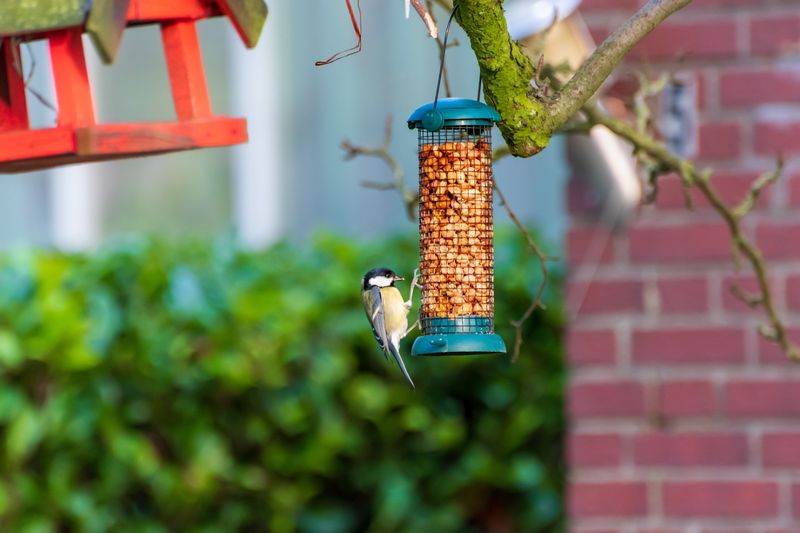
Bird feeders bring joy and wildlife to your yard, but placement matters more than most people realize. A feeder near your patio is also a rodent magnet, and rodents are the primary carriers of tick larvae.
Seeds that fall to the ground attract mice, chipmunks, and squirrels throughout the day. Those small mammals are crawling with larval ticks looking for their first blood meal.
When rodents gather under a feeder near your seating area, they bring ticks right to the spots where you relax. Kids and pets exploring that area are at the highest risk.
Moving your bird feeder well away from seating or play areas, ideally by thirty feet or more, helps reduce exposure. Place it near a tree line instead, where rodent activity is already expected and away from human traffic.
Clean up spilled seed regularly to reduce how long rodents linger in any one spot. A clean feeding area is less attractive to the mammals that carry ticks.
Consider switching to feeders with catch trays that reduce seed spillage onto the ground. Less mess means fewer rodents, and fewer rodents means fewer ticks making their way toward your patio.
You can still enjoy watching birds without putting your family at risk. Smart feeder placement is a small shift with a surprisingly large payoff for tick prevention this summer.
7. Piling Brush Or Yard Debris In Shaded Corners
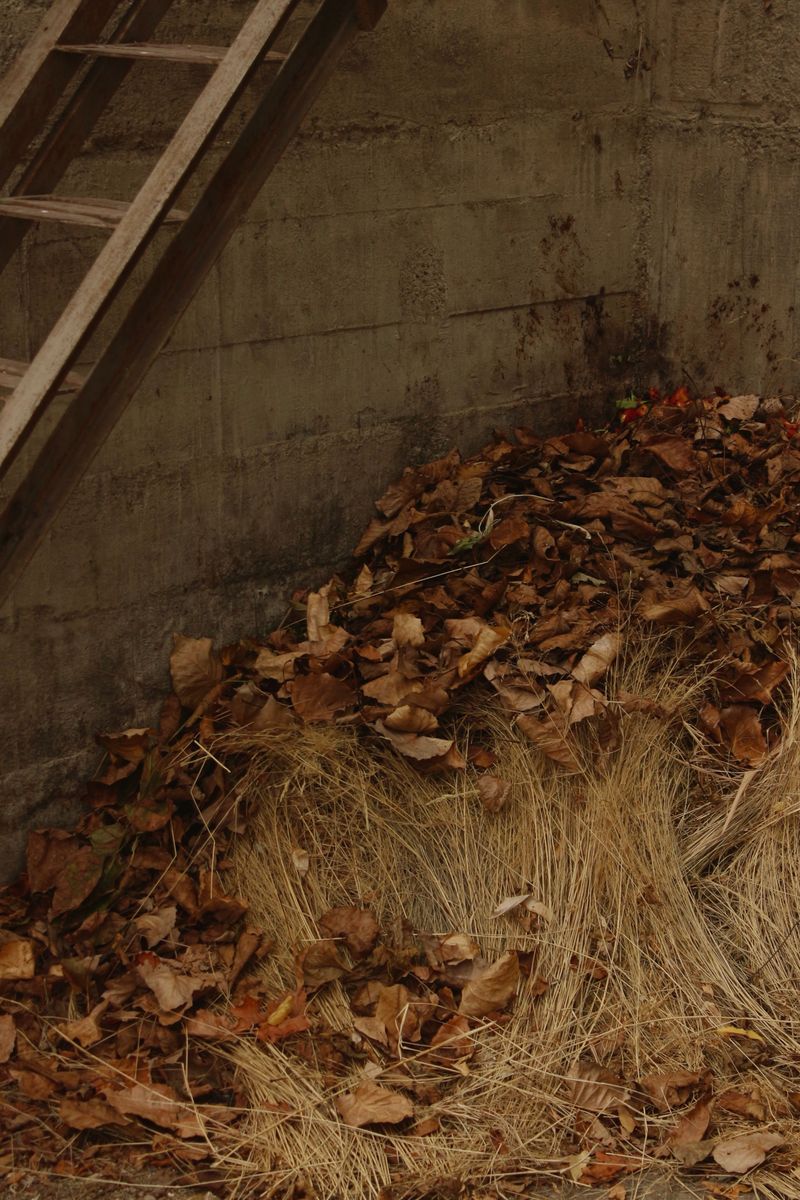
That brush pile in the back corner feels like a convenient solution after a big yard cleanup. But shaded debris piles are among the most tick-friendly structures you can create.
Brush piles offer everything ticks and their host animals want: shade, moisture, hiding spots, and protection from predators. Rodents nest inside them, and ticks ride in on the rodents.
The problem compounds over time as the pile grows larger and more layered. More layers mean more moisture retention and more insulation from drying sunlight.
Breaking down yard waste more frequently prevents large piles from forming in the first place. Chip branches if possible, or bag and remove clippings within a day or two of cutting.
If you need a compost pile, keep it far from the house and in a sunny location. Sunlight exposure slows tick survival and discourages rodents from nesting nearby.
Rotating and turning compost regularly also disrupts any nesting animals before they settle in. An active compost pile is less hospitable than an ignored debris corner.
Shaded corners of your yard deserve as much attention as the areas you see every day. Out of sight should never mean out of mind when it comes to tick prevention.
Clearing those forgotten corners is one of the fastest ways to reduce tick pressure in your outdoor space this July.
8. Neglecting A Border Between Lawn And Woods

Where your lawn ends and the woods begin is the most important line on your property. Without a clear border, ticks cross freely from the forest into your yard every single day.
Ticks do not travel far on their own. They rely on animals and environmental gradients to move from wooded areas into maintained lawns.
A defined border disrupts that movement and creates a zone ticks are reluctant to cross. A three-foot-wide strip of wood chips or gravel between your lawn and woods is one of the most effective tick barriers available.
That dry, sunny strip acts as a desert to ticks accustomed to humid forest conditions. Landscaping and pest-control professionals commonly recommend this type of border as a practical way to reduce tick encounters.
Installing the border does not require professional help or expensive materials. Basic landscaping fabric topped with wood chips or pea gravel gets the job done well.
Maintain the border by keeping it weed-free and dry throughout the summer months. Weeds hold moisture and give ticks a foothold to cross the barrier.
Check the border monthly for any debris buildup that might create a moist bridge across the strip. Keeping it clean keeps it effective.
The July yard habits that attract more ticks in Virginia often come down to ignoring this one critical boundary. Define the edge, and you define who stays out of your yard this summer.