The Arizona Native Shrubs That Are Best Planted In Early September
Early September feels different in an Arizona garden. The worst summer heat begins to fade, and many plants finally get a better chance to settle in.
Most people think spring is the only smart time to plant shrubs. Desert gardeners often know another season works just as well.
Planting at the right moment gives young shrubs extra time to establish before next summer arrives. Good timing can be every bit as important as the plant itself.
Native shrubs make even more sense because they already belong in the desert landscape. They are built for local conditions instead of fighting them.
If you have been thinking about adding new plants, now is a great time to start planning. Waiting too long can mean missing an excellent planting window.
A few native shrubs stand out for early September.
Choosing the right ones now can reward your garden for many seasons to come.
1. Plant Desert Fairy Duster While Soil Stays Warm
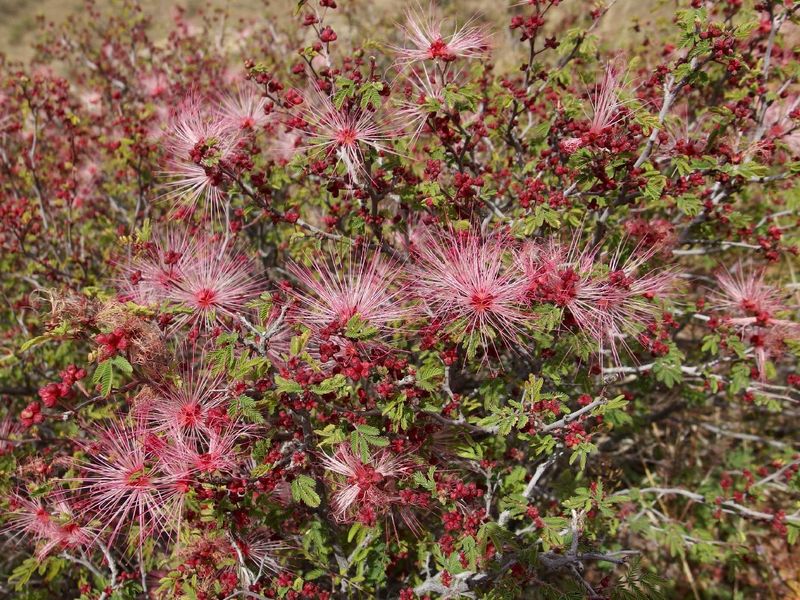
Warm soil is a secret weapon when planting Desert Fairy Duster. Roots spread faster when ground temperatures stay above 70 degrees, and early September usually delivers exactly that in the low desert.
Fairy Duster is a compact shrub, typically reaching two to four feet tall. Its feathery red blooms attract hummingbirds and butterflies, making it a favorite in pollinator-friendly yards.
Planting it now lets roots anchor before cooler nights arrive.
Choose a spot with full sun and well-draining soil. Rocky or sandy ground works well.
Avoid heavy clay, which holds moisture too long and can cause root problems over time.
Water it in deeply right after planting. After the first week, scale back slowly.
Fairy Duster is drought-tolerant once established, but it needs consistent moisture during its first few weeks to settle in.
Skip fertilizing at planting time. Native shrubs in desert soil rarely need added nutrients early on, and too much fertilizer can stress a newly transplanted shrub.
Let the plant adjust naturally first.
Mulching around the base helps keep soil moisture steady. Use a two-inch layer of gravel or wood chips, kept a few inches away from the stem.
September planting gives this cheerful little shrub a strong, healthy start.
Avoid pruning during the first growing season so the shrub can focus its energy on developing a strong, healthy root system.
2. Jojoba Builds Deep Roots Before Winter
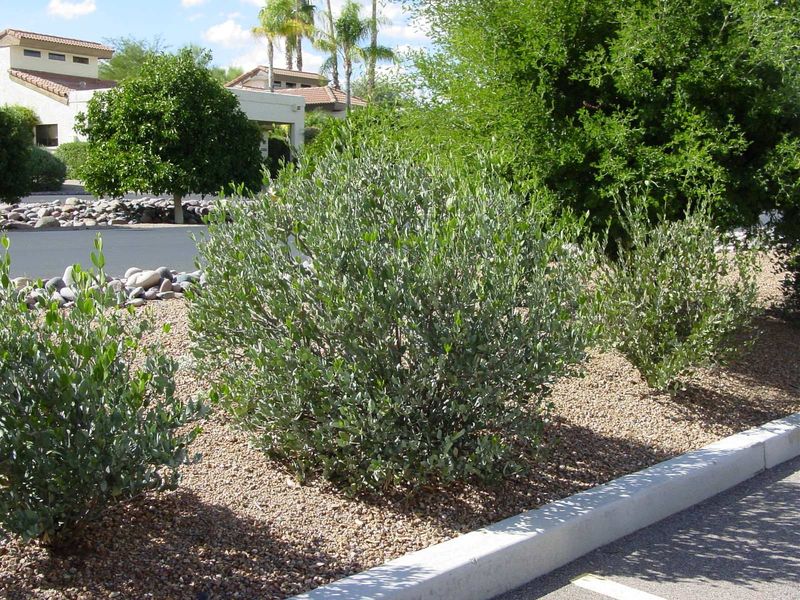
Jojoba is one of the toughest native shrubs in the Sonoran Desert, and September planting gives it a real advantage. Warm soil encourages root development fast, and jojoba uses that time well.
Root depth matters with this plant. Jojoba can send roots several feet down over time, tapping into moisture reserves that shallower plants cannot reach.
Getting it in the ground in early September gives those roots weeks to spread before cold weather slows things down.
Pick a full-sun location with sandy or rocky, fast-draining soil. Jojoba does not do well with standing water, so flat, low-lying spots with poor drainage are not ideal.
Raised planting areas or slopes work better.
Your Arizona Garden Changes Every Week. Your Plan Should Too.
Gardening in Arizona changes quickly throughout the season. Every Friday you’ll receive a simple weekly plan showing exactly what to plant, prune, fertilize, harvest, and protect so you never miss the right timing.
Water deeply after planting, then let the soil dry out before watering again. Jojoba naturally grows in dry conditions and does not need frequent watering, even as a new transplant.
Overwatering is a common mistake that can stress the roots.
Jojoba is dioecious, meaning male and female plants are separate. If you want seeds, you need at least one of each nearby.
That said, even a single plant adds great texture and structure to a desert landscape.
Growth in the first season may look slow. That is normal.
Energy is going underground, not upward. By spring, you will likely see noticeable new growth above ground.
Patience pays off because healthy root growth during the first season supports stronger branching and better drought tolerance later.
3. Chuparosa Handles Transplanting Better In Early September
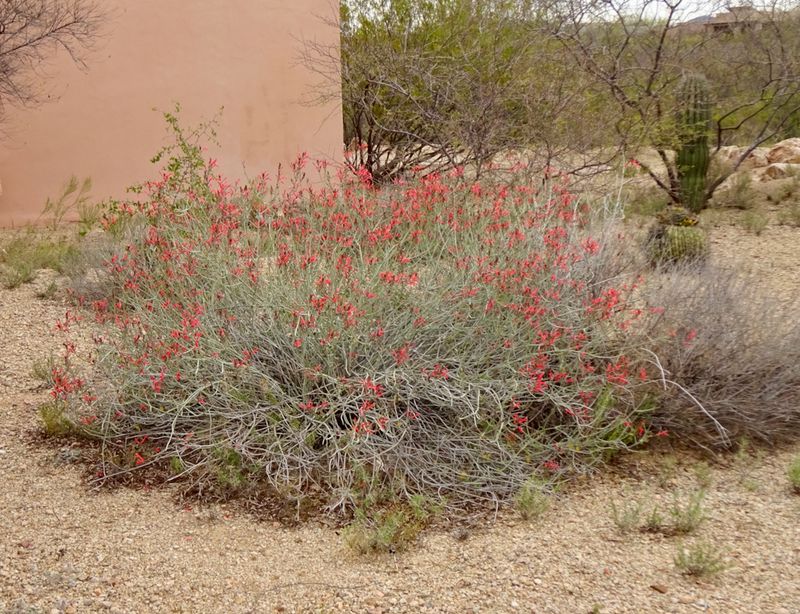
Chuparosa has a reputation for being a bit finicky at transplant time. Summer heat makes that worse.
Early September changes the equation, giving this shrub a gentler environment to settle into.
Temperatures in early September drop noticeably compared to July and August, especially at night.
That cooler window reduces stress on newly transplanted chuparosa, allowing it to focus energy on root establishment rather than surviving extreme heat.
Plant it where it gets full sun to partial shade. Chuparosa grows naturally along desert washes and canyon edges, so it handles some afternoon shade without complaint.
In hotter, lower elevations, a bit of afternoon shade can actually help during the first few weeks after planting.
Dig the planting hole just slightly wider than the root ball. Avoid going too deep.
The crown of the plant should sit at or just above ground level to prevent moisture from pooling around the base.
Water it in well right after planting. Check soil moisture every two to three days during the first two weeks.
Once you see new growth, the plant is signaling that roots are taking hold and you can begin tapering water frequency.
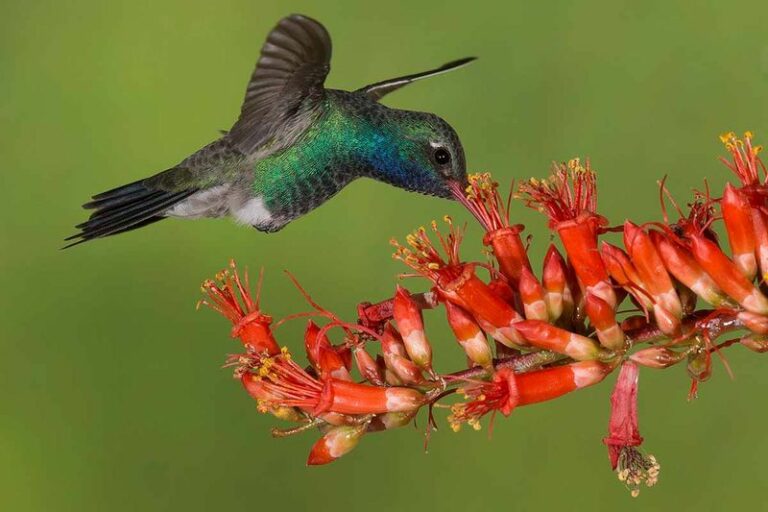
Chuparosa blooms most heavily in late winter and early spring, with tubular red flowers that hummingbirds love. A September planting means it arrives at bloom season well-rooted and ready to perform.
New growth during fall helps the shrub head into winter with a stronger, healthier root system.
4. Brittlebush Settles Faster As Temperatures Moderate
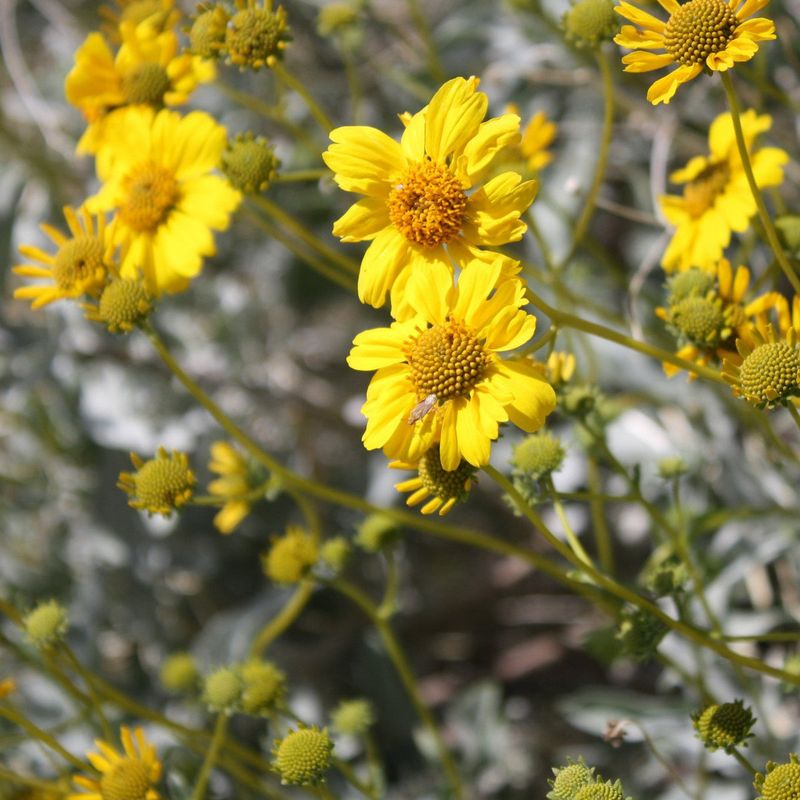
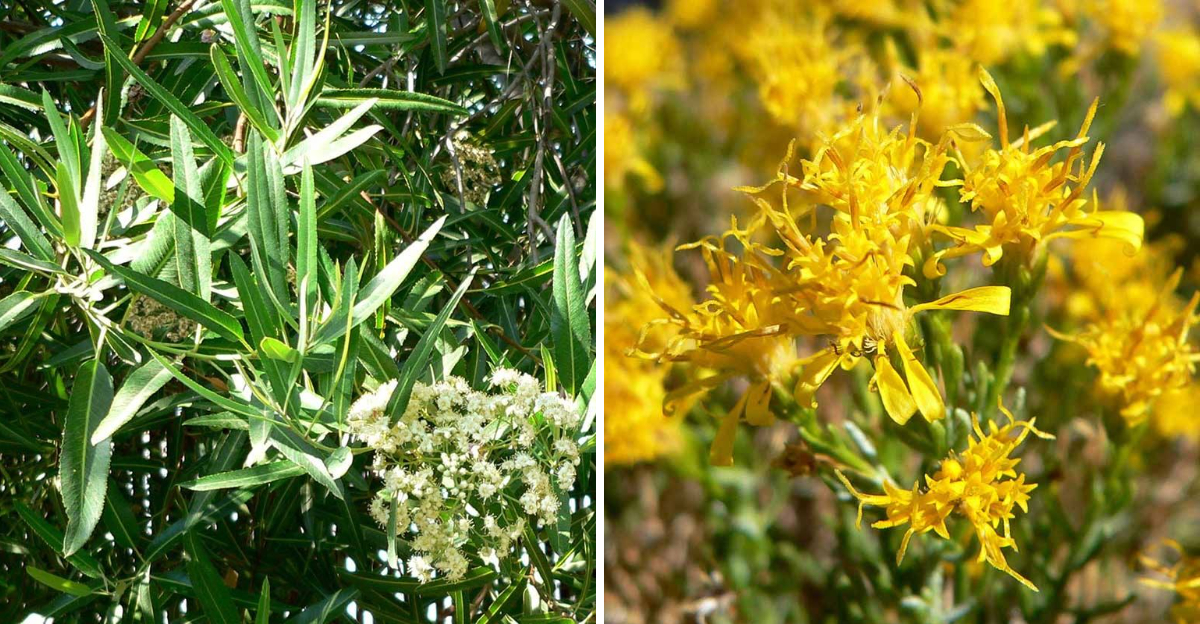
Few plants paint the desert hillsides gold quite like brittlebush. Yellow blooms on silver-leafed mounds are a common sight across the Sonoran Desert each spring, and early September planting sets you up for that exact reward.
Brittlebush responds quickly to moderating temperatures. As September cools things down from summer extremes, the shrub shifts energy from heat survival to root growth.
Planting during this window takes advantage of that natural rhythm.
Full sun is essential. Brittlebush planted in shade tends to get leggy and produce fewer flowers.
Slopes, rocky outcroppings, and open hillsides mimic its natural habitat and usually give the best results.
Soil drainage is critical. Brittlebush does not tolerate wet feet.
If your soil holds water after rain, amend it with gravel or plant on a slight slope. Native desert soils are usually ideal without any amendments.
Water every three to four days for the first couple of weeks. After that, stretch watering intervals gradually.
By late fall, once established, brittlebush needs very little supplemental water in most desert climates.
Pruning is optional. After blooming season, cutting stems back by about a third helps keep the plant tidy and encourages fresh growth.
But left alone, brittlebush still grows into an attractive, rounded mound over time.
5. Desert Wolfberry Adjusts Well After Summer Heat
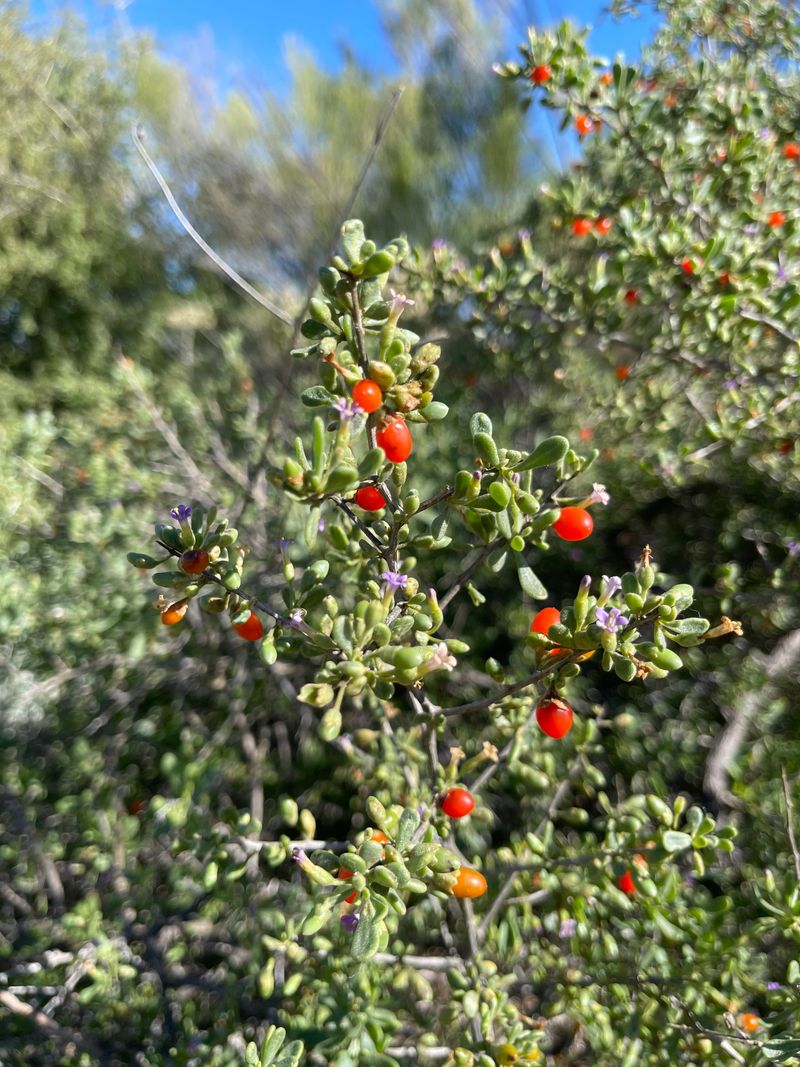
Summer heat can be brutal on newly planted shrubs. Desert wolfberry is tough, but even tough plants benefit from going into the ground when conditions are less extreme.
Early September offers exactly that kind of relief.
Wolfberry is a spiny, medium-sized shrub native to the Sonoran and Chihuahuan deserts. It produces small red berries that birds go after quickly, making it a popular choice for wildlife-friendly desert landscapes.
Plant it in full sun with well-draining soil. Wolfberry naturally grows in washes, desert flats, and rocky terrain.
It handles poor soil well and rarely needs soil amendments before planting.
After planting, water deeply and then allow the top inch of soil to dry out before watering again. Wolfberry does not like consistently wet soil.
Spacing waterings out properly from the start helps train the plant toward deeper root growth.
The spines make wolfberry a natural deterrent for foot traffic near borders or property edges. That structural benefit, combined with its wildlife value, makes it a practical and useful plant for desert yards.
Growth rate is moderate. Do not expect rapid height gains in the first season.
Root development takes priority, and that underground work pays off in stronger, more resilient growth the following year. September planting gives it the ideal runway for that process.
Once established, desert wolfberry thrives with little maintenance and tolerates long periods of drought
6. Arizona Rosewood Experiences Less Transplant Stress
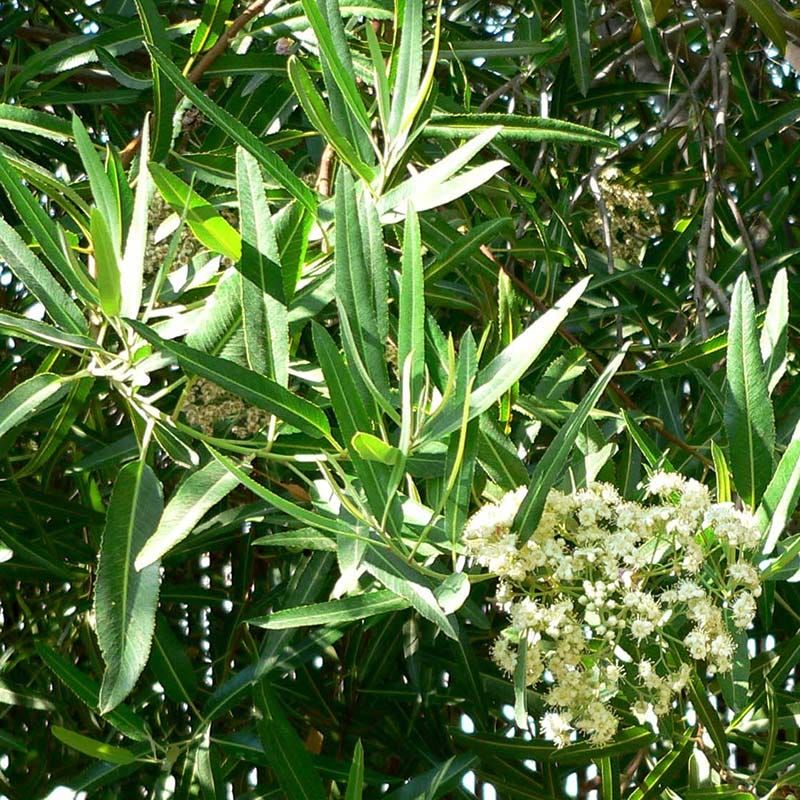
Transplant stress is real, and Arizona Rosewood feels it more than some other natives. Moving this shrub during peak summer heat can set it back significantly.
Early September, with its cooler mornings and dropping nighttime temps, makes the whole process much smoother.
Native to canyon slopes and rocky hillsides in the Sonoran Desert, Arizona Rosewood is an upright shrub that can grow six to twelve feet tall over time. Its dark green, holly-like leaves and small white flowers make it a standout in native landscapes.
Plant it in a spot that gets full sun to partial shade. In lower, hotter desert zones, afternoon shade helps reduce stress during the first season.
At higher elevations, full sun is usually fine from the start.
Dig a hole twice as wide as the root ball but no deeper. Setting the root crown at ground level prevents crown rot, which can develop when a plant sits too low in heavy or slow-draining soils.
Water deeply right after planting, then check moisture every two to three days for the first few weeks. Once new leaf growth appears, the plant is adjusting well and you can begin reducing watering frequency.
Arizona Rosewood is slow-growing, so patience matters. A September start gives it the best possible conditions to establish strong roots before winter, which translates to healthier, more consistent growth in the years ahead.
7. Creosote Bush Thrives With Early Fall Planting
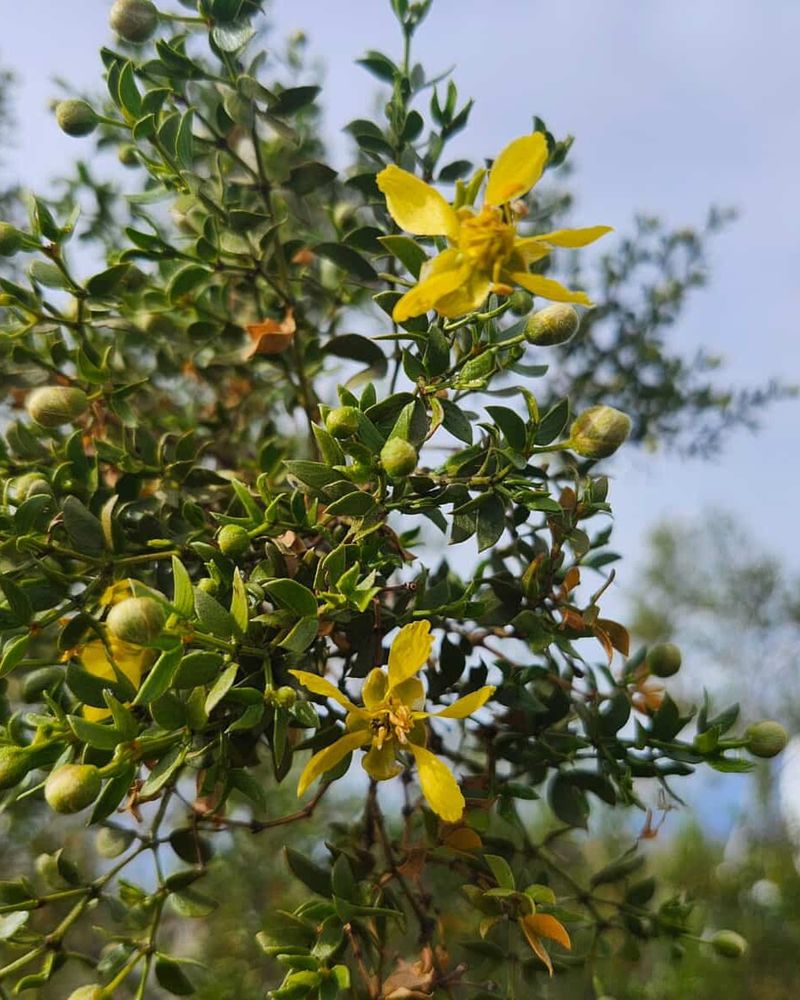
Creosote bush might be the most iconic shrub in the American Southwest. Walk through any low desert after rain and that sharp, earthy scent in the air is coming straight from creosote.
Planting it in early September gives it a genuine advantage going into its first winter.
Creosote is incredibly well-adapted to desert conditions, but young transplants still need time to establish roots before temperatures swing cold. September planting provides several weeks of warm soil before that shift happens.
Full sun and fast-draining soil are non-negotiable. Creosote naturally grows in open desert flats with gravelly or sandy soil.
Trying to grow it in clay or shaded spots usually leads to poor results.
Keep the planting hole wide but not overly deep. Creosote roots tend to spread outward rather than straight down, at least in the early years.
A wide, shallow hole encourages that natural spreading pattern.
Water in well after planting. For the first month, water every four to five days.
After that, stretch the intervals. Creosote is one of the most drought-adapted plants in North America, so overwatering is a bigger risk than underwatering once it gets going.
Growth is gradual, especially in the first year. But by the second or third season, a September-planted creosote bush usually looks full, healthy, and right at home in a desert yard.
8. Turpentine Bush Makes Steady New Growth In Fall
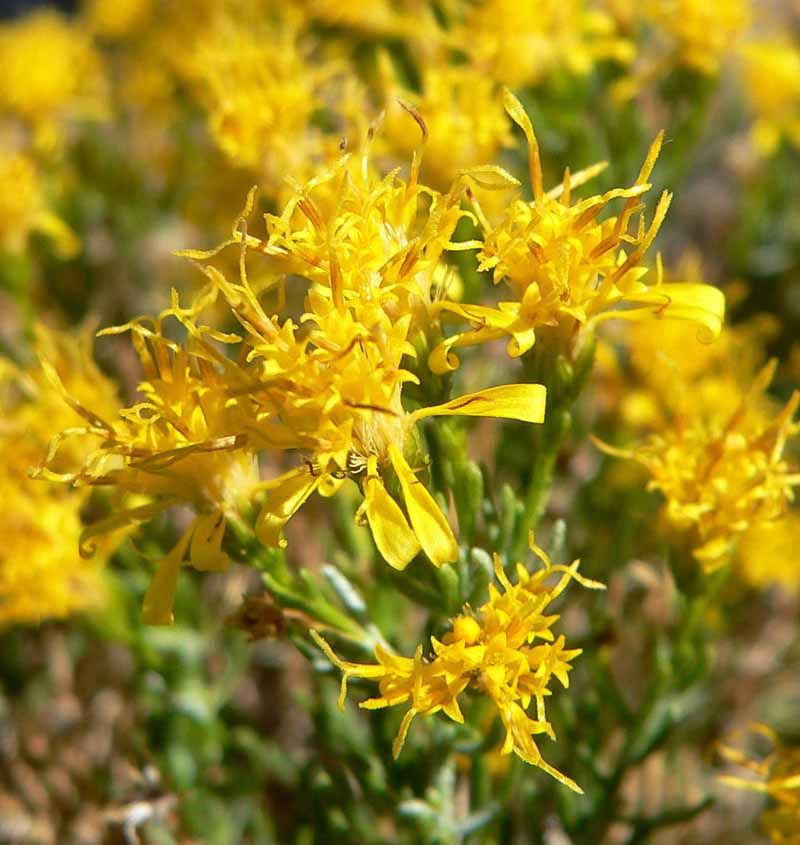
Turpentine bush is one of those plants that sneaks up on you. It looks modest most of the year, then lights up with clusters of bright yellow flowers right when the desert starts to cool in fall.
Planting it in early September means it goes into the ground just as its natural growth cycle picks up speed. Fall is when turpentine bush thrives, so a September transplant lines up perfectly with the plant’s own internal calendar.
It grows naturally on rocky slopes and canyon walls in Arizona and neighboring states. Replicating those conditions at home is straightforward.
Lean, rocky, fast-draining soil is ideal. Rich garden soil can actually slow it down.
Water it well at planting, then check soil moisture every few days. Turpentine bush is fairly forgiving but does need consistent moisture during root establishment.
Once roots are settled, it handles dry spells without much trouble.
The plant gets its common name from the strong scent released when leaves are crushed. Not everyone loves the smell, so consider placement near pathways or seating areas before you plant.
Along a fence line or back border works well for most yards.
Expect moderate growth during fall and winter. By the following spring, a September-planted turpentine bush is usually well-established and ready to reward you with a solid flush of golden fall color.