Plant These Arizona Natives This Fall And Hummingbirds Will Swarm Your Yard By March
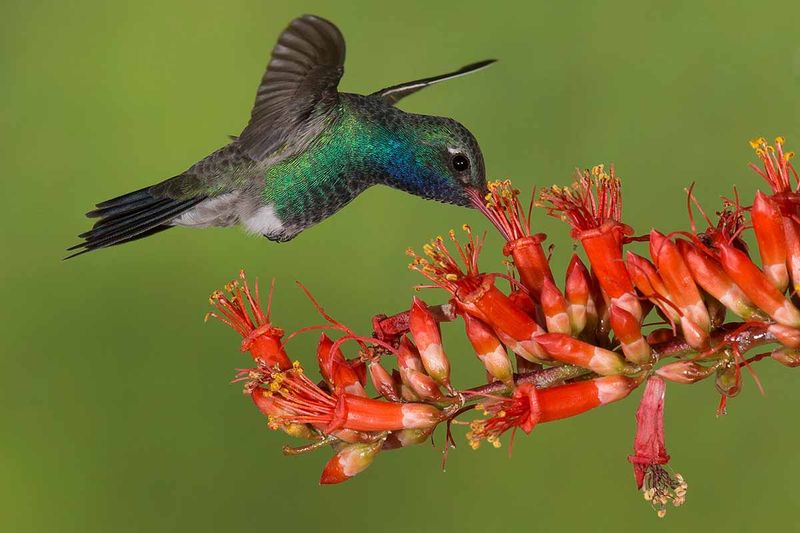
Fall is secret planting season in the Arizona low desert, and the plants you tuck in now can turn your yard into a hummingbird hotspot by spring. Cooler soil and mild days give roots months to settle in before the heat returns.
Hummingbirds pass through Phoenix and Tucson in big numbers from late winter into spring, hungry for nectar. Pick the right natives, and your yard may become one of their favorite fuel stops.
1. Chuparosa
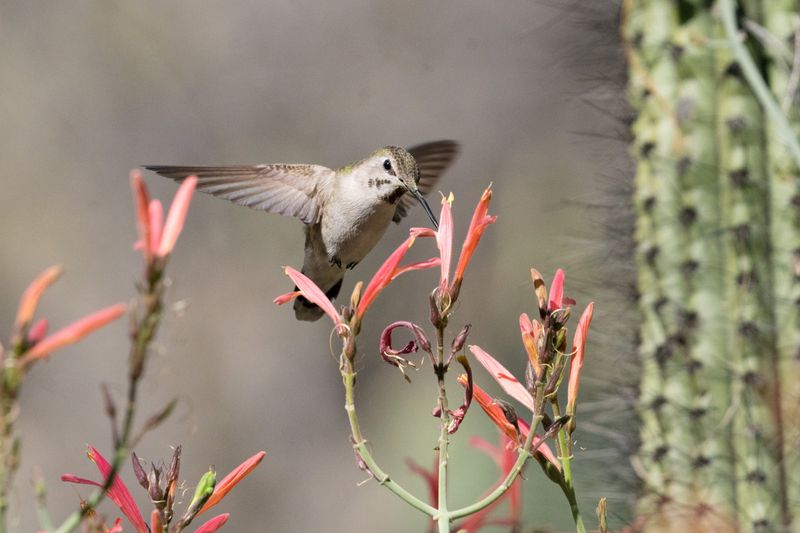
Ask any Tucson birder which shrub draws the most whirring wings in winter, and chuparosa will probably top the list. Its name even comes from a Spanish word for hummingbird, which tells you everything about its fan club.
Chuparosa is a semi-evergreen native that grows about 4 to 5 feet tall and 5 to 6 feet wide. From roughly October through June, its gray-green stems sprout red, lipstick-shaped flowers that are perfectly shaped for a hummingbird beak.
In frost-free spots, the bloom show can run almost nonstop through the cool season.
Plant it in fall, and roots will spread through the mild months, setting it up to flower heavily by late winter. That timing lines up nicely with migrating hummingbirds moving through the low desert.
Resident Anna’s and Costa’s hummingbirds may also claim it as a regular snack bar.
Care is refreshingly simple. Chuparosa handles full sun and reflected heat from walls, and it prefers soil that drains well.
Once established, a deep soak about once a month during summer dry spells is often enough. A light trim after spring bloom keeps it tidy, though a slightly wild shape actually gives small birds more cover and perching spots.
2. Parry’s Penstemon
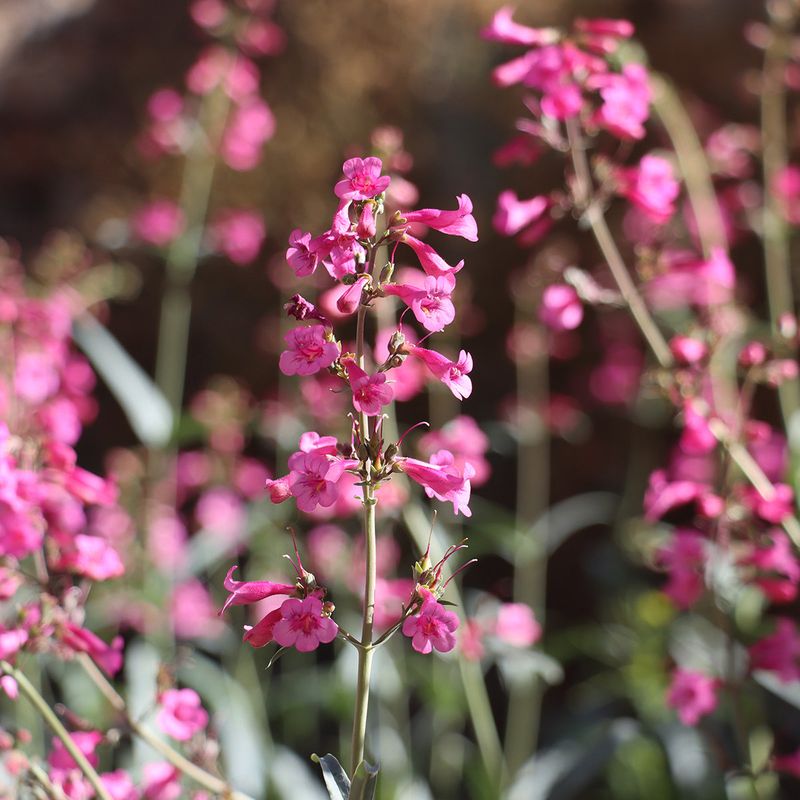
Picture a cluster of bright pink wands swaying in a March breeze, each one buzzing with tiny green visitors. That scene is what Parry’s penstemon delivers when you get it in the ground before winter.
Native to southern Arizona, this perennial forms a low rosette of leaves in the cool season, then shoots up flower stalks 2 to 4 feet tall in late winter and spring. The tubular rosy-pink blooms hold rich nectar, and hummingbirds tend to work them one flower at a time, zipping up and down each spike.
Here’s the fun part: Parry’s penstemon reseeds on its own in spots it likes. Plant a few this fall, and you may find a small colony popping up in nearby gravel next year, free of charge.
Bees and butterflies stop by too, so the whole yard gets busier.
Give it full sun or light afternoon shade and soil that drains fast. Skip rich compost, since penstemons generally do better in lean desert dirt.
Water every week or two while it establishes, then cut back as rains arrive. After seeds drop in late spring, you can trim the spent stalks.
Expect a fairly short life of a few years, which reseeding happily makes up for.
3. Ocotillo
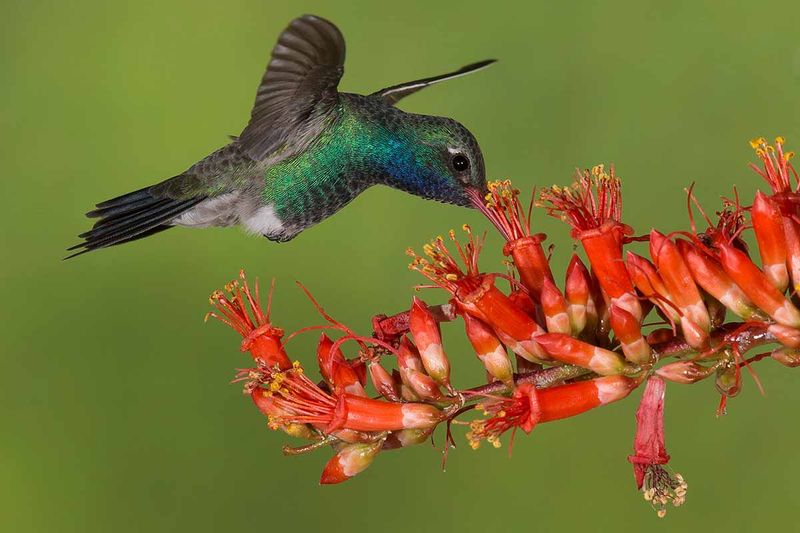
Few desert plants look as dramatic as an ocotillo in April, its tall whips tipped with scarlet flames. For a hummingbird heading north, those flaming tips are basically a roadside diner sign.
Your Arizona Garden Changes Every Week. Your Plan Should Too.
Gardening in Arizona changes quickly throughout the season. Every Friday you’ll receive a simple weekly plan showing exactly what to plant, prune, fertilize, harvest, and protect so you never miss the right timing.
Ocotillo is a spiny native that can reach 8 to 20 feet tall. From about March through May, clusters of red tubular flowers form at the end of each cane.
Migrating hummingbirds rely on this nectar as a fuel source during their spring journey, and orioles and native bees join the party as well.
Fun fact: ocotillo can leaf out within days after a good rain, then drop those leaves when the soil dries. It’s not struggling, just saving water like a pro.
Planting in fall gives a new ocotillo time to grow fresh roots before summer. Many are sold as bare-root canes, and they can look lifeless for a while, so patience is key.
Keep the soil lightly moist until leaves appear, then water sparingly. Full sun and fast-draining soil are a must, since soggy ground can lead to root rot.
Placed along a wall or property line, ocotillo also forms a thorny living fence that most critters would rather avoid.
4. Autumn Sage
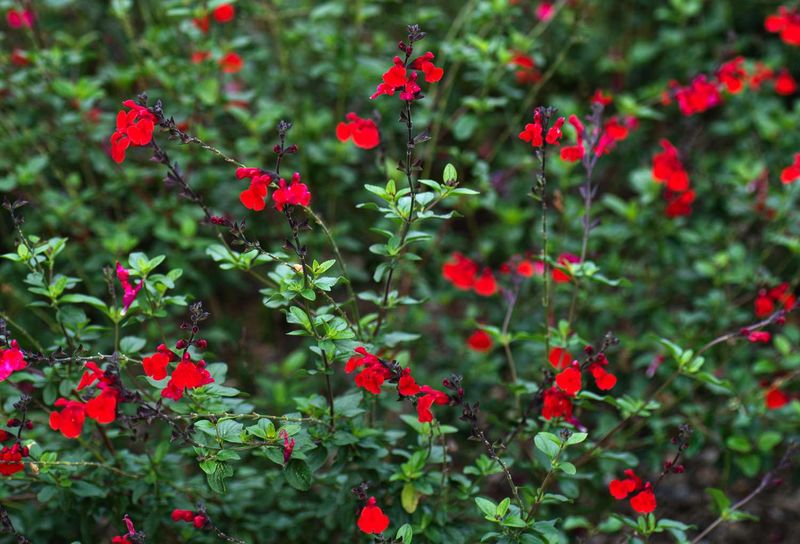
If you only have room for a small plant, autumn sage packs a surprising punch. It’s the compact, tough little workhorse of the hummingbird garden.
Growing about 2 to 3 feet tall and wide, Salvia greggii covers itself in red, coral, pink, or white flowers in both spring and fall. That double bloom season means hummingbirds get a meal on their way through in spring and again as temperatures cool.
Bees and butterflies also love it, so you’re supporting a whole pollinator crew.
Native to the Southwest and Texas region, autumn sage has fragrant leaves that most rabbits and javelinas tend to skip. That alone can save a lot of frustration in desert neighborhoods.
Planting in fall lets the roots settle before spring growth kicks in. Choose full sun or partial shade; in a west-facing yard, a bit of afternoon shade helps it look fresher in July.
After it’s established, a deep watering every one to two weeks in summer usually keeps it happy.
Shear it back by about a third in late winter to keep it bushy. Plant it in groups of three or five along a walkway, and you’ll create a flower ribbon hummingbirds can follow right through your yard.
5. Desert Willow
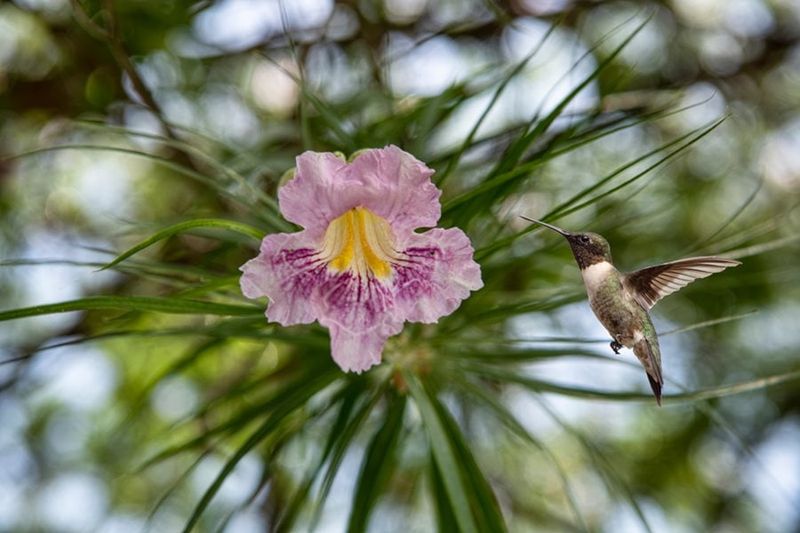
Shade and hummingbirds from the same plant? Desert willow manages both, which makes it a smart pick for any Arizona yard that bakes in summer.
Despite the name, this native isn’t a true willow. It’s a small deciduous tree, usually 15 to 25 feet tall and 10 to 20 feet wide, with narrow leaves that look willowy.
Its trumpet-shaped flowers come in pink, lavender, burgundy, or white and bloom from around April into September.
So why plant it now if blooms start later? Fall planting gives the roots a full cool season to dig deep, which helps the tree handle its first scorching summer.
By spring, a young willow may already push out its first flowers, and the show can keep going right through monsoon season. Hummingbirds visit from dawn to dusk once it’s in full color.
Desert willow loves full sun and is quite drought-tolerant once established, often needing just a deep watering every two to three weeks in summer. Place it on the west or south side of a patio for afternoon shade that cools the space without blocking winter sun, since leaves drop in cold months.
Seedless varieties reduce the pod cleanup if tidiness matters to you.
6. Firecracker Penstemon
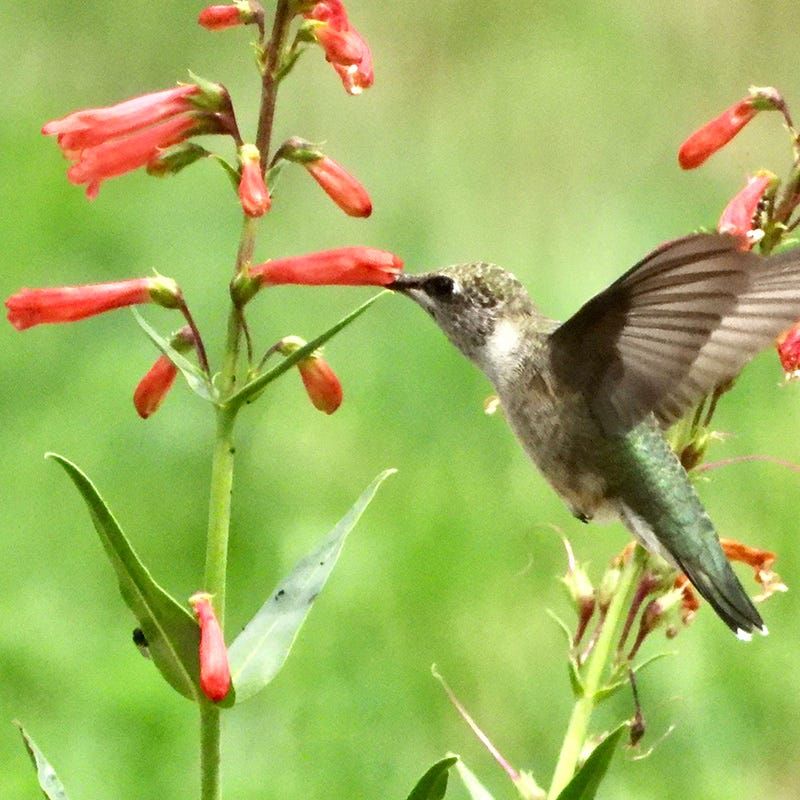
Bright red is a hummingbird’s favorite color, and firecracker penstemon wears it loud and proud. Each stem looks like a string of tiny red fireworks frozen mid-pop.
Penstemon eatonii is a native perennial that forms a neat clump of glossy green leaves, then sends up 1 to 3 foot stalks loaded with narrow scarlet tubes in late winter and spring. The flower shape suits hummingbird beaks perfectly, while many bees struggle to reach the nectar.
That means more for your feathered guests.
Why include it alongside Parry’s penstemon? Firecracker tends to bloom a bit earlier, often in February and early March, so pairing the two can stretch your nectar season.
Early bloomers matter because hummingbirds arriving in late winter need food right away.
Plant it this fall in full sun with gritty, well-drained soil. Rocky beds near boulders work beautifully, as stones can hold a little warmth and moisture at the roots.
Water regularly the first winter, then switch to occasional deep drinks. Avoid heavy fertilizer, which can make stems floppy.
Leave a few seed heads to ripen if you’d like volunteers, and cut the rest back once flowering winds down.
7. Pink Fairy Duster
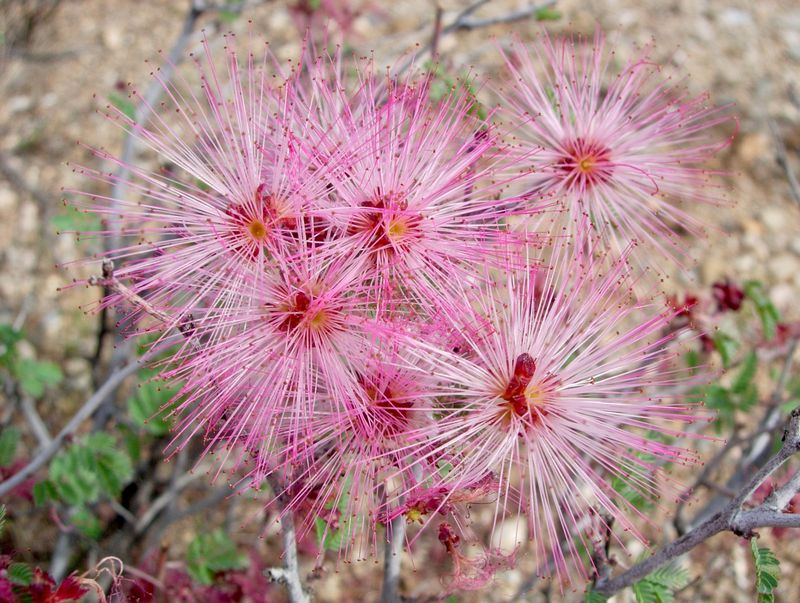
Some flowers look like they were designed by a whimsical cartoonist. Pink fairy duster is one of them, with fluffy pom-poms that resemble tiny pink powder puffs.
Calliandra eriophylla is a low native shrub, usually 1 to 3 feet tall, with fine feathery leaves. In late winter and spring, those puffy blooms appear, made of long pink stamens rather than petals.
Hummingbirds poke around them for nectar, and the shrub’s small size makes it easy to tuck into tight spots.
Gardeners love it because it asks for so little. Fairy duster handles heat, poor soil, and dry spells once established.
Still, a little extra water during bloom season often means more puffs, so a drip line on a light schedule can boost the show.
Fall is an ideal time to plant, since the shrub can root in before spring flowering. Give it full sun or light shade.
It works well along borders, under taller desert trees, or near a window where you can watch the action. Its open, twiggy shape also offers small birds a safe place to perch between sips.
Paired with chuparosa, it creates a cozy cool-season feeding corner your hummingbirds may visit daily.
8. Red Yucca
Got a sunbaked strip near the driveway where nothing seems to survive? Red yucca laughs at that kind of challenge.
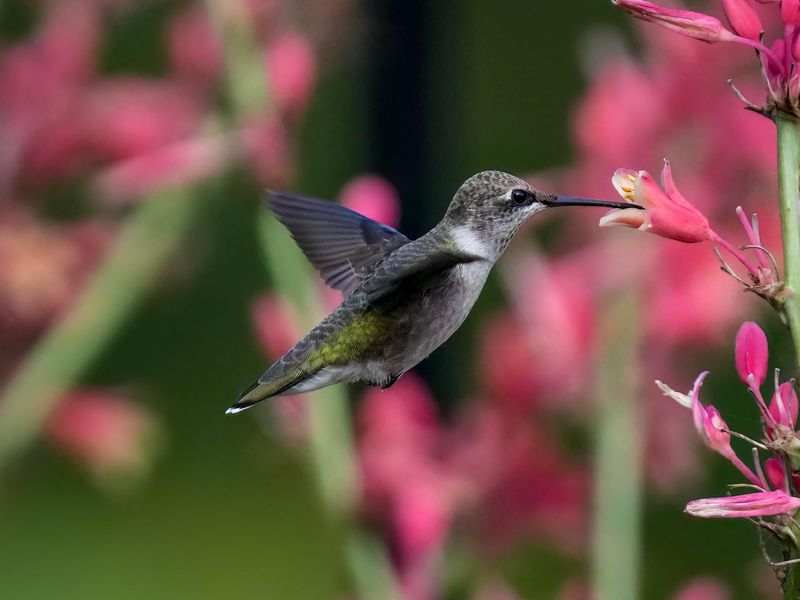
Hesperaloe parviflora isn’t a true yucca, but it has a similar look, with clumps of stiff, grass-like leaves about 3 feet tall. From spring into summer, tall arching stalks rise up to 5 feet and fill with coral-red tubular flowers.
Hummingbirds move from bell to bell along those stalks, and the bloom period can stretch for months.
It’s a native of the Chihuahuan Desert region and fits right into low-desert landscapes. Red yucca handles full sun, reflected heat, and lean soil, and it’s known for being low-maintenance and drought-tolerant.
Unlike many spiky desert plants, its leaves lack sharp tips, so it’s friendlier near sidewalks and play areas.
Planting in fall gives it a head start, so you’re more likely to see stalks the following spring. Water every week or two while it settles, then taper to deep, occasional watering.
The only real chore is snipping old flower stalks once they dry. Group several together for a bold, tidy display that keeps feeding hummingbirds long after the spring bloomers have faded, rounding out your year-round nectar plan.