What North Carolina Knockout Roses Need Right Now To Keep Blooming All The Way To First Frost
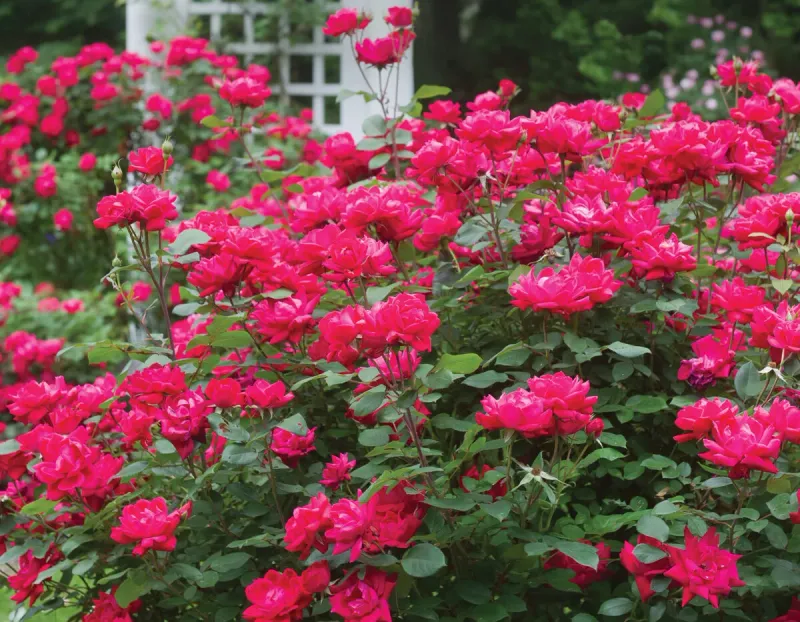
Your Knock Out roses put on a show all spring, and now they have gone quiet in the August heat, and you are wondering if you did something wrong. You probably did not. Across North Carolina, from the Piedmont to the Coastal Plain, late-summer slowdowns catch even experienced gardeners off guard. The first thing worth checking is not fertilizer or deadheading, it is whether the root zone is getting the deep, consistent moisture the plant needs to push through prolonged heat and keep setting buds into fall.
Check Deep Root-Zone Moisture First
Your Knock Out rose (Rosa x ‘Radrazz’ and its relatives) slows down in late summer, and the temptation is to blame the plant. Before you reach for a bag of fertilizer or a pair of pruning shears, stick your hand into the soil a few inches down and feel what is actually there. Prolonged high temperatures are a documented contributor to reduced flowering, and the first practical thing to rule out is whether the root zone has been getting enough water to support new bud development.
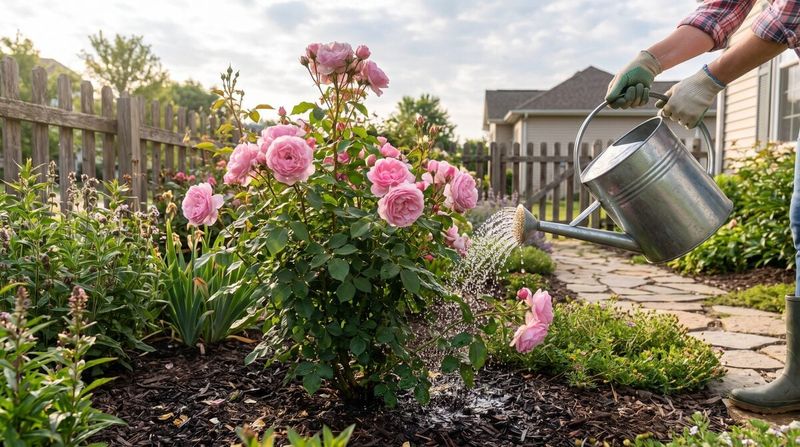
The official Knock Out summer care guidance recommends watering less frequently but more deeply, directly at the base of the plant rather than sprinkling over the foliage. A slow, thorough soak reaches the roots where it matters, while daily light sprinkling can wet the surface and leave the deeper root zone dry and stressed.
Think of it as the difference between a quick rain shower and a steady soaking rain. The shower feels like a lot, but it barely penetrates red Piedmont clay or the sandier soils you find near the Coastal Plain. A slow soak actually moves water down to where the roots are working. Deep root-zone moisture is the first diagnostic to check, not a guaranteed fix for every situation, but it is where the answer most often lives when a healthy-looking rose goes quiet in the heat.
A Bloom Pause Does Not Mean the Rose Is Dying
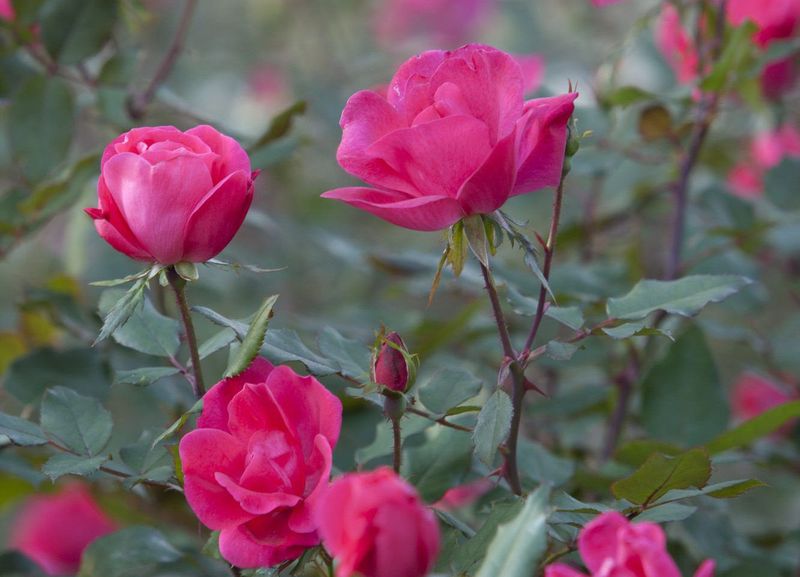
Many Piedmont gardeners panic when their rose stops blooming in July or August, and that panic is understandable. But a pause in flowering during a stretch of extreme heat is not the same thing as a plant in trouble. Knock Out roses may show a reduced floral display during prolonged periods of very high temperatures, and the plant may resume stronger flowering once heat and moisture stress ease. A quiet rose is not automatically a dying rose.
Before drawing any conclusions, look at the whole picture. Check the stems for green, pliable growth rather than dry or blackened wood. Look at the foliage color and texture. Inspect the soil several inches down to see whether it is bone dry or actually holding some moisture.
Yellow leaves, for example, can point to underwatering, but they can also signal too much water, excessive fertilizer, or abnormal heat stress. Yellow leaves alone do not prove the plant is thirsty.
Other possibilities worth separating out include root damage from a hard dig nearby, transplant stress if the rose was moved or planted recently, a normal rest between bloom flushes, or insufficient sunlight from a tree or fence that has grown in over the past few seasons. Drought stress looks different from excessive water stress, and both look different from a pest problem. The goal at this stage is not to treat anything yet, it is to gather enough information so you are solving the right problem. A bloom pause is a clue, not a verdict.
Your North Carolina Garden Changes Every Week. Your Plan Should Too.
Gardening in North Carolina changes quickly throughout the season. Every Friday you’ll receive a simple weekly plan showing exactly what to plant, prune, fertilize, harvest, and protect so you never miss the right timing.
Give Established Roses a Slow, Deep Soak
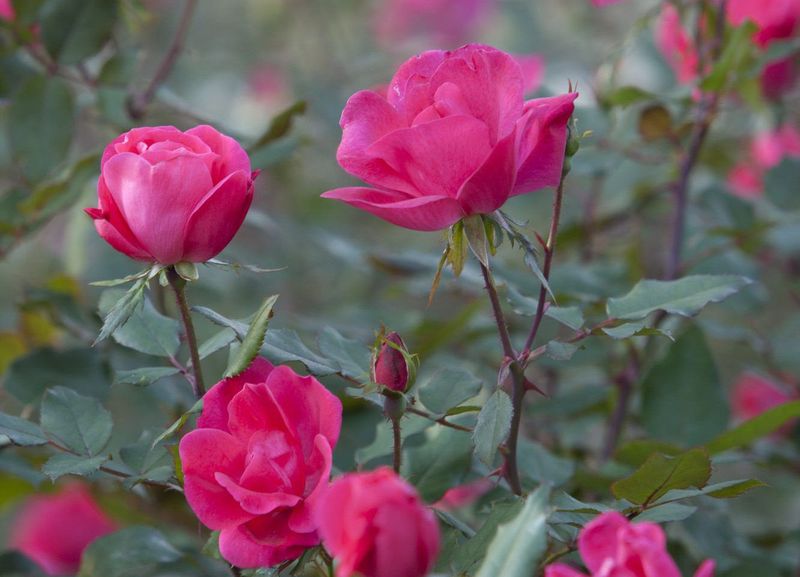
Here is where it gets practical. For an established in-ground Knock Out rose, the goal is to wet the soil roughly 12 to 18 inches deep, which is the manufacturer’s benchmark for getting water to the full root zone. That does not happen with a quick pass of the hose. It requires a slow, steady delivery at the base of the plant, letting water move down rather than run off across the surface.
University of Illinois Extension guidance on rose care uses about 1 inch of water per week as a general benchmark during the growing season, but that number needs adjustment for your specific situation. Piedmont red clay holds moisture longer than the sandy soil common across the Coastal Plain, which drains quickly and may need more frequent attention during a hot, dry stretch. Containers dry out faster than either. A week of afternoon thunderstorms may cover your roses entirely, while a week of scattered showers may drop only a quarter inch of actual rain at your address.
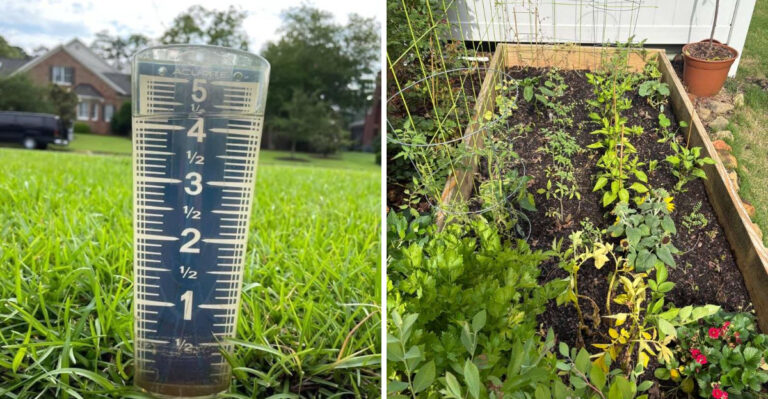
A rain gauge or even a straight-sided can set out in the yard is genuinely useful here. Measure what rainfall actually delivered, then decide how much supplemental water to add. Check the soil a few inches below the surface before you water rather than running on a fixed schedule. If it feels damp at that depth, the plant likely has what it needs.
If it feels dry or barely cool, a slow soak is in order. Wind, heavy mulch, plant age, and sun exposure all shift how fast a rose drinks through its available moisture, so the 1-inch figure is a starting point, not a rule set in stone for every yard in North Carolina.
Adjust the Method for Containers and New Plantings
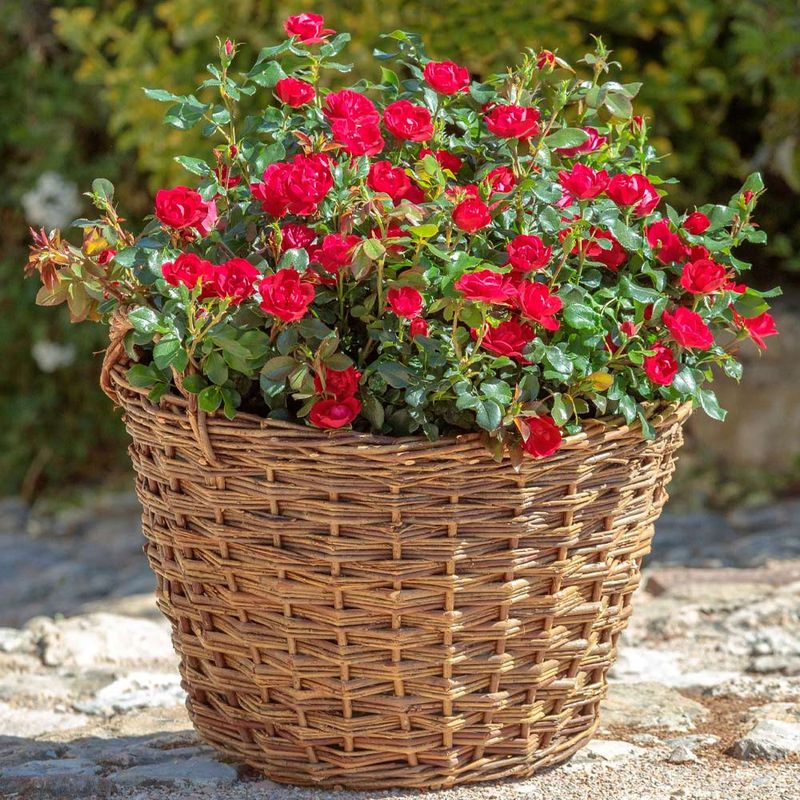
Container roses play by different rules. A rose growing in a pot on a Piedmont porch or a Coastal Plain deck can dry out in a day or two during a heat wave, much faster than the same variety in the ground. Applying the 12-to-18-inch in-ground benchmark to a container does not make sense. The container itself sets the limit, and actual root-zone moisture plus drainage are what should guide your decisions.
Rose care guidance from University of Illinois Extension emphasizes checking actual soil conditions rather than following a rigid schedule, and that advice matters even more in containers. Lift the pot if you can. If it feels surprisingly light, the soil has likely dried out. Press a finger a couple of inches into the mix.
Water slowly at the base until you see drainage coming from the bottom, then let it drain fully before the next watering cycle. Sitting in waterlogged soil stresses a rose just as much as drought does.
Newly planted in-ground roses need closer attention too. A rose put in the ground this spring has not yet built the deep root system that carries an established plant through a dry week. Check it more often, water more carefully, and do not assume a brief rain covered its needs. Heavy summer storms can drop an inch of rain in twenty minutes, and a good portion of that runs off rather than soaking in.
Routine daily sprinkling, on the other hand, keeps the surface wet without reaching the root zone and can actually encourage shallow rooting over time. Slow and deep, adjusted to what the plant and the site actually need, is the approach that holds up through a North Carolina summer.
Use Mulch and Sun to Support Reblooming
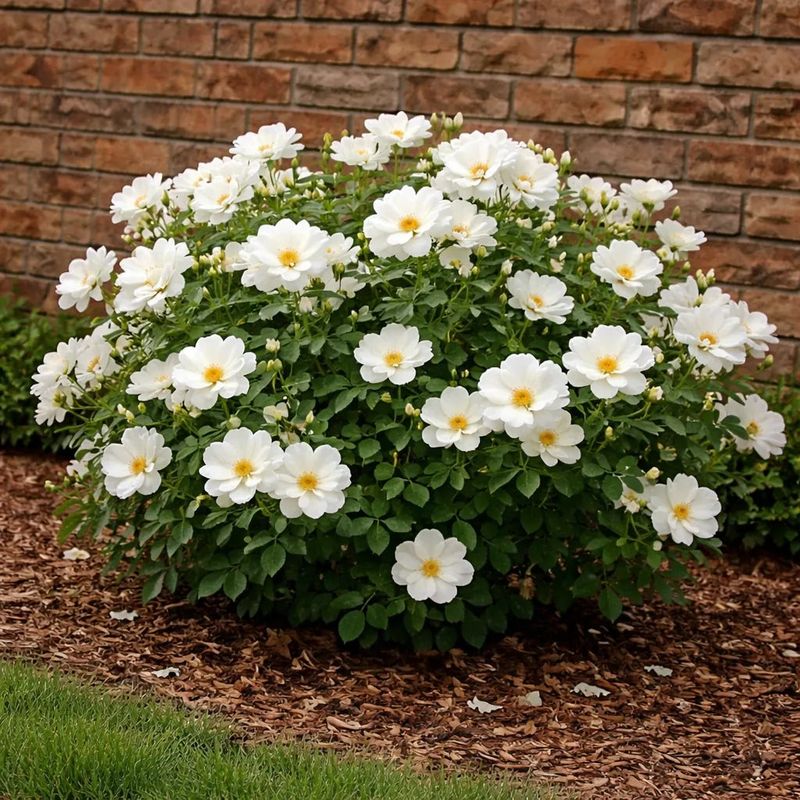
Once you have the watering dialed in, the planting site itself can either support or undercut the effort. Mulch is one of the simplest tools available. A 2-to-3-inch layer around the base of the plant, as recommended by University of Illinois Extension for roses, slows evaporation and helps moderate soil temperature during the kind of sustained heat North Carolina dishes out in July and August. The NC State landscape management calendar suggests 3 to 4 inches for woody plants in landscape beds.
Somewhere in that 2-to-4-inch range works well for most situations. Keep mulch a few inches away from the crown and stems so moisture does not sit against the wood and invite rot or disease.
Sun is the other half of this equation. Knock Out roses generally need about 6 to 8 hours of full sun daily for strong, consistent flowering. A rose that was planted in full sun five years ago may now be sitting in partial shade because a nearby tree has filled in, or because a fence addition changed the light pattern. If your rose is getting less than 6 hours of direct sun, deep watering will not fully compensate for that missing light.
Spacing matters too. Knock Out roses are typically planted on 3-foot centers, which gives mature plants room to grow without crowding each other. Dense planting restricts airflow between plants, and poor airflow keeps foliage wet longer after rain or irrigation, which can encourage fungal disease. If your roses are crowded against a fence, a wall, or each other, that is worth noting as a contributing factor even after the moisture situation improves.
Inspect Buds Before Blaming the Weather
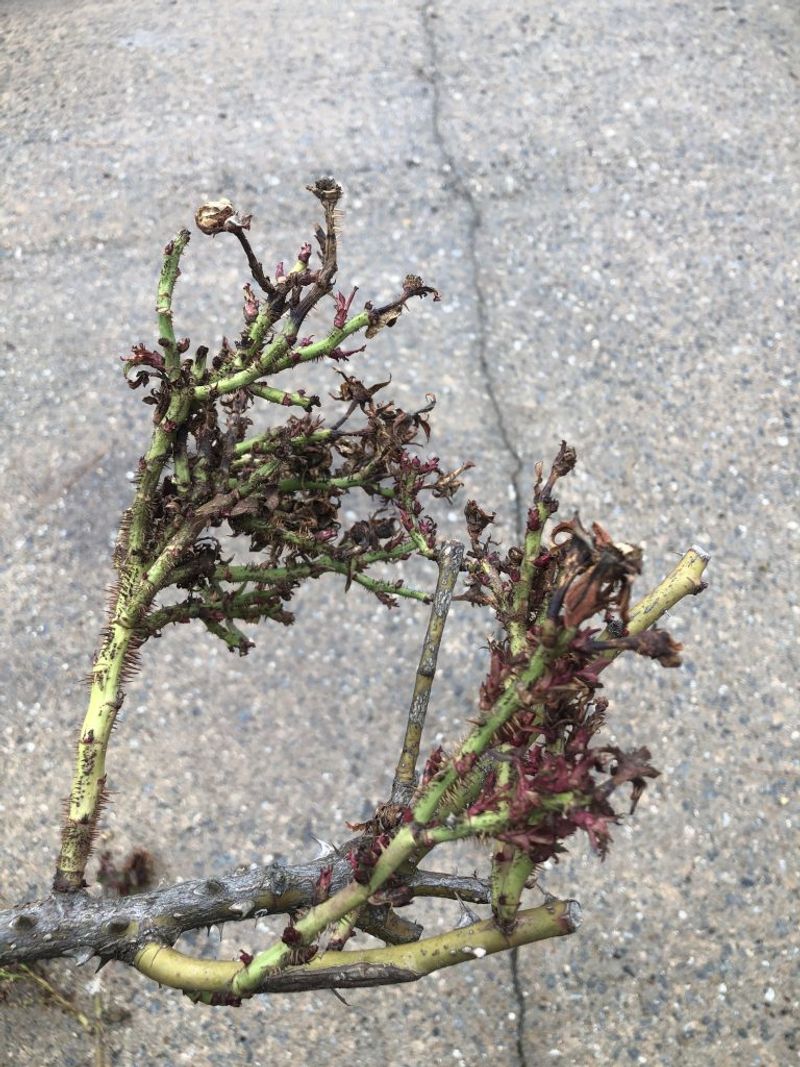
Sometimes moisture is adequate, the sun is right, and the rose still refuses to produce. That is the moment to look more closely at the buds themselves, because weather is not always the culprit.
Japanese beetles are a familiar summer visitor across North Carolina, and NC State Extension notes that adult beetle populations commonly emerge in mid-May and begin to diminish by August. They chew through leaves, buds, and open flowers, and a heavily fed-upon bush can look stripped and finished. But established Knock Out roses generally survive beetle damage. Identify what you are actually dealing with before reaching for a pesticide, because the damage pattern and the timing matter for choosing the right response.
Rose midge is a different and more consequential problem when buds are the issue. NC State Extension reports that rose midge goes through several generations per year in North Carolina, with damage accumulating across the summer. The telltale signs are buds that blacken, wither, become distorted, or simply fail to form at all. If you see that pattern, remove and destroy the affected buds rather than composting them, which can spread the problem.
Rose midge is genuinely one of the less obvious reasons a rose can stop producing late in the season, and it is worth ruling out before assuming the plant is just tired from the heat.
Neither pest automatically kills a well-established rose. The goal is accurate identification so any response you take actually addresses the real problem.
Do Not Force a Late-Summer Rescue
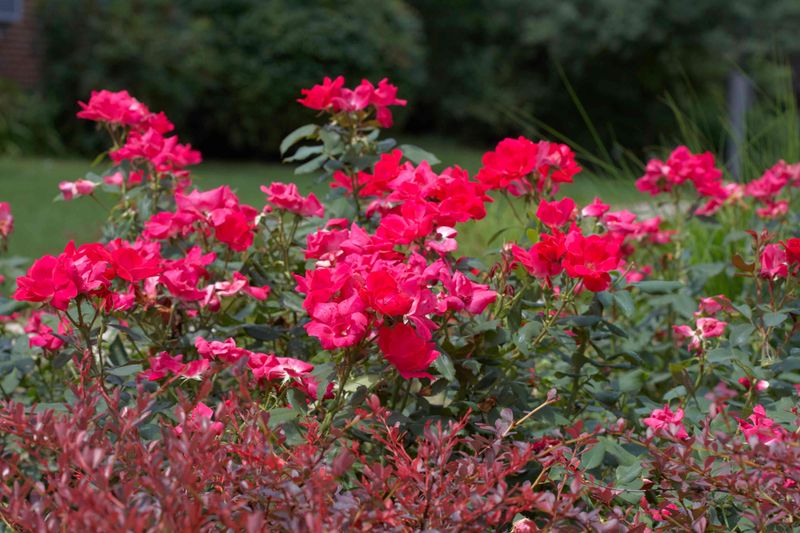
When a rose slows down, the instinct is to do something big. Fertilize it. Cut it back hard. Pull off every dead flower.
Most of those impulses, while understandable, can actually create new stress rather than solving the original problem.
Start with deadheading. Knock Out roses are self-cleaning and do not require deadheading to rebloom. Removing spent flowers can make the plant look tidier, and that is a perfectly good reason to do it, but it is not the mechanism that triggers the next flush. Skipping deadheading will not stall your rose.
Fertilizer is a more consequential temptation. The manufacturer is direct on this point: Knock Out roses do not require fertilizer to rebloom, and late-summer fertilizing can encourage tender new growth at exactly the wrong time, when the plant should be winding down rather than pushing new shoots that will not harden before cooler weather arrives. The NC State landscape management calendar schedules rose fertilization in April, May, and June, not late summer. If you want to fertilize next season, get a soil test first and follow the product label rather than guessing at a rate.
Pruning deserves the same restraint. The major annual cut for Knock Out roses belongs in late winter or early spring, not August. A light trim during the growing season is acceptable, but removing more than about one-third of the plant’s growth during heat or drought stress asks the plant to recover from two problems at once. A hard August cut to force another flush is one of the more common well-intentioned mistakes in late-summer rose care.
Plan for Local Frost Instead of a Bloom Guarantee
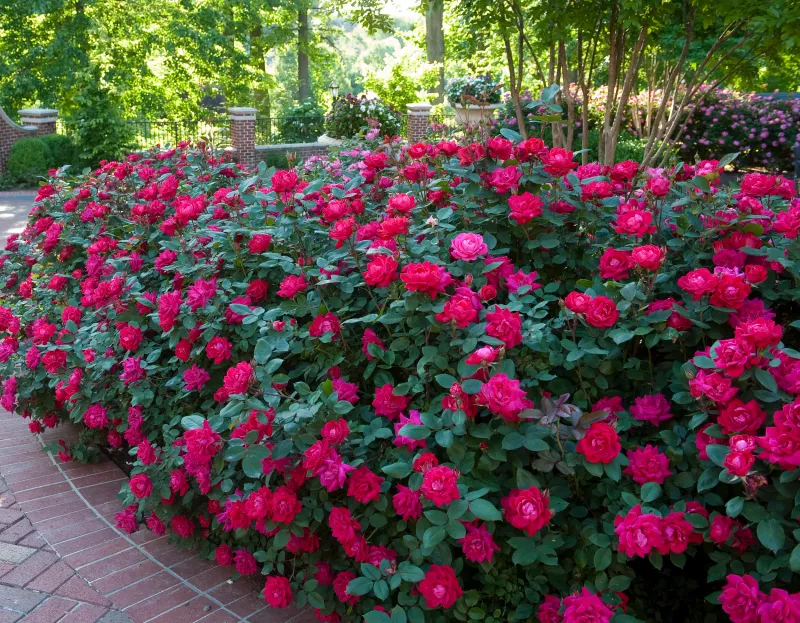
Before you close out the season, it helps to reset expectations around what “blooming until first frost” actually means for your specific address in North Carolina. The state covers a remarkable range of elevations and climates, from mountain counties in zones 6a and 7a to the 8a and 8b coast, and frost timing varies significantly across that geography.
The National Weather Service provides location-specific maps for North Carolina that distinguish between a 36 degree frost, a 32 degree freeze, and a 28 degree hard freeze, and NC State Extension explains how to read those freeze and frost probability estimates as location-specific likelihoods rather than fixed calendar dates. A mountain gardener near Boone may see a first frost in early October, while a gardener on the Outer Banks might not see one until November or later. These are estimates and probabilities, not promises.
The phrase “blooming until first frost” is a potential outcome, not a guarantee of heavy, uninterrupted flowering from now until a hard freeze. The manufacturer acknowledges that extended high temperatures can reduce the floral display, and late-season blooms may be lighter and more scattered than what you saw in May. That is a normal pattern, not a failure. Your practical checklist from here is straightforward: confirm the root zone is getting deep moisture when it dries, maintain a 2-to-4-inch mulch layer away from the crown, verify the plant is getting at least 6 hours of direct sun, inspect buds and foliage for pest damage, and hold off on fertilizer and hard pruning until late winter.
A rose that gets those basics right has a real shot at carrying color into fall, and in a good year, that is a sight worth the whole summer’s attention.