California Native Shrubs That Actually Survive August Heatwaves Without Water
August separates truly drought-ready shrubs from garden hopefuls.
A slope can bake for weeks. Patio edges can radiate heat long after sunset. Inland valleys can feel like an oven, while coastal bluffs face wind, glare, and dry soil that drains almost too fast.
Many common landscape plants wilt, fade, or demand rescue watering before the month is half over.
California natives can be different.
The right shrub, planted in the right region and given time to establish, can handle late-summer heat with little or no supplemental water.
That does not mean every native belongs in every yard. Desert plants can struggle on foggy coasts. Coastal shrubs can suffer inland. Heavy clay can ruin a shrub that evolved in rocky drainage.
Site match is everything.
So which California native shrubs truly earn their heatwave reputation?
Start with the tough species that know how to handle sun, lean soil, dry roots, and the brutal timing of August.
1. Bladderpod Powers Through Coastal Heat
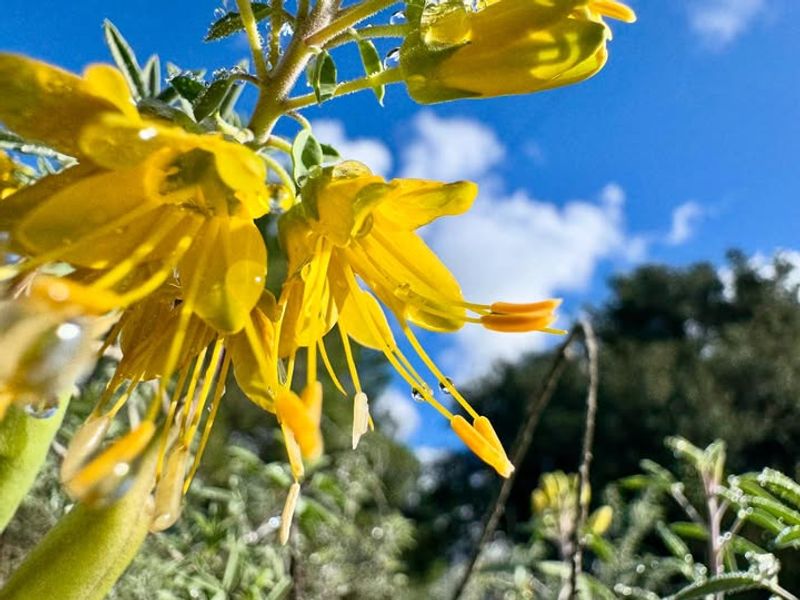
Bladderpod is built for dry coastal exposure.
This Southern California native, known botanically as Peritoma arborea, stands out with yellow flowers and inflated seedpods that look like tiny green balloons. On the right site, it can keep looking lively when many thirstier shrubs have already given up.
Fast drainage is its favorite condition. Sandy soil, coastal bluffs, slopes, and lean ground suit it far better than rich, damp garden beds.
Full sun brings out its strength. Give it shade, heavy water, or slow-draining soil, and the plant loses the rugged edge that makes it so useful.
The flowers matter to wildlife. Native bees and hummingbirds often visit, especially where summer bloom is limited.
The scent is the catch. The foliage can smell strongly sulfurous, especially during warm afternoons.
Place it with that in mind. Bladderpod belongs away from patios, windows, and seating areas where the odor might bother people.
Expect a broad shrub. Mature plants can reach several feet tall and wide, depending on exposure and soil.
Water during establishment. Deep watering through the first year helps roots settle into the site.
Then back off sharply. Once established in the right coastal or coastal-adjacent setting, bladderpod handles dry summer conditions far better than most ornamental shrubs.
Avoid heavy summer irrigation. Too much water during heat can weaken roots and shorten the plant’s life.
Bladderpod is not polished, delicate, or scent-free.
It is tough, cheerful, wildlife-friendly, and perfectly suited to gardens that ask plants to handle August honestly.
2. Desert Lavender Thrives In Dry Air
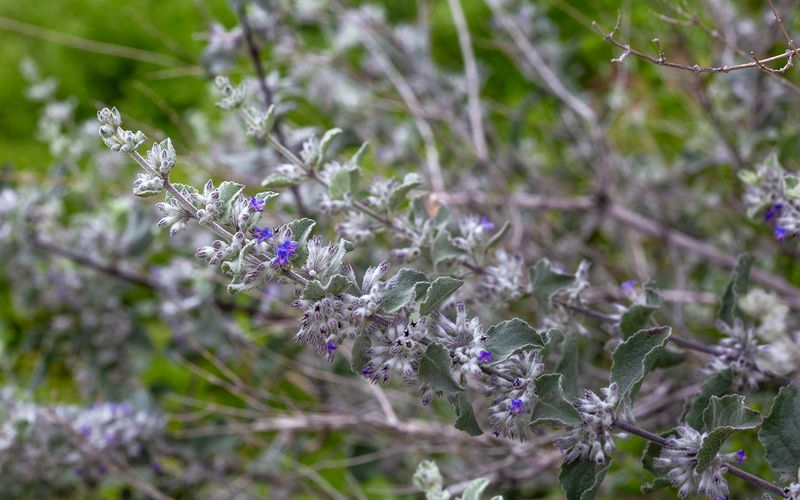
Desert lavender brings fragrance to punishing heat.
This shrub, Hyptis emoryi, grows naturally in desert washes and rocky slopes where summer temperatures can soar. Its gray-green foliage, herbal scent, and pale purple flowers make it feel both rugged and graceful.
Dry air suits it. This is not a plant for foggy coastal gardens or damp, shaded beds.
The foliage tells the story. Pale, slightly fuzzy leaves help reflect intense light and reduce moisture loss.
Sharp drainage is essential. Sandy, gravelly, or rocky soil is far better than heavy soil that stays wet after irrigation or rain.
Your California Garden Changes Every Week. Your Plan Should Too.
Gardening in California changes quickly throughout the season. Every Friday you’ll receive a simple weekly plan showing exactly what to plant, prune, fertilize, harvest, and protect so you never miss the right timing.
Full sun keeps growth strong. Too much shade can make the plant sparse and less resilient.
Flowers draw wildlife. Bees, butterflies, and hummingbirds may visit during the bloom season, especially in lean desert landscapes.
Give it space. Mature plants can grow into a broad shrub several feet tall and wide.
Establishment takes patience. Occasional deep watering during the first year or two helps roots reach into the surrounding soil.
After that, stop treating it like a patio herb. In its native desert range, established desert lavender can handle summer without routine irrigation.
Frost is the limitation. Cold inland pockets, mountain gardens, and high-desert sites may be too harsh during winter.
Avoid rich, wet amendments. They can create root problems and make the plant softer than it should be.
Desert lavender does not want pampering.
It wants sun, air, drainage, and a gardener willing to let a desert shrub behave like one.
3. Chaparral Mallow Shrugs Off Harsh Sun
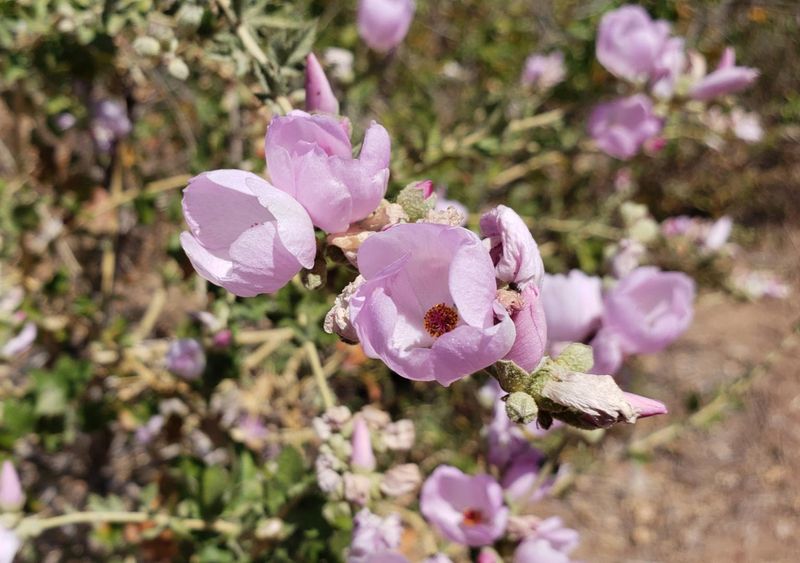
Chaparral mallow handles heat with soft-looking foliage and serious resilience.
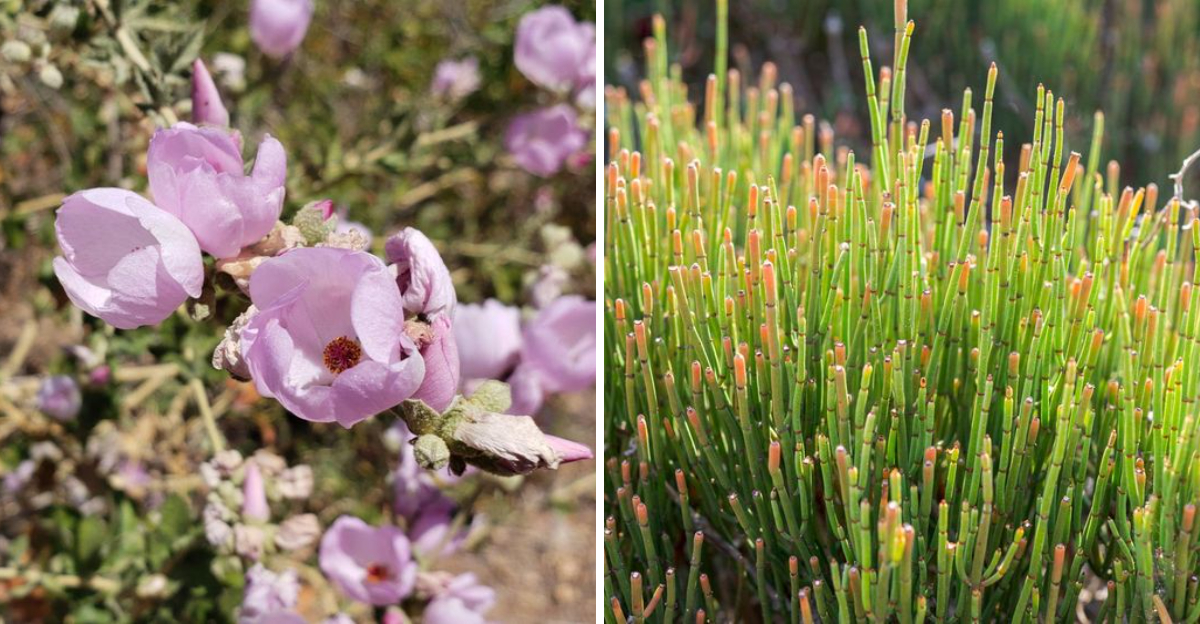
Plants in the genus Malacothamnus often carry fuzzy gray-green leaves and clusters of pink, lavender, or pale flowers. The look can seem delicate, but the plant is adapted to dry California slopes, chaparral edges, and harsh sunny sites.
Choose the right species. Several chaparral mallows are native to different parts of California, and local fit matters.
County-level selection is important. A species from one region may not perform well or belong ecologically in another.
Most types prefer full sun. Strong light helps keep growth sturdy and flowering better.
Drainage matters deeply. Rocky, sandy, or fast-draining slopes are better than flat clay beds.
The fuzzy foliage is useful. Tiny leaf hairs help reduce moisture loss and soften the impact of hot sun.
Many types can spread. Underground stems may form loose colonies over time.
That habit can be an asset on slopes. It helps hold soil and create wildlife cover.
In small gardens, manage suckers. Give the shrub room or plant it where spreading will not become annoying.
Water through establishment. Deep, infrequent watering during the first couple of summers helps roots settle.
Then reduce water sharply. Established plants in suitable chaparral regions can handle August without routine irrigation.
Do not overfeed. Rich fertilizer can push weak growth that struggles in dry heat.
Chaparral mallow is best for gardeners who like natural movement.
It may not stay perfectly tidy, but it gives dry slopes flowers, texture, and hard-earned summer toughness.
4. Flannel Bush Demands Fast Drainage
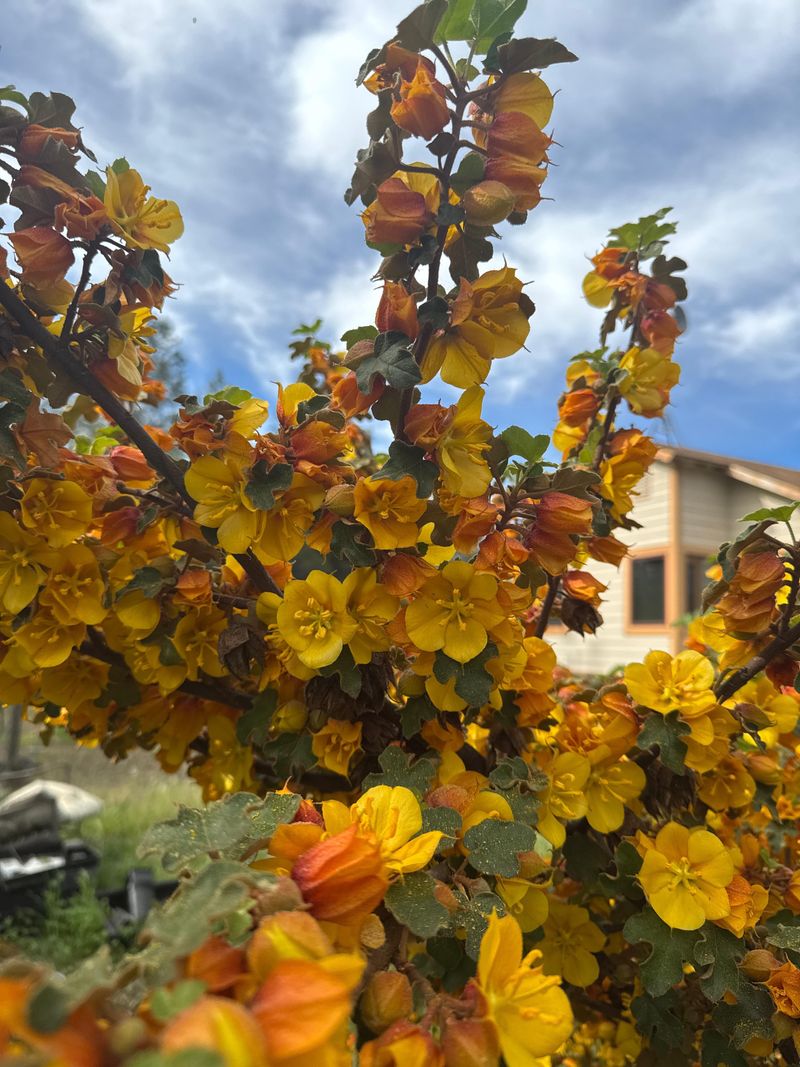
Flannel bush is spectacular, but it has rules.
Known as Fremontodendron, this California native can cover itself in golden flowers during spring. When planted well, it becomes one of the most dramatic drought-adapted shrubs in the landscape.
The flowers are unforgettable. Bright yellow blooms can make the whole shrub glow.
The roots are unforgiving. Flannel bush cannot tolerate regular summer irrigation once established.
Drainage is everything. Rocky slopes, banks, decomposed granite, and fast-draining foothill soils are ideal.
Flat wet beds are risky. Even one summer of repeated watering can trigger root decline.
Plant it away from lawns. Overspray from turf irrigation is one of the fastest ways to lose it.
Give it room. Depending on species, hybrid, and site, flannel bush can become a large shrub or small tree.
The leaves can irritate skin. Fine hairs may bother hands, arms, and eyes during pruning or cleanup.
Wear protection when working near it. Gloves, long sleeves, and eye protection are smart.
Prune lightly only when needed. Harsh cuts can spoil the natural form and stress the plant.
Water during early establishment. Winter and spring moisture, plus careful early deep watering, can help roots settle.
Then stop summer watering. A mature flannel bush in the right site survives heat by staying dry at the root zone.
This shrub is not for every garden.
But on a dry slope with perfect drainage, few California natives deliver a better combination of heat tolerance and flower drama.
5. Hollyleaf Redberry Handles Lean Soil
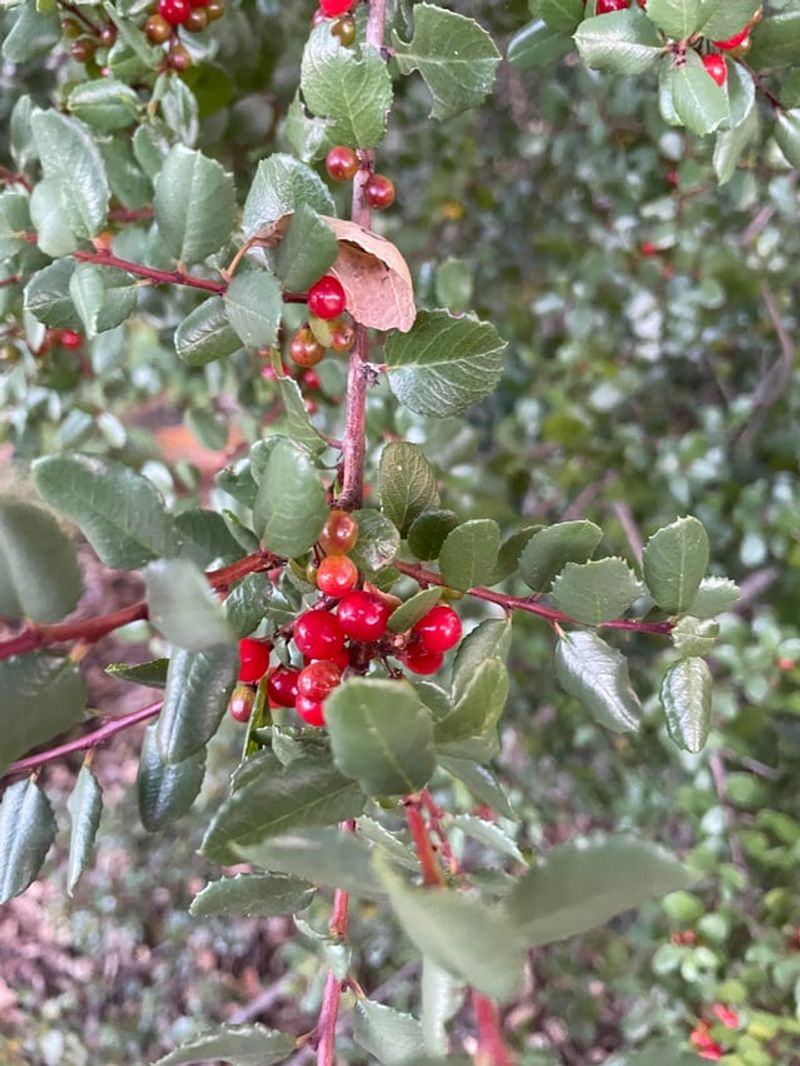
Hollyleaf redberry thrives where richer garden shrubs may complain.
This chaparral native, Rhamnus ilicifolia, has glossy spiny leaves and clusters of red berries that bring late-season value to wildlife plantings. It is not a fast showoff, but it is tough in the right place.
Lean soil suits it. Rocky, gravelly, and well-drained ground is better than a heavily amended bed.
The slow growth is part of its character. Gardeners who want instant size may need patience.
That slow pace has benefits. Hollyleaf redberry rarely overwhelms a planting bed once it settles in.
Full sun works in many sites. Part shade can also suit it, especially in hotter inland gardens.
Birds appreciate the berries. Late-season fruit can feed local wildlife when other resources are limited.
The leaves add structure. Their holly-like shape gives the shrub a crisp texture without high water demand.
Avoid soggy soil. Poor drainage can stress roots and undermine the plant’s drought toughness.
Water during the first years. Deep, occasional irrigation helps it establish a stronger root system.
Then reduce sharply. Once settled into a suitable chaparral or foothill site, it can handle dry summer conditions well.
Do not push growth with fertilizer. Rich feeding can create weak growth that does not match the plant’s natural rhythm.
Give it a permanent spot. Slow-growing shrubs are harder to appreciate when moved or crowded too often.
Hollyleaf redberry is a patient gardener’s shrub.
It asks for time, drainage, and restraint, then pays back with structure, berries, and strong dry-season endurance.
6. Desert Holly Owns Reflective Heat
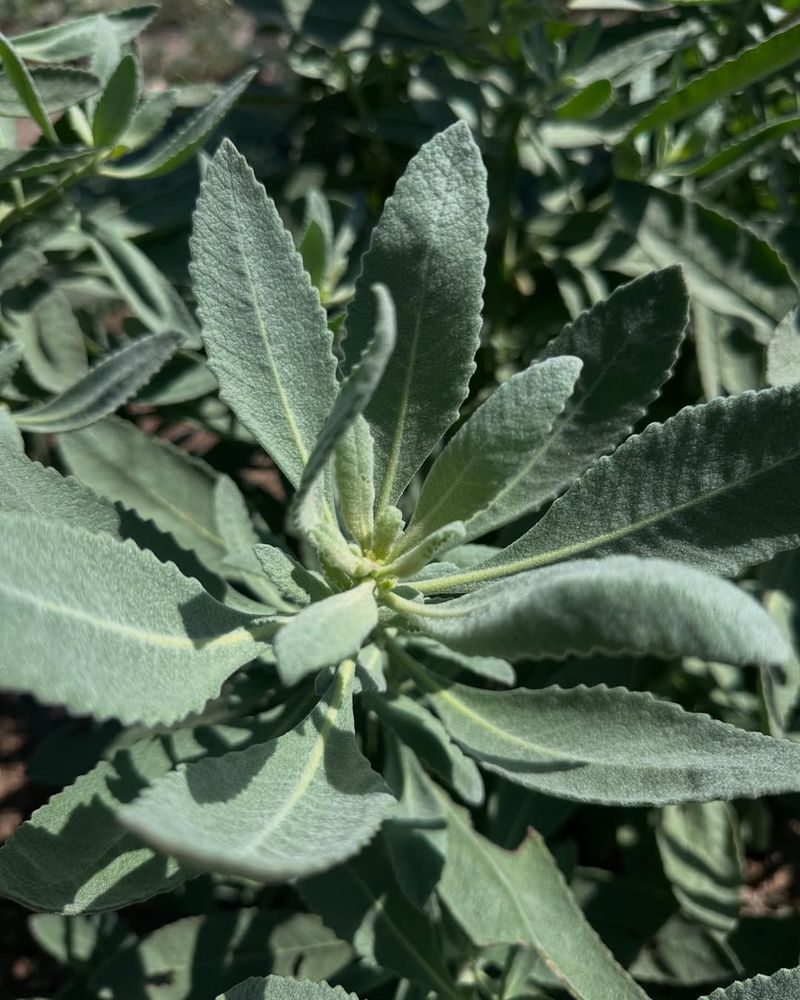
Desert holly looks like it was designed for glare.
Its pale, almost white foliage reflects sunlight in a way that makes the shrub stand out against desert soil. Botanically known as Atriplex hymenelytra, it is one of the toughest choices for low-desert heat.
This shrub belongs in desert gardens. It is not a universal California native for every region.
Low-desert sites suit it best. Mojave and Sonoran desert conditions match its natural strengths.
Reflected heat does not scare it. Parking strips, walls, gravel, and pavement edges can suit this plant when drainage is sharp.
The foliage does the work. Silvery leaves reflect intense solar radiation and help the plant conserve water.
It tolerates tough soil. Alkaline, salty, lean, and dry ground can be acceptable where other shrubs fail.
The form is spare. Desert holly is not lush or leafy in a traditional garden sense.
Expect modest size. It often stays low and open compared with larger chaparral shrubs.
Use it where texture matters. Its pale color can brighten gravel gardens and heat-island plantings.
Water lightly during establishment. Deep but infrequent watering through the first season helps roots settle.
Then let it dry. Established desert holly in the right region can handle August without routine irrigation.
Do not plant it in coastal humidity. Cool damp air and richer garden conditions are not its strengths.
Desert holly is a specialist.
In the right low-desert yard, that specialization makes it almost irreplaceable.
7. Mormon Tea Stays Spare And Tough
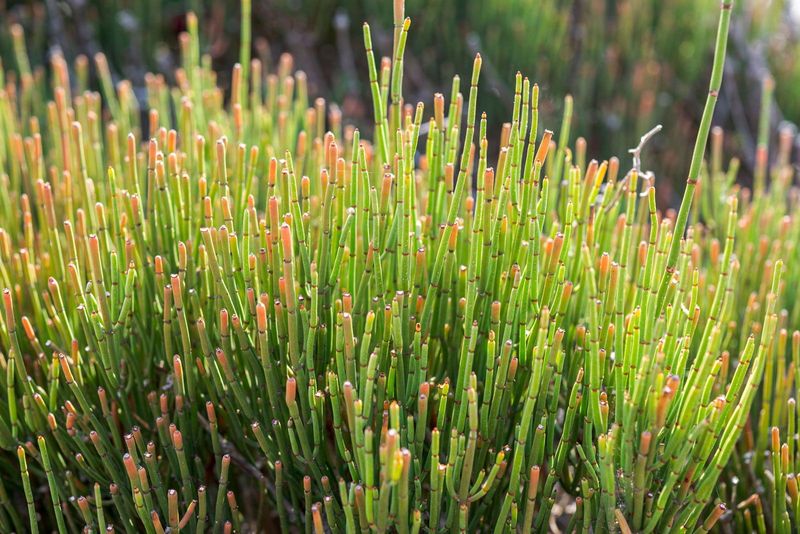
Mormon tea proves leaves are not always necessary.
Several Ephedra species grow in California, and their jointed green stems handle the photosynthesis that leaves normally would. That unusual structure helps reduce water loss and gives the shrub its spare, architectural look.
The plant is subtle. It will not give you lush foliage or big flowers.
Its strength is endurance. Dry heat, lean soil, and open sun suit it far better than pampered garden conditions.
Choose the right species for your region. California has more than one native Ephedra, and local fit matters. Full sun is best. Shade reduces vigor and makes the plant less useful as a dry-site shrub.
Fast drainage matters. Sandy, rocky, or gravelly soil is ideal.
Growth is slow. That can frustrate impatient gardeners, but it makes the plant manageable in smaller dry gardens.
The shape is distinctive. Jointed green stems create a fine-textured, almost sculptural form.
Wildlife may use it for cover. Birds can move through the open structure and sometimes nest in dense growth.
Water during establishment. Occasional deep watering in the first year helps roots settle into the site.
Then stop routine summer irrigation. Once established in its native dry range, the plant can handle August without regular water.
Avoid medicinal claims. This shrub belongs in the landscape for habitat, form, and drought tolerance, not home remedies.
Mormon tea is not flashy.
It is the kind of shrub that quietly survives while more dramatic plants ask for rescue.
8. Bush Sunflower Brightens Dry Slopes
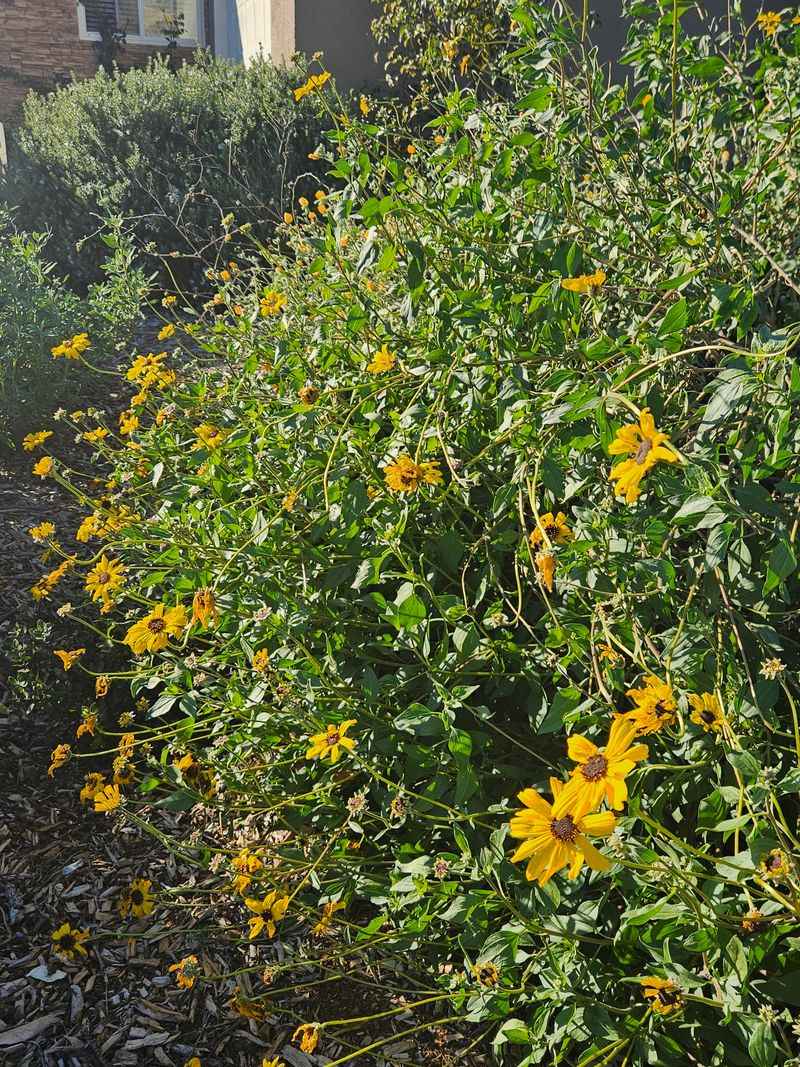
Bush sunflower brings cheerful bloom to dry coastal gardens.
Known as Encelia californica, this shrub produces yellow daisy-like flowers above gray-green foliage. It is especially useful on coastal slopes and sage scrub-inspired plantings where summer drought is expected.
Spring is its showiest season. Flowers often appear from late winter into spring, with some bloom stretching longer in mild coastal conditions.
By midsummer, the plant may slow down. Leaf drop or a semi-dormant look during dry heat can be normal.
Do not mistake dormancy for failure. Many drought-adapted natives reduce growth when summer conditions peak.
Coastal fit matters. Bush sunflower is best near the Southern California coast and coastal sage scrub regions.
Hot inland valleys can be too much. Dry heat without coastal influence may stress it beyond its preferred range.
Full sun encourages bloom. Give it open exposure and well-drained soil. Use it on slopes. Fast growth and spreading form can help cover dry banks.
Prune after bloom. Light shaping keeps the shrub tidier and encourages fresh growth. Avoid cutting hard into old wood. Severe pruning can reduce vigor.
Water during establishment. Deep watering every so often during the first year helps it root into the site. Then reduce irrigation sharply. Established coastal plants can handle summer drought without routine water.
Pollinators appreciate the flowers. Bees and butterflies often visit when the shrub is in bloom.
Bush sunflower is bright, fast, and honest about its season.
Give it coastal sun, drainage, and room, and it can turn dry slopes into something lively without demanding August water.