These Tennessee Vegetables Are Entering Their Final Push Toward A Strong Season
Heat pushes you harder than any month before it. Tennessee summers stay intense through August.
Humidity settles onto your skin the instant you step outside each morning. Rain teases you, then fades for days without warning.
Weeds spread fast, using water your plants desperately need. Pests multiply while you stay busy managing the heat.
Tomatoes struggle the moment you pause too long. Okra rewards you daily, but only if you show up.
Squash vines face hidden challenges you can barely see. Mulch buys you time, but only if you act now.
Every decision now shapes your harvest across Tennessee gardens. Fall crops need starting before your window closes completely.
Confidence beats doubt whenever you simply refuse to wait. Momentum defines you more than any single task could.
Nothing waits for you, not weather, not pests, not time. Blink now, and you’ll watch your best harvest pass you by.
1. Tomatoes
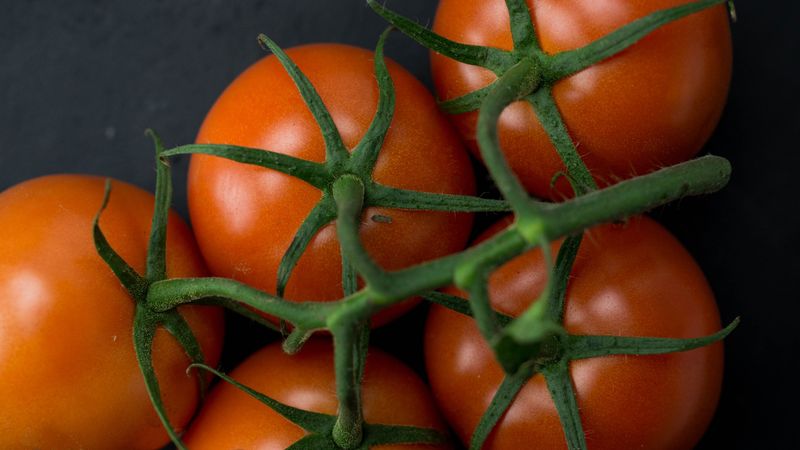
Nothing says summer like a tomato so ripe it barely makes it inside.
August is crunch time for your tomato plants, and what you do now decides the final harvest. The vines are loaded, the fruit is swelling, and the finish line is right there.
Start by pruning any new flower clusters that appear now. Those late blooms will not ripen before the first cool snap arrives, so snipping them redirects energy to existing fruit.
Check your soil moisture every single day in August heat. Tomatoes that dry out and then get soaked will split wide open, wasting weeks of hard work.
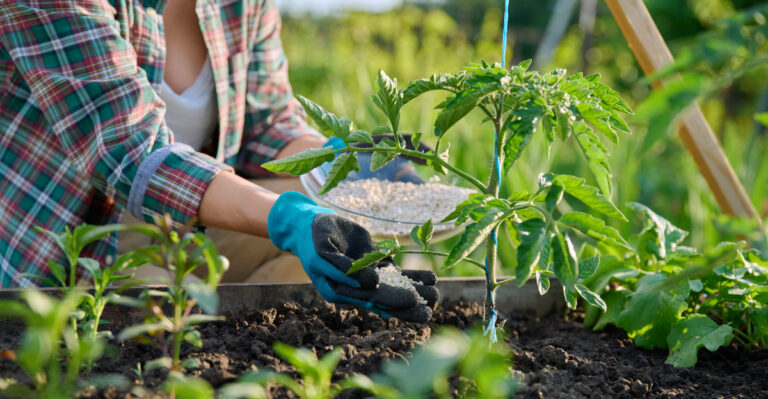
Feed your plants one last round of a low-nitrogen, high-phosphorus fertilizer. This formula shifts the plant’s energy away from leaf growth and toward finishing the fruit already on the vine.
Watch closely for signs of blossom end rot, which shows up as a dark, sunken spot on the bottom of the fruit. Consistent watering and a calcium spray can slow that problem fast.
Remove any yellowing or diseased leaves from the lower half of the plant. Good airflow keeps fungal issues from spreading during humid August nights in the region.
Pick tomatoes as soon as they blush fully red, or bring them inside to ripen on the counter. Leaving ripe fruit on the vine too long invites pests and signals the plant to slow down production.
Help these Tennessee vegetables cross the finish line by staying consistent and attentive right up to the last warm day.
2. Peppers
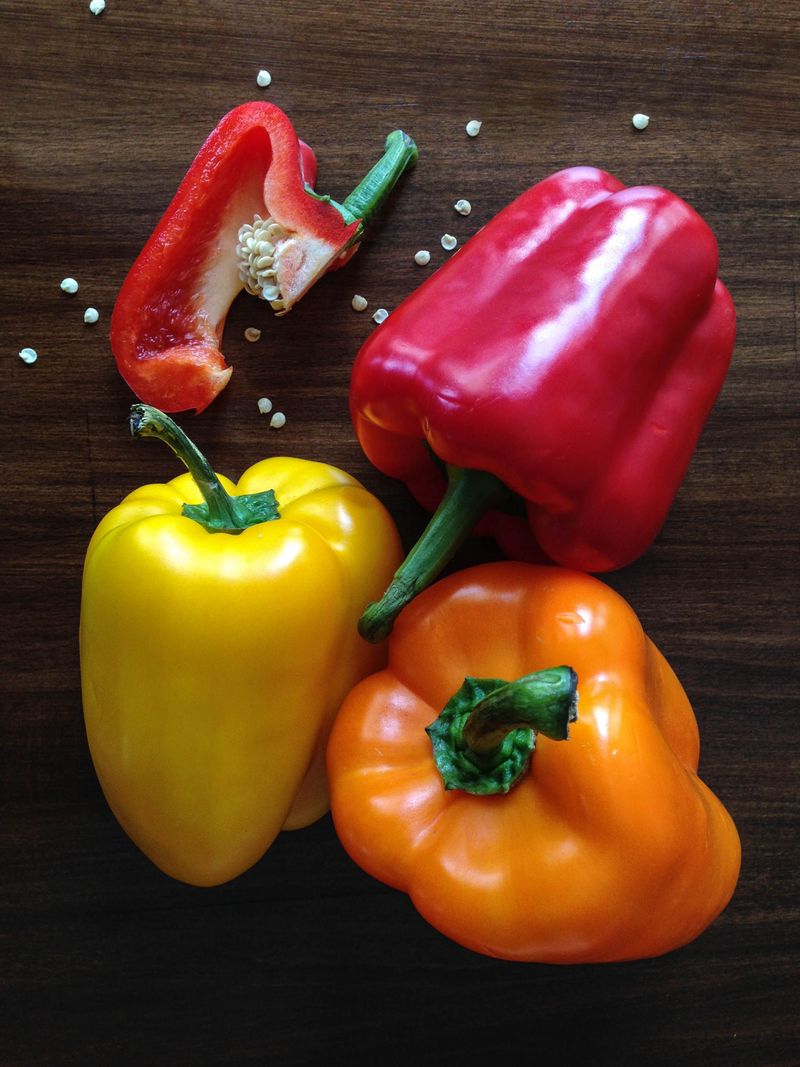
Peppers are quiet overachievers, and August is when they finally show off. These plants have been building strength all summer, and now the fruit is sizing up fast. A few smart moves this month will push your yield from decent to genuinely impressive.
First, resist the urge to pick every pepper the moment it turns green. Leaving some fruit on the plant a little longer allows them to shift to red, yellow, or orange, which boosts both flavor and nutrition.
That said, do not let too many peppers ripen at once on a single plant. Overloading the branches signals the plant to stop producing, so stagger your picking to keep new blooms coming.
Your Tennessee Garden Changes Every Week. Your Plan Should Too.
Gardening in Tennessee changes quickly throughout the season. Every Friday you’ll receive a simple weekly plan showing exactly what to plant, prune, fertilize, harvest, and protect so you never miss the right timing.
Watering is critical right now. Peppers prefer deep, even moisture rather than frequent shallow sprinkles.
Mulch heavily around the base of each plant to lock in ground moisture and keep roots cool during the hottest part of the day. A two-inch layer of straw or wood chips works beautifully for this.
If your pepper plants look leggy or stressed, a light dose of balanced fertilizer gives them a second wind. Avoid heavy nitrogen at this stage, since you want fruit, not more leaves.
Aphids love pepper plants in late summer, so flip leaves over and check the undersides weekly. A strong blast of water from the hose knocks most of them off without any chemicals needed.
Stay patient and keep picking, because peppers reward growers who do not give up in August.
3. Eggplant
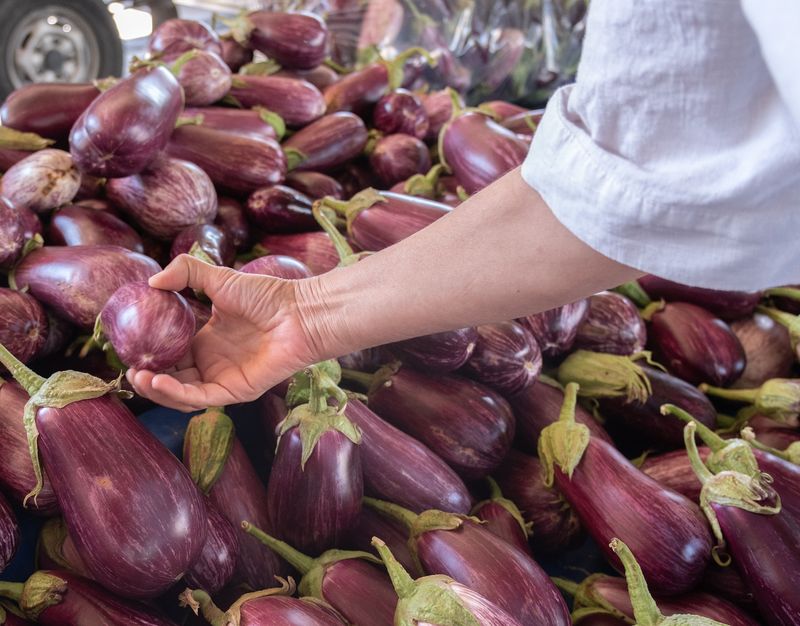
Eggplant is the slow-burn star of the summer garden, and August is its spotlight moment. These plants thrive in heat, which makes Tennessee’s high August temperatures work in your favor. If you have been patient, you are about to be rewarded.
Harvest eggplant when the skin is glossy and firm, not dull or soft. A dull surface means the fruit is overripe, and the flesh inside will be bitter and seedy.
Use a sharp pair of garden snips to cut the stem cleanly rather than pulling the fruit off. Tugging can damage the branch and stress the whole plant unnecessarily.
Keep the soil consistently moist, because eggplant drops its blossoms when it dries out. A stressed plant in August will abandon its fruit set and refuse to produce new blooms.
Flea beetles are among the most common pests to watch for this time of year. These tiny jumping insects chew small holes in the leaves, weakening the plant right when it needs full energy.
Row cover fabric or an organic neem oil spray applied in the evening helps manage flea beetle pressure effectively. Always spray after sunset so beneficial insects are not harmed during the process.
Side-dress your eggplant with a shovelful of compost to give it a slow, steady nutrient boost. This method feeds the soil gently without shocking roots that are already working overtime in the heat.
Stick with your eggplant through August, and it will keep producing well into September with the right care.
4. Cucumbers
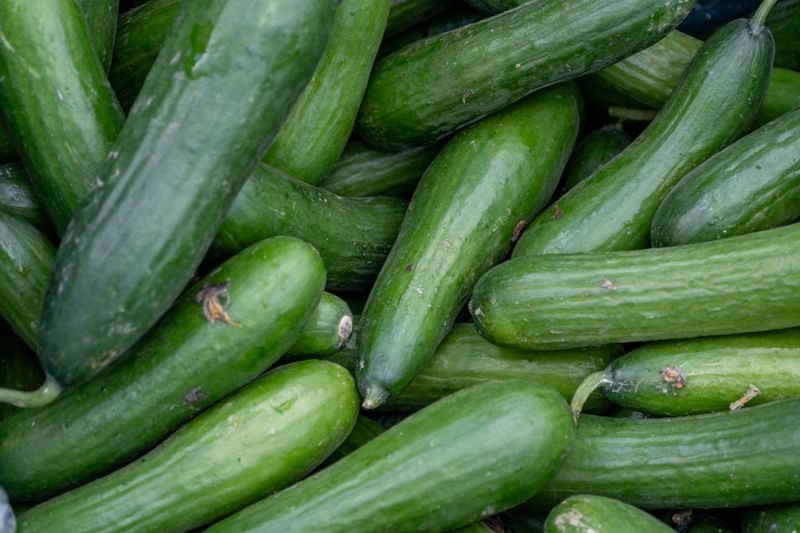
Cucumbers are sprinters, and August is their final stretch before the season closes. These vines produce fast and furiously, but they also fade quickly if you are not paying close attention. The key is harvesting often and keeping the plant from going to seed.
Pick cucumbers every single day if you can manage it. A cucumber left on the vine too long turns yellow, becomes bitter, and tells the plant it has done its job, which shuts down new production almost immediately.
Check your vines in the morning when the fruit is easiest to spot among the big leaves. Cucumbers hide surprisingly well, and a missed one can derail the whole plant’s productivity.
Powdery mildew is a major threat in Tennessee’s humid August air. White, powdery patches on the leaves spread fast and reduce the plant’s ability to photosynthesize and ripen fruit.
Remove affected leaves as soon as you spot them, and improve airflow around the vines by thinning dense growth. A diluted baking soda spray may offer mild, inconsistent help slowing the spread on leaves that are not yet heavily coated.
Keep watering deeply at the base rather than overhead, since wet foliage speeds up fungal spread. Drip irrigation or a soaker hose is the best tool for cucumber beds in late summer.
Cucumber beetles can also appear this time of year, so inspect the base of plants and the undersides of leaves regularly. Catching problems early keeps your harvest running strong through the end of the month.
5. Beans
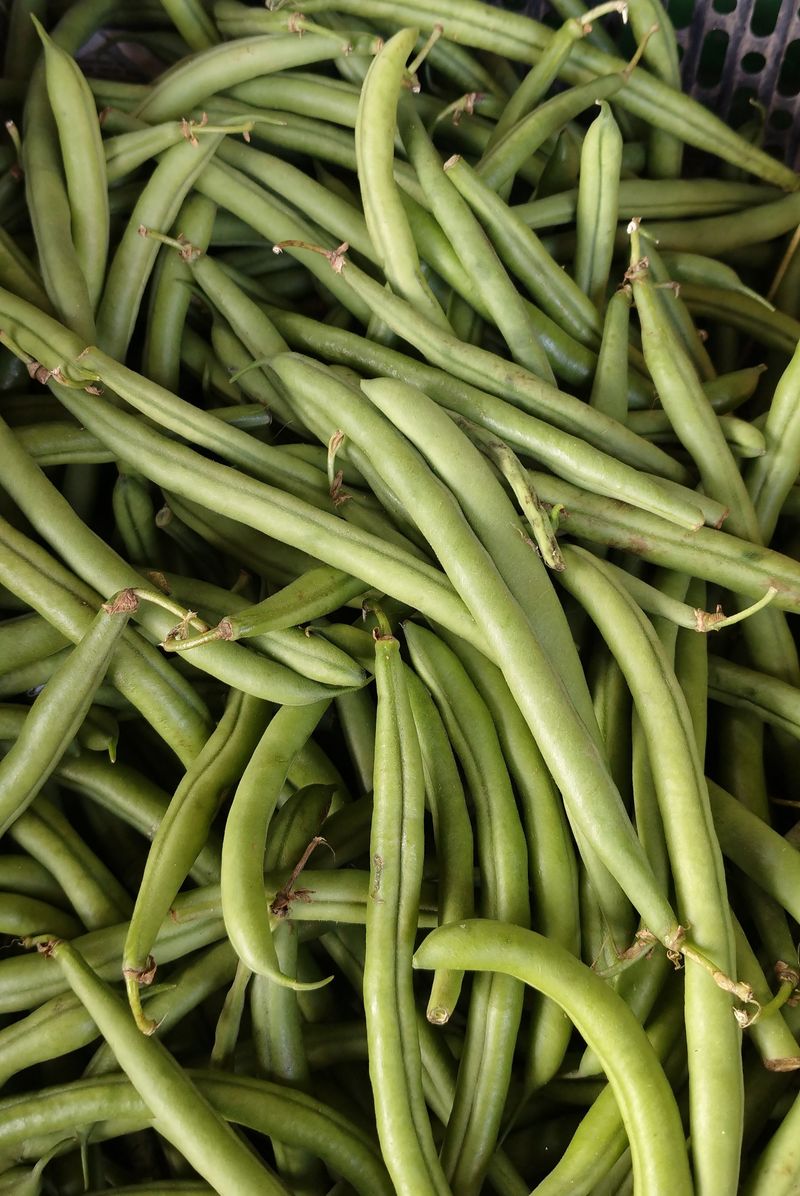
Beans are one of the most satisfying crops to grow, and August is full of opportunity. Whether you are growing bush beans or pole beans, this month brings a wave of pods that need your attention. Beans mature on a tight schedule.
Bush beans planted in mid-July are often hitting their prime right now, depending on the variety. Pull them when the pods are firm and snappy but before the seeds inside begin to bulge noticeably.
Pole beans, which have been climbing all summer, will keep producing as long as you keep picking. Leaving old pods on the vine signals the plant to stop making new ones, so harvest every few days without fail.
Beans fix their own nitrogen from the air, so they do not need heavy feeding this late in the season. A light layer of compost around the base is more than enough to support them through August.
Watch for Mexican bean beetles, which look like orange ladybugs with black spots. They chew through leaves in clusters and can damage a planting quickly.
Hand-picking the beetles and their yellow egg masses from leaf undersides is the most effective control method. Check every few days so populations do not get ahead of you before the harvest wraps up.
Beans are one of the most generous crops in the garden when treated right, and August proves it every single year.
6. Okra
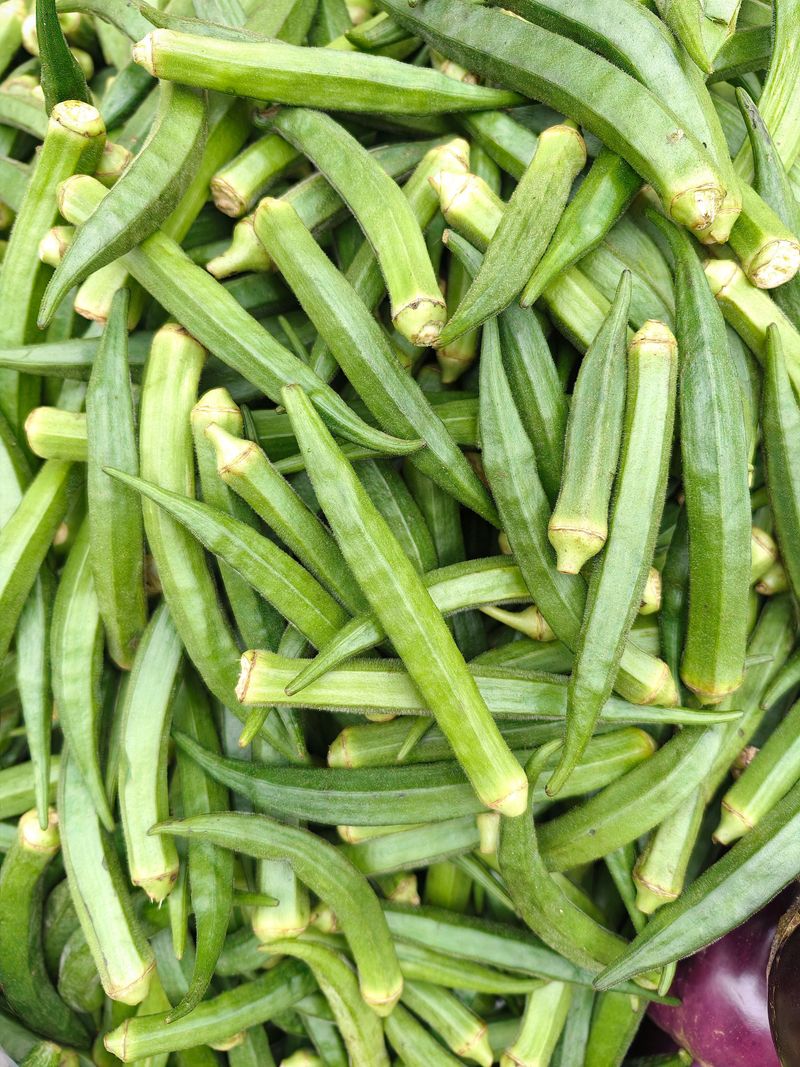
Okra was practically born for a Tennessee August, and it shows. This crop loves heat the way most people love air conditioning, and it thrives when other vegetables start to struggle.
If you planted okra in late spring, your plants are probably taller than you expected by now. The most important rule with okra is to harvest early and harvest often. Pods go from perfect to woody and tough in just two or three days during hot weather.
Pick okra when pods are two to four inches long for the best texture and flavor. Anything longer than four inches usually becomes fibrous and difficult to cook well.
Use gloves and long sleeves when harvesting, because okra leaves and stems have tiny spines that irritate skin. Many gardeners learn this lesson the hard way on their very first harvest day.
If your plants are getting too tall to manage comfortably, cut them back by about one-third. This pruning triggers a fresh flush of new growth and a second wave of pods before fall arrives.
Okra rarely needs much water once established, but consistent moisture during pod development improves tenderness. A deep watering two or three times per week is better than light daily sprinkles in August heat.
Stinkbugs and aphids sometimes cluster on okra pods late in the season, so check each pod before harvesting.
Keeping the bed clear of dropped leaves and debris reduces the hiding spots these pests prefer. Okra may be humble, but it earns its place in every Tennessee garden every single August.
7. Melons
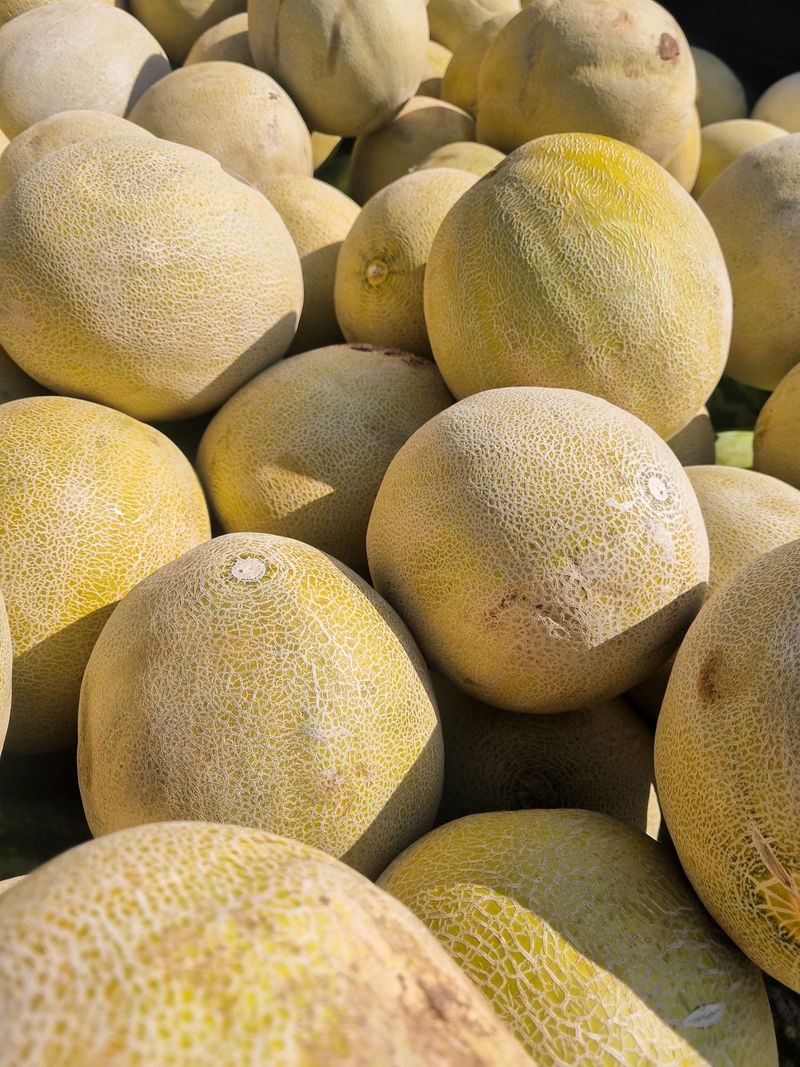
Few moments in gardening beat thumping a watermelon and knowing it is ready. Melons are the final highlight of the summer garden, and August is when that payoff finally arrives. Cantaloupes, watermelons, and honeydews all need your eyes on them daily now.
For cantaloupes, the clearest sign of ripeness is a strong, sweet smell near the stem end. The skin also shifts from green to tan or beige, and the fruit slips easily from the vine with a gentle tug.
Watermelons are trickier to read, but a few clues make it easier. Look for a dried, brown tendril closest to the fruit, a creamy yellow ground spot, and a dull rather than shiny surface on the rind.
Stop fertilizing melons now if you have not already. Extra nutrients this late push leafy growth instead of sweetness, and you want all the plant’s energy going into sugar development inside the fruit.
Reduce watering slightly in the final week or two before harvest to concentrate the natural sugars. Overwatering at the end of the season produces watery, bland melons that disappoint after months of waiting.
Powdery mildew often affects melon vines in August, so remove affected leaves and thin the canopy for better airflow. The vines do not need to look perfect, they just need enough healthy leaf coverage to finish the fruit.
Protecting your melons from ground rot by placing a piece of cardboard or tile under each fruit keeps the skin intact. Help these Tennessee vegetables cross the finish line, and the reward is a melon worth celebrating.
8. Summer Squash And Zucchini

Zucchini growers know the surprise of finding an oversized squash hiding under a leaf. Summer squash and zucchini are relentless producers, and August is peak season for both. The challenge is not getting them to grow, it is keeping up with how fast they do it.
Harvest zucchini when it is six to eight inches long for the best flavor and texture. Once it grows past ten inches, the skin toughens, the seeds enlarge, and the whole eating experience goes downhill fast.
Yellow summer squash follows the same rule, so check the plants every morning without skipping a day. A single missed day in August heat can turn a perfect squash into one that’s no longer ideal for eating.
Powdery mildew is almost inevitable on squash leaves by mid-August in humid climates. While it looks alarming, the plants can still produce well even with some mildew present, as long as most leaves stay green.
Remove the worst-affected leaves and avoid overhead watering to slow the spread. Keeping the base of the plant clear of old debris also reduces the spores that fuel the problem.
Squash vine borers are another late-summer threat, tunneling inside the main stem and weakening the plant from the inside. If a healthy-looking plant suddenly wilts despite moist soil, check the base of the stem for a small entry hole and frass.
Consistent harvesting through the end of August keeps summer squash and zucchini productive right up to the season’s close, helping these Tennessee vegetables cross the finish line in style.