The One Thing North Carolina Hydrangeas Need Before Labor Day Or Next Spring Comes Back All Leaves
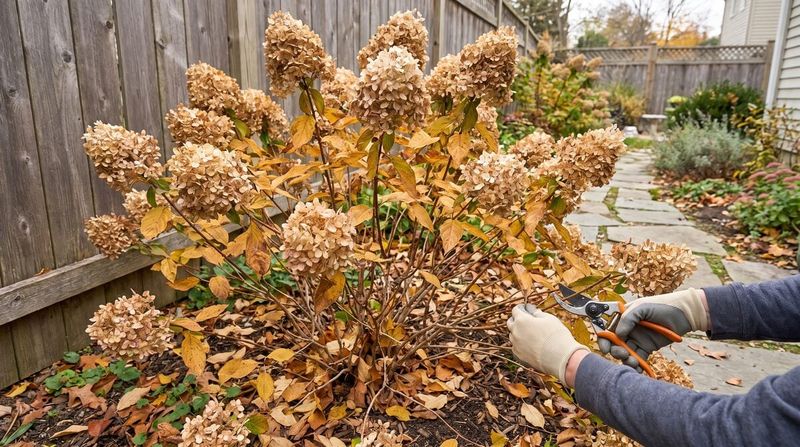
Late summer sneaks up on North Carolina gardeners, and a lot of people look out at their hydrangeas right now wondering whether to grab the pruners or leave everything alone. The honest answer depends entirely on which hydrangea is growing in your yard, because not every type follows the same rules. For traditional bigleaf and oakleaf hydrangeas, the stems standing in your garden right now may already be carrying tiny buds that will open next spring, and a well-meaning cut in the wrong place can wipe them out before winter even arrives.
Protect Old Wood After Flowering
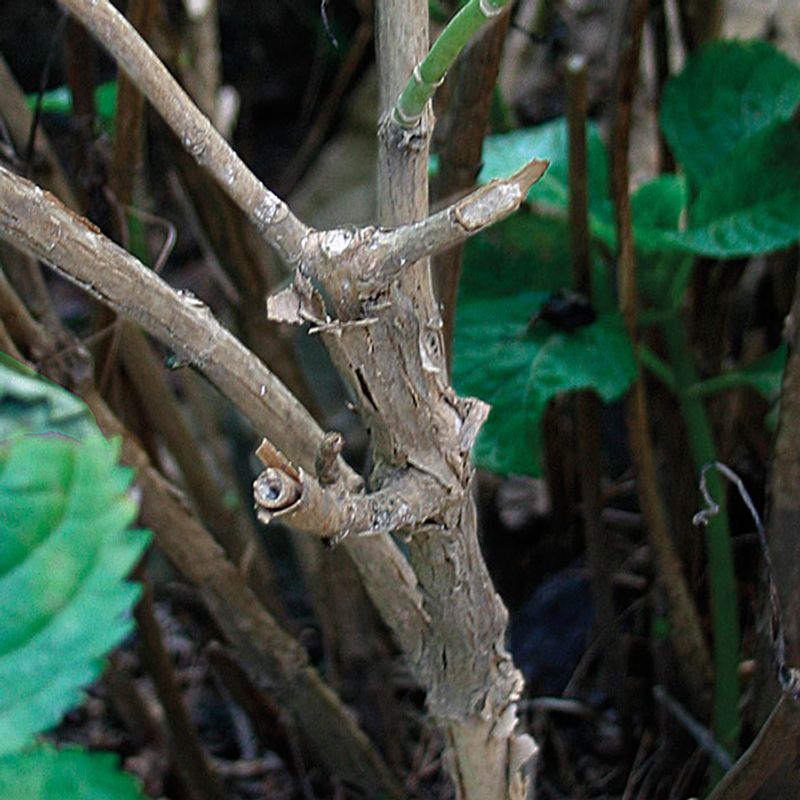
A lot of gardeners hear a warning about hydrangeas and assume it applies to every plant in the yard. That is the first thing worth correcting. The strongest pruning caution applies mainly to traditional bigleaf hydrangeas (Hydrangea macrophylla) and oakleaf hydrangeas (Hydrangea quercifolia), two types that carry next year’s flower buds on stems that grew during the previous season.
If your plant belongs to one of those types and has already finished blooming, the safest move right now is to stop any major pruning on healthy stems. Those stems are not just old growth sitting there looking woody. They are the scaffolding for next spring’s flowers, and cutting them removes the buds before they ever get a chance to open.
NC State Extension’s woody ornamentals guidance specifically notes that bigleaf hydrangea buds can be removed by fall or spring pruning and can also be killed by cold snaps, which means even correct timing does not come with a guarantee.
If you are not sure which hydrangea you have, the conservative action is simple: remove only wood that is clearly dead or broken, and leave every healthy green or brown stem alone. That one restraint protects the buds that may already be forming. Preserving old wood improves your odds of seeing flowers next spring, but cold weather, late freezes, and other site conditions can still interfere, so think of it as protection rather than a promise.
Identify the Hydrangea Before Pruning
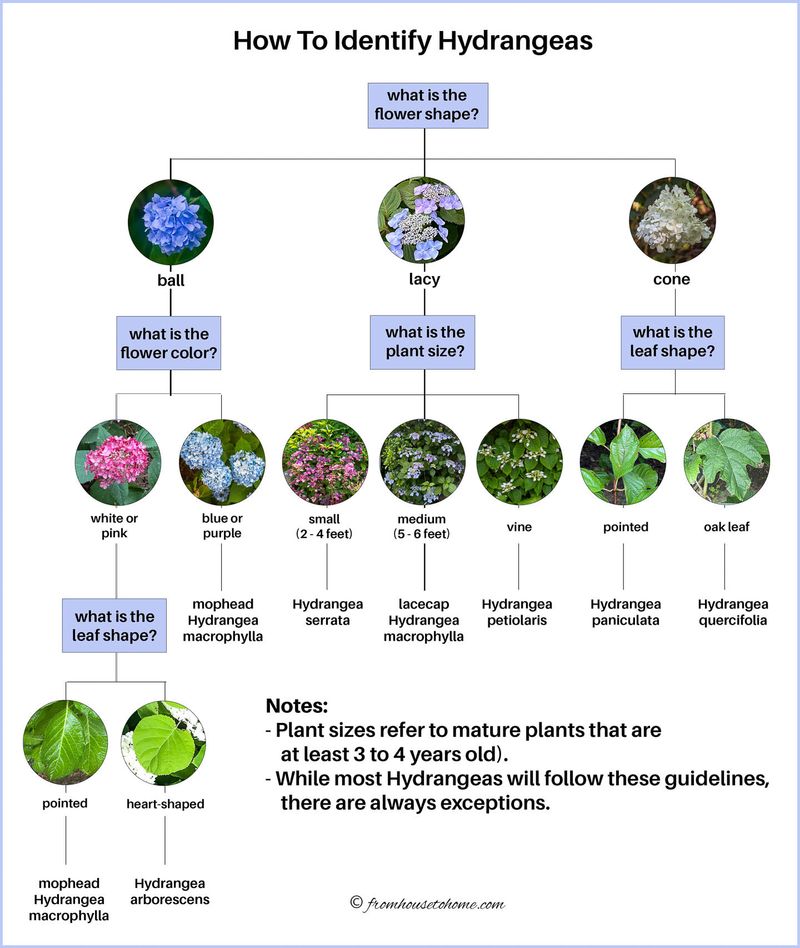
Before you make a single cut, stop and look at the plant. A two-minute identification check can save next year’s bloom, because the pruning schedule that helps one hydrangea can genuinely hurt another.
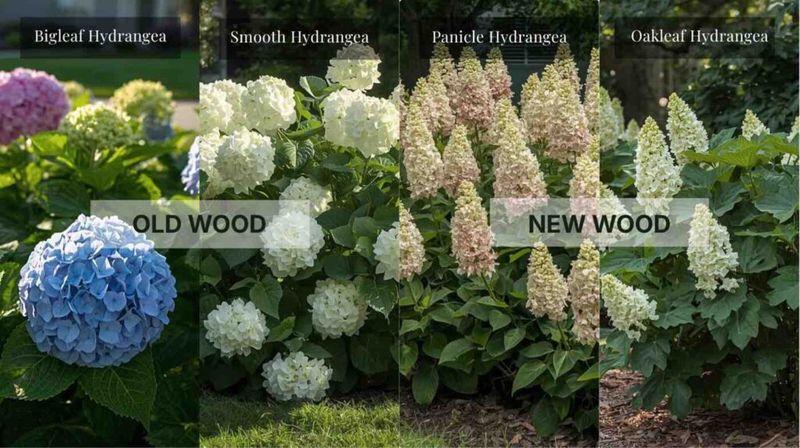
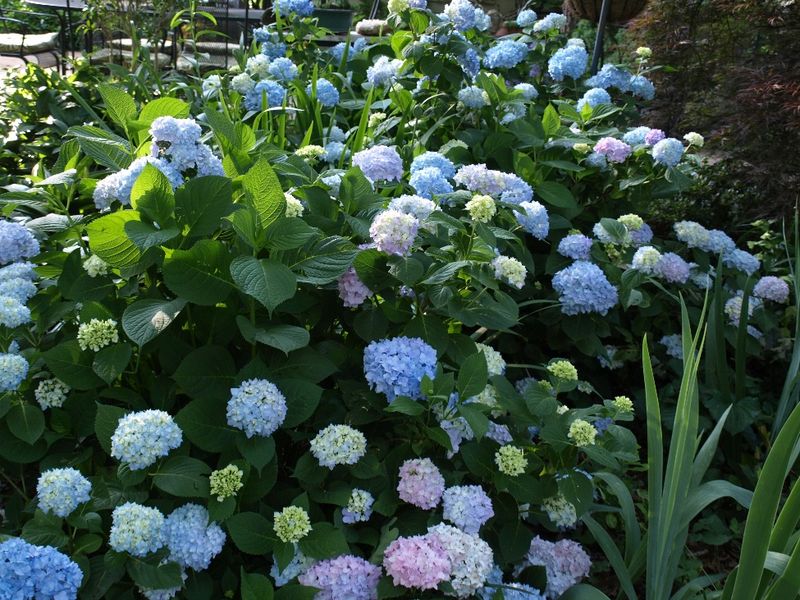
Bigleaf hydrangeas often have large, rounded mophead flowers or flatter lacecap clusters, and their blooms commonly show up in blue, purple, or pink. Oakleaf hydrangeas are easier to spot because their leaves are shaped like oak leaves, with deep lobes you can recognize from several feet away. Panicle hydrangeas (Hydrangea paniculata) produce cone-shaped flower clusters that start white and often age to pink or tan. Smooth hydrangeas (Hydrangea arborescens), the type that includes the popular Annabelle, usually carry large, rounded white flower heads on softer stems.
Visual clues are useful but not foolproof. A plant tag or cultivar name gives you better evidence than flower shape alone, especially since some newer cultivars have been bred to blur the usual categories. If you saved the tag from when you planted it, now is a good time to find it.
Your North Carolina Garden Changes Every Week. Your Plan Should Too.
Gardening in North Carolina changes quickly throughout the season. Every Friday you’ll receive a simple weekly plan showing exactly what to plant, prune, fertilize, harvest, and protect so you never miss the right timing.
Plain language helps here: old wood means stems that grew during the previous season and are now at least a year old. New wood means stems that pushed out during the current growing season. Penn State Extension’s guide to pruning by hydrangea species connects each type to its broad pruning window, and bigleaf and oakleaf types land in the old-wood column, while smooth and panicle types land in the new-wood column. Knowing which column your plant belongs to is the whole game.
Traditional Old-Wood Types Set Buds Before Winter
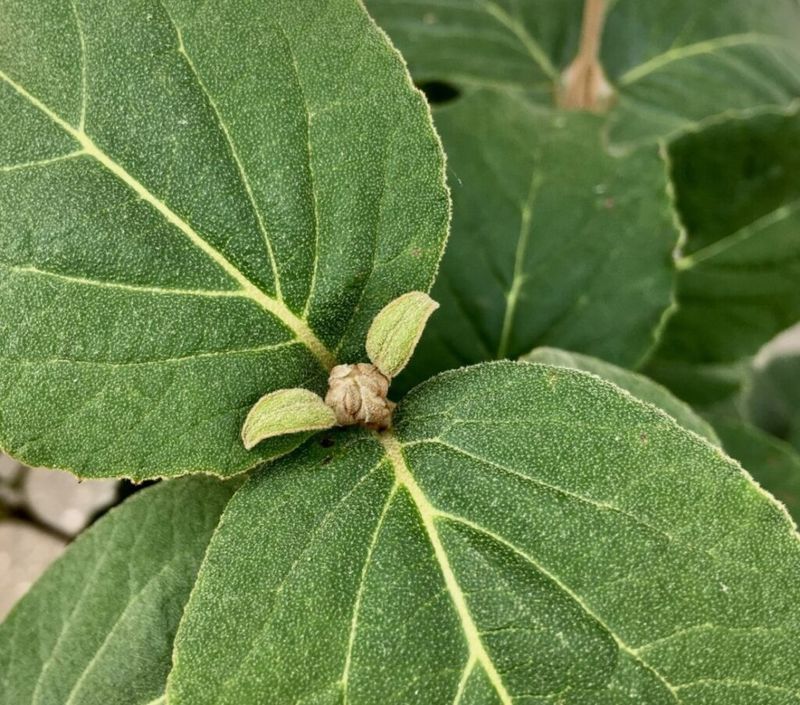
Here is where the timing actually matters. Traditional bigleaf and oakleaf hydrangeas do not wait until spring to plan their next bloom. They start forming next year’s flower buds in late summer and fall, right on the stems that finished flowering this year.
Those buds sit quietly through winter on what gardeners call old wood, the stems produced during the previous growing season. When spring arrives and temperatures warm up, those same buds break open into the flowers you were hoping to see. Cut the stems in fall, winter, or spring, and you remove the buds along with them. The plant grows back healthy and full of leaves, but the flowers are simply gone because you removed them months earlier.
University of Maryland Extension’s pruning guide explains that bigleaf hydrangea flower buds form on stems produced during the previous season, overwinter on those stems, and open the following spring or summer. That cycle is why the timing of any pruning cut on these plants carries real consequences.
Smooth hydrangeas and panicle hydrangeas do not follow this pattern. They bloom on new wood, meaning current-season growth, so late-winter or early-spring pruning suits them fine and actually encourages strong flowering. Some newer bigleaf and mountain hydrangea cultivars can bloom on both old and new wood, making them more forgiving of a mistimed cut. But a traditional bigleaf or oakleaf type has no such backup plan, and cold snaps can destroy overwintering buds even when your pruning was perfectly timed.
Make Light Cuts Within the Safer Window
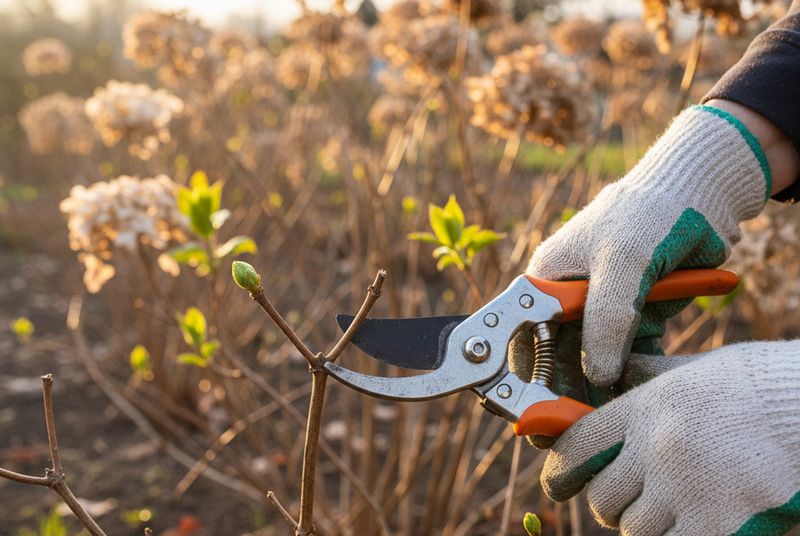
Knowing what not to cut is half the job. The other half is understanding the small, careful cuts that actually help a traditional old-wood hydrangea without costing next year’s flowers.
Start with the obvious: remove any stems that are clearly dead, damaged, or rubbing against other branches. Those cuts do not threaten next year’s buds because dead wood carries nothing worth saving. After that, if a flowering stem needs light shaping, shorten it only to a healthy pair of buds or to the first strong set of new growth just below the spent flower head. That is the cut, nothing more dramatic than that.
Substantial pruning on a traditional bigleaf or oakleaf hydrangea should happen immediately after flowering, and the safer target is completion by late July or early August rather than treating Labor Day as a guaranteed cutoff. University of Minnesota Extension’s pruning guidance aligns with several sources that recommend finishing old-wood pruning before August, because bud development begins in late summer and you want healthy stems in place before that process starts.
Deadheading, meaning removing only the spent flower head itself, is a separate and optional action. It is mainly cosmetic, and University of Maryland Extension notes that removing faded flowers is not required for plant health. The key distinction is cutting the flower head versus cutting the stem beneath it. Removing the flower head on a clearly identified repeat-blooming cultivar is low-risk.
Cutting into healthy stem tissue on an unidentified plant is where trouble starts. When the cultivar is uncertain, leave the healthy stems exactly where they are and let the plant finish the season on its own terms.
Feed Only When the Soil Calls for It
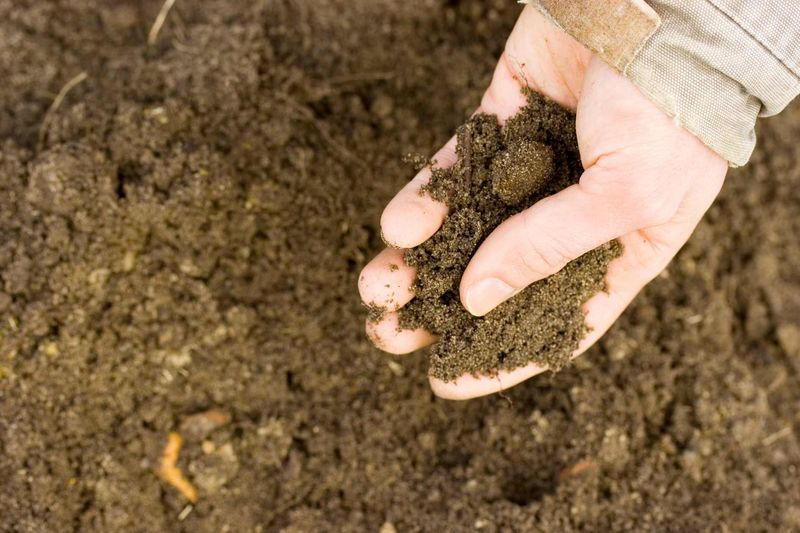
Fertilizing before Labor Day sounds like a tidy rule, but no universal late-summer feeding schedule reliably sets next year’s hydrangea flowers. Feeding your plant based on a calendar date rather than actual soil conditions can cause more problems than it solves.
NC State Extension’s soils and plant nutrients guidance recommends basing fertilization on soil testing, plant growth, soil type, rainfall, and the plant’s actual needs. Excess nitrogen in particular can push a hydrangea toward lush leafy growth while reducing flowering, which is almost exactly the opposite of what you are trying to accomplish.
North Carolina offers a practical path forward on soil testing. For home properties of 1 acre or less, the North Carolina Department of Agriculture and Consumer Services provides soil testing at no or low cost depending on the time of year. NC State’s guide to fertilizing trees and shrubs recommends sampling established shrubs at 6 to 10 inches deep, combining several subsamples from around the plant into one representative sample. That result tells you what the soil actually needs instead of what a product label is trying to sell you.
Soil pH and flower color are a separate conversation. Many bigleaf hydrangeas shift between blue and pink depending on soil acidity and aluminum availability, and gardeners sometimes reach for aluminum sulfate to push the color bluer. But adjusting pH cannot restore flower buds that have already been removed by pruning, and excessive aluminum sulfate can damage or burn roots. White-flowered cultivars generally do not change color at all in response to pH.
Get the soil test first, then make any amendments based on the results and the product label, not on habit.
Check Light, Moisture, and Cold Damage
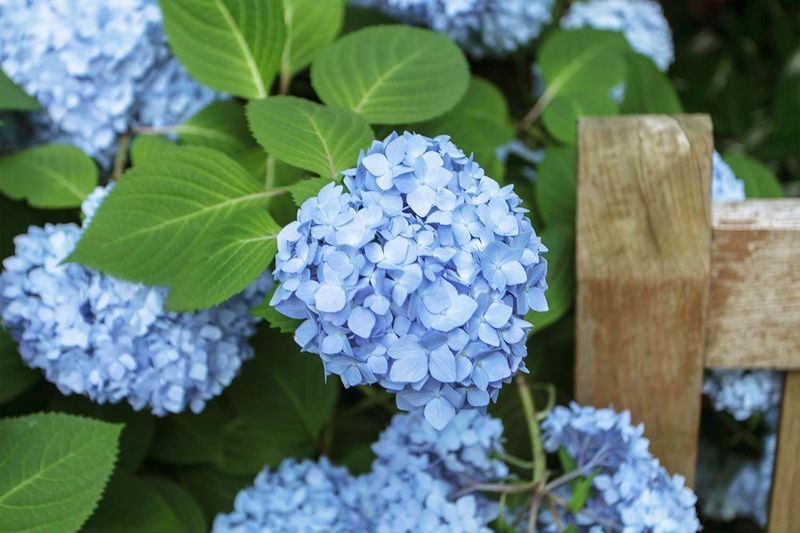
Pruning gets most of the blame when hydrangeas skip a bloom year, but the plant’s location and the weather it lived through often matter just as much. A correctly pruned hydrangea on a bad site can still come back with nothing but leaves.
Bigleaf hydrangeas generally do better with morning sun and afternoon shade, regular moisture, and well-drained soil. Their large leaves and shallow root systems make them especially vulnerable to drought stress, and University of Maryland Extension’s problem-management guide notes that a plant may wilt during intense heat even when the soil is adequately moist. Deep shade can reduce flowering just as reliably as a bad pruning cut. A hot, dry exposure against a south-facing brick wall in the Sandhills or the Piedmont is a genuinely tough spot for a bigleaf hydrangea.
North Carolina sites vary considerably in soil type, heat load, moisture, sun exposure, and cold risk, from the heavier clay soils of the Piedmont to the sandy soils of the Coastal Plain and the colder mountain elevations. That variation matters because NC State Extension describes bigleaf hydrangea buds as particularly vulnerable to cold snaps. A late freeze in April can kill buds that survived the whole winter perfectly intact, and that outcome has nothing to do with what you did or did not cut last August.
Deer browsing is another documented cause of missing flowers that gardeners sometimes overlook. A deer that grazes through a hydrangea bed in late winter can remove the bud-bearing tips just as effectively as a pair of pruners, and the plant responds the same way either time: healthy growth, no flowers.
New-Wood and Reblooming Plants Follow Different Rules
Not every hydrangea in a North Carolina yard needs the same careful late-summer restraint. Two common types actually prefer a different approach, and confusing them with your bigleaf or oakleaf plant can send you in the wrong direction entirely.
Smooth hydrangea (Hydrangea arborescens), the species behind popular cultivars like Annabelle and Incrediball, blooms on new wood. It pushes out fresh stems each season and flowers on those same stems later in summer. Penn State Extension’s species-by-species pruning guide notes that smooth hydrangeas can generally be pruned in late winter or early spring, and established plants may sometimes be cut back to about 12 inches above the ground without sacrificing the season’s bloom. Panicle hydrangea (Hydrangea paniculata) also blooms on new wood and follows the same late-winter or early-spring pruning window.
Reblooming or remontant cultivars, sometimes marketed under names like Endless Summer or Bloomstruck, add another layer. These are bigleaf or mountain hydrangea types bred to flower on both old and new wood, so they can produce some bloom even after a mistimed pruning event or a hard winter. That flexibility is genuinely useful, but it does not make them immune to cold injury, deer browsing, or deep shade.
University of Maryland Extension points out that deadheading may help repeat-blooming cultivars produce more flowers, which is one situation where removing spent heads has a practical payoff beyond cosmetics. The main caution is simple: do not copy a pruning routine from one hydrangea type and apply it to another until you know what species or cultivar you are actually working with.
Use a Conservative Late-Summer Checklist
Gardening decisions feel easier when you have a repeatable sequence to run through, especially with a plant that punishes the wrong move by waiting a full year to show you the result.
Start with the tag. If you still have the cultivar name, look it up before you pick up the pruners. If the tag is long gone, use flower shape, leaf shape, and stem texture as rough guides, then cross-reference with Penn State Extension’s guidance on why hydrangeas fail to bloom, which walks through species differences and common causes of missing flowers.
Once you know whether the plant blooms on old or new wood, the path forward gets clearer. For a traditional bigleaf or oakleaf hydrangea, stop major pruning after flowering, aim to finish any necessary shaping by late July, and remove only obvious dead or damaged wood after that point. For a smooth or panicle hydrangea, you have until late winter or early spring to make bigger cuts without consequence. For a reblooming cultivar, you have some flexibility, but cold and site conditions still shape the result.
On fertilizer, reserve any application for situations where a soil test or clear signs of nutrient deficiency actually support it. University of Maryland Extension reinforces that site conditions, light, moisture, drainage, and weather all play into bloom success alongside pruning. Protecting healthy old wood is the single most useful action you can take right now for a traditional bigleaf or oakleaf hydrangea, and it costs nothing except the restraint to put the pruners back in the shed.