How North Carolina Gardeners Can Protect Hummingbirds From Common Yard Pests
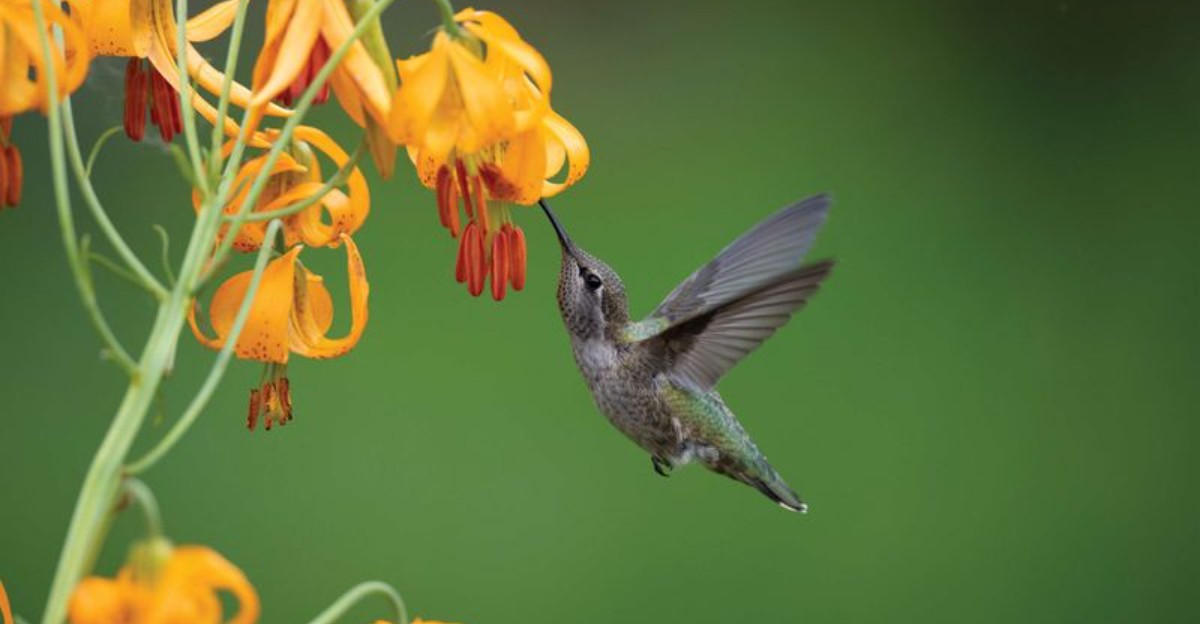
Hummingbirds face more threats in a North Carolina yard than most people realize, and several of the most common ones come from ordinary garden pests and the products used to control them.
Insecticides and pesticides can be especially harmful, either poisoning hummingbirds directly or wiping out the small insects they rely on as a crucial part of their diet.
Outdoor cats and spiders building webs near feeders also pose real risks, sometimes trapping or preying on these fast-moving birds when they least expect it.
Taking a few thoughtful precautions, like choosing pest control methods carefully and positioning feeders away from common danger zones, can go a long way toward keeping hummingbirds safe.
A yard that supports hummingbirds well often requires balancing pest management with a genuine awareness of what these birds need to thrive.
1. Keep Ants Away From Hummingbird Feeders
Ants love sugar just as much as hummingbirds do, and they will march right up your feeder pole to reach that sweet nectar. Once they climb inside, they contaminate the liquid and turn a fresh meal into something birds want nothing to do with.
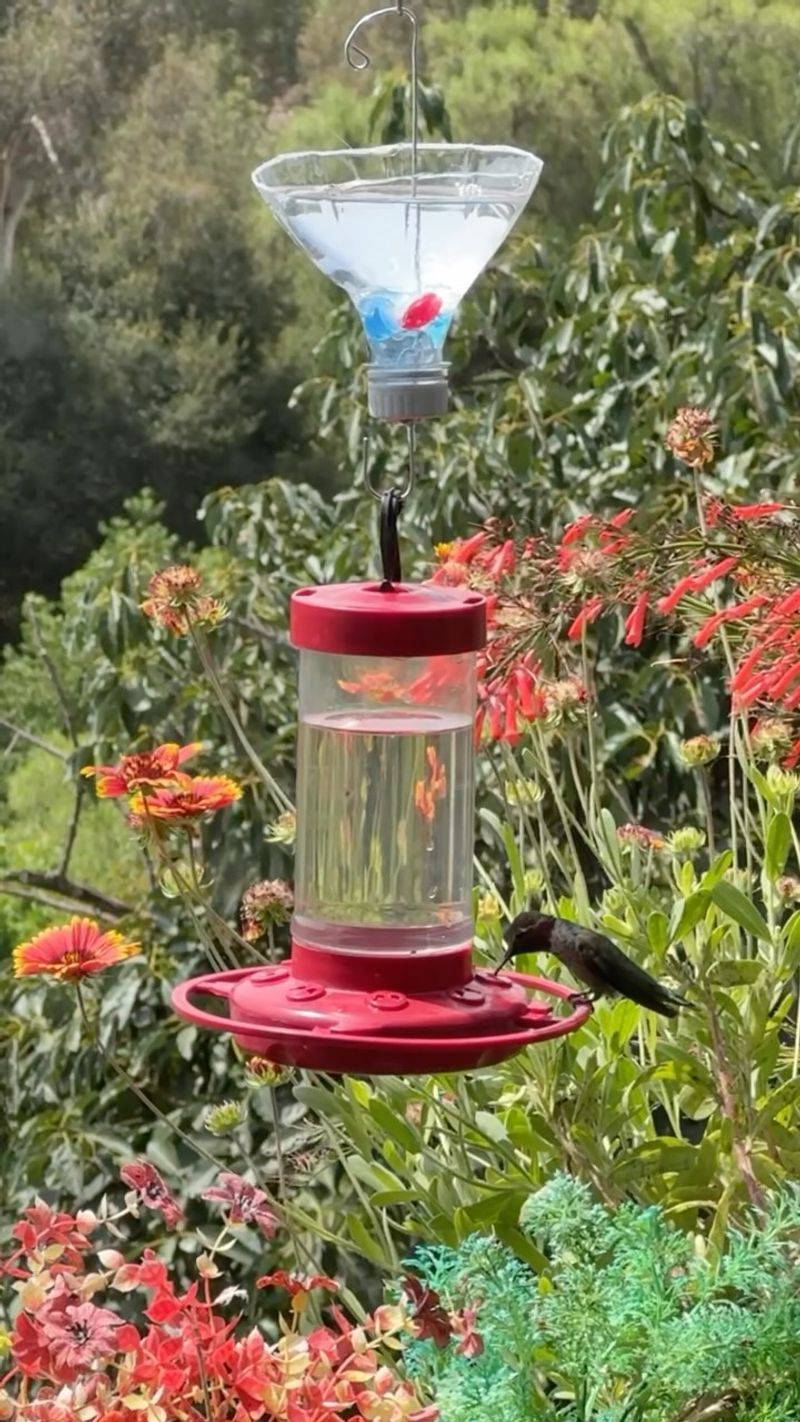
The easiest fix is an ant moat, a small cup that hangs between the feeder and its hook. You fill it with plain water, and since ants cannot cross the moat, they never make it to the nectar below.
Many feeders come with a built-in moat, but you can also buy one separately for just a few dollars.
Placement matters too. If your feeder hangs from a branch, ants may drop down onto it from leaves above, so try moving it to an open spot with nothing hanging overhead. A shepherds hook in the middle of your yard works wonderfully.
Whatever you do, skip the sprays and sticky pest barriers near the feeder. Chemicals can harm the very birds you are trying to help, and sticky coatings can trap tiny feet and feathers.
Check your moat every few days during the warm North Carolina summer, since water evaporates fast in the heat. Refill it as needed so the barrier stays effective.
With a simple moat and smart placement, you can keep ants out for good. Your hummingbirds get clean nectar, and you get to enjoy their visits without the frustration of an ant parade.
2. Watch For Wasps And Bees
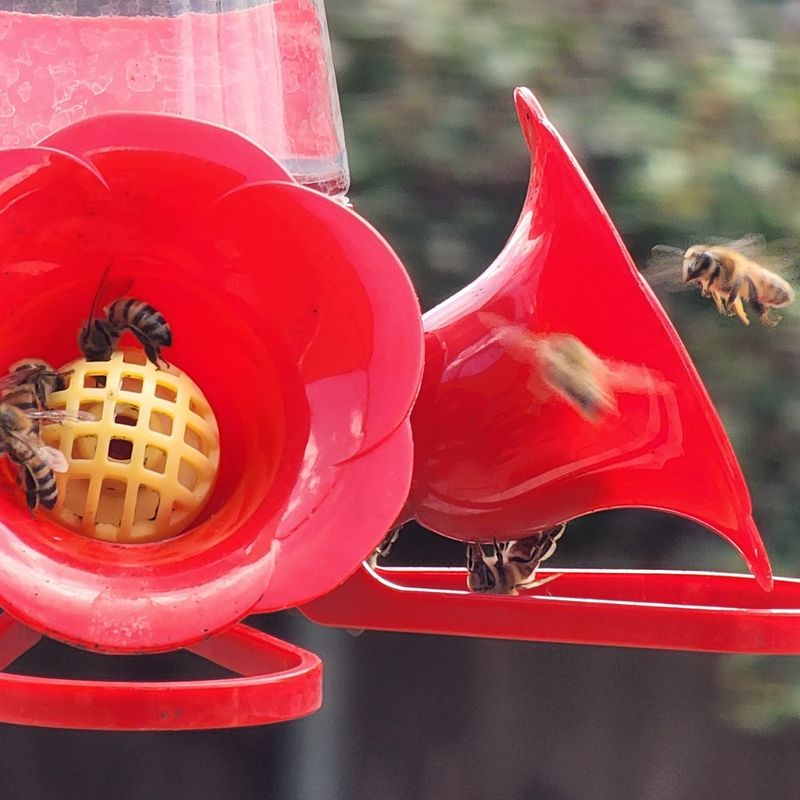
Wasps and bees have a serious sweet tooth, so they often show up at hummingbird feeders looking for an easy sugar fix. When too many gather, they crowd the feeding ports and make hummingbirds nervous about coming in for a drink.
One smart trick is choosing feeders with built-in bee guards. These little plastic tips cover the ports just enough that a hummingbird bill can reach the nectar while shorter insect mouthparts cannot.
Red feeders without yellow parts also help, since bees and wasps are strongly drawn to the color yellow.
Location can make a big difference too. Try moving your feeder a short distance every few days, because insects tend to return to the exact spot they remember. Hummingbirds adapt quickly and will follow the feeder, while wasps often give up the search.
Your North Carolina Garden Changes Every Week. Your Plan Should Too.
Gardening in North Carolina changes quickly throughout the season. Every Friday you’ll receive a simple weekly plan showing exactly what to plant, prune, fertilize, harvest, and protect so you never miss the right timing.
Keep the outside of the feeder clean and wipe away any spilled nectar. Sticky drips act like an open invitation to buzzing visitors, so a quick rinse keeps things tidy.
Avoid creating additional sugar-water sources, since they can attract even more wasps and bees.
Never spray insecticide near the feeder to solve the problem. It puts hummingbirds at risk and does more harm than good.
With a few thoughtful adjustments, both hummingbirds and pollinators can share your garden peacefully while the tiny birds still get plenty of room to feed.
3. Keep Hummingbird Nectar Fresh
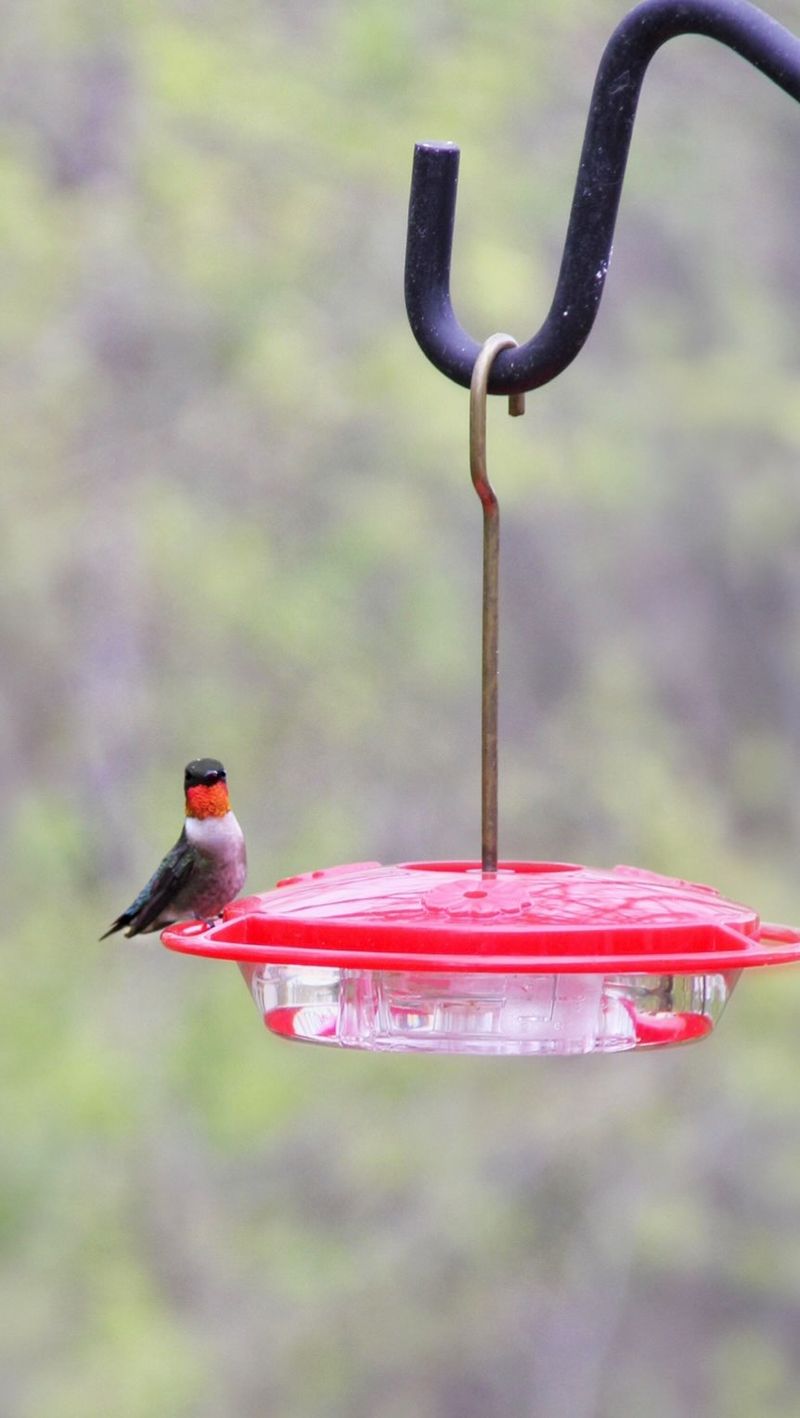
Fresh nectar is the secret to keeping hummingbirds coming back, and in North Carolina summers, that sugar water spoils faster than most people expect.
Heat speeds up fermentation, so nectar that looked fine yesterday can turn cloudy and sour by afternoon.
During the hottest weeks, plan to swap out the nectar every two days. When temperatures climb above ninety degrees, changing it daily is even better. Cloudy liquid, floating specks, or a stringy look all signal that it is time for a fresh batch.
Making nectar is refreshingly simple. Mix one part white sugar with four parts water, stir until it dissolves, and skip any dye, honey, or artificial sweetener.
Plain sugar water is exactly what hummingbirds need, and it mimics the natural flower nectar they love.
Placing your feeder in a shady spot helps slow spoilage. Direct sun beating down on the glass warms the liquid quickly, so a little shade buys you extra time between changes.
You can also fill feeders only halfway during peak heat if just a few birds visit. That way, less nectar goes to waste, and you always have a clean, fresh supply.
Storing extra nectar in the refrigerator makes refills quick and easy. A covered jar keeps for about a week, so you can top off feeders in seconds.
Keeping nectar fresh protects hummingbird health and keeps your feeder a popular stop. A little effort in the heat means happy, healthy visitors buzzing through your yard all summer.
4. Clean Feeders Regularly
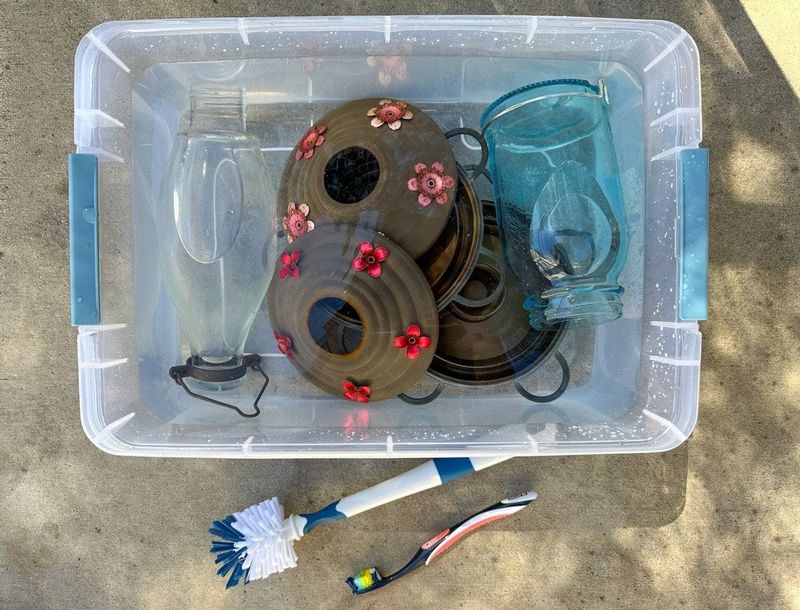
A sparkling clean feeder does more than look nice, it keeps hummingbirds healthy and safe. Old nectar leaves behind sticky residue where mold and bacteria love to grow, and those tiny birds can get sick from feeding at a grimy station.
Whatever you do, never just pour fresh nectar on top of the old. That mixes new sugar water with spoiled leftovers and any hidden grime, defeating the whole purpose of a refill.
Aim to give feeders a full cleaning every time you change the nectar, which means every two or three days in warm weather. Take the feeder apart completely so you can reach every corner and port.
Warm water and a bottle brush handle most of the work. For stubborn spots, a solution of one part white vinegar to four parts water breaks down buildup naturally without leaving harmful residue behind.
Those little feeding ports need special attention, since mold hides in the tiniest crevices. A pipe cleaner or small port brush reaches places a big brush cannot, so keep one handy just for this job.
Rinse everything thoroughly after washing, because leftover soap or vinegar can throw off the nectar taste. Let the parts air dry or wipe them clean before refilling.
Keeping a spare feeder makes the routine effortless. You can hang a clean one while the other soaks, so your visitors never miss a meal.
Regular cleaning shows real care for your backyard birds, and they reward you with frequent, cheerful visits.
5. Control Aphids Without Broad Sprays
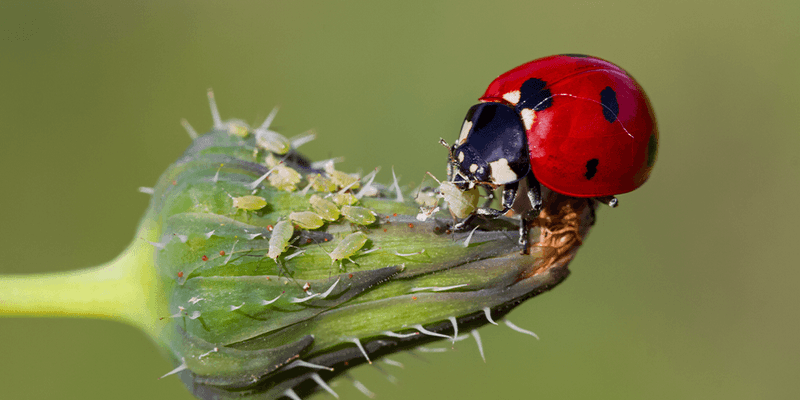
Aphids are tiny insects that feed on the nutrient-rich phloem sap of plants, often gathering on stems, leaves, and tender new growth. When they take over, blooms weaken, and hummingbirds lose a natural food source they depend on.
Reaching for a strong pesticide might feel tempting, but broad sprays harm helpful insects and can put hummingbirds at risk too. Gentler methods work just as well and keep your garden safe for everyone.
A strong blast of water from the hose is surprisingly effective. Spraying the underside of leaves knocks aphids loose, and most never find their way back to the plant.
Nature offers help too. Ladybugs and lacewings feast on aphids, so inviting these good bugs into your garden keeps populations in check without any chemicals. You can buy ladybugs at garden stores or simply plant flowers that attract them.
For smaller outbreaks, pinch off heavily covered leaves and drop them into a bucket of soapy water. Hand removal takes a little patience, but it targets the problem without touching anything else.
Insecticidal soap made for gardens is another safe option when used carefully. Spray only the affected plants, avoid feeders and open blooms, and follow the label directions closely.
Healthy plants resist aphids better, so good watering and rich soil go a long way. Strong flowers bounce back quickly from minor pest damage.
By choosing gentle, targeted methods, you protect both your blooms and the hummingbirds that count on them for sweet, energizing nectar.
6. Protect Hummingbirds From Pesticide Exposure
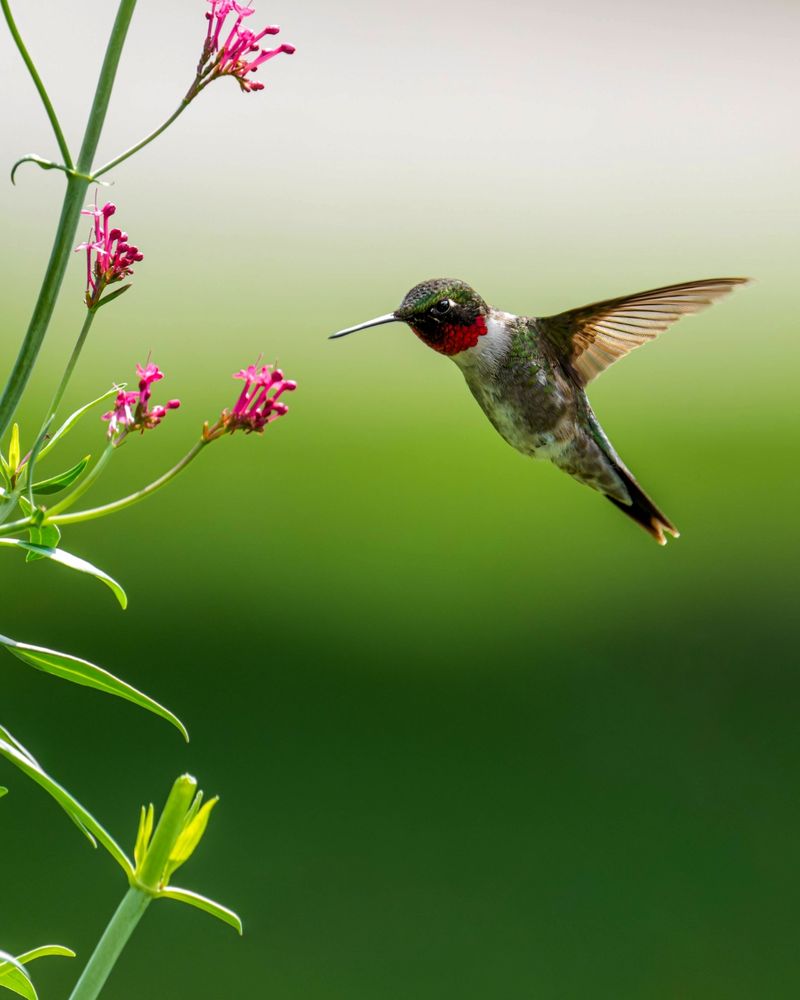
Every time a hummingbird sips from a flower, it comes into close contact with whatever is on that bloom. Broad insecticides sprayed across a garden can cling to petals and nectar, exposing these delicate birds to substances that make them unwell.
The trouble goes deeper than direct contact. Many hummingbirds eat small insects for protein, especially while raising their young. When those bugs carry pesticide residue, the birds take it in with every bite.
A smarter path is integrated pest management, which sounds fancy but simply means solving pest problems step by step. You start with the gentlest fixes and only move to stronger measures if you truly need them.
Begin by identifying the actual pest before doing anything. Sometimes what looks like trouble is a harmless insect or even a helpful one, so a quick look saves needless spraying.
Physical removal, water sprays, and beneficial insects handle most garden troubles. These methods target the real problem while leaving flowers safe for hummingbirds to visit.
If you must use any treatment, apply it in the evening when hummingbirds are less active, and never spray directly on blooms they feed from. Spot treating one plant beats soaking the whole yard.
Choosing native plants that naturally resist local pests cuts down on the need for any sprays at all. Strong, well-suited plants fend off trouble on their own.
By keeping chemicals out of the picture, you create a garden where hummingbirds can feed freely and safely all season long.
7. Give Hummingbirds Safe Escape Routes
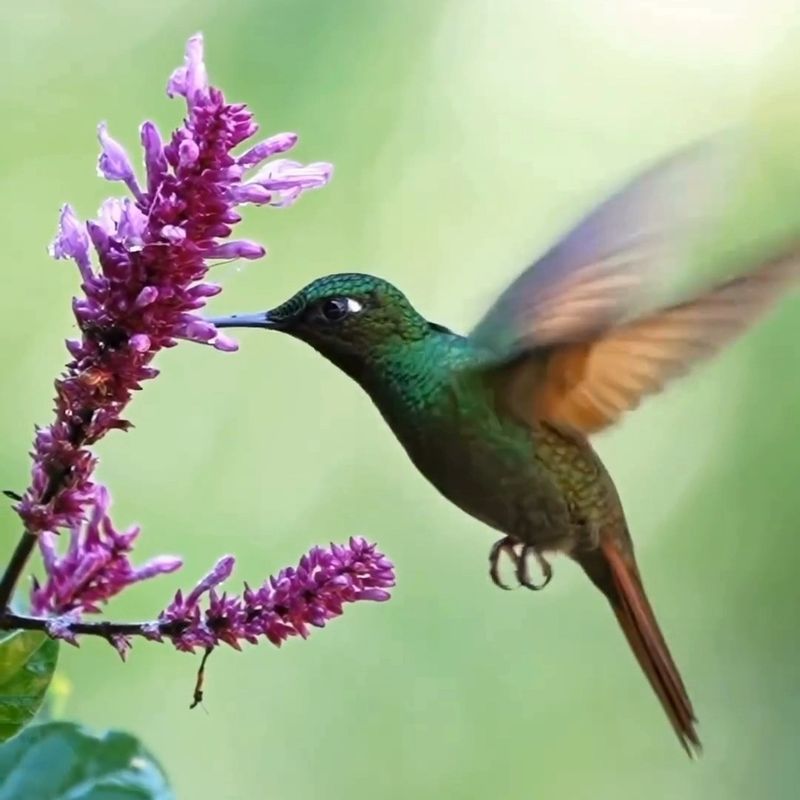
Hummingbirds may be fast, but they still need safe places to rest and hide from hawks, cats, and other threats. Nearby shrubs and small trees give them a quick spot to duck into when danger appears.
Planting a few leafy bushes close to your feeding area creates natural shelter. Hummingbirds love perching on thin branches between meals, watching the world and resting their busy wings.
Balance is the key here. Too much dense growth can hide predators, so mix your shrubs with open space where hummingbirds can see clearly in every direction. That way they spot trouble early and zip away in time.
Position feeders about ten to fifteen feet from cover. This distance lets birds reach safety fast while keeping enough open air that lurking cats cannot pounce by surprise.
Native flowering shrubs do double duty by offering both shelter and food. Plants like azaleas and native honeysuckle give hummingbirds a place to hide and blooms to sip from all in one spot.
Leaving a few bare twigs or thin branches near the garden gives them favorite perches. Hummingbirds often return to the same lookout spot again and again once they claim it.
Keeping the area around feeders open at ground level matters too. Trimming back low, thick brush removes hiding places for prowling cats.
By blending cozy cover with clear sightlines, you build a garden where hummingbirds feel secure. Safe birds are relaxed birds, and relaxed birds visit your yard far more often.
8. Build A Pest-Resistant Hummingbird Garden
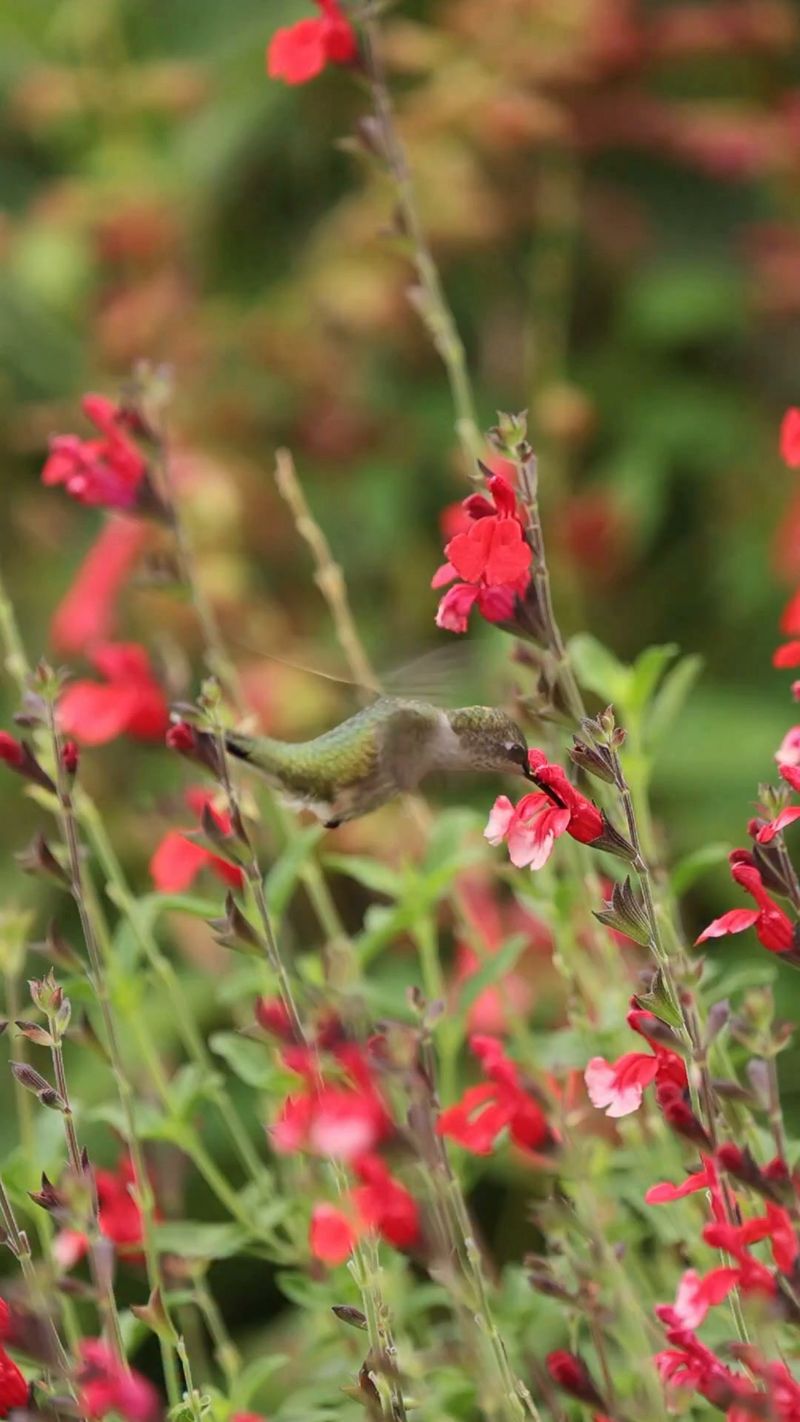
Imagine a garden that practically takes care of itself while buzzing with hummingbird activity. That dream becomes real when you build a space around native plants, clean water, and healthy soil working together.
Native flowers are the heart of the whole plan. Blooms like cardinal flower, bee balm, and coral honeysuckle thrive in North Carolina and offer the rich nectar hummingbirds crave, all while resisting local pests naturally.
Variety adds strength to your garden. Mixing many kinds of plants keeps any single pest from taking over, since bugs that love one plant often ignore its neighbors. A diverse garden simply stays healthier.
Good soil quietly does a lot of heavy lifting. Rich, well-drained ground grows sturdy plants that shrug off pests and bounce back from minor damage, so a little compost goes a long way.
A clean water source rounds out the space beautifully. A shallow birdbath or a gentle mister gives hummingbirds a place to bathe and cool off, drawing them in and keeping them around.
Skipping unnecessary sprays lets nature find its own balance. Ladybugs, lacewings, and other helpful insects move in to handle pests, so you rarely need to lift a finger against them.
Grouping flowers in bright, colorful clusters makes them easy for hummingbirds to spot from above. Red and orange blooms are especially eye-catching to these tiny travelers.
Put all these pieces together, and you get a lively, low-maintenance haven. Your hummingbirds find plenty of food, and pest problems fade into the background.