The Watering Mistake That Ends More North Carolina Poinsettias Than Anything Else
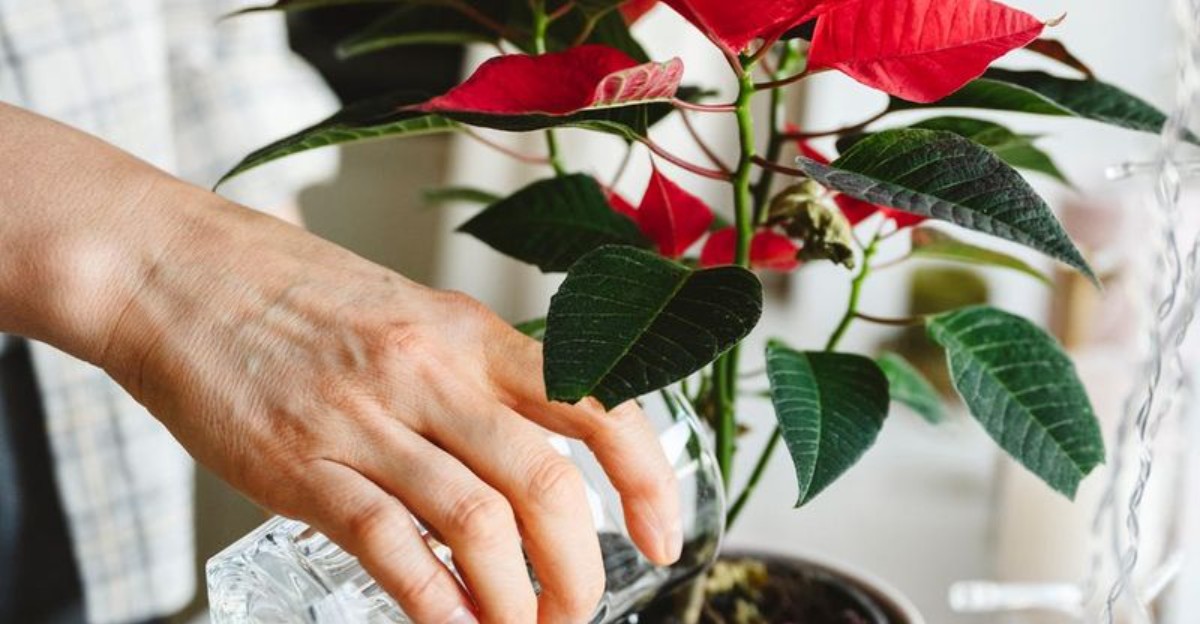
Most poinsettias do not fail because of cold or low light. They fail because of water. The mistake is easy to make.
Many plants come wrapped in a decorative foil sleeve, which holds water at the bottom like a bathtub. Roots sit in that water for days, and they begin to rot. The leaves turn yellow and drop, and the owner assumes the plant needed more care.
A poinsettia likes to dry out slightly between waterings, and it needs a pot that drains. Warm North Carolina homes can speed up drying, so checking by touch works better than following a schedule.
Remove the sleeve, let excess water run out, and the plant has a much better chance of staying full and colorful through the holidays.
1. Overwatering Is The Biggest Poinsettia Problem
Kind hearts cause most poinsettia trouble. People love their holiday plants so much that they keep giving them water, and that extra care slowly smothers the roots of Euphorbia pulcherrima.
Roots need two things to work well, and water is only one of them. They also need air, which lives in tiny pockets between bits of soil. When soil stays soggy day after day, those pockets fill with water and the roots can no longer breathe.
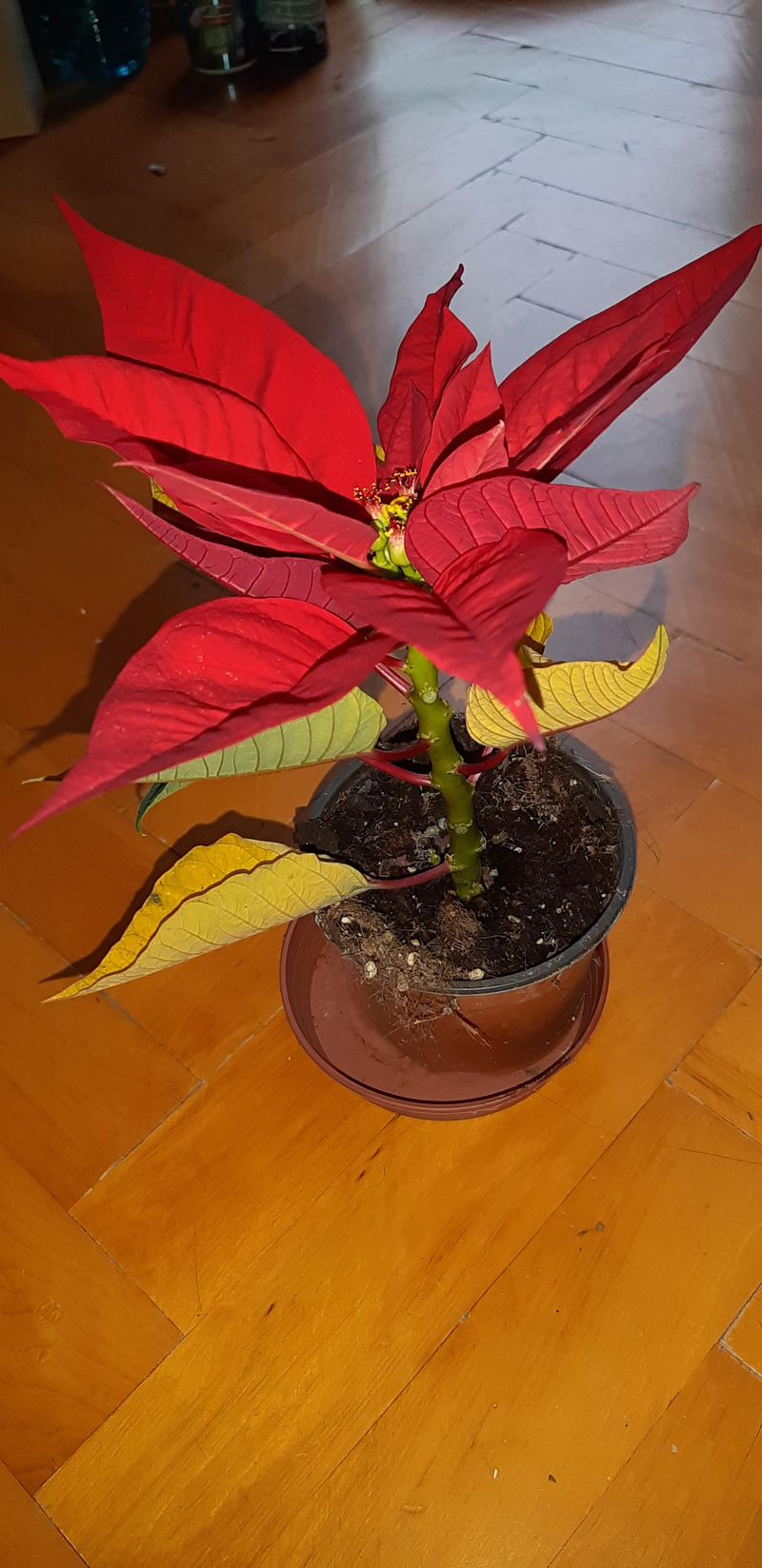
Without oxygen, roots weaken and start to rot. Soon you notice yellow leaves near the bottom of the plant, and then green leaves begin falling off even though the colorful bracts still look fine.
By the time the top of the plant shows stress, the roots have often been struggling for a week or more.
Two habits lead to this problem more than any others. Some people water on a set schedule, such as every Sunday, no matter how wet the soil feels.
Others reach for the watering can the moment the plant looks a little droopy, even when the soil is still damp from the last drink.
A better habit is simple. Treat water like a meal the plant asks for, not something you hand out by the calendar. If the soil feels moist, skip it and check again tomorrow. North Carolina buys a lot of these plants each winter.
They fill church altars in Raleigh, brighten office lobbies in Charlotte, and sit on mantels from the mountains to the coast. Learning to hold back on water is the single best step for keeping all that holiday color looking fresh.
2. Decorative Foil Traps Water Around The Roots
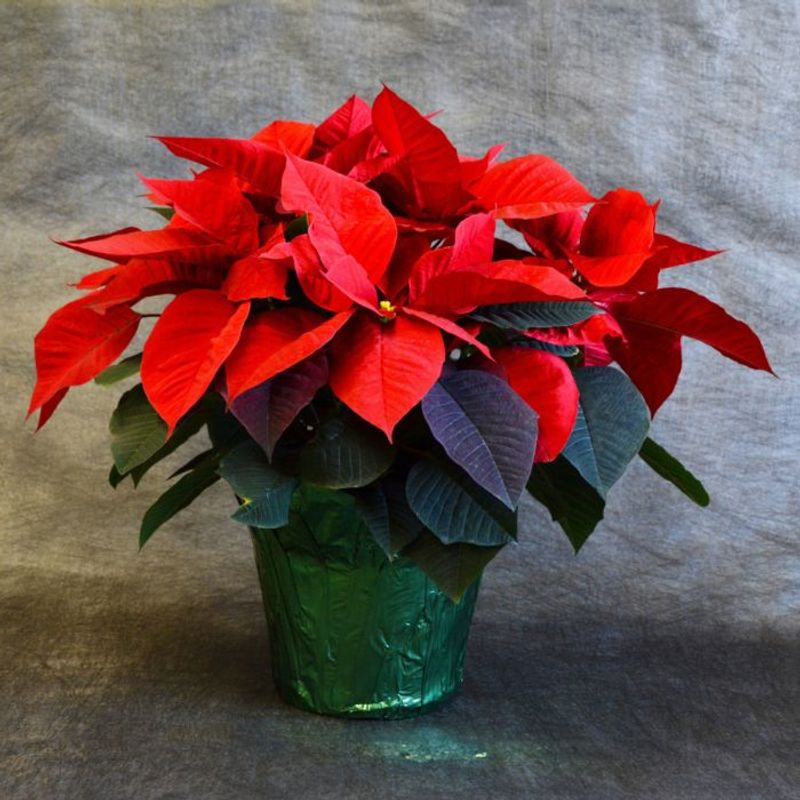
Shiny foil makes a poinsettia look like a wrapped gift. It sparkles on a table and matches holiday decor, so most shoppers never think twice about it. Hidden inside, though, that pretty wrapper can turn into a tiny swimming pool.
The plastic pot under the foil has drainage holes for a good reason. Extra water is supposed to flow out the bottom and away from the roots. Foil blocks that exit, so the water collects in the wrapper and the bottom of the soil stays soaked.
Here is the sneaky part. The top of the soil can feel dry while the lowest roots sit in a puddle, so you water again and make things worse. Many plants decline this way without their owners ever seeing the hidden pool.
Your North Carolina Garden Changes Every Week. Your Plan Should Too.
Gardening in North Carolina changes quickly throughout the season. Every Friday you’ll receive a simple weekly plan showing exactly what to plant, prune, fertilize, harvest, and protect so you never miss the right timing.
Fixing it takes only a minute. You have a few easy choices: Poke several holes in the bottom of the foil and set the pot on a saucer. Slide the pot out of the foil before every watering, then tuck it back in after it drains.
Or place the plant in a decorative pot or basket and pour out any water that gathers there after each watering. Whatever you pick, check for standing water about fifteen minutes after you water. If you see any, dump it right away.
Nearly every poinsettia sold at North Carolina grocery stores, garden centers, and school fundraisers comes wrapped in foil or plastic sleeves.
That means almost every holiday plant in the state starts life with this hidden trap. Spending one minute on the wrapper can add weeks of bright color to your plant.
3. Wilting Doesn’t Always Mean It Needs Water
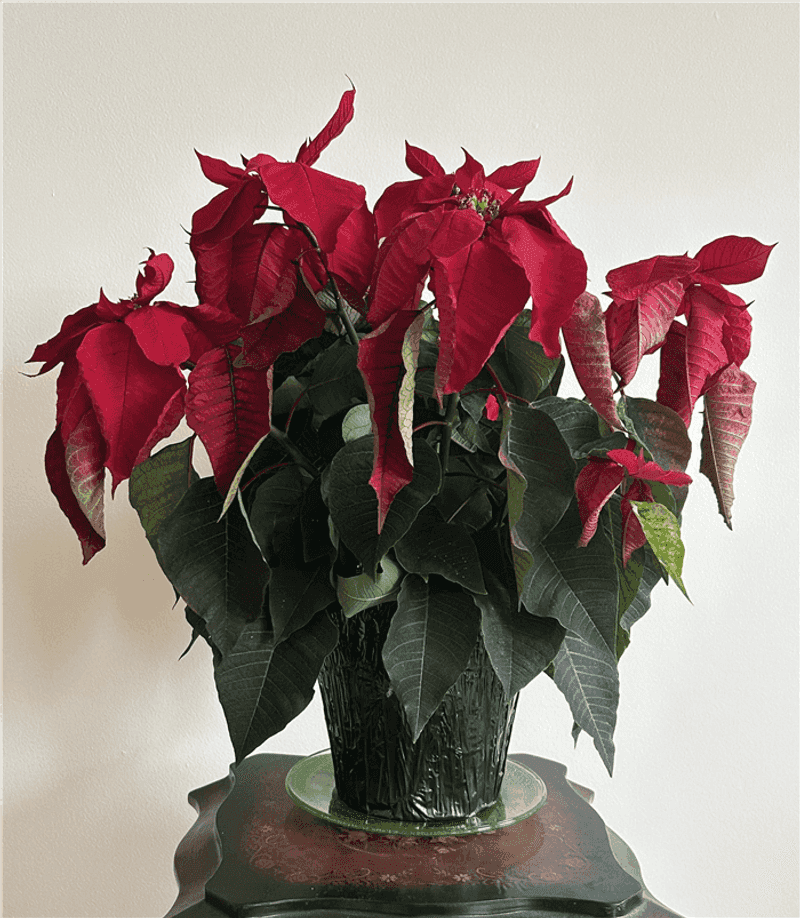
Droopy leaves seem to shout for a drink. Your first instinct is to grab the watering can, and honestly, that makes sense. A poinsettia can fool you, though, because wilting has two very different causes.
One cause is easy to understand. When soil gets too dry, the plant runs out of water and its leaves go limp. A good soak usually perks it up within a few hours.
The other cause is the tricky one. When soil stays wet too long, roots start to rot, and rotten roots cannot pull water up into the stems. The plant wilts even while it sits in damp soil, almost like a person feeling thirsty while standing in a lake.
Adding water to that soggy plant only drowns the roots further. It is one of the quickest ways to lose a poinsettia, and it happens in homes everywhere each December.
So before you pour, pause and check. Push a finger into the soil. If it feels dry, go ahead and water well. If it feels wet or cool and muddy, put the watering can down.
For a wilting plant in wet soil, let the pot dry out for a few days in a bright spot. Remove the foil so air can reach the soil. If the plant still looks sad, slide it from the pot and look at the roots for brown, mushy spots.
North Carolina gardeners juggle busy holiday schedules, and quick decisions are tempting. Taking ten seconds to touch the soil can save a plant that would otherwise fade before the new year.
4. Check The Soil Before Every Watering
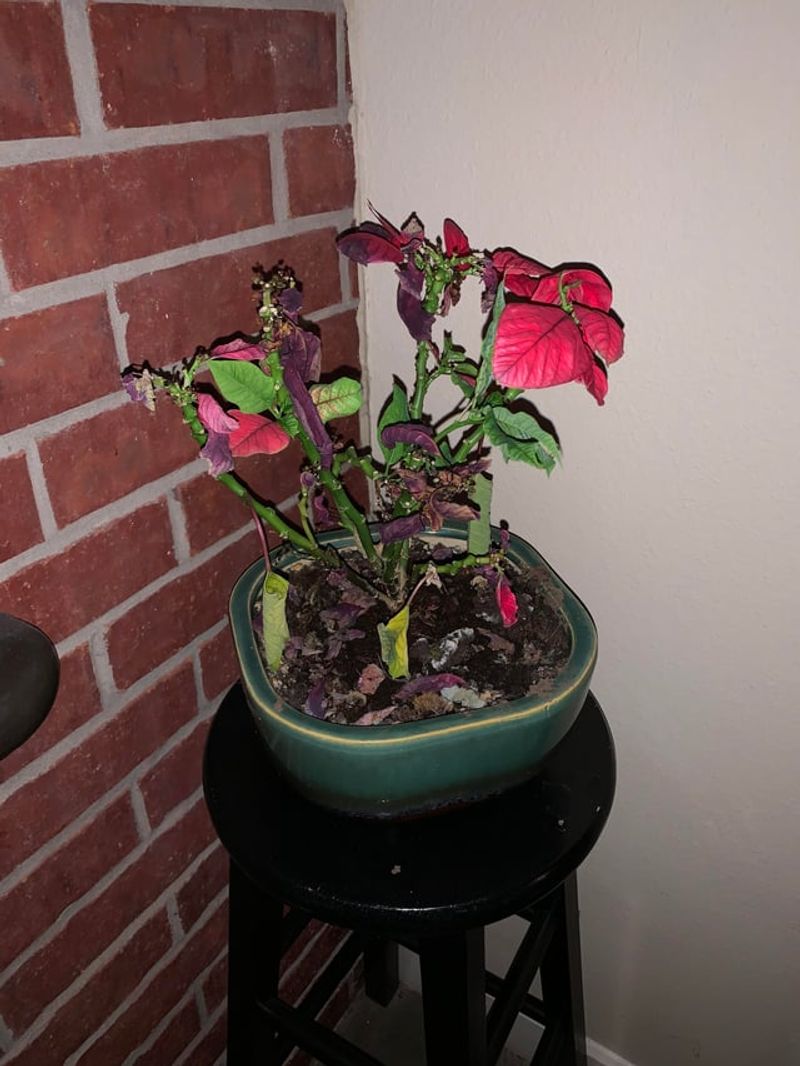
Your finger is the best garden tool you own. It costs nothing, it is always with you, and it tells you more about a poinsettia than any calendar ever could.
Soil dries at different speeds from week to week. A warm room dries it faster, while a cool room keeps it damp longer. Bright light, pot size, and even the type of potting mix all change how quickly water disappears.
Because of all those changes, a fixed schedule rarely works. Some weeks your plant may need water twice, and other weeks it may need none at all. Checking the soil lets the plant set the pace.
Try this simple routine. Press a finger into the soil up to the first knuckle, which is about an inch deep. If it feels dry there, it is time to water. If it still feels moist, wait a day or two and check again.
Lifting the pot is another handy trick. Right after a good watering, pick it up and notice how heavy it feels. A dry pot feels much lighter, and after a few tries you can tell by weight alone whether the plant is thirsty.
Some people like cheap moisture meters, and they can help beginners. Still, a finger and a quick lift work just as well for most homes.
Indoor weather in North Carolina swings a lot in winter. One day might bring cool, damp air from a rainy front, and the next might bring dry warmth as the heat kicks on. Checking the soil keeps you in step with those shifts.
5. Water Thoroughly, Then Let It Drain
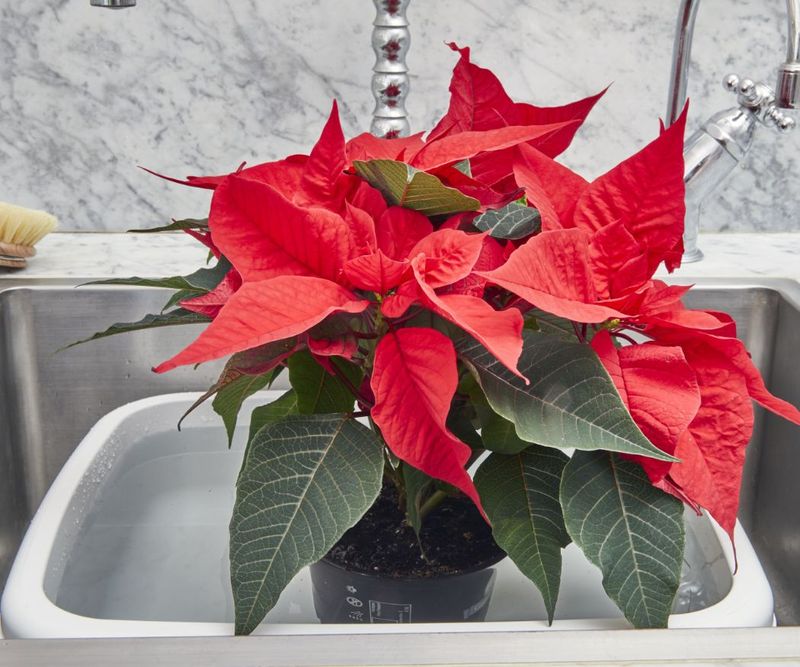
Think of watering day as a quick spa trip for your poinsettia. The kitchen sink becomes the spa, and the whole visit takes about ten minutes. Your plant will thank you with weeks of bright red color.
Why the sink? Small sips of water only wet the top of the soil, leaving lower roots dry. A deep watering reaches every root evenly, and letting the extra water drain away keeps the soil from turning into mud.
Start by carrying the plant to the sink. Remove the foil or open it wide so water can escape. Then pour room temperature water slowly over the soil, moving around the pot, until water runs out of the drainage holes.
Now comes the step most people skip. Let the pot sit in the sink for five to ten minutes so all the extra water can drip out. You will be surprised how much keeps trickling from the bottom.
Once the dripping stops, put the plant back in its foil or decorative pot. Check one more time a little later and pour out any water that collected.
A few extra tips help too. Avoid very cold water, since poinsettias come from warm regions of Mexico and dislike a chill. Try to keep water off the bracts so they stay clean and bright.
For busy North Carolina families hosting relatives and running holiday errands, this routine is easy to remember. Water only when the soil is dry, soak it fully in the sink, and let it drain. That simple rhythm keeps poinsettias happy through Christmas and beyond.
6. Underwatering Causes Problems Too
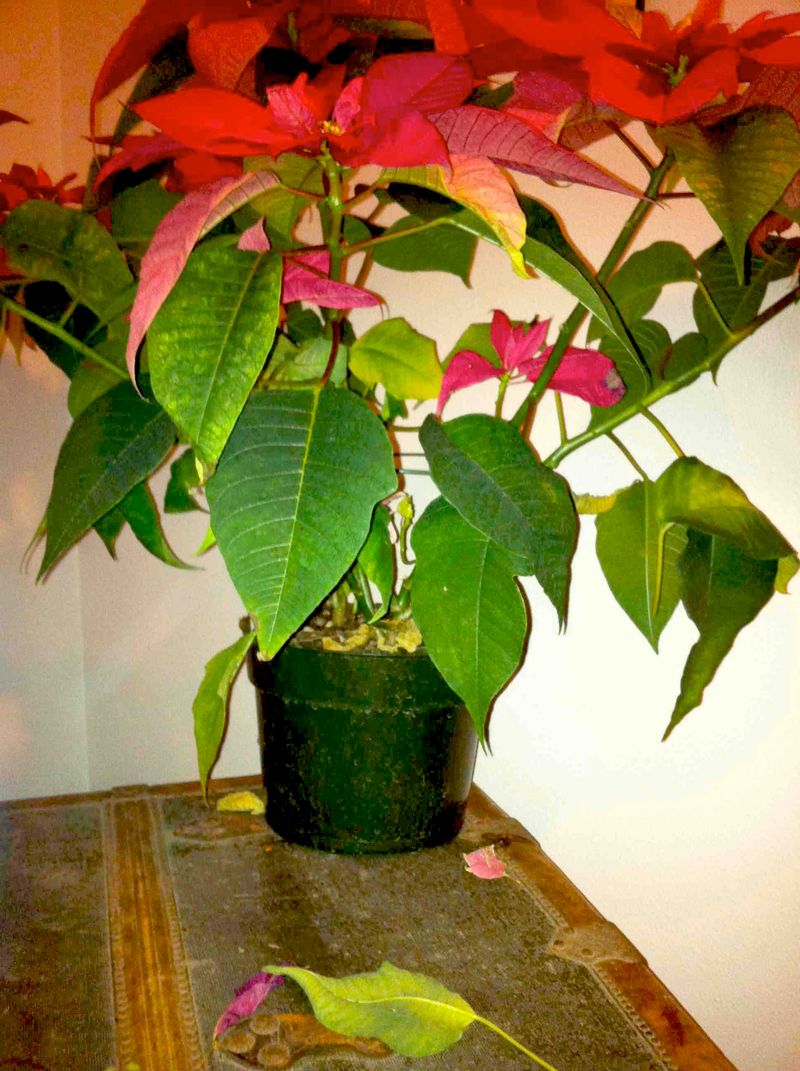
Too much caution can swing the other way. After hearing so many warnings about overwatering, some people barely water at all. A poinsettia left bone dry will struggle just as much.
When soil dries out completely, the plant loses the water it needs to hold up its leaves and stems.
It wilts, and if the dryness lasts, it may drop green leaves and even some of its colorful bracts. Those bracts are actually special leaves, not flowers, and they fall when the plant feels stressed.
A dry poinsettia often bounces back after a good drink. That recovery is a relief, but repeated cycles of drying and soaking wear the plant down. Each time, it loses a bit of strength and a few more leaves.
The goal is balance, not extremes. Check the soil every two or three days. Water well when the top inch feels dry, and let it drain as usual.
Location matters a great deal here. Plants near heat vents, radiators, sunny windows, or fireplaces dry out much faster than those in cooler corners. Moving the pot a few feet away from direct heat can slow drying and also protect the bracts from scorching air.
Small pots dry quicker than large ones too, so tabletop plants may need more frequent checks. Many North Carolina homes rely on heat pumps, which blow warm, dry air for long stretches in winter.
A cozy evening by the fireplace adds even more dry heat. Those comforts can pull moisture from potted plants faster than most people expect, so a quick soil check keeps everything on track.
7. Know The Signs Of Root Rot
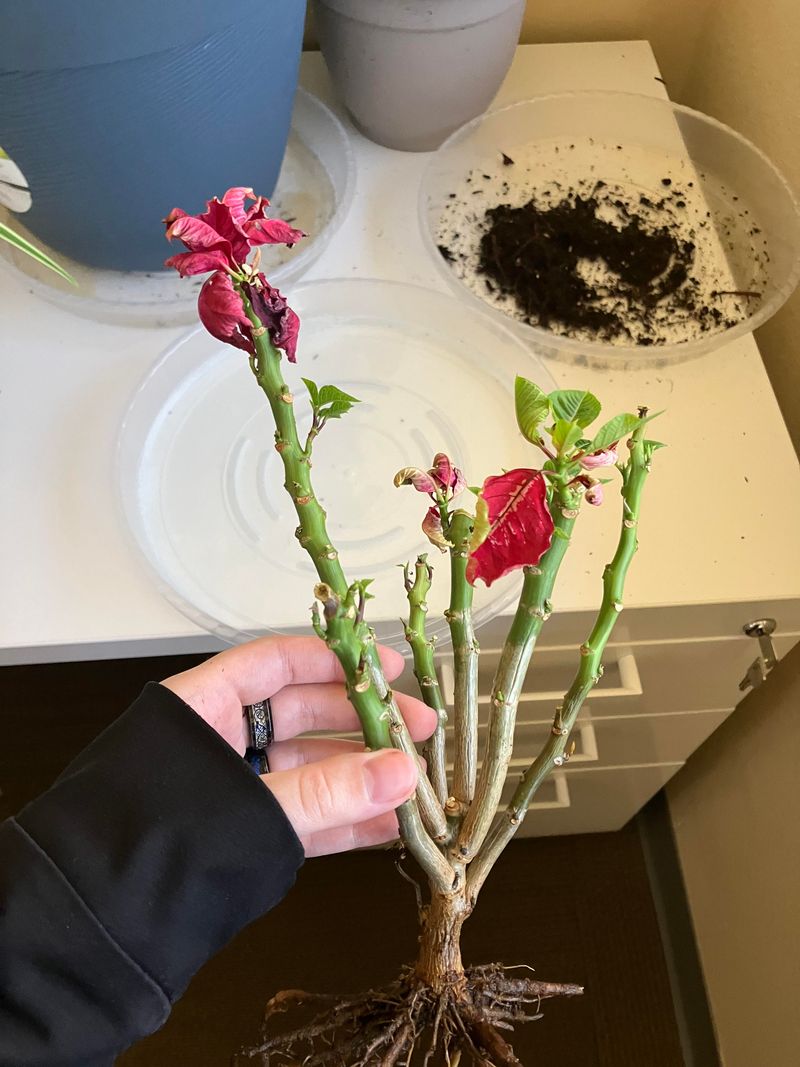
Plant detectives catch trouble early. Root rot hides under the soil, so you need to read the clues on top before the problem spreads. Spot it in time, and your poinsettia has a real shot at recovery.
Left alone, rot moves quickly. Roots turn soft, the plant stops taking in water, and the whole thing can decline in a matter of days. That is why knowing the warning signs matters so much.
Watch for these clues. The plant wilts even though the soil feels moist. Lower leaves turn yellow, green leaves drop suddenly, and the soil may give off a sour or musty smell.
If you notice any of these, take a closer look. Tip the pot on its side, support the base of the stems with your hand, and gently slide the plant out. Most poinsettias come out easily from their thin plastic pots.
Healthy roots look white or light tan and feel firm. Rotting roots look brown or black and feel mushy, and they may slip apart when touched.
When only a few roots look bad, there is hope. Let the soil dry out for a few days, or trim away the soft roots with clean scissors. Then repot into fresh, well-drained potting mix in a pot with good drainage holes, and water lightly only when the top inch dries.
Plenty of North Carolina gardeners dream of keeping their poinsettias bright into January and February. Some even move them outdoors once spring warms up. Catching root rot early is the key step that makes those bigger plans possible.