What It Means When Mushrooms Suddenly Appear After Pennsylvania Storms
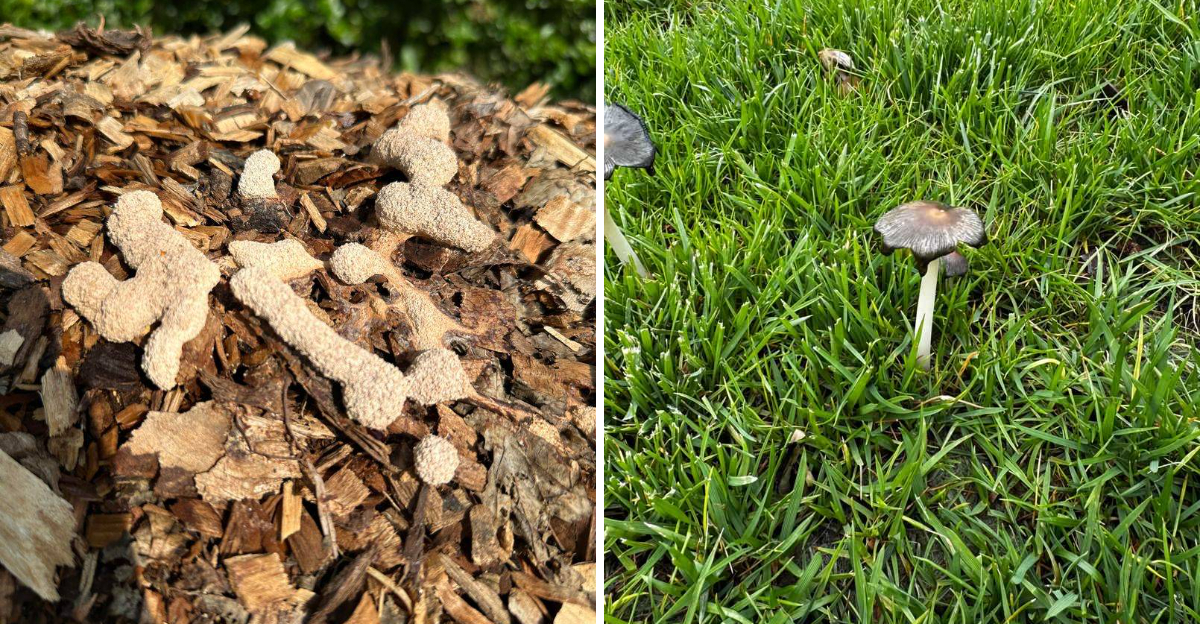
A Pennsylvania yard can change overnight after a hard rain.
One morning, the lawn looks normal. The next, pale caps dot the grass, small clusters rise through mulch, and strange little shapes appear where nothing seemed to be growing the day before.
It can feel surprising, especially when the mushrooms show up all at once. Most of the time, this is not bad news.
Mushrooms are usually the visible sign of fungi that were already living quietly below the surface. Rain, humidity, decaying leaves, old roots, mulch, and damp soil can all give those hidden fungal networks the signal to fruit.
That does not mean every mushroom should be ignored.
Some are harmless to the lawn but unsafe for children or pets to eat. Some point to buried wood. Some near tree trunks deserve closer attention because they may be connected to decay in roots or wood.
So what does it mean when mushrooms suddenly appear after Pennsylvania storms?
It usually means moisture woke up an active soil ecosystem, but the exact location tells you how careful the next step should be.
1. Moist Soil Woke Up Hidden Fungi
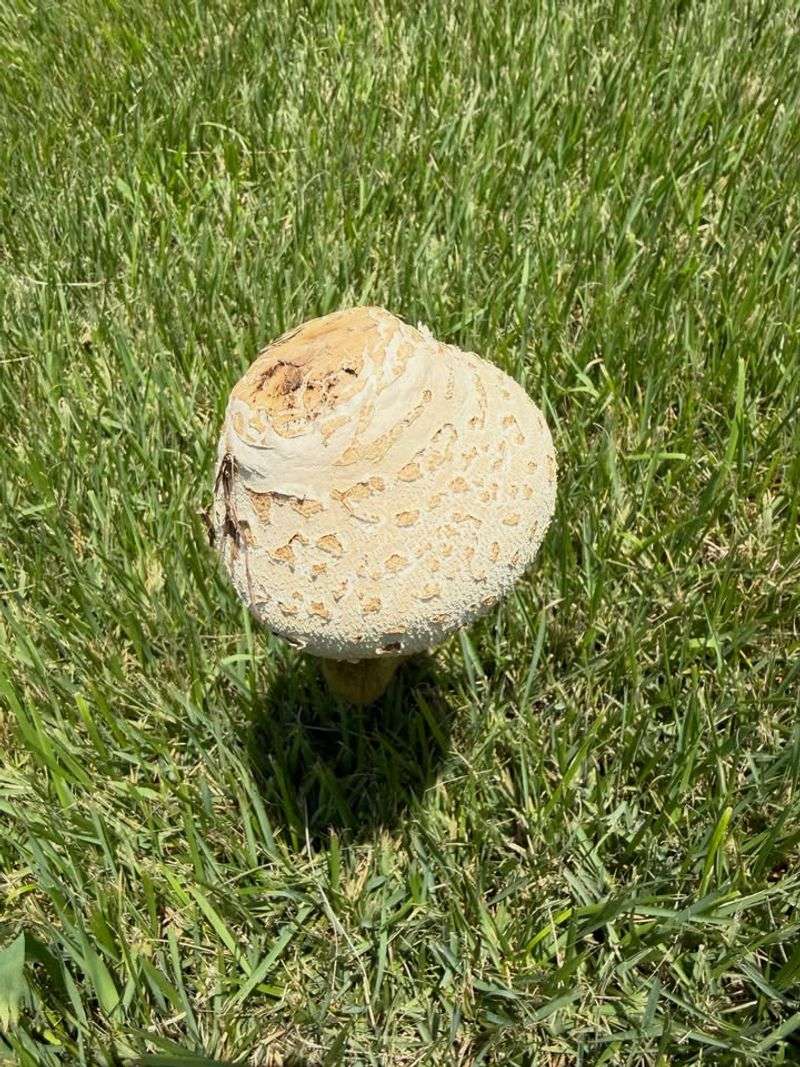
Rain makes hidden fungi visible.
Most yard mushrooms do not appear from nowhere. They are the fruiting bodies of fungal networks already living in the soil, mulch, thatch, or buried organic matter.
Those underground threads, called mycelium, may have been active for months or years before a single cap appeared above ground.
The storm supplies the trigger. Moist soil, high humidity, and warm temperatures create ideal conditions for fungi to send up mushrooms.
That timing can feel sudden. The yard looked clear at sunset, then mushrooms seemed to rise by morning.
The real activity started earlier. The fungi were already breaking down organic material and moving through the soil.
The mushroom is only the reproductive stage. Its job is to release spores, then fade.
Pennsylvania weather often encourages this cycle. Heavy rain followed by humid, mild days can support more than one flush of mushrooms.
A second round can appear later. Soil may stay damp enough for several days after a storm, especially in shade.
This does not automatically mean the lawn is unhealthy. In many cases, it means the soil is biologically active.
Healthy fungi help recycle organic matter. They break down leaves, roots, wood fragments, and thatch into material plants can eventually use.
Safety still matters. No unidentified mushroom belongs in a child’s hand or a pet’s mouth.
A sudden mushroom flush is usually a sign of moisture meeting living soil.
Enjoy the odd little show from a distance, then remove mushrooms only when safety or appearance calls for it.
2. Organic Matter Is Breaking Down
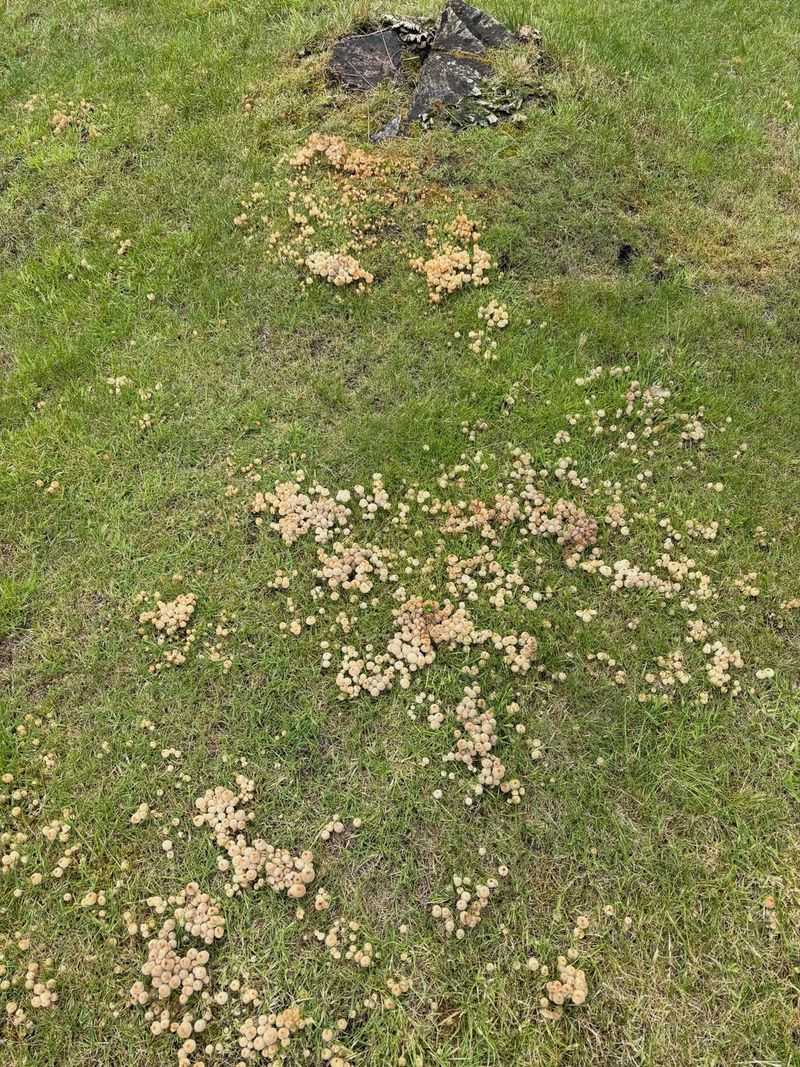
Mushrooms often point to buried food for fungi.
That food may be old leaves, lawn thatch, roots, composted material, bark, wood chips, or small pieces of decaying wood hidden in the soil. After a storm, fungi already feeding on that material may produce mushrooms quickly.
This is natural recycling. Fungi break down tough plant material that would otherwise linger for years.
Your Pennsylvania Garden Changes Every Week. Your Plan Should Too.
Gardening in Pennsylvania changes quickly throughout the season. Every Friday you’ll receive a simple weekly plan showing exactly what to plant, prune, fertilize, harvest, and protect so you never miss the right timing.
Lawns with thick thatch can produce more mushrooms. Thatch holds moisture and gives fungi a damp layer of organic material to work through.
Mulched beds can do the same. Shredded bark and wood chips are made of the exact materials many fungi specialize in breaking down.
Compost-rich areas may fruit too. That does not mean the compost is bad, only that fungi are active.
A little decomposition is good for soil. It releases nutrients and supports the living system beneath the plants.
Too much buildup can invite repeated flushes. Thick thatch, compacted leaf layers, and old mulch mats may keep conditions damp longer than needed.
Rake heavy leaf piles from lawns. Leaves left too thick can smother grass and feed repeated fungal growth.
Dethatching may help when the thatch layer becomes excessive. Fall is often a practical time for cool-season Pennsylvania lawns to recover from that work.
Do not try to sterilize the yard. A fungus-free soil would not be healthy soil.
Mushrooms in organic-rich spots are usually telling you that cleanup and balance matter.
Keep useful organic matter, reduce the heavy wet layers, and let the soil food web keep doing its quiet work.
3. Mulch Is Holding Extra Moisture
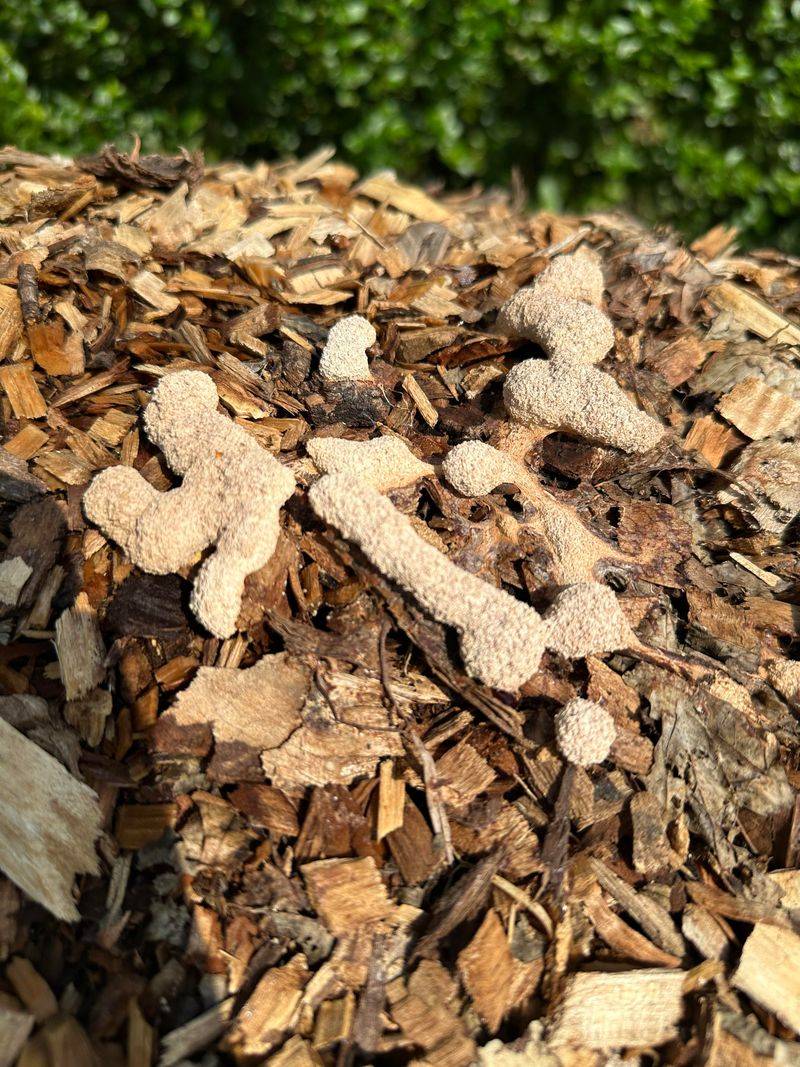
Mulch is one of the most common mushroom zones.
After a Pennsylvania storm, wood chips can stay wet long after the top looks dry. Inside the mulch layer, moisture, shade, and decaying wood create a comfortable home for fungal growth.
Wood mulch feeds fungi. Shredded bark, chips, and old woody material contain compounds fungi are built to break down.
Thick mulch holds moisture longer. A deep layer can stay damp for days after rain.
Shade slows drying. Beds near walls, under shrubs, or beneath trees may produce mushrooms more often.
Compacted mulch makes the problem stronger. Old layers can mat together and reduce airflow.
Depth matters. A two-to-four-inch mulch layer is usually enough for weed suppression and moisture moderation.
More is not always better. Thick piles can trap too much moisture and create sour, poorly aerated pockets.
Rake after storms when needed. Lightly fluffing the top layer improves airflow and helps the surface dry.
Do not bury old mulch under new mulch every season. Break up or remove matted layers before refreshing the bed.
Keep mulch away from trunks and stems. A wet collar around bark can create problems for trees and shrubs.
Adjust irrigation after rain. Sprinklers or drip lines should not keep a soaked bed wet for no reason.
Mushrooms in mulch are usually not an emergency.
They are a sign that the mulch is damp and decomposing, which is normal, but a quick depth check can reduce repeat surprises.
4. Buried Wood May Sit Below
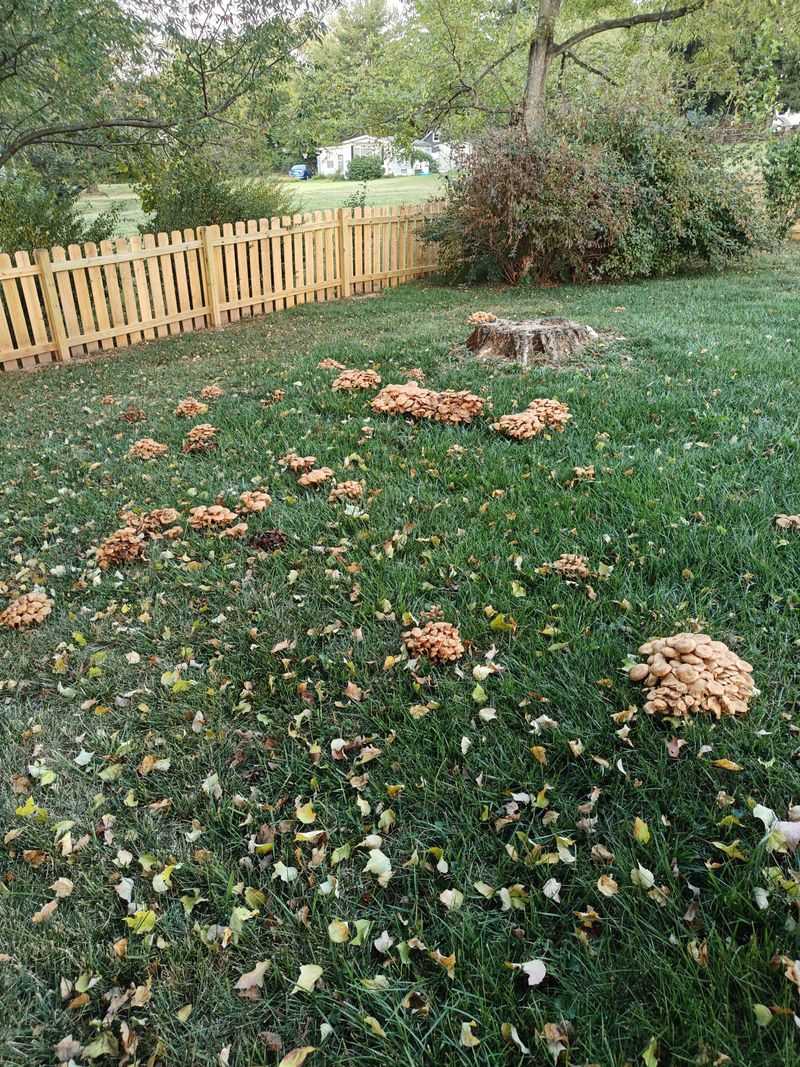
Repeated mushrooms in the same spot often have a hidden source.
That source may be a buried root, an old stump, construction lumber, wood scraps, or debris left behind during grading. Fungi can feed on buried wood for years, producing mushrooms whenever moisture and temperature line up.
The pattern is the clue. A cluster that returns to the same patch after storms deserves a closer look.
Old tree sites are common. A stump may have been ground down, but large roots can remain underground.
Fence lines can hide debris. Past landscaping or construction work may have left wood pieces below the soil.
Rings can also appear. Some fungi spread outward over time, creating arcs or circles in turf.
Probe gently. A hand trowel, soil knife, or garden fork can help locate shallow wood without major digging.
Do not dig deeply near utilities. Buried lines, irrigation, and septic areas require caution.
Small pieces can be left alone. Fungi will eventually finish breaking them down.
Large buried stumps may last for years. Removing them can reduce repeated mushroom clusters, but excavation may not always be worth the disturbance.
Improve drainage around the area. Less prolonged moisture can reduce fruiting even when the wood remains.
Avoid extra irrigation. Watering a spot already fed by buried wood and storms can keep mushrooms returning.
Buried wood is not mysterious once you understand the pattern.
A recurring cluster is often a sign that fungi found a meal below the lawn and are slowly working through it.
5. Compacted Soil May Drain Slowly
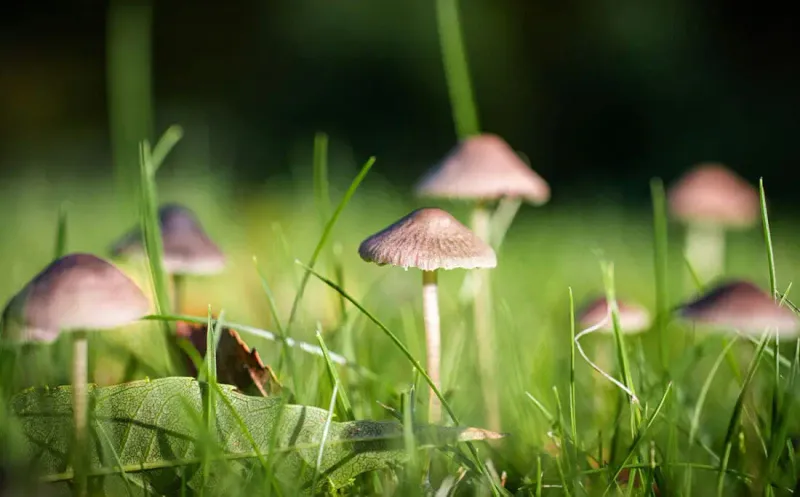
Lingering wet spots can encourage mushrooms.
Pennsylvania lawns often include clay-heavy or compacted soil, especially in areas with foot traffic, equipment movement, or repeated mowing when the ground is wet. When water sits near the surface after storms, fungal fruiting becomes more likely.
Drainage is the key clue. Mushrooms showing up in low, damp, slow-drying places may be responding to saturated surface soil.
Compaction reduces pore space. Water cannot move downward as easily, and air has a harder time reaching roots.
Footpaths often show this. Repeated walking across the same lawn strip can create a damp, mushroom-prone zone after rain.
Driveway edges can compact too. Soil near pavement may be pressed down during construction, parking, or routine use.
Mowing wet soil makes it worse. Heavy equipment over soft ground can squeeze the soil tighter.
Puddles are a warning. Standing water after the rest of the yard dries points toward drainage trouble.
Core aeration can help lawns. Pulling plugs from compacted turf improves air and water movement over time.
Fall is often a good recovery window. Cool-season grasses in Pennsylvania can respond well to aeration and overseeding during the right season.
Do not add more water automatically. Irrigation after a soaking storm can prolong the damp conditions mushrooms love.
Severe drainage needs a professional eye. Grading changes, French drains, or soil correction may be needed in persistent wet areas.
Mushrooms in compacted spots are not always the main problem.
They may simply be the visible sign that water is sitting too long where soil should breathe.
6. Most Lawn Mushrooms Fade Quickly
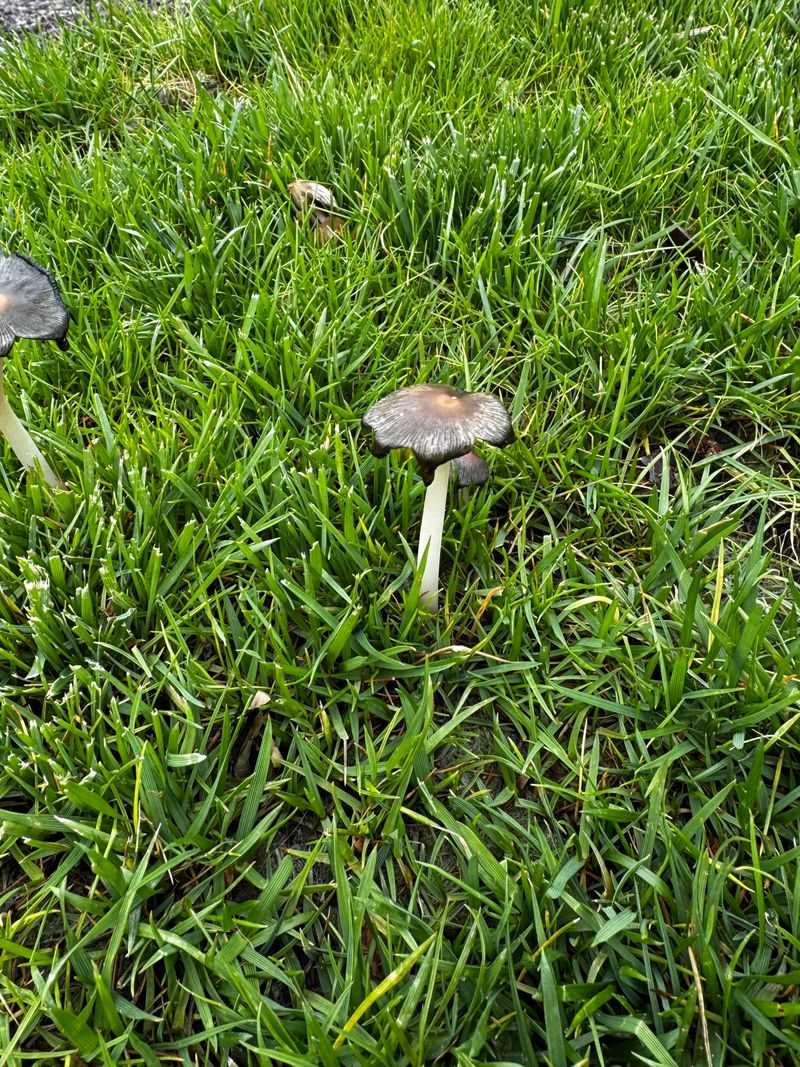
Many storm mushrooms are short-lived.
They may appear overnight, open quickly, release spores, then collapse, dry, or disappear within days. The underground fungus remains, but the visible mushrooms usually do not last long.
Waiting is often enough. A scattered lawn flush after rain may fade without any action.
Removal is mainly cosmetic or safety-related. The lawn itself usually does not need treatment.
Use gloves for cleanup. Hand-pull mushrooms or collect them with a small bag.
Bag and discard them. This is especially helpful where children or pets use the yard.
Mowing can knock them down. It also scatters pieces and spores, so bagging clippings is better in high-traffic areas.
Do not smash them into the soil. That makes cleanup messier and does not address the underground mycelium.
Fungicides are rarely useful for ordinary lawn mushrooms. They usually do not reach the fungal network feeding below the surface.
Correct conditions instead. Drainage, thatch, mulch depth, and organic debris are more practical targets.
Repeat flushes may happen. Rainy periods can bring several waves before conditions dry.
The lawn is not ruined. Most mushrooms do not damage turf directly.
The safest rule is simple.
Remove mushrooms where people or pets might touch or eat them, and let harmless lawn flushes fade as the weather dries.
7. Trunk Clusters Need A Closer Look
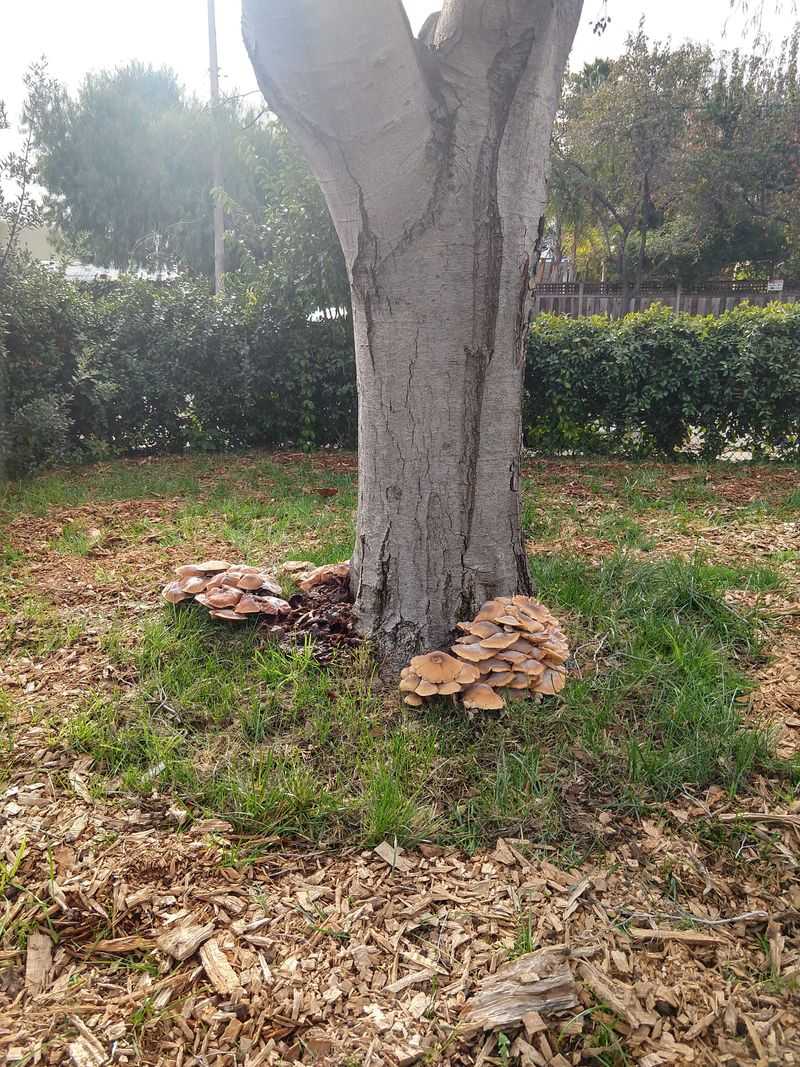
Mushrooms at a tree base deserve more attention.
A few mushrooms scattered in the lawn are usually one thing. A cluster growing directly from a trunk flare, root crown, or exposed root is another. That pattern can sometimes point to wood-decay fungi working in living tree tissue.
Do not panic immediately. Mushrooms near a tree do not automatically mean the tree is unsafe.
Do not ignore them either. Their location makes them worth investigating.
Look at the whole tree. Canopy thinning, branches, cavities, cracks, leaning, loose bark, or soft roots all add concern.
Check the root flare. Mushrooms growing from the base may suggest decay in structural roots or lower trunk wood.
Shelf-like fungi matter too. Brackets on trunks can be connected with internal decay.
Photograph before removal. Take pictures from above, the side, and close to the trunk for later reference.
Avoid digging aggressively around roots. Disturbing the root zone can add stress to the tree.
Call a certified arborist when symptoms appear serious. Large trees near houses, sidewalks, driveways, or play areas deserve professional assessment.
Do not rely on internet identification alone. Many fungi look similar, and tree risk cannot be judged by a quick photo.
Keep pets and children away. Tree-base mushrooms can still be toxic when eaten.
Trunk clusters are the mushroom situation that should slow you down.
They may be harmless decomposers, but they can also be a signal that a tree needs a closer structural evaluation.
8. Unknown Mushrooms Stay Off The Plate
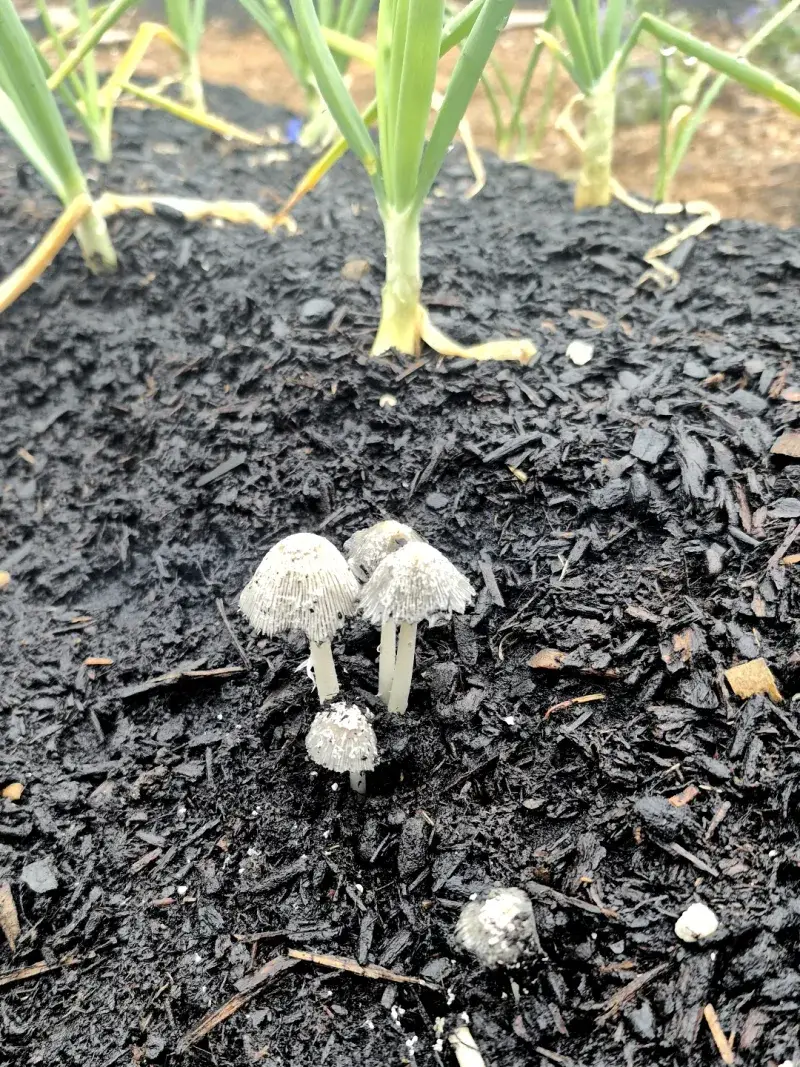
Yard mushrooms should never become a snack.
No mushroom found in a lawn, mulch bed, garden edge, or wooded corner should be eaten without expert identification. Appearance alone is not reliable, and some dangerous mushrooms look ordinary.
Cooking does not make every mushroom safe. Some toxins remain dangerous after heat.
Pets are at risk too. Dogs may mouth or eat mushrooms before anyone notices.
Children need a clear rule. Mushrooms in the yard are for looking, not touching or tasting.
Remove mushrooms from play areas. A quick daily check after storms is smart in family yards.
Use gloves or a bag. Direct contact is usually less concerning than ingestion, but cleanup is easier and safer with a barrier.
Save a sample after ingestion. When a child or pet eats an unknown mushroom, a photo or sample can help professionals.
Call Poison Control quickly for human exposure. The national number is 1-800-222-1222.
Call a veterinarian or pet poison hotline for pets. Do not wait for symptoms before asking for help.
Take photos from multiple angles. Cap, stem, underside, base, and the growing location all help identification.
Do not trust apps alone. Photo-based mushroom identification can be wrong, and mistakes can be serious.
The safest mushroom rule is strict.
Unless a trained expert identifies it, it stays out of the kitchen and away from curious mouths.