This Is The Invasive Insect Targeting Pennsylvania Maple Trees At An Alarming Rate
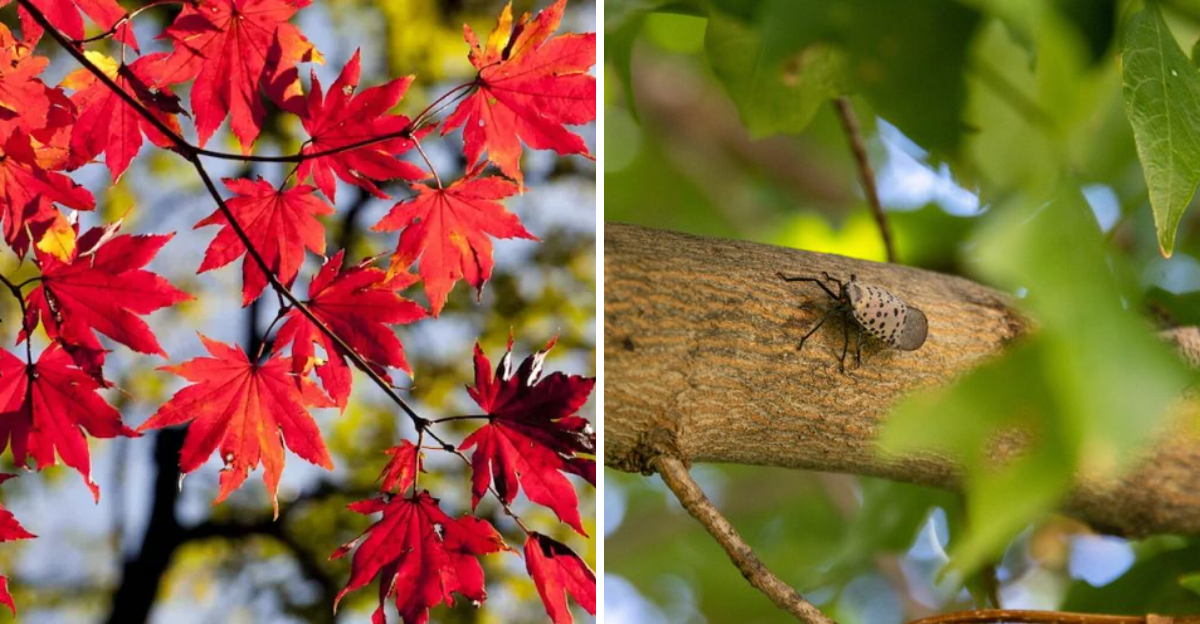
Pennsylvania’s maple trees are under attack. Not from disease, not from drought, and not from anything most homeowners would ever think to look for.
The threat is coming from a tiny invasive insect that has been quietly spreading across the state at an alarming rate, and the damage it leaves behind is anything but small. Maple trees are a beloved part of the Pennsylvania landscape.
They line streets, shade backyards, and put on one of the most spectacular color shows every fall. Losing them is not just an aesthetic problem.
It’s an environmental one too. The frustrating thing about this insect is how easy it is to miss early on.
By the time most homeowners notice something is wrong with their maple, the infestation is already well established and much harder to deal with.
Experts are urging Pennsylvania residents to pay closer attention to their trees right now. Catching this early makes a real difference in whether a tree can be saved.
Meet The Spotted Lanternfly
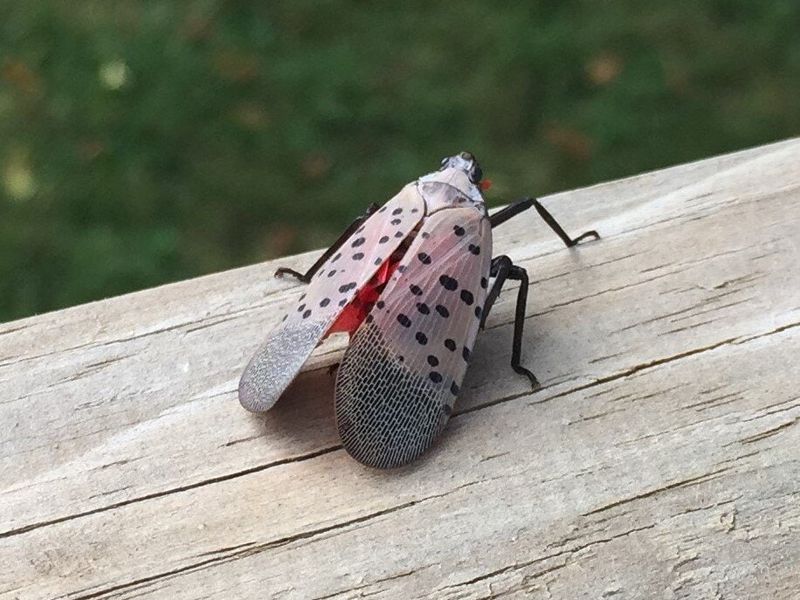
Picture a bug so striking it almost looks beautiful, yet causes serious damage wherever it lands. The spotted lanternfly, known scientifically as Lycorma delicatula, is an invasive planthopper that originally comes from China, India, and Vietnam.
It was first detected in the United States in Berks County, Pennsylvania, back in 2014, and it has been spreading steadily ever since.
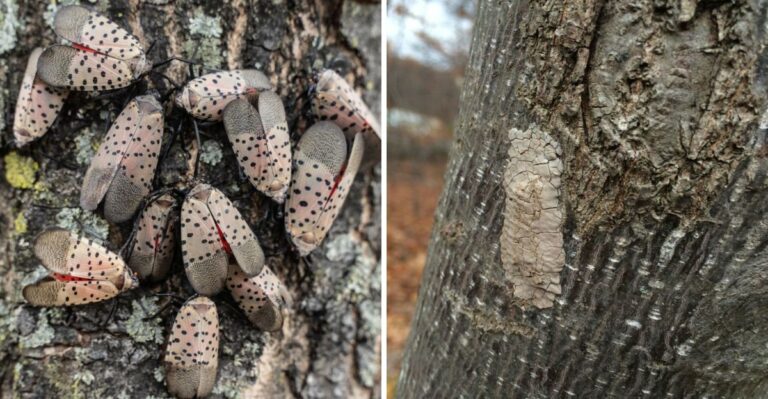
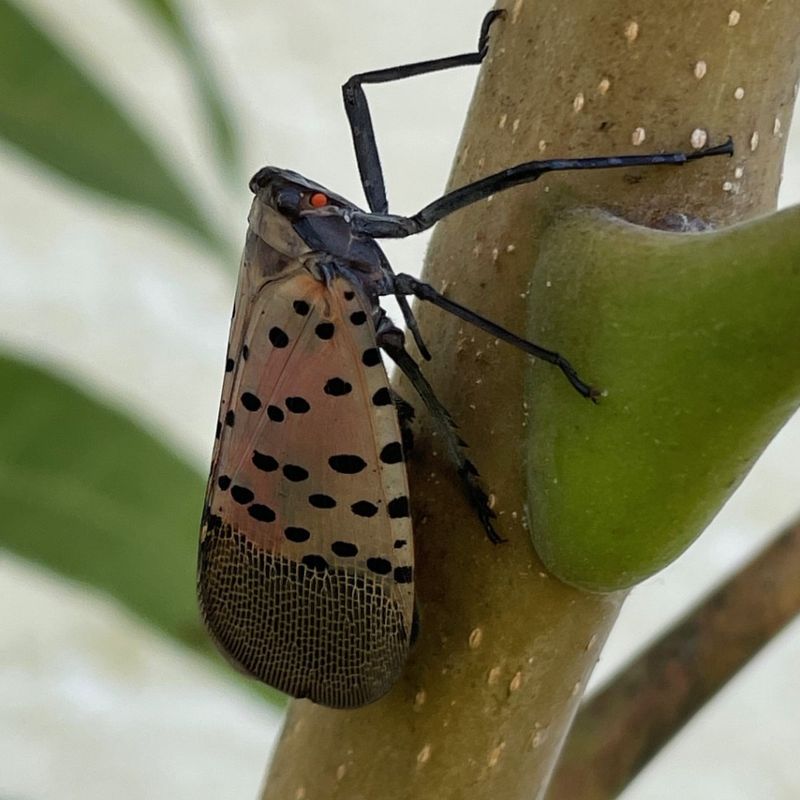
What makes this insect easy to recognize is its bold appearance. When its wings are closed, you see a grayish-brown outer layer covered in neat black spots.
Open those wings, and a flash of red, black, and white appears on the hindwings. Adults grow to about one inch long, making them fairly easy to spot once you know what to look for.
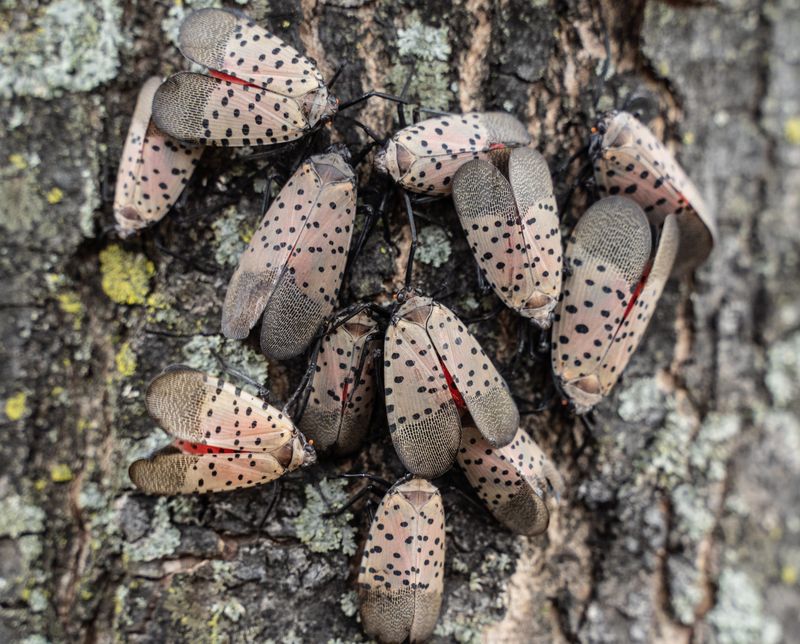
Unlike many bugs that stay hidden, spotted lanternflies tend to gather in large groups on tree trunks, especially in late summer and fall. Seeing dozens or even hundreds of them clinging to a single tree is not unusual at all.
They are not strong fliers, but they hitch rides on vehicles, firewood, and outdoor equipment, which helps them spread to new areas quickly.
Knowing how to identify this insect is the first step toward stopping it. Many people mistake it for a moth because of its wings.
However, the spotted lanternfly belongs to the planthopper family and behaves very differently from moths.
Sharing photos and information with neighbors helps build community awareness, which is one of the most powerful tools available for slowing this invader down.
How It Damages Maple Trees
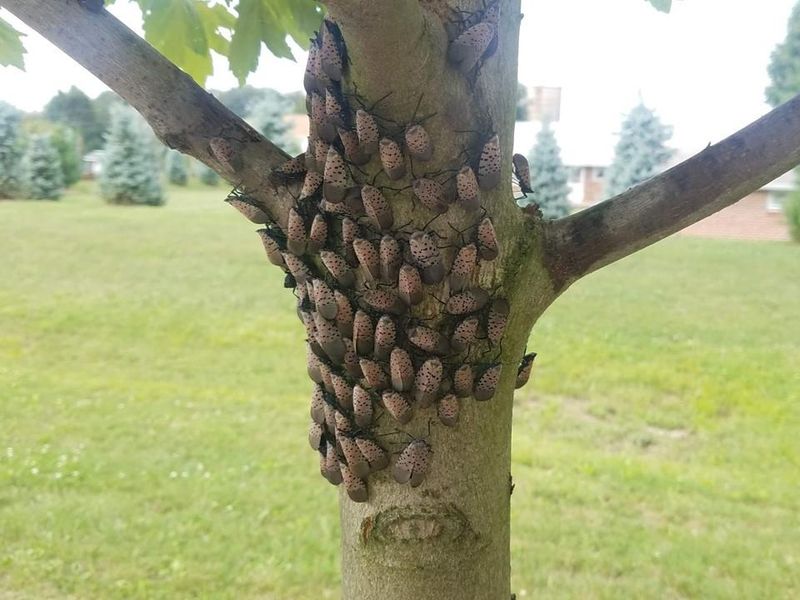
Maple trees across Pennsylvania are under serious pressure, and the spotted lanternfly is a big reason why. These insects use piercing mouthparts to push through tree bark and suck out the sugary sap inside.
Over time, this repeated feeding drains the tree of the energy it needs to grow leaves, produce seeds, and stay healthy through tough winters.
As the lanternfly feeds, it releases a sticky liquid waste called honeydew. This substance coats branches, leaves, and even the ground beneath the tree.
Your Pennsylvania Garden Changes Every Week. Your Plan Should Too.
Gardening in Pennsylvania changes quickly throughout the season. Every Friday you’ll receive a simple weekly plan showing exactly what to plant, prune, fertilize, harvest, and protect so you never miss the right timing.
Honeydew might sound harmless, but it quickly becomes a breeding ground for a black fungus called sooty mold. Once sooty mold covers the leaves, it blocks sunlight from reaching the surface, which means the tree cannot perform photosynthesis properly.
Photosynthesis is how trees make their food using sunlight. When that process gets disrupted season after season, the tree gradually loses strength.
Branches may start to wilt. New growth slows down. The tree becomes more vulnerable to other stressors like drought or disease.
Sugar maples, red maples, and silver maples are among the species most commonly targeted in Pennsylvania. These trees are not just beautiful parts of the landscape.
They support wildlife, provide shade, and in the case of sugar maples, produce the sap used to make maple syrup. Losing healthy maple trees would have real consequences for both nature and local economies.
Catching the damage early and acting quickly gives trees a much better chance of bouncing back before things get worse.
Lifecycle And Spread
One of the sneakiest things about the spotted lanternfly is how it spreads without most people even noticing. In late fall, adult females lay their eggs in flat, mud-like masses on almost any smooth surface.
Tree trunks, fence posts, outdoor furniture, car bumpers, and even camping gear can all become egg-laying spots.
Each egg mass can contain between 30 and 50 eggs, neatly arranged in rows and covered with a grayish waxy coating that blends right into the surface.
These egg masses survive through winter and hatch in spring, usually between April and June. The young insects, called nymphs, start out small and black with white spots.
As they grow through several stages, they develop red patches before eventually becoming full adults by late summer. Nymphs feed aggressively during this entire growing period, targeting a wide range of plants before they mature.
Adults emerge by July and August and remain active through November, which is when females begin laying eggs again. The whole cycle then repeats, often with a bigger population than the year before.
Human activity plays a huge role in spreading this insect beyond its current range. People unknowingly transport egg masses when they move firewood, park near infested trees, or travel through affected areas.
Pennsylvania has quarantine zones in place to limit this movement, requiring residents and businesses to check vehicles and outdoor items before leaving those areas.
Taking a moment to inspect your car, trailer, or camping supplies before a trip can genuinely help prevent the spread to new counties and states.
Impact Beyond Maple Trees

Maple trees get a lot of attention when people talk about spotted lanternfly damage, but the truth is this insect is not picky at all.
Researchers have identified over 70 plant species that spotted lanternflies will feed on, including grapes, apples, peaches, hops, and blueberries. For Pennsylvania farmers, that list reads like a checklist of their most important crops.
Grape growers have been especially hard hit. Grapevines weakened by repeated lanternfly feeding produce fewer grapes and struggle to survive harsh winters.
Pennsylvania has a growing wine industry, and heavy infestations have already caused significant financial losses for vineyards across the state. Hop farmers, who supply ingredients to craft breweries, face similar challenges.
Beyond agriculture, ornamental trees like willows, birches, and black walnuts are also targeted.
Homeowners with backyard gardens or decorative landscapes may notice their plants looking stressed, sticky, or coated in dark mold without immediately knowing why. The spotted lanternfly could be the hidden cause.
Ecologically, the damage ripples outward. When trees and plants weaken, the wildlife that depends on them for food and shelter also suffers.
Birds that eat insects may initially benefit from a surge in lanternfly populations, but the long-term loss of plant diversity creates gaps in the food chain.
Economically, Pennsylvania officials estimate the spotted lanternfly could cost the state hundreds of millions of dollars annually if left unchecked.
That number includes lost crops, treatment costs, and reduced property values in heavily infested neighborhoods. The stakes go well beyond one type of tree.
Early Detection And Identification
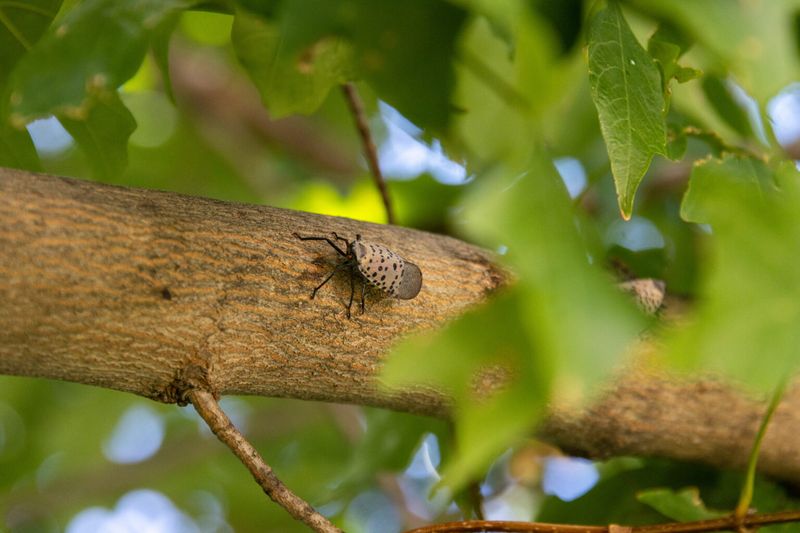
Catching a spotted lanternfly infestation early can make a tremendous difference. The sooner people spot signs of these insects, the faster local authorities can respond and the less damage trees and crops will suffer.
Regular monitoring does not require special equipment or training. A quick walk around your yard or neighborhood can reveal a lot.
Start by checking tree trunks, especially maples, willows, and any Tree of Heaven growing nearby. Look for egg masses from October through June.
Fresh egg masses look like a smear of wet mud. Older ones dry out and crack, exposing rows of brown seeds underneath. Both stages are easy to miss if you are not looking carefully.
From spring through early summer, watch for nymphs crawling on bark and stems. Early-stage nymphs are tiny and black with white spots.
Later-stage nymphs develop red coloring. By late summer, look for winged adults gathering in large clusters on trunks and branches, particularly in the afternoon when they tend to be most active.
Check outdoor furniture, vehicles, trailers, and firewood too. Egg masses can appear on almost any surface, not just trees.
Taking a few photos when you find something suspicious is always a smart move. Pennsylvania’s Department of Agriculture has an online reporting tool that makes it easy to submit sightings with location data.
Community involvement is genuinely powerful here. When neighbors share information and report sightings together, it helps experts map the spread more accurately and deploy resources where they are needed most.
You do not have to be an expert to make a real contribution to this effort.
Management And Prevention
Managing spotted lanternflies takes effort, but there are real steps that homeowners, farmers, and communities can take right now.
One of the most effective long-term strategies involves targeting the Tree of Heaven, known scientifically as Ailanthus altissima.
This weedy invasive tree is the spotted lanternfly’s preferred host plant, and removing it from your property reduces a major food source that draws these insects in.
Tree of Heaven spreads aggressively along roadsides, fence lines, and forest edges. Simply cutting it down without treating the stump often causes it to regrow even more vigorously.
Herbicide treatments applied directly to cut stumps or the bark are far more effective. Your local cooperative extension office can walk you through the safest and most appropriate methods for your situation.
For more immediate control, sticky bands wrapped around tree trunks can trap nymphs as they crawl upward in spring and early summer.
These bands work best when checked and replaced regularly, and they should be covered with wire mesh to protect birds and other wildlife from getting stuck accidentally.
Scraping egg masses off surfaces into a bag filled with rubbing alcohol or hand sanitizer is another hands-on approach that works well on a small scale.
Targeted insecticides approved for spotted lanternfly management are also available and can be applied by licensed professionals for larger infestations.
Reporting every sighting to the Pennsylvania Department of Agriculture or your local extension office remains one of the most important actions you can take.
Every data point helps officials track the spread and protect Pennsylvania’s trees, farms, and forests for future generations.