What It Means When You Find Toads Hiding In Your Georgia Garden
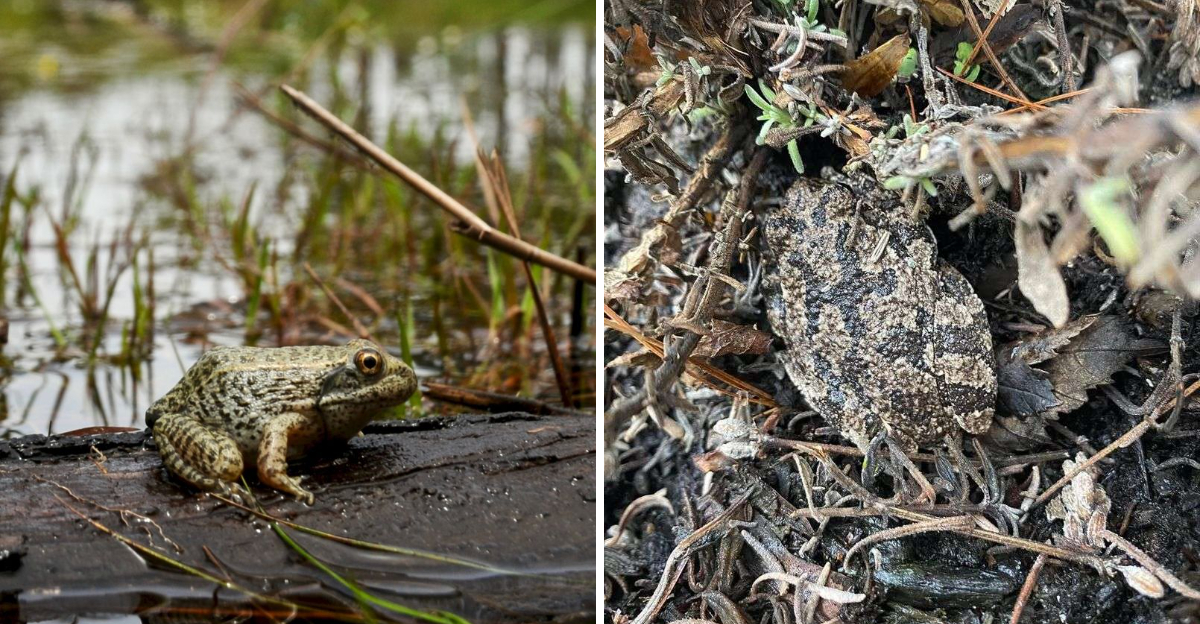
A garden toad is not there by accident.
Lift a clay pot, move a watering can, or shift a flat stone, and that chunky little visitor may be tucked into the cool dark beneath it, blinking like you interrupted a very private meeting.
The moment can feel surprising, especially in a busy vegetable bed or beside a porch planter.
But a hidden toad is usually a good sign.
It means your yard offers something useful: insects to hunt, damp shade to rest in, loose soil to press into, and enough cover to move safely after dark.
Toads do not waste energy hanging around places that give them nothing. They settle where the ground-level habitat is working.
Georgia gardens can support several toad species, including familiar backyard visitors that thrive in suburban, rural, and edge-of-woods landscapes.
So what is a hidden toad really telling you about your garden?
It is showing you that the space between your plants matters just as much as the plants themselves.
1. Your Garden Has Plenty Of Prey
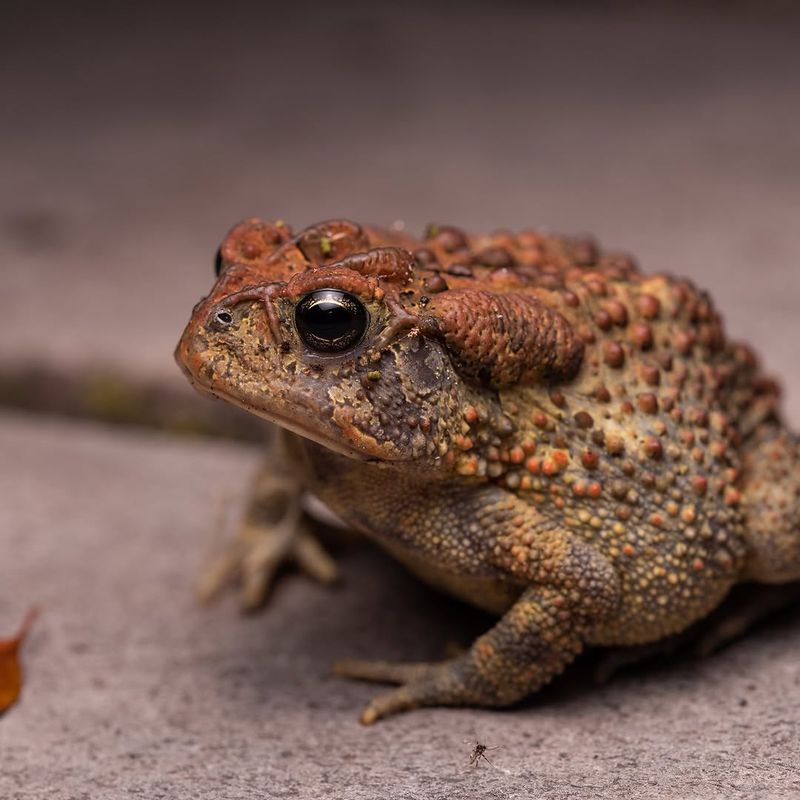
A toad in the garden means dinner is nearby.
Toads feed on many of the small ground-level creatures that move through beds after dark. Beetles, slugs, moths, earwigs, ants, crickets, and other invertebrates can all become part of the nightly hunt.
That does not make a toad a complete pest-control plan. It simply means your garden has enough prey to make the area worth visiting.
The feeding happens mostly at night. A toad may spend the day hidden under a pot, then move out after sunset to hunt along mulch lines, damp soil, stepping stones, and plant bases.
Soft-bodied pests are easy targets. Slugs and small insects moving near the ground are especially vulnerable.
Leaf litter adds opportunity. The same leaves that shelter insects also give a toad more hunting spots.
A diverse garden supports more prey. Low plants, taller perennials, shrubs, and vegetable beds all create different layers where small creatures live.
That diversity keeps the food web active. A garden with only bare soil and clipped turf gives toads fewer reasons to stay.
Avoid overpromising their impact. One toad will not save every hosta, tomato, or squash leaf from damage.
Still, its presence is useful. It shows that natural predators are part of the system.
A toad hunting in your garden is not a decoration.
It is a sign that the ground-level food web has enough life to support something higher up the chain.
2. Moist Shade Offers Daytime Refuge
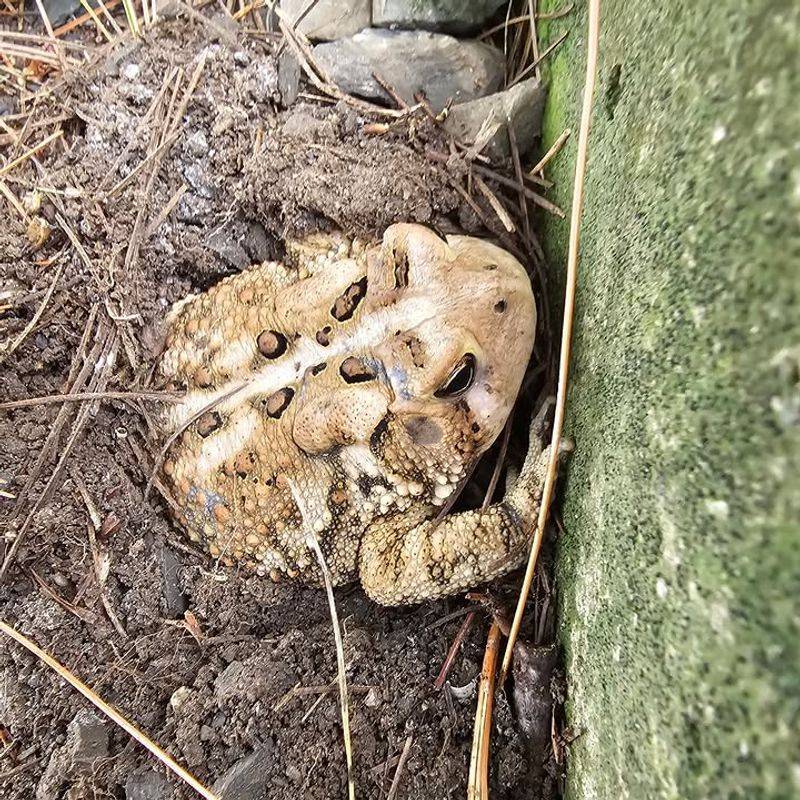
A hidden toad is often trying to stay cool.
Georgia heat can dry exposed ground quickly, especially around vegetable beds, patios, and sunny foundation plantings.
Toads avoid that kind of exposure during the day by seeking damp, shaded places where their bodies can hold moisture.
Their skin matters. Toads absorb moisture through their skin, so a cool patch of soil beneath a plant can help them rehydrate.
That is why they love protected spaces. Clay pots, boards, dense shrubs, ferns, porch edges, and raised bed corners can all create the damp darkness they need.
Your Georgia Garden Changes Every Week. Your Plan Should Too.
Gardening in Georgia changes quickly throughout the season. Every Friday you’ll receive a simple weekly plan showing exactly what to plant, prune, fertilize, harvest, and protect so you never miss the right timing.
The spot should be moist, not soggy. Waterlogged soil can create problems for plants and may not make ideal shelter.
A slightly damp surface is better. Soil that feels cool to the touch without puddling is more useful for a resting toad.
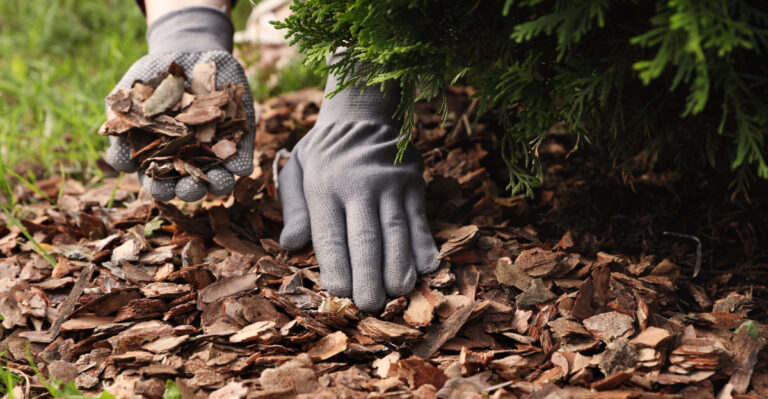
Mulch can help when used well. A light, breathable layer keeps soil cooler and slows evaporation.
Too much mulch can backfire. Thick wet piles against stems or foundations can invite plant disease and unwanted pests.
Shade from plants is especially valuable. Hostas, native shrubs, ferns, and dense perennials create a living roof over the soil.
A toad returning to the same corner is giving you information. That spot is meeting its daytime needs again and again.
Protect those small refuges during cleanup. Not every shaded corner needs to be raked bare.
A cool hiding place can turn an ordinary bed into habitat.
For a toad, the best garden shelter is often the quietest, dampest spot you almost forgot about.
3. Leaf Litter Creates Safe Cover
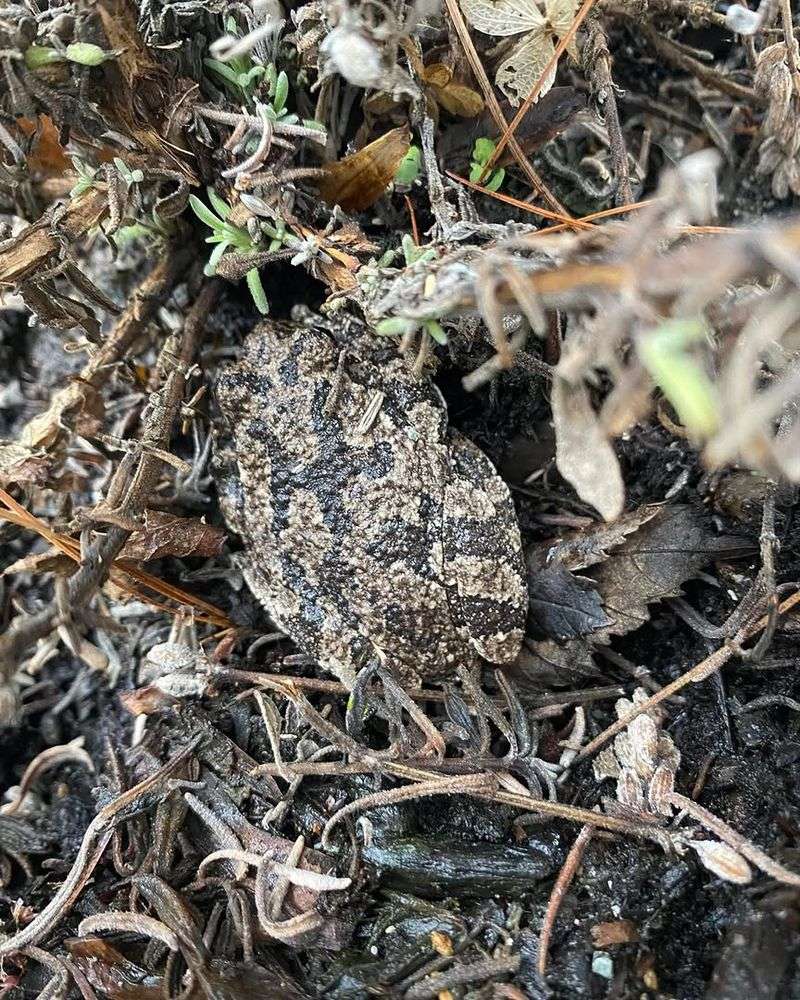
A few leaves can be more useful than a spotless bed.
Toads use leaf litter for daytime cover, nighttime hunting, and seasonal shelter. The layered leaves hold moisture, soften the soil surface, and attract the insects and small invertebrates toads eat.
That makes leaf litter more than yard debris. It is a tiny habitat layer.
Under shrubs, it works beautifully. Azaleas, hydrangeas, native shrubs, and tree borders can all hold a useful blanket of fallen leaves.
Along fence lines, it creates travel cover. A toad moving after dark can stay hidden from birds, snakes, and curious pets.
In back garden corners, it supports the soil. Leaves break down slowly into organic matter that improves texture and feeds microbes.
That same breakdown attracts prey. Beetles, pill bugs, worms, and other small animals move through decomposing leaves.
The toad follows the activity. Where the leaf litter feeds the small creatures, the toad finds a reason to hunt.
Keep leaves away from foundations. Moist piles pressed against the house can create problems you do not want.
Use leaves intentionally. Leave them under shrubs and in garden edges rather than across walkways, steps, or house walls.
Avoid shredding every corner too clean. A yard with no ground cover gives toads fewer safe places.
Leaf litter can look intentional when contained. A natural edge beneath shrubs feels much better than random piles across the lawn.
A toad tucked into leaves is not a mess problem.
It is a sign that your garden still has a soft, living floor beneath the showier plants.
4. Loose Soil Makes Hiding Easier
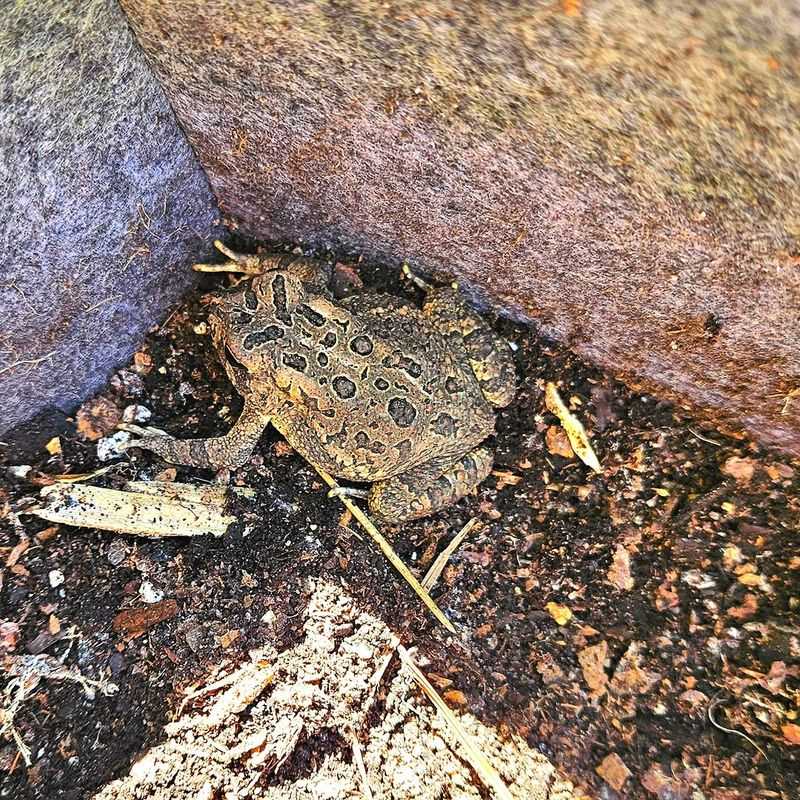
Soft soil is a welcome sign for toads.
They do not tunnel deeply like some animals, but they do press into loose ground to stay cool, hide from predators, and rest between feeding trips. Compacted soil makes that harder.
A toad partly tucked into a garden bed is using the soil as shelter. The cooler earth surrounds its body and reduces moisture loss.
Friable soil helps. Ground that crumbles easily gives the toad a place to settle without much effort.
Hard clay is less inviting. Dry, compacted, crusted soil offers little comfort and few hiding options.
Raised beds often help. Their looser texture can create the kind of easy resting spots toads use during warm days.
Compost improves texture over time. A modest amount of finished compost can help hard soil become more plant-friendly and toad-friendly.
Aged leaf mulch helps too. It softens the top layer without creating a wet, smothering mat.
Leave a few undisturbed corners. Constant digging, turning, and raking removes the stable retreats toads come back to.
Do not till just for wildlife. Deep disturbance can disrupt the soil community that supports the whole bed.
Cover bare soil with plants or light organic material. Exposed ground heats quickly and loses moisture fast.
A toad in loose soil is telling you the bed has structure below the surface.
That same texture helps roots, microbes, insects, and the garden’s smallest workers thrive.
5. Nearby Water Supports Amphibians
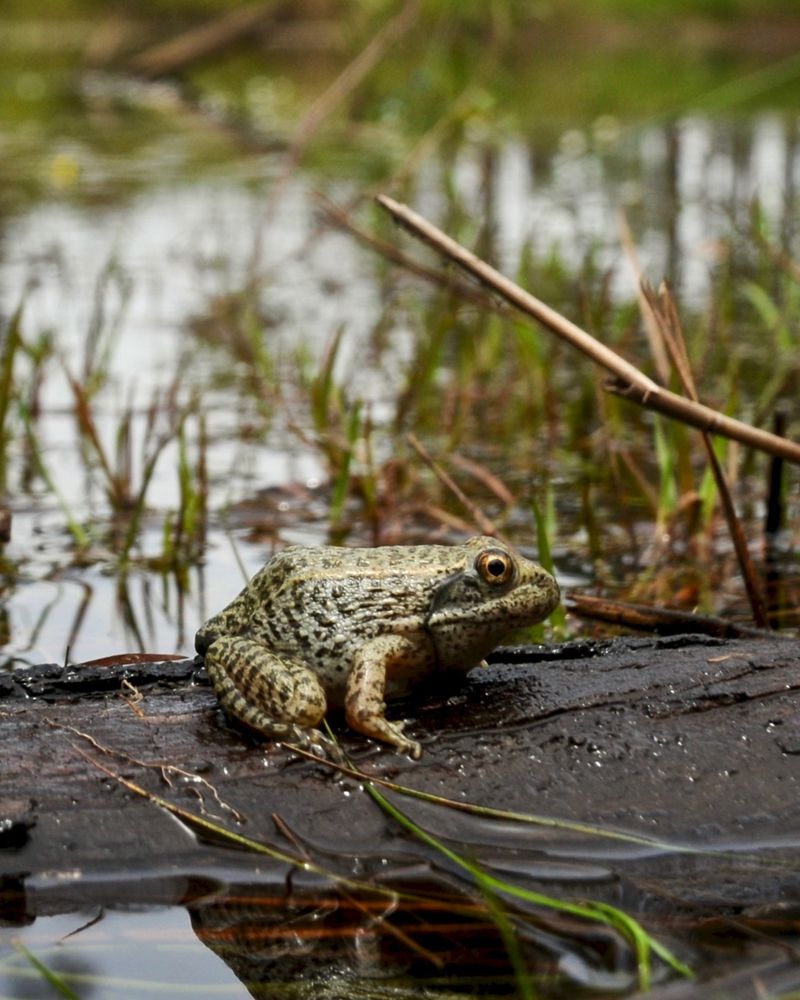
A toad may be telling you water is close enough.
Toads do not spend all their time in water, but they still need moisture to survive. Breeding also depends on shallow, still, or slow-moving water during the right season.
A backyard pond can help. So can a nearby ditch, low wet area, neighbor’s water feature, or seasonal pool.
The water source may not be obvious. A toad in your vegetable garden could have traveled from a damp ditch at the edge of the neighborhood.
Skin hydration matters daily. A shallow dish, damp soil pocket, or rain-filled low spot can help during dry weather.
Any water feature needs an exit. A sloped edge, stone ramp, or shallow side lets toads climb out safely.
Stagnant water creates mosquito problems. Freshening small dishes and using moving water in larger features keeps the space healthier.
Avoid chemical treatments in wildlife water. Algaecides, harsh cleaners, and chlorinated water can create trouble for amphibians.
A simple dish can work. A shallow ceramic saucer placed in shade and refreshed often is better than a deep container.
Keep it low to the ground. Toads need easy access without falling into a trap.
Place water near cover. Open exposed dishes can leave amphibians vulnerable to predators.
Nearby water does not have to be fancy.
For a toad, the best setup is clean, shallow, shaded, and connected to safe cover.
6. Low Pesticide Use Protects Their Food
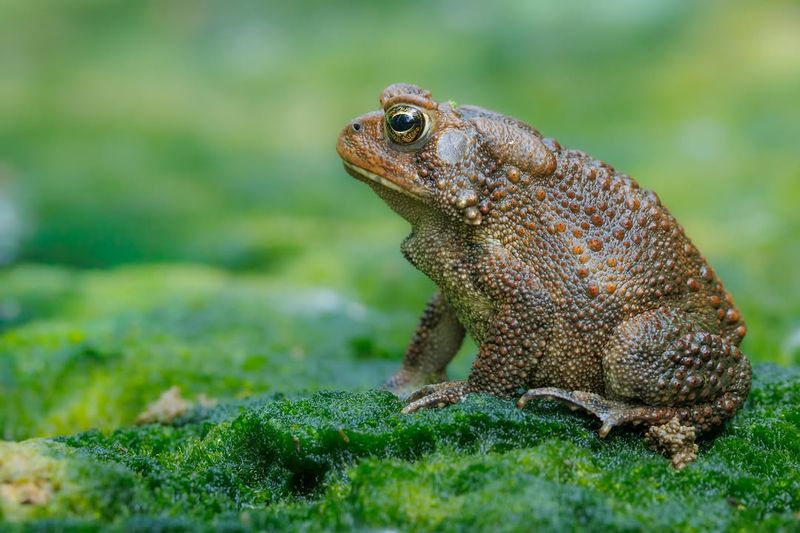
A toad-friendly garden is usually not heavily sprayed.
Toads depend on the small animals that pesticides often reduce. A garden treated often with broad-spectrum insecticides may look tidy, but it can become a poor hunting ground for wildlife.
The food supply matters first. Fewer insects, slugs, beetles, and soft-bodied prey means fewer reasons for toads to stay.
Direct exposure matters too. Amphibian skin can absorb substances from soil and water.
Residue can linger where toads rest. Granular products, treated mulch, lawn runoff, and spray drift can all reach ground-level habitat.
Broad sprays are especially risky. They can remove pests and beneficial insects at the same time.
A careful approach works better. Prevention, monitoring, hand removal, barriers, and targeted treatments should come before stronger products.
Read every label closely. Edible gardens, pets, pollinators, water features, and wildlife all change how products should be used.
Slug control deserves caution. Some products are much riskier to wildlife and pets than others.
Avoid treating the exact places toads hide. Pot bases, leaf litter, damp mulch pockets, and shaded soil corners are likely resting zones.
Accept some insect activity. A completely insect-free garden cannot support toads, birds, spiders, or other helpful predators.
A toad is a reminder that garden health is bigger than spotless leaves.
Less chemical pressure often means a stronger food web and a safer place for wildlife to do its work.
7. Nighttime Habitat Is Working
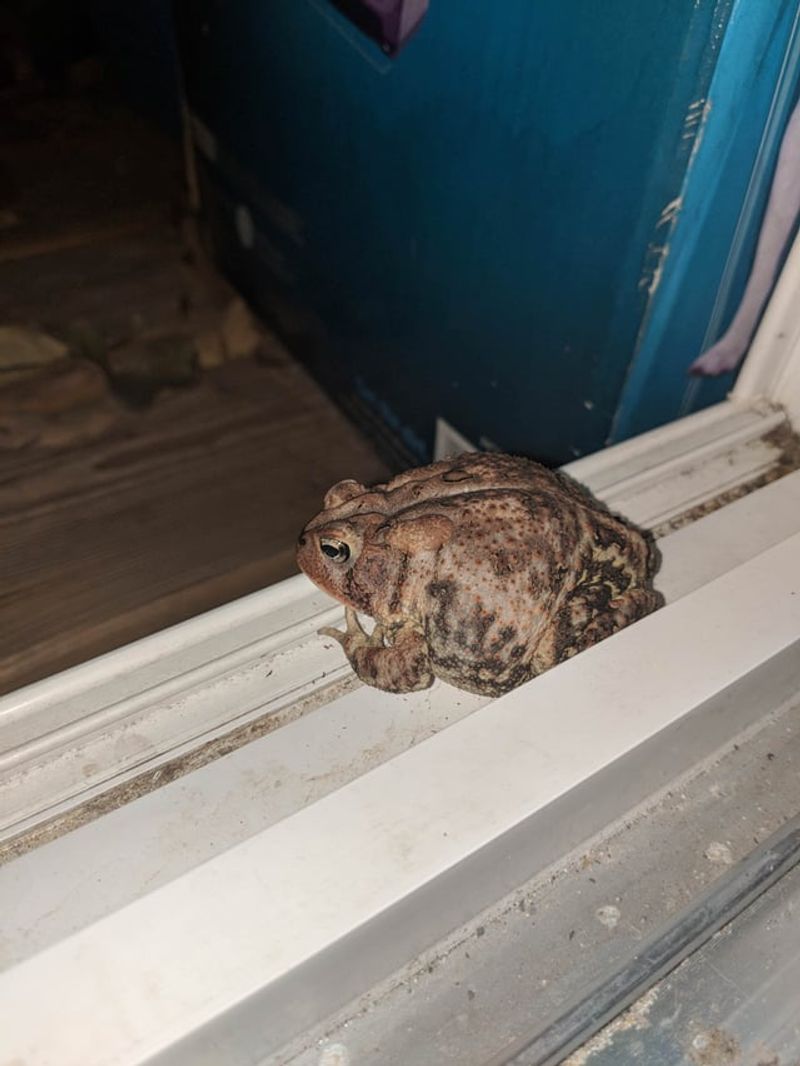
A toad in the day often means the night shift is active.
Toads move, feed, and call mostly after dark. The garden you see at noon is only half the story. After sunset, damp paths, porch edges, mulched beds, and low plantings become travel lanes and hunting grounds.
Warm, humid nights bring more movement. After a Georgia rain, toads may travel farther and feed more actively.
Porch lights can attract prey. Moths, beetles, and other insects gather near lights, and toads learn those patterns quickly.
A toad near a step is not confused. It may be waiting where food reliably appears.
Garden paths matter. Open routes between beds let toads move without crossing too much exposed ground.
Low cover helps. Ground covers, leaf litter, and plant bases create safer travel corridors.
Tall barriers can limit movement. Solid fencing, deep edging, and steep-sided containers may trap or redirect small wildlife.
Keep nighttime observation gentle. A low beam or red-filtered flashlight is less startling than bright white light.
Watch from a short distance. Toads may freeze when approached, then return to feeding after the disturbance passes.
Listen for calls during warm seasons. A trill from nearby wet areas can reveal breeding activity close to the yard.
Nighttime habitat is easy to overlook.
A hidden toad is evidence that your garden still functions after the lights go down.