An Illinois Fall Garden Plan Worth Finalizing By Early August
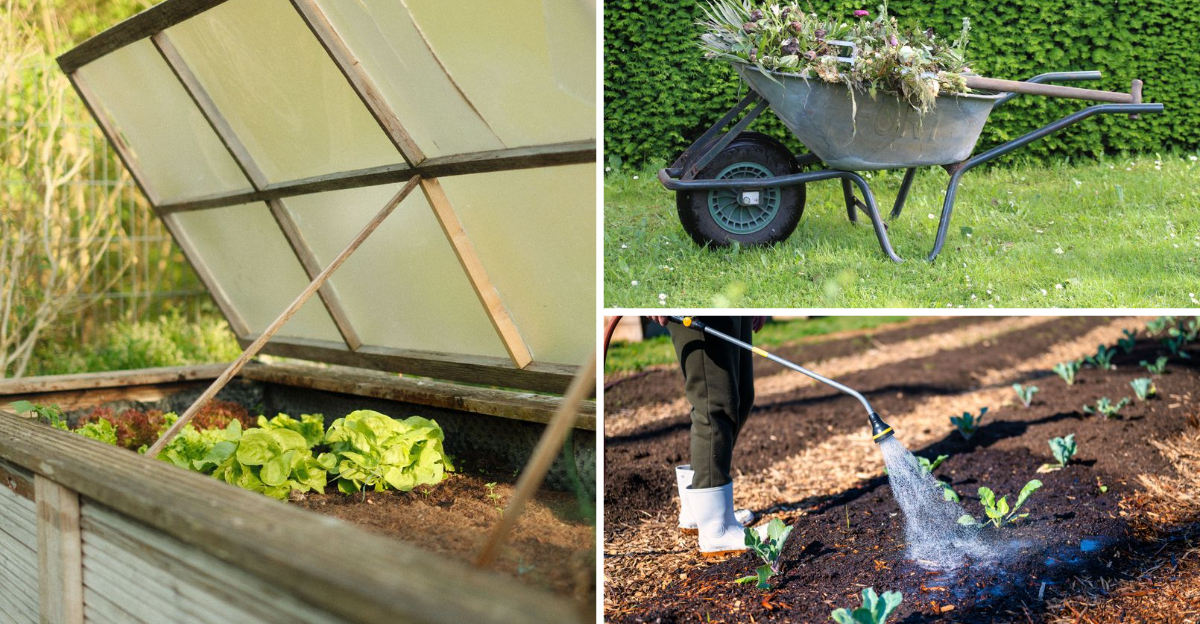
August has a way of catching Illinois gardeners off guard, one week your tomato vines are loaded and the next they are sagging under late summer heat. Those bare, tired patches in your beds are not a sign of failure, they are an invitation.
Early August marks a narrow stretch when summer crops are fading but frost is still weeks away, and that gap closes faster than most homeowners expect.
Homeowners who act now trade wilted vines for crisp new growth before the first cold snap arrives. A little planning this week means fresh harvests long after your neighbors have packed away their garden tools for the season.
Illinois soil still has plenty of growing season left, it just needs the right approach to make the most of what remains.
1. Choosing Which Crops To Plant Next
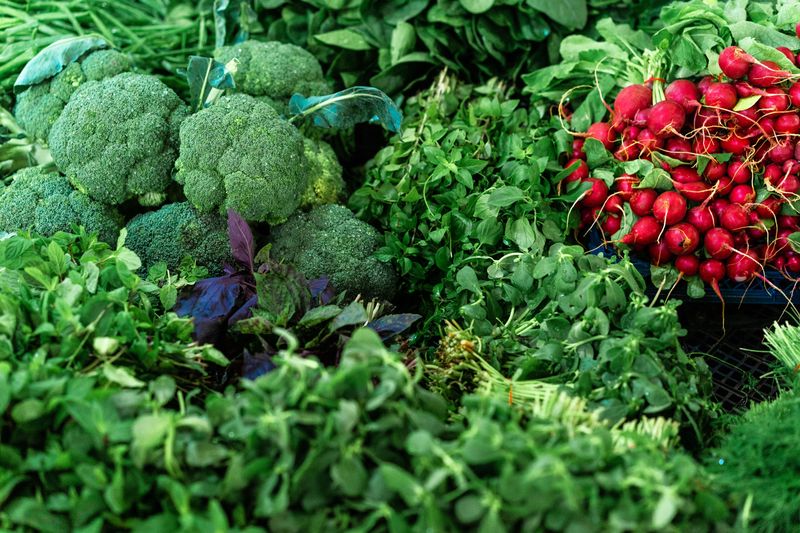
Not every crop survives an Illinois autumn, so picking wisely saves you time and heartbreak. Cool-season favorites like kale, spinach, arugula, and radishes thrive when temperatures start dropping.
Broccoli and cauliflower are excellent choices for fall planting in the Midwest. They actually taste sweeter after a light frost hits them.
Lettuce varieties grow fast and handle chilly nights without much fuss. You can squeeze in two or three harvests before the ground freezes hard.
Garlic is another smart pick for late-season planting. You put it in the ground now and pull it up next summer, which feels like a gift to your future self.
Snap peas and sugar snap varieties also deserve a spot in your fall lineup. They thrive in cooler weather and often produce a sweeter crop than their summer counterparts.
Turnips and beets are often overlooked, but they are workhorses in a fall garden. Both mature quickly and store well once harvested.
Check the days-to-maturity listed on each seed packet before buying anything. Subtract that number from your expected first frost date to see if the crop has enough time to finish growing.
Most of northern Illinois sees first frost sometime between mid-October and early November. Central and southern parts of the state get a few extra weeks, which opens up more planting options.
Choosing the right crops for your fall garden plan is the foundation everything else builds on. Pick smart now, and the rest of the season practically plans itself.
2. Clearing Out Spent Summer Plants First
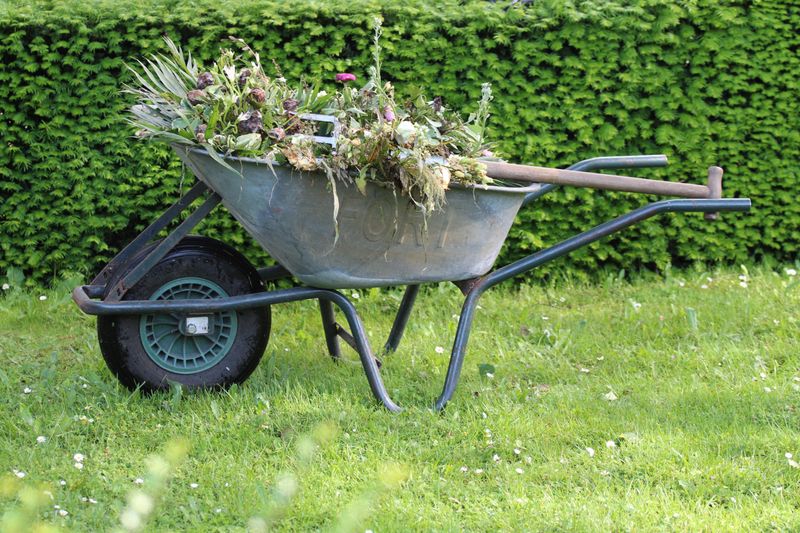
Before anything new goes in the ground, the old stuff has to come out. Leaving spent plants in place is one of the most common mistakes fall gardeners make.
Spent and struggling summer plants harbor pests and disease spores that can damage your fall crops. Pulling them out cleanly breaks that cycle before it starts.
Start with tomatoes, cucumbers, and squash vines that have stopped producing. These are often the biggest plants and take the most effort to remove properly.
Cut them at the base rather than yanking them out by the roots. This keeps the soil structure intact and avoids disturbing helpful organisms living underground.
Your Illinois Garden Changes Every Week. Your Plan Should Too.
Gardening in Illinois changes quickly throughout the season. Every Friday you’ll receive a simple weekly plan showing exactly what to plant, prune, fertilize, harvest, and protect so you never miss the right timing.
Bag up any plants that showed signs of disease during the summer. Composting diseased material can spread problems to other parts of your yard.
Healthy plant material, however, goes straight into the compost bin. Shredding it first speeds up the breakdown process significantly.
Once the beds are clear, rake the surface smooth and remove any large debris or rocks. A clean slate makes every next step easier and more satisfying.
Clearing out also gives you a chance to spot any pest damage or soil problems early. Catching issues now means you can fix them before your fall seedlings are at risk.
A tidy, cleared bed is not just pretty to look at. It is the single best preparation you can do for a productive fall growing season.
3. Enriching Soil Before The Fall Planting
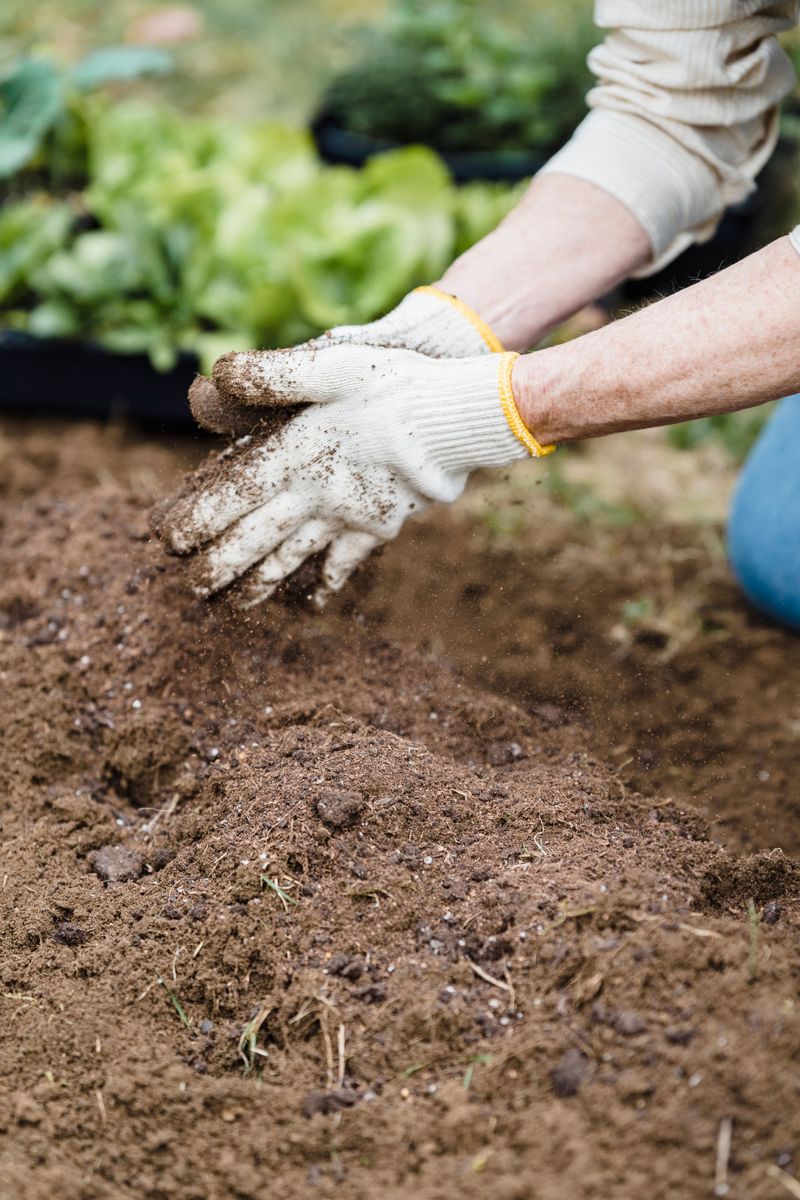
Summer crops are hungry, and after months of growing, your soil is probably exhausted. Fall is the perfect moment to replenish what was taken out during the warm season.
Compost is your best friend here. A two-to-three inch layer worked into the top six inches of soil makes a dramatic difference in plant performance.
Aged manure is another excellent amendment that adds nutrients and improves soil texture. Chicken, cow, or horse manure all work well when they have been composted properly.
Avoid fresh manure in fall beds where you plan to plant edibles soon. Fresh manure can burn roots and introduce harmful bacteria to food crops.
A simple soil test from your local extension office tells you exactly what your beds are lacking. Tests are typically inexpensive and give you a clear nutrient roadmap.
If your pH is off, fall is a great time to add lime or sulfur to adjust it. These amendments work slowly, so adding them now means they will be fully effective by spring.
Mixing in a slow-release granular fertilizer gives fall crops a steady nutrient supply. Look for formulas higher in phosphorus to support strong root development in cooler soil.
Healthy soil grows healthy plants, season after season. Invest fifteen minutes in your soil now, and your fall garden will reward you generously.
4. Timing Seeds For A Strong Harvest
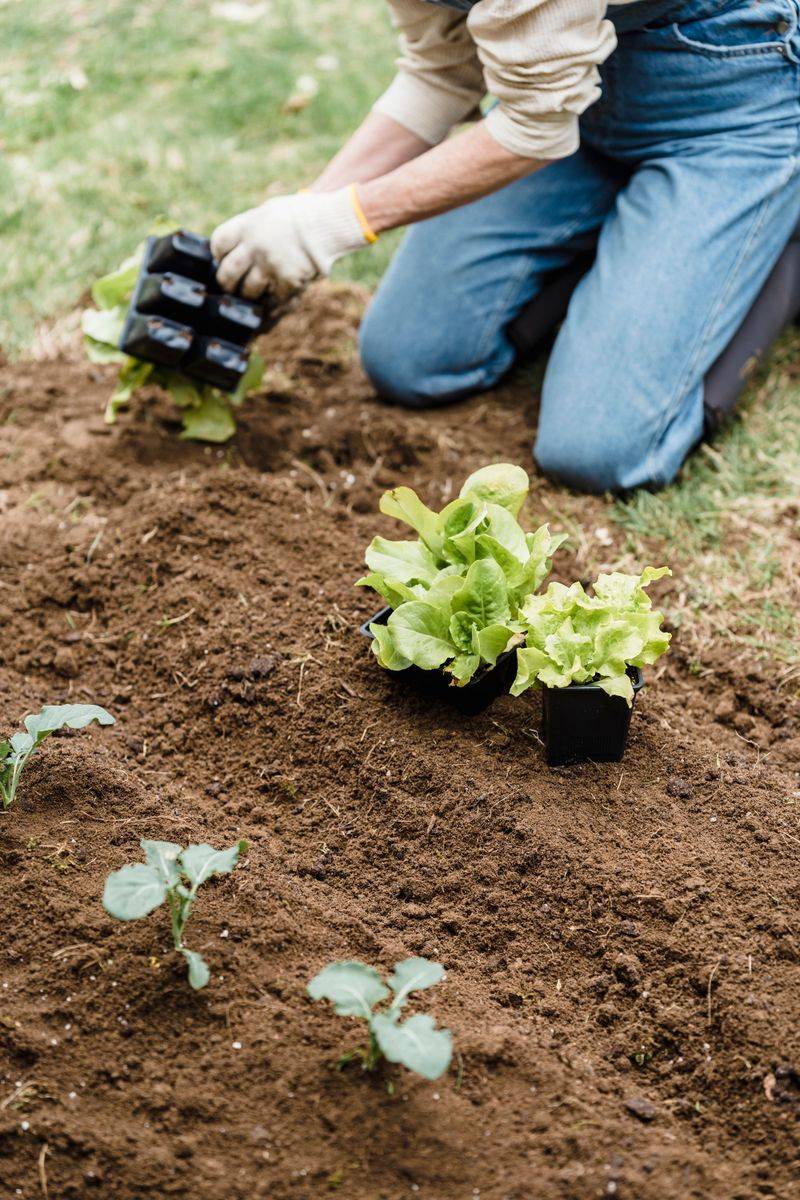
Timing is everything in a fall garden, and getting it wrong means scrambling at the last minute. Most Illinois gardeners underestimate how quickly fall arrives after August.
Count backward from your expected first frost date to figure out when seeds need to go in. Each crop has a specific number of days needed to reach harvest, so do the math carefully.
Spinach needs about forty to fifty days to reach picking size. That means planting in mid-August gives you a comfortable buffer before cold weather shuts things down.
Radishes mature in as few as twenty-five days, making them one of the easiest fall crops to time. You can almost plant them on a whim and still get a solid harvest.
Broccoli takes longer, often sixty to eighty days, so it needs to go in the ground early. Late July or very early August is ideal for most parts of the state.
Starting seeds indoors two to four weeks before transplanting gives you a head start. This works especially well for broccoli, cabbage, and cauliflower.
Keep a simple planting journal with dates, crop names, and expected harvest windows. Reviewing it each year helps you sharpen your timing and avoid repeating costly mistakes.
Getting the timing right in your fall garden plan is like hitting a moving target. Nail it once, and you will wonder why you ever let fall go to waste.
5. Adjusting Watering As Temperatures Cool Down
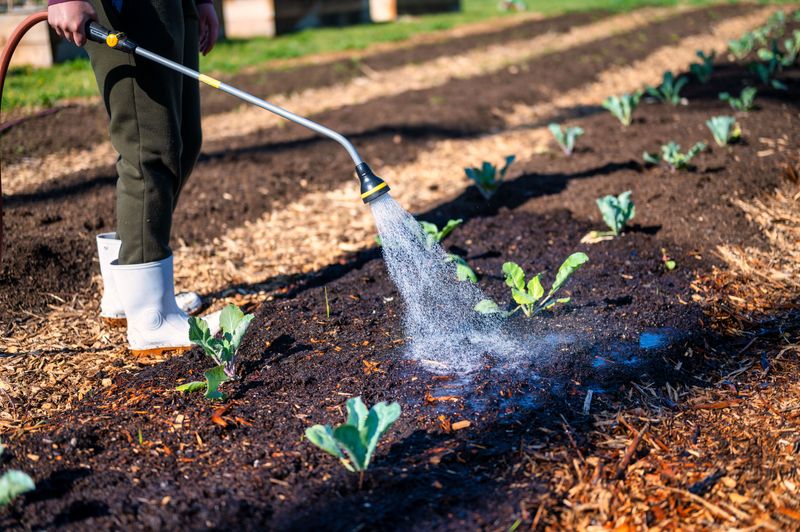
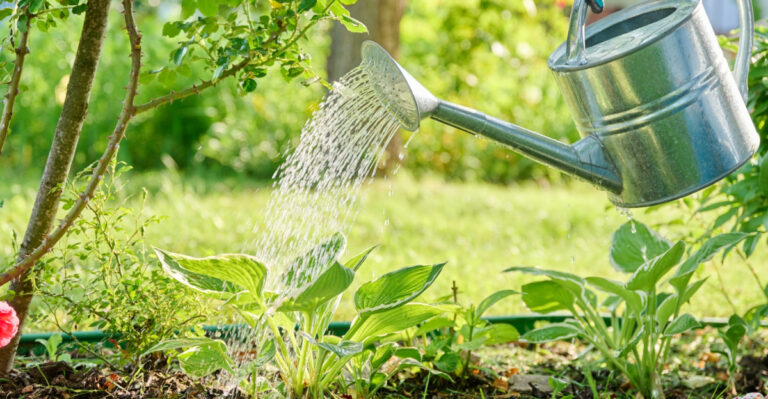
Watering in fall is a whole different game than summer irrigation. Cooler air means soil holds moisture longer, so overwatering becomes a real risk.
Check the soil moisture before reaching for the hose each morning. Stick your finger two inches into the ground, and only water if it feels dry at that depth.
Young seedlings still need consistent moisture to establish strong roots. Do not let the soil dry out during the first two weeks after planting.
Drip irrigation or soaker hoses are ideal for fall beds because they deliver water directly to roots. This reduces evaporation and keeps foliage dry, which lowers the risk of fungal issues.
Morning watering is always better than evening in cooler weather. Wet foliage overnight in chilly temperatures creates the perfect conditions for mold and rot to take hold.
Rainfall becomes more frequent in September and October across most of the state. Adjust your watering schedule week by week rather than sticking to a rigid summer routine.
Mulching garden beds with straw or shredded leaves helps retain soil moisture between waterings. A two-inch layer also insulates roots from sudden temperature swings.
Watering smartly in fall is about reading your garden rather than following a fixed schedule. When you pay attention to what the plants are actually telling you, they thrive.
6. Mapping Out Garden Beds By Sunlight
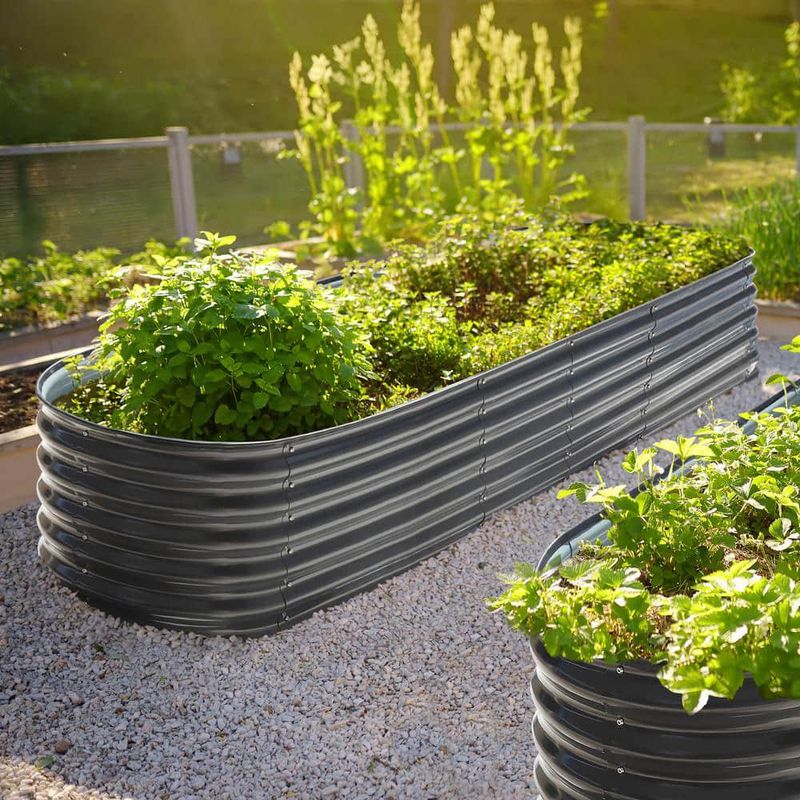
Fall sunlight behaves differently than summer sun, and most gardeners do not account for this shift. The sun sits lower in the sky, which changes how shadows fall across your yard.
Structures and trees that barely shaded your beds in July can block significant light by September. Walk your yard at midday in early August and note which spots get full sun.
Full sun means at least six hours of direct light per day. Most fall vegetables need that minimum to produce well before frost arrives.
Leafy greens like spinach and arugula tolerate partial shade better than most crops. Placing them in spots that get four to five hours of sun can still yield a solid harvest.
Root vegetables like carrots and beets prefer full sun but can manage with a bit less. They grow more slowly in shadier spots, so plan accordingly with your timing.
Draw a simple map of your yard showing where sunlight hits during the morning, midday, and afternoon. Even a rough sketch helps you make smarter planting decisions.
Rotating crops between beds also matters when you map things out. Avoid planting the same crop family in the same spot two seasons in a row to reduce disease buildup.
Mapping your beds by sunlight is one of those steps that feels optional but pays off enormously. The gardeners who skip it are the ones wondering why half their crops underperformed.
7. Stocking Up On Fall Garden Supplies
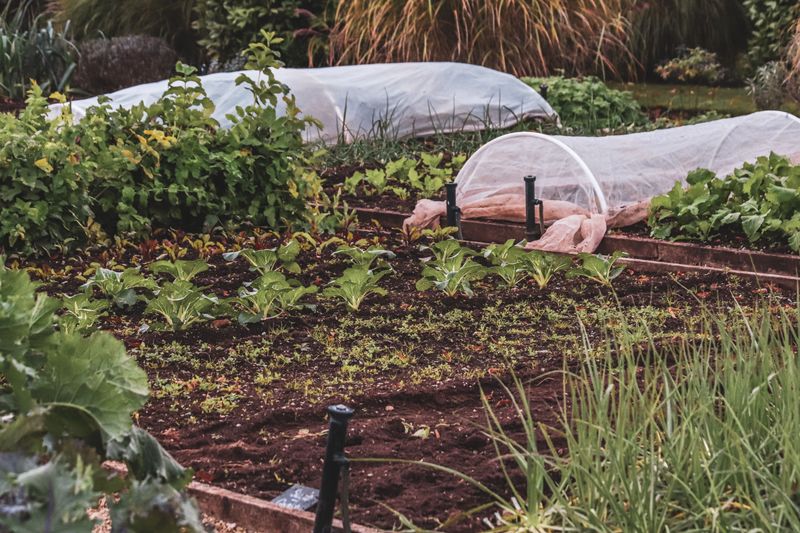
Garden centers start shifting their inventory toward fall decor by mid-August. If you wait too long, the specific seeds and supplies you need may be sold out or picked over.
Row cover fabric is one of the most valuable fall garden tools you can own. It protects plants from frost while still letting in light and moisture.
Pick up a few different weights of row cover since lighter fabric works for mild cold and heavier fabric handles harder freezes. Having both on hand means you are ready for anything.
Straw mulch is another supply worth buying in bulk before fall hits. It insulates beds, suppresses late-season weeds, and breaks down over winter to add organic matter.
Sharp pruning shears and a clean hand trowel make fall planting much more efficient. Dull tools make every task harder and can damage tender seedlings during transplanting.
Pick up pH testing strips or a digital soil meter if you do not already own one. Knowing your soil conditions before planting prevents a lot of preventable crop failures.
Seed-starting trays and a bag of quality seed-starting mix are worth grabbing now if you plan to start transplants indoors. These items tend to disappear from shelves quickly once fall planting season kicks in.
Stocking up early is not overthinking it, it is just good planning. The gardeners who have everything ready go from idea to harvest faster than anyone else.
8. Protecting New Growth From Early Frost
An early frost can wipe out weeks of work in a single night. Knowing how to protect your fall crops is just as important as knowing how to grow them.
Keep a close eye on the nightly forecast starting in late September. Temperatures dipping below thirty-two degrees Fahrenheit mean your plants need a layer of protection fast.
Row cover fabric draped loosely over plants traps heat from the soil and keeps air temperatures around foliage above freezing. Secure the edges with rocks or garden staples so wind does not lift it off.
Old bedsheets and lightweight blankets work in a pinch when frost sneaks up unexpectedly. Just make sure to remove them the next morning once temperatures rise above freezing.
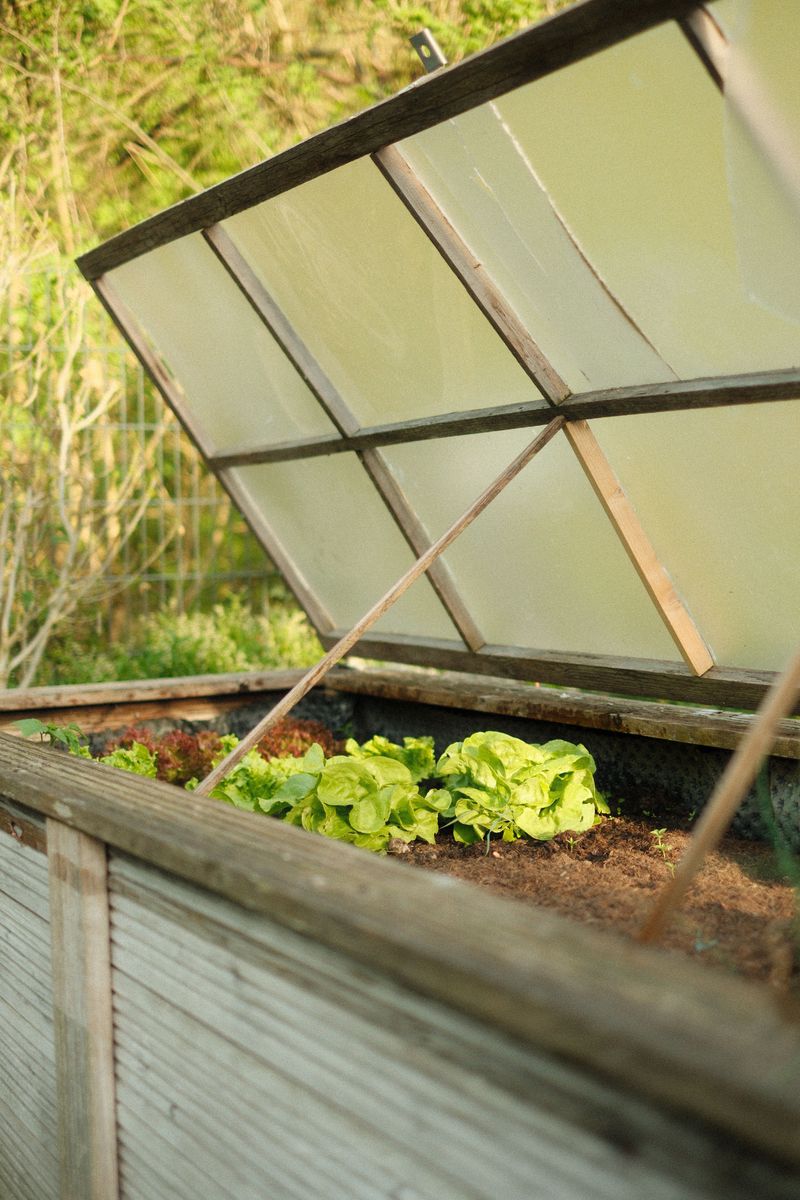
Cold frames are a longer-term solution for serious fall gardeners. These simple box-and-glass structures extend your growing season by four to six weeks with only occasional venting and monitoring.
Cloches, which are individual covers placed over single plants, work well for protecting transplants during their first vulnerable weeks. Plastic jugs with the bottoms cut off are a cheap and effective option.
Mulching heavily around plant bases also helps insulate roots from sudden cold snaps. A thick layer of straw acts like a blanket for the underground part of your crops.
Your Illinois fall garden plan is only complete when frost protection is part of the strategy. Build it in now, and you will be far better prepared for whatever the weather brings.