Why Adding High Nitrogen Fertilizer During An Arizona Heat Wave Is A Mistake
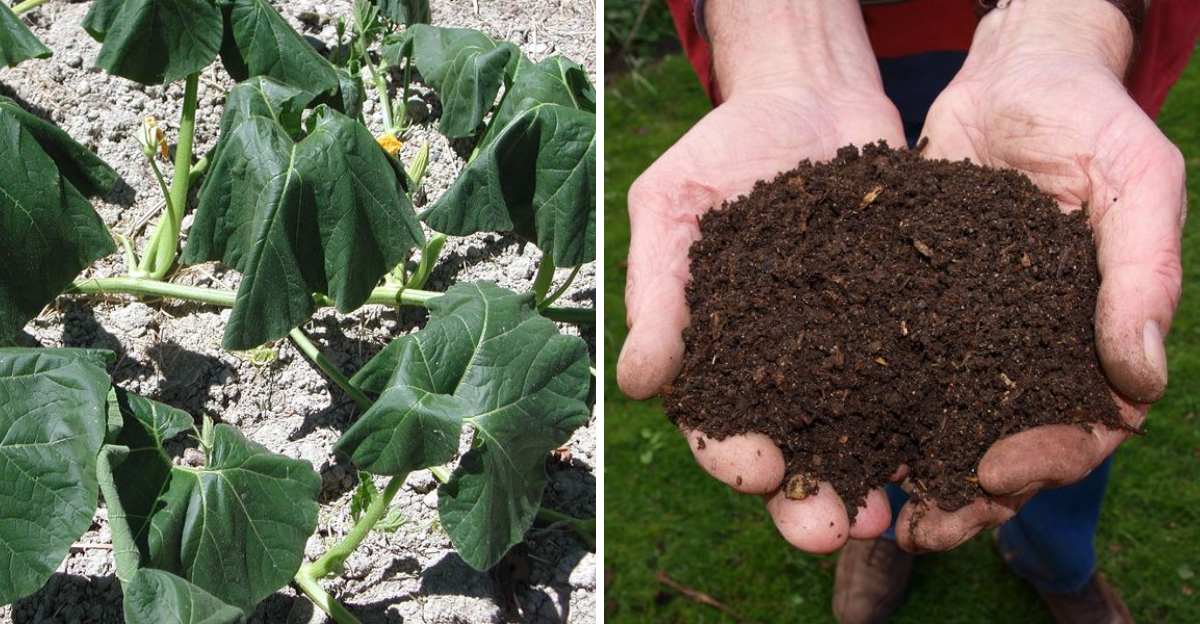
A struggling plant can make fertilizer feel like the obvious answer.
The leaves droop. The soil feels hot. The afternoon sun looks relentless, and the plant seems to be asking for help.
A bag of high-nitrogen fertilizer sitting nearby promises fast green growth, which sounds useful when the garden looks tired.
That promise is the problem.
During an Arizona heat wave, many plants are not hungry in the usual sense. They are managing heat, water loss, hot roots, dry soil, salt pressure, and intense sunlight. Forcing new growth at that moment can add stress instead of relief.
Fertilizer works best when a plant is actively growing under conditions that allow roots to absorb nutrients safely. Triple-digit heat changes that equation.
Nitrogen may push soft leaves the plant cannot protect, raise water demand, and concentrate salts around roots that are already struggling.
So why is high-nitrogen fertilizer such a risky move during extreme Arizona heat?
Because the plant needs stability first, not a growth command it cannot afford to follow.
1. High Nitrogen Pushes Tender Growth
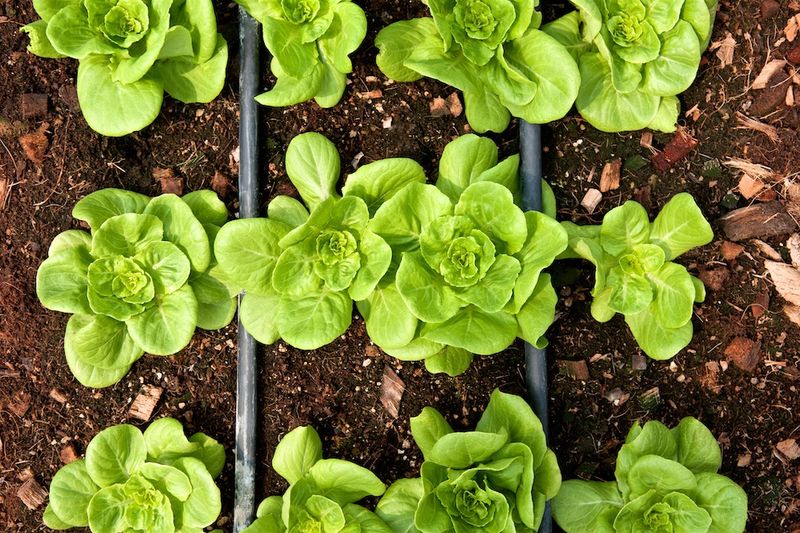
High nitrogen tells plants to grow fast.
That can be useful during an active growth window, but it becomes risky when temperatures climb past 105 degrees. During an Arizona heat wave, a plant may already be trying to conserve water and reduce stress. A nitrogen push sends the opposite message.
New growth is soft by nature. Fresh leaves and stems have not had time to develop the tougher structure that older growth uses to handle sun, wind, and water loss.
Tender leaves scorch more easily. Strong Arizona sun can bleach, brown, or crisp soft tissue within a short time.
That damage does not reverse neatly. Once leaf tissue is scorched, watering afterward cannot restore it.
Soft growth also wilts faster. Thin new leaves lose water quickly during hot, dry afternoons.
The plant spends energy it should be saving. Instead of stabilizing roots and maintaining existing foliage, it starts building growth that may not survive the heat.
This is especially tough on potted plants. Container roots heat up fast, which makes the top-growth push even harder to support.
High nitrogen can make a stressed plant look worse. A short burst of green growth may be followed by drooping, tip burn, or patchy leaf decline.
A heat-wave plant needs less pressure, not more.
Let the plant hold steady until temperatures ease and growth resumes naturally.
2. New Leaves Demand More Water
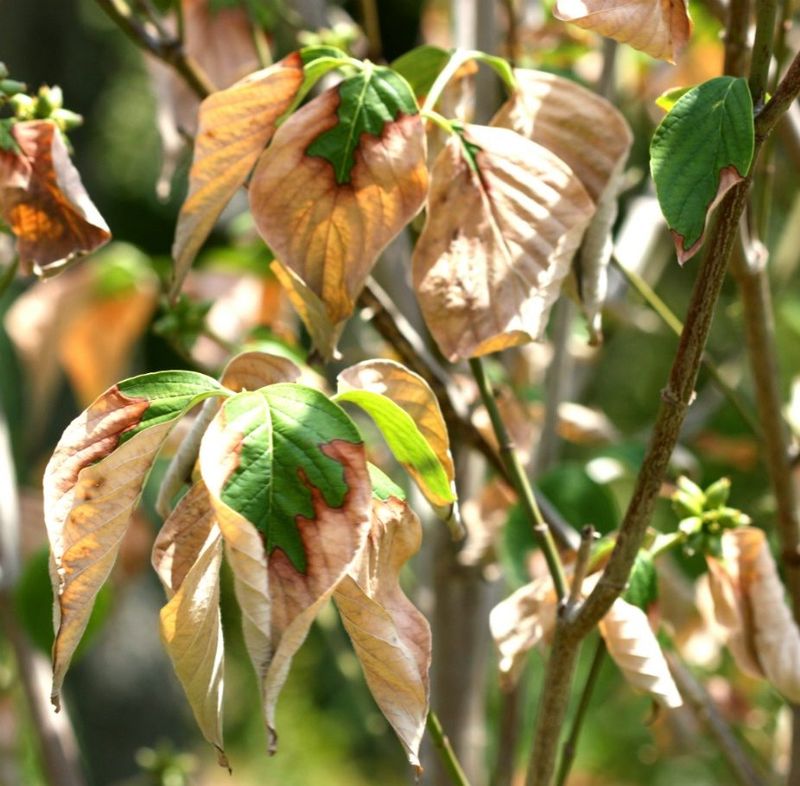
Every new leaf increases water demand.
That is the hidden cost of a nitrogen flush. More foliage means more surface area losing moisture through transpiration, and Arizona heat pulls that moisture away fast.
A plant with more leaves needs more water. During a heat wave, that need can outpace what the roots can supply.
Roots may already be limited. Hot soil slows root function and reduces how efficiently the plant can take up water.
The balance shifts in the wrong direction. Nitrogen encourages top growth while the root system is still stuck in survival mode.
Your Arizona Garden Changes Every Week. Your Plan Should Too.
Gardening in Arizona changes quickly throughout the season. Every Friday you’ll receive a simple weekly plan showing exactly what to plant, prune, fertilize, harvest, and protect so you never miss the right timing.
That creates a mismatch. The plant has a larger canopy but not enough active root strength to support it.
Wilting becomes more frequent. Even with irrigation, the new leaves may lose moisture faster than roots can replace it.
Water use rises at the worst time. Desert gardens already need careful irrigation during extreme heat.
Extra growth means extra demand. That can clash with water conservation goals and practical watering limits.
Deep roots matter more than lush top growth. A resilient plant needs a root system that can reach moisture and recover after heat spikes.
Nitrogen does not create that resilience overnight. It pushes visible growth first.
A plant that cannot meet its own water demand will struggle longer.
During an Arizona heat wave, fewer thirsty new leaves can be a strength, not a weakness.
3. Hot Roots Absorb Nutrients Poorly
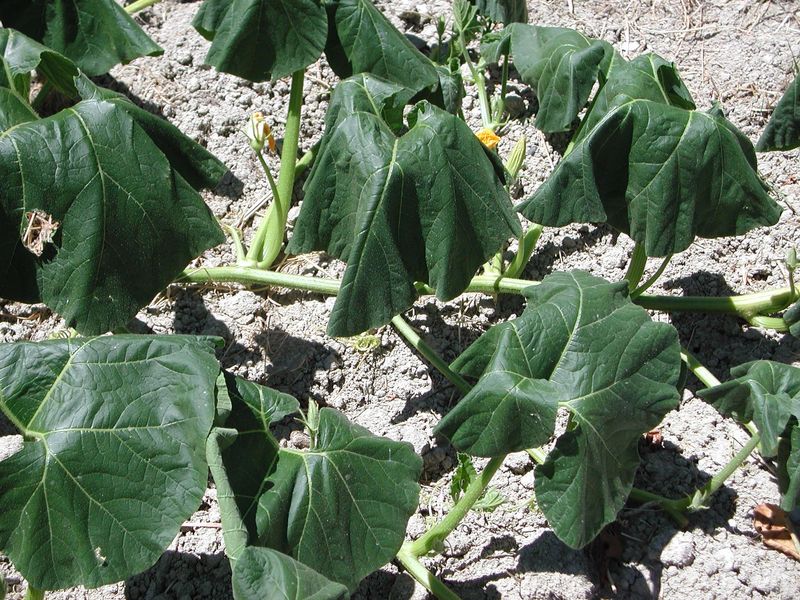
Roots do not work normally in extreme heat.
The top of the plant gets all the attention, but the root zone is often where the real stress begins. Arizona soil can become intensely hot, especially in exposed beds, gravel landscapes, and containers set on concrete.
Hot roots absorb less efficiently. Water and nutrients may be present, but the plant may not be able to use them well.
That makes fertilizer poorly timed. Adding nitrogen does not fix a root system slowed by heat.
The nutrients can sit unused. Instead of moving smoothly into the plant, they remain in the soil solution.
Salt pressure can build around the roots. That makes water uptake harder at the exact moment the plant needs moisture most.
Container plants face the worst version. Pots in direct sun can heat far beyond the surrounding air.
Dark containers are especially risky. They absorb heat and can turn the root zone into a hostile space.
A plant may wilt with moist soil. That is a sign that roots are not keeping up, not proof that fertilizer is needed.
Shade the container before feeding. Moving pots out of afternoon sun can do more good than any nitrogen product during heat.
Mulch exposed soil lightly. A protective layer can lower surface temperature and slow moisture loss.
Roots need relief first.
Once the root zone cools and the plant begins active growth again, fertilizer becomes much safer and more useful.
4. Dry Soil Concentrates Fertilizer Salts

Dry soil makes fertilizer harsher.
Fertilizer needs water to dissolve, dilute, and move through the soil. Without enough moisture, nutrients can sit in concentrated pockets near the surface or directly around roots.
That concentration creates stress. Fertilizer salts can pull moisture away from root tissue instead of helping the plant absorb water.
Arizona soils may already carry salt pressure. Alkaline conditions, mineral-heavy irrigation water, low organic matter, and caliche layers can all make roots work harder.
Adding high nitrogen to dry soil stacks on another challenge. The plant receives salt pressure before it receives real benefit.
Granular products are especially risky on dry ground. Uneven distribution can create hot spots where roots experience stronger exposure.
Liquid fertilizers are not automatically safer. A strong solution applied to dry soil can still stress roots.
Watering before fertilizing matters during normal windows. During a heat wave, even that may not make feeding wise.
Check soil moisture first. Dry soil that resists a screwdriver or probe should not be fertilized.
Do not use fertilizer as a rescue tool. A plant in dry, extreme heat needs water management and shade relief first.
Follow label rates strictly. More product never means faster recovery.
Salt stress often looks like heat stress. Leaf edges brown, tips burn, and growth stalls.
That resemblance can trick gardeners into adding even more fertilizer.
Dry soil and high nitrogen are a bad match. During Arizona heat, the safest answer is usually to wait.
5. Strong Fertilizer Can Scorch Roots
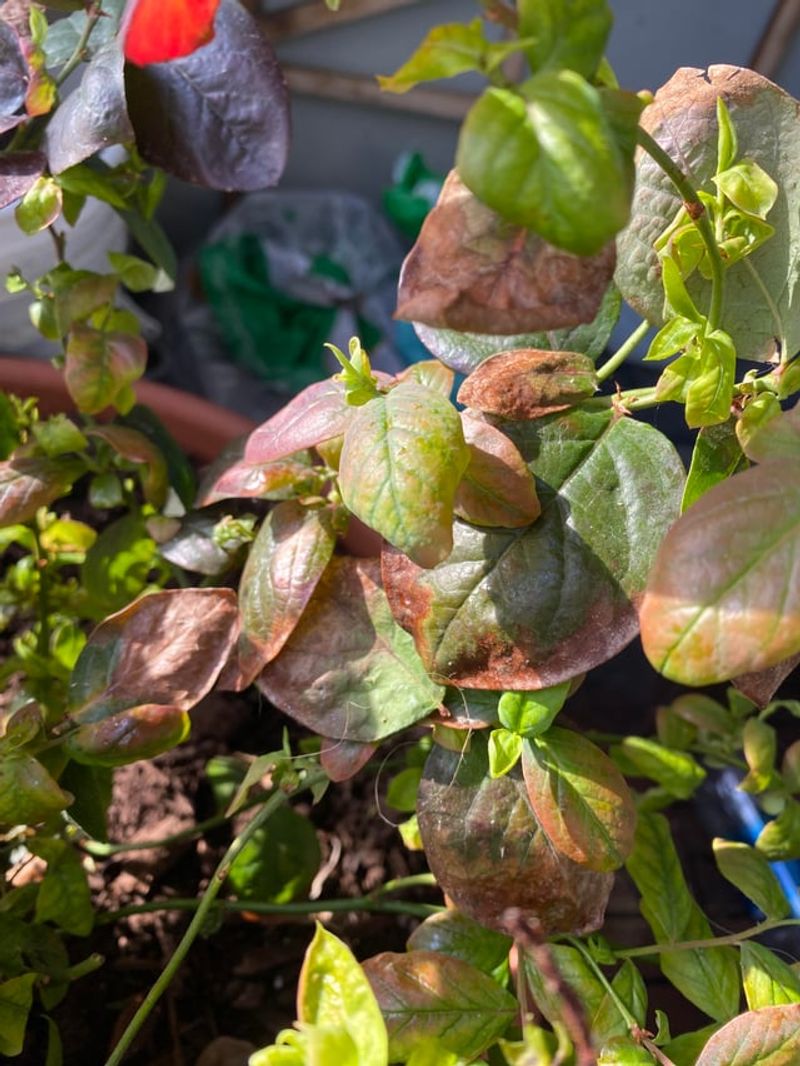
Root scorch can happen quickly.
A high-nitrogen product applied too heavily, too close to roots, or into dry soil can create a strong fertilizer solution around root tissue. That imbalance pulls moisture away from the roots and leaves them less able to function.
The damage starts below the surface. By the time the leaves show stress, the roots may already be compromised.
Young plants are especially vulnerable. Their root systems are smaller and cannot buffer mistakes well.
Recent transplants are at high risk too. Their roots may still be adjusting to the soil around them.
A full-strength feeding can be too much. What an established shrub might tolerate can overwhelm a small plant.
Containers magnify the danger. Fertilizer salts cannot disperse widely in a pot.
Excess product stays trapped. It moves only as far as the limited soil volume and drainage allow.
Wilting after fertilizing is a warning. More fertilizer is not the fix.
Flush container soil only when drainage is good. Water moving freely through the pot can help reduce buildup, but a heat-stressed plant still needs gentle handling.
Never fertilize a dry root ball. Water first during normal feeding windows, then apply only when conditions are appropriate.
Use lower rates after stress. Recovery feeding should be measured, not aggressive.
Strong fertilizer is not strength for the plant.
In extreme heat, a heavy dose can turn a root system’s recovery path into a setback.
6. Flowers And Fruit Lose Priority
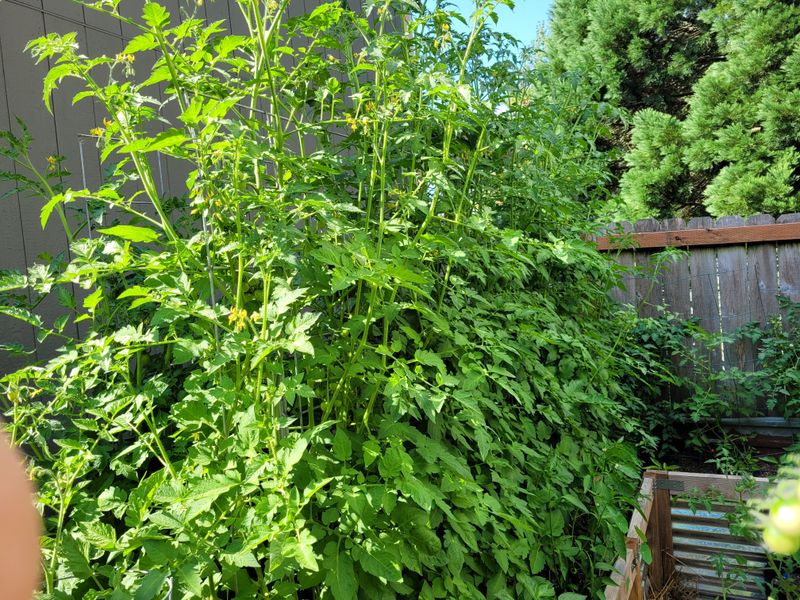
High nitrogen pushes leaves over flowers.
That matters for Arizona gardeners trying to keep vegetables productive or ornamentals blooming through summer. A nitrogen-heavy feeding can shift plant energy toward stems and foliage while flowers and fruit take a back seat.
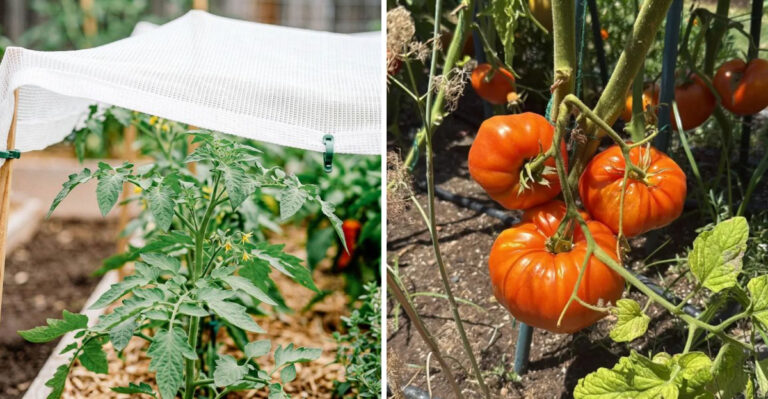
Tomatoes show this clearly. Too much nitrogen can create big leafy plants with fewer fruits.
Peppers can respond the same way. Lush growth may look promising, but the harvest may slow.
Squash may push vines. That does not always translate into better production during severe heat.
Flowering ornamentals can lose their rhythm. Some plants bloom better with balanced nutrition and mild restraint.
Bougainvillea is a classic example. Heavy nitrogen can encourage leaves instead of colorful bracts.
Citrus also needs careful timing. Random high-nitrogen feeding outside the plant’s normal schedule can interfere with balanced growth and fruit development.
Heat already affects flowers. Bud drop, poor pollination, and reduced fruit set can happen during extreme temperatures.
Adding nitrogen does not solve that. It may push the plant toward leafy growth at the wrong moment.
Balanced nutrition matters more than a quick green-up. Plants need the right nutrients at the right stage.
Flowers and fruit are energy-intensive. Heat-stressed plants may not have the resources to support them well.
A gardener may think feeding will restart production.
During a heat wave, it can simply redirect energy away from the crop or bloom display you actually wanted.
7. Organic Nitrogen Releases Faster In Heat
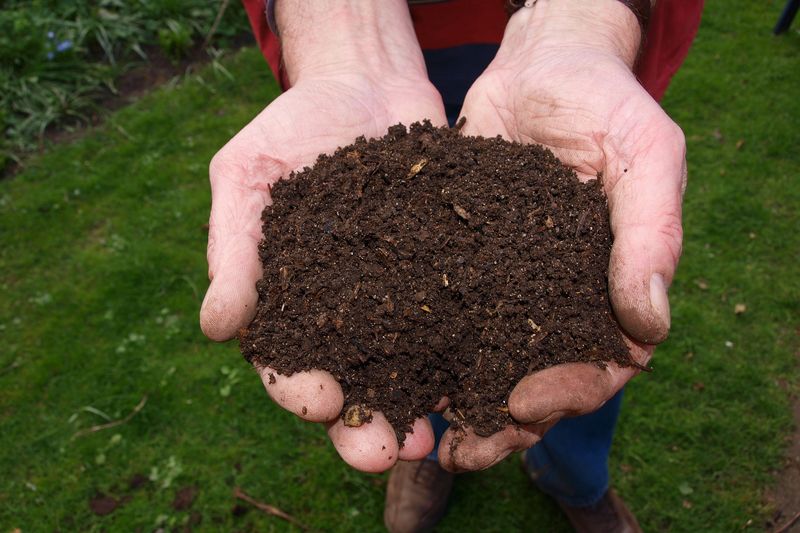
Organic fertilizer is not harmless by default.
Compost, manure-based products, blood meal, and other organic nitrogen sources often feel gentler than synthetic fertilizers. In many situations, they are slower and easier to manage. Arizona heat can change that timing.
Warm soil speeds microbial activity. Microbes break organic nitrogen into forms plants can use.
In hot, moist soil, that release can happen faster than expected. A product that behaves slowly in spring may act more quickly in summer.
That can surprise gardeners. The plant may receive a nitrogen pulse during a period of heat stress.
Organic materials can still contain salts. Manures and some composts may add more salt than a stressed root zone can handle.
Heavy top-dressing can hold heat and moisture unevenly. Around some plants, that may create crown or root stress.
Compost is still valuable. The mistake is using it as an emergency nitrogen boost during extreme heat.
Apply organic amendments during better windows. Cooler active growth periods give plants a better chance to use what is released.
Use modest amounts. A thin layer for soil improvement is different from a heavy feeding.
Know the product. Not all organic fertilizers release nutrients at the same rate.
Soil testing helps. Guessing often leads to adding nutrients that are not needed.
Organic does not mean risk-free.
During an Arizona heat wave, even gentle inputs need careful timing and restraint.
8. Wait For Cooler Active Growth
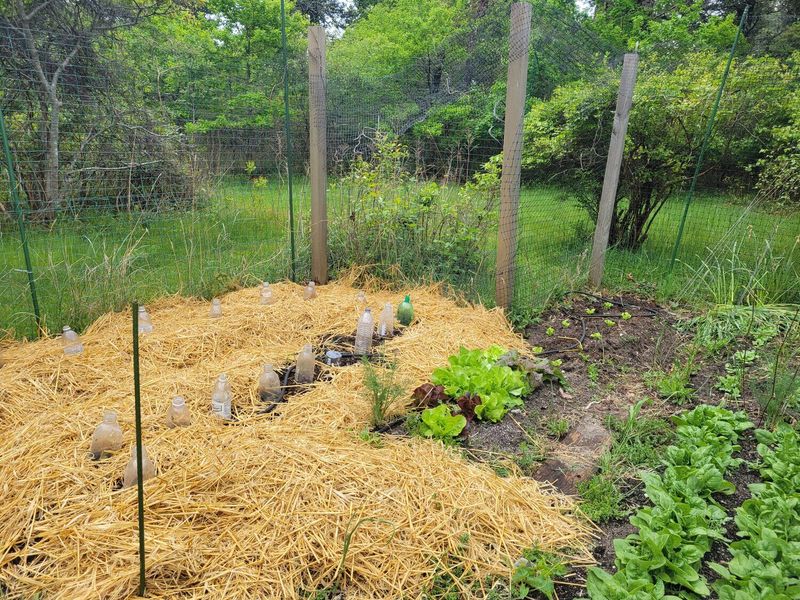
The right feeding window comes back.
Arizona heat waves feel endless, but plants usually show signs when they are ready to resume stronger growth. Fertilizer is more useful once those signs appear.
Look for natural new growth. Fresh leaves produced without a fertilizer push are a good signal.
Watch nighttime temperatures. Cooler nights give plants a recovery window that triple-digit evenings do not.
Check soil moisture stability. The root zone should not swing from bone dry to soaked.
Water deeply before a planned feeding. Moist soil helps nutrients move more safely.
Feed lightly at first. A reduced rate lets you watch the plant’s response without overwhelming it.
Use the right formulation. High nitrogen is not always the best choice, especially for flowering or fruiting plants.
Match the plant’s season. Citrus, vegetables, desert shrubs, turf, and ornamentals all have different feeding schedules.
Avoid fertilizing wilted plants. Wilt means the plant needs diagnosis before nutrients.
Wait after transplanting. Newly planted specimens need root establishment before feeding.
Watch for recovery over ten to fourteen days. A good feeding should support steady growth, not sudden stress.
Cooler active growth is the moment fertilizer makes sense.
Until then, shade, moisture management, and patience do more useful work than nitrogen.