What North Carolina Gardeners Do Differently To Get Camellias That Bloom Heavy Through Winter
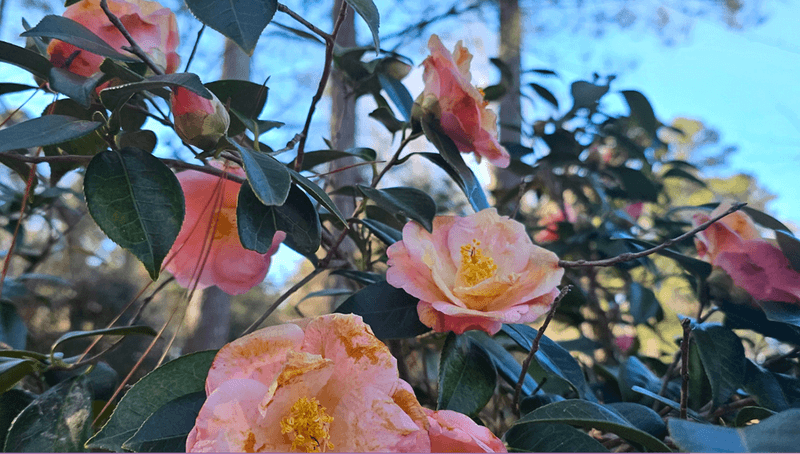
A camellia loaded with flowers in December or February is one of the best sights a North Carolina yard can offer. Most gardeners who get that kind of color are not out there fussing every weekend. They made a handful of timing decisions earlier in the year that the plant quietly rewarded. Understanding those decisions, and the limits around them, is what this article is about.
Winter Color Starts Before Winter
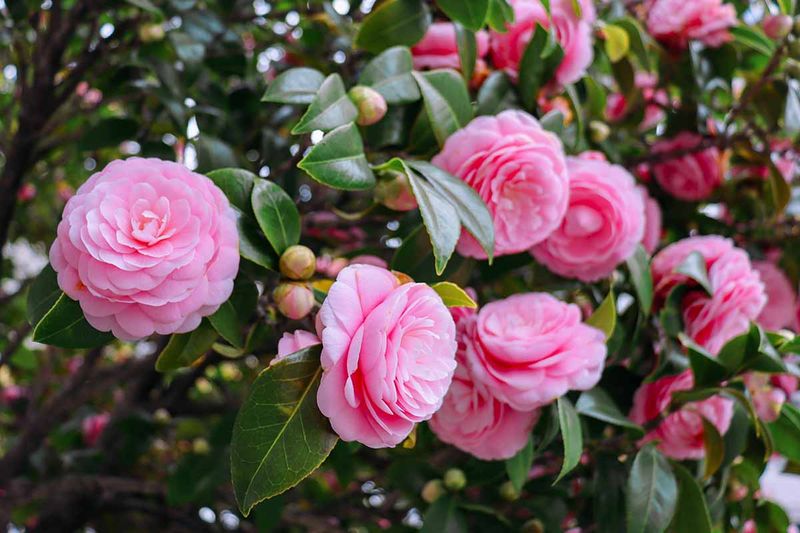
Camellia flower buds are not a December project. The American Camellia Society notes that bud formation begins as day length increases in May, with visible flower buds by early July. By the time cold weather arrives, those buds are already set, or they are already gone.
That timing matters because it shifts the whole conversation. Watering decisions in July, pruning cuts in June, and fertilizer choices in spring all affect what the plant carries into winter. No amount of attention in November can replace what happened six months earlier.
Camellia is not one uniform plant, either. NC State Extension identifies meaningful differences between Camellia japonica, Camellia sasanqua, and their hybrids in bloom timing, cold tolerance, and site needs. Many sasanqua selections open in fall or early winter, while Camellia japonica commonly flowers from winter into spring. Hybrids can fall anywhere in between.
A single shrub will not stay heavily loaded with flowers from November through March without interruption, and no responsible source promises that it will. What gardeners can actually build is a seasonal sequence, as UGA Extension Forsyth County describes, by choosing cultivars with staggered bloom periods so the yard carries color across a longer stretch of the season. That is a realistic and genuinely satisfying goal.
Choose A Cultivar For Your Climate And Calendar
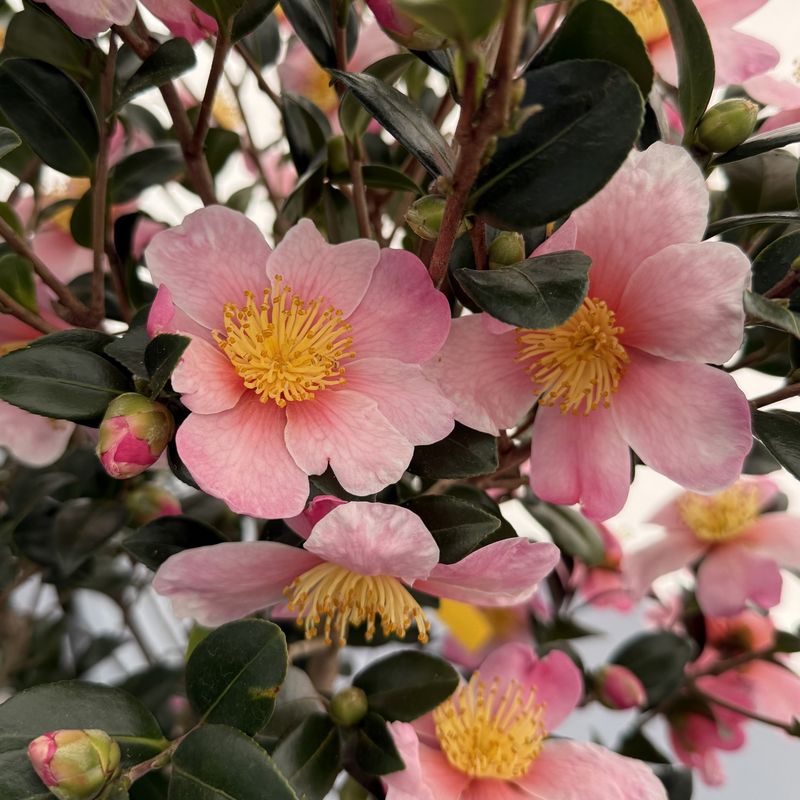
Picking the right cultivar is the single decision with the most leverage, and most gardeners make it once at the nursery without thinking much about timing. Camellia sasanqua tends to open earlier, often September through December, while Camellia japonica leans toward late winter and spring. Hybrids can shift that window in either direction depending on their parentage.
NC State Extension highlights ‘Yuletide,’ a Camellia sasanqua that flowers in December, and ‘Crimson Candles,’ which blooms February into March, as examples of how cultivar choice shapes the seasonal calendar. Those are useful reference points, not universal recommendations. Whether either one performs well in your yard depends on your local hardiness zone, exposure, drainage, and what your nearest nursery actually carries.
North Carolina’s climate is not one thing. NC State’s Woody Ornamentals handbook notes that the state’s range is wide enough that plants thriving in the Coastal Plain may fail in the mountains. Gardeners in the colder western counties, USDA zones 6a and 6b, need cultivars with proven cold hardiness, such as the ‘Winter’ series selections developed for mountain conditions. Piedmont, Sandhills, and coastal readers generally have more options but still benefit from checking local hardiness before buying.
Planting an early sasanqua alongside a midseason japonica and a late-blooming hybrid may extend your yard’s color window across several months, though weather and plant-specific factors will always shape the actual result. Think of it as stacking the odds rather than guaranteeing a calendar.
Your North Carolina Garden Changes Every Week. Your Plan Should Too.
Gardening in North Carolina changes quickly throughout the season. Every Friday you’ll receive a simple weekly plan showing exactly what to plant, prune, fertilize, harvest, and protect so you never miss the right timing.
Build A Root Zone That Supports Buds
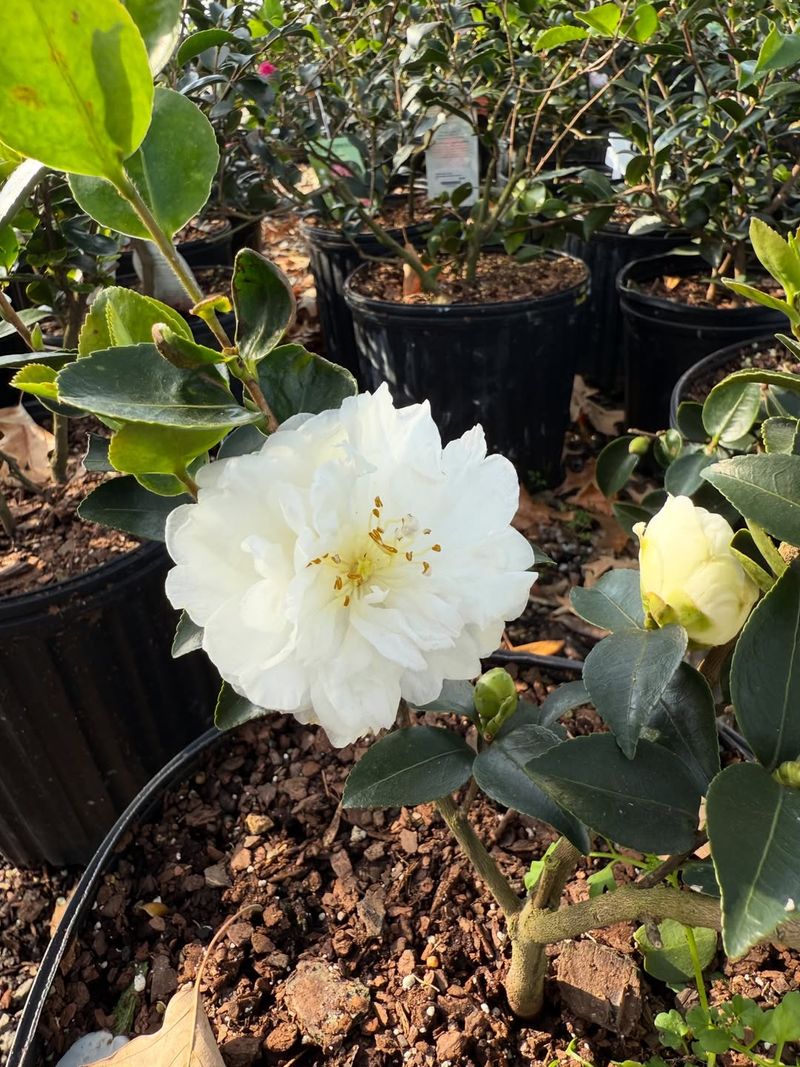
A camellia sitting in compacted clay with standing water after rain is working too hard just to stay alive. It does not have much left over for flowers. Root health and soil conditions set the ceiling on what the plant can actually produce.
Camellias perform best in well-drained, acidic soil. NC State’s guidance on ‘Yuletide’ gives a preferred soil pH of 6.0 to 6.5, and poor drainage is listed as a meaningful risk. Soggy roots, even briefly, can stress the plant during the same window when buds are forming.
Soil type varies a lot across North Carolina. NC State’s Woody Ornamentals resource points out that sandy Coastal Plain soils dry out quickly and may need more frequent watering, while Piedmont red clay can absorb water slowly and drain poorly if compacted. Neither is automatically a problem, but both require attention. Amending a planting hole, breaking up compaction, and choosing a site with natural drainage all pay off over time.
Excessive shade, root competition from nearby trees, and drought stress can also limit growth and flowering even when nutrients are technically available. A plant that is fighting for water and light is not going to set buds the way a well-sited one will.
A 2- to 3-inch mulch layer around the plant helps on several fronts. NC State recommends this depth to conserve moisture and moderate soil temperature through summer heat and winter cold spells. Pull the mulch back a few inches from the trunk so moisture does not sit against the bark.
Prune According To The Cultivar’s Flowering Period
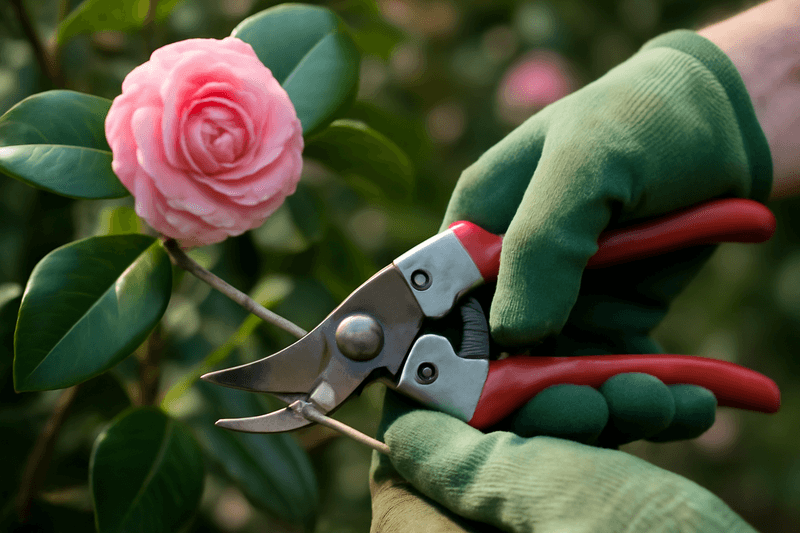
Pruning at the wrong time is one of the most common ways a healthy camellia ends up with almost no flowers the following season. The mechanism is straightforward: camellias bloom on old growth, meaning buds form on stems the plant grew in previous seasons. Cut those stems at the wrong time and you remove the flower buds before they ever open.
Missouri Botanical Garden advises pruning immediately after flowering or in early summer at the latest, warning that cuts made later in the season can remove developing buds. That general guidance holds, but the right calendar date depends on when your specific cultivar actually flowers.
UGA Cooperative Extension’s pruning guide separates the timing clearly: fall and winter bloomers, including many sasanqua selections, may be pruned in early March when necessary, while spring bloomers should be pruned just after their flowers drop. Before you pick up the shears, identify when your camellia actually blooms. A spring-blooming japonica pruned in early March may lose its entire season’s flowers before a single one opens.
Routine shaping is a different matter from heavy renovation. The American Camellia Society notes that removing roughly one-third to one-half of the plant can produce vigorous regrowth but may result in few or no flower buds the following season. Normal bloom production may not return until the second season after severe pruning. Light shaping to improve airflow or remove crossing branches is far less disruptive than a hard renovation cut.
The practical takeaway is to know what you have before you prune anything substantial. A quick note of when the plant bloomed this year is enough to guide your timing next time.
Maintain Even Moisture And Feed Only When Needed
Bud development runs from late spring through early summer, and uneven moisture during that window can affect bud quality before you ever see a problem. The American Camellia Society warns that irregular water supplies can affect both growth and bud development. Consistent soil moisture during those months matters more than any single deep watering in October.
There is no universal watering schedule that works across all of North Carolina. Sandy Coastal Plain soil loses moisture faster than Piedmont clay, and a plant in partial shade needs less water than one baking in afternoon sun. NC State’s Woody Ornamentals guidance directs gardeners to consider soil texture, drainage, rainfall, mulch, shade, and plant size rather than following a fixed calendar. Check the soil a few inches down before watering, and water deeply when it is dry rather than lightly every few days.
Fertilizer is worth approaching with similar restraint. NC State notes that healthy plants with satisfactory growth and green foliage may not need supplemental feeding. The American Camellia Society recommends modest, repeated applications during the growing season rather than one heavy dose, and advises against feeding in late summer or fall when new growth could be damaged by early cold.
A soil test is a more reliable starting point than guessing at a product or rate. The NC Agricultural Chemicals Manual directs gardeners to follow product labels and match application to actual soil and plant conditions. Overfertilizing can push excess vegetative growth at the expense of flowers, which is the opposite of what you want.
Shelter Buds From Sun, Wind, And Severe Cold
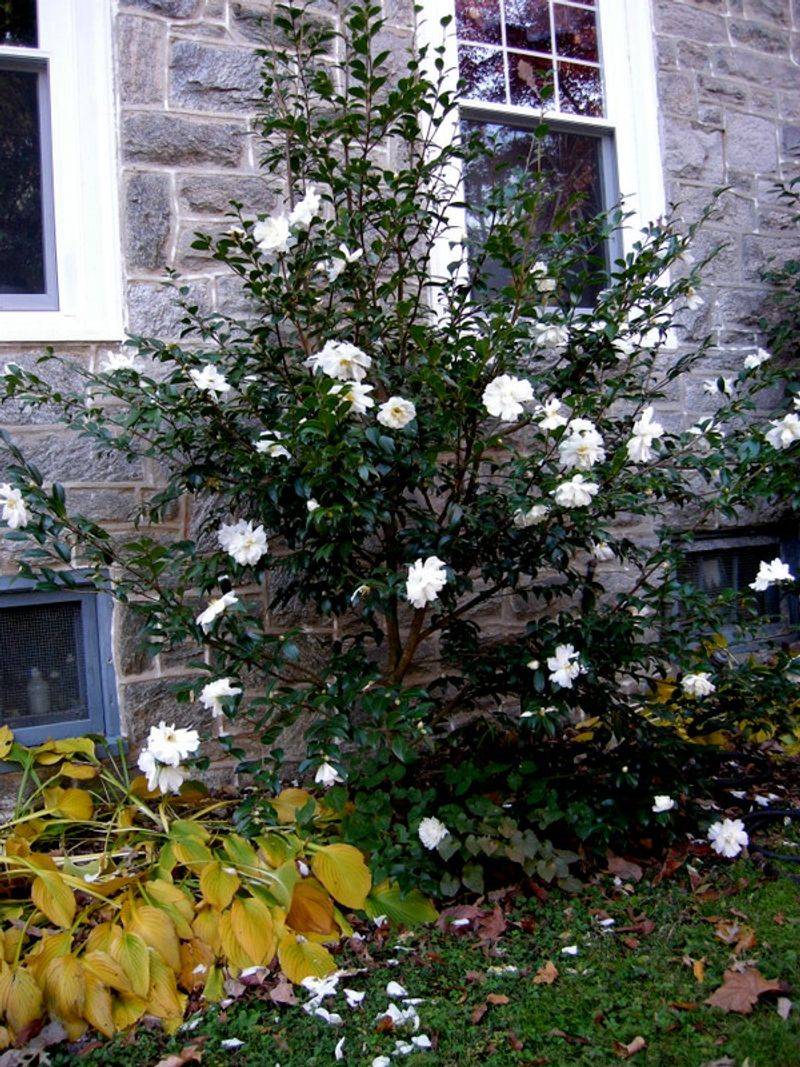
Placement is a decision most gardeners make once, at planting time, and it quietly shapes every winter display the shrub produces afterward. A camellia in the wrong spot can set beautiful buds in July and lose most of them before February.
Partial shade or filtered light is a dependable general recommendation, particularly protection from intense afternoon sun that can stress buds and foliage. Missouri Botanical Garden describes dappled shade under open tree cover as a favorable condition, while noting that some cultivars tolerate more sun when moisture is adequate. The key is avoiding full exposure to afternoon heat and drying conditions, not chasing deep shade.
Wind protection deserves separate attention. NC State specifically recommends protecting camellias from drying winter winds, and a site near a building’s east or north face, or beneath a canopy of mature trees, can provide meaningful shelter. That kind of placement does not prevent a hard freeze from damaging buds, but it reduces the desiccation that compounds cold injury.
Cold is the honest limit. UGA Extension reports that flower-bud damage can occur during low or fluctuating temperatures and may not become visible for days or weeks after the event. NC State’s regional guidance reinforces that North Carolina’s climate varies enough that a cultivar well suited to the Coastal Plain may struggle in the mountains. A sheltered microclimate improves the odds, and that is an honest description of what it can do.
Investigate Brown Flowers Before Treating Them
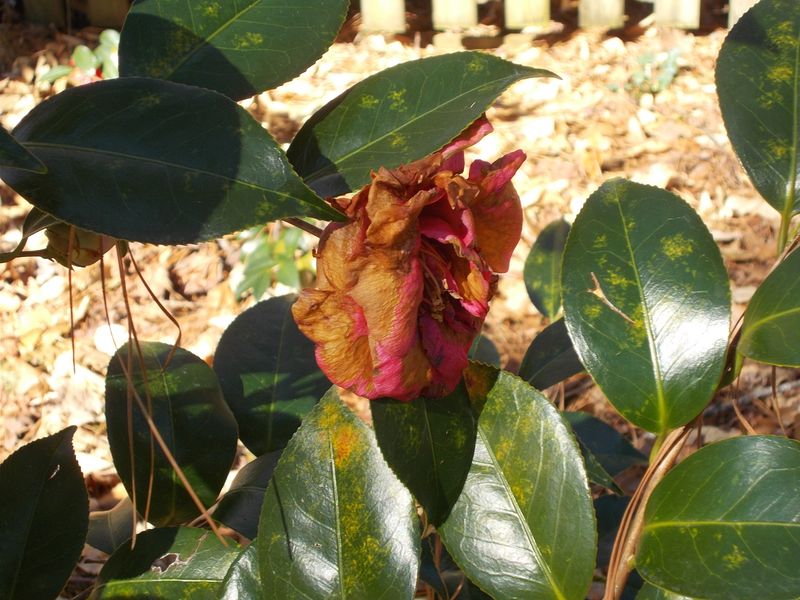
Brown camellia flowers are not all the same problem, and treating the wrong one wastes time and money while the real issue continues. Getting the diagnosis right first is the move that actually protects the display.
Camellia petal blight starts as small brown spots that spread across the petals and leads to flowers dropping early.
NC State’s Diseases and Disorders handbook recommends raking fallen camellia blossoms in spring because the pathogen can survive in the soil for up to a year. A 2- to 3-inch mulch layer may help separate flowers from the soil’s infection cycle by covering fungal structures before they release spores.Freeze injury looks different. UGA Extension’s camellia guidance notes that frost-damaged flowers often dry out and remain attached to the branch rather than dropping, while petal blight typically causes the flower to fall prematurely after browning. Wind damage, old age, and Botrytis can produce similar symptoms. Before reaching for a spray, look at whether the flowers are falling or staying, and check whether the browning follows a pattern consistent with cold exposure, such as the most exposed blooms being the worst affected.
Camellia scale is the most serious common insect pest identified by NC State’s pest guide. Check the undersides of leaves for scale colonies before assuming a flowering problem is fungal. An integrated pest management approach, starting with identification and the least disruptive intervention, is safer and more effective than automatic spraying.
Fungicides for petal blight have a mixed track record. Sanitation, removing affected flowers promptly, collecting fallen blossoms, maintaining mulch, and encouraging good air movement around the shrub are the foundational layers. Any chemical treatment should follow the current product label and North Carolina regulations.
Use Timing To Improve The Odds Of Winter Color
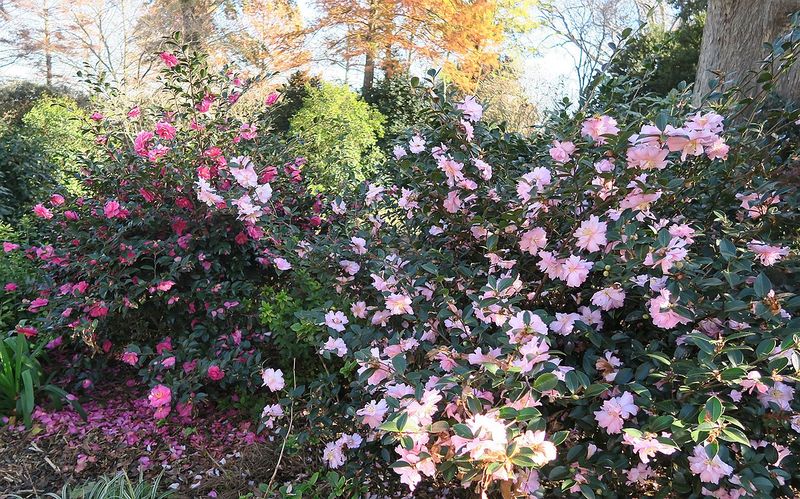
Pull the whole approach together and a seasonal sequence emerges. Choose a cultivar matched to your North Carolina region and the bloom window you actually want. Get the drainage and soil pH right before planting, then maintain a 2- to 3-inch mulch layer to hold moisture and moderate soil temperature through the year.
During spring and summer, keep soil moisture reasonably even while buds are forming. Fertilize only if a soil test or visible plant performance suggests it is needed, and follow label directions rather than guessing at a rate. Prune after the cultivar’s flowering period, not by a universal calendar date, and keep renovation cuts modest so you do not sacrifice the following season’s display.
Site the plant where it gets partial shade and some protection from drying winter wind. Inspect for scale and signs of petal blight during the season, and rake fallen flowers in spring to reduce the pathogen’s foothold in the soil. NC State’s camellia guidance and the American Camellia Society’s care resources both reinforce that these layered decisions, made at the right time, are what give the plant its best chance.
A mix of early, midseason, and late cultivars, as UGA Extension Forsyth County suggests for extending winter color, may stretch the yard’s bloom season across several months. No single plant will stay continuously loaded with flowers from November through March, and a hard freeze can cut short the best-planned display. What you can control is cultivar, site, moisture, pruning, and sanitation. That turns out to be quite a lot.