This Is How Florida Gardeners Keep Mango Trees Producing After A Severe Freeze
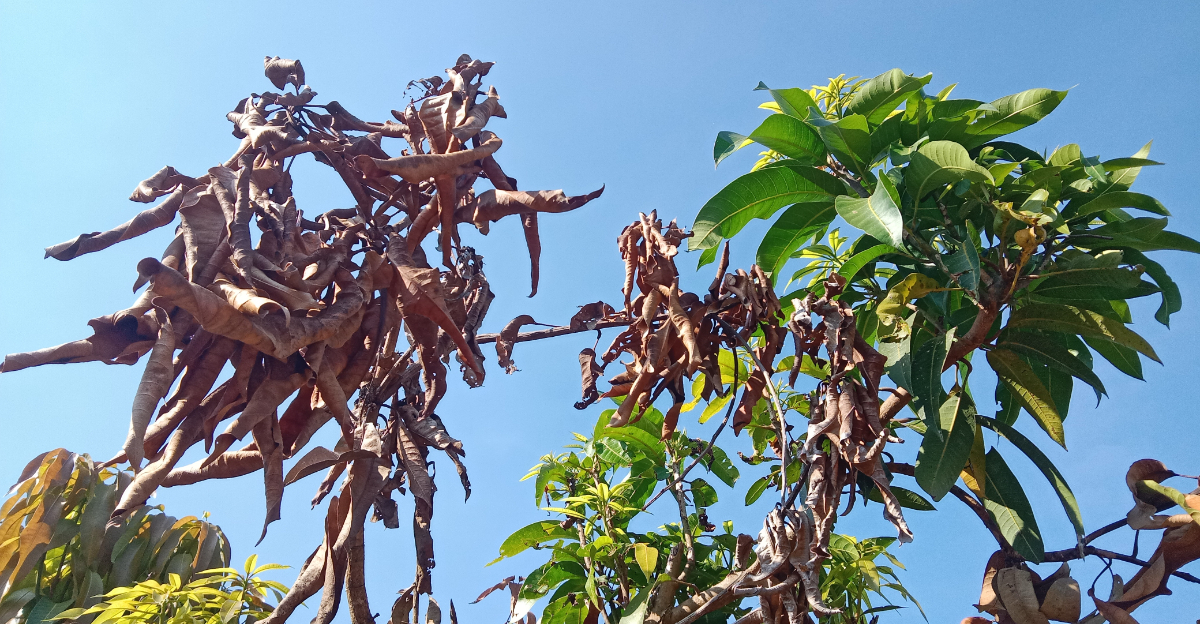
A freeze-damaged mango tree in Florida looks finished. Blackened tips, struggling wood, leaves that never came back the way they should have.
The tree survived but the question hanging over it all season has been the same one. Will it ever fruit again.
The answer depends almost entirely on what happened after the freeze. Not during it.
After. The decisions made in the weeks and months that followed determined whether that tree was being set up for recovery or quietly pushed toward decline.
August is where that story either turns or does not. The growing season still has enough warmth left to make a real difference in what the tree builds before winter arrives again.
Post-freeze mango recovery is specific. The right moves at the right time have brought trees back to full production.
The wrong ones have not.
1. Did You Cut Your Mango Too Soon After The Freeze
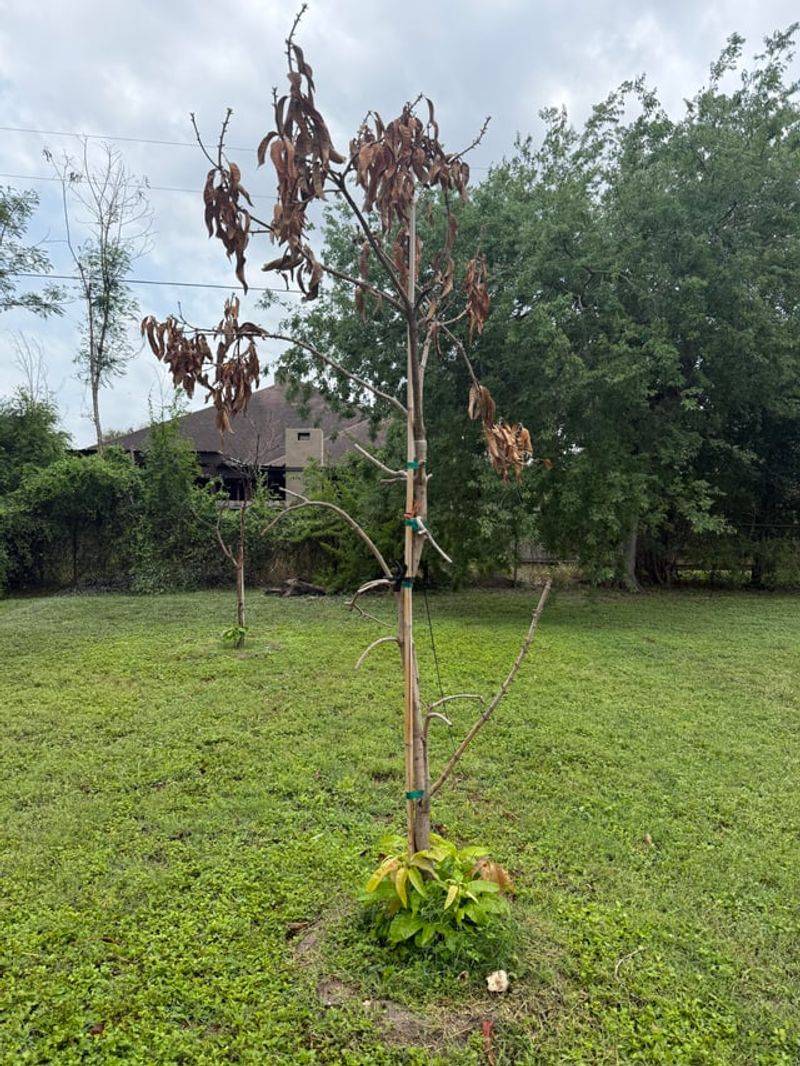
One of the most common regrets after a severe Florida freeze is reaching for the pruning saw too quickly. Right after cold damage, it can be hard to tell which wood is truly gone and which wood is still recovering.
Damage signs on mango trees are often delayed, sometimes by weeks or even months after the freeze event.
Cuts made too early can remove branches that might have pushed new growth on their own. They also expose raw wood to summer heat, insects, and disease pressure before the tree has had a chance to stabilize.
A stressed tree forced into a major pruning recovery at the same time is carrying a heavier burden.
By August, that question is behind most gardeners. The focus now is on reading the regrowth that has already appeared.
Some sections of the canopy may have pushed strong new shoots. Others may have stayed bare or shown weak, patchy growth.
Those patterns are more reliable than anything visible right after the freeze.
Work with what the tree has shown you over the past several months. Identify which branches are actively growing and which have not responded at all.
A local extension office or certified arborist can help you decide what is safe to remove now versus what deserves more time.
2. New Summer Growth Shows What Actually Survived
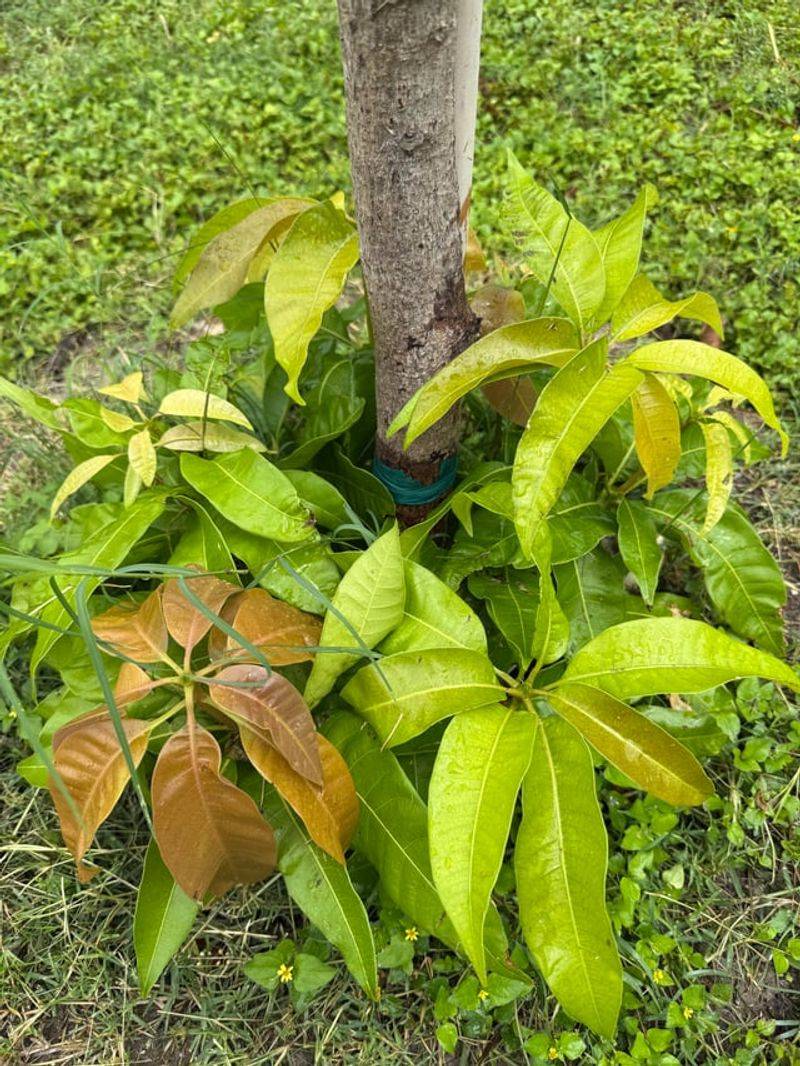
A single green shoot pushing out of what looked like deceased wood can change everything you thought you knew about your tree’s recovery. Summer regrowth is the most honest signal a freeze-damaged mango tree can give you.
It tells you which branches still have living tissue, which roots are functioning, and where the canopy is rebuilding from the inside out.
Pay attention to where the new growth is coming from. Strong, leafy flushes near the middle or upper canopy are encouraging signs.
Sections that have stayed bare through the entire summer, with no new leaves or buds, are more likely to be beyond recovery. Do not rush to remove every bare branch immediately, but take careful notes on which parts of the tree are responding.
Canopy gaps left by freeze damage may take more than one growing season to fill in. That is normal after a severe event.
Your Florida Garden Changes Every Week. Your Plan Should Too.
Gardening in Florida changes quickly throughout the season. Every Friday you’ll receive a simple weekly plan showing exactly what to plant, prune, fertilize, harvest, and protect so you never miss the right timing.
Patience here is not passive. Watching regrowth patterns carefully helps you make better decisions about pruning, watering, and feeding as the season continues.
A Florida tree that is pushing consistent new growth from several branches is rebuilding its food-producing capacity. That matters far more for future fruit production than any quick fix applied right after the cold.
Let the summer growth guide your next steps.
3. Strong Shoots Above The Graft Line Matter Most
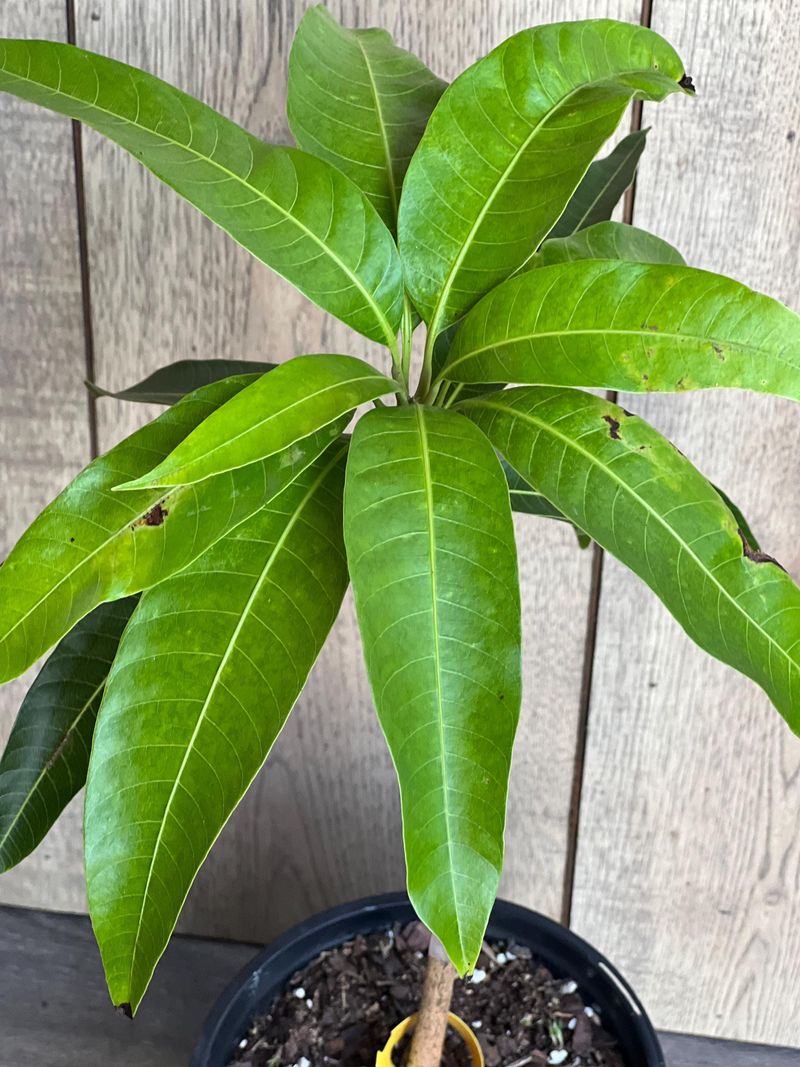
Every grafted mango tree has two distinct parts joined together at the graft union. The lower rootstock provides the root system.
The upper scion carries the genetics of the named cultivar you actually want fruit from. After a severe Florida freeze, knowing where new shoots are coming from is one of the most important things a home gardener can check.
Shoots pushing from below the graft line belong to the rootstock. They may grow vigorously and look healthy, but they will not produce the same fruit as the tree you planted.
Some rootstocks produce small, fibrous, or low-quality mangoes. Others may produce no fruit worth keeping at all.
Letting those shoots take over redirects the tree’s energy away from the desirable cultivar.
Shoots coming from above the graft line are the ones worth protecting and encouraging. They carry the genetics of the variety you chose and represent the path back to the fruit you want.
If you are unsure where your graft line is, look for a slight change in bark texture or a visible seam low on the trunk, often just a few inches above the soil line.
If the graft line is unclear or the tree’s structure is confusing after the freeze, get help from a local extension agent or a certified arborist before making decisions. Protecting the right growth now supports everything that comes later.
4. Weak Branches Should Not Carry The Next Crop
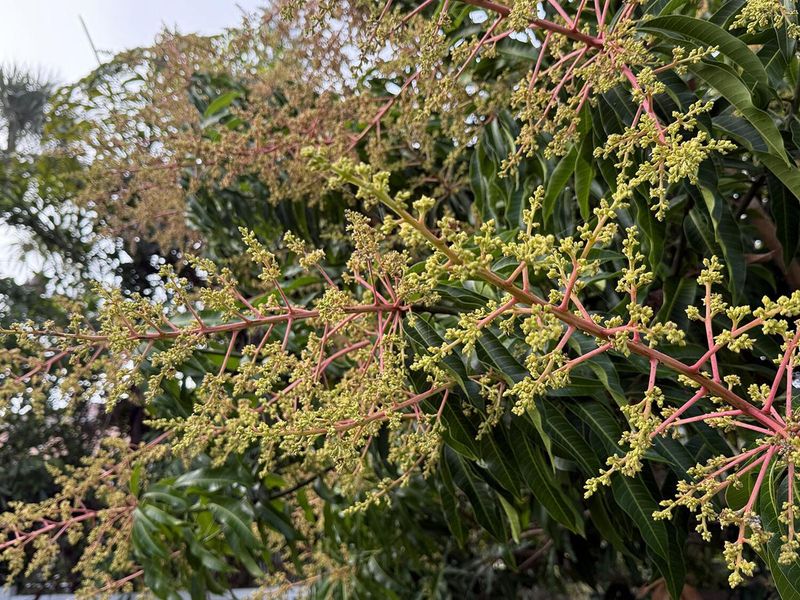
Seeing small mangoes forming on a recovering tree can feel like great news. But a branch that has not fully rebuilt its structure after freeze damage may not be strong enough to carry a heavy fruit load safely.
Thin shoots, narrow branch angles, and limbs with minimal leaf coverage are signs that the wood is still in recovery mode.
A stressed tree putting energy into ripening fruit has less to spend on root recovery, canopy rebuilding, and preparing for the next growing season. Some gardeners choose to remove early fruit clusters from the weakest limbs to redirect that energy.
This is not about giving up on a harvest. It is about giving the tree a better chance to produce more reliably in future seasons.
Not every piece of fruit needs to go. Branches that have rebuilt strong structure and are carrying healthy leaves alongside developing fruit may handle a modest crop without much strain.
The goal is to read each branch individually rather than making a blanket decision for the whole tree.
If you are unsure how much fruit load a recovering branch can handle, consult a local cooperative extension resource or a certified arborist.
Pushing a structurally weak tree to carry a full crop before it is ready can set back the overall recovery and reduce future production potential.
5. Exposed Bark Needs Protection In Summer Heat
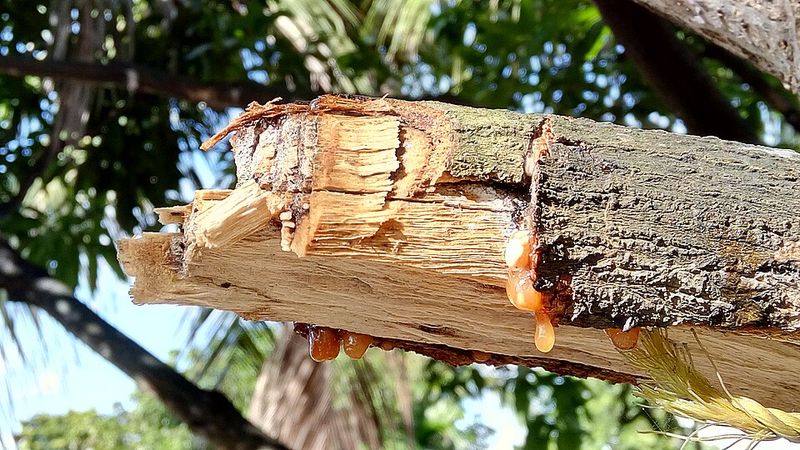
Canopy loss after a severe freeze does more than just reduce shade for the Florida yard. It exposes limbs, scaffold branches, and even the trunk itself to direct summer sun that they were never meant to handle.
Bark that was previously shaded by a full canopy can be vulnerable to sunscald when suddenly left exposed.
Sunscald damage appears as discolored, cracked, or peeling bark on the south or southwest sides of limbs and trunks. Once the bark is damaged, entry points for insects and pathogens become easier to establish.
Preventing unnecessary bark exposure is one reason why avoiding aggressive summer pruning on a recovering tree makes sense.
Preserving whatever healthy foliage has returned, even if the canopy looks uneven, helps shade the wood underneath. Do not remove leafy shoots just because they are not in the ideal location.
That coverage is doing protective work while the tree rebuilds.
For major exposed sections where significant bark is unshaded, consult a certified arborist or your county extension office before applying anything to the surface.
Homemade wound paints, tar-based coatings, or unverified products are not recommended without source-supported guidance.
Keeping large, high, or structurally compromised limbs in the hands of a professional is always the safer choice. Your safety matters as much as the tree’s recovery.
6. Watering Must Support Roots Not Push Stress
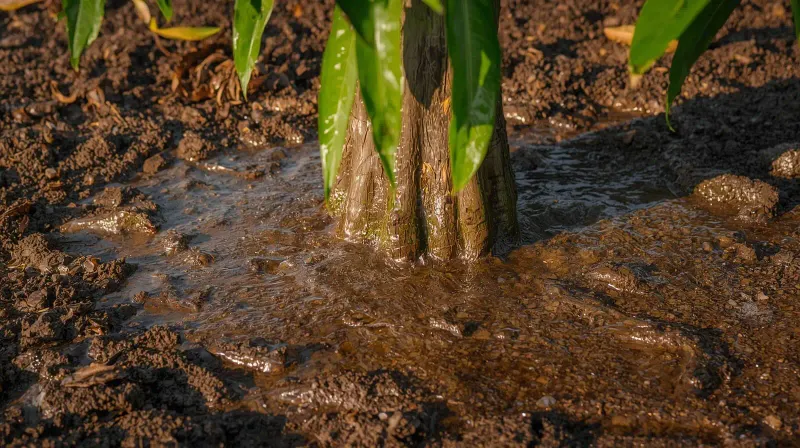
Root health is the foundation of any mango tree’s recovery. After a severe freeze, roots may have been stressed along with the canopy.
The tree’s ability to move water and nutrients through its system depends on those roots bouncing back. Watering during summer recovery is about supporting that process, not overwhelming it.
Deep, infrequent watering during dry stretches encourages roots to reach further into the soil rather than staying shallow. Check soil moisture a few inches down before watering again.
In summer, afternoon thunderstorms are common across much of this state, and the rain may be doing more work than you realize. Watering on a fixed schedule without adjusting for rainfall can leave roots sitting in saturated soil, which creates its own set of problems.
Mango trees prefer well-drained soil and do not respond well to consistently wet roots. If your yard tends to hold water after heavy rain, make sure the area around the tree drains properly.
Raised beds or slightly mounded planting areas can help in low spots.
Mulch applied around the base of the tree, kept a few inches away from the trunk itself, can help retain soil moisture between waterings. It can also moderate soil temperature and reduce weed competition.
A layer of two to four inches of organic mulch is a practical and widely recommended approach for home fruit trees in warm climates.
7. Light Feeding Works Only After Growth Steadies
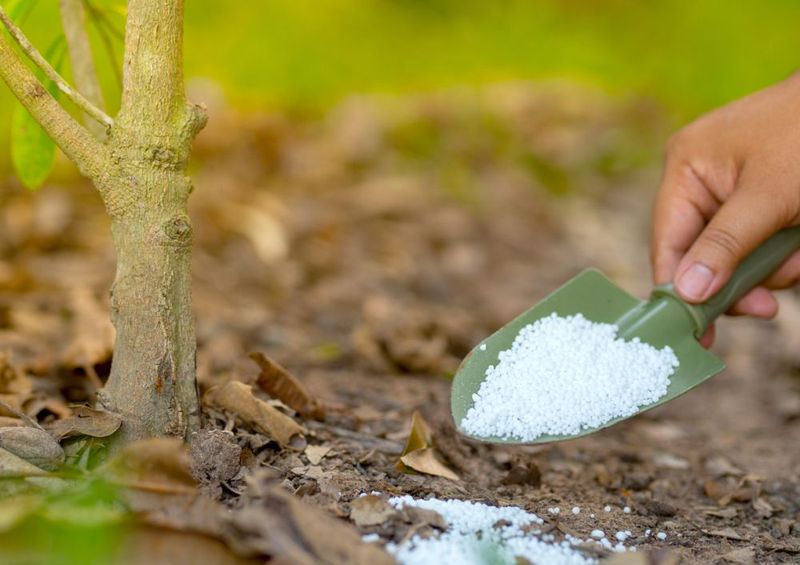
After a severe freeze, the temptation to fertilize heavily can feel logical. The tree looks rough, and it is natural to want to give it something to speed things up.
But pushing heavy nutrition on a tree that is still in early recovery can cause more harm than good. Roots that are stressed or partially damaged may not be able to process a large nutrient load effectively.
Fertilizer should wait until the tree is showing steady, consistent new growth across multiple branches. That kind of active flush is a signal that roots are functioning and the tree is ready to use what you give it.
Feeding before that point, especially with high nitrogen products, can push weak or tender growth that is more vulnerable to stress.
When growth has steadied and you are ready to feed, follow label directions carefully. Consider using a balanced fertilizer formulated for fruit trees or tropical trees.
Your Florida county extension office can recommend products appropriate for local soil conditions. Soil testing is also a practical way to understand what your specific tree actually needs rather than guessing.
Avoid bloom boosters or specialty products designed to force fruiting on a tree that has not yet rebuilt a strong canopy. The goal right now is healthy recovery, and balanced, light feeding supports that without pushing the tree past what it can handle.
Patience here pays off in future seasons.
8. Future Fruit Depends On Rebuilding The Canopy
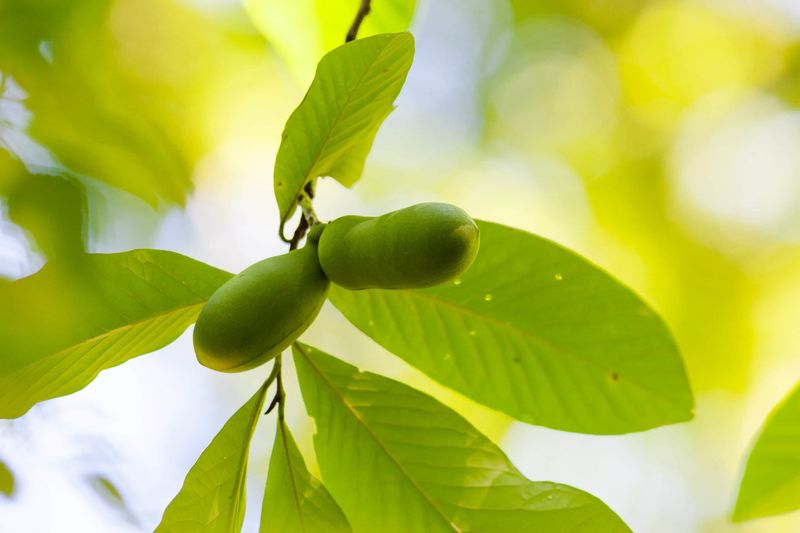
A mango tree earns its next crop through the canopy it builds between harvests. After a severe freeze, that process takes longer than a normal growing season.
The fruiting wood that produces reliable blooms and fruit clusters needs time, healthy roots, and consistent care to develop. Expecting a full crop before the canopy has truly recovered sets up disappointment.
Focus on protecting and encouraging strong growth from above the graft line throughout the rest of the summer and into fall. Selective pruning to remove clearly non-recovering wood gives the canopy a better environment to rebuild.
So does combining that with steady watering and light feeding once growth has steadied. Avoid hard cuts that open up large sections of the tree to sun exposure or stress.
Bloom timing on mango trees is influenced by temperature patterns, root health, and the overall condition of the tree heading into cooler months.
A tree that has rebuilt a healthy canopy by late fall is better positioned to respond to natural bloom triggers than one that is still struggling to push basic growth.
Recovery after a severe freeze is a multi-season process for many trees. Some may show fruit the following year.
Others may need two or more seasons of solid canopy growth before producing reliably again. Reading your tree honestly and protecting its above-graft structure matters.
Giving it steady care without pushing it too hard is also key. This is how patient Florida gardeners bring mango trees back to production over time.