The Gorgeous Laurel Oak Alternative You Can Grow Without The Fuss In Florida
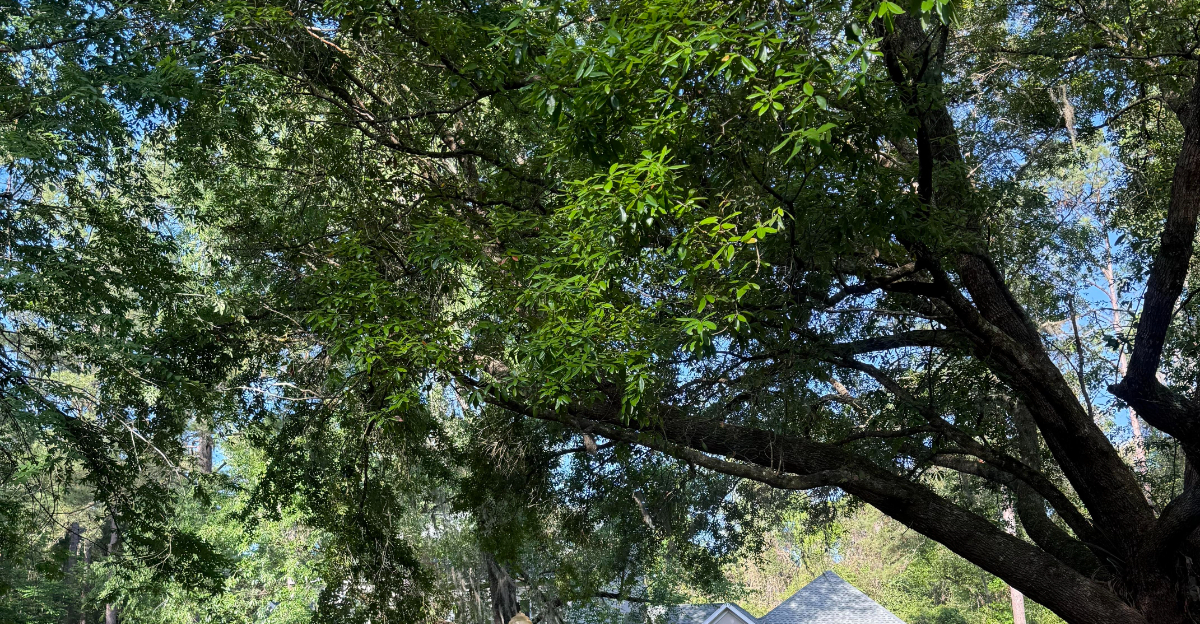
Laurel oaks have a reputation in Florida for a reason. Fast growth, dense canopy, reliable shade.
They deliver on all of it for a stretch and then spend the back half of their life becoming someone else’s problem. Weak wood, aggressive surface roots, and a lifespan that ends messily are the parts of the laurel oak story that do not make it into the sales pitch.
There is an oak that delivers everything laurel oak promises and then keeps delivering for centuries. Slower to establish, yes.
But the canopy it builds is stronger and the root system better behaved. The long term relationship with a Florida yard is fundamentally different from what a laurel oak eventually becomes.
Yards that are planting for the next decade are planting one tree. Florida yards planting for the next generation are planting this one.
The fuss disappears when the right oak goes in the ground.
1. Southern Live Oak Gives The Same Grand Shade
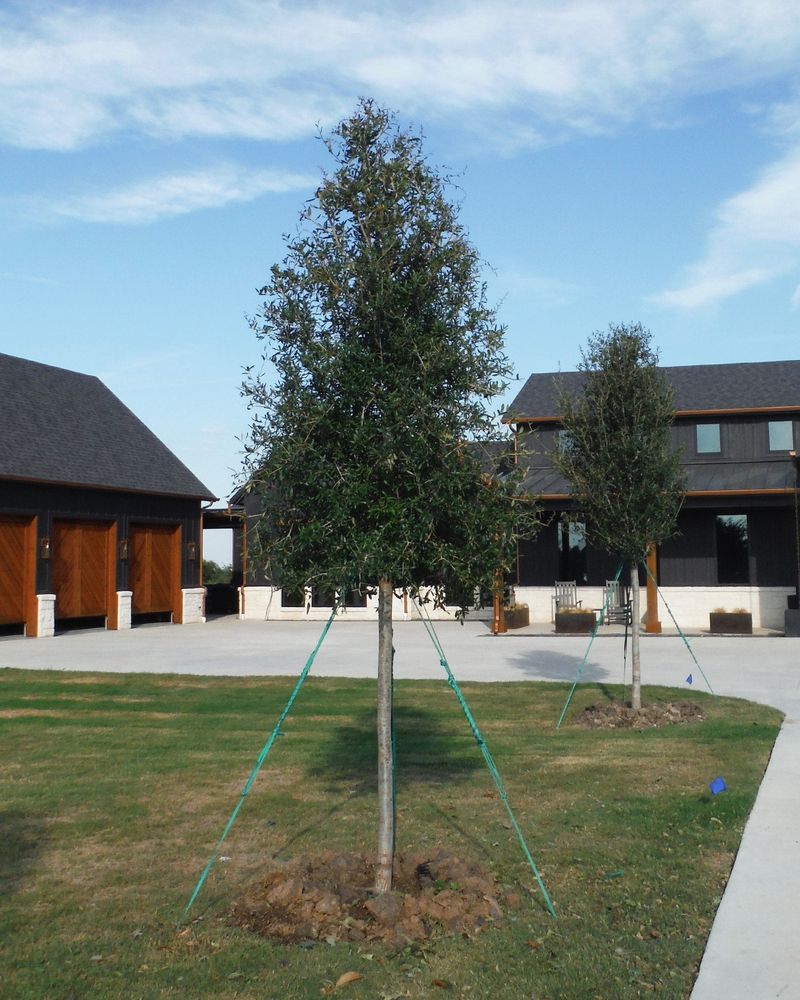
A wide canopy stretching across a large lawn is one of the most satisfying sights in a Florida warm-weather landscape. Southern live oak, Quercus virginiana, delivers exactly that kind of graceful, spreading shade.
It just needs a roomy site to grow. Its broad, horizontal branching pattern creates a canopy that can feel almost architectural.
It gives any large yard a classic Southern character that is hard to match.
Laurel oak, Quercus laurifolia, is also an attractive native shade tree. It grows quickly, produces a full canopy, and has real appeal for homeowners who want fast results.
Both trees can look stunning in the right setting. The honest difference comes down to longevity and structure over many decades.
Live oak tends to hold its canopy shape longer and develop a more durable trunk and branch system as it matures. According to UF/IFAS, Southern live oak is considered one of the most wind-resistant native trees in the state.
That’s true when it’s properly sited and structurally trained while young. That durability is part of why it earns the label of a long-term shade investment.
Keep in mind that Southern live oak is not the right fit for every property. It becomes a very large tree with a canopy spread that can exceed 60 feet.
Only roomy landscapes with serious open space can support it well without future conflicts.
2. Strong Branches Make It A Longer Term Choice
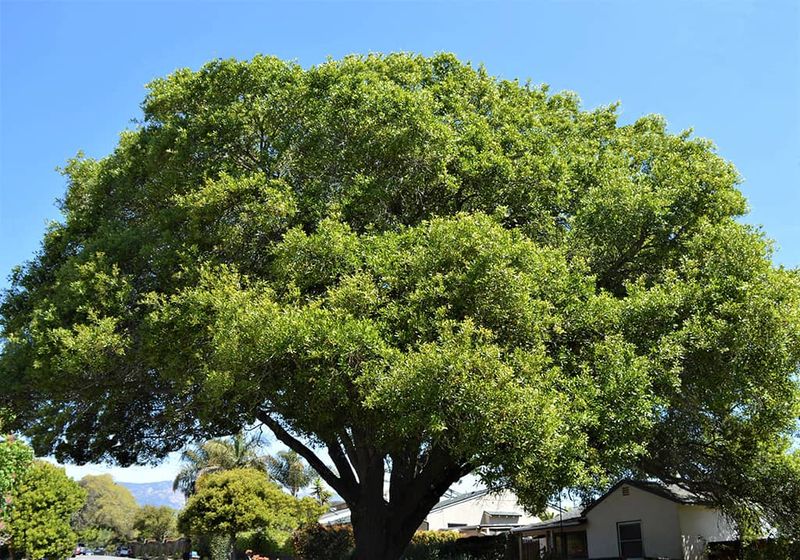
One of the most common reasons Florida homeowners start looking beyond laurel oak is a concern about long-term branch strength. Laurel oak can be a beautiful and fast-growing tree.
But it has a reputation for a shorter functional lifespan compared to some other native oaks. UF/IFAS and other credible arboriculture sources note that laurel oak can be prone to decay fungi, internal rot, and weaker branch attachments as it ages.
This can increase maintenance concerns over time.
Southern live oak tends to develop a denser, more durable wood structure. Its branches generally form stronger attachments to the main trunk.
Your Florida Garden Changes Every Week. Your Plan Should Too.
Gardening in Florida changes quickly throughout the season. Every Friday you’ll receive a simple weekly plan showing exactly what to plant, prune, fertilize, harvest, and protect so you never miss the right timing.
This happens when the tree receives proper structural pruning during its early years. That early training is a key part of the equation.
A well-pruned young live oak grows into a more predictable, structurally sound tree. That’s compared to one left to develop without guidance.
That said, live oak is not problem-free. Poor pruning practices, trunk damage, and soil compaction can all weaken even a healthy live oak over time.
So can drought stress and construction damage. No tree is storm-proof or decay-proof, and live oak is no exception to that rule.
The honest case for live oak is that it can offer a longer window of structural reliability than laurel oak in many situations. Choosing it is about stacking the odds in your favor over a multi-decade landscape investment, not eliminating all future tree care.
3. Wide Canopies Need Room From The Start
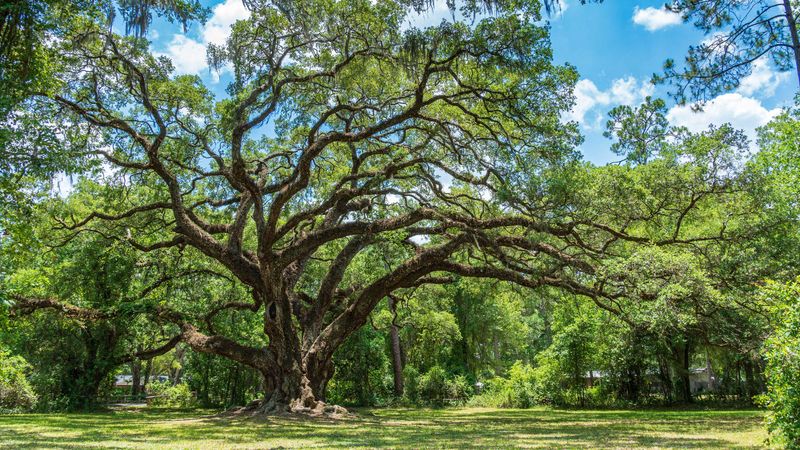
Picking a planting spot for a live oak is one of the most important decisions you will make for your landscape. The nursery tag shows a young tree a few feet tall, but that tag does not always communicate how large this tree will actually become.
Southern live oak can reach 40 to 80 feet in height with a canopy spread that often matches or exceeds its height. Planning for that mature size from day one protects your investment and your property.
Keep live oak well away from your home’s foundation, roof line, driveway, sidewalk, patio, and any overhead power lines. Utilities, both above and below ground, need to be identified and mapped before you choose a planting location.
A good rule of thumb is to think about where the canopy will be in 30 or 40 years, not just next spring.
Pool areas, patios, and outdoor living spaces may seem like great spots for shade, but a large live oak planted too close can create root conflicts, leaf litter challenges, and pruning access problems as the tree matures.
Pools and septic systems deserve special attention when selecting a planting distance.
The right site for a live oak is an open lawn with generous clearance in every direction. Large lots, parks, and schoolyards are classic examples of spaces where this tree can truly shine.
So are wide residential front yards with no overhead lines.
4. Deep Roots Reward Better Planting Space
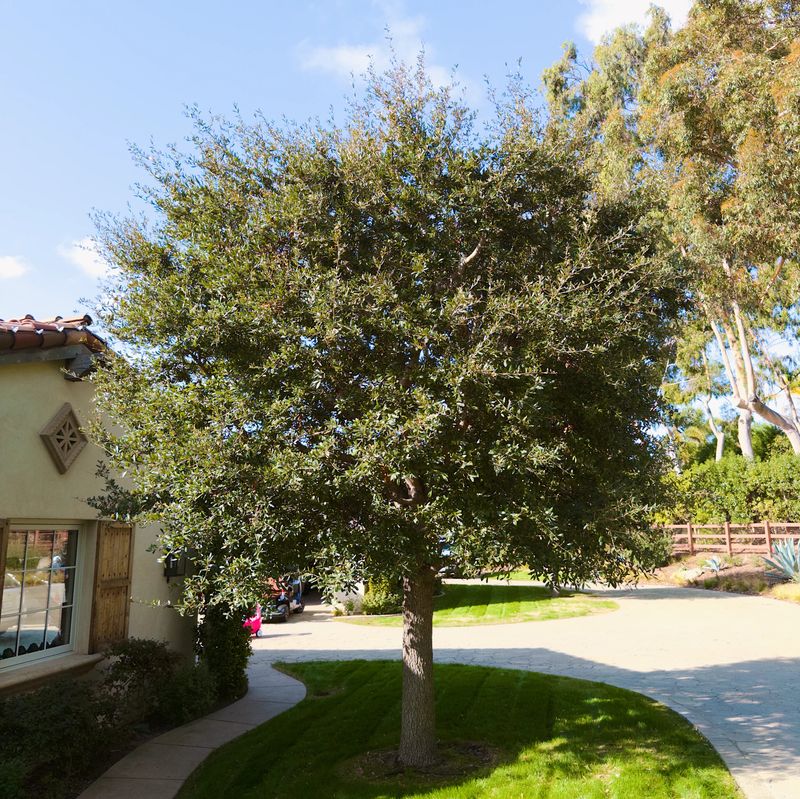
Underground space matters just as much as overhead clearance when planting a large native oak. Southern live oak develops a substantial root system that spreads laterally.
It seeks out moisture, oxygen, and nutrients across a wide area. Healthy soil with room to breathe gives those roots what they need to anchor a large canopy safely over decades.
Compacted soil strips between sidewalks and curbs are not appropriate planting sites for this tree. Similarly, planting near septic systems, drain fields, underground irrigation lines, or utility conduits can create long-term conflicts as roots expand.
Large trees need room both above and below grade, and live oak is no exception.
It would not be accurate to say that live oak roots always crack pavement or break foundations. Root behavior depends heavily on soil conditions, irrigation patterns, available space, and proximity to structures.
What is accurate is that large trees planted too close to hardscape or utilities create situations where roots and infrastructure compete for space over time.
Protecting the root zone during construction is also critical. Soil compaction from heavy equipment, grade changes, and fill soil over existing roots can stress or weaken a live oak significantly.
If you are building near an existing live oak, consult a certified arborist before work begins. Giving roots healthy, open soil from the start is one of the simplest ways to support a long-lived, stable tree.
5. Less Decay Trouble Means Less Future Worry
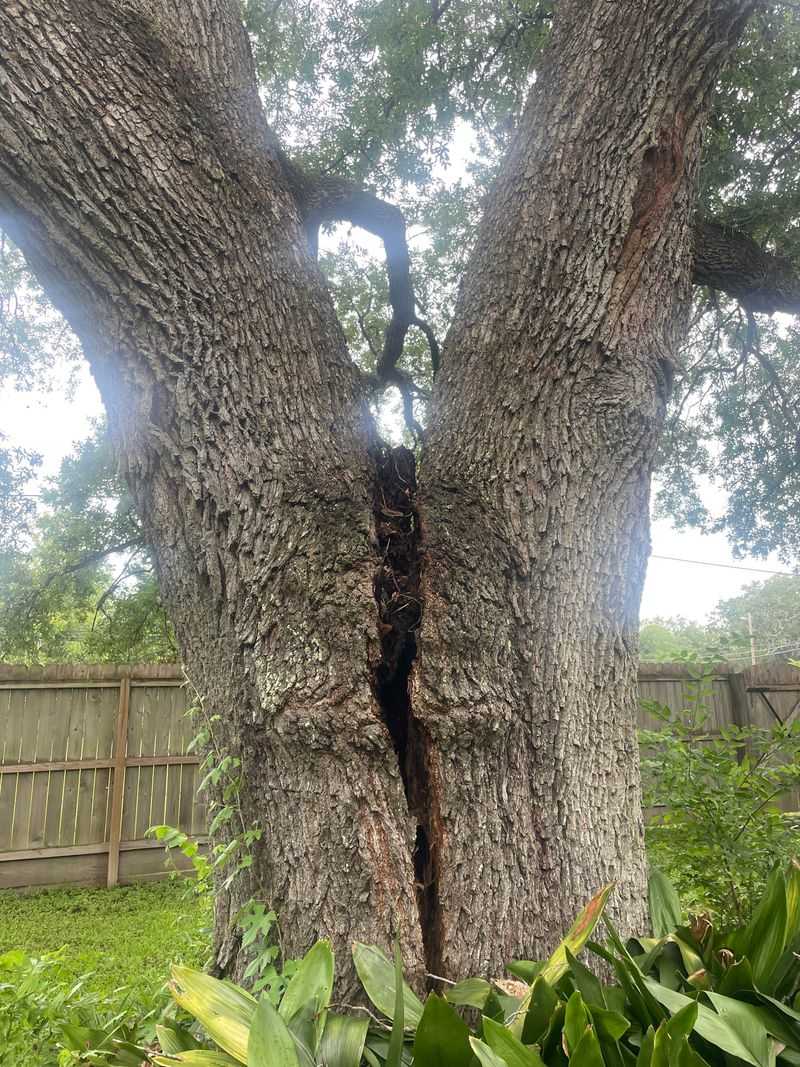
Longevity is where Southern live oak tends to pull ahead of laurel oak in the long-term landscape comparison. Laurel oak can develop internal decay, trunk cavities, and weakened branch unions as it moves past middle age.
Credible arboriculture resources, including UF/IFAS extension publications, acknowledge that laurel oak has a shorter functional lifespan than some other native oaks. It can also require more frequent safety evaluations as it ages.
Live oak’s denser wood and generally stronger branch structure can translate into fewer decay-related concerns over a similar time frame. That does not mean live oak never experiences decay.
Poor pruning cuts and trunk wounds from lawn equipment can open the door to decay even in a healthy live oak. So can soil compaction and prolonged drought stress.
The tree still needs thoughtful care.
Avoiding common mistakes goes a long way toward keeping a live oak healthy. Do not pile mulch against the trunk; keep it pulled back several inches to allow airflow at the root collar.
Avoid wounding the bark with string trimmers or mowers. Do not apply wound paint to pruning cuts, as research does not support its effectiveness and it can trap moisture.
When a live oak is sited well, trained early, and protected from mechanical damage, it can go many years without requiring intensive intervention.
That longer stretch between major concerns is part of what makes it a lower-fuss alternative over the full life of a landscape.
6. Wildlife Gets More Than Just Acorns
Walk under a mature live oak on a quiet morning and you will likely hear it before you see it. Birds calling from deep in the canopy and insects moving through the bark and leaves are signs of life.
So is the occasional rustle of a squirrel crossing a branch, and together they show a large native oak supports far more than just shade. Southern live oak is recognized as a high-value wildlife tree across its range.
Acorns are the most obvious contribution. Live oak produces small, oval acorns.
They are an important food source for white-tailed deer, wild turkeys, blue jays, wood ducks, and many other species. The timing and size of the acorn crop can vary by year and location.
Still, the consistent production of mast over a long-lived tree makes it a reliable part of local food webs.
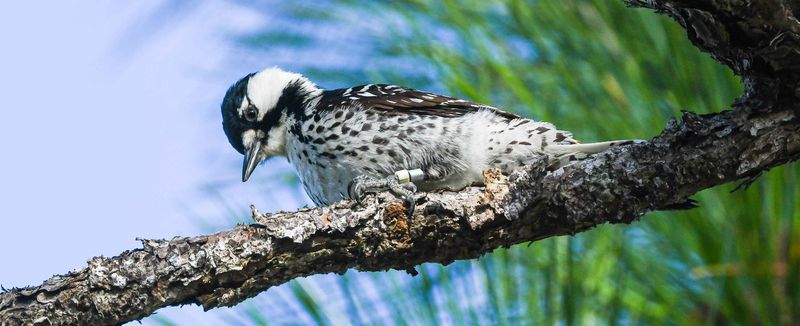
Beyond acorns, the canopy itself provides nesting sites, perching spots, and shelter for a wide range of birds. The bark and deceased wood sections support insects that, in turn, feed woodpeckers and other cavity-nesting species.
According to research cited by the Florida Native Plant Society, native oaks support significantly more caterpillar species than most non-native trees. This makes them important anchors in local insect and bird food chains.
Planting a live oak where it has room to mature means adding a long-term wildlife resource to your property. That ecological value grows alongside the tree over many decades.
7. Early Pruning Builds A Safer Shape
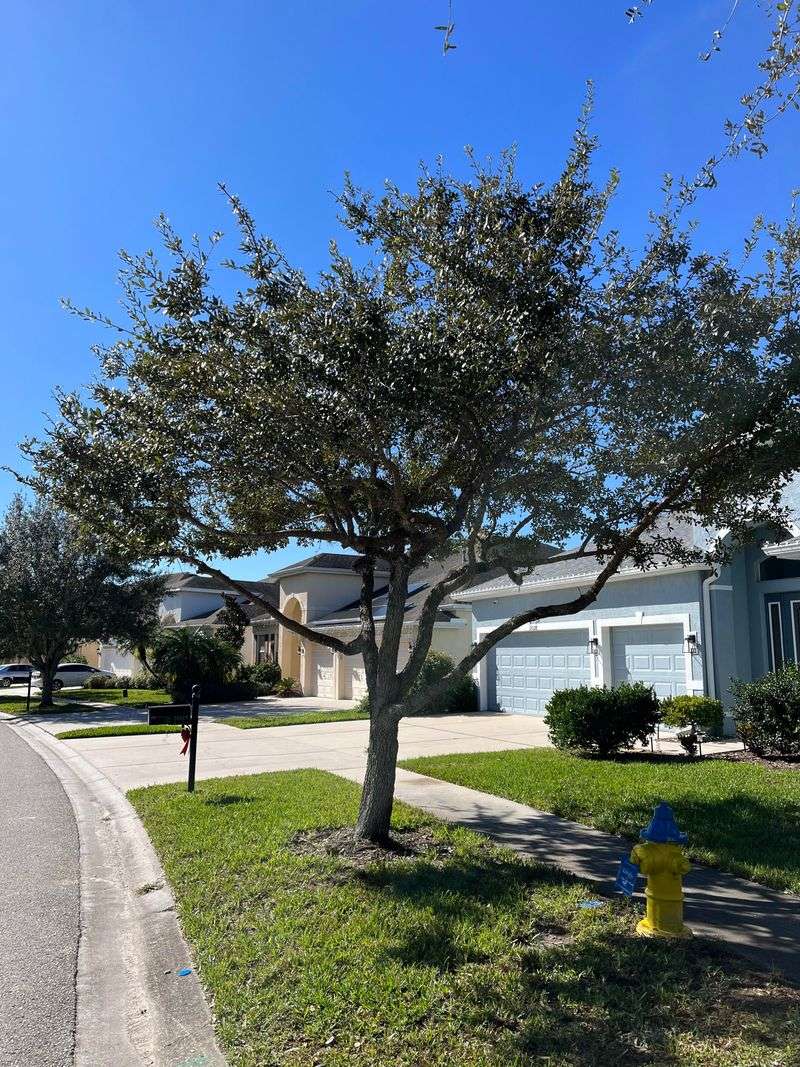
A young live oak in a nursery pot looks easy to manage. Give it a few years of unchecked growth in the ground and the branch structure starts to define itself in ways that can be hard to correct later.
That is why early structural pruning is one of the most valuable investments you can make in a newly planted live oak.
Structural pruning during the first several years focuses on selecting a dominant central leader or well-spaced main branches. It also involves removing co-dominant stems that could split under load and spacing branches vertically to reduce future crowding.
The goal is not to make the tree small. The goal is to build a branch framework that will hold up safely as the canopy grows large and heavy.
Avoid pruning practices that damage the tree’s long-term health. Topping, which involves cutting the main trunk or large branches to stubs, weakens structure and invites decay.
Lion-tailing, which strips interior branches and leaves foliage only at branch tips, creates mechanical imbalance and wind vulnerability. Over-lifting, or removing too many lower branches too quickly, can also stress a young tree unnecessarily.
For any pruning that involves large limbs, significant height, or complex branch decisions, hire a certified arborist or qualified tree care professional. Climbing a tall tree with a chainsaw is not a safe DIY project.
Getting the pruning right early pays dividends for the entire life of the tree.
8. Right Tree Right Place Keeps The Fuss Low
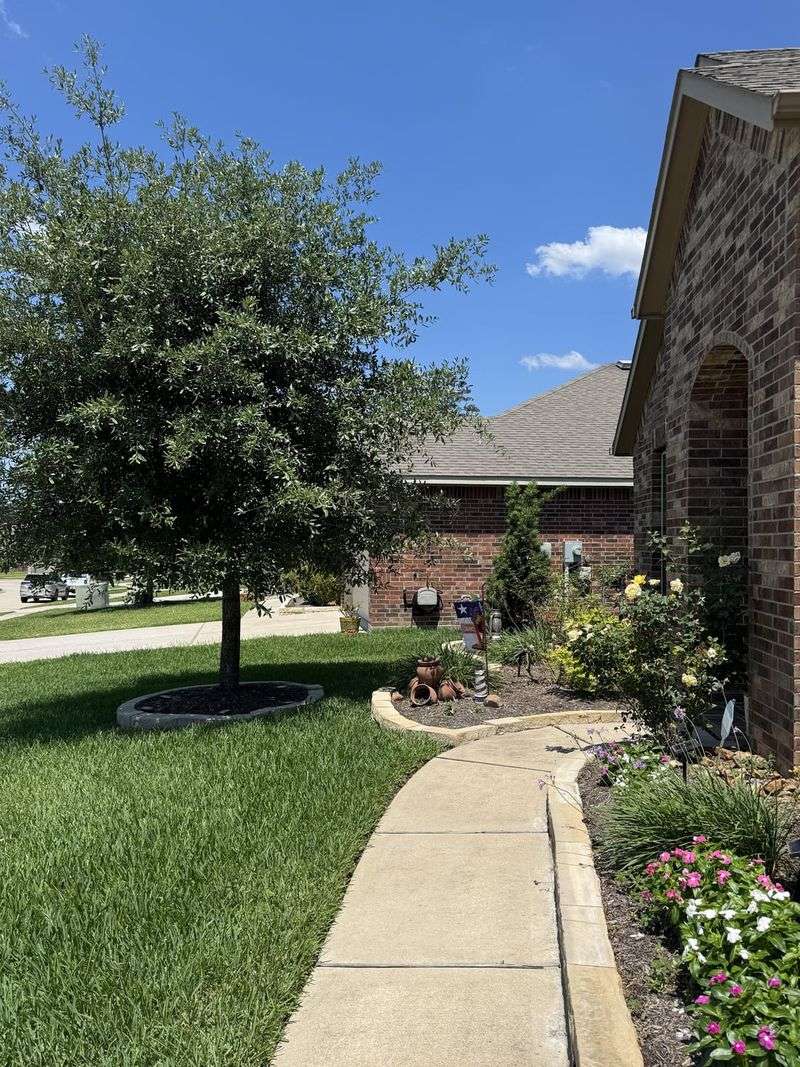
The phrase “without the fuss” was always meant to be a headline hook, not a promise of a zero-maintenance tree.
Southern live oak, Quercus virginiana, is a magnificent native tree, but it asks for something specific in return: enough space to grow into what it is meant to be.
Give it that space and the long-term relationship tends to be far smoother than what many homeowners experience with laurel oak over the same period.
Matching the tree to the site is the real secret. Check mature canopy spread, overhead clearance, distance from structures, root zone requirements, and soil quality before you plant.
Water the tree consistently during its first two to three years of establishment. Apply a wide ring of organic mulch two to four inches deep, keeping it away from the trunk.
Avoid fertilizing aggressively; live oaks in Florida generally do not need heavy fertilization in decent native soil.
Plan for professional arborist care at key points in the tree’s early life. Structural pruning appointments during the first decade set up a safer, more manageable canopy for the following five or six decades.
Skipping that early investment often means larger, more expensive corrections later.
Laurel oak has its place in some landscapes, and it should not be dismissed entirely. But for homeowners with a roomy lot who want a shade tree built to last generations, one option stands out.
Southern live oak, Quercus virginiana, is a gorgeous, well-matched alternative worth serious consideration.