What It Really Means When Your California Trees Drop Leaves In Midsummer
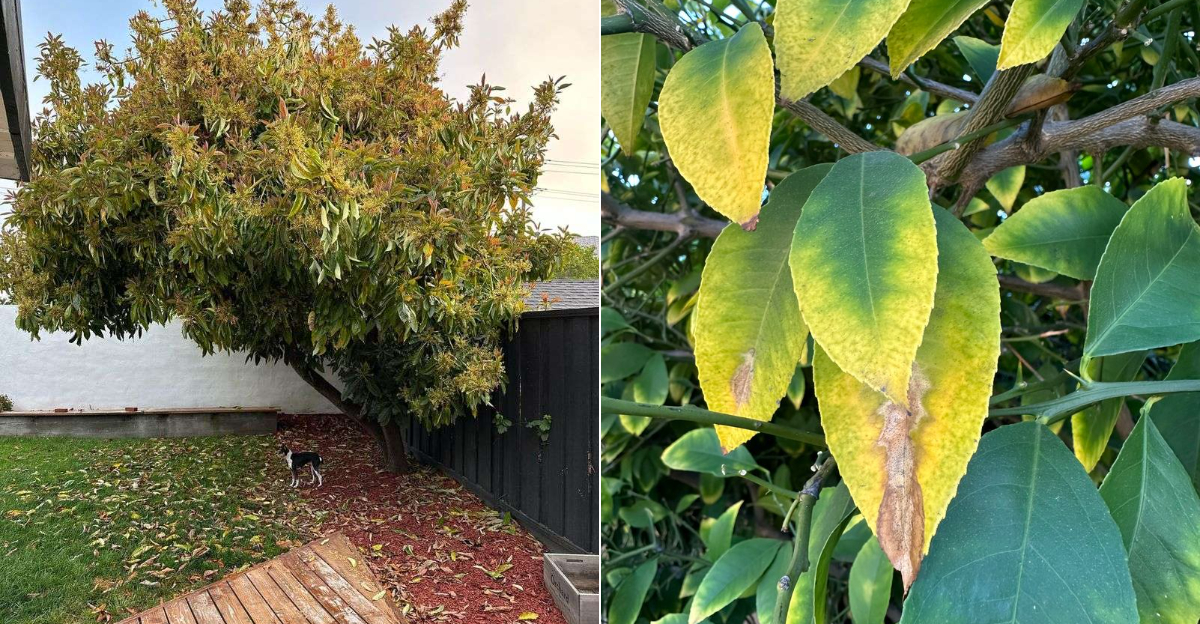
Seeing leaves fall from your California trees in the middle of summer can feel a little strange. After all, this is the season when many yards are supposed to look full, green, and lively.
So when the ground starts collecting leaves, it is easy to wonder what is happening up in the branches.
Your tree may simply be responding to changes around it, but the reason is not always obvious at first glance.
Summer brings plenty of challenges for backyard trees, and they often have their own ways of handling tough conditions. A few fallen leaves do not always mean trouble, but they can be a sign worth noticing.
Trees have a language of their own, and sometimes those crunchy little clues on the lawn are trying to tell you something.
1. Midsummer Leaf Drop Often Means One Thing
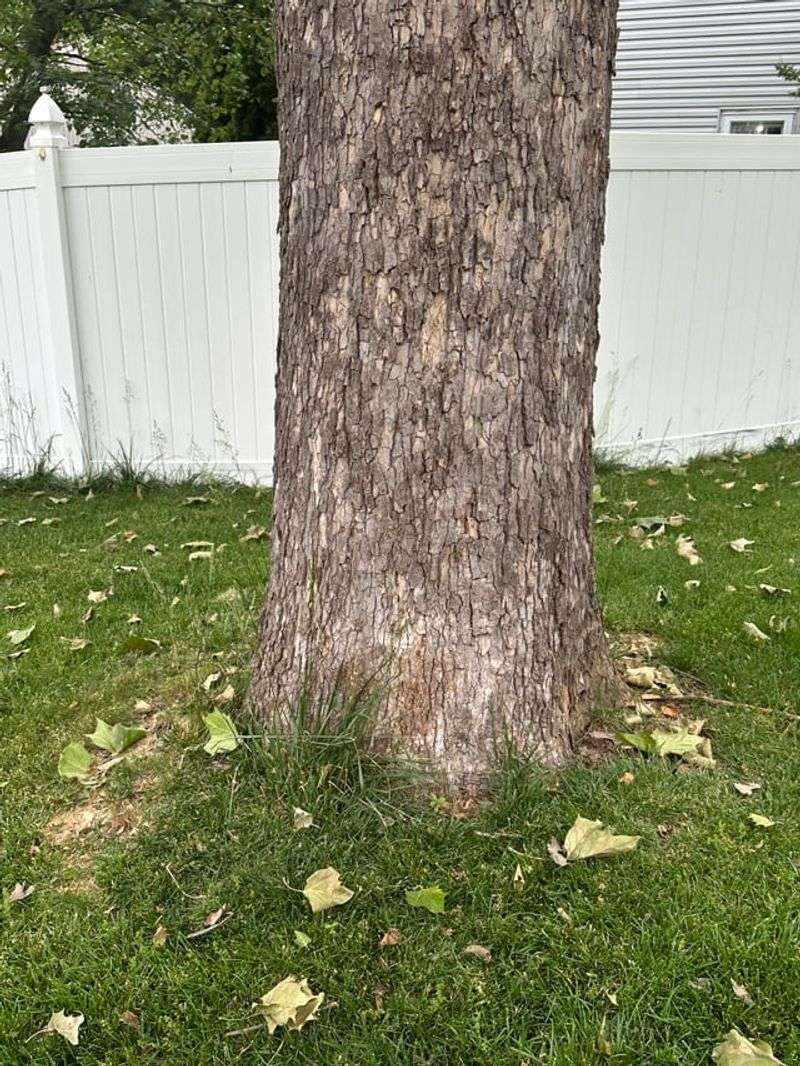
Most people assume that losing leaves in summer means a tree is struggling badly. But for many trees in California, dropping leaves is actually a smart move.
Trees have been doing this for thousands of years, long before anyone was around to worry about it.
When temperatures climb and rainfall drops, a tree has to make tough choices about how to use its energy and water. Keeping every single leaf alive takes a lot of resources.
So instead of spreading itself too thin, the tree lets some leaves go. It is a built-in response, not a sign of failure.
Think of it like a ship dropping extra cargo to stay afloat during a storm. The tree is lightening its load so it can keep its core systems running.
Roots, bark, and main branches stay protected while the tree sheds what it cannot afford to maintain.
This response is especially common in trees that evolved in dry climates, like native oaks, sycamores, and certain maples. Even non-native trees planted in hot inland areas can show this behavior after years of adaptation.
Seeing a few handfuls of leaves on the ground in July is often nothing to panic about. Watch the overall shape of the tree.
If the canopy still looks full and the remaining leaves look healthy, your tree is likely doing just fine on its own.
2. Trees Shed Leaves To Conserve Water
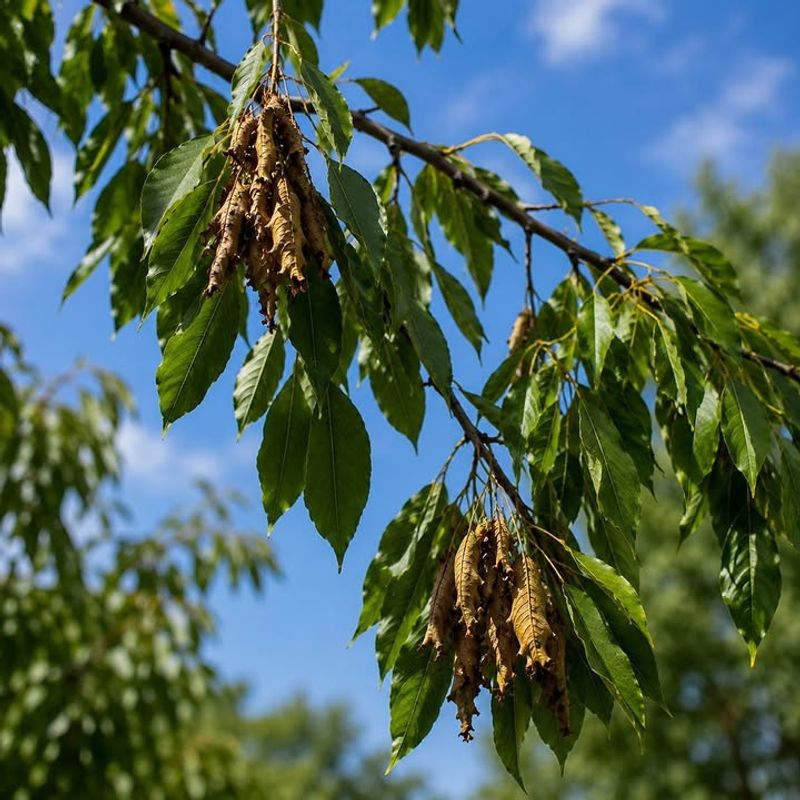
Water is everything to a tree, especially during a dry California summer. When soil moisture drops and the air gets hot, a tree faces a serious challenge.
It pulls water up through its roots, but if that supply runs low, something has to give.
Leaves are actually the biggest water users on a tree. Each leaf releases moisture into the air through tiny pores called stomata.
On a hot day, a single large tree can lose dozens of gallons of water this way. That adds up fast when the ground is dry.
By dropping some leaves, the tree reduces how much water it loses each day. Fewer leaves mean fewer stomata, which means less water evaporating into the air.
The tree can then direct what little moisture it has to its most vital parts. This is a perfectly logical response to drought conditions.
Your California Garden Changes Every Week. Your Plan Should Too.
Gardening in California changes quickly throughout the season. Every Friday you’ll receive a simple weekly plan showing exactly what to plant, prune, fertilize, harvest, and protect so you never miss the right timing.
You might notice the dropped leaves look yellow, pale, or slightly crispy at the edges before they fall. That is the tree pulling nutrients back from those leaves before releasing them.
Nothing goes to waste. The tree recycles what it can and then lets the rest go.
If your tree is dropping leaves but still has green growth at the branch tips, water conservation is likely the reason. Giving the tree a deep, slow soak once or twice a week can help ease the stress and slow the leaf loss noticeably.
3. Older Leaves Usually Fall First
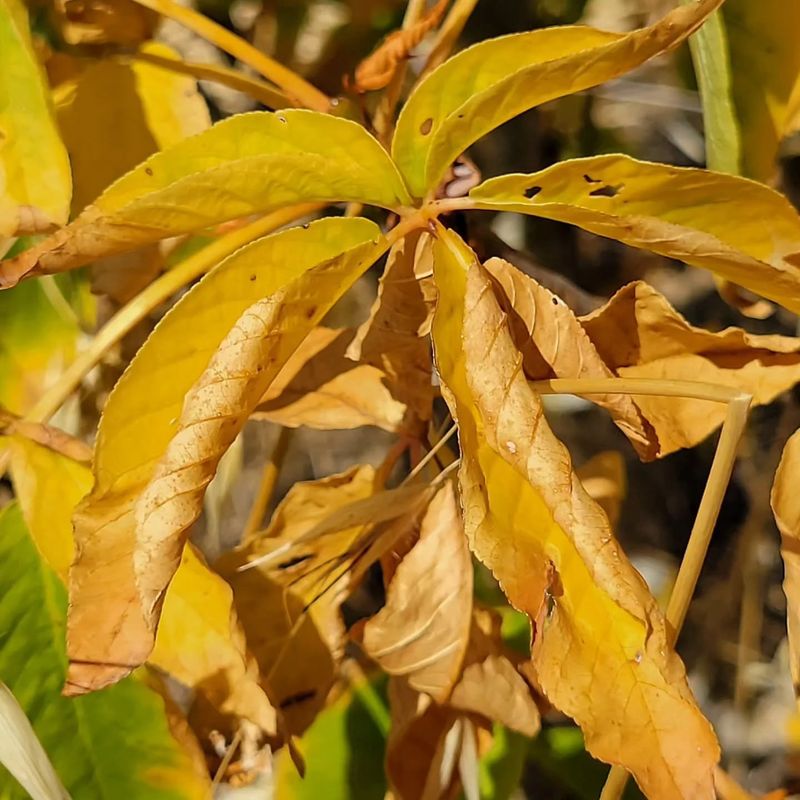
Here is something many people do not know: trees do not shed leaves randomly. When stress sets in, they follow a very specific order.
The oldest leaves, usually found deep inside the canopy or near the base of branches, are the first to go.
Newer, younger leaves near the tips of branches get priority. They are more efficient at capturing sunlight and using water.
Older leaves, on the other hand, are less productive and cost more to maintain. So the tree naturally lets them go first during tough times.
This pattern can look confusing from the outside. You might see the inner part of the tree thinning out while the outer edges still look lush and full.
Some homeowners worry that the center of the tree is suffering while the edges are fine. But that is actually a healthy and expected pattern.
Pay attention to where the leaves are falling from. If they come mostly from the interior branches and the outer canopy still looks green and full, you are likely seeing normal stress shedding.
If leaves are falling from the outer tips or from all parts of the tree at once, that may be worth a closer look.
A local California arborist can help you tell the difference quickly. In most cases, interior leaf drop during summer heat is nothing more than the tree doing its job efficiently and protecting itself the best way it knows how.
4. Heat And Dry Soil Trigger The Change
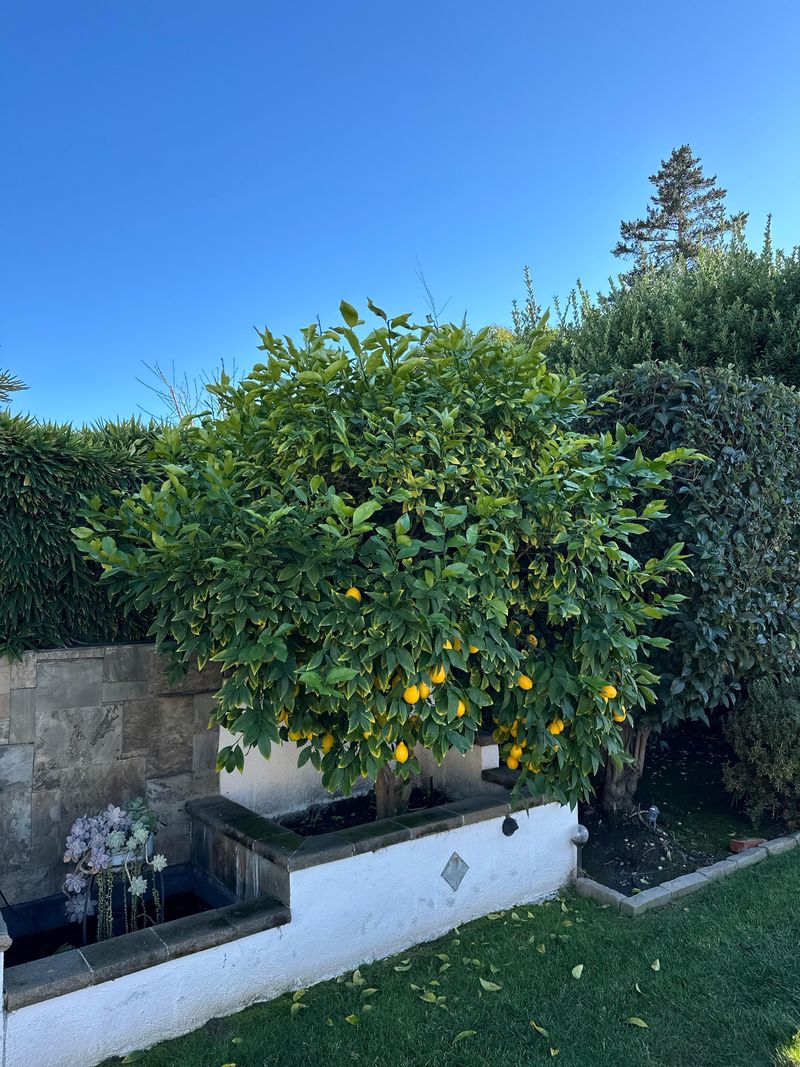
Two things tend to set off summer leaf drop more than anything else: intense heat and dry soil. When both hit at the same time, trees feel the pressure quickly.
This combination is common across the Central Valley, Southern regions, and even parts of the Bay Area during heat waves.
Soil acts like a water bank for trees. When it is moist, the tree can draw what it needs through its roots without much effort.
But when the soil dries out, the tree has to work much harder to pull moisture up. That extra effort drains its energy fast.
Heat makes things worse by speeding up water loss through the leaves. Hot air pulls moisture out of leaf surfaces more quickly than cool air does.
When the ground is dry and the air is scorching, the tree is losing water faster than it can replace it.
The result is stress. And leaf drop is one of the first visible signs of that stress.
You might also notice leaves curling, wilting slightly, or developing brown edges before they fall. These are all early warning signs that the tree is struggling with its water balance.
Checking the soil around your tree is a simple and helpful first step. Dig about two to three inches down with your finger or a small trowel.
If the soil feels bone dry at that depth, your tree likely needs water. A slow, deep watering session can make a real difference within just a few days.
5. Not Every Tree Drops Leaves For The Same Reason
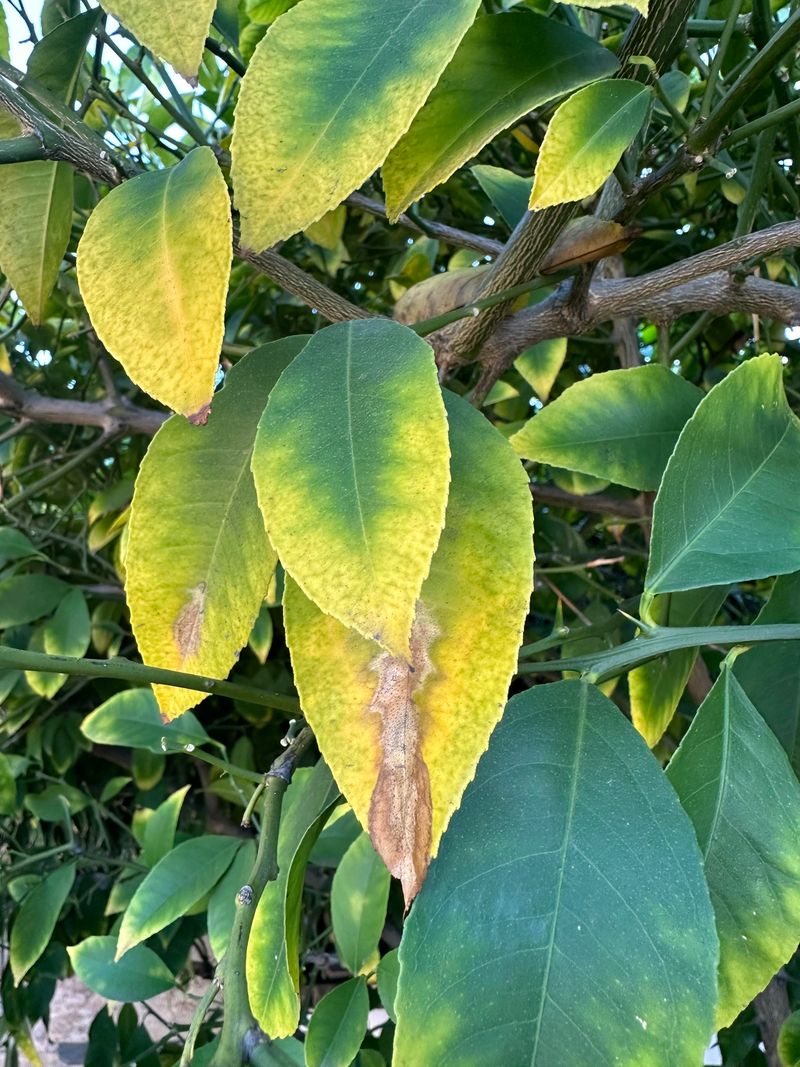
Summer leaf drop does not have just one cause. Different trees shed leaves for very different reasons, and lumping them all together can lead to the wrong response.
Knowing your tree species is a big help when trying to figure out what is going on.
Native oaks, for example, are well adapted to dry summers. They often drop a small amount of older foliage as a normal part of their seasonal cycle.
For them, a little summer leaf drop is completely expected and not worth worrying about.
Deciduous trees like liquid amber or Chinese pistache might shed leaves early if they experience drought stress or root damage. These trees are more sensitive to sudden changes in water availability.
An early color change or leaf drop can signal that something disrupted their root system, like construction, digging, or a broken irrigation line nearby.
Fruit trees, such as citrus or avocado, behave differently again. They may drop leaves in response to root rot from overwatering, not from drought.
So in those cases, watering more would actually make things worse, not better.
Pest activity can also cause leaf drop in summer. Spider mites, scale insects, and other pests drain moisture from leaves, causing them to yellow and fall early.
Before adjusting your watering routine, take a close look at your leaves for spots, webbing, or sticky residue. Identifying the real cause first leads to the right solution every time.
6. Green Leaves Can Fall Before They Turn Brown
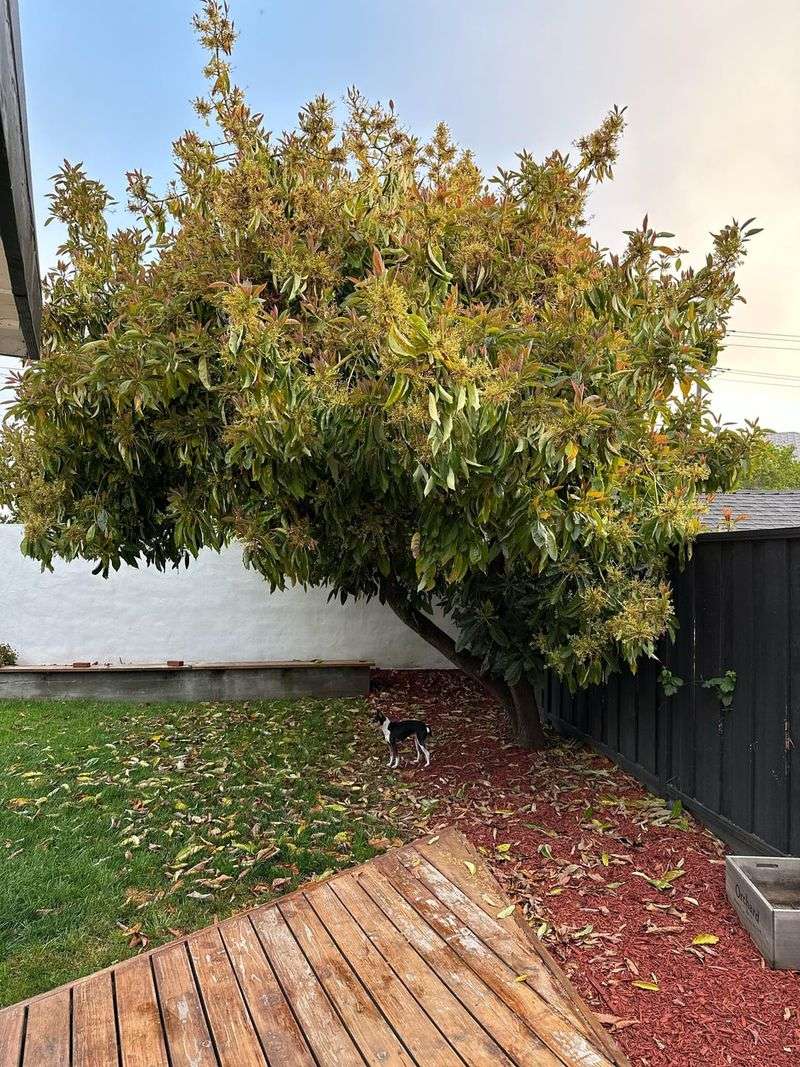
One of the most surprising things people notice during summer leaf drop is that the falling leaves are still green. Many assume leaves only fall when they turn yellow or brown.
But trees can drop fully green leaves when stress hits fast and hard.
When a tree experiences a sudden shock, like an extreme heat spike, a broken root, or a rapid drop in soil moisture, it may shed leaves before it has time to reabsorb nutrients from them. The result is green leaves on the ground that look perfectly healthy at first glance.
This type of drop tends to happen quickly, sometimes overnight. You walk outside and find a carpet of green leaves under a tree that looked totally fine the day before.
It can feel alarming, but it is often just the tree responding to an abrupt environmental change.
The good news is that green leaf drop does not always mean lasting harm. If the stress is temporary and you address the cause quickly, the tree can bounce back well.
Check for recent changes in the environment around the tree, like new paving, nearby trenching, or a sudden heat wave, and work to correct what you can.
Keep a close eye on the canopy over the following two to three weeks. New bud growth or leaf flush after a green leaf drop is a very positive sign.
It means the tree stabilized itself and is already working on a recovery. Patience and observation are your best tools here.
7. Deep Watering Helps Stressed Trees Recover
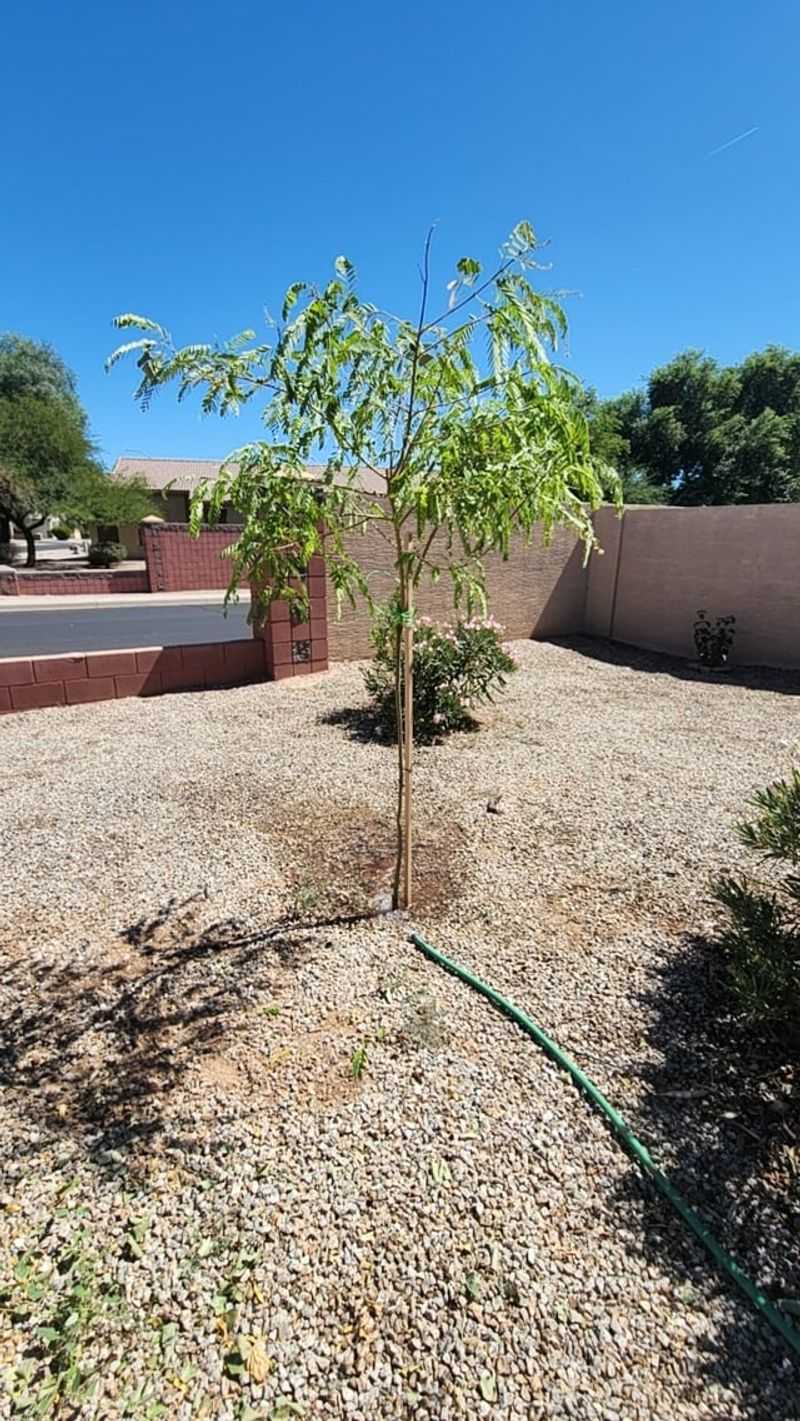
When a tree is stressed from heat and drought, the most helpful thing you can do is water it deeply and slowly.
Shallow watering, where you run a sprinkler for just a few minutes, does not reach the deep roots where it matters most.
The water needs to soak down at least twelve to eighteen inches to do real good.
A slow, steady soak is the best approach. You can use a soaker hose laid in a ring around the tree, starting about two feet from the trunk and extending out to the drip line.
Let it run for thirty to sixty minutes, depending on the size of the tree. This gives water time to move down through the soil layers slowly.
Frequency matters too. During extreme heat, watering once or twice a week is usually better than a single long session every two weeks.
Trees under stress need consistent moisture, not occasional flooding followed by long dry spells.
Avoid watering right at the base of the trunk. Wet bark near the trunk can encourage fungal problems over time.
Spread the water out toward the edges of the canopy, where the feeder roots are most active.
You should start to see improvement within a week or two of consistent deep watering. New leaves may begin to appear at branch tips, and the remaining foliage should look more upright and firm.
That is a clear sign the tree is getting what it needs to recover well.
8. Mulch Slows Moisture Loss Around Roots
One of the simplest and most effective things you can do for a heat-stressed tree costs very little and takes just an afternoon to set up.
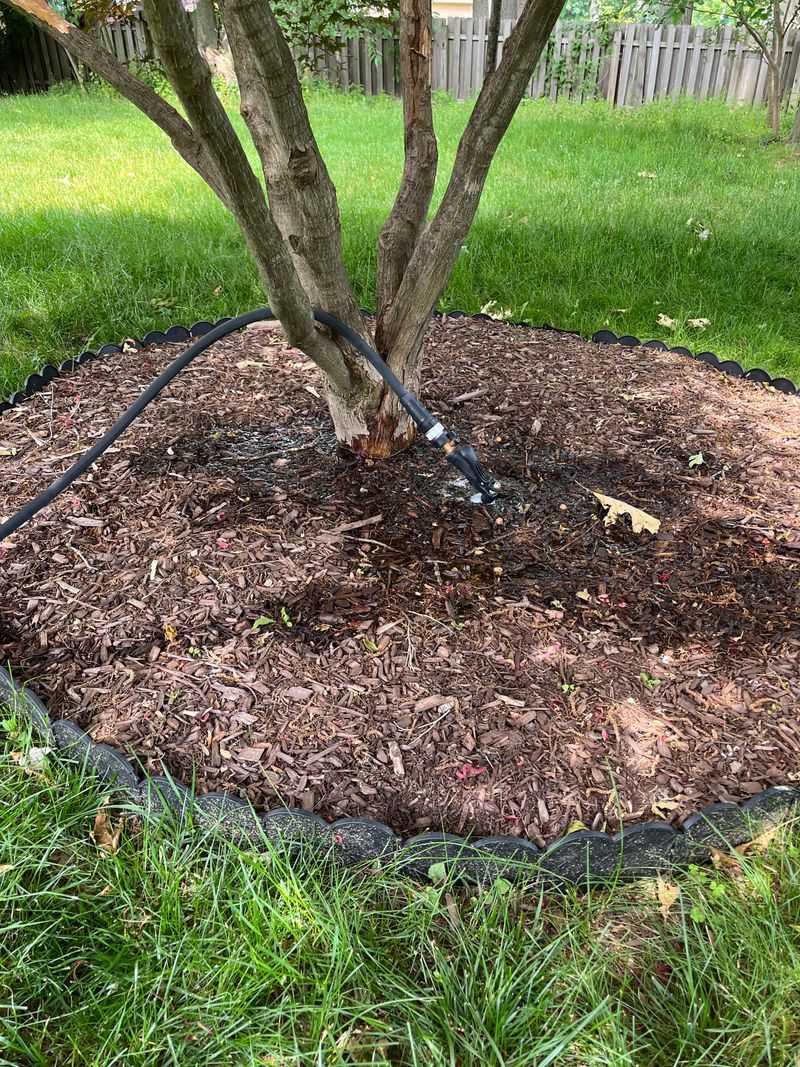
Spreading a layer of mulch around the base of your tree can make a huge difference in how well it handles summer heat and dry conditions.
Mulch works by acting as a blanket over the soil. It slows down evaporation, which means the soil stays moist longer after each watering.
During hot spells, bare soil can lose a significant amount of moisture within just a few hours. Mulch dramatically cuts that loss down.
Wood chips are one of the best options. They break down slowly and add organic matter to the soil over time.
Aim for a layer about three to four inches thick, spread from about six inches away from the trunk out to the drip line. Keeping mulch away from the trunk prevents moisture buildup against the bark.
Mulch also keeps soil temperatures cooler. Tree roots are sensitive to extreme heat, and hot soil can damage feeder roots even when the air temperature is not record-breaking.
A good layer of mulch can drop soil temperature by several degrees, which makes a real difference for root health.
Many tree services and local California utility companies offer free wood chip mulch throughout the year. It is worth checking with your city or local arborist.
Using mulch consistently, year after year, builds healthier soil and gives your trees a stronger foundation for surviving tough summers in our region.