Why Your Florida Muhly Grass Isn’t Pluming Yet (And What August Fixes)
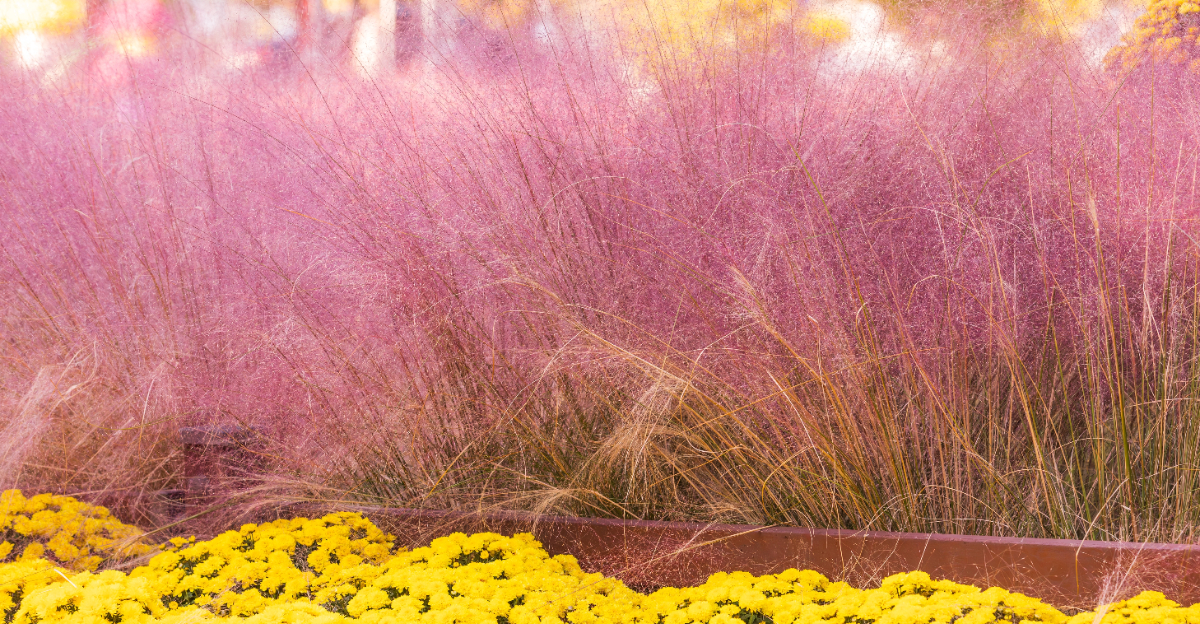
Muhly grass in August should be building toward something. That pink, cloud-like plume does not appear without preparation.
What happens right now determines whether October delivers the display everyone planted it for or a flat stretch of green that never gets there. A muhly grass not pluming on schedule is not broken.
It is responding to something specific. Soil conditions, water habits, sun exposure, or one August decision that got skipped without anyone realizing it mattered.
The fix is almost always simpler than the problem looks. Muhly grass is not a complicated plant.
It just has opinions about August that most Florida yards never address. The plume is two months away.
Nothing about the plant signals urgency right now. That is exactly the problem.
1. Early August Is Often Too Soon For Plumes
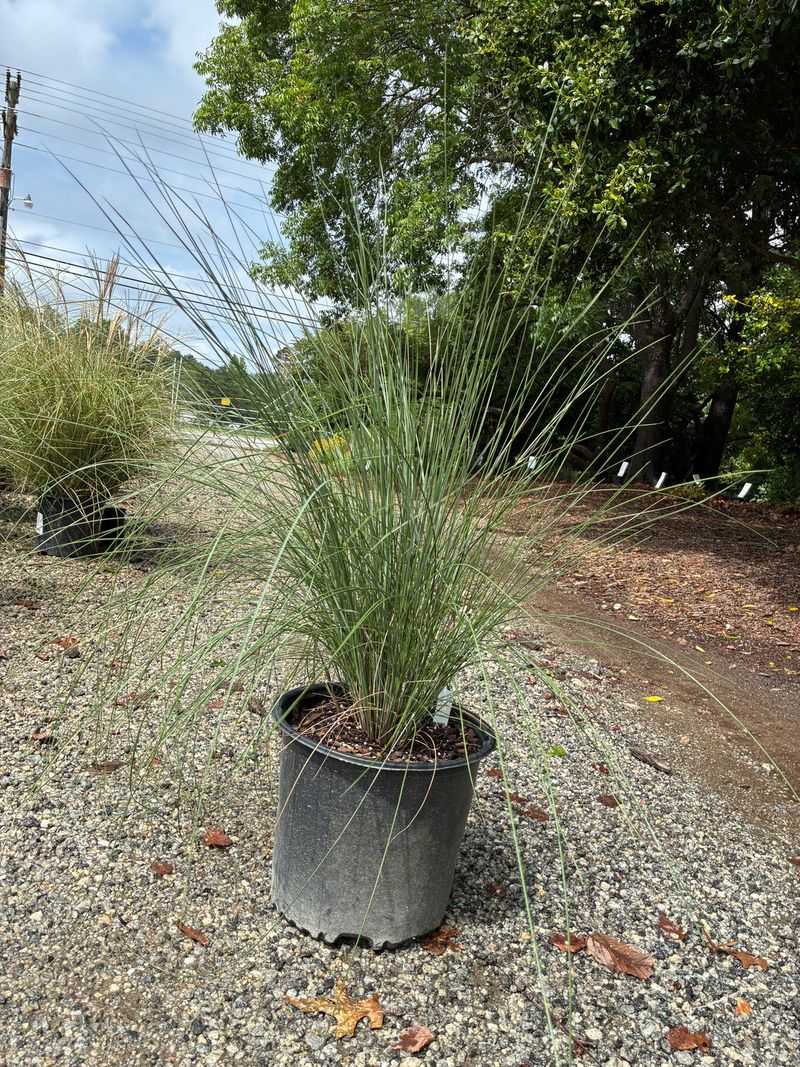
A green clump with no pink haze in early August is not automatically a sign of trouble. Muhly grass, known scientifically as Muhlenbergia capillaris, is a warm-season Florida native grass that saves its showiest moment for fall.
According to UF/IFAS resources, the plume display typically begins in September and can continue through November. The timing depends on location, plant age, and local conditions.
Panhandle communities and northern regions often see plumes arrive a bit later than central or southern regions. Younger plants, especially those established within the past year, may also produce a lighter display or hold off longer than mature clumps.
Expecting full pink clouds in early August sets a timeline that the plant simply does not follow.
Patience is one of the most useful tools in a muhly grass garden. Before reaching for pruning shears or a fertilizer bag, take a breath and check the calendar.
If your plant looks green, upright, and reasonably healthy, it may simply be doing exactly what it should do in summer. Avoid making sudden changes based on the absence of plumes this early in the season.
Use August to observe, assess, and correct any real stress problems you find, rather than rushing a bloom that is not yet overdue.
2. Full Sun Sets Up The Best Fall Show
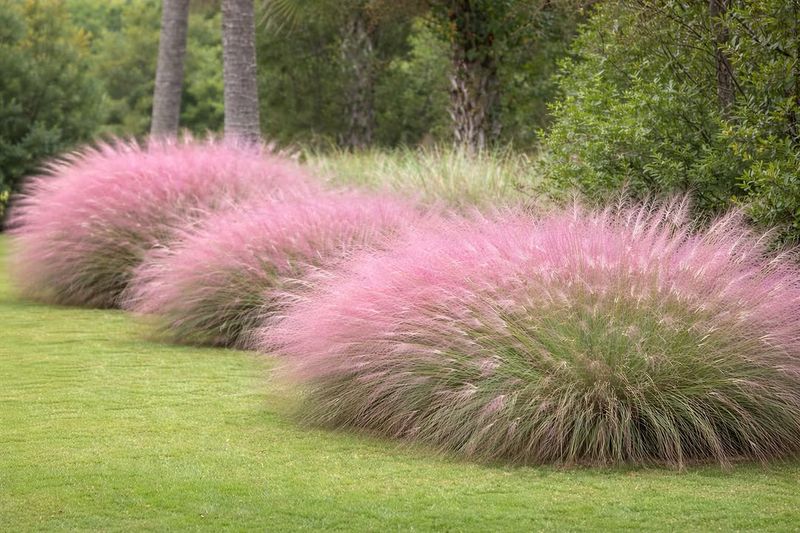
A shaded bed edge rarely produces the kind of pink plume show that makes muhly grass worth growing. Light is one of the biggest factors in plume production.
UF/IFAS and Florida-Friendly Landscaping resources consistently describe muhly grass as a full-sun plant, performing best with six or more hours of direct sunlight each day.
When nearby shrubs grow taller, tree canopies spread wider, or fences cast afternoon shadows, muhly grass may survive but struggle to bloom well.
The foliage might still look acceptable, but the energy needed to push out those tall, airy plumes requires real sun exposure.
Even partial shade can reduce the display noticeably over time.
Walk your planting area at different times of day and watch where shadows fall. If a clump is getting less sun than it did when you first planted it, that shift in light may explain a weaker or delayed fall display.
Your Florida Garden Changes Every Week. Your Plan Should Too.
Gardening in Florida changes quickly throughout the season. Every Friday you’ll receive a simple weekly plan showing exactly what to plant, prune, fertilize, harvest, and protect so you never miss the right timing.
Moving a plant in August is possible but carries real stress risk during peak summer heat. Trimming back an overhanging shrub or removing a small blocking plant may be a more practical short-term fix.
Any full relocation should be considered carefully. Waiting for cooler weather in late fall or late winter may give transplanted muhly grass a better chance to settle in before the next bloom season.
3. Wet Roots Can Stall Healthy Growth
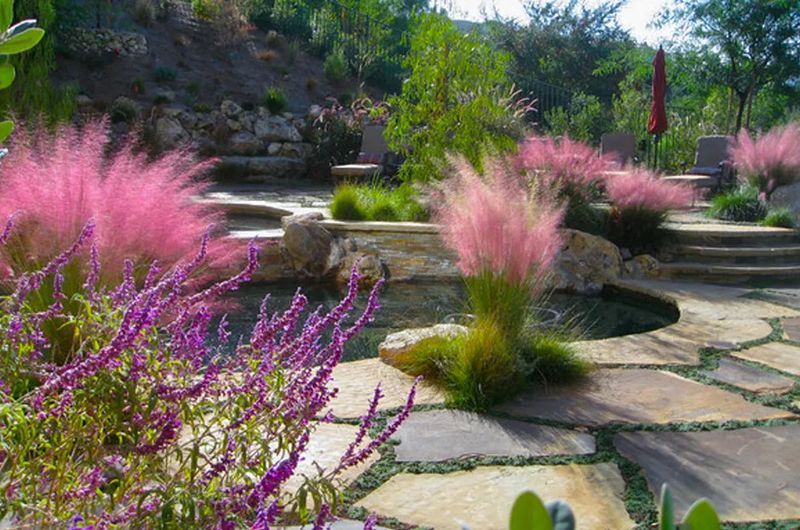
A soggy low spot in the Florida yard is one of the quieter threats to muhly grass health. Poor drainage or consistently wet soil can weaken the root system, slow growth, and reduce the plant’s ability to put energy into a strong fall display.
Muhly grass is native to well-drained, often sandy soils, and it does not thrive when roots sit in standing water for long periods.
Summer rain in warm-weather regions can be intense and frequent, and low areas in the landscape tend to collect that excess moisture.
Irrigation overspray from nearby lawn heads, dense mulch piled against the base of clumps, and compacted soil that does not drain freely can contribute to wet-root conditions.
These issues can occur even when the surface looks dry. Roots that stay too wet may develop rot or simply stop functioning efficiently.
Check whether water pools near your muhly grass after a heavy rain and how quickly it drains away. If the area stays wet for more than a day or two, improving drainage before fall can help the plant recover some energy.
Pulling back excess mulch from the crown, adjusting irrigation zones to reduce overspray, or adding a thin layer of coarse sand around the base can support better drainage.
Healthy roots need both moisture and air, and finding that balance is key to supporting a strong fall plume season.
4. Too Much Fertilizer Makes Grass Floppy
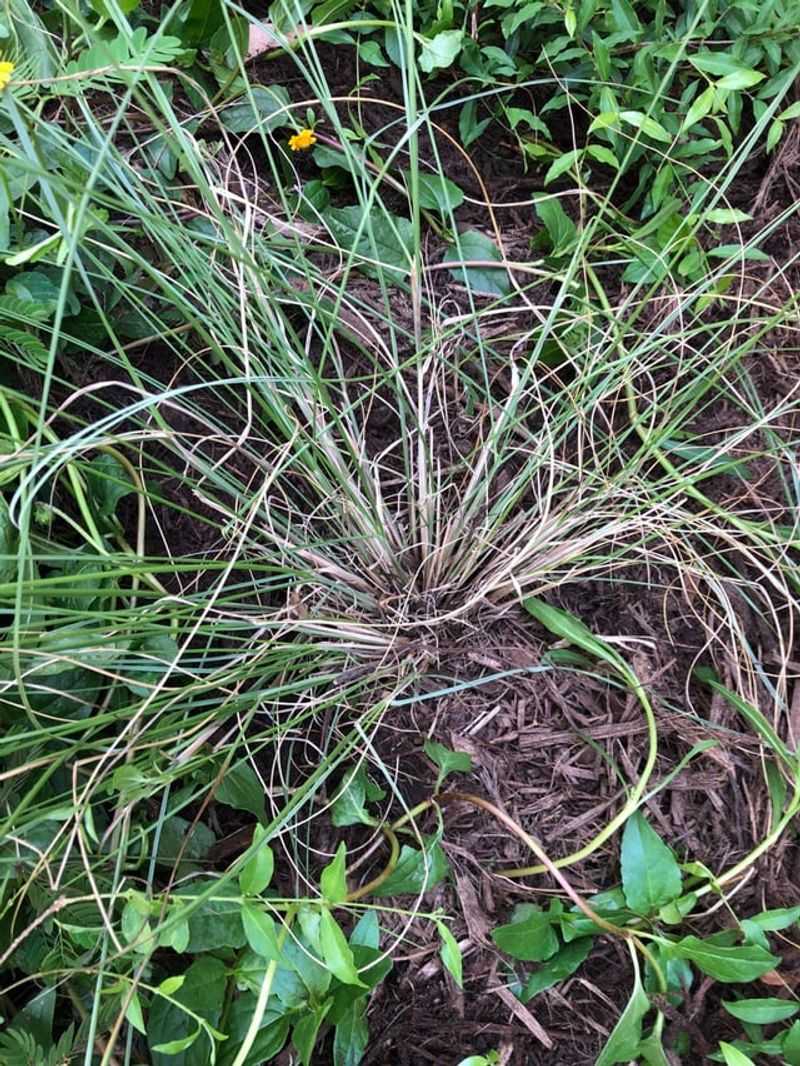
Soft, floppy blades that flop outward instead of arching cleanly are often a sign that a plant has been pushed with too much fertilizer. Muhly grass is naturally adapted to lower-fertility soils, and heavy feeding can work against the plant’s best qualities.
High-nitrogen fertilizers in particular tend to produce fast, weak, lush growth that looks full at first but loses its natural shape quickly.
UF/IFAS and Florida-Friendly Landscaping guidelines generally suggest that native and Florida-friendly ornamental grasses like muhly do not need heavy fertility programs.
A soil test from your local county extension office is the most reliable way to know whether your soil actually needs any amendment.
Guessing at fertility and applying fertilizer without testing can push the plant in the wrong direction.
Bloom boosters, high-phosphorus products marketed for flowering plants, and lawn fertilizers accidentally applied to ornamental beds are all common sources of over-fertilization in muhly grass plantings.
Reducing or stopping fertilizer applications in August will not instantly produce plumes.
However, it can allow the plant to return to a firmer, more natural growth habit before fall. The goal is to support basic plant health, not to force a bloom response.
Muhly grass that grows in appropriate conditions without heavy feeding tends to hold its shape better and produce a cleaner, more attractive plume display when fall arrives.
5. Old Growth Should Have Been Cut Earlier
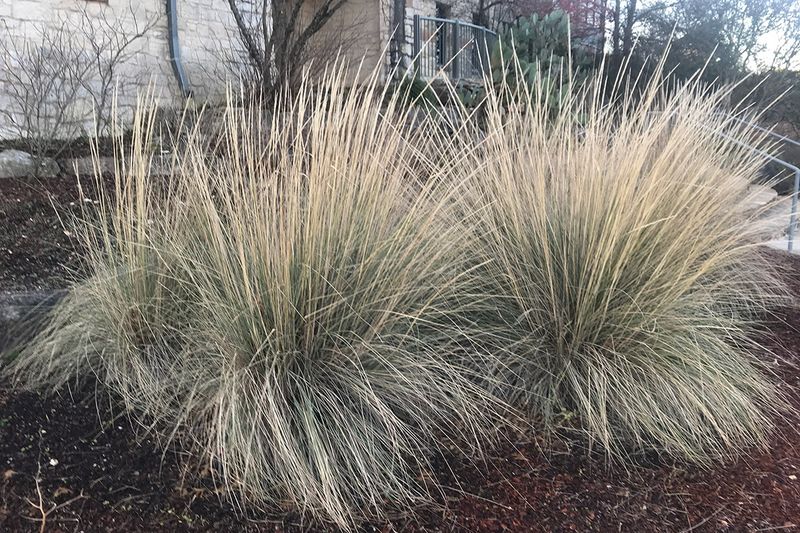
Old straw-colored stems still tangled inside a muhly grass clump by midsummer can point to a pruning timing issue. Muhly grass benefits from having its old growth removed, but timing that cutback correctly matters a great deal.
Most sources, including UF/IFAS guidance on ornamental grasses, suggest cutting back muhly grass in late winter or very early spring before new growth begins pushing through.
Cutting back in late winter gives the plant the entire warm growing season to produce fresh, healthy blades that will carry the fall plume display.
When that cutback is skipped or delayed too long into spring, old stems can crowd out new growth, reduce airflow through the clump, and leave the plant looking tired heading into summer.
By August, hard cutting is not the right response. Removing large amounts of growth just weeks before the fall display would cut away the very blades that should be supporting plume development.
If truly withered or broken stems are creating a safety or appearance problem, a light cleanup of only the most obviously damaged material may be appropriate. But avoid aggressive shearing in August with the hope that it will trigger new plume growth.
That strategy is likely to reduce the fall show rather than improve it. Mark your calendar for late winter and plan to address old growth at the right time next year.
6. Crowding Can Reduce Airflow And Shape
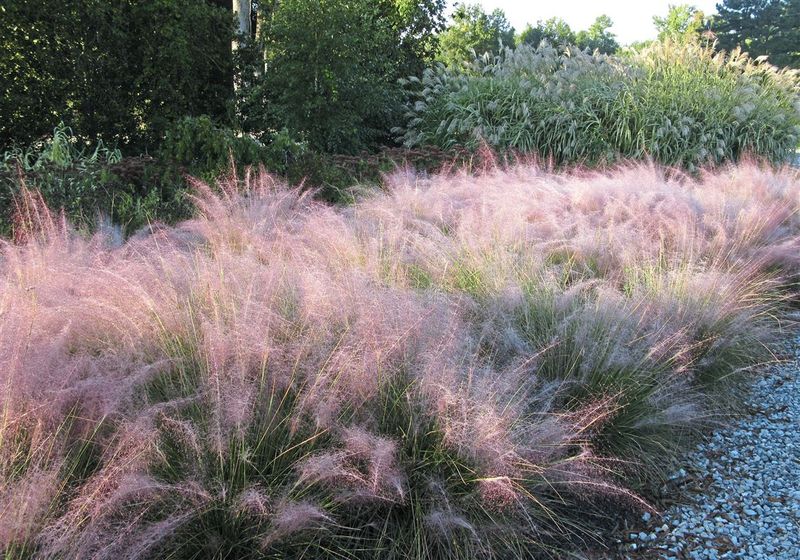
When muhly grass clumps are squeezed too close together, each plant loses the open, arching form that makes the fall display so striking.
Muhly grass looks its best when individual clumps have enough room to spread naturally outward, catching light and air from all sides.
Crowded plantings can start to look like one dense mat rather than a collection of graceful, layered clumps.
Weeds growing up through the base of muhly clumps add another layer of competition. Grassy weeds in particular can be difficult to spot until they are well established inside the clump.
They compete for water, nutrients, and light at the root level, and they can reduce the overall vigor of the planting without being immediately obvious from a distance.
Neighboring shrubs that have grown taller or wider since the muhly was first planted may also be leaning over clumps, reducing both light and airflow. Humid summer weeks in Florida warm-weather gardens can worsen any crowding problem by limiting how quickly foliage dries after rain.
Carefully pulling weeds from around and through clumps, trimming back encroaching shrubs, and giving each muhly clump a clear circle of open soil can make a real difference before fall.
Avoid tearing apart or dividing mature clumps during peak summer heat unless there is a specific, pressing reason to do so, as that level of disturbance during August carries significant stress risk.
7. Drought Stress Can Delay The Display
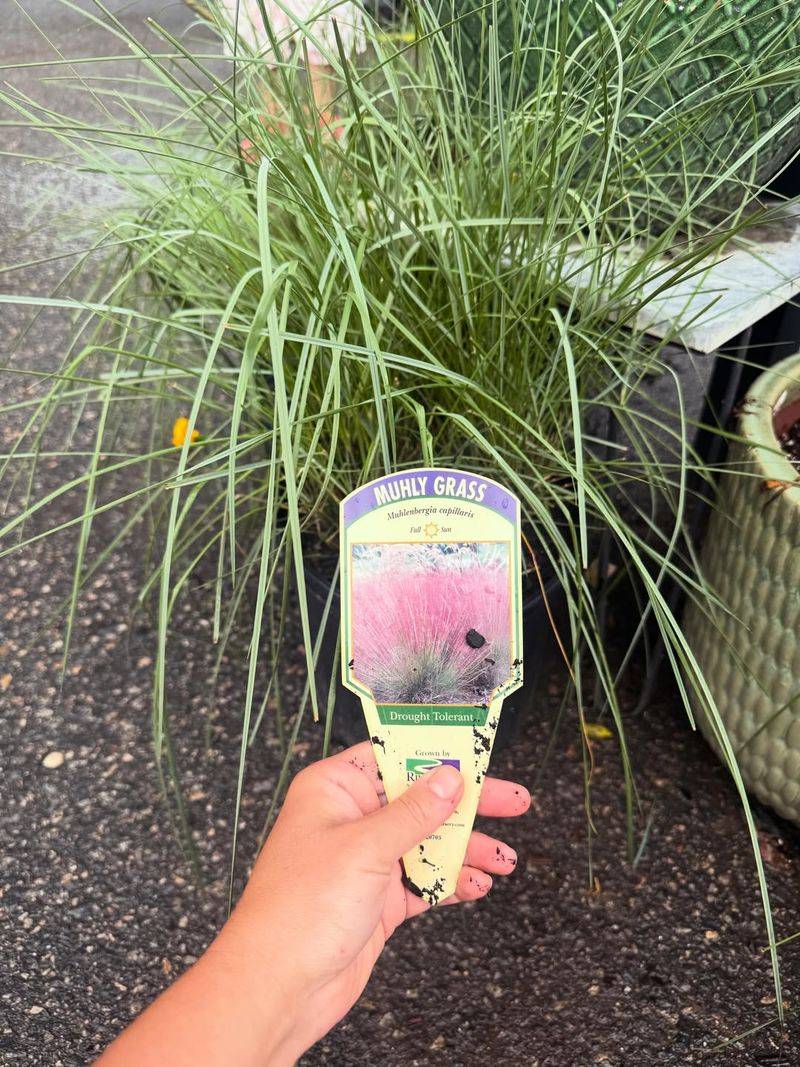
Brown tips and a generally tired look on a muhly grass plant during a dry August stretch are worth paying attention to. While established muhly grass is considered relatively drought tolerant once it has rooted deeply into well-drained soil, young plants are a different story.
A clump established within the past one to two years still needs consistent moisture during active growth to build the root system it will rely on for years ahead.
Shallow daily sprinkles from an irrigation system do not solve drought stress. Short, frequent watering encourages roots to stay near the surface rather than growing deeper where soil moisture is more stable.
Deep, less frequent watering that allows the top inch or two of soil to dry between cycles supports healthier root development and better stress tolerance over time.
Mulch used correctly can help retain soil moisture and moderate soil temperature during hot, dry weeks. A two-to-three-inch layer of mulch kept a few inches away from the crown can reduce how quickly the soil dries.
It can do this without creating the wet-root problem described earlier. Check the soil an inch or two below the surface before watering.
If it still feels slightly moist, hold off. If it feels dry and powdery, a deep soak can help reduce stress and support the plant heading into its natural fall bloom window.
8. August Fixes The Care Before Fall Arrives
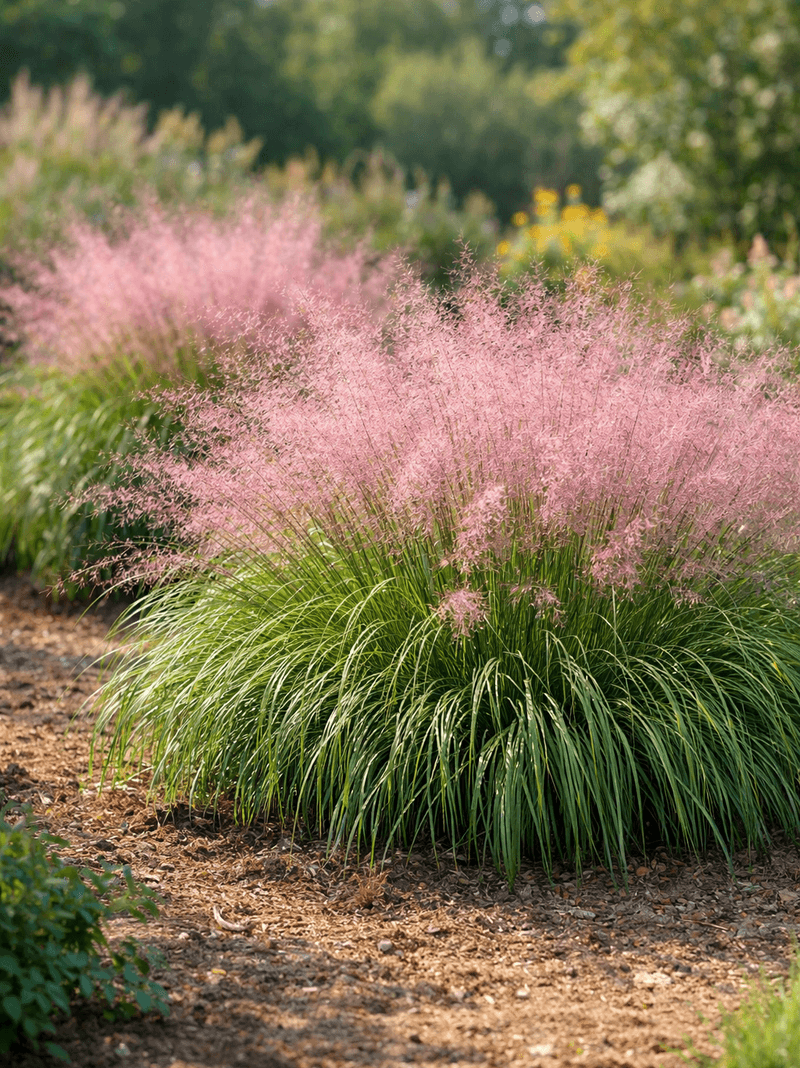
A clear-eyed look at your muhly grass in August can set up a much better fall than ignoring problems until September. August does not force muhly grass to bloom early.
However, it is a useful window for correcting the stress, spacing, light, and care mistakes that can limit the fall display. Small adjustments made now can support the plant through the final weeks of active summer growth.
Practical August steps include adjusting irrigation to avoid wet roots and pulling weeds from around and through clumps. Trim back shrubs that are shading the planting, stop heavy fertilizer applications, and check that drainage is working properly.
Leaving major cutbacks alone is equally important. The green growth present now is the growth that will carry the plume show.
Keep expectations realistic. Not every muhly grass planting will produce a heavy plume display every year.
Young plants, shaded sites, poorly drained spots, and clumps under ongoing stress may still show a reduced display even after August care improvements.
The fall plume season for muhly grass is worth waiting for, and the plants that receive steady, sensible care throughout the year tend to reward that attention most visibly.
Give your clumps good light, reasonable water, open space, and a light hand with fertilizer, and let the season do the rest when fall finally arrives.