The Gravel Color Mistake That Makes Arizona Yards Feel Hotter In Extreme Heat
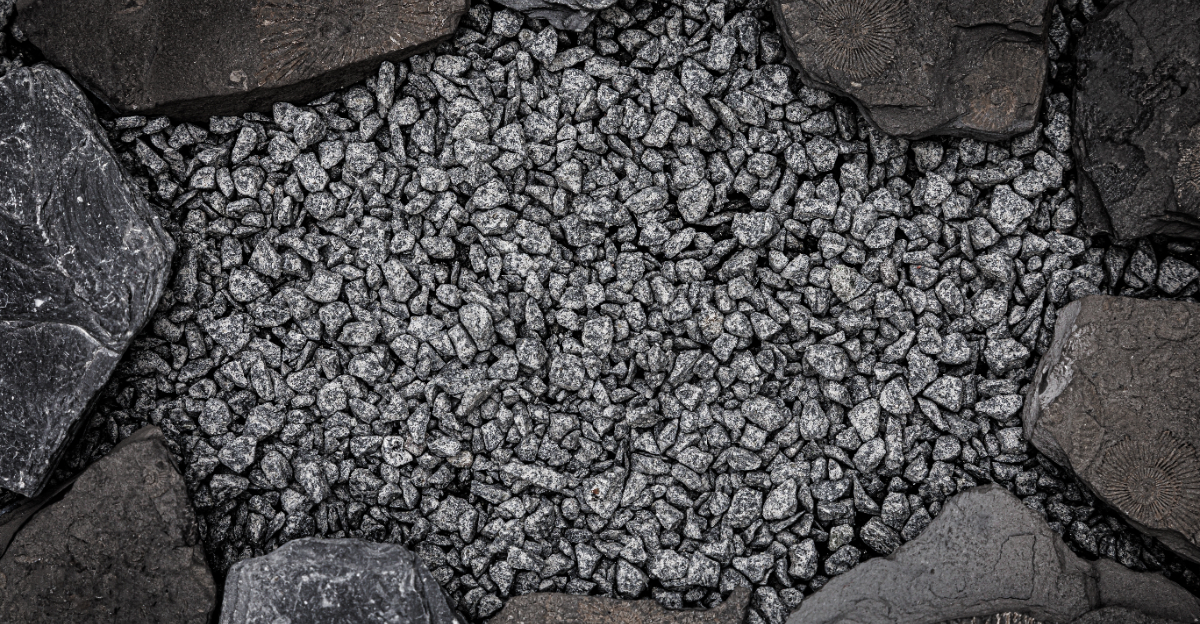
Hot weather is hard enough without your yard making it feel even worse. Yet one overlooked choice can quietly add even more heat every afternoon.
Most homeowners think about trees, shade, and watering first. The ground beneath your feet rarely gets the same attention.
Some gravel holds onto heat much longer than people expect. You can still feel the difference hours after the sun begins to set.
Yards in Arizona rely on gravel for a good reason, but color matters more than many people realize. The wrong choice can make outdoor spaces much less comfortable.
Take a slow look around before changing anything else outside. One simple detail may be affecting your yard every single day.
Getting this decision right can make spending time outdoors feel noticeably more comfortable during extreme summer heat.
1. Choosing Dark Gravel Is The Heat-Trapping Mistake
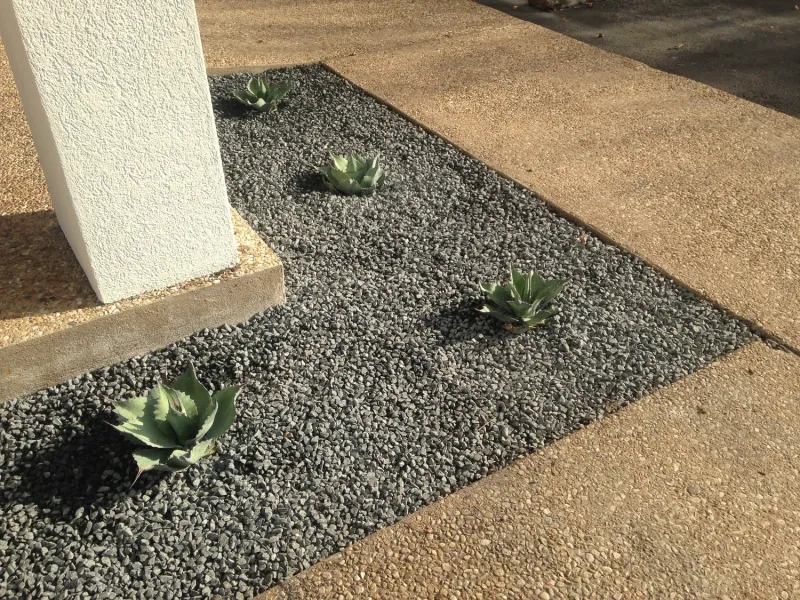
Dark gravel in a hot desert yard is one of the most common landscaping errors people make without realizing it. Black and very dark brown gravel absorbs a significant amount of solar radiation throughout the day.
That absorbed energy does not just disappear when clouds roll in or evening arrives.
Lighter-colored gravel, such as tan, cream, or pale gray, reflects more sunlight instead of pulling it in. Reflected light means less heat stored at ground level.
A yard covered in lighter rock can feel noticeably cooler underfoot compared to one covered in dark material.
Color is not the only factor, but it plays a big role in how hot your yard gets. Surface temperature differences between dark and light gravel can be significant on a sunny afternoon.
That difference matters when you are trying to use your yard comfortably.
Switching to lighter-colored gravel is one of the more practical changes you can make. It does not require major landscaping work.
Just choosing a different material at the stone yard can shift how your outdoor space feels during peak summer hours.
If you already have dark gravel installed, you do not need to remove it all at once.
2. Black Gravel Stays Hot Long After Sunset
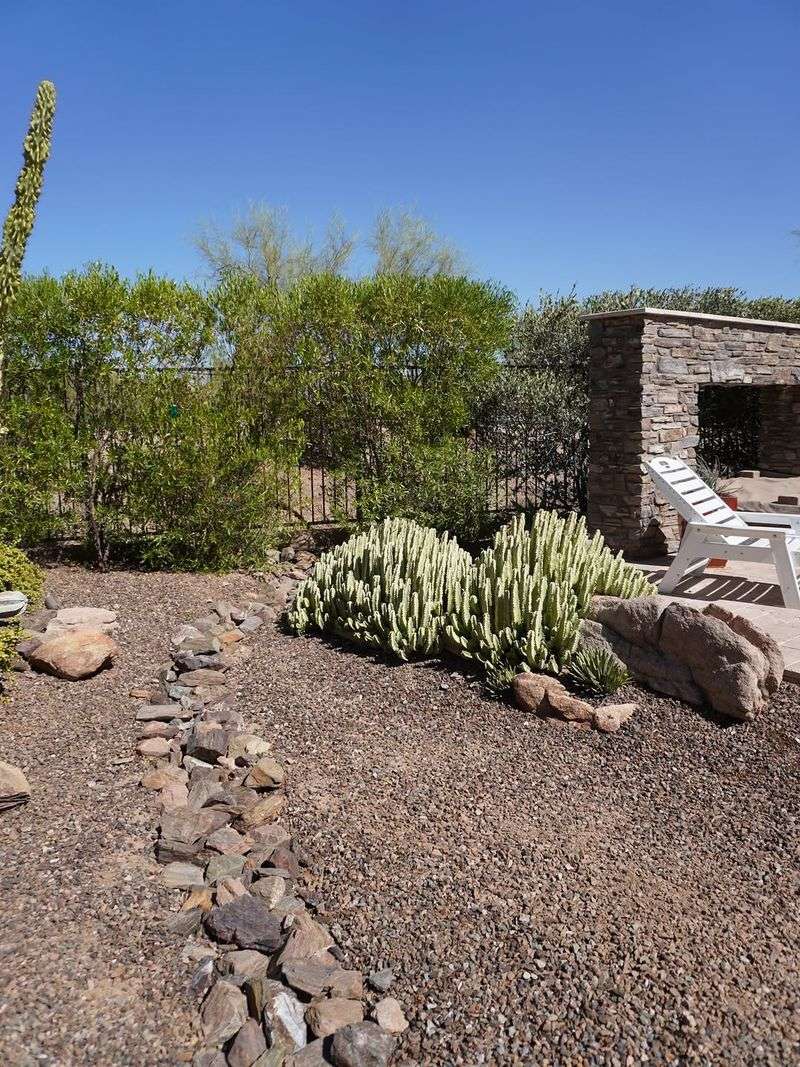
Touching black gravel after sunset on a summer evening can still feel surprisingly warm. Dark-colored rock holds onto heat long after the sun goes down.
That stored warmth keeps getting released into the air around it for hours.
During Arizona summers, nighttime temperatures are already high. Adding a ground surface that keeps radiating stored heat on top of that makes outdoor areas feel even more uncomfortable after dark.
Patios, walkways, and seating areas surrounded by dark gravel can stay warm well into the night.
Lighter-colored gravel cools down faster once sunlight stops hitting it. The release of stored heat happens more quickly with pale stone.
By early evening, a yard with light-colored gravel can feel meaningfully cooler than one covered in dark rock.
Heat retention in gravel is related to how much solar energy the material absorbed during the day. Darker surfaces absorb more.
That stored energy takes longer to release, which extends the period of discomfort after sunset.
Your Arizona Garden Changes Every Week. Your Plan Should Too.
Gardening in Arizona changes quickly throughout the season. Every Friday you’ll receive a simple weekly plan showing exactly what to plant, prune, fertilize, harvest, and protect so you never miss the right timing.
If you enjoy spending time outside in the evenings, gravel color matters more than most people expect. Swapping dark gravel for a lighter option near seating areas or patios can make those spaces more usable after the sun sets.
It is a simple change with a real payoff.
3. Heat Radiating From The Surface Can Stress Nearby Plants
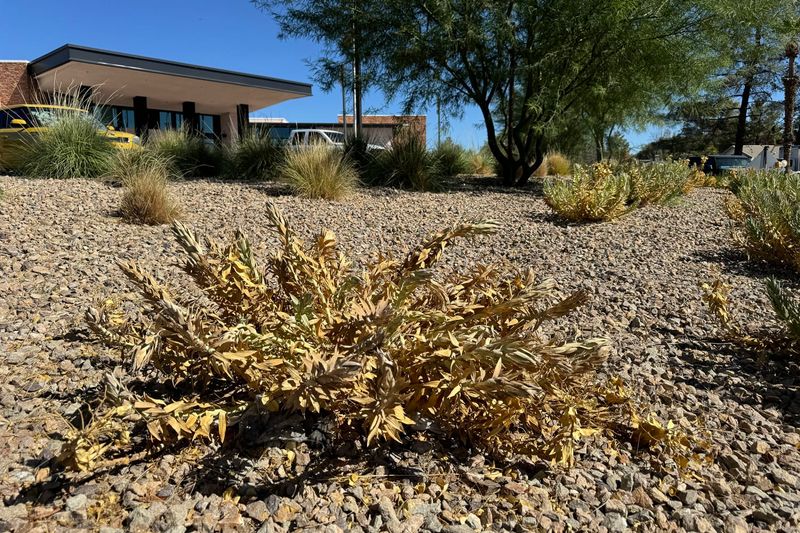
Plants growing near dark gravel have to deal with more than just air temperature. Ground-level heat radiating upward from the surface hits leaves, stems, and root zones in ways that overhead sun alone does not.
That extra heat load can push plants past their comfortable range.
Even heat-tolerant desert plants have limits. Prolonged exposure to intense radiated heat from dark gravel can cause leaf scorch, reduced flowering, and slowed growth.
Younger or recently planted specimens are especially vulnerable during their first summer in the ground.
Lighter-colored gravel around plant bases reduces the amount of heat radiating upward. Pale rock still gets warm, but not to the same extreme levels as black or very dark brown material.
Cooler ground surfaces give roots a slightly better environment during peak afternoon heat.
Spacing plants away from large areas of dark gravel can also help. Even a foot or two of distance from the hottest surfaces gives foliage more breathing room.
Good placement reduces unnecessary heat stress without requiring a full yard renovation.
Mulching around plant bases with organic material is another option for reducing ground heat near roots. Organic mulch insulates the soil and keeps it cooler than bare gravel does.
4. Reflected Sunlight Makes Outdoor Areas Feel Warmer
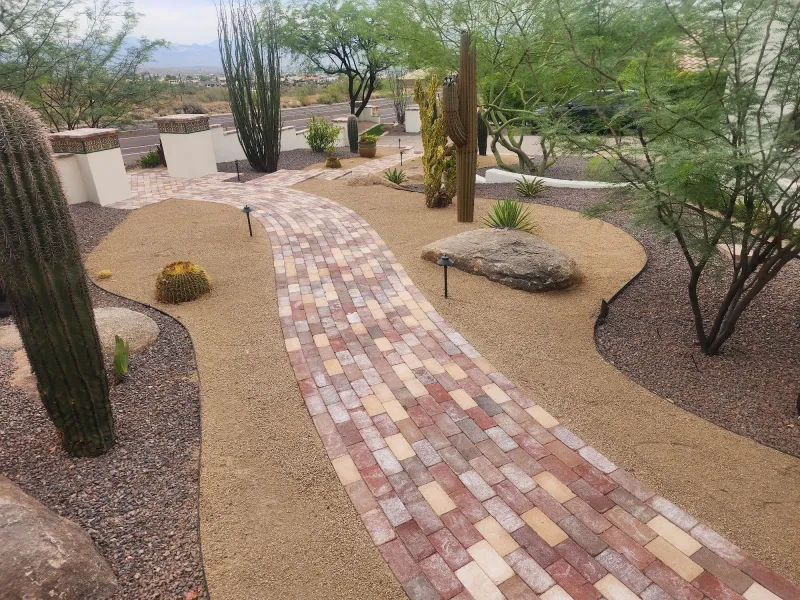
Gravel does not just absorb heat, it also bounces light in different directions. Very light or highly reflective gravel can redirect sunlight upward toward people sitting nearby.
That reflected glare adds to the overall feeling of warmth even when you are standing in shade.
White or very pale gravel reflects more light than medium-toned options. Near seating areas, that reflected brightness can make outdoor spaces feel uncomfortably bright and warm even under a patio cover.
Eyes and skin both feel the added exposure.
Medium-toned gravel in tan, buff, or soft gray tends to strike a better balance. It reflects enough light to avoid extreme heat absorption without bouncing intense glare back at people nearby.
Color choice near seating areas deserves more thought than color choice in remote corners of the yard.
Shade structures above seating areas help reduce direct sun exposure, but they do not stop ground-level reflection. Combining shade with a moderate-toned gravel choice gives you better results than either solution alone.
Placing plants or low shrubs near seating zones also helps break up reflected light from gravel surfaces. Vegetation absorbs light rather than bouncing it.
A few well-placed plants near a patio can noticeably soften the brightness and heat that gravel reflection adds to the space.
5. Shade Trees Lower Ground Temperatures
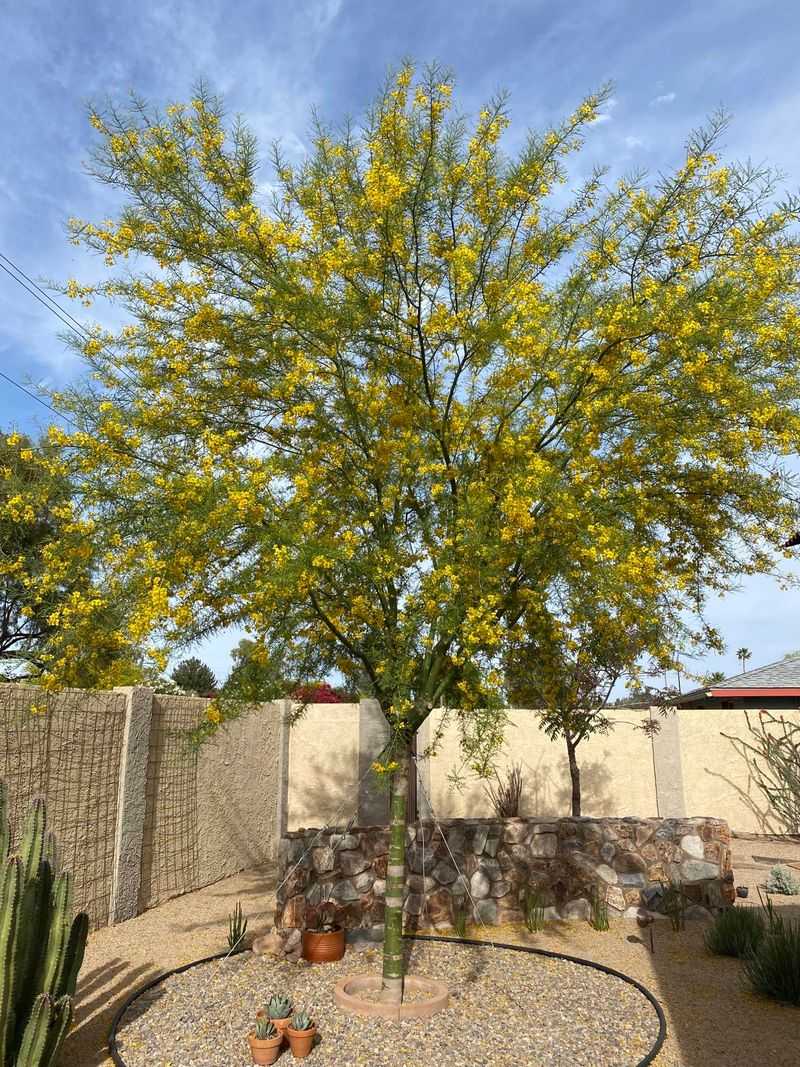
A mature shade tree can change how an entire section of your yard feels on a hot afternoon. Canopy coverage blocks direct sunlight from hitting the ground, which keeps gravel and soil beneath it significantly cooler.
That shaded zone becomes a noticeably more comfortable place to spend time.
Ground temperature under a tree canopy can be much lower than in fully exposed areas on the same property. Gravel sitting in full sun all day absorbs far more heat than gravel shaded for most of the afternoon.
Tree placement matters as much as gravel color in managing yard heat.
Planting a shade tree on the west or southwest side of a yard provides the most useful afternoon shade. Sun angles in the Southwest mean that late afternoon sun comes from a low western position, driving some of the hottest conditions of the day.
Blocking that angle with a canopy makes a real difference.
Desert-adapted trees like palo verde, mesquite, or desert willow provide shade without requiring excessive water once established. They fit the local environment and support native wildlife.
Choosing a tree suited to arid conditions means less maintenance and more reliable performance over time.
Combining tree shade with lighter-colored gravel underneath is more effective than either strategy alone.
6. Native Ground Covers Naturally Cool The Soil
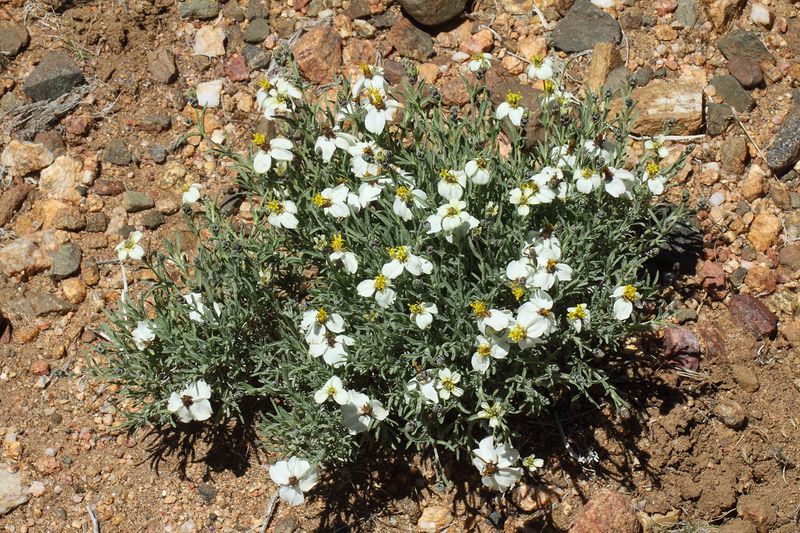
Ground covers do something gravel cannot. Living plants release moisture through their leaves in a process called transpiration, which cools the air immediately around them.
Even drought-tolerant ground covers contribute some cooling effect on hot days.
Native ground covers adapted to desert conditions can spread across open areas and reduce the amount of bare gravel or exposed soil in your yard. Less exposed surface means less heat absorption overall.
Covering ground with low plants instead of rock shifts the energy balance in a helpful direction.
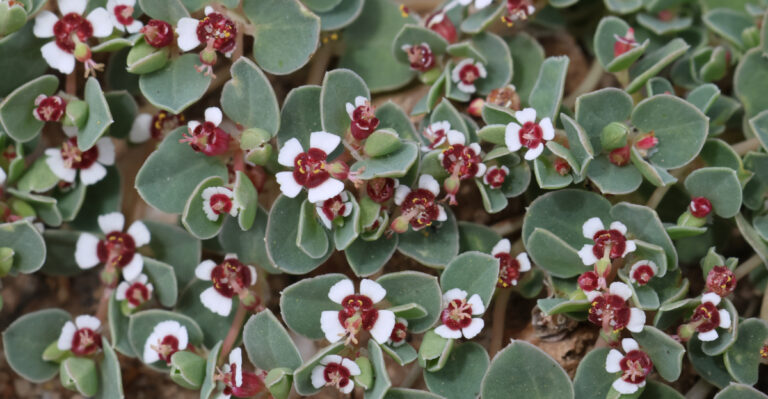
Plants like desert marigold, trailing lantana, or low-growing verbena work well in sunny desert yards. Each has its own water needs and spreading habits, so matching the right plant to each location matters.
A plant that works well in a shaded corner may struggle in full western sun exposure.
Ground covers also reduce soil erosion during monsoon rains, which is a practical bonus beyond heat management. Roots hold soil in place while foliage slows water runoff.
That dual function makes native ground covers a smart addition to desert landscaping plans.
Mixing ground covers with lighter gravel in the same area creates a varied surface that handles heat better than gravel alone. Plants cool the air nearby while lighter rock reduces heat storage between plant clusters.
7. Wood Chip Mulch Works Best In Planted Beds
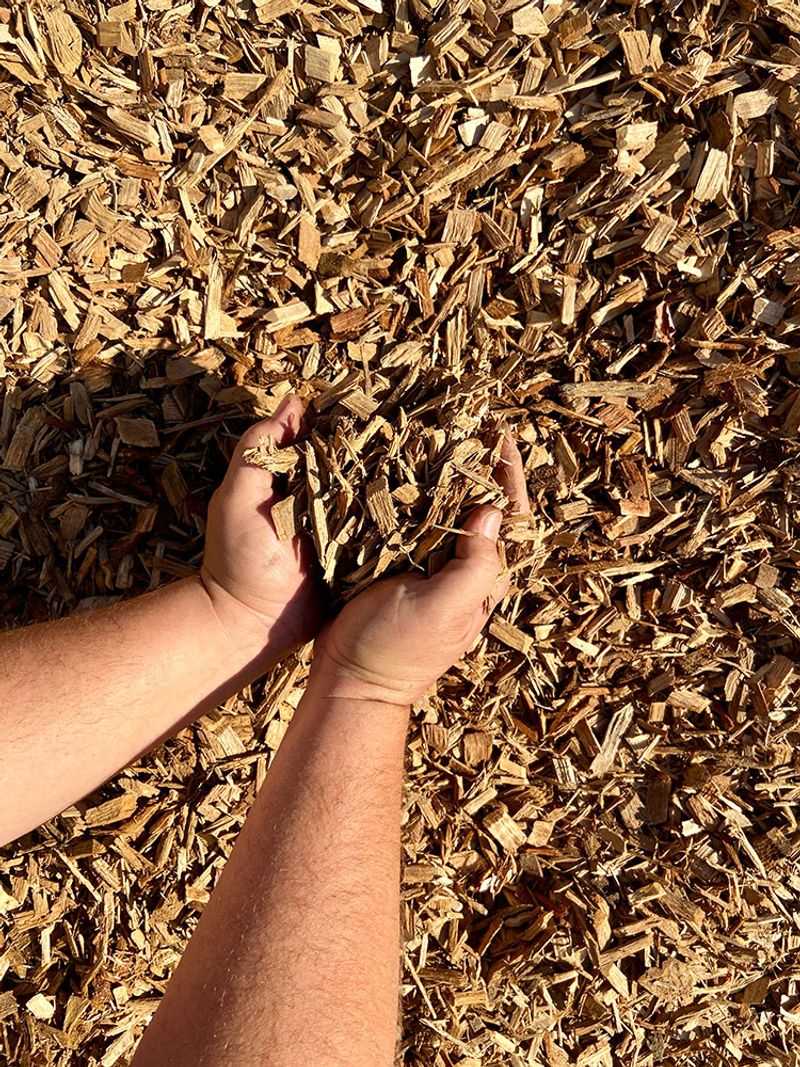
Wood chip mulch does something most gravel cannot match in planted beds. It insulates the soil beneath it, keeping root zones cooler during the hottest parts of the day.
That temperature buffer helps plants stay healthier through intense summer heat.
Gravel in planted beds conducts and stores heat, which can warm the soil below it. Wood chips, on the other hand, act more like insulation.
They slow heat transfer in both directions, keeping things cooler during the day and slightly warmer on cold nights.
Moisture retention is another advantage of wood chip mulch. It slows evaporation from the soil surface, meaning you may water less frequently while still keeping roots adequately moist.
In a dry desert climate, that efficiency has real value during expensive summer watering months.
Wood chips do break down over time and need occasional replenishment. That decomposition also adds organic matter to the soil, which improves its structure and water-holding capacity gradually.
Gravel does not offer that benefit.
Using wood chip mulch in planted beds while reserving gravel for open pathways or non-planted areas is a practical approach many desert gardeners find effective. Each material works better in its right context.
Gravel handles foot traffic and drainage zones well, while wood chips support plant health in garden beds.