Is 15 Minutes of Sprinkler Time Too Long? What Irrigation Pros Say About Watering Rules In New Mexico
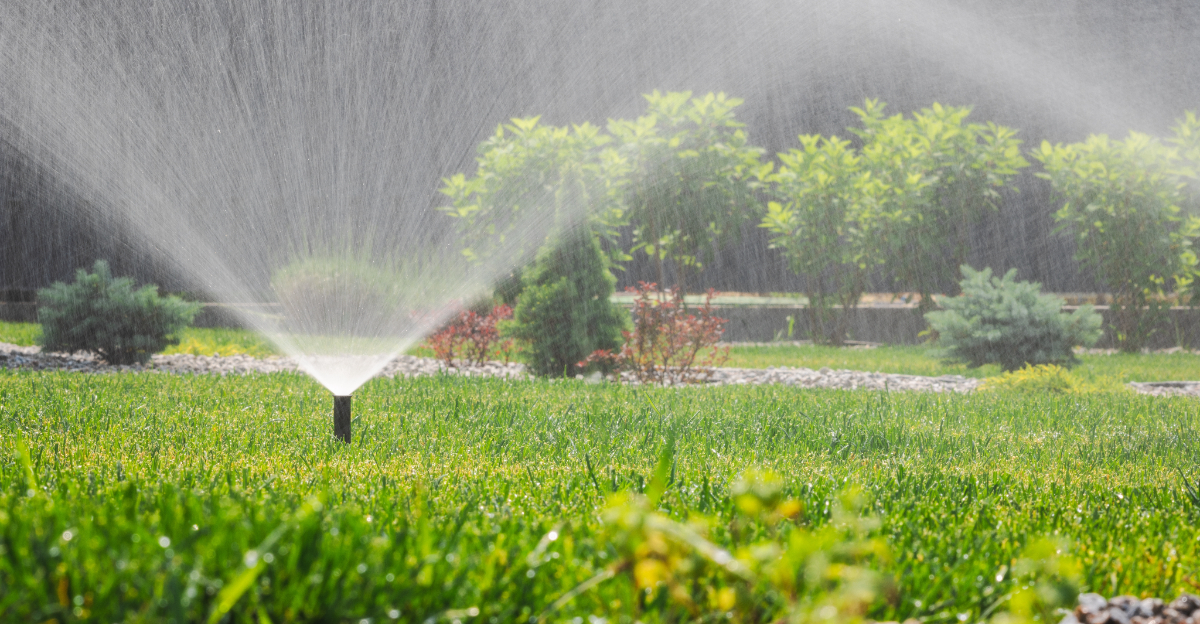
Your sprinkler doesn’t know it’s the desert. It just runs the same 15 minutes it would in Ohio, and your New Mexico lawn pays for that mistake all summer.
New Mexico soil drains like a colander, so water disappears before roots can use it. Meanwhile the afternoon wind pulls moisture straight out of the air, turning your “watering schedule” into a guessing game.
Local pros aren’t fighting this with bigger sprinklers or longer run times. They’re fighting it with timing, the one variable most homeowners rarely touch.
Nail the schedule and your lawn shrugs off 100-degree afternoons. Miss it, and you’re stuck refilling a bucket with a hole in it.
Sprinkler Type And Soil Determine The Right Watering Time
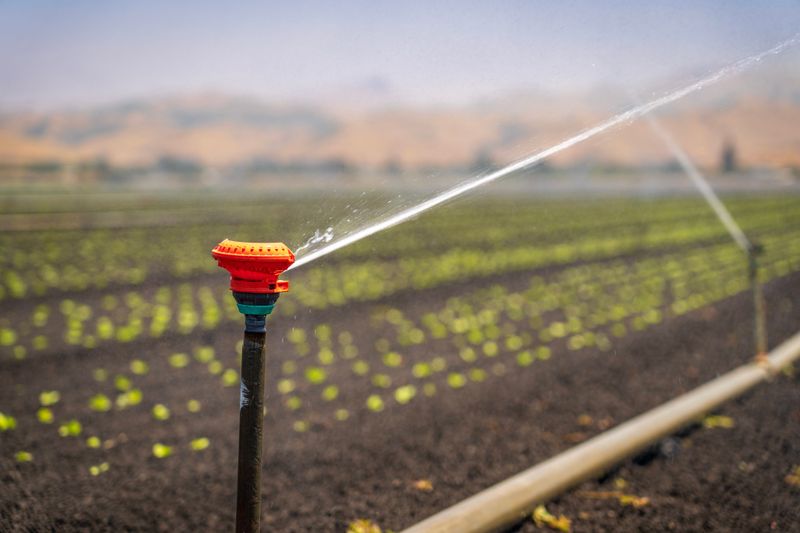
Not all sprinklers are created equal, and your soil type makes an enormous difference. A rotor head covering a large area applies water much slower than a fixed spray head.
Fifteen minutes with one type could equal 30 minutes with another. Sandy soil in many parts of the state drains fast.
Water moves through it quickly, so longer run times can actually waste moisture before roots absorb it. Clay-heavy soil holds water longer but absorbs it slowly, risking runoff after just a few minutes.
Irrigation pros recommend matching your run time to your sprinkler’s precipitation rate. Most fixed spray heads apply about 1.5 inches per hour.
Rotors typically apply closer to 0.5 inches per hour, meaning they need more time to reach the same depth. For sandy desert soils, shorter and more frequent cycles often work better than one long session.
This technique, called cycle and soak, lets water sink in before you add more. It prevents runoff and keeps roots hydrated without waste.
Before adjusting your timer, identify your sprinkler model and look up its precipitation rate online. Most manufacturers list this in the product specs.
Then do a quick soil test by digging two inches down after watering to check moisture depth. Your soil and sprinkler type together answer the real question about run time.
Fifteen minutes might be perfect, too long, or not enough, depending on what you have. Start with the basics before blaming the clock.
New Mexico Sun And Wind Speed Up Evaporation Rates
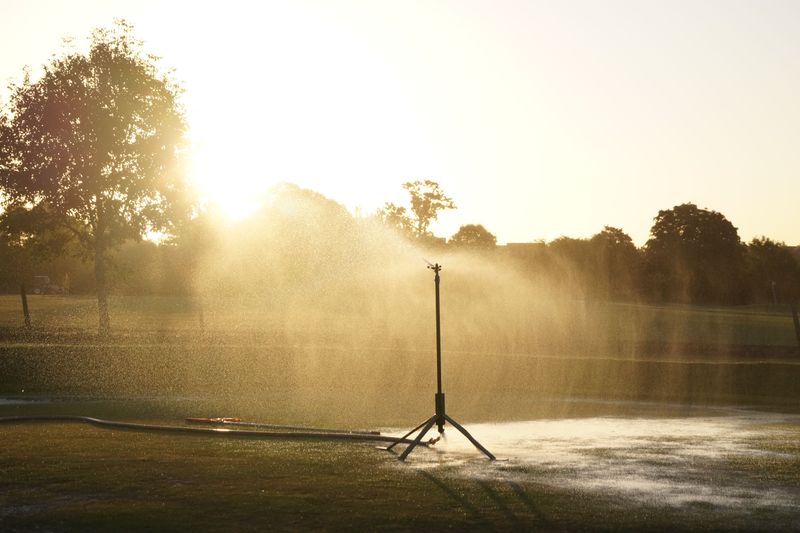
Step outside at noon in July and you will feel it instantly. The heat hits hard, the wind picks up, and any moisture on the ground disappears fast.
That is exactly what happens to your sprinkler water when conditions are extreme. Evaporation rates in the desert Southwest are dramatically higher than in humid states.
Agricultural research on the region shows that evapotranspiration, the combined loss of moisture from soil and plants, can climb significantly during peak summer.
Wind makes the problem worse. When gusts blow during a sprinkler cycle, water drifts away from target areas and evaporates before hitting the ground.
Pros say watering on windy days can waste a large share of your output. High temperatures also heat up the sprinkler heads and pipes, reducing pressure and affecting spray patterns.
Your New Mexico Garden Changes Every Week. Your Plan Should Too.
Gardening in New Mexico changes quickly throughout the season. Every Friday you’ll receive a simple weekly plan showing exactly what to plant, prune, fertilize, harvest, and protect so you never miss the right timing.
Inconsistent coverage means some patches get too much water while others stay dry. Your New Mexico lawn ends up uneven no matter how long the timer runs.
The fix is timing your sprinkler cycles around the weather, not just the calendar. Check the daily forecast and skip cycles when winds exceed 10 miles per hour.
Most smart irrigation controllers now include wind sensors that do this automatically. Understanding evaporation is key to watering smarter in this climate.
A 15-minute cycle on a calm morning delivers far more usable moisture than the same cycle at noon. The sun and wind are constantly working against you.
Signs Your Lawn Needs More Or Less Water Time
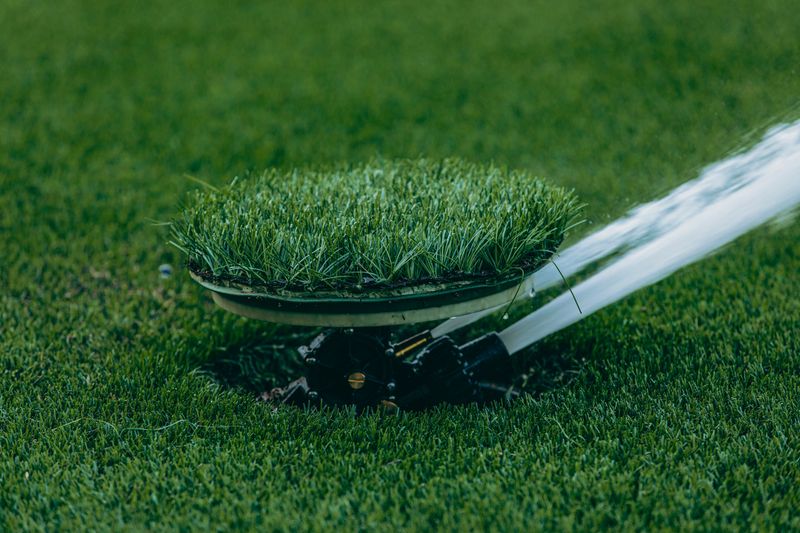
Your New Mexico lawn talks to you every single day. The trick is learning what it is saying before the damage gets serious. Both overwatering and underwatering show up in visible, easy-to-spot ways.
A lawn that needs more water will look dull or grayish-green instead of bright. When you walk across it, the grass blades stay bent instead of springing back up. That bounce-back test is one of the simplest tools irrigation pros use in the field.
Dry soil that cracks along the surface is another clear signal. If you push a screwdriver into the ground and it stops at two inches, the lawn is thirsty.
Roots cannot grow deep in dry, compacted ground, which weakens the whole yard over time. On the flip side, overwatered grass often looks lush at first but turns spongy and soft underfoot.
Fungus, moss, and mushrooms tend to appear when moisture sits too long near the surface. These are signs that your sprinkler time needs cutting back.
Yellowing grass with wet soil is a classic overwatering symptom. Roots suffocate when they sit in waterlogged ground and cannot pull in oxygen.
The grass looks thirsty even though the soil is soaked. Walk your yard once a week and look for these clues.
Adjust your sprinkler schedule based on what the grass is telling you, not just what the timer says. A healthy lawn will show you exactly what it needs.
Catch Can Test For Measuring Actual Sprinkler Output
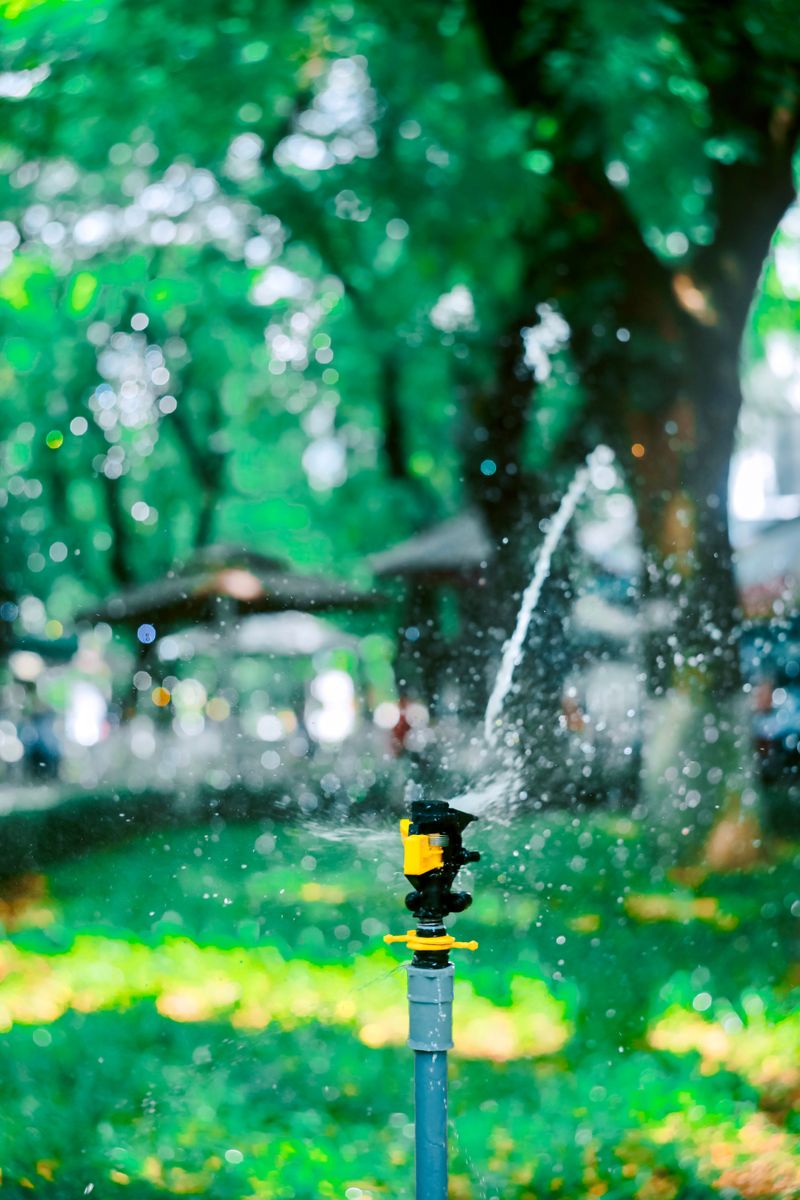
Here is a pro trick that costs almost nothing and changes everything. Place six to eight empty tuna cans around your lawn before running your sprinkler cycle.
This simple test reveals exactly how much water your system actually delivers. Run the sprinkler for 15 minutes and then measure the water depth in each can.
Pros call this the catch can test, and it is one of the most reliable ways to check sprinkler output. The results often surprise homeowners who assume their system is balanced.
If the cans collect wildly different amounts, your system has coverage gaps. Some zones may be getting double the water while others barely get a sip.
Uneven output explains why parts of your New Mexico lawn look great while others stay brown. The ideal depth after 15 minutes depends on your sprinkler type.
Fixed spray heads should deposit around 0.35 to 0.5 inches. Rotors will show less, usually around 0.1 to 0.15 inches per 15-minute run.
Use the test results to calculate how long your system needs to run for proper soil penetration. Most turf grasses need about one inch of water per week total.
Dividing that by your catch can measurement tells you exactly how many minutes to set. Irrigation pros across the state recommend this test at least twice a year.
Sprinkler heads wear out, shift, or get blocked by grass growth. Regular testing keeps your schedule accurate and your water bill honest.
Best Time Of Day For Watering New Mexico Lawns

Timing your watering cycle is just as important as the length of it. Irrigation pros are nearly unanimous on this point: water early in the morning and you win. Water in the afternoon and you lose most of it to evaporation.
The sweet spot is between 4 a.m. and 8 a.m. Temperatures are at their lowest, wind speeds are typically calm, and the sun has not yet started pulling moisture from the ground.
Your sprinkler output goes further during these hours than at any other time. Morning watering also gives grass blades time to dry before nightfall.
Wet grass sitting through a cool desert night creates the perfect environment for fungal growth. Keeping leaves dry by evening reduces disease risk significantly.
Midday watering is a common mistake that wastes serious water. Temperatures between 10 a.m. and 4 p.m. can cause up to 30 percent of sprinkler output to evaporate before reaching roots.
That wasted water adds up fast on a monthly bill. Evening watering falls into a gray zone. It avoids the worst heat, but leaves stay wet overnight.
Pros generally advise against it unless no other schedule is possible. If evening is your only option, aim for no later than 6 p.m. Most programmable timers and smart controllers make early morning scheduling effortless.
Set it once and let the system handle the rest. The right timing makes every minute of sprinkler time work harder for your lawn.
Adjusting Sprinkler Schedules Across The Seasons
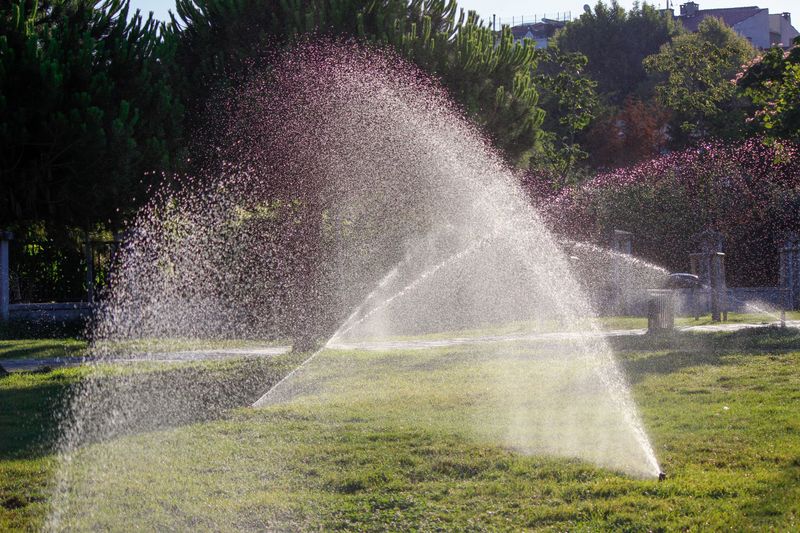
A 15-minute sprinkler schedule that works in April often fails by July. Seasons shift fast in the high desert, and your irrigation timer needs to keep up.
Pros say most homeowners set their schedule once and forget it, which is one of the biggest watering mistakes around. Spring is a transition period when temperatures rise but soil stays cooler from winter.
Lawns wake up slowly and need moderate moisture to encourage root growth. Running cycles two to three times per week is usually enough during March and April.
Summer demands the most aggressive schedule. Peak heat and evaporation mean your New Mexico lawn may need watering four to five days per week.
Cycle and soak methods become especially important when temperatures climb above 90 degrees. Fall is when many homeowners over-water without realizing it.
Cooler air reduces evaporation, so the same run time delivers more moisture than it did in summer. Cutting back frequency in September and October prevents soggy soil and root rot before winter.
Winter dormancy changes the game. Most cool-season grasses in the region slow down dramatically and need very little supplemental irrigation.
Watering once every two to three weeks during winter is often sufficient, depending on rainfall. Smart irrigation controllers with weather-based sensors adjust automatically for seasonal changes.
They monitor temperature, humidity, and forecast data to dial in the right schedule. Investing in one can meaningfully reduce annual water use over time.