This Familiar Farm Bird Doubles As A Natural Tick Deterrent in Massachusetts
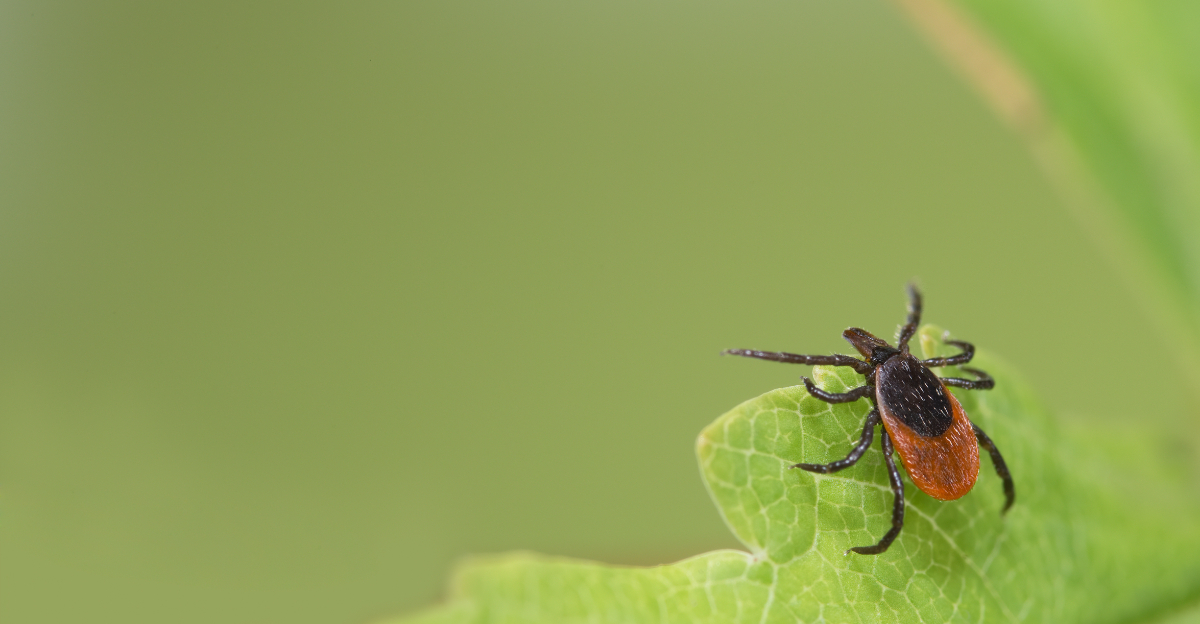
Anyone who has combed through their dog’s fur after a hike through overgrown fields knows the dread that follows. Massachusetts trails and backyards have become breeding grounds for a problem spreading faster than most homeowners realize.
Sprays and treatments keep selling, yet the bites keep coming. A small group of property owners across the state stumbled onto something the chemical industry would rather you not notice.
It has feathers, a loud voice, and an appetite that borders on obsessive. This overlooked farm animal has been quietly patrolling yards from the Berkshires to Cape Cod.
Word is spreading fast among New England homeowners. Once you see what this bird does in a single afternoon outdoors, you will understand why.
Noisy Farm Bird Massachusetts Farmers Trust For Tick Control
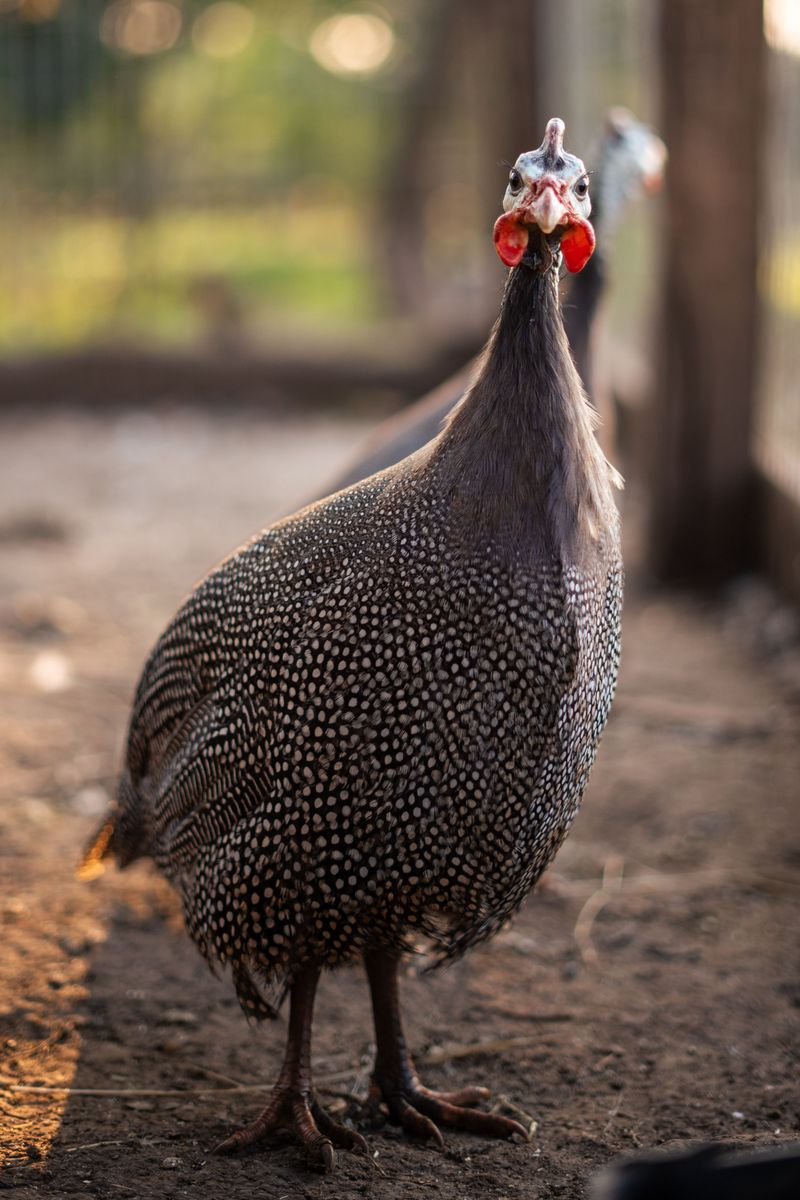
Loud, odd-looking, and surprisingly useful. Guinea fowl have been strutting around New England farms for decades, and Massachusetts farmers are now singing their praises for a very specific reason.
These spotted birds are relentless foragers. They patrol pastures, lawns, and field edges from sunup to sundown, pecking at anything that moves on the ground.
Ticks are small, slow-moving, and easy targets. Guinea fowl snap them up without hesitation, treating every blade of grass like a buffet.
Farmers across the state have noticed real changes after adding guinea fowl to their properties. Some report noticeable drops in the number of ticks found on livestock and family pets.
The birds work quietly in the background, covering ground that would take a human hours to inspect. They ask for very little in return, just basic shelter and some grain.
What makes them stand out from other pest control methods is their consistency. They show up every single day, rain or shine, ready to work.
Unlike chemical sprays, guinea fowl leave no residue. They are a living, breathing pest management system that fits naturally into a farm environment.
This familiar farm bird has become a trusted ally for Massachusetts homesteaders tired of expensive tick treatments. Word is spreading fast among rural communities, and for good reason.
Guinea Fowl Origins And Their African Bug Hunting Instincts
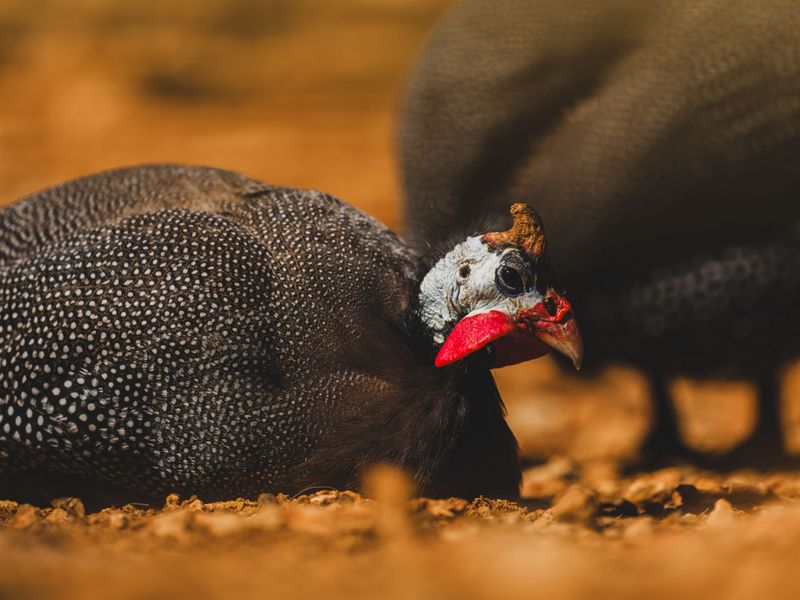
Picture a bird born to hunt bugs on the scorching African savanna. That is exactly where the guinea fowl comes from, and that background explains everything about how it behaves today.
Native to sub-Saharan Africa, guinea fowl evolved alongside dense insect populations. Their survival depended on finding and eating bugs quickly and efficiently.
That instinct did not disappear when humans brought them to other continents. The drive to forage is baked deep into their biology, as natural as breathing.
In Africa, they travel in large flocks, covering miles of open ground each day. That same roaming behavior transfers perfectly to farm life in Massachusetts.
Their eyes are sharp and positioned to scan wide areas at once. A tick crawling along a stem does not stand much of a chance against that kind of vision.
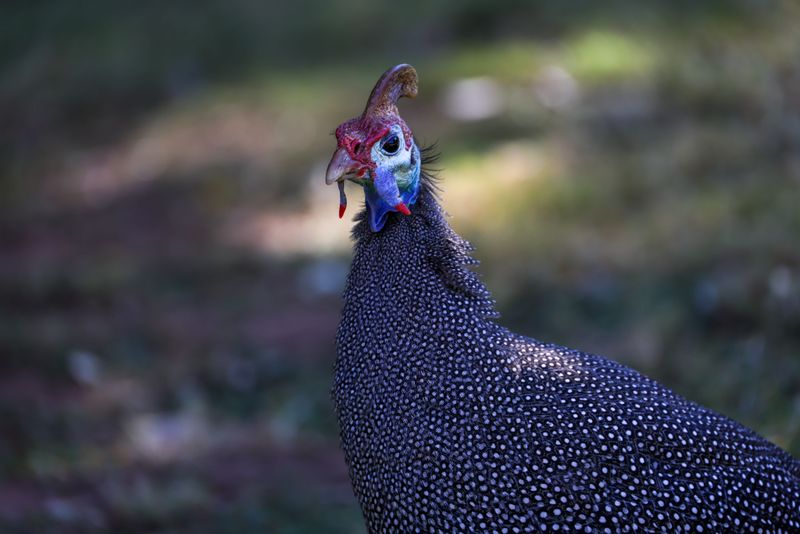
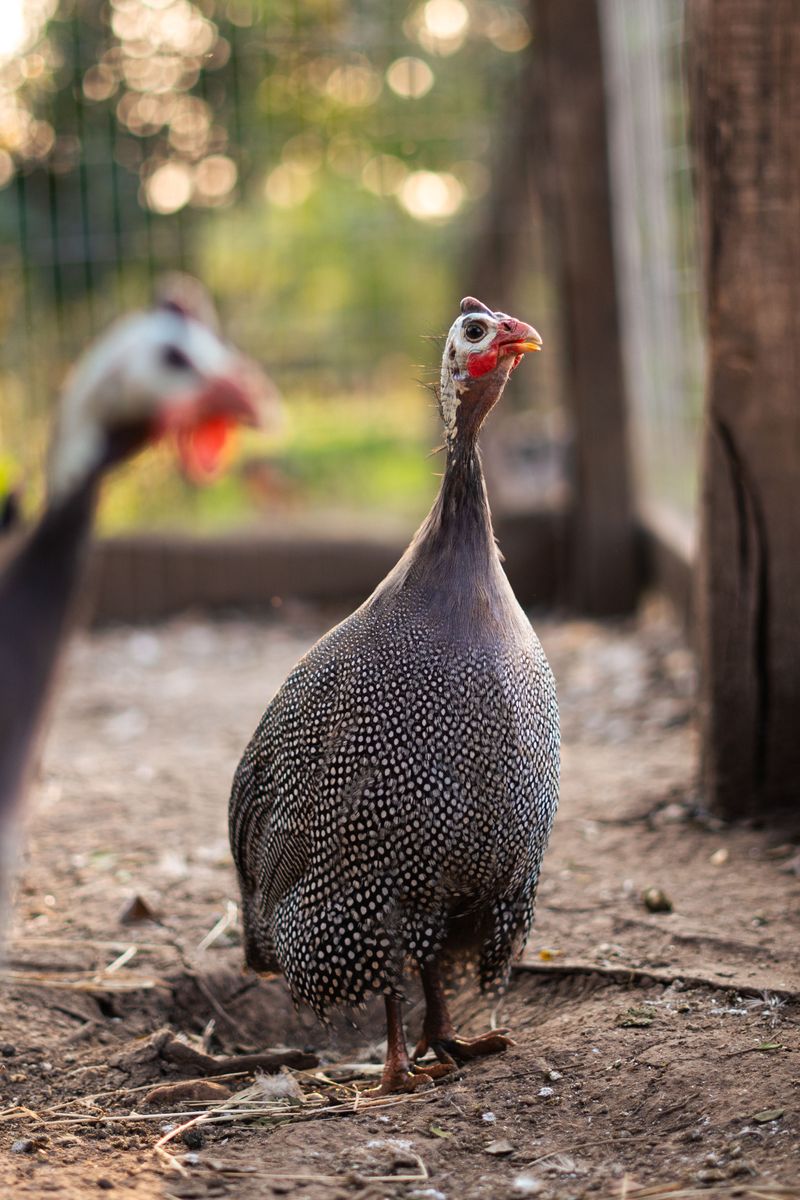
Helmeted guinea fowl are the most common variety kept on farms. Their distinctive polka-dot feathers and helmet-shaped casque make them easy to recognize and oddly charming to watch.
Your Massachusetts Garden Changes Every Week. Your Plan Should Too.
Gardening in Massachusetts changes quickly throughout the season. Every Friday you’ll receive a simple weekly plan showing exactly what to plant, prune, fertilize, harvest, and protect so you never miss the right timing.
Domesticated guinea fowl retain almost all of their wild foraging traits. Farmers do not need to train them because the instinct to hunt insects is already there.
Centuries of evolution in bug-rich environments shaped these birds into efficient pest hunters. Bringing that instinct to a New England farm is one of the smartest moves a property owner can make.
Foraging Habits That Target Ticks Across Massachusetts Farms
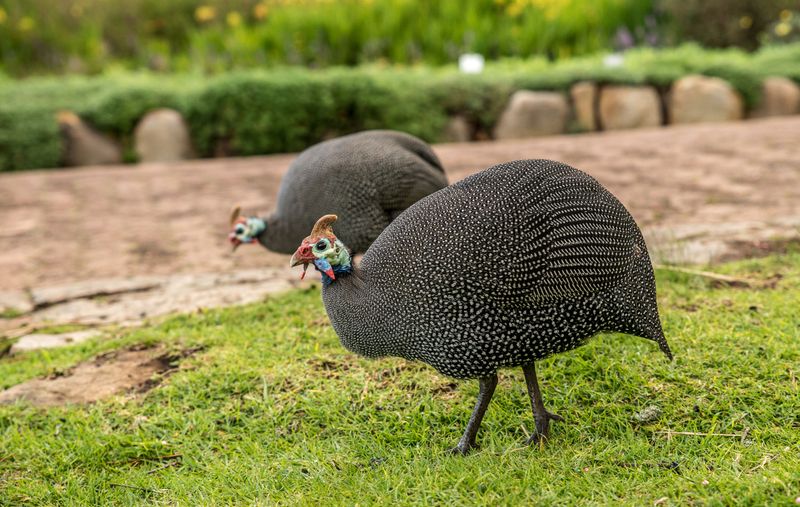
Watch a guinea fowl for ten minutes and you will understand why farmers love them. These birds do not wander aimlessly; they work the ground in a focused, methodical way.
They move low and slow through vegetation, probing each section before advancing. That careful pace means almost nothing gets missed along their path.
Ticks tend to wait on grass tips and low brush, hoping to attach to a passing host. Guinea fowl walk right through those zones, eating ticks before they ever get the chance.
Guinea fowl are known to eat large numbers of ticks in a single day, though exact figures vary widely across sources. A small flock working the same ground adds up to a meaningful daily dent in the local population.
They are especially effective along woodland edges, fence lines, and overgrown pasture borders. Those are exactly the spots where tick populations tend to be the heaviest.
Massachusetts has no shortage of wooded terrain and brushy margins near farms. Guinea fowl are well-suited to patrol those transitional zones where deer ticks thrive.
Their foraging range covers a surprisingly large area each day. A small flock can cover several acres with very little day-to-day input from the property owner.
The beauty of this approach is that it targets ticks at ground level, where they live. No spray can reach every blade of grass, but a motivated guinea fowl comes remarkably close.
Research Findings On Tick Population Control Effectiveness
Skeptics tend to ask for proof, and the science here delivers something to work with. Researchers have studied guinea fowl as a biological pest control method, and the findings are hard to ignore.
Early research on Long Island set out to measure how much guinea fowl could meaningfully reduce tick numbers. The birds were shown to reduce adult tick populations in controlled areas, outperforming several passive control methods.
Researchers used tick drag sampling before and after introducing guinea fowl to specific plots. The difference in tick counts was measurable and statistically meaningful.
One important caveat is that the birds’ impact on the nymphal stage of deer ticks was far less conclusive. That stage is actually the most dangerous because nymphs are tiny and easy to miss on skin.
The deer tick, known scientifically as Ixodes scapularis, is the primary carrier of Lyme disease in Massachusetts. Reducing nymphal populations directly lowers the risk of human infection in surrounding areas.
Guinea fowl do not eliminate ticks entirely, and researchers are clear about that. However, they provide meaningful population reduction when managed properly on rural properties.
Their effectiveness increases when combined with habitat management like mowing and brush clearing. Think of the birds as one powerful layer in a broader pest reduction strategy.
The research community continues to explore guinea fowl as a sustainable alternative to chemical acaricides. For Massachusetts landowners, this familiar farm bird represents a practical and evidence-backed option.
Raising These Birds Alongside Chickens And Other Livestock
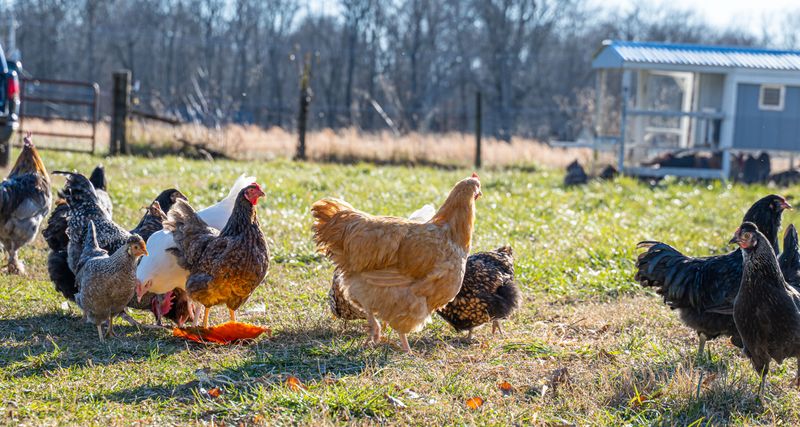
Adding guinea fowl to an existing flock is not complicated, but it does require a little patience. They have big personalities and take time to settle into a new environment.
Guinea fowl can coexist peacefully with chickens, ducks, and most common livestock. The adjustment period usually lasts a few weeks before everyone finds their rhythm.
One thing to know upfront is that guinea fowl are loud. Their sharp, repetitive calls are a natural alarm system, warning other animals of predators or unusual activity.
Some farmers actually appreciate the noise because it alerts them when something is wrong. That built-in watchdog behavior adds an unexpected layer of value to the flock.
Housing guinea fowl is straightforward if you already have a coop. They prefer to roost up high, so adding elevated perches inside the structure keeps them comfortable and secure.
Free-ranging is where they truly shine, but that does come with some risk. Predators like foxes and hawks are real threats, especially during the first few months.
Introducing guinea keets, which are baby guinea fowl, alongside chicks helps them bond early. Birds raised together from a young age tend to integrate far more smoothly into a shared flock.
With proper shelter, basic feeding, and a little early supervision, these birds become low-maintenance members of your farm. Their tick-hunting value alone makes the learning curve well worth it.
Considerations Before Adding This Bird To Your Property
Guinea fowl are not for everyone, and knowing that ahead of time saves a lot of frustration. Before you bring any home, take stock of your property and your neighbors.
Their calls carry far. If you live close to other homes, the noise can become a genuine point of conflict with people nearby.
Local zoning laws in Massachusetts vary widely between towns and counties. heck your municipality’s rules on keeping poultry before purchasing any birds.
Guinea fowl are also strong fliers compared to chickens. Without proper early training to return to a coop at night, they may roost in trees or wander off your land.
Starting with keets and confining them to a coop for the first six to eight weeks helps establish home base. Once they learn where home is, they return reliably each evening.
Predator pressure is real in rural Massachusetts, where coyotes, fisher cats, and hawks are common. A secure coop with hardware cloth and a solid roof is non-negotiable for keeping them safe.
Feed costs are minimal since free-ranging birds supplement heavily with insects. A basic poultry feed in the morning and evening is usually enough to keep them healthy.
This familiar farm bird brings real tick-control benefits, but success depends on thoughtful preparation. Do your homework first, and you will be rewarded with one of the most hardworking birds in the yard.