Massachusetts Tomato Plants Can Still Recover From Summer Heat Stress
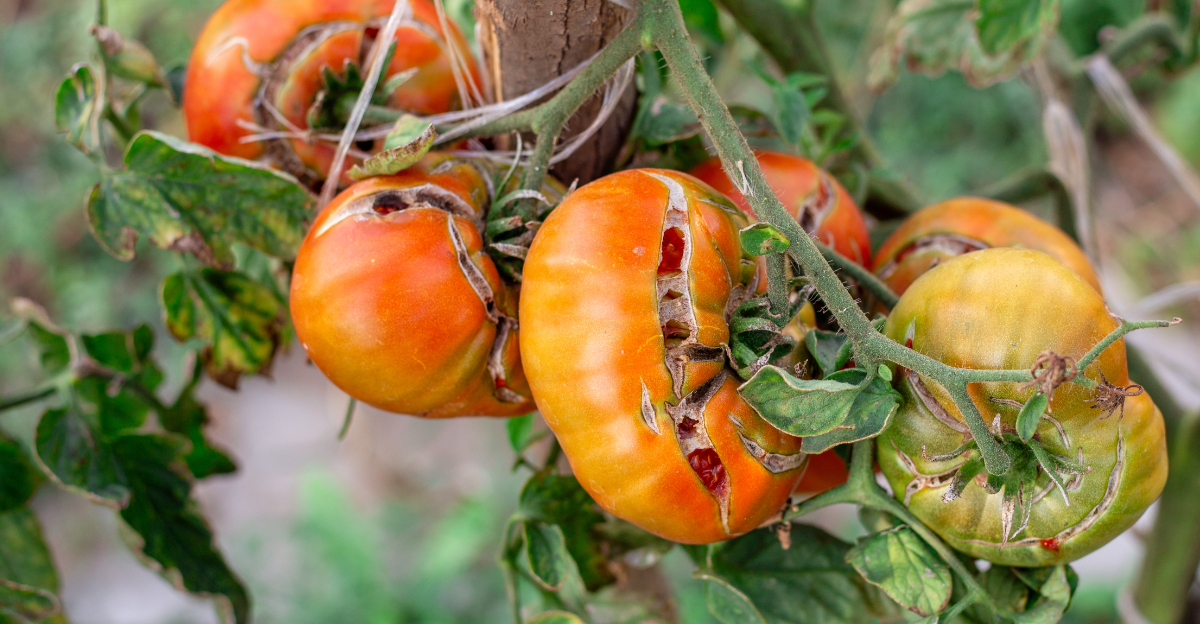
Massachusetts summers don’t ask tomato plants for permission before cranking past 90°F, and the results show up fast: curled leaves, dropped blossoms, fruit that simply refuses to form.
A plant under that kind of stress isn’t finished, it’s just pausing, redirecting energy toward survival over production. That’s fixable, often within a couple of weeks, if gardeners respond with the right adjustments.
The right adjustments can pull a stalled plant back into active fruiting mode before the season closes out, and growers who catch the warning signs early often see a second wave of tomatoes ripen right up until the first frost threatens.
Waiting too long, though, shrinks that window fast. The plants that recover best are the ones treated within days of the first signs, not weeks later once blossom drop has already taken its toll on the whole vine.
Deep Watering Rebuilds Roots Damaged By Heat
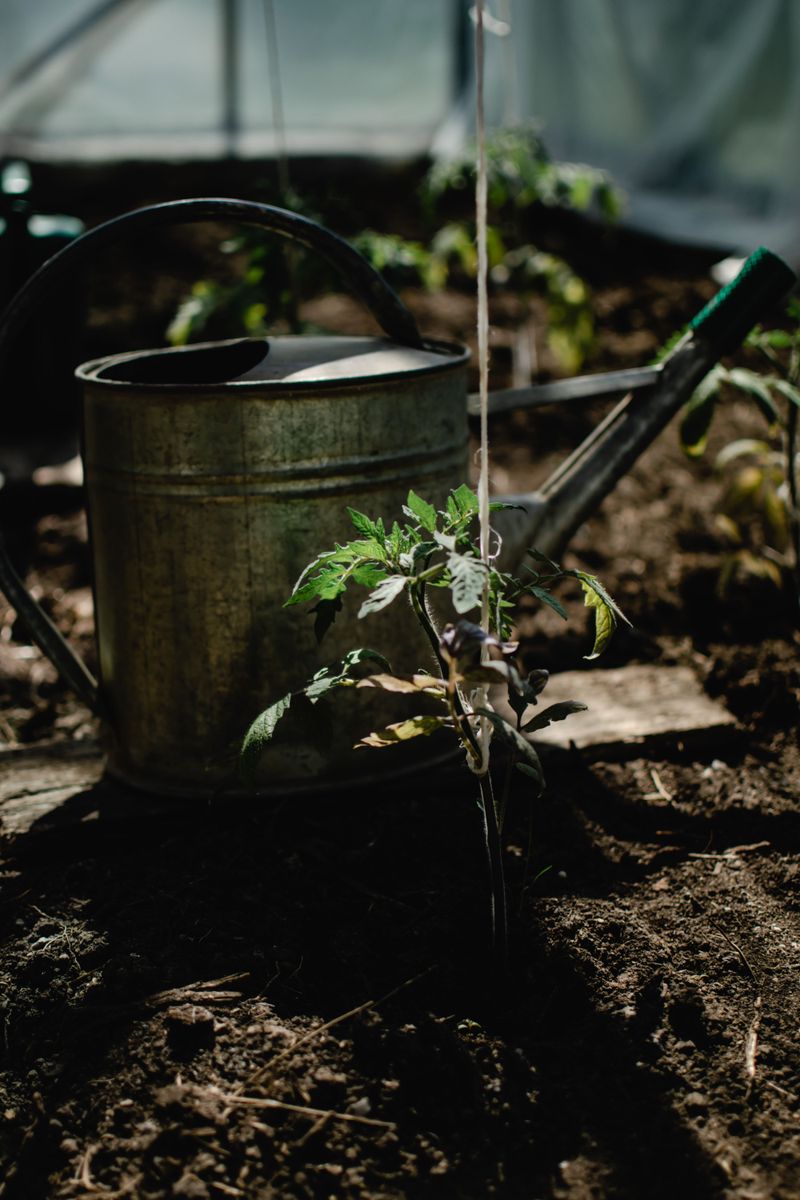
Shallow watering is one of the sneakiest ways to make heat stress worse. When you sprinkle the surface, roots stay close to the top where soil temperatures are punishing.
Deep watering forces roots to chase moisture downward into cooler ground. That downward growth is exactly what heat-stressed tomatoes need to stabilize.
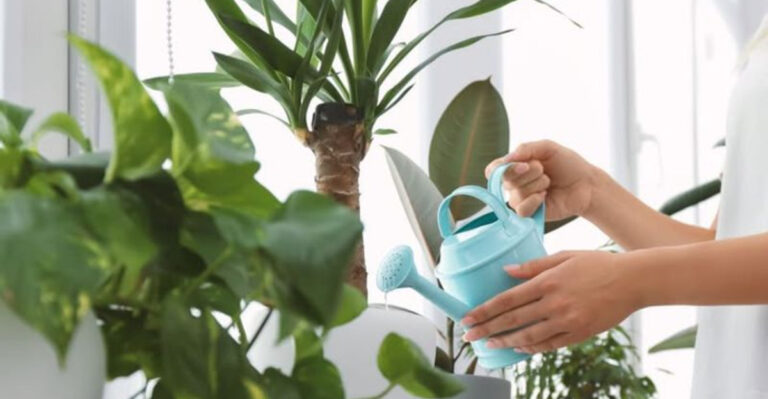
Aim for at least one inch of water per week, delivered slowly and directly at the base. A soaker hose or drip line works far better than overhead sprinklers.
Overhead watering wets the foliage and can invite fungal problems during humid Massachusetts summers. Keeping leaves dry while soaking the root zone is a smart double win.
Water in the early morning so moisture reaches roots before midday heat starts evaporating it fast. Evening watering leaves foliage damp overnight, which encourages disease.
For truly stressed plants, consider a slow, deep soak every other day during a heat wave. Give the soil time to absorb fully before adding more.
You can test soil moisture by pushing your finger two inches into the ground near the stem. If it feels dry at that depth, your plant is already thirsty.
Consistent deep moisture rebuilds the root system steadily and helps the plant push through recovery. Strong roots are the foundation for everything else you will do this month.
Mulch Cools The Soil And Locks In Moisture
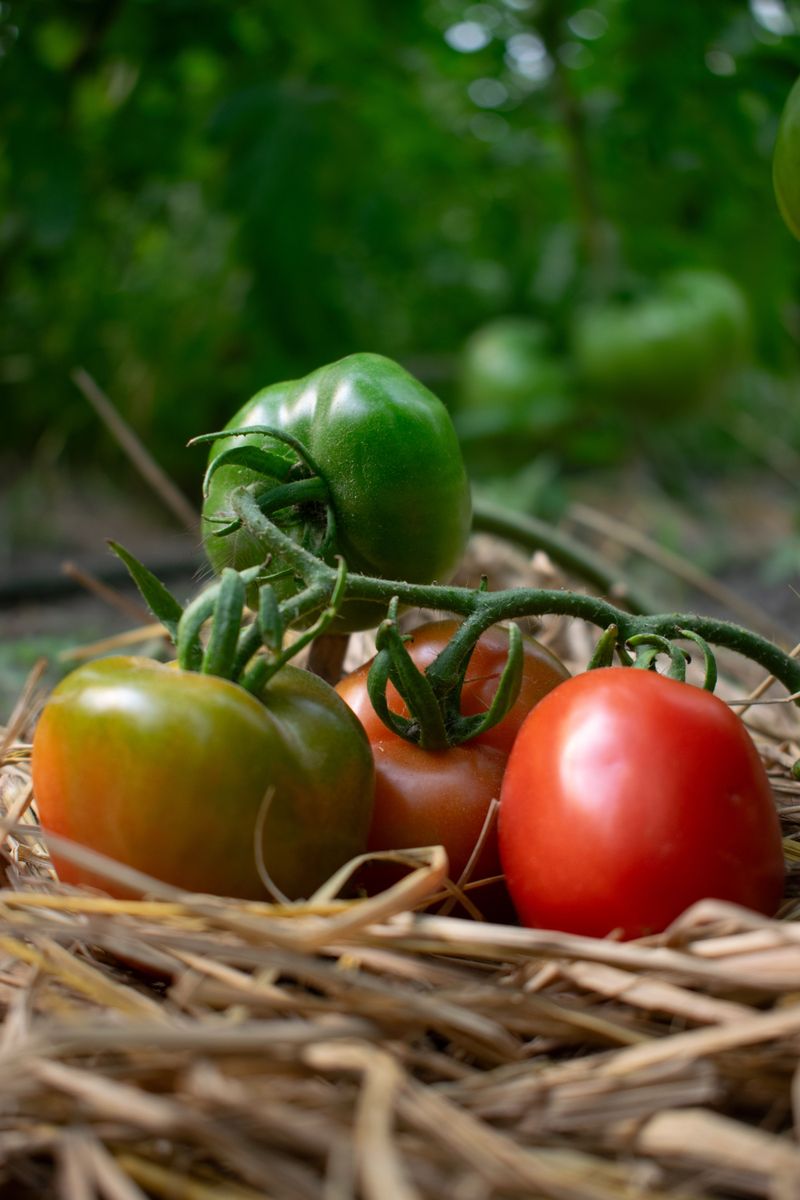
Picture pulling back dry cracked soil around your tomatoes and finding cool, damp earth just underneath a layer of mulch. That is exactly the kind of relief your plants are craving right now.
Mulch acts like a blanket in reverse, keeping summer heat out instead of locking warmth in. Soil temperatures under a good mulch layer can run 10 to 15 degrees cooler than bare ground.
Straw is a favorite among Massachusetts gardeners because it is affordable, light, and easy to spread. Apply it three to four inches thick around each plant without piling it against the stem.
Leaving a small gap around the stem prevents rot and allows air to circulate at the base. That small detail makes a noticeable difference over a long growing season.
Your Massachusetts Garden Changes Every Week. Your Plan Should Too.
Gardening in Massachusetts changes quickly throughout the season. Every Friday you’ll receive a simple weekly plan showing exactly what to plant, prune, fertilize, harvest, and protect so you never miss the right timing.
Shredded leaves from last fall work just as well and cost nothing if you saved them. Wood chip mulch is another solid option that breaks down slowly and improves soil structure over time.
Beyond cooling the ground, mulch dramatically reduces how fast water evaporates after each watering session. Gardeners who mulch heavily often cut their watering frequency in half during hot stretches.
Weeds also struggle to push through a thick mulch layer, which means less competition for the water you are adding. Fewer weeds equal more resources for your recovering tomato plants.
Refreshing your mulch now costs almost nothing and pays off with healthier plants through the rest of the season.
Shade Cloth Restores Conditions For Pollen To Set
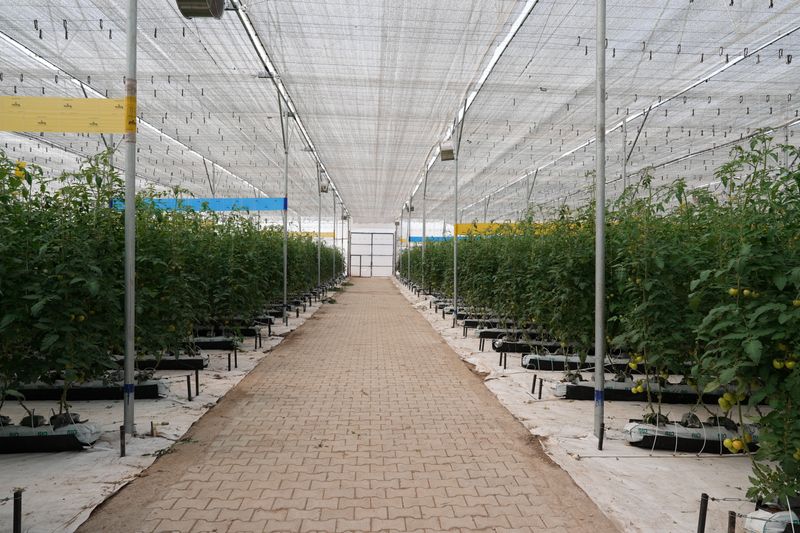
Tomato pollen becomes sterile when daytime temperatures stay above 95°F for too long. That is why your plants bloom but never seem to set fruit during the hottest weeks.
A shade cloth rated at 30 to 40 percent light reduction can bring temperatures down enough to reactivate pollen viability. You do not need to block all the sun, just soften its intensity during peak hours.
Set up the cloth so it hangs above the plants rather than resting directly on the foliage. Air circulation between the cloth and the canopy keeps conditions from getting stuffy underneath.
Wooden stakes, PVC pipes, or even a simple bamboo frame work well for holding the cloth in place. The structure does not need to be fancy, just stable enough to hold through afternoon winds.
Focus coverage on the hottest part of the day, roughly between 11 a.m. and 4 p.m. Morning sun is gentler and actually helps plants photosynthesize efficiently before the heat peaks.
Once nighttime temperatures drop back below 70°F consistently, fruit set tends to return on its own. The shade cloth simply bridges the gap while conditions are extreme.
Plants often respond within a week or two once heat stress eases, with new flower buds beginning to open again. Shade cloth is reusable season after season, making it one of the best low-cost investments for summer gardening success.
Leaving The Canopy Intact Prevents Sunscald
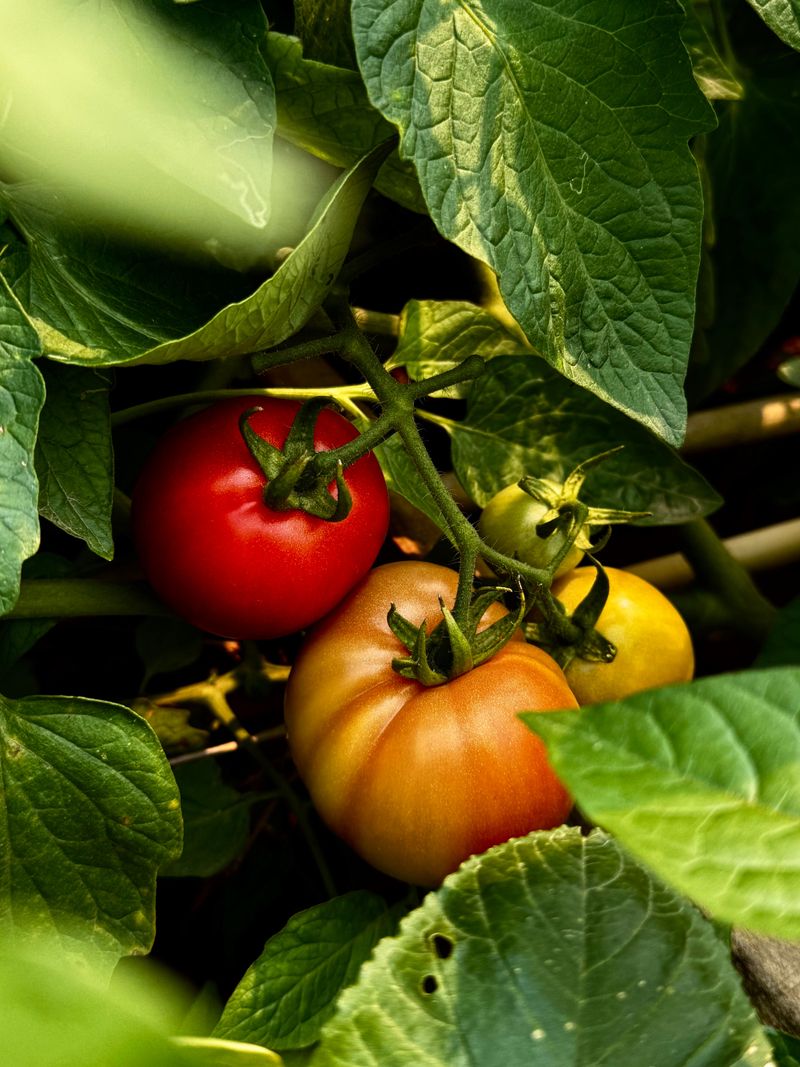
Sunscald shows up as pale, papery patches on the side of a tomato that faces the sun directly. It happens when fruit that was previously shaded gets suddenly exposed to intense light and heat.
The most common cause of sudden exposure is over-pruning during a heat wave. Removing too many leaves strips away the natural shade the plant built for itself.
Tomato leaves are not just for photosynthesis. They shield developing fruit the same way a beach umbrella shields your shoulders on a hot day.
Resist the urge to clean up the plant aggressively when it looks ragged from the heat. That thick, slightly wild canopy is doing protective work you cannot see from the outside.
If you must remove leaves, take only the ones that are yellowed or diseased. Leave any green foliage that is still covering clusters of fruit.
Bottom leaves that touch the soil can be removed carefully to reduce splash-back disease risk. That is a reasonable trim that does not compromise the protective canopy overhead.
Gardeners who prune heavily during heat stress often find their fruit develops sunscald within days. The damage is permanent and cannot be reversed once it appears on the skin.
Think of the canopy as armor your plant earned over the whole growing season. Protecting it now protects the harvest you have been working toward since May.
Skipping Hard Pruning While Plants Are Under Stress
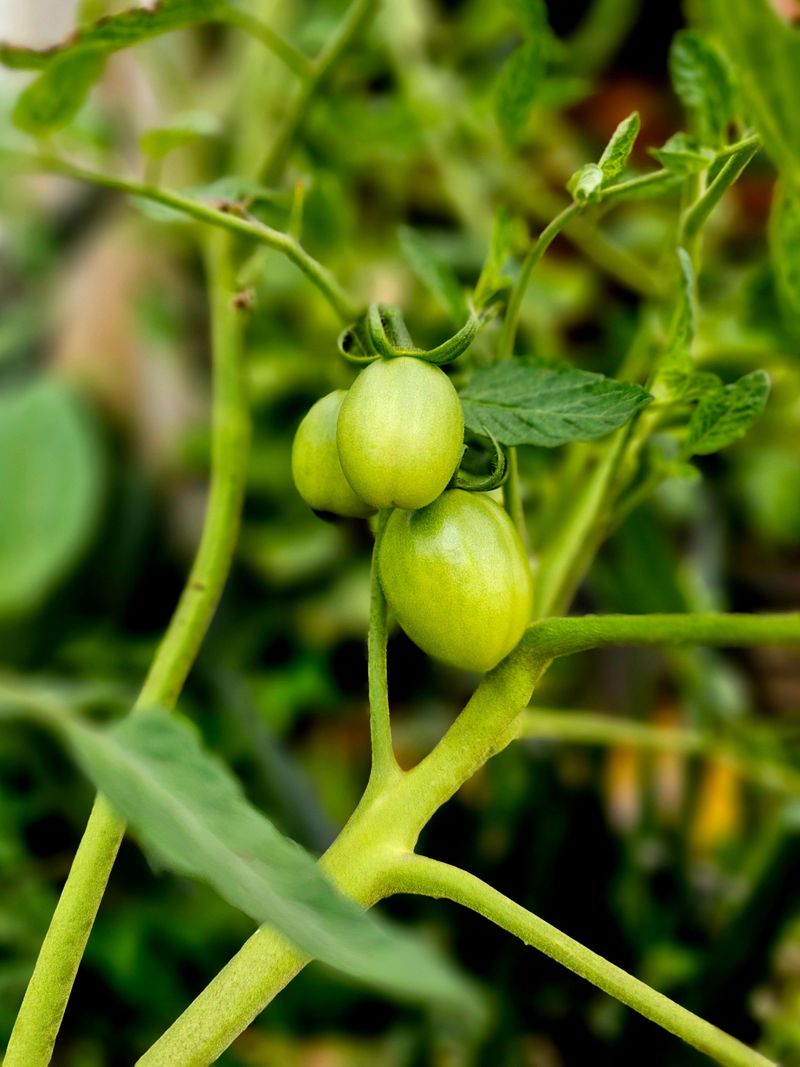
Hard pruning feels productive, but timing matters enormously when your plants are already struggling. Cutting back aggressively during a heat wave is like asking someone to run a race while recovering from a fever.
Every cut is a wound the plant must heal, and healing takes energy. Heat-stressed tomatoes have very little spare energy to redirect toward recovery from pruning damage.
Suckers are often the first target for gardeners who want tidy plants. However, removing large suckers during extreme heat opens wounds that are slow to close in hot, dry conditions.
Small suckers under an inch long can be pinched off with your fingers without much stress to the plant. Larger ones should stay put until temperatures cool down and the plant stabilizes.
Wait for a stretch of milder weather before doing any significant shaping or training work. A few cooler days in the forecast is your green light to resume normal pruning habits.
In the meantime, focus your attention on removing only what is clearly diseased. Those removals actually help the plant by eliminating tissue that drains resources without contributing anything useful.
Pruning shears should be clean and sharp before making any cut on a stressed plant. Ragged cuts from dull blades invite bacteria and slow healing considerably.
Patience during a heat wave pays off later. The plants that are left alone to cope often rebound faster than those that were pruned heavily mid-stress.
Light Feeding That Supports Recovery Without Overloading Roots
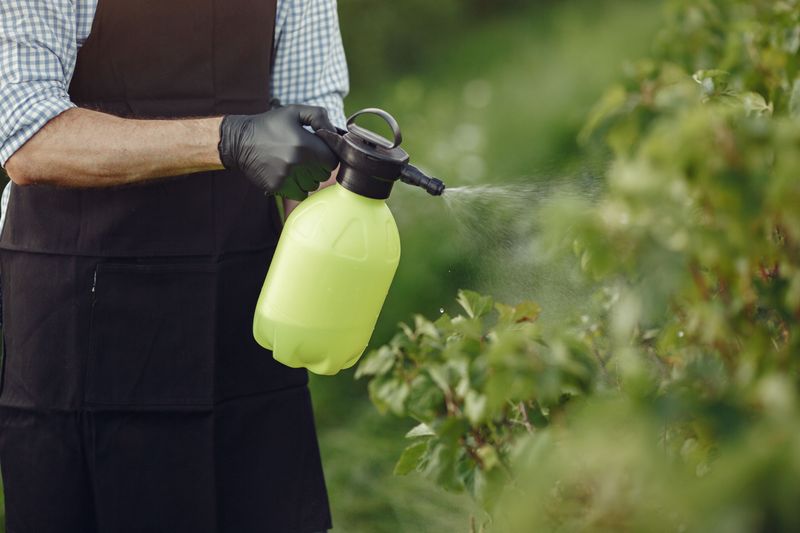
Fertilizing a heat-stressed plant with a heavy dose of nutrients is a bit like force-feeding someone who is already nauseous. The roots simply cannot absorb or process large amounts of fertilizer when they are under pressure.
A light application of a balanced, water-soluble fertilizer is a far better approach during recovery. Dilute it to half the recommended strength and apply it after a thorough watering session.
Feeding on dry soil pushes concentrated nutrients directly against stressed roots, which can cause chemical burn. Water first, then feed for best results.
Liquid seaweed extract and fish emulsion are two gentle options that Massachusetts gardeners have relied on for decades. Both deliver micronutrients and natural growth compounds without overwhelming the root zone.
Avoid high-nitrogen fertilizers during recovery because they push leafy growth at the expense of fruit development. A formula with slightly higher phosphorus and potassium supports root strength and flowering instead.
Feed no more than once every two weeks while the plant is still recovering from heat stress. More frequent applications do not speed recovery and can actually set the plant back further.
Watch for new leaf growth as your first sign that the plant is responding positively. Fresh green growth at the tips means energy is moving through the plant again.
Supporting heat-stressed tomatoes through smart, light feeding this month gives them the best shot at a strong late-season finish before frost arrives in Massachusetts.