The Grass Cutting Habits That Are Destroying Ohio Lawns In August Heat
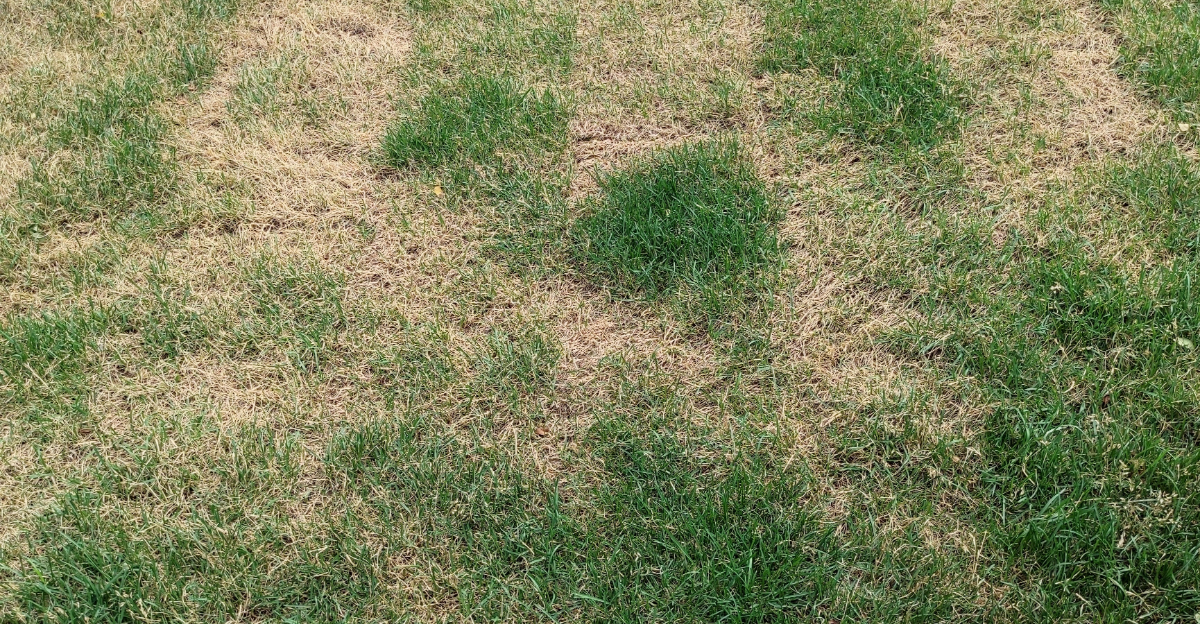
August heat and a mower running on the same schedule it kept in May is one of the more reliable ways to set an Ohio lawn back before fall arrives. The grass is already under pressure.
The cutting habits that seemed fine three months ago are doing something different now, and the lawn is showing it in ways that get blamed on the heat rather than the mower. Mowing during an Ohio August heat stretch is not the same task it is in spring.
The height, the timing, the frequency, and what happens to the clippings all land differently on turf that is already stressed. Several habits that feel like responsible lawn maintenance are actively working against recovery during this stretch.
None of them look obviously wrong. That is exactly why Ohio lawns keep paying for them every August while the mower gets the credit and the heat takes the blame.
1. Scalping Grass When The Soil Is Already Hot
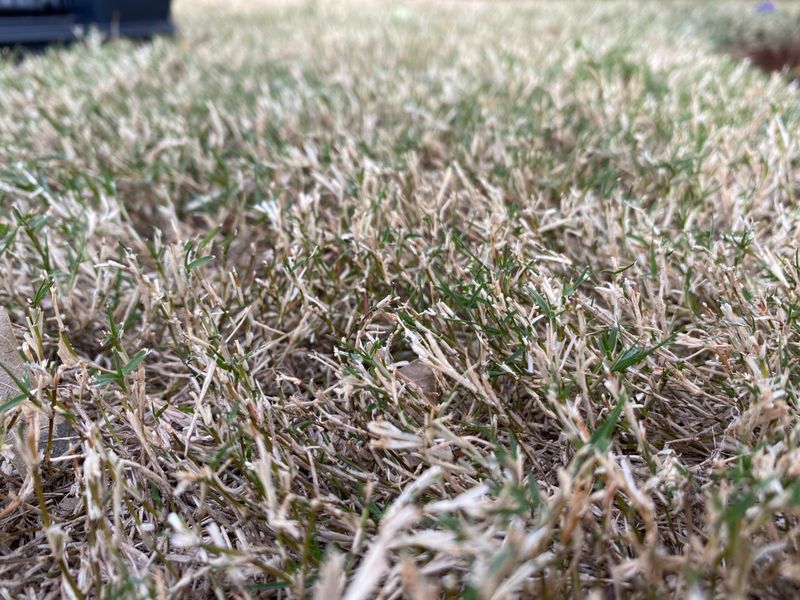
A mower deck set too low in August can do real damage in a short amount of time. When cool-season grass is cut below two and a half to three inches during peak summer heat, the exposed soil absorbs more sunlight and dries out faster.
OSU Extension turfgrass guidance notes that taller grass blades help shade the soil, which supports root health and conserves soil moisture during hot, dry stretches.
Cutting grass too short, often called scalping, removes the green leaf tissue that the plant needs to produce energy. When that tissue is gone, the grass has less ability to recover, especially when the soil is already warm and dry.
Scalped turf also opens up bare patches where weed seeds, including crabgrass, can get the sunlight they need to sprout.
Raising the mower deck to three or even three and a half inches for cool-season lawns during August is one of the most practical steps an Ohio homeowner can take.
Turfgrass specialists recommend keeping cool-season turf higher during hot, dry spells rather than chasing a short golf-course look.
A slightly taller lawn may not look as crisp, but it is far more likely to survive August stress and recover cleanly when cooler temperatures return in early fall.
Lawn health in summer depends on far more than mowing height alone, but height is one of the easiest things to control.
2. Cutting More Than One Third At Once
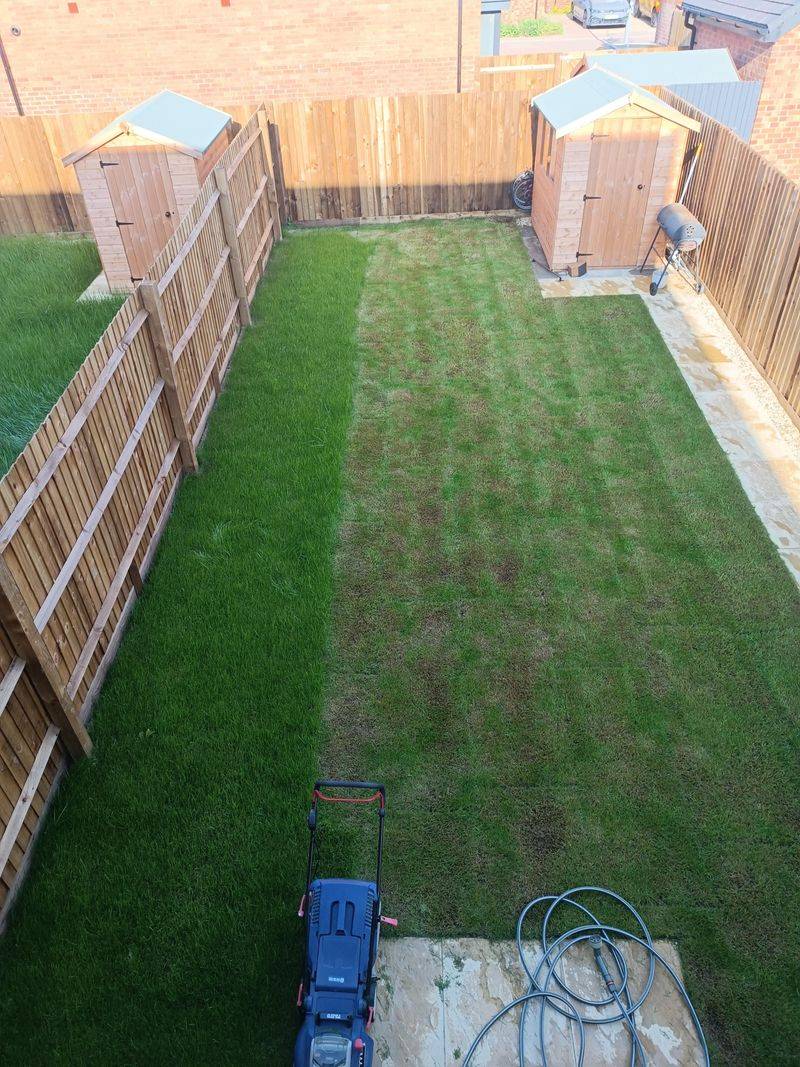
Vacation weeks, rainy stretches, and skipped mowing sessions can leave a lawn noticeably taller than usual by the time August rolls around. The temptation is to drop the deck and take it all down in one pass.
University extension lawn guidance explains that removing more than one-third of the grass blade at a single mowing can shock the plant. It can also reduce its ability to photosynthesize and slow recovery, especially when heat stress is already a factor.
The one-third rule is a practical guide, not a rigid law, but it matters most when turf is under stress. If a lawn has grown to five inches, cutting it down to three inches in one pass removes forty percent of the blade.
Your Ohio Garden Changes Every Week. Your Plan Should Too.
Gardening in Ohio changes quickly throughout the season. Every Friday you’ll receive a simple weekly plan showing exactly what to plant, prune, fertilize, harvest, and protect so you never miss the right timing.
That kind of removal in August heat can leave the grass struggling at exactly the wrong time of year.
The better approach is to raise the deck for the first pass and take off only what the rule allows. Wait a few days, then lower slightly if needed and mow again.
Gradual reduction gives the grass time to adjust without the added shock. Keep in mind that the one-third rule is not a reason to mow during extreme drought when the lawn is not actively growing.
If the grass is dormant or barely putting out new growth, giving it a pass entirely may be the kindest option available.
3. Mowing At Noon During Peak Heat
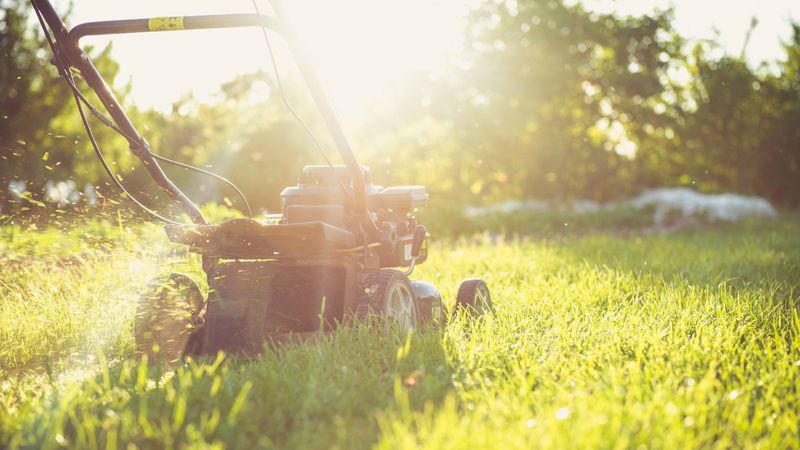
Picture a hot driveway at noon in August, radiating heat up through your shoes. That same heat is working on your lawn, and running a mower over already-stressed turf during peak afternoon hours adds another layer of stress the grass does not need.
Turfgrass specialists note that mowing during the hottest part of the day can increase water loss from cut leaf tips and make it harder for the plant to recover quickly.
Timing matters more than most Ohio homeowners realize. Mowing in the early morning after the dew has dried, or in the early evening when temperatures begin to drop, is generally easier on stressed turf.
Ask Extension guidance advises avoiding mowing wet grass because wet blades clump, tear unevenly, and can clog the mower deck. Waiting until the grass is dry but the air is cooler gives the lawn the best conditions for a clean cut.
Midday mowing is also harder on the person pushing or riding the mower. Heat exhaustion is a real risk in August, and no lawn is worth a health emergency.
During periods of extreme heat or drought, when the lawn is not putting out noticeable new growth, skipping a mowing session entirely is often the right call. Protecting both the turf and the person taking care of it should always come first.
A brief delay will not hurt a stressed lawn, but a midday scalp might.
4. Using Dull Blades On Stressed Turf
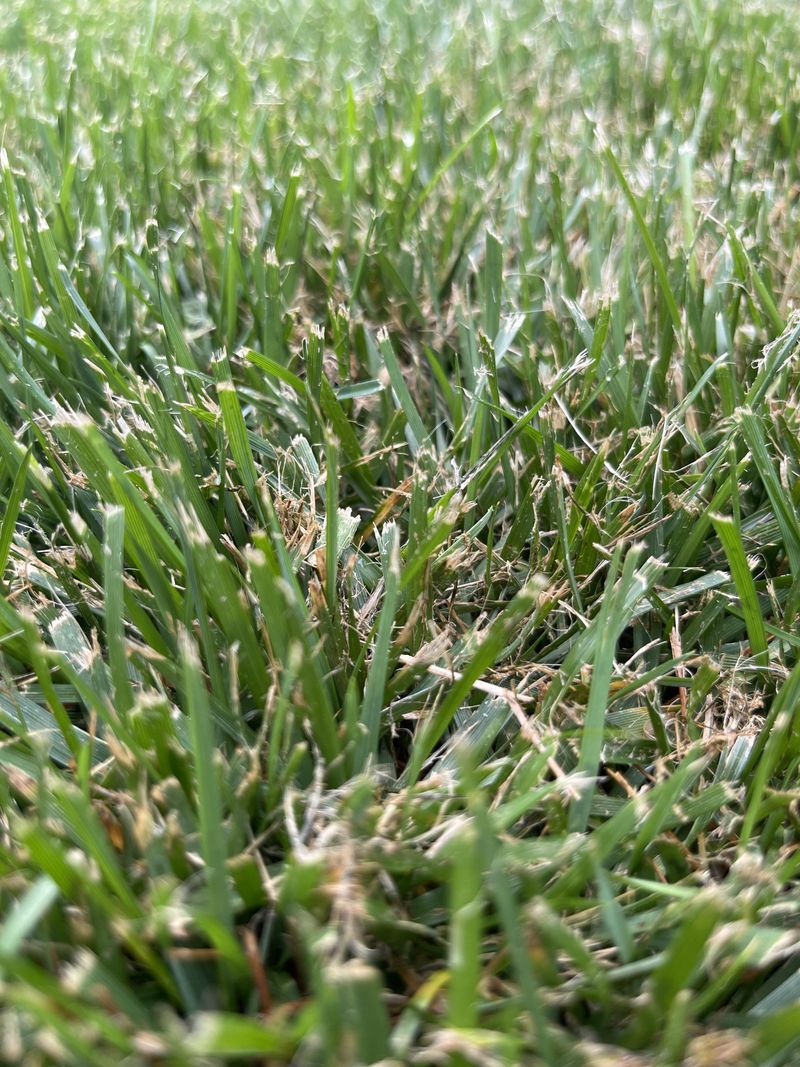
Ragged, brown-tipped grass after a mowing session is one of the clearest signs that a mower blade needs attention. Dull blades do not cut cleanly.
Instead, they tear and shred the grass tissue, leaving frayed tips that dry out quickly and turn tan or brown within a day or two.
OSU Extension turfgrass guidance explains that clean cuts from sharp blades allow grass to heal faster and lose less water from the wound.
The problem is worse in August when turf is already under heat and drought stress. A clean cut on healthy turf heals in a reasonable amount of time.
A torn cut on stressed turf can stay open longer, increase the risk of disease entry, and make the lawn look brown even after a fresh mowing. Checking blade sharpness before the summer mowing season and again mid-season is a simple habit that pays off.
Sharpening a mower blade does not require a professional shop visit. Many Ohio homeowners sharpen their own blades with a metal file or bench grinder, or take the blade to a local hardware store.
Replacing a blade that is deeply nicked or bent is often safer and more effective than trying to sharpen it back to usefulness. Look for smooth, even cuts across the grass tips after mowing.
If the tips look chewed rather than sliced, the blade is likely the reason, and swapping it out before the next cut is worth the effort.
5. Bagging Clippings That Could Feed The Lawn
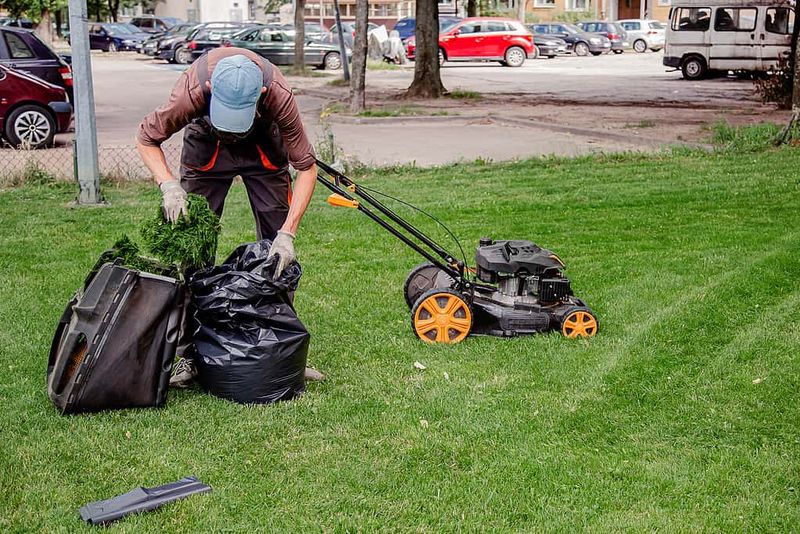
Clippings scattered behind the mower after a proper cut are not waste. They are a free, slow-release source of nutrients that can return to the soil as they break down.
University extension lawn guidance describes this practice as grasscycling. It’s a way to return nitrogen and other nutrients to the turf without any extra cost or effort.
The key word is fine. Small clippings from a properly timed mowing, where no more than one-third of the blade is removed, will filter down between the grass blades.
They decompose fairly quickly. They do not build up into thatch under normal mowing conditions.
Turfgrass specialists note that thatch is primarily caused by slow-decomposing root and stem material, not leaf clippings. Where grasscycling goes wrong is when mowing is delayed and the clippings come out long and heavy.
Thick clumps sitting on top of the lawn can block sunlight, trap moisture, and smother the grass beneath them. In those cases, spreading the clumps with a rake or removing them is the better call.
If the lawn has a known disease problem or heavy weed seed pressure, checking with local extension guidance before leaving clippings in place is a smart step.
For most healthy or lightly stressed lawns during August, leaving fine clippings where they fall is a practical, no-cost way to support the turf.
It works without adding fertilizer during the heat.
6. Mowing Dormant Grass Just To Make It Neat
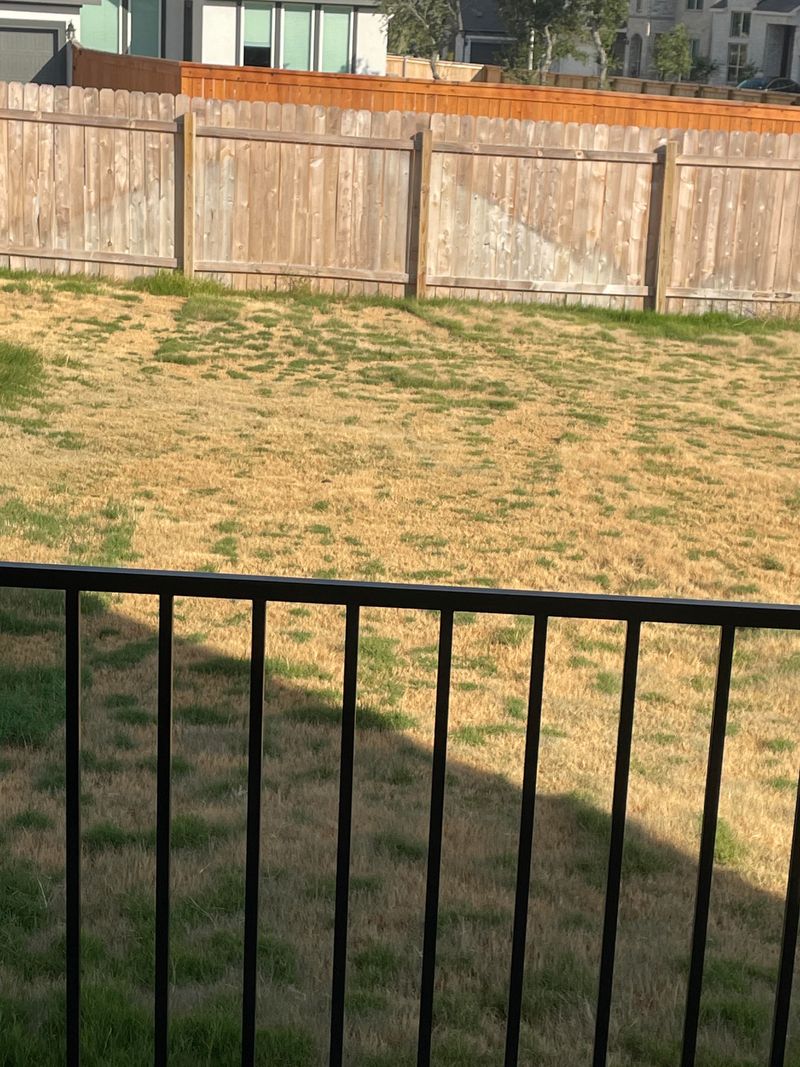
Crispy, tan patches in August do not always mean a lawn is withering. Cool-season grasses like Kentucky bluegrass and tall fescue can slow down or go partly dormant during extended heat and dry weather.
Dormancy is a survival response, not a death sentence. The plant pulls energy back toward its crown and root system, waiting for cooler temperatures and more reliable moisture to return.
Running a mower over dormant turf just to keep things looking tidy can do more harm than good. When grass is not actively growing, it has very little ability to recover from the stress of being cut.
The mower wheels also compact dry soil and the tires can tear fragile, brittle blades. Lawn renovation resources describe limiting both foot traffic and mower traffic on dormant turf.
This is one of the most protective things an Ohio homeowner can do during a summer dry spell. Before mowing in August, check whether the lawn is actually putting out new growth.
If the grass is not visibly growing and the blades feel dry and stiff, skipping the mow is the right move. Waiting for a cooler stretch, a good soaking rain, or early September temperatures before resuming regular mowing is worth it.
It gives dormant turf the best chance to wake up and recover on its own. The lawn will not look perfect during this period, but protecting the crowns and roots now means a much better recovery window when fall arrives.
7. Lowering The Deck Before August Ends
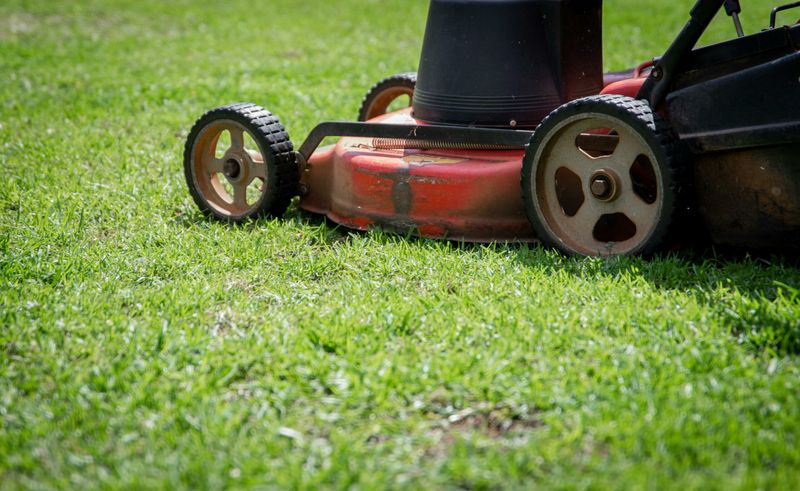
There is a familiar urge that hits many Ohio homeowners toward the end of August. The yard looks a little shaggy, fall feels close, and the idea of dropping the mower deck for a clean, short cut before the season changes sounds reasonable.
The problem is that lowering the deck before the lawn has recovered from summer stress can scalp already-weakened turf at exactly the wrong time.
Turfgrass specialists recommend keeping cool-season lawns at a higher mowing height through late summer. Lower it only gradually, if at all, once cooler temperatures arrive and the grass begins actively growing again.
Cutting short before the lawn has built back its leaf area removes the same blade tissue the plant needs to fuel recovery. Thin turf going into fall overseeding windows is harder to renovate than turf that was protected through August.
If fall overseeding or lawn repair is on the plan, the goal should be to arrive at that window with as much healthy turf as possible. It shouldn’t be a scalped yard that needs to recover from two problems at once.
Lower the deck gradually and only when the lawn is visibly growing and the overnight temperatures are consistently cooler. Match the final mowing height to the specific grass type in the yard, since tall fescue and Kentucky bluegrass have different ideal ranges.
A patient approach through late summer sets the lawn up for a much stronger fall, which is exactly when cool-season grass is ready to shine again.