7 Massachusetts Zucchini Growing Mistakes That Lead To No Harvest, And How To Avoid Them
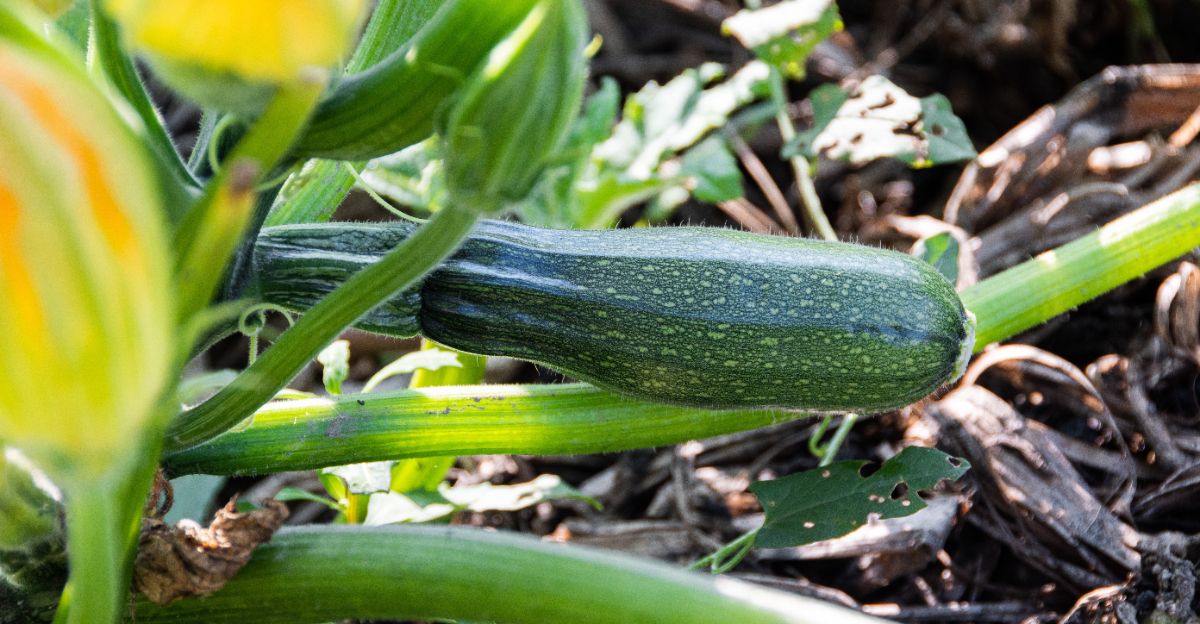
Massachusetts zucchini vines can look picture perfect all summer while the plant quietly produces nothing you can actually eat. Gardeners do everything right and still end up staring at empty stems by August.
The state’s short window between frost dates, its swing-heavy spring temperatures, and its stubborn clay-rich soil combine into a set of conditions few new gardeners expect. What works fine in a Southern garden can quietly sabotage a New England one.
Some of these missteps hide in plain sight, tucked into daily habits that feel careful rather than careless. Once you spot the pattern behind these seven common slip-ups, fixing them takes far less effort than living with the disappointment does.
Planting Zucchini In A Spot With Insufficient Sunlight
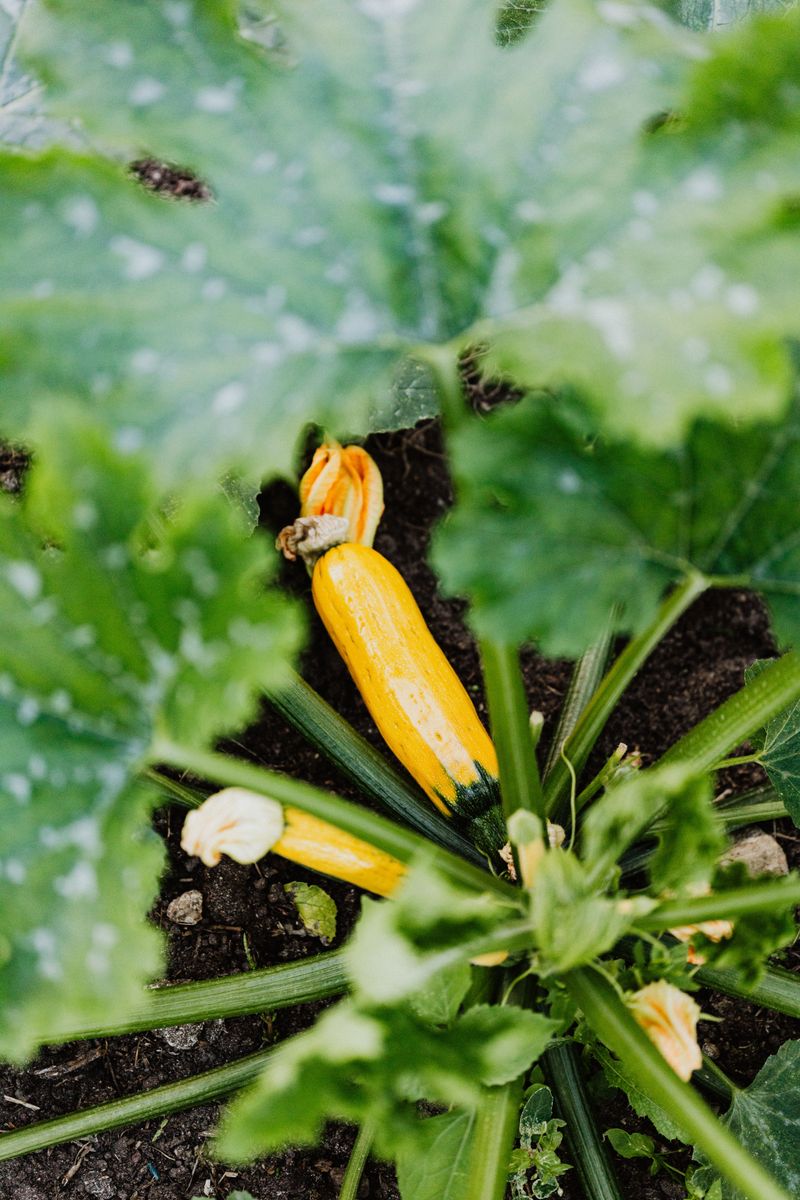
Shade is the silent harvest-thief most gardeners never suspect. Your zucchini plants might look fine at first, but without enough direct sun, they simply will not produce fruit no matter what else you do right.
Zucchini needs a minimum of six hours of full, direct sunlight every single day. Anything less and the plant struggles to produce fruit no matter what else you do right.
Many Massachusetts yards have beautiful, mature trees that cast shade across garden beds. That shade feels lovely in July, but your zucchini plants are quietly struggling underneath it.
Flowering slows down dramatically in low-light conditions. Fewer flowers mean fewer chances for pollination, which means your harvest never gets started.
Before planting, spend one full day watching how sunlight moves across your garden. Track which spots get consistent morning and afternoon sun without interruption from structures or trees.
Even a small patio or side yard can work if it catches strong afternoon light. Sunlight matters more than square footage when choosing a spot.
South-facing and west-facing beds typically receive the strongest light in New England gardens. If your only sunny spot is small, raised beds or large containers placed in the sunniest corner are excellent solutions.
Relocating your zucchini patch even ten feet can make an enormous difference. Moving a zucchini patch just a few feet into full sun has turned failed plantings into productive ones for many Massachusetts gardeners.
Sunlight powers everything your plant does. Give your zucchini the brightest spot available and watch how quickly the whole harvest picture changes.
Inconsistent Watering That Stresses Developing Fruit
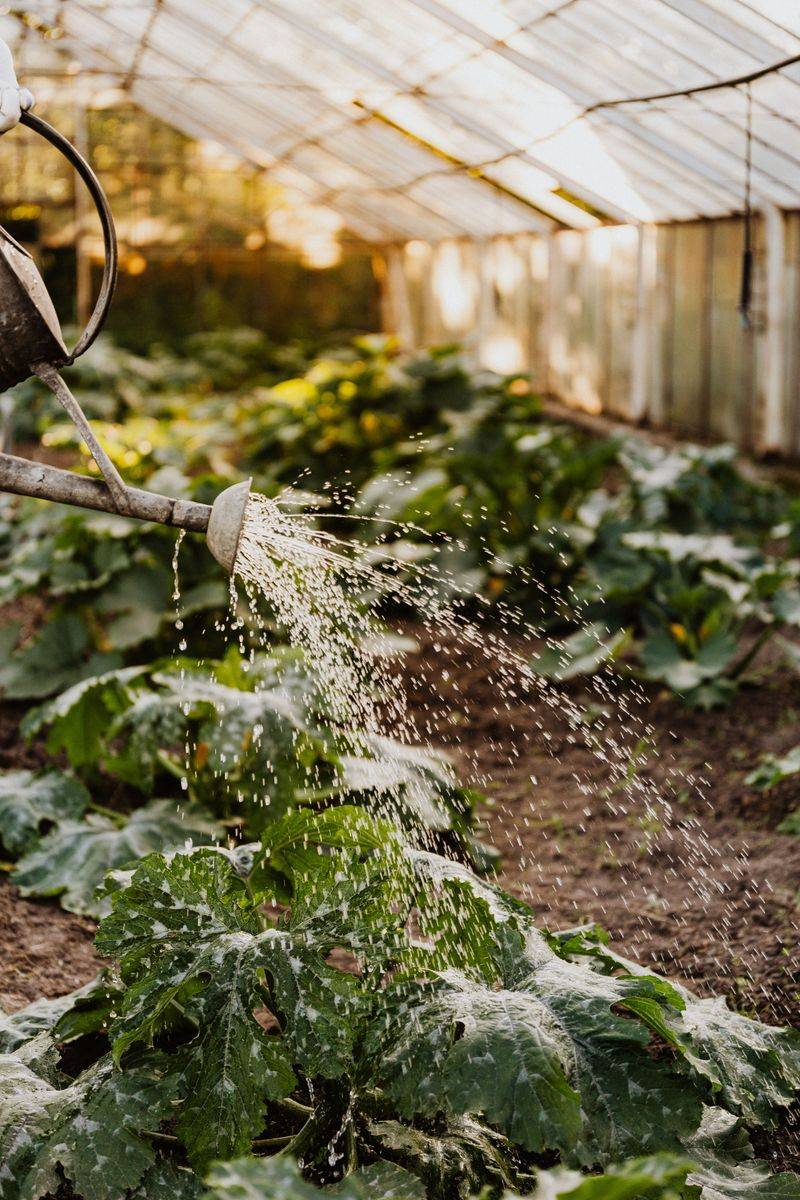
Water stress is sneaky, and it shows up at the worst possible moment. One week of dry soil followed by a heavy rain can cause your developing zucchini to crack, rot, or simply drop off the plant before reaching edible size.
Zucchini plants are thirsty growers that need about one inch of water per week. During hot Massachusetts summers, that need can jump to nearly two inches without much warning.
The problem most gardeners face is inconsistency. Watering heavily on weekends but skipping weekdays creates a cycle of drought stress followed by overhydration that confuses the plant completely.
Blossom end rot is one direct result of inconsistent moisture levels in the soil. That dark, sunken spot on the bottom of young fruits is not a disease but a calcium absorption problem caused by uneven watering.
Your Massachusetts Garden Changes Every Week. Your Plan Should Too.
Gardening in Massachusetts changes quickly throughout the season. Every Friday you’ll receive a simple weekly plan showing exactly what to plant, prune, fertilize, harvest, and protect so you never miss the right timing.
A drip irrigation system or soaker hose solves most of this instantly. Both deliver slow, steady moisture directly to the root zone without wetting the leaves, which also reduces fungal issues.
Mulching around the base of each plant with straw or wood chips helps the soil hold moisture between watering sessions. A three-inch layer can cut your watering frequency almost in half during dry stretches.
Check soil moisture by pressing a finger two inches into the ground near the stem. If it feels dry at that depth, water deeply and slowly until moisture reaches the full root zone.
Steady, reliable moisture keeps your plants calm and productive all season long. Consistent watering is one of the simplest changes with the biggest payoff.
Excess Nitrogen Fertilizer That Favors Leaves Over Flowers
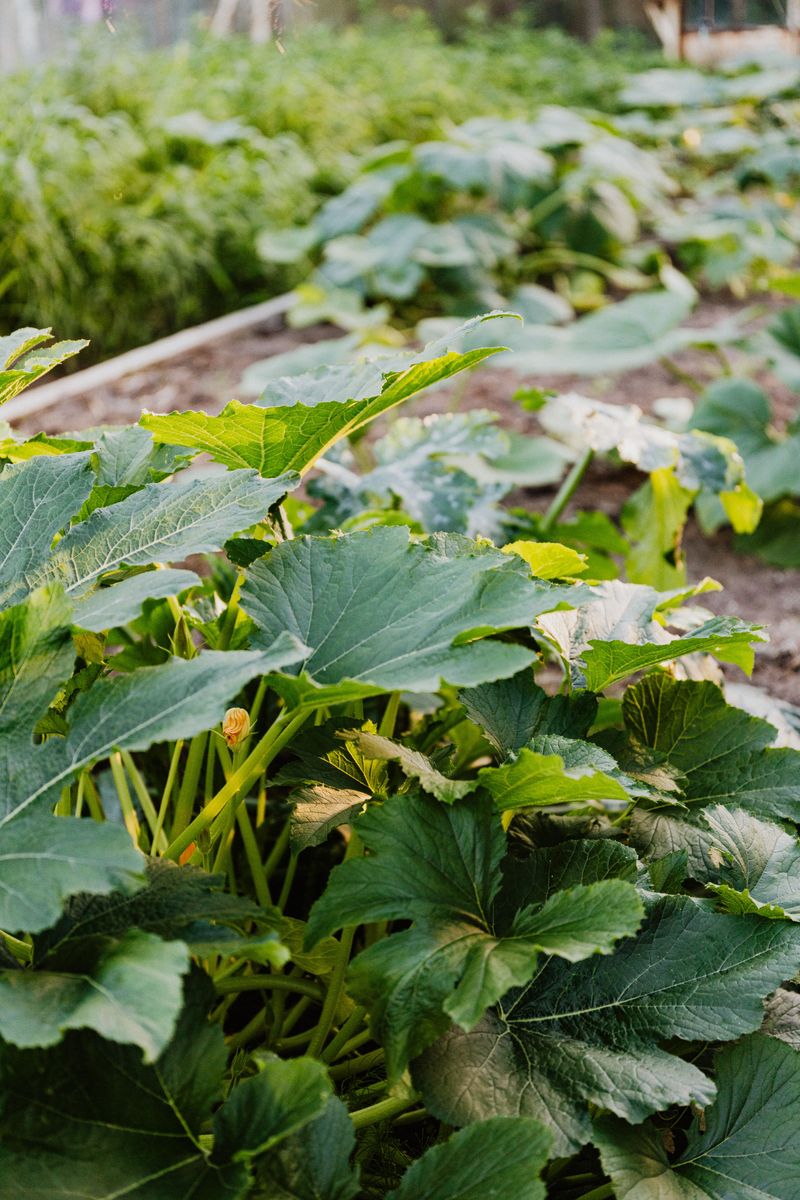
Big, beautiful, dark green leaves on your zucchini plants feel like a success story. But if those leaves are massive and flowers are nowhere in sight, you have almost certainly overfed your plants with nitrogen.
Nitrogen is the nutrient that drives leafy, green growth above everything else. When soil has too much of it, your zucchini plant channels all its resources into producing more leaves instead of reproductive structures like flowers and fruit.
This mistake happens most often when gardeners apply a general-purpose fertilizer without checking what is already in their soil. Many New England soils are already reasonably rich in nitrogen from years of composting or lawn runoff.
A soil test from the UMass Extension lab costs very little and tells you exactly what your garden needs. Testing before you fertilize prevents the most common and costly nutrient mistakes home gardeners make.
Once flowering begins, switch to a fertilizer higher in phosphorus and potassium than nitrogen. Look for a ratio like 5-10-10 on the bag, which supports root development and flower production without pushing leafy excess.
Avoid applying fresh manure to beds where zucchini will grow. Fresh manure is extremely high in nitrogen and can keep your plant in a vegetative state long past the point when fruiting should begin.
If your plants are already overfed, stop all fertilizing and water deeply to help flush excess nutrients through the soil. Give the plant two to three weeks to shift its focus toward flowering.
Feeding smarter, not heavier, is what separates a leafy disappointment from a productive harvest.
Skipping Hand Pollination During Cool Massachusetts Mornings
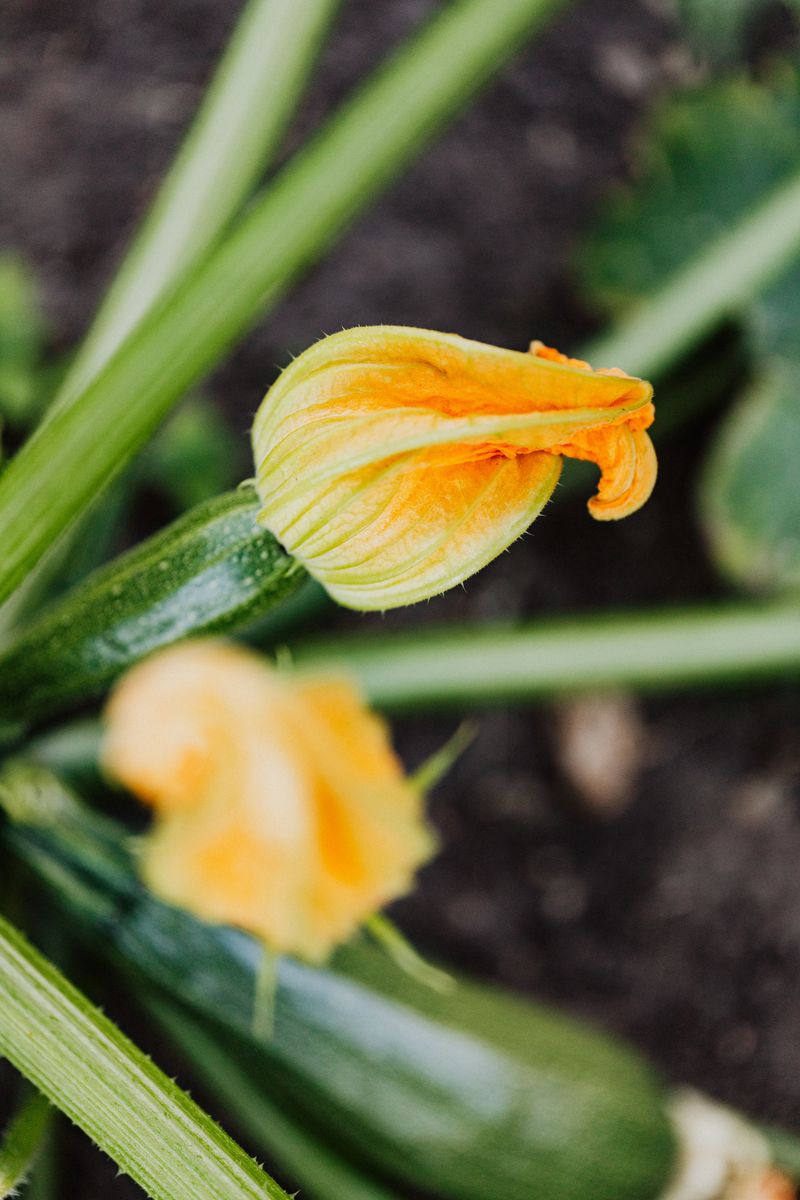
Cool, cloudy mornings are a fact of life in New England gardens. They are also the exact conditions that keep bees grounded and your zucchini flowers unpollinated for days.
Zucchini produces separate male and female flowers on the same plant. Male flowers appear first and have a thin stem, while female flowers have a tiny immature fruit at their base.
For a zucchini to develop, pollen from a male flower must reach the center of a female flower. Bees are the primary carriers of that pollen, and they rarely fly once temperatures drop below 55 degrees Fahrenheit.
Early summer in Massachusetts regularly brings cool mornings with overcast skies. During those stretches, your flowers may open and close for days without a single bee visit, and every missed flower is a missed zucchini.
Hand pollination takes about thirty seconds per flower and requires nothing more than a small paintbrush or a cotton swab. Swipe the inside of a freshly opened male flower and transfer that pollen directly to the center of an open female flower.
Do this in the morning when flowers are fully open, ideally between 8 a.m. and 10 a.m. Flowers close by midday, so timing matters more than most gardeners expect.
A single successful pollination produces one full zucchini, so spending five minutes each morning can noticeably boost your total harvest for the season.
Your harvest should not depend entirely on the weather or the bees showing up.
Crowding Plants Too Close For Bees To Reach Flowers
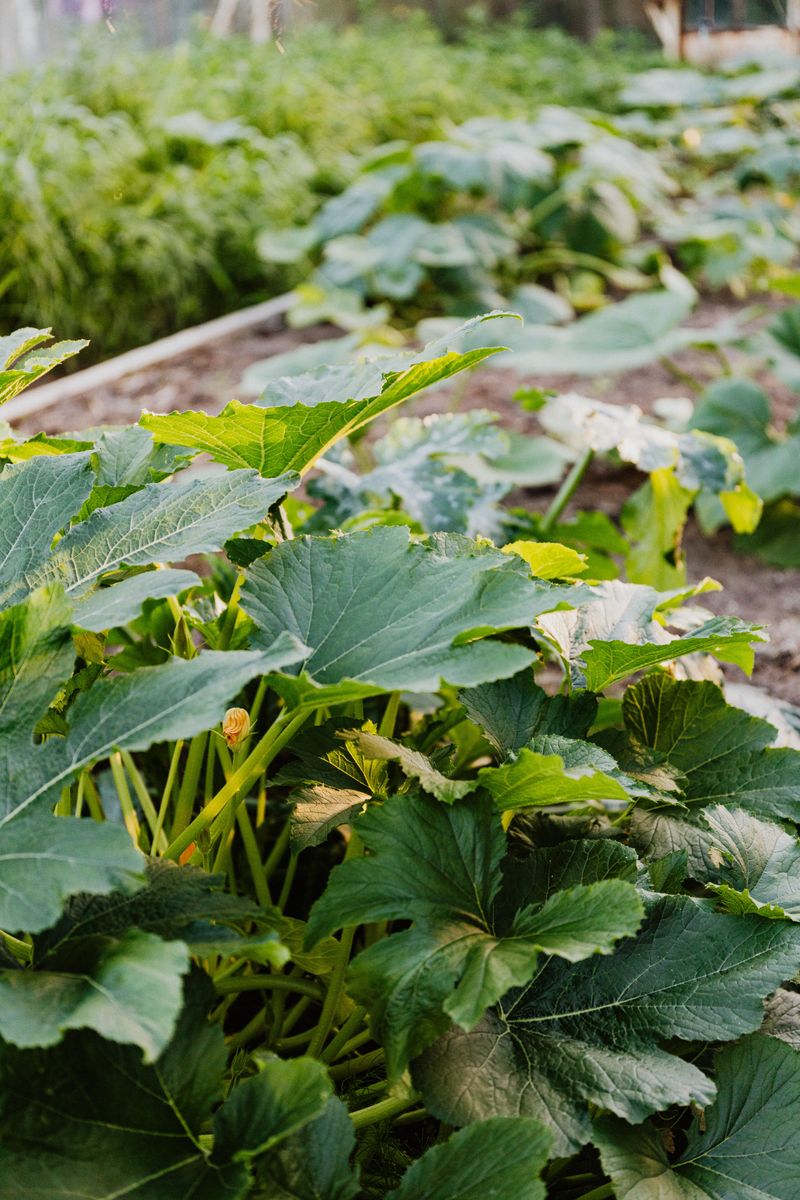
Planting zucchini too close together feels efficient in spring when the seedlings are tiny. By July, you have a tangled jungle that bees cannot navigate and air cannot move through.
Zucchini plants are aggressive spreaders with large leaves that can reach three feet across. A single mature plant needs at least three feet of space in every direction to grow and flower properly.
When plants crowd each other, the lower and inner flowers become hidden under layers of overlapping leaves. Bees tend to visit the most visible blooms first.
Hidden flowers often go unpollinated and drop off without producing fruit. This alone can meaningfully shrink your total harvest.
Poor airflow between crowded plants also creates the perfect conditions for powdery mildew, a fungal problem common in humid Massachusetts summers. Once mildew spreads across the leaves, the plant weakens and fruit production drops sharply.
Spacing zucchini plants three to four feet apart in rows that are at least four feet wide gives each plant room to sprawl naturally. This also makes it much easier for bees to spot and access every flower the plant produces.
If space is genuinely limited, bush-type zucchini varieties stay more compact than traditional vining types. Varieties like Patio Star or Bush Baby are bred for smaller gardens without sacrificing fruit production.
Trim any leaves that are blocking flower access once the plant matures. Removing two or three large outer leaves occasionally opens up the plant and invites more pollinator activity without harming overall growth.
Give your plants room to breathe and bees a clear path to do their job.
Ignoring Soil pH And Nutrient Balance Before Planting
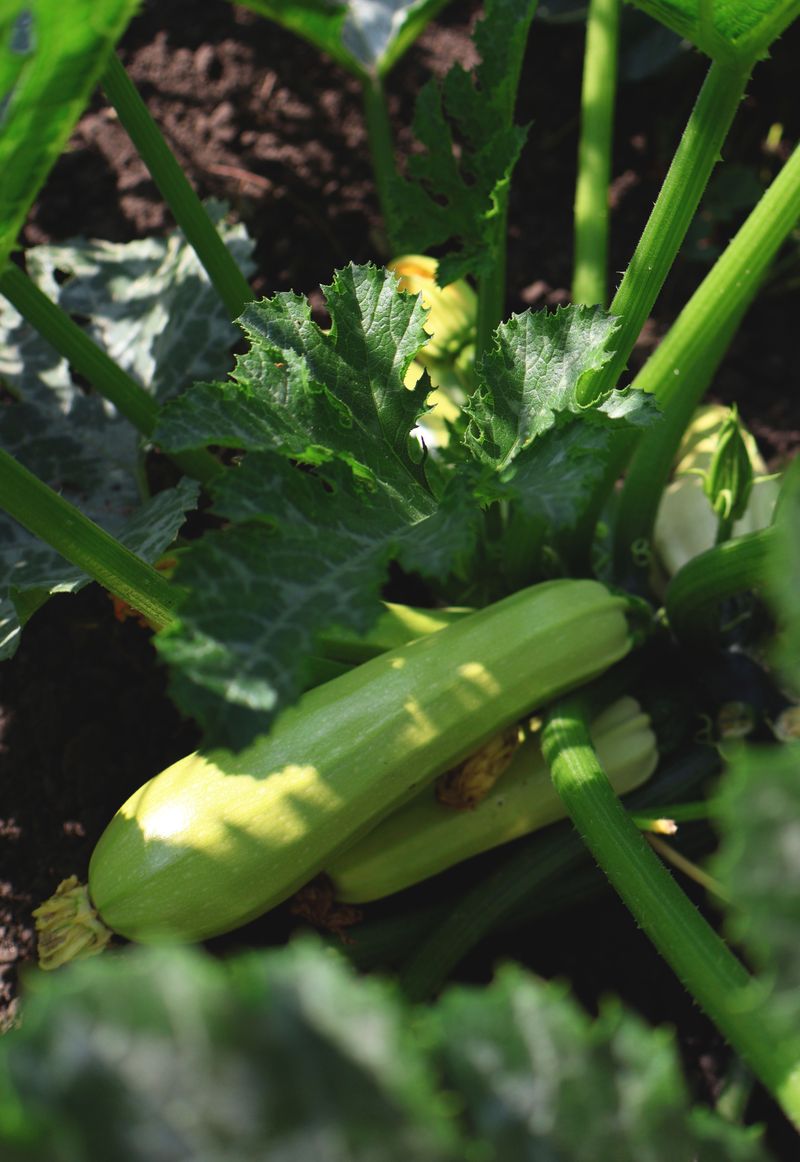
Soil pH sounds like a chemistry class problem, but it is actually one of the most practical things a home gardener can understand. When pH is off, your plant cannot absorb the nutrients it needs even if those nutrients are present in the soil.
Zucchini grows best in soil with a pH between 6.0 and 7.0. Many Massachusetts soils, particularly in areas with heavy rainfall and lots of organic matter, tend to be more acidic than that ideal range.
Acidic soil below a pH of 6.0 locks up phosphorus, calcium, and magnesium in forms the plant cannot absorb. Your zucchini may show yellowing leaves, stunted growth, and poor flowering even when the soil looks rich and dark.
A basic soil test kit from a garden center gives you a pH reading in about ten minutes. For a more detailed nutrient breakdown, the UMass Extension Soil and Plant Tissue Testing Lab provides thorough analysis for home gardeners at a low cost.
Lime is the standard amendment for raising pH in acidic New England soils. Apply it in fall if possible so it has time to work through the soil before spring planting season begins.
Compost improves both pH balance and overall nutrient availability when worked into the top eight inches of soil. A two to three inch layer mixed in before planting sets your zucchini up for a strong and productive growing season.
Magnesium deficiency, shown as yellowing between the leaf veins, often appears in Massachusetts gardens with low pH. A light application of Epsom salt dissolved in water can correct this quickly during the growing season.
Healthy soil is the foundation every successful zucchini harvest starts from.
Letting Squash Vine Borers Go Unnoticed Until Too Late
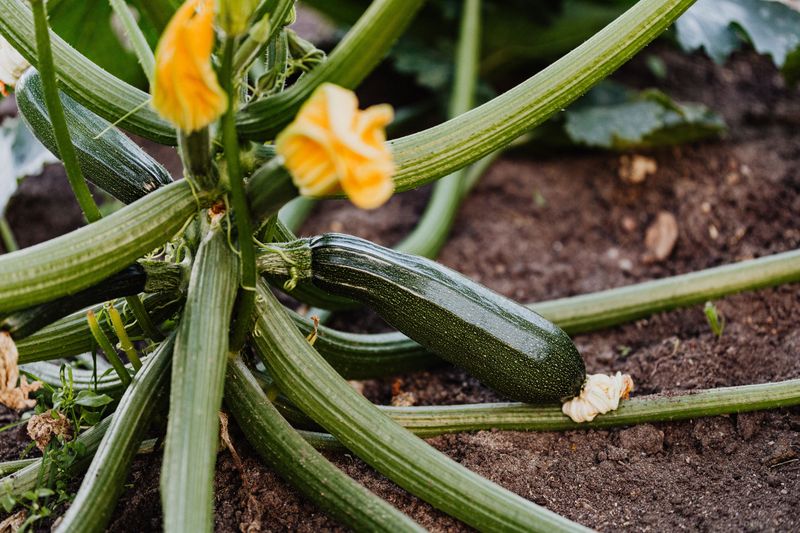
One morning your zucchini plant looks perfectly healthy. The next morning it is wilted, collapsed, and beyond saving.
That sudden collapse is the calling card of the squash vine borer, and it is one of the most frustrating experiences in the Massachusetts zucchini growing world.
The adult borer is a moth that looks like a wasp, with orange and black markings. It lays tiny, flat, reddish-brown eggs at the base of zucchini stems from late June through July.
Once the eggs hatch, the larvae burrow directly into the stem and feed from the inside. By the time the plant shows wilting symptoms, the damage is already severe and often irreversible.
Look for small, reddish-brown eggs the size of a sesame seed on the lower stem and nearby soil. Checking weekly starting in mid-June gives you the best chance of catching an infestation before it causes real harm.
Row cover fabric placed over plants before adult moths begin flying is one of the most effective preventive tools available. Remove it during flowering hours so bees can still access the blooms, then replace it in the evening.
If you find an entry hole with powdery, sawdust-like frass around it, you can attempt surgery. Use a sharp knife to slit the stem lengthwise, remove the larva, and bury the damaged section under moist soil to encourage new root growth.
Succession planting is another smart strategy for Massachusetts zucchini growing. Starting a second set of plants in early July means you have backups ready if your first planting gets hit late in the season.
Catching this pest early is the difference between a full harvest and an empty garden bed.