August Watering Mistakes Are Why Oregon Zucchini Turns Bitter
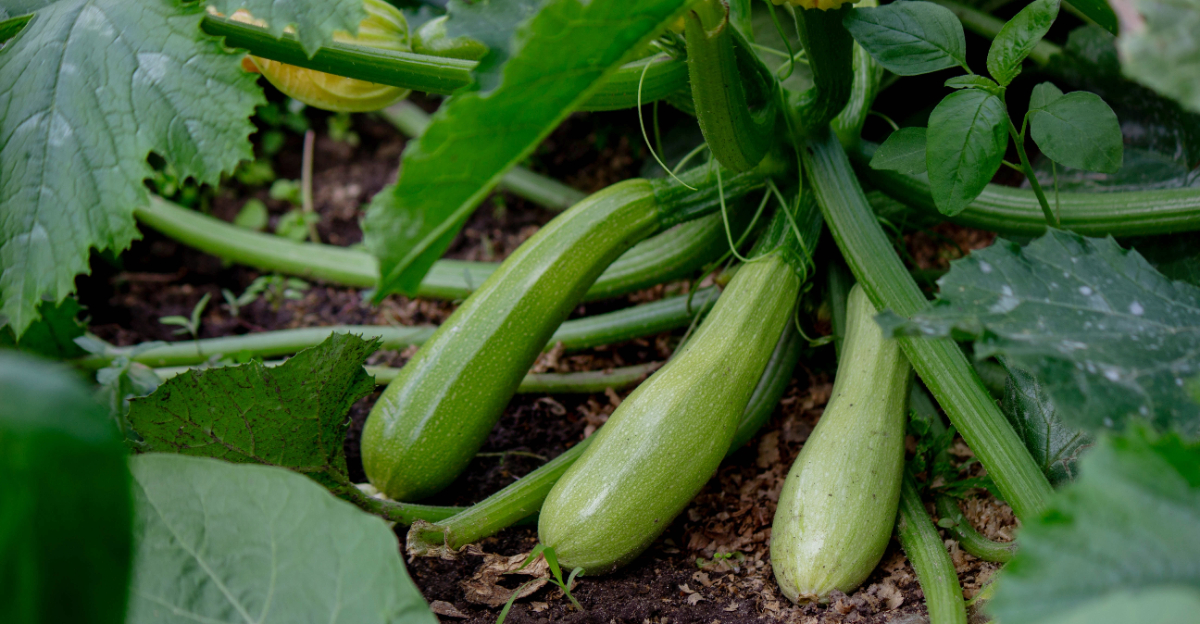
Few things are more disappointing than slicing into a beautiful zucchini, taking that first bite, and discovering an unexpected bitter taste.
After weeks of watering, weeding, and watching the plants take off, that is never the reward Oregon gardeners hope for.
August is often the turning point. Long, hot days can change how zucchini responds to even small shifts in care, and watering plays a bigger role than many people realize.
The frustrating part is that the plants can keep looking healthy while the harvest tells a different story. A couple of common habits are often enough to affect the flavor of your crop.
Catching them early can help your zucchini stay tender, mild, and much more enjoyable to harvest through the rest of the season.
1. Underwatering Stresses Zucchini Into Bitter Fruit
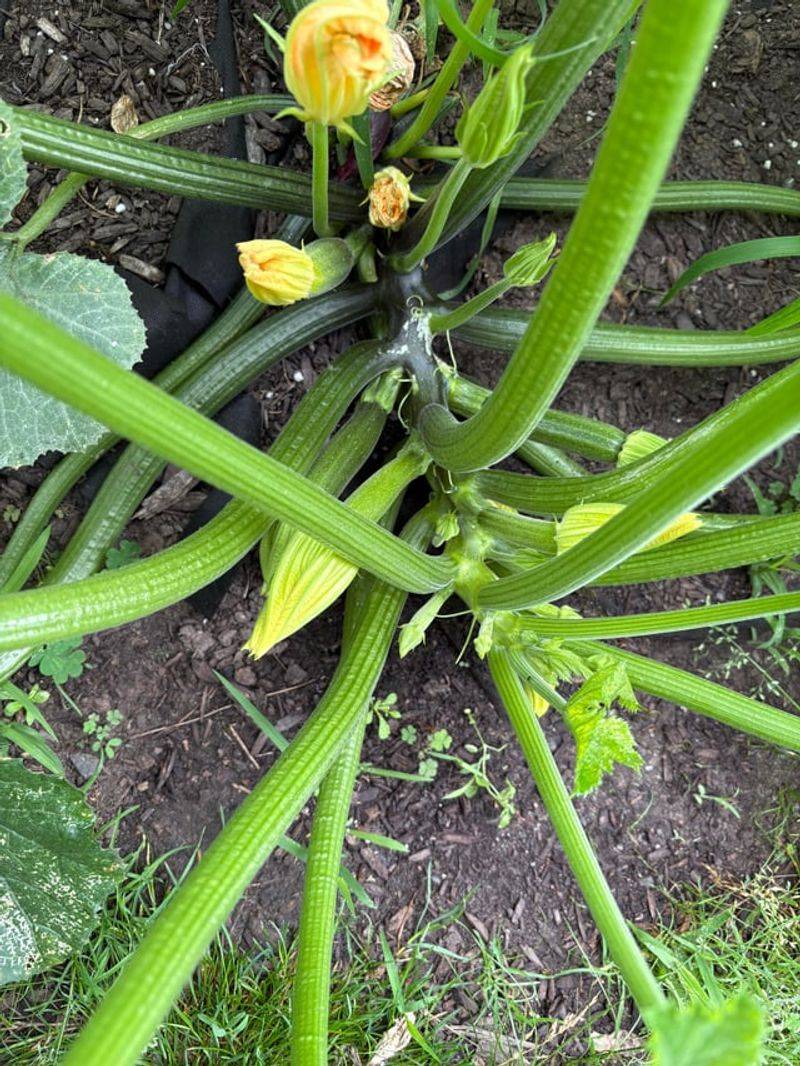
When a zucchini plant does not get enough water, it goes into survival mode. The plant starts producing cucurbitacin, a bitter chemical that protects it from being eaten by animals.
That same chemical is what makes your zucchini taste terrible at the dinner table.
August is especially tough in the Pacific Northwest. Temperatures can climb fast and stay high for days at a time.
Without enough water, the soil dries out quickly and the plant cannot absorb the nutrients it needs to grow healthy fruit.
Most zucchini plants need about one to two inches of water per week. During heat waves, they may need even more.
If you are only watering every few days without checking the soil, you are likely underwatering without realizing it.
A simple test is to push your finger about two inches into the soil near the base of the plant. If it feels dry, water right away.
Do not wait for the leaves to droop before acting. By the time the plant looks stressed, the fruit quality has already started to suffer.
Watering deeply and consistently is the best way to prevent bitterness caused by drought stress. Set a reminder to check your soil every morning during hot spells.
Your zucchini will respond quickly, and the fruit flavor should improve within a week of better watering habits.
2. Uneven Watering Creates Bigger Flavor Problems
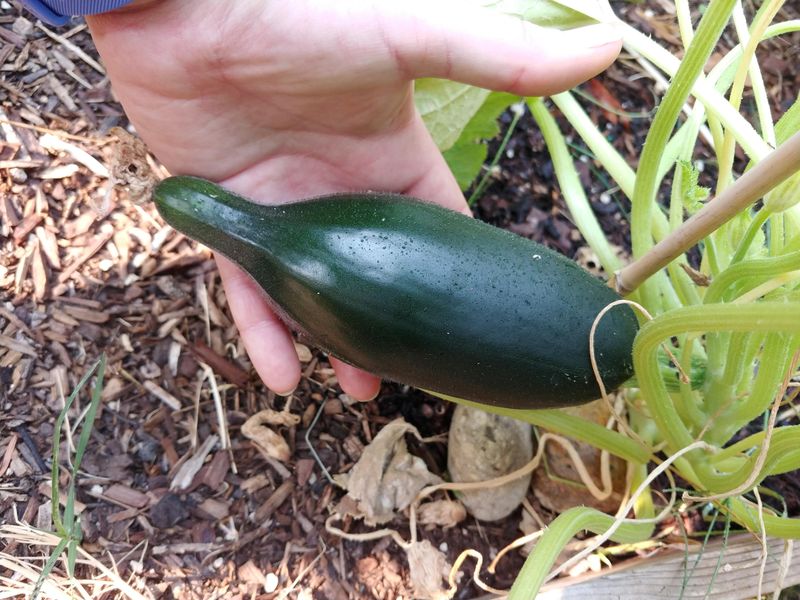
Giving your zucchini a lot of water one day and almost none the next causes serious problems. Plants need consistency to stay healthy.
When water levels swing back and forth, the plant gets confused and stressed, which leads to bitter-tasting fruit.
Think of it like eating only once every few days and then having a huge meal. Your body would not handle that well.
Zucchini works the same way. Irregular watering disrupts how the plant moves nutrients through its system.
Uneven watering also leads to issues like blossom end rot and cracked fruit. These problems show up alongside bitterness and can ruin an entire batch of zucchini before you even pick it.
Many gardeners do not connect the dots between their watering schedule and these outcomes.
The fix is straightforward. Water on a regular schedule, ideally at the same time each day.
Your Oregon Garden Changes Every Week. Your Plan Should Too.
Gardening in Oregon changes quickly throughout the season. Every Friday you’ll receive a simple weekly plan showing exactly what to plant, prune, fertilize, harvest, and protect so you never miss the right timing.
Early morning is best because it gives the soil time to absorb moisture before the afternoon heat kicks in. Using a drip irrigation system or soaker hose can help deliver water slowly and evenly to the root zone.
If you rely on hand watering, try to use the same amount each session. A rain gauge or moisture meter can take the guesswork out of the process.
Steady, even watering keeps your plants calm, healthy, and producing fruit that actually tastes good.
3. Dry Soil Makes Zucchini Struggle In Summer Heat
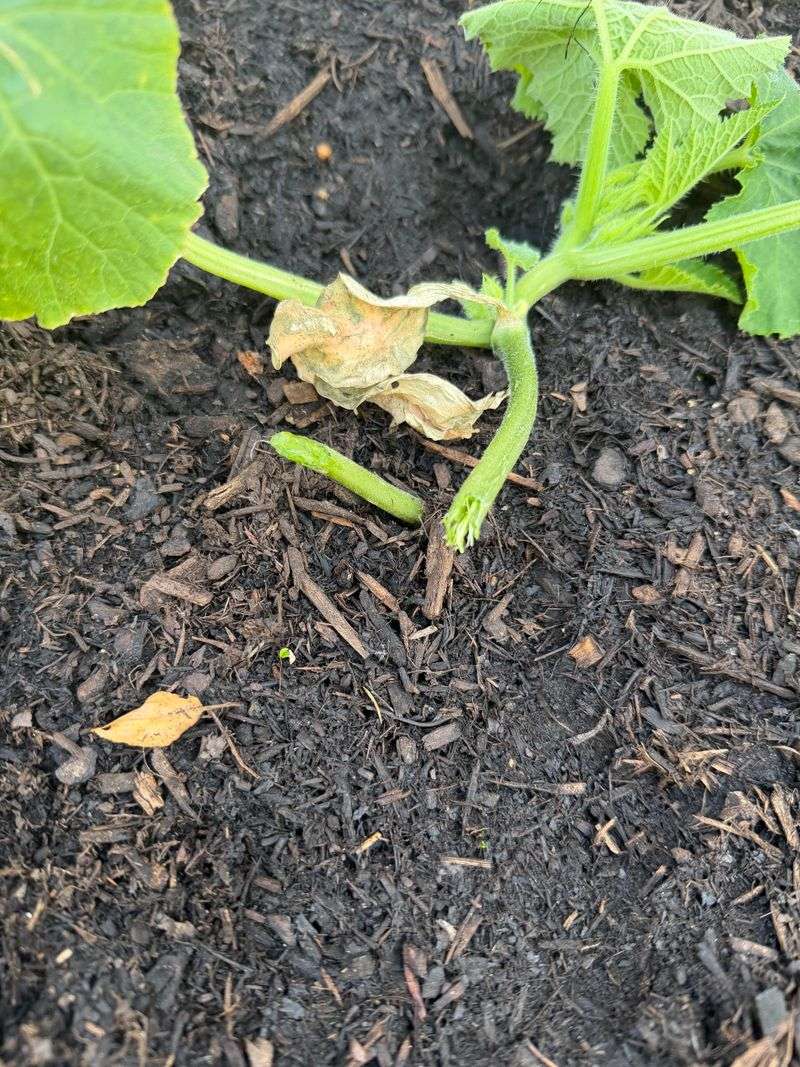
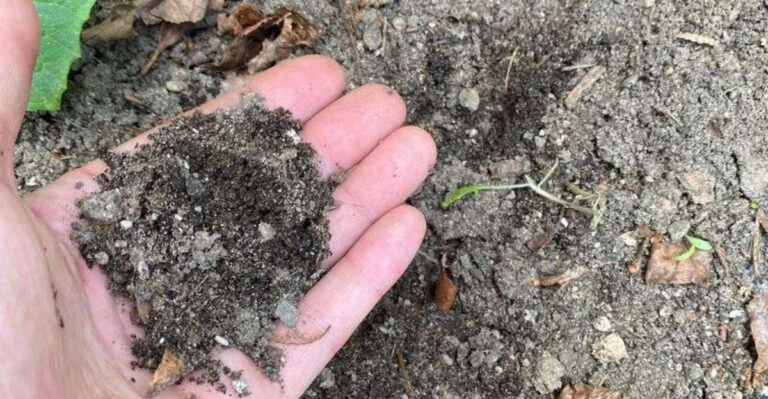
Dry soil is one of the fastest ways to ruin a zucchini harvest. When the ground bakes hard in the August sun, roots cannot pull up water or nutrients.
The plant shifts its energy away from growing good fruit and toward just staying alive.
In many parts of Oregon, August brings weeks of sunshine with very little rain. Gardeners who rely on rainfall alone are going to run into trouble.
Supplemental watering is not optional during these months. It is a must if you want quality produce.
Hard, dry soil also repels water instead of absorbing it. When you finally do water, the liquid runs off the surface instead of soaking down to the roots.
That means the plant still does not get what it needs even after you water it.
Breaking up compacted soil with a garden fork before watering can help. Loosening the top few inches allows water to penetrate deeper and reach the root zone more effectively.
Adding compost to your soil before planting also improves moisture retention over the whole season.
Checking soil moisture daily during hot stretches is a smart habit. The goal is to keep the soil consistently moist but not soaking wet.
A layer of mulch on top of the soil can slow down evaporation and keep conditions more stable between watering sessions. Healthy soil means healthier, better-tasting zucchini all summer long.
4. Shallow Watering Keeps Roots Too Close To The Surface
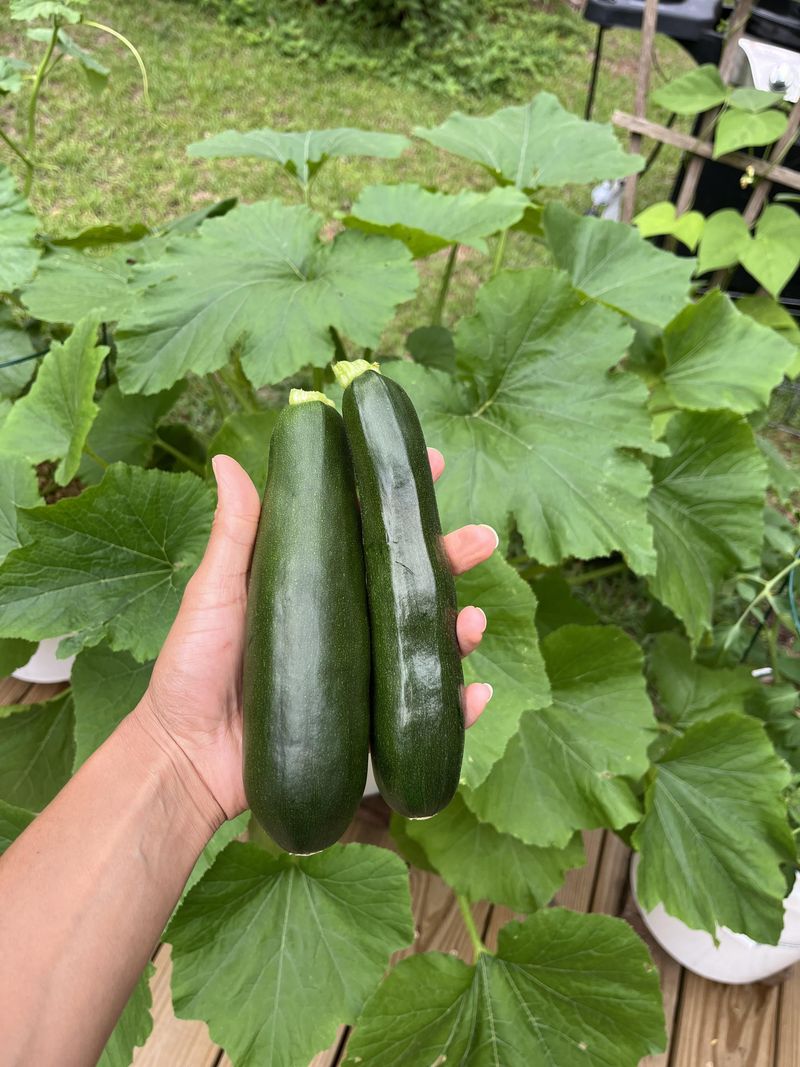
A lot of Oregon gardeners water their zucchini for just a minute or two and think the job is done. But quick, light watering only wets the top inch of soil.
The roots follow the moisture, so they stay shallow instead of growing deep into the ground.
Shallow roots are a big problem during August heat. The top layer of soil dries out fast when temperatures are high.
If the roots are all bunched up near the surface, the plant runs out of accessible water very quickly, even after a recent watering session.
Deep roots, on the other hand, can reach moisture that stays cooler and more stable lower in the soil. Plants with deep root systems are much more resilient during hot and dry stretches.
They pull water from a larger area and stay hydrated longer between waterings.
To encourage deep rooting, water slowly and for a longer period. You want the moisture to soak down at least six to eight inches into the soil.
A soaker hose or drip line running for thirty to forty-five minutes works much better than a quick spray with a garden hose.
After watering, check the depth of moisture by pushing a wooden skewer or stick into the soil. If it comes out dry after four inches, keep watering.
Training roots to go deep is one of the best investments you can make for summer zucchini production and flavor.
5. Hot Days Can Speed Up Bitter Fruit Problems
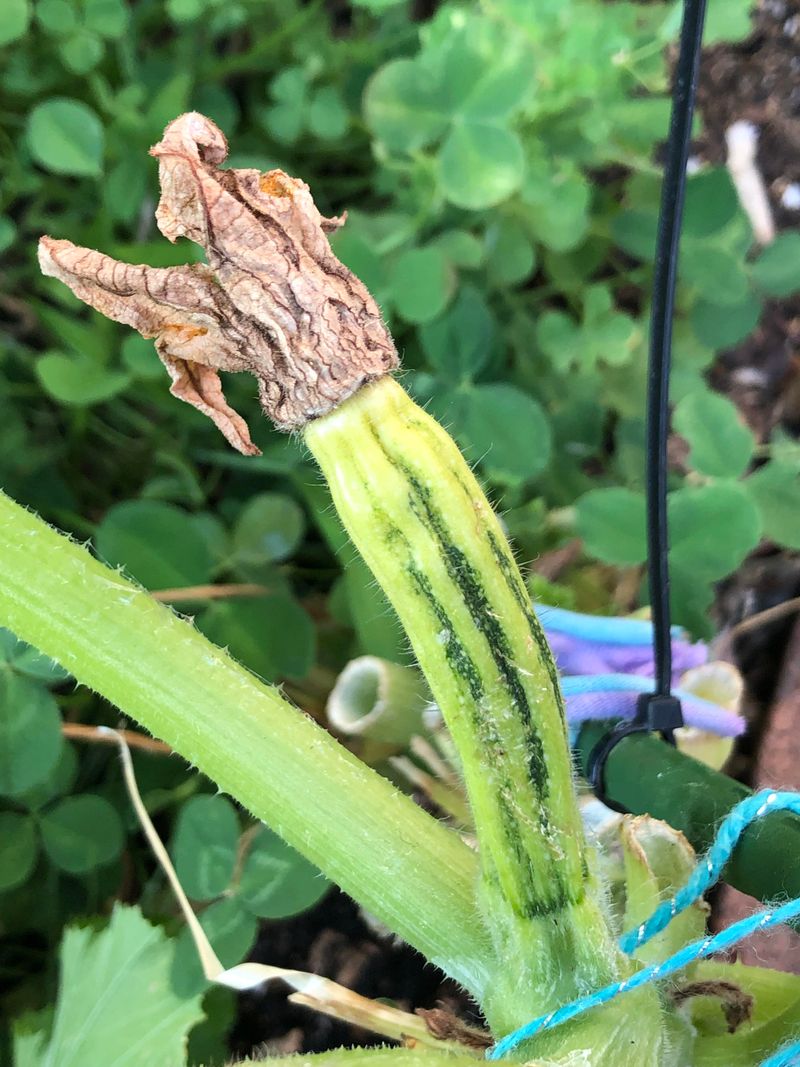
When temperatures climb above 90 degrees, zucchini plants feel it fast. Heat stress is one of the main triggers that causes plants to produce cucurbitacin, the compound responsible for bitter flavor.
The hotter and drier it gets, the worse the problem becomes.
August in the Pacific Northwest has gotten hotter in recent years. Heat domes and extended warm spells are not unusual anymore.
Gardeners who used to water three times a week may now need to water every single day to keep up with evaporation and plant demand.
High temperatures also affect pollination. When it is too hot, bees are less active, and flowers may not get properly pollinated.
Poorly pollinated fruit tends to be misshapen and can taste bitter even if watering is consistent.
Providing some afternoon shade during the hottest part of the day can help. A shade cloth that blocks about thirty percent of sunlight is a practical solution.
Set it up on the south or west side of your garden beds during heat waves.
Watering in the early morning is especially important on hot days. It gives the plant a full reservoir of moisture before the heat of the afternoon hits.
Avoid watering in the middle of the day because much of it evaporates before reaching the roots. Staying ahead of the heat is the key to keeping your zucchini tasting fresh and mild throughout the summer.
6. Overcrowded Plants Compete For Available Water
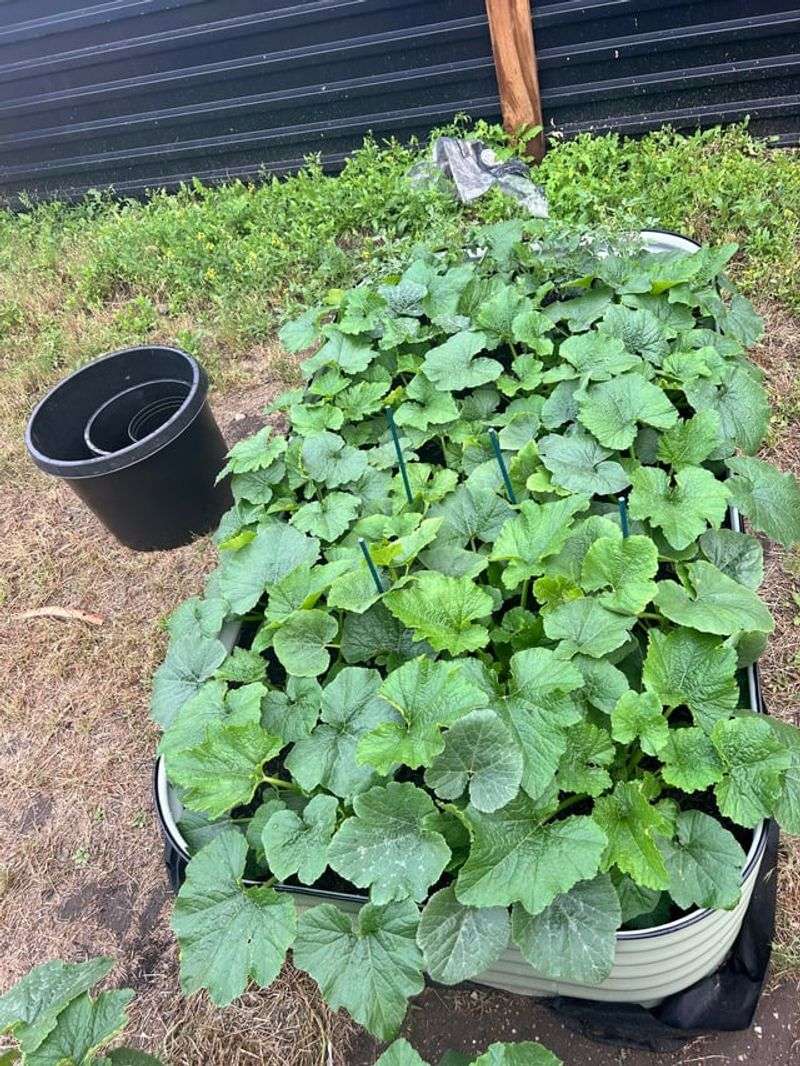
Planting zucchini too close together is a mistake that catches up with you in August. When plants are crowded, their root systems overlap and compete for the same water and nutrients.
No single plant gets enough of what it needs to thrive.
Many seed packets suggest spacing zucchini plants about three feet apart. Some gardeners push them closer to fit more into a small bed.
That might seem practical in spring, but by midsummer the plants are fighting each other for survival.
Water competition is especially fierce during dry stretches. Even if you water generously, crowded roots mean each plant gets a smaller share.
Stressed plants produce bitter fruit as a response to that ongoing resource competition.
Thinning your plants early in the season is the best prevention. If you already have overcrowded beds, try to remove the weakest plants to give the stronger ones more room.
It feels wasteful, but the remaining plants will produce better-tasting and more abundant fruit.
Improving air circulation by spreading out plants also reduces the risk of powdery mildew and other fungal issues that thrive in tight, humid spaces.
Good spacing makes watering more efficient too, since water reaches each root zone without as much competition.
If you are planning next year’s garden, mark your spacing now while the lesson is fresh. A little extra room in spring saves a lot of frustration come August.
7. Wet Leaves Invite Problems Without Helping Roots
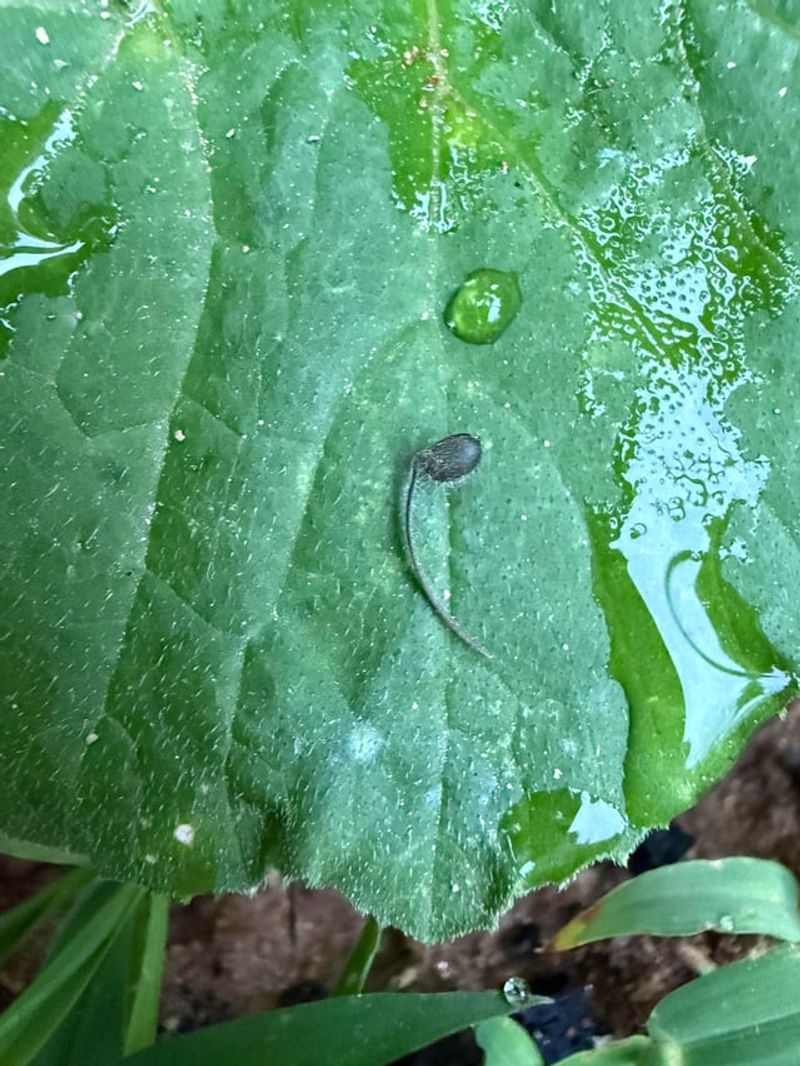
Spraying water directly on zucchini leaves might seem like a good idea, especially on a hot afternoon. But wet foliage does not help the plant absorb water.
Only the roots can do that job, and the leaves just end up staying damp for hours.
Damp leaves in warm weather create the perfect environment for powdery mildew and other fungal diseases. Once mildew takes hold, it spreads quickly across the entire plant.
Infected leaves cannot photosynthesize properly, which weakens the plant and reduces fruit quality.
Overhead watering with a sprinkler is one of the most common habits that causes this problem. Many gardeners use sprinklers because they are easy and convenient.
But for zucchini, especially during August, they do more harm than good.
Switching to drip irrigation or a soaker hose keeps water at the soil level where it belongs. The roots get a steady supply of moisture while the leaves stay dry.
This simple change can dramatically reduce disease pressure and improve overall plant health.
If you do not have a drip system, use a watering wand to direct water gently at the base of each plant. Try to water in the morning so any accidental splashing on leaves has time to dry before evening.
Keeping the foliage dry is one of the easiest ways to protect your plants and keep your zucchini tasting the way it should through the end of summer.
8. Mulch Helps Zucchini Hold Steady Moisture
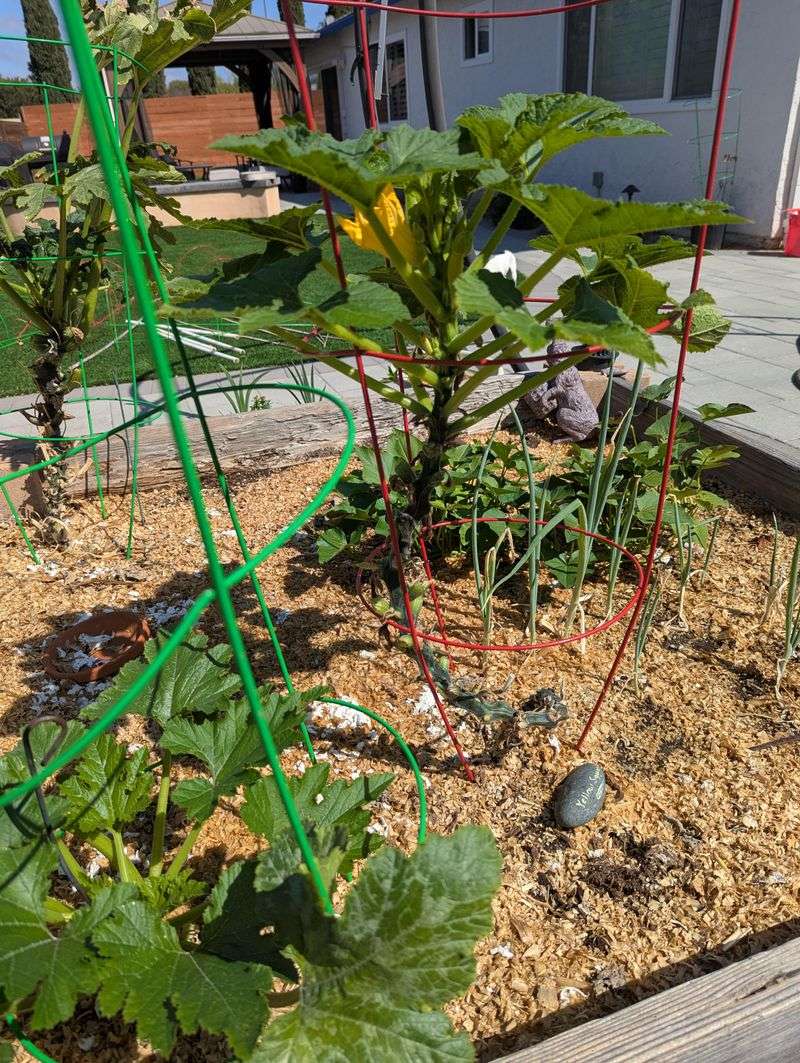
One of the simplest tools in any Oregon summer garden is a good layer of mulch. Spreading two to three inches of straw, wood chips, or shredded leaves around your zucchini plants does something that watering alone cannot.
It slows down evaporation so the soil stays moist longer between waterings.
Without mulch, the August sun can dry out the top few inches of soil within hours of watering. That rapid moisture loss forces you to water more often and makes it harder to keep conditions consistent.
Inconsistent soil moisture, as mentioned earlier, is a major trigger for bitter fruit.
Mulch also regulates soil temperature. In summer, bare soil can get extremely hot at the surface, which stresses the root zone directly.
A mulch layer acts like insulation, keeping the soil a few degrees cooler and creating a more stable environment for roots to grow.
Organic mulches like straw or wood chips break down slowly over time and add nutrients back into the soil. That is a bonus on top of the moisture benefits.
Avoid using fresh grass clippings in thick layers because they can mat together and block water from reaching the soil.
Apply mulch right after watering so you are locking in moisture from the start. Keep the mulch a few inches away from the plant stem to prevent rot at the base.
With mulch in place, your zucchini will handle August heat much more easily and produce noticeably better fruit.
9. Harvesting Late Makes Zucchini Taste Worse
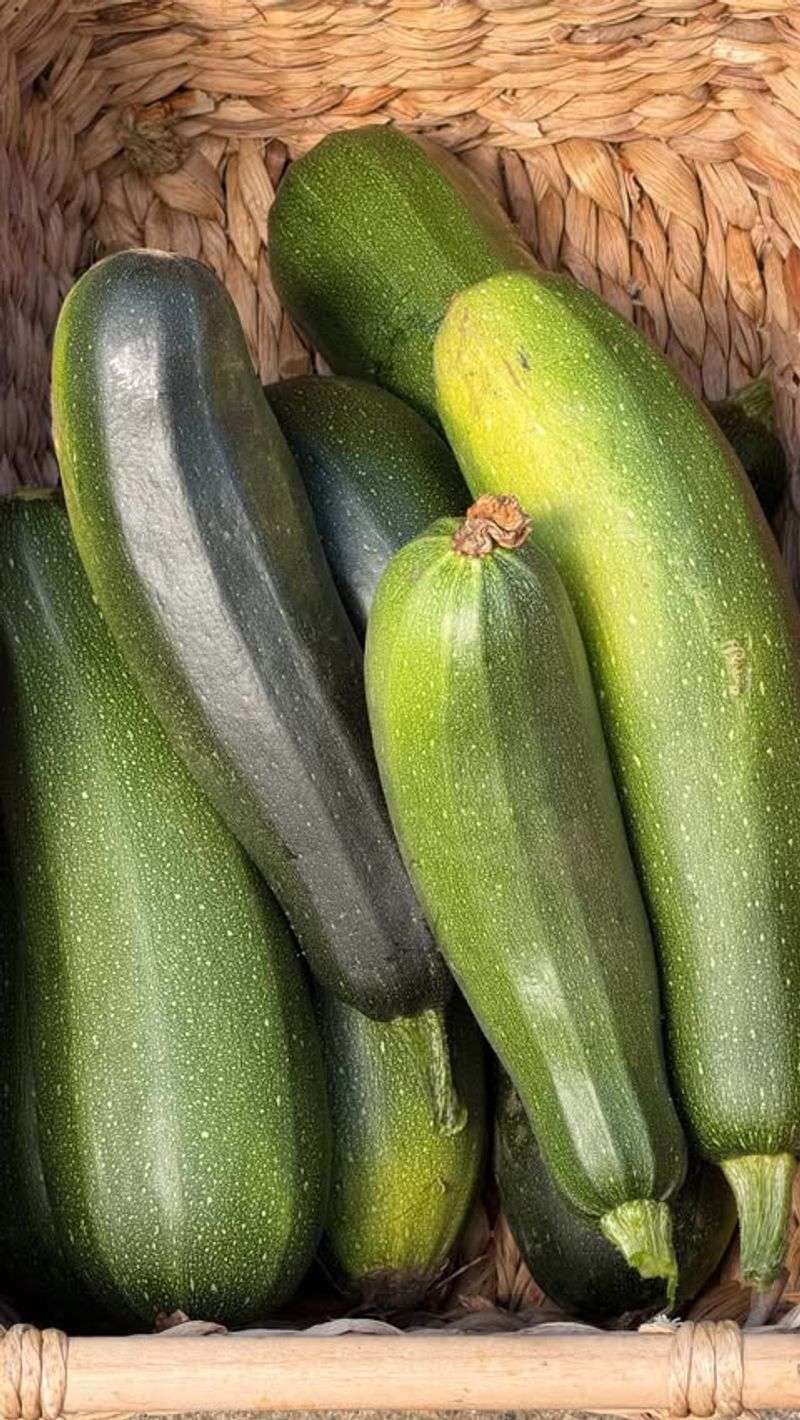
Here is something many gardeners do not expect. Leaving zucchini on the vine too long is actually a watering-related problem in disguise.
When fruit gets too large, the plant puts more stress on itself to support it. That stress, combined with August heat and dry soil, pushes cucurbitacin levels even higher.
Zucchini grows surprisingly fast in warm weather. A fruit that is the perfect size on Monday can be a giant, tough, bitter squash by Thursday.
Checking your plants every one to two days during peak season is not too much. It is just good gardening practice.
The best size for harvesting is usually six to eight inches long. At that size, the skin is tender, the seeds are small, and the flavor is mild and fresh.
Larger fruit tends to have thicker skin, bigger seeds, and a noticeably more bitter taste.
Oversized fruit also signals to the plant to slow down production. When the plant is focused on ripening one giant zucchini, it stops putting energy into new flowers and new fruit.
Regular harvesting keeps the plant in active production mode all season long.
Pair timely harvesting with good watering habits and you will see a real difference in flavor. A well-watered plant that is harvested often stays productive longer and produces consistently better-tasting zucchini.
Do not let a few missed harvest days undo all the work you put into watering correctly through the hottest month of summer.