What It Really Means When Copperheads Start Showing Up In Your North Carolina Yard In Late Summer
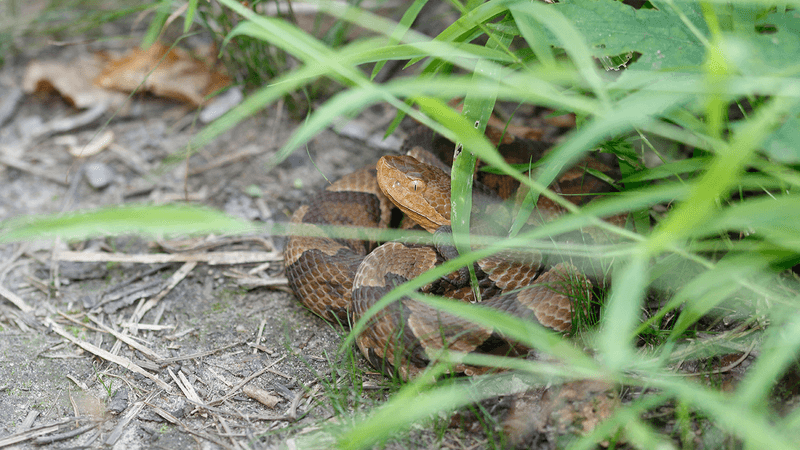
You step outside to water the garden and something thick and patterned near the foundation makes you freeze. Finding a copperhead in your yard is startling, but it is not random, and it does not have to send you into a panic. Copperheads are the most common venomous snake across North Carolina, and a late-summer sighting is actually your yard handing you a quiet piece of information worth reading carefully. Understanding what that signal means, and what it does not mean, puts you back in control.
The Sighting Is a Clue, Not a Verdict
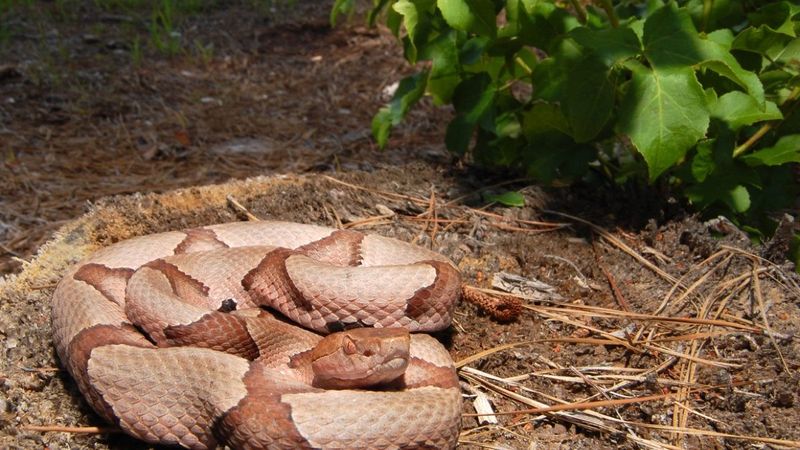
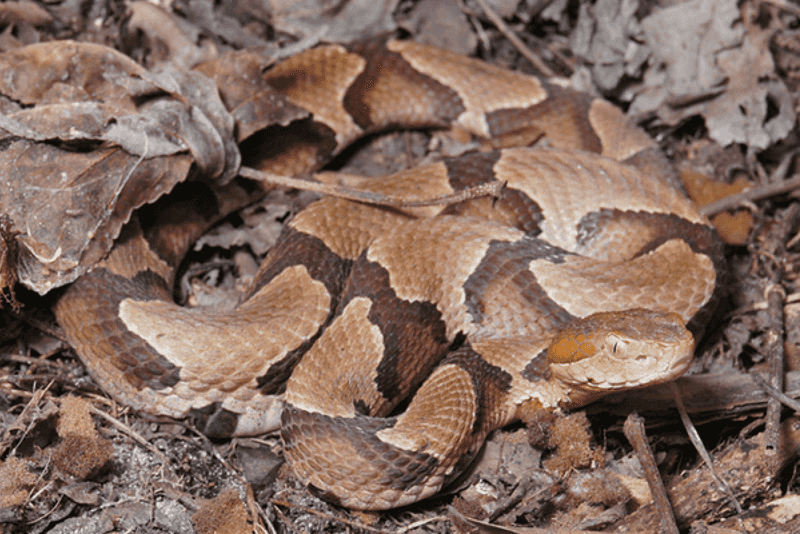
Spotting a thick, patterned snake near your porch does not mean your yard has gone wrong. Copperheads are widespread across North Carolina, present in the Piedmont, the Sandhills, the Coastal Plain, the mountains, and appropriate mainland coastal areas, though notably absent from the Outer Banks. NC State Extension’s guide to pit vipers describes them as the state’s most commonly encountered venomous snake in suburban and backyard settings, which means your neighborhood is not unusual for having one pass through.
A single sighting tells you that a snake found something useful nearby, maybe a patch of cover, a route between wooded areas, a warm surface for resting, or a food source. What it does not tell you is which of those things drew that particular snake, how long it has been around, or whether the yard itself created the problem. Copperheads move through connected habitat including wooded edges, drainage corridors, vacant lots, and neighboring properties, so one observation cannot pin down a cause.
According to UGA Cooperative Extension’s snake management guide, copperheads are generally secretive animals that prefer to escape rather than confront people. They may bite when stepped on, cornered, restrained, or handled, but a snake sitting near your garden bed is not stalking anyone.
Your first move is simple and does not require touching anything. Back away slowly, move children and pets well clear of the area, and watch from a safe distance. Do not try to identify the snake by leaning closer, and do not attempt to shoo it away with a stick or foot. Give it space, and let it do what most copperheads do when left alone: move on.
Late Summer Can Change When You Notice One
Late summer in North Carolina is hot, muggy, and full of afternoon thunderstorms, and all of that shapes when a copperhead is likely to be out where you can see it. The season does not flip a switch that sends snakes flooding into yards. What it does is shift the conditions that affect when a snake rests, hunts, or moves.
UGA Cooperative Extension notes that during the hottest stretches of summer, copperheads may become more active around dusk, at night, or during cooler parts of the day rather than midday. That timing shift matters for homeowners because it means you are more likely to cross paths with one during a late-evening porch sit or an early-morning walk to the garden shed than during the blazing heat of a two o’clock afternoon.
Your North Carolina Garden Changes Every Week. Your Plan Should Too.
Gardening in North Carolina changes quickly throughout the season. Every Friday you’ll receive a simple weekly plan showing exactly what to plant, prune, fertilize, harvest, and protect so you never miss the right timing.
The NC State Extension Animal Damage Control manual describes copperheads as active from spring through fall in warm weather, with behavior influenced by temperature, prey availability, and local habitat conditions. Late summer is simply a continuation of that warm-weather window, not a proven statewide surge in movement or population.
Some people assume late summer means baby copperheads are everywhere. Young copperheads can appear in late summer or early fall in parts of their range, and they do have a recognizable yellow or yellow-green tail tip, but no North Carolina wildlife authority describes this as a statewide explosion of juveniles. One small snake near the compost bin is not evidence of a nest full of offspring.
For practical planning, CDC guidance for outdoor workers recommends extra awareness during warm weather and around dawn and dusk, which aligns well with late-summer conditions across the Piedmont and Coastal Plain. If you do yard work in the evenings or early mornings through September, treat those hours as the higher-attention window.
Cover Gives a Snake Somewhere to Hide
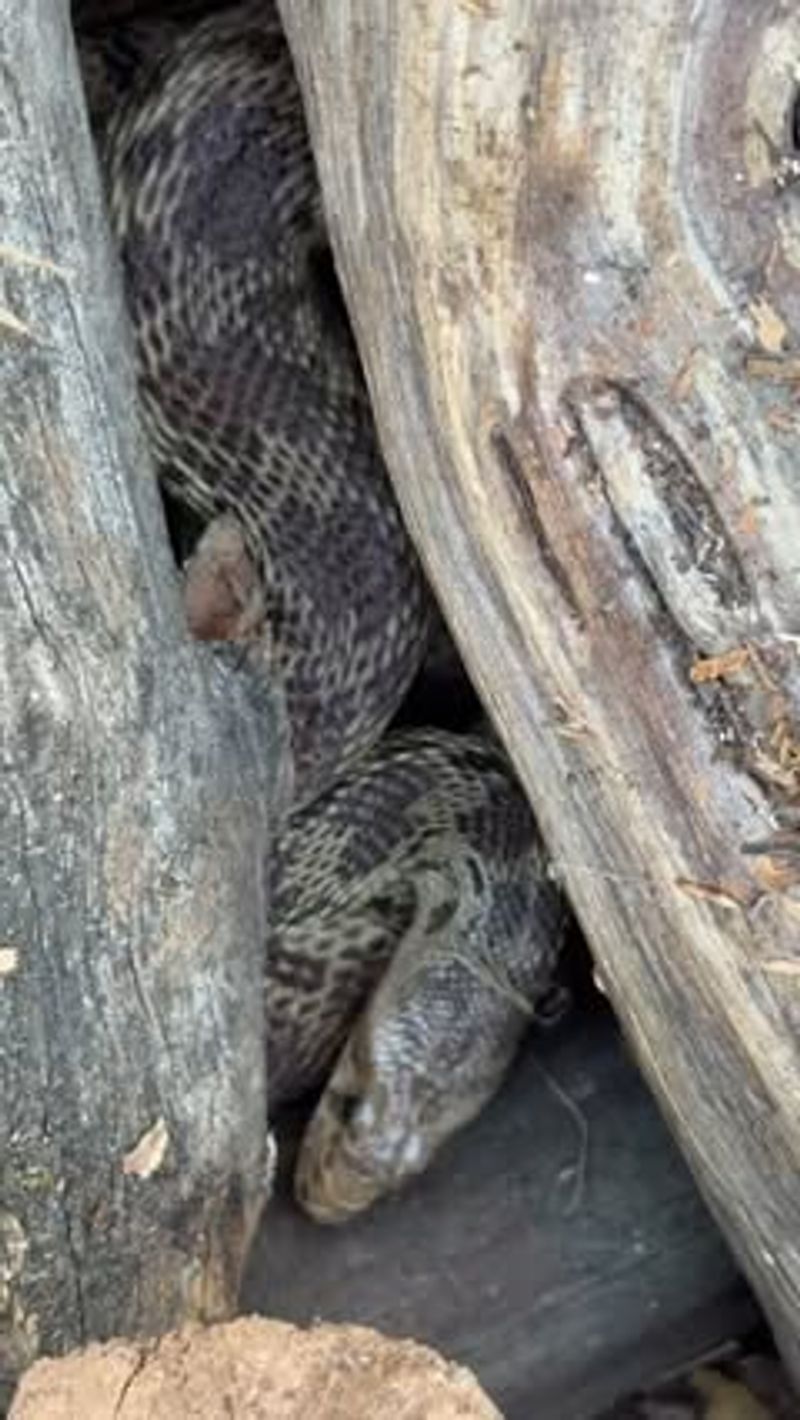
A copperhead does not wander into a yard looking for trouble. It looks for the same thing most animals look for: a place where it feels hidden and safe. Woodpiles, brush piles, rock piles, fallen logs, abandoned equipment, thick ground cover, and dense vegetation along a fence line or wooded edge all qualify.
UGA Cooperative Extension’s snake habitat guidance lists these exact structures as common resting and sheltering sites for copperheads. The same features that make a corner of the yard feel naturalistic and shaded also make it feel secure to a snake that needs to regulate its temperature or wait out the heat of the day.
Here is where it gets tricky. Many of those same features are genuinely good for the yard’s broader ecosystem. NC State Extension’s backyard wildlife guide describes brush and rock piles as valuable habitat for lizards, toads, beneficial insects, and other small wildlife. Removing every pile from every corner of the property is not necessary and may actually harm the wildlife community you want to support.
The meaningful distinction is location. A brush pile at the back edge of a half-acre lot, away from foot traffic, is a different situation from a woodpile stacked directly beside the back door or a rock border running along the path to the children’s play set. Dense, low-visibility cover right next to a doorway, patio, path, play space, or pet run raises the chance of an unexpected close encounter.
NC State Extension’s snake management page and CDC outdoor-worker safety guidance both emphasize never reaching blindly beneath boards, rocks, debris, or into dense vegetation without checking first. Inspect from a safe standing distance. If you cannot see what is underneath something, assume something could be there and use a long-handled tool, not your hand, to look before you grab.
Prey Can Make One Corner Worth Visiting
Cover is only half the picture. The other half is food. A copperhead that passes through your yard and decides to linger is usually responding to a combination of shelter and something worth eating nearby.
NC State Extension’s viper guide lists copperhead prey as mice and other small mammals, frogs, toads, salamanders, small lizards, birds, caterpillars, cicadas, and other large insects. That is a surprisingly broad menu, which means a yard does not need an obvious rodent problem to offer a reason for a snake to stop and look around.
Think about what overlaps in a single corner of a typical Piedmont or Coastal Plain yard in August. A bag of bird seed stored in the garage brings mice. Mice bring a snake that eats mice. A low spot that stays damp after afternoon storms brings frogs and toads.
A compost pile with kitchen scraps draws both rodents and insects. Any one of those conditions could catch a passing snake’s attention, and two or three together make that corner genuinely worth revisiting.
UGA Cooperative Extension points out that the surrounding landscape matters just as much as what is happening inside the yard. A wooded lot next door, a creek corridor two properties away, or an overgrown utility right-of-way can supply snakes with travel routes and prey, regardless of what the homeowner has or has not done. You did not necessarily build this situation, you may simply be located where the habitat connects.
Noticing these overlapping conditions is useful. Rodent activity near a shed or feed storage area, a consistently damp corner with lots of frog activity, and insect-rich vegetation pressed up against a structure are all signals worth paying attention to, not because any one of them proves a snake lives there, but because NC State Extension snake guidance consistently links prey reduction to lower encounter risk in specific areas.
One Snake Does Not Prove an Infestation
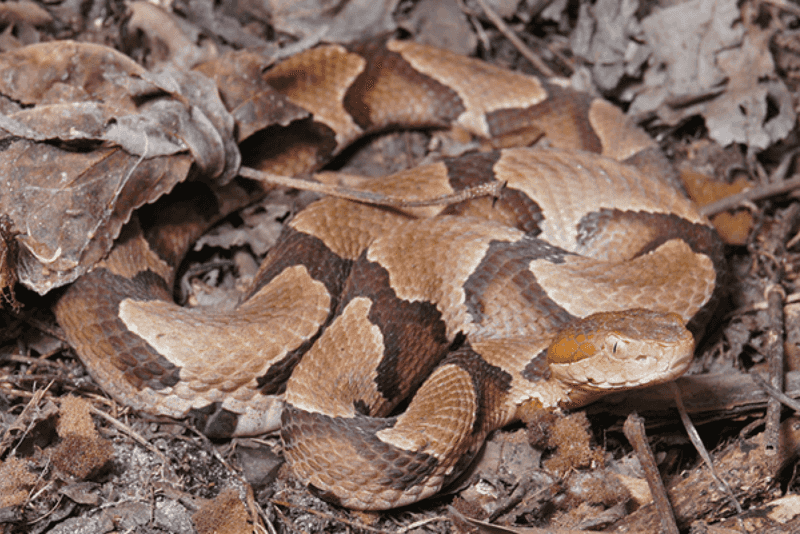
A single copperhead near the patio is not an infestation. It is one snake, possibly passing through, possibly using a temporary shelter or a convenient hunting spot. The word infestation implies a population that has established itself and is multiplying inside a structure, and nothing about one sighting supports that conclusion.
Repeated sightings near the same doorway, shed, crawl space, or play area are a different matter. That pattern is worth a closer look at nearby rodent activity and available cover, but even repeated encounters do not automatically mean dozens of snakes are living under the porch. UGA Cooperative Extension recommends treating repeated sightings as a reason to review habitat and rodent-control conditions systematically, not as proof of a hidden colony.
Copperheads occur across a wide range of North Carolina habitats, and a USGS copperhead habitat map shows suitable range covering the Piedmont, Sandhills, Coastal Plain, mountains, and appropriate mainland coastal areas. The Outer Banks are an important exception where copperheads do not occur. If you live anywhere else in the state, a copperhead in the yard is within the normal range of possibility, not a sign that something has gone badly wrong.
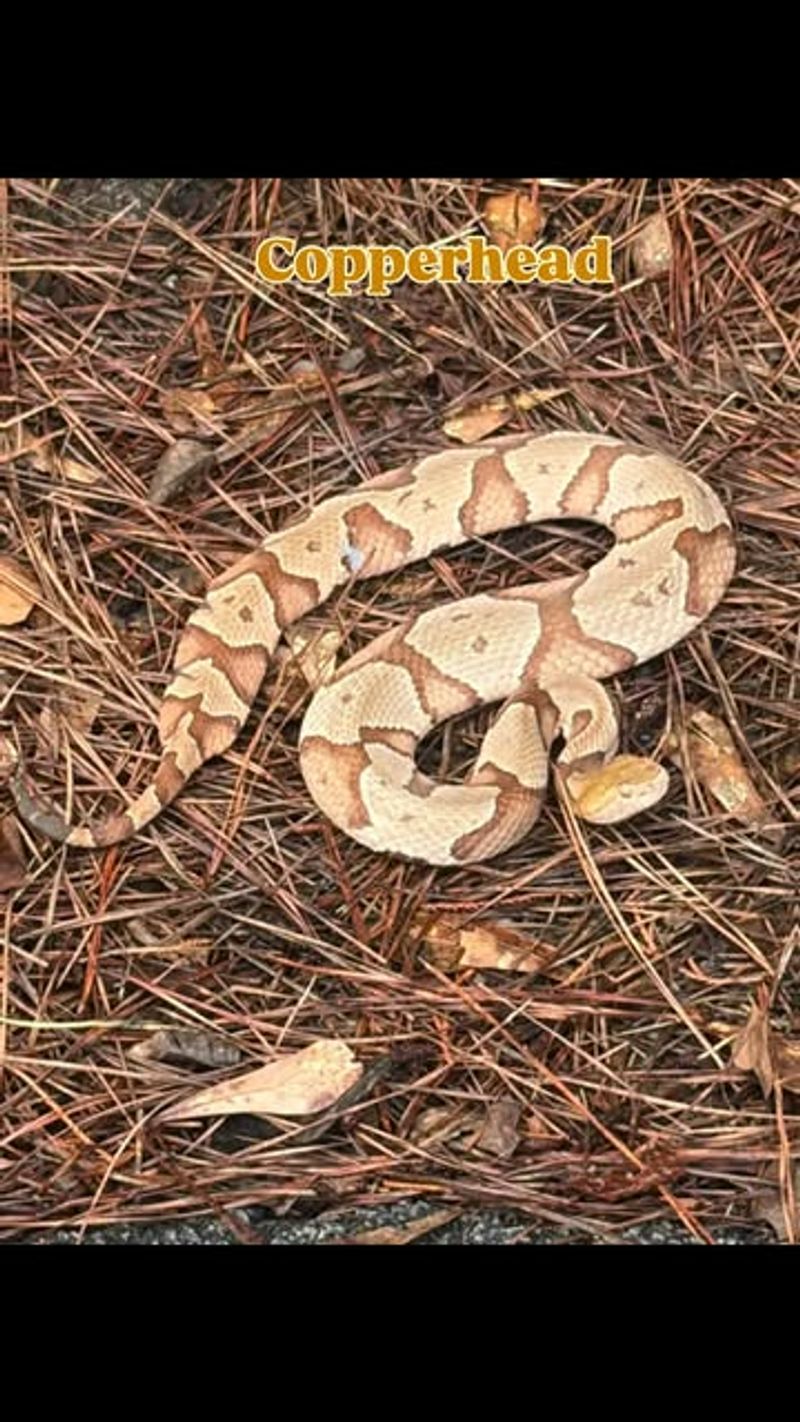
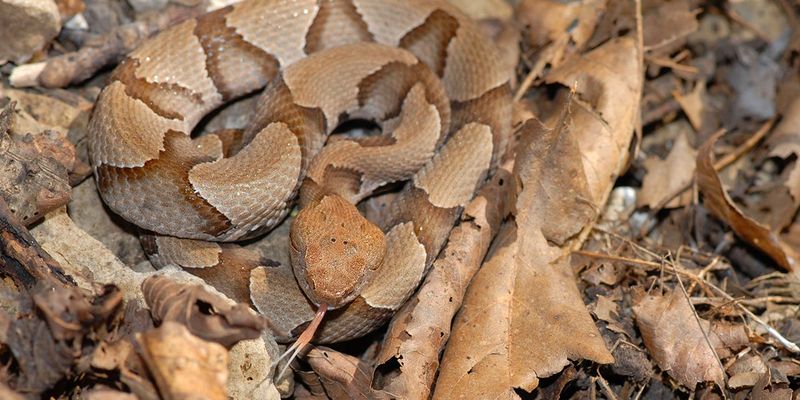
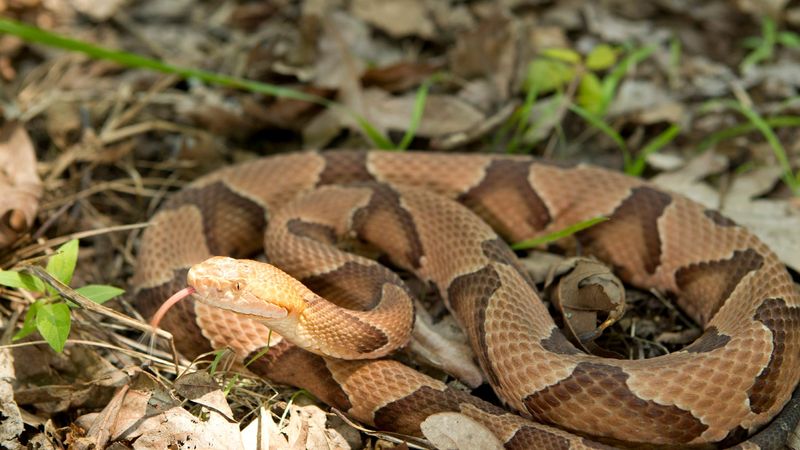
Safe identification from a distance can help you decide how to respond. NC State Extension describes copperheads as having dark, hourglass-shaped crossbands on a lighter tan or brown body, and Poison Control’s copperhead page notes that young snakes often have a yellow or yellow-green tail tip. Adults are commonly around 2 to 3 feet long, though they can reach close to 4 feet. None of those identification details justify moving closer.
A photograph taken from a genuinely safe distance may help a wildlife professional later, but the goal of identification is better awareness, not a reason to approach.
Make High-Use Areas Clearer and Safer
Once the snake has moved on or a qualified wildlife professional has confirmed the area is clear, you have a real opportunity to make the spots your family actually uses less attractive to a passing snake. The goal is not to sterilize the whole yard, it is to reduce cover and prey access specifically around the places where a surprise encounter would be most dangerous.
Start at the entrances to your home, then move outward to patios, play spaces, paths, sheds, and pet runs. UGA Cooperative Extension’s snake habitat management guidance recommends relocating wood, brush, slab, and rock piles away from buildings and high-traffic zones, trimming grass and weeds to a manageable height close to foundations, and reducing rodent access around garages, sheds, crawl spaces, compost areas, and anywhere animal feed is stored.
A critical rule before any of that work begins: do not dismantle piles, move debris, trim dense vegetation, or enter the snake’s immediate area while it may still be present. First keep everyone away from the spot. If the snake can leave safely on its own, give it time. If it remains near an unavoidable location such as a doorway, pet run, or children’s play area, contact a qualified wildlife professional rather than trying to handle the situation yourself.
NC State Extension and CDC guidance both recommend against attempting to capture, kill, or move a venomous snake.
These yard changes genuinely reduce encounter risk in selected areas, but they cannot remove copperheads from your region. A snake from a neighboring property, a wooded corridor, or a drainage easement can always pass through. UGA Extension’s repellent review and NC State’s backyard wildlife guide both state that commercial snake repellents, mothballs, sulfur products, and vibration devices have not been shown to work reliably. They are not worth the money or the false sense of security.
Honest habitat work around high-use zones, combined with rodent control, is the one approach that actually changes the equation in a meaningful way, even if it cannot guarantee a snake-free yard. CDC wildlife safety guidance reinforces that reducing attractants around the home is the practical foundation of coexisting with wildlife safely.
Keep Your Distance and Know the Bite Response
Every encounter with a suspected copperhead follows the same opening move: back away slowly and create real distance. Do not stamp your feet, wave a tool at it, or try to guide it toward the fence. Move children and pets well clear of the area and keep them away until the snake has left on its own or a qualified wildlife professional has assessed the situation.
When a copperhead stays near a doorway, a path you cannot avoid, a play area, or a pet enclosure, that is the moment to call in professional help rather than improvise. NC State Extension’s backyard wildlife guidance recommends contacting a wildlife removal professional rather than attempting to capture or relocate a venomous snake yourself. A photo from a safe distance can help the professional identify the snake without anyone needing to get close.
For future yard work around likely snake habitat, boots and long pants are not optional. CDC guidance on venomous snakes recommends heavy work boots, long pants, and gloves appropriate for handling brush or debris, and specifically advises looking before reaching into vegetation, under boards, into woodpiles, or around rocks. That habit costs nothing and matters most during the warm months when copperheads are active across North Carolina.
If a bite does happen, treat it as a medical emergency without hesitation. Call 911 immediately. Move the person away from the snake, keep them as calm and still as possible, and remove rings, watches, and anything else that could tighten around a swelling limb. Wash the wound gently with soap and water if available and cover it with a clean dressing.
Do not cut the wound, try to suck out venom, apply ice, use a tourniquet, apply electric shock, or attempt to catch the snake. CDC wildlife safety guidance specifically warns never to handle a venomous snake, including one that appears dead or a severed head, because a reflex bite can still occur.
Copperhead bites are often survivable, but survivable and harmless are not the same thing. A published study on copperhead envenomations in the Carolinas documents that bites can cause severe pain, significant swelling, bruising, blistering, abnormal clotting, tissue injury, and prolonged dysfunction in the affected limb. Poison Control’s copperhead resource reinforces that hospital evaluation is necessary even when a bite initially appears minor. Getting the right emergency care quickly is what keeps a survivable bite from becoming a serious long-term problem, and that is the most important thing to remember when the evening in the yard takes an unexpected turn.