The Most Underrated Florida Yard Plant That Deters Both Iguanas And Mosquitoes
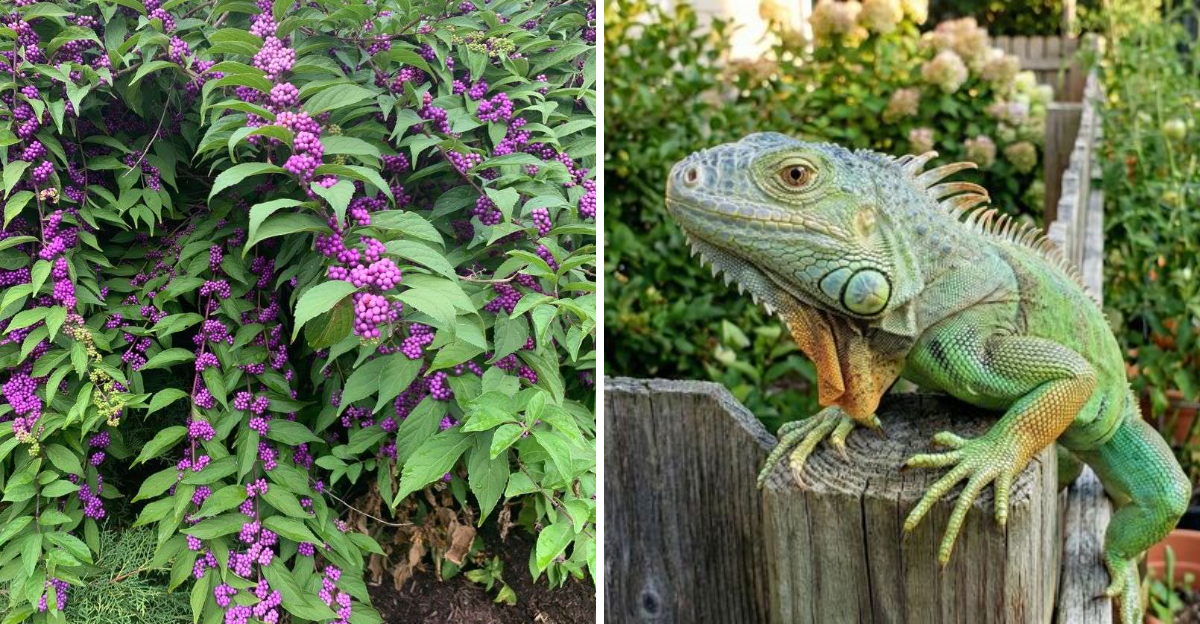
A pretty Florida native shrub can pick up a big reputation fast.
One gardener says it keeps mosquitoes away. Another claims iguanas avoid it. Soon, the plant starts sounding like the one-stop fix for every uncomfortable evening and every chewed-up garden bed.
That kind of promise deserves a closer look.
The plant is beautiful, useful, native, and absolutely worth growing in many Florida yards. But the strongest claims around it need careful handling.
Some research points to insect-repellent compounds in its leaves, yet a living shrub beside the porch is not the same as a tested skin repellent.
The iguana claim is even shakier.
No plant should be treated as a guaranteed force field against hungry invasive iguanas.
So what can this Florida yard plant really do?
It can add wildlife value, bright fall color, useful native structure, and low-maintenance beauty. For mosquitoes and iguanas, it belongs beside proven controls, not in place of them.
American Beautyberry Is The Plant
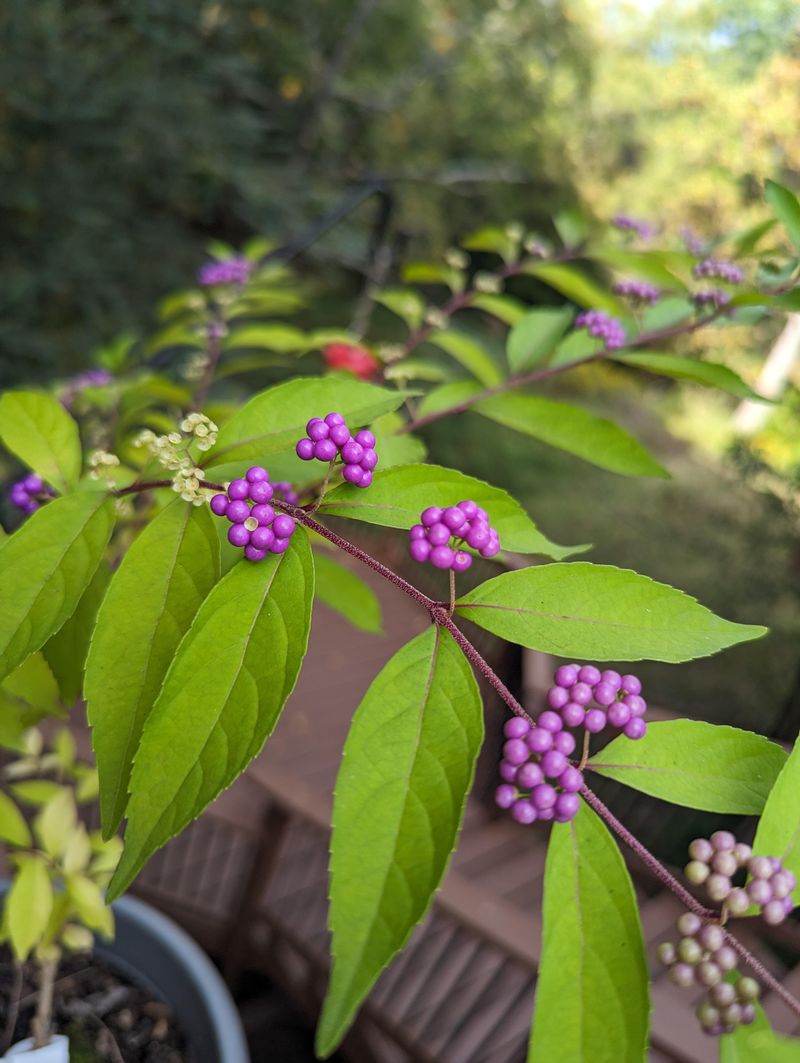
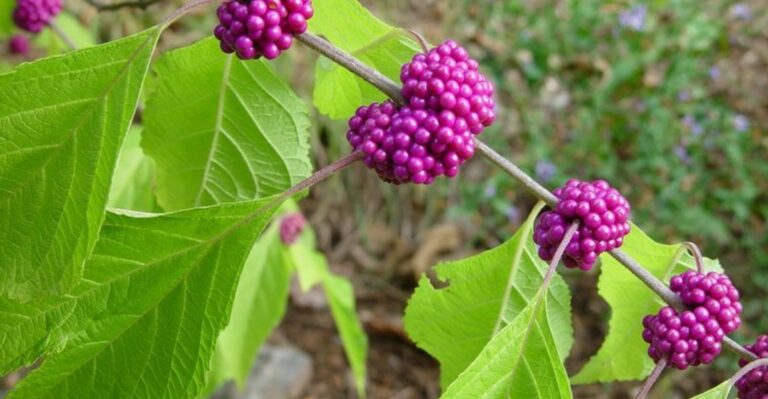
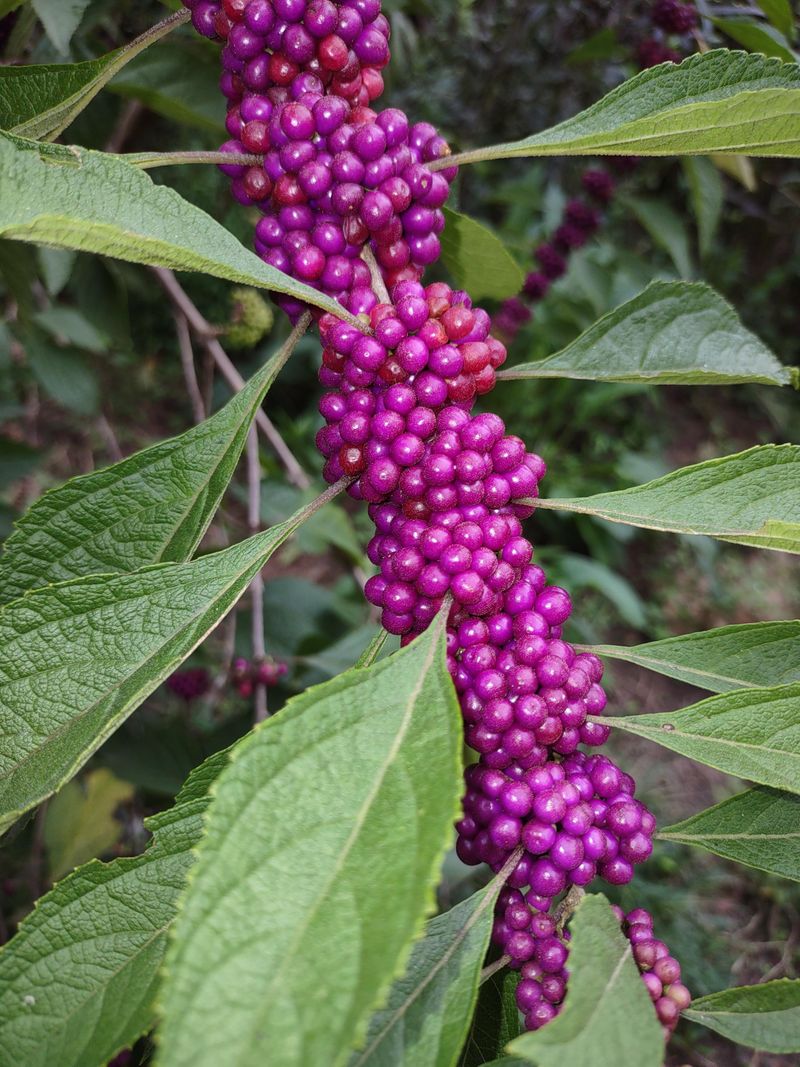
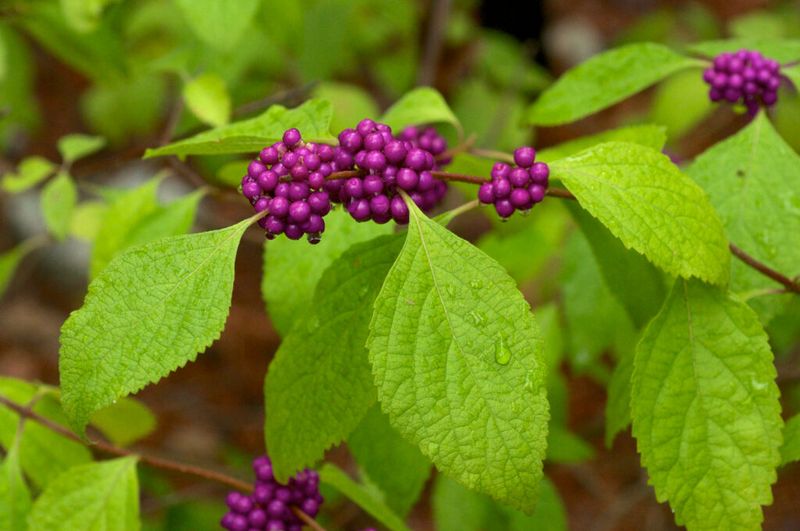
This shrub produces clusters of vivid purple berries that wrap around the stems in late summer and fall. The berries sit so tightly together that the branches look decorated, as though the plant dressed itself up for the season.
The botanical name is Callicarpa americana. In Florida gardens, it is usually just called beautyberry.
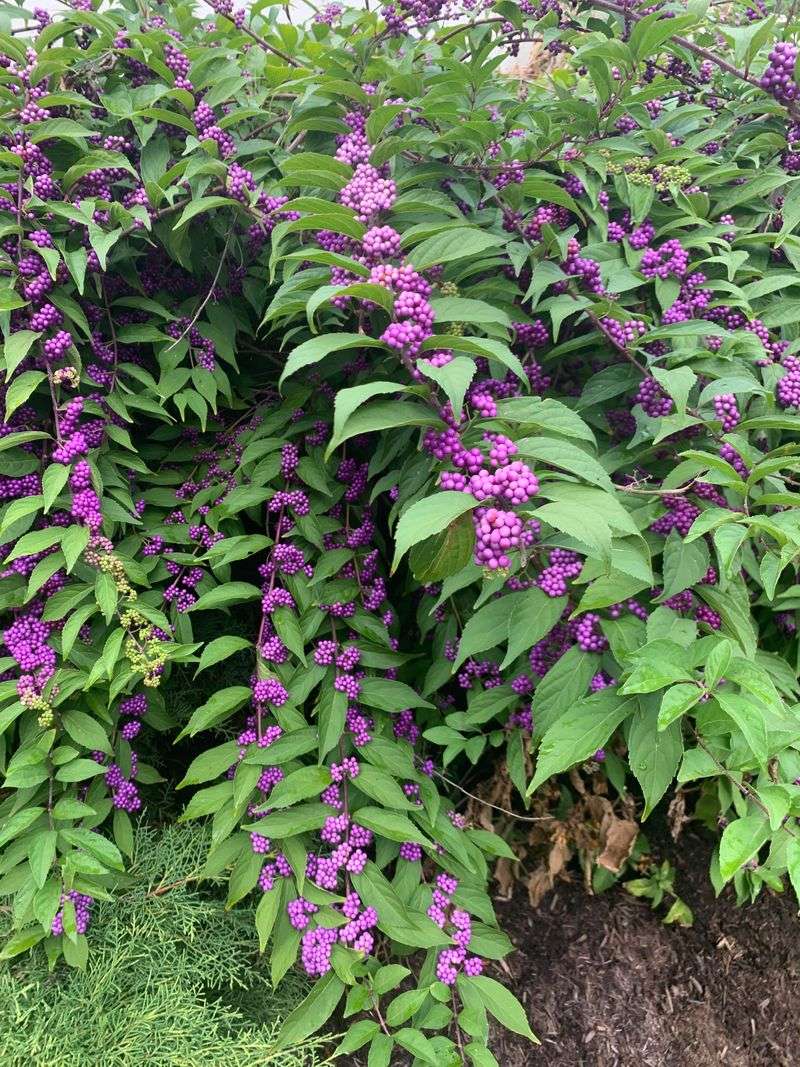
It grows as a loose, arching shrub. Mature plants often reach six to eight feet tall and about as wide when given room.
The shape is relaxed. Beautyberry does not look like a clipped hedge or formal foundation plant. It looks best when allowed to keep its natural curve.
Florida suits it well. This native shrub handles heat, humidity, sandy soil, and seasonal rain far better than many fussy ornamentals.
The berries feed birds. Mockingbirds, robins, cardinals, and other wildlife may visit when the fruit ripens.
The plant also supports a more natural yard. It fits along fence lines, under open tree canopies, near woodland edges, or in mixed native borders.
That usefulness is real. The plant does not need exaggerated pest-control promises to deserve a place in the landscape.
Beautyberry is already valuable.
The mosquito and iguana claims are what need a closer look.
Leaf Extracts Hold Repellent Compounds
The mosquito story begins in the leaves.
Beautyberry foliage contains natural compounds that have shown repellent activity in controlled testing. That is why the plant keeps appearing in online claims about mosquitoes, ticks, and backyard comfort.
The science is interesting. Researchers have identified compounds in beautyberry leaves that can repel certain biting insects under specific conditions.
But a leaf is not a product. A compound inside a plant is not the same thing as a tested, measured, registered repellent that has been formulated for human use.
Concentration matters. Lab extracts can be prepared in a controlled way, while a shrub growing beside the porch releases far less into open air.
Contact matters too. A mosquito flying toward a person is not automatically stopped because a beautyberry shrub grows nearby.
Wind changes everything. Outdoor air movement, humidity, heat, plant age, and leaf condition all affect what compounds are present around the plant.
Your Florida Garden Changes Every Week. Your Plan Should Too.
Gardening in Florida changes quickly throughout the season. Every Friday you’ll receive a simple weekly plan showing exactly what to plant, prune, fertilize, harvest, and protect so you never miss the right timing.
A crushed leaf is still not a guaranteed solution. Rubbing random plant material on skin can irritate some people, and homemade extracts do not carry the same testing as approved repellents.
Respect the research without stretching it. Beautyberry leaves are scientifically interesting, but the shrub itself should not be treated like an invisible mosquito shield.
That distinction matters in Florida.
Mosquitoes are more than annoying here, so protection should come from tools that are proven to work in real yards, not just exciting headlines.
Passive Planting Will Not Stop Bites
Mosquitoes are not easily distracted by pretty landscaping.
A female mosquito looking for a blood meal follows carbon dioxide, warmth, moisture, and body odors. A shrub planted nearby does not reliably interrupt that search.
This is where the viral claim falls apart. Beautyberry may contain repellent compounds, but simply growing it in the yard has not been shown to create a bite-free zone.
Use proven skin protection. EPA-registered repellents are still the dependable choice when mosquitoes are active.
Cover exposed skin when needed. Long sleeves, lightweight pants, socks, and shoes help reduce bites during peak mosquito hours.
Fans are surprisingly helpful. Mosquitoes are weak fliers, and steady airflow around a porch or patio makes landing much harder.
Screens matter. Good window, door, and porch screens remain one of the most practical mosquito barriers in Florida homes.
Remove standing water. Plant saucers, buckets, clogged gutters, toys, tarps, bromeliad cups, and low containers can all become breeding sites.
Refresh birdbaths often. Any water feature that holds still water needs regular attention.
Do not rely on scent alone. Strong-smelling plants may seem helpful, but mosquitoes are persistent when people are nearby.
Beautyberry can be part of a better yard.
It just should not be the only thing standing between you and a humid Florida evening full of mosquitoes.
Iguana Deterrence Is Not Proven
The iguana claim needs even more caution.
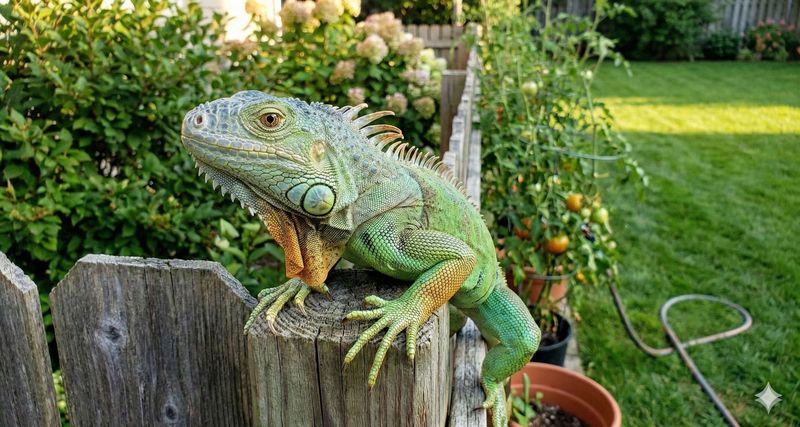
Green iguanas are established in parts of Florida, especially in the south, and they can cause serious damage in landscapes. They eat leaves, flowers, fruits, and tender growth from a wide range of plants.
That makes any simple plant-based fix tempting. A native shrub that supposedly keeps iguanas away sounds like the perfect answer.
The evidence does not support that promise. American beautyberry has not been proven to repel iguanas from a yard or protect nearby plants from feeding damage.
Low preference is not the same as deterrence. An iguana might ignore one plant while tastier options are available, but that does not mean the plant actively drives it away.
Hungry iguanas change the rules. When food is scarce or populations are high, plants that usually get skipped may still be sampled.
Yard conditions matter. Feeding pressure can vary by neighborhood, season, plant mix, and the number of iguanas moving through the area.
Physical barriers work better. Cages around vulnerable plants, exclusion fencing, smooth tree wraps, and protected raised beds offer more reliable defense.
Remove easy attractants. Fallen fruit, accessible vegetable beds, and tender ornamental plants can draw iguanas back repeatedly.
Professional help may be needed. Heavy iguana activity can quickly outgrow casual home strategies.
Beautyberry is not a proven iguana repellent.
Plant it for native beauty and wildlife value, then manage iguanas with barriers and practical exclusion methods.
Resistant Plants Need Separate Planning
Iguana-resistant planting is a different strategy.
Gardeners can choose plants that iguanas tend to bother less often, but that is not the same as planting one shrub and expecting the whole yard to be protected.
Texture can help. Iguanas may avoid some plants with tough, leathery, thorny, milky, or strongly flavored foliage.
But no plant is guaranteed. A plant ignored in one Florida yard may be chewed in another if hungry iguanas pass through often.
Beautyberry should not be the entire plan. It may fit into a more resilient landscape, but it should not be asked to protect vegetables, hibiscus, leafy ornamentals, or fruiting plants nearby.
Use layers of protection. Resistant plant choices, cages, barriers, and cleanup all work better together.
Protect the most vulnerable plants first. Young vegetables, tender ornamentals, and fresh transplants often need physical protection more than mature shrubs do.
Check pet and child safety. Some plants iguanas avoid may also be toxic to people, dogs, cats, or livestock.
Avoid trading one problem for another. A plant that discourages browsing but creates safety concerns may not belong in a family yard.
Observe your own property. Iguanas have preferences, but local behavior is the final test.
A good iguana plan is realistic.
It reduces damage instead of promising that one plant will make the problem disappear.
Give Beautyberry Sun Or Part Shade
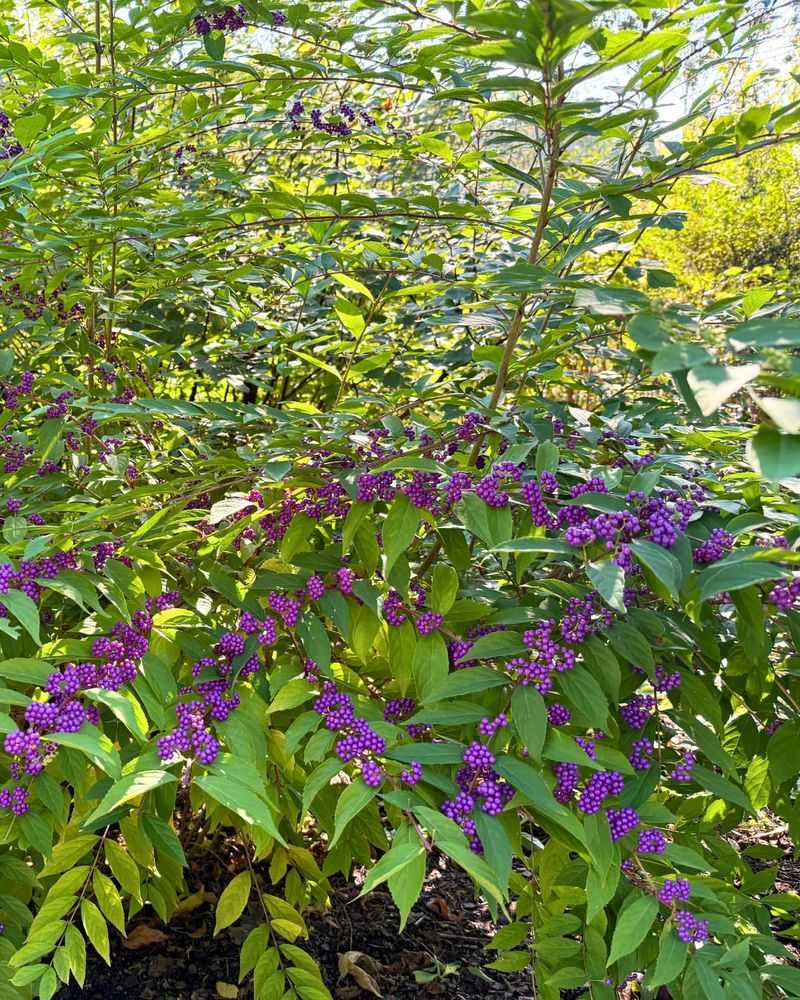
Beautyberry grows best when the site fits its natural style.
This is not a stiff little shrub for a narrow strip by the driveway. It wants room, decent drainage, and enough light to flower and fruit well.
Full sun gives more berries. Plants grown with strong light usually produce a heavier fruit display.
Part shade still works. Beautyberry can grow beneath open tree canopies or along woodland edges, though berry production may be lighter.
Give it space from the start. A mature shrub can spread six feet or more, and crowding forces pruning that ruins the graceful shape.
Avoid soggy low spots. Beautyberry is adaptable, but roots do not want to sit in wet soil for long periods.
Sandy soil is fine. Once established, the shrub can handle many typical Florida yard conditions without constant pampering.
Water during establishment. The first growing season matters, especially during hot dry stretches.
Mulch the root zone. A light organic mulch helps hold moisture and keeps soil temperatures steadier.
Keep mulch off the stems. A clear ring around the base prevents trapped moisture where the crown needs air.
Do not overfertilize. Too much feeding can push leafy growth without improving the natural berry display.
Beautyberry is easy when placed well.
The right site lets it become a low-care native shrub instead of a plant that needs constant correction.
Prune Older Stems In Late Winter
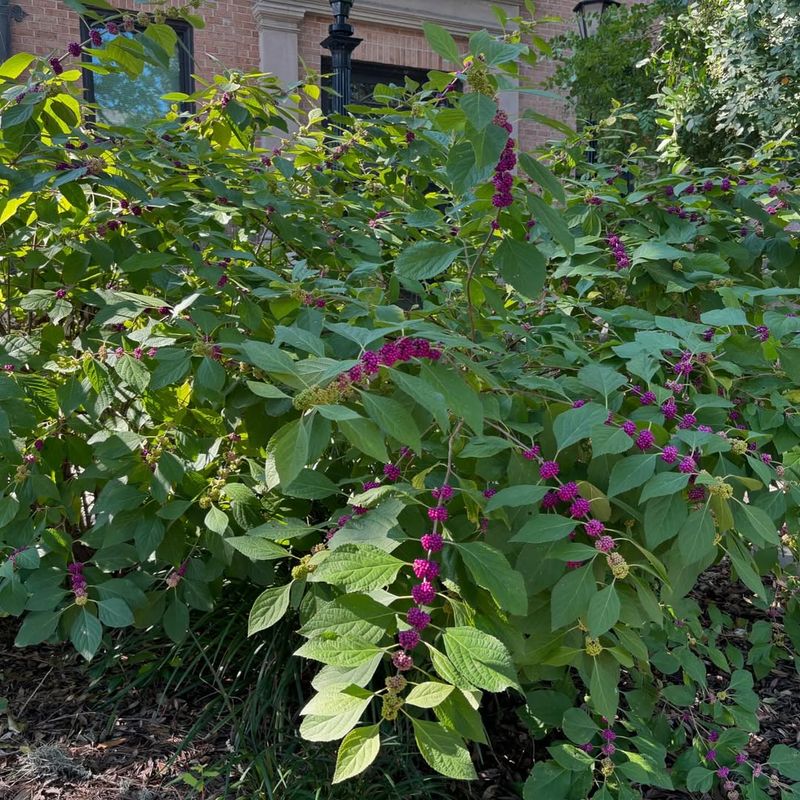
Beautyberry looks best with renewal pruning, not shearing.
The berries form on new growth, so the goal is to encourage fresh stems while preserving the shrub’s natural arching habit. A hard, boxy haircut works against everything that makes the plant attractive.
Late winter is the best time. Prune before strong spring growth begins and before the plant starts building the stems that will carry flowers and berries.
Remove some older wood. Cutting a few of the oldest stems near the base encourages vigorous new shoots.
Do not shear it into a ball. Shearing removes growing tips, reduces flowering, and turns a graceful native shrub into a stiff green lump.
Keep the arching shape. The long stems are part of the plant’s beauty, especially when berries line them later in the year.
Thin crowded growth. Better airflow helps the plant stay healthier in Florida humidity.
Use sharp pruners. Clean cuts heal better than torn stems.
Sanitize tools when needed. Wipe blades between plants, especially after cutting questionable or damaged growth.
Step back often. Pruning a loose shrub is easier when you keep checking the whole shape instead of focusing on one branch.
Beautyberry does not need fussy grooming.
A few thoughtful cuts in late winter can make the fall berry show much stronger.