Why North Carolina Gardeners Start Collard Greens In August For Sweeter Leaves After The First Frost
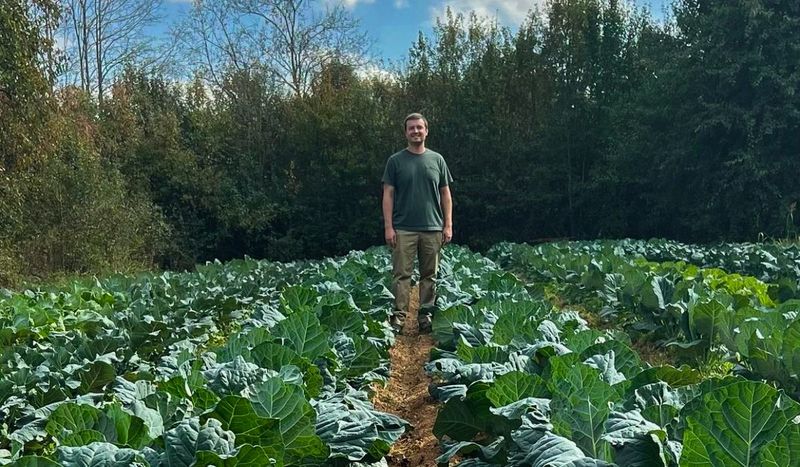
Most people think of collards as a cold-weather crop, so planting them in August heat feels like doing things backwards. But that timing is exactly the point. North Carolina gardeners who seed collards in late summer give the plants enough warm days to build strong roots and full leaves before shorter days and cool nights arrive. The payoff is a long fall harvest that can stretch well into winter, and cooler weather may even improve the flavor along the way.
Late Summer Gives Collards A Head Start
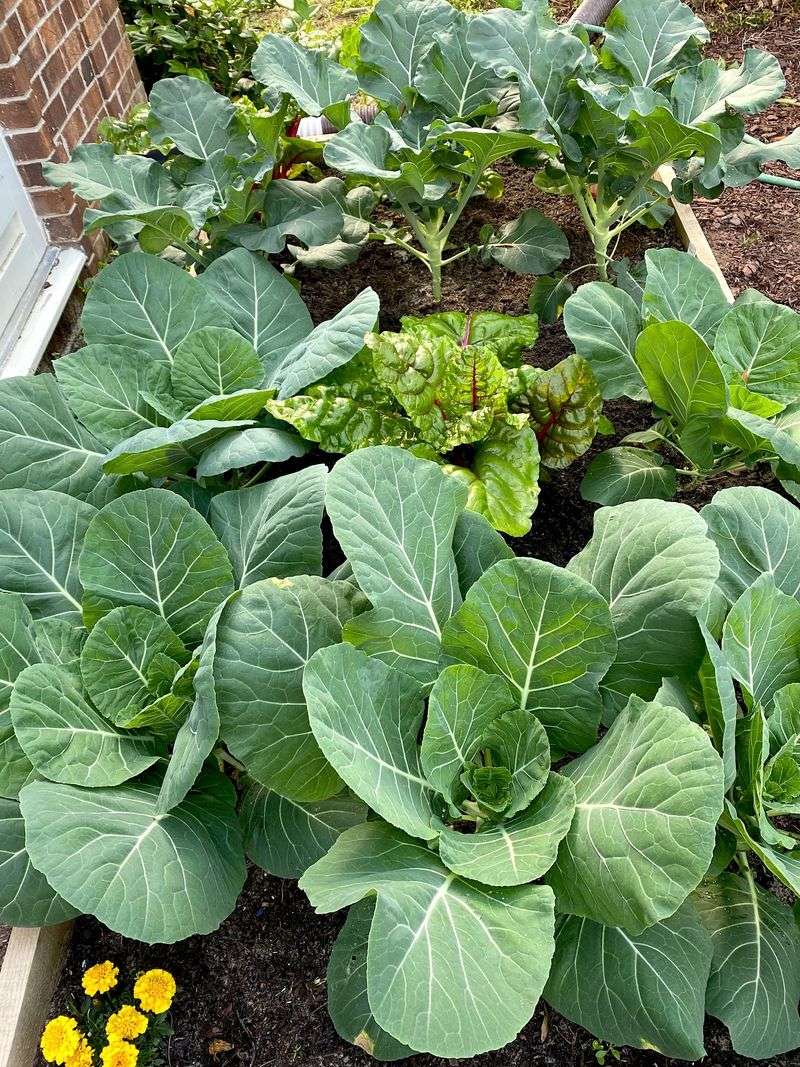
Planting a cool-season crop while summer is still cooking outside might feel wrong, but collards (Brassica oleracea var. acephala) are built for exactly this kind of timing. The goal is not to grow them in the heat, it is to use the remaining warmth to give the plants a solid start before cold weather arrives. Roots spread, leaves multiply, and the plant builds the kind of structure it needs to keep producing once temperatures drop.
Think of it like getting a head start on a long road trip. You leave early so you are not scrambling to make up time later. Collards seeded or transplanted in late summer have weeks of mild fall weather ahead of them after the worst heat passes, and that stretch of cooler growing days is where the crop really hits its stride. NC State Extension guidance on collard greens recommends midsummer seeding and late-summer transplanting for exactly this reason, noting that mature plants tolerate frost and light to medium freezes.
That cold tolerance matters because it means your fall crop does not stop the moment temperatures dip. A plant that is still small and tender when a cold snap arrives is much more vulnerable than one that has had eight to ten weeks to mature. Late-summer planting lines up the maturity window with the arrival of cooler fall nights, so the plant is ready when the weather turns.
In many parts of North Carolina, that extended harvest can carry into December or even January during mild winters. Mature collards can shrug off frost and light freezes that would flatten other greens. That said, they are not invulnerable. Hard freezes, prolonged cold, or exposed windy spots can still cause real damage, so the goal is to have plants well-established before serious cold arrives, not to assume they will survive anything.
Choose The Planting Window For Your Region
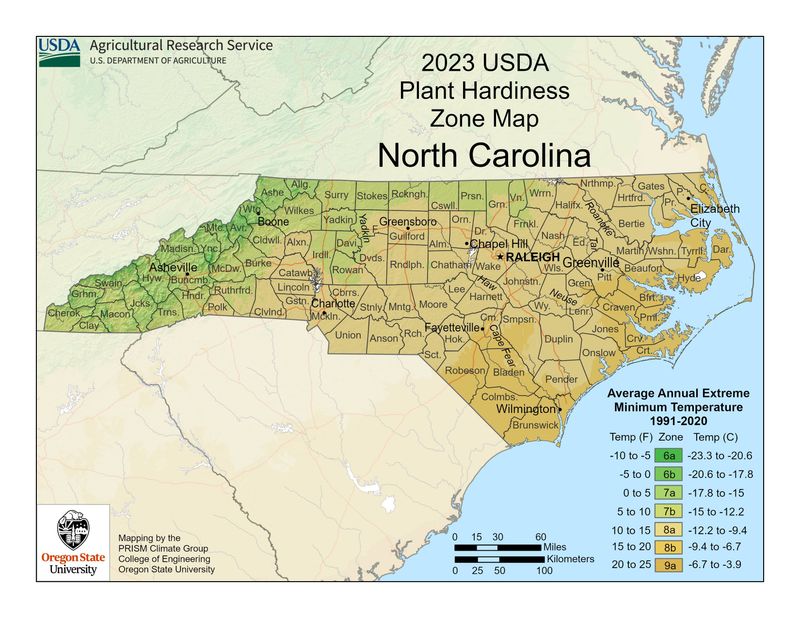
August gets thrown around as the universal collard-planting month for North Carolina, but the state stretches from the Appalachian peaks above 6,000 feet down to sea-level barrier islands. Those two places do not share the same frost calendar, and planting on the same date would be a mistake in one of them. Treating any single month as a statewide deadline ignores real regional differences that can make or break a fall crop.
For gardeners in the central Piedmont, early to mid-August is a practical starting point for fall collards. NC State’s Extension Gardener Handbook on vegetable gardening describes August as the primary fall-garden month for the Piedmont, and the NC State community food gardening handbook lists collards among the fall crops for that window. If you garden in the mountains, move your planting date roughly 10 to 20 days earlier, because cold comes sooner at higher elevations and you need mature plants before it does. Gardeners in the Coastal Plain and near the coast can generally wait 7 to 14 days longer, since first frost typically arrives later there.
Your North Carolina Garden Changes Every Week. Your Plan Should Too.
Gardening in North Carolina changes quickly throughout the season. Every Friday you’ll receive a simple weekly plan showing exactly what to plant, prune, fertilize, harvest, and protect so you never miss the right timing.
The most reliable way to find your personal window is to look up your local average first frost or freeze date, then count backward by the number of days your chosen variety needs to reach maturity. Add a small buffer for slow germination or a heat stretch in early fall. NC State’s Eastern North Carolina planting calendar and the National Weather Service frost and freeze maps for the region are both useful starting points for this calculation.
Treat any calendar date as a guideline, not a guarantee. Weather varies from year to year, and a warm October in the Sandhills or an early cold snap in the mountains can shift your window without warning. Check what is actually happening in your garden, not just what the chart says.
Get Seeds Or Transplants Through August Heat
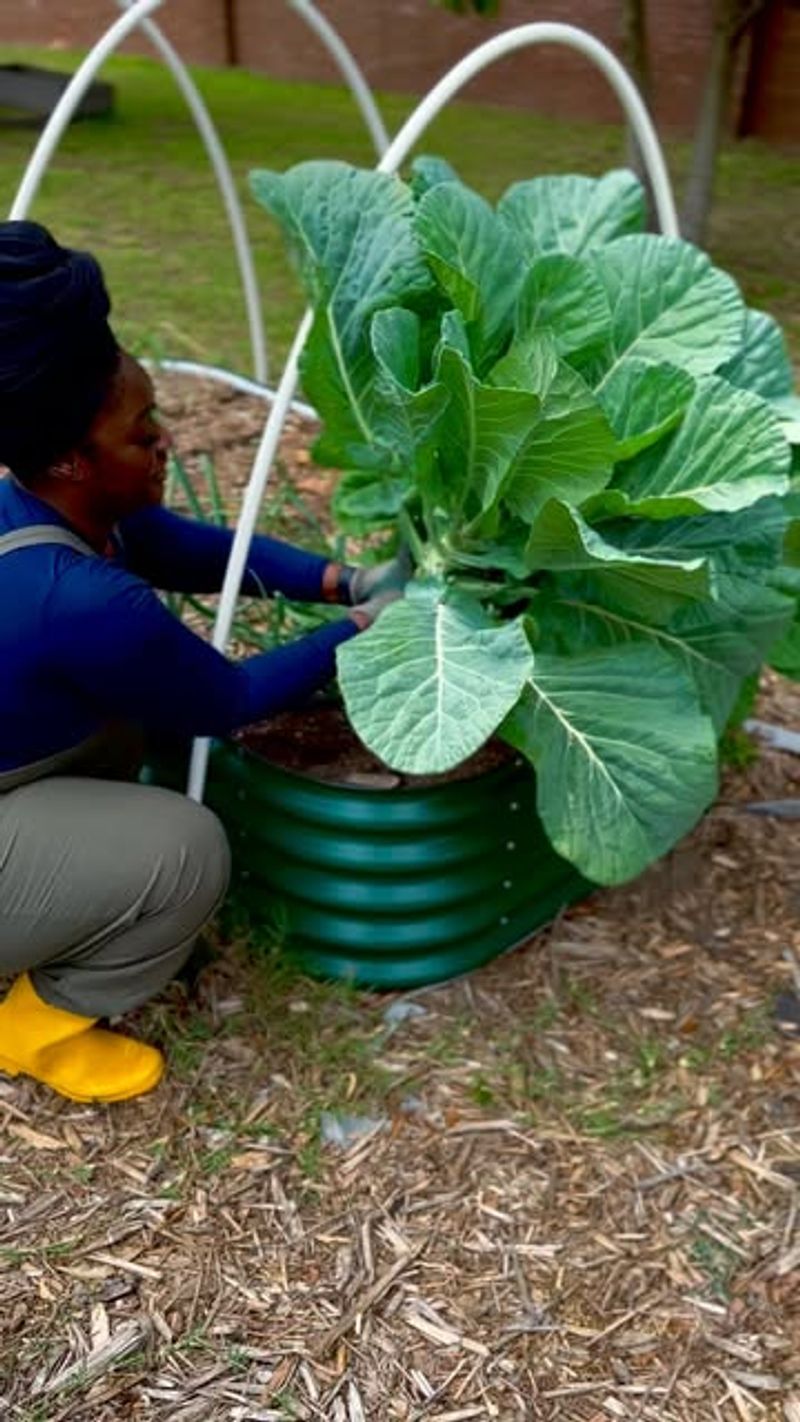
Here is where late-summer planting gets genuinely tricky. The soil is hot, the sun is strong, and young collard seedlings are about as tough as a wet paper towel. Getting them through the first few weeks takes attention to a few specific details, and skipping any one of them can mean starting over.
Direct seeding is straightforward when conditions cooperate. Plant seeds about one-half to three-quarters of an inch deep, never deeper than 1 inch, in soil that is already moist. NC State Extension’s collard greens guide is clear on this: keep the top three-quarters of an inch of soil moist but not waterlogged during germination. That surface layer dries out fast in August heat, especially in Piedmont red clay or sandy Coastal Plain soil.
If you cannot water consistently, fall direct seeding has a real chance of failing before the seedlings ever have a chance.
A practical fix for unreliable watering is to buy healthy transplants instead of starting from seed. Transplants have already cleared the most vulnerable stage, and they will establish faster in hot soil. Whether you seed or transplant, a layer of shade cloth stretched over young plants during the hottest part of the day can make a real difference. Taller nearby crops can serve the same purpose if you have them positioned right.
NC State’s planting calendar guidance notes that shade and season-extending covers can help cool-season crops survive summer heat on both ends of the season.
One more detail: if you lay any kind of cover directly over the seedbed to hold moisture and reduce surface heat, pull it off as soon as seedlings start pushing through. Leaving it on too long can cause damping off or stretch seedlings toward light in an unhealthy way. Steady moisture and a little shade are the tools here, not stress or neglect.
Build A Bed For Steady Growth
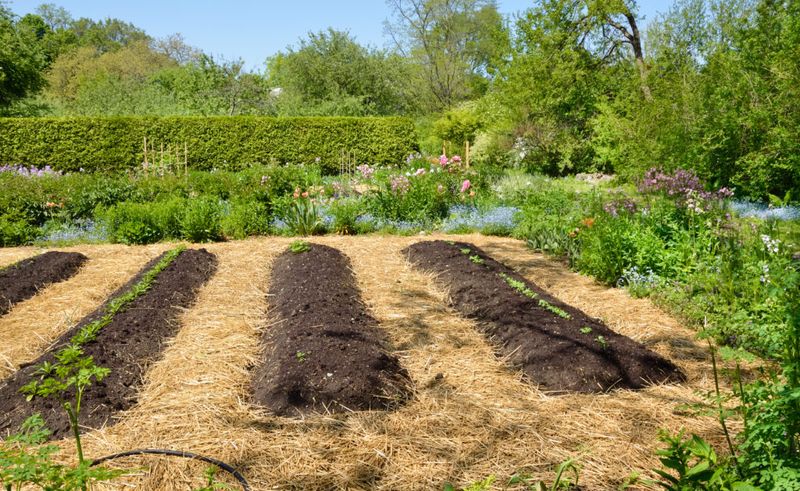
Collards are not fussy plants, but they do reward a little preparation before you drop the first seed. Soil that drains well and carries good organic matter gives roots somewhere to grow without sitting in moisture that causes rot. A bed that was thrown together in a hurry tends to produce a crop that reflects that, especially in the heat of August when young plants are already under pressure.
Start with a soil test if you have not done one recently. Collards prefer a pH around 6.0 to 6.5, and soil outside that range can lock up nutrients even when you have applied fertilizer. Work about 2 inches of compost into the bed at least 7 days before planting, which gives it time to settle and begin breaking down. NC State Extension’s collard greens publication recommends fertilizing based on soil-test results and notes that a side-dressing may be needed 3 to 5 weeks after seeding or 2 to 3 weeks after transplanting, once plants are actively growing.
Spacing affects both harvest and weed management. For full-sized plants, aim for 15 to 18 inches between each one. If you plan to harvest younger, more tender leaves, you can space as close as 2 to 4 inches. Arranging beds two to four plants wide with 12 to 18 inches between beds keeps air moving around the foliage and gives you a clear path for watering, checking for pests, and picking leaves without trampling anything.
Healthy, well-nourished plants that grow steadily through fall tend to produce better-quality leaves than plants that were crowded, underfed, or stressed by drought. That does not mean fertilizer or spacing alone determines how your collards taste, but a plant that has been growing in good conditions is in a better position to respond well when cooler weather arrives. Give the bed what it needs early, and the crop takes care of the rest.
Cold May Improve Flavor, But Frost Is Not A Recipe
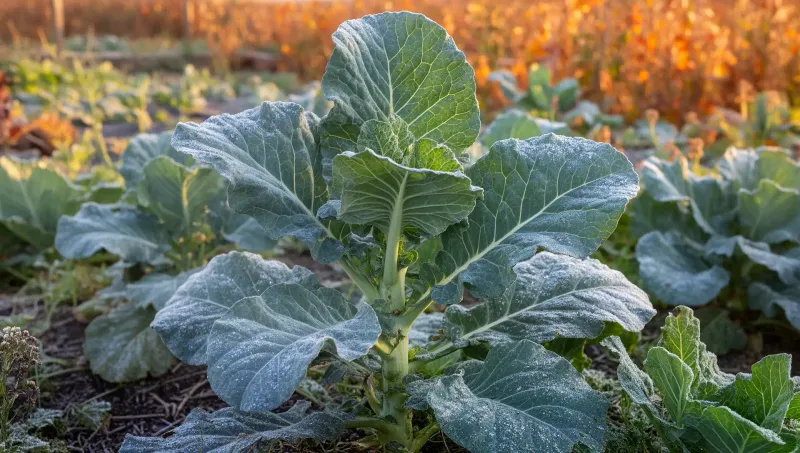
The idea that frost makes collards sweeter is not a myth, but it is not the whole story either. Cool weather and light frost can trigger changes in Brassica leaves that increase certain soluble sugars. Those sugars help protect plant cells from freezing damage, and they can also shift the flavor toward something milder and slightly sweeter than what you get from a plant harvested during summer heat.
NC State Extension notes that collards can become sweeter after the first frost, and that framing is directionally accurate. But the change is not a switch that flips the moment temperatures touch 36 degrees. Research on related Brassica crops shows the mechanism is real but variable. A study on sugar compartmentation in frost-hardy cabbage leaf cells found that cold acclimation does involve changes in sugar distribution within plant tissue.
A separate study on kale found that cold exposure increased several low-molecular-weight carbohydrates during acclimation to low temperatures. And a controlled kale study examining nitrogen management, plant age, and frost effects on sensory quality found that frost changed sugar composition only modestly and that nitrogen levels and plant maturity explained much of the variation in taste.
Those studies involve kale and cabbage, not every North Carolina collard variety, so they support the possibility of a flavor response rather than proving it happens uniformly across your garden. University of Minnesota Extension’s guide to growing collards and kale cautions that growers should not rely on frost alone to change sensory quality, and that other growing conditions matter just as much.
The practical takeaway is this: keep your plants watered and growing steadily through fall. Do not withhold water or otherwise stress plants in hopes of concentrating flavor. Heat stress and drought tend to produce tougher, stronger-tasting leaves, not sweeter ones. Cool weather and light frost may genuinely improve the flavor of some plants, but the effect is gradual and not guaranteed after every cold night.
Harvest Before Frost And Keep Picking
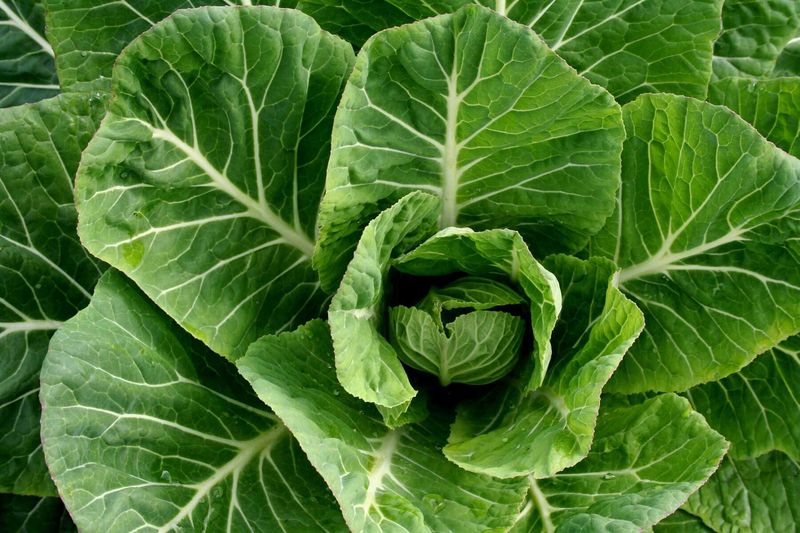
Waiting for frost before picking your collards is one of the most common misunderstandings about this crop. Collards are edible and genuinely delicious long before temperatures drop anywhere near freezing. Waiting for a specific weather event to start harvesting means leaving good food on the plant and missing weeks of prime eating.
The method that keeps the harvest going longest is simple: remove the outer leaves first and leave the central growing point intact. NC State Extension’s collard greens resource describes several valid harvest approaches, including picking tender leaves from full-grown plants, or cutting plants when they are young or half-grown. Any of those work. The outer-leaf approach just stretches the productive period because the plant keeps pushing new growth from the center.
Staggered plantings are another tool worth using. Sowing a new small batch of seeds every two to three weeks within your appropriate regional window means you are not facing one enormous harvest all at once. Succession planting for fall vegetables is a well-established technique that evens out production and reduces waste. A Piedmont gardener who plants a small patch in early August and another in late August will have fresh leaves coming in across a much longer window than one who planted everything on the same day.
Continued cool weather may improve flavor for some plants as fall deepens, and that is a genuine benefit worth anticipating. But harvest timing should follow what you see: the size of the leaves, the condition of the plant, and what you actually want to eat. Frost is a possible flavor bonus, not a required ingredient. Your collards are ready when they look ready, and there is no reason to wait.
Prepare For Freezes And Watch For Pests
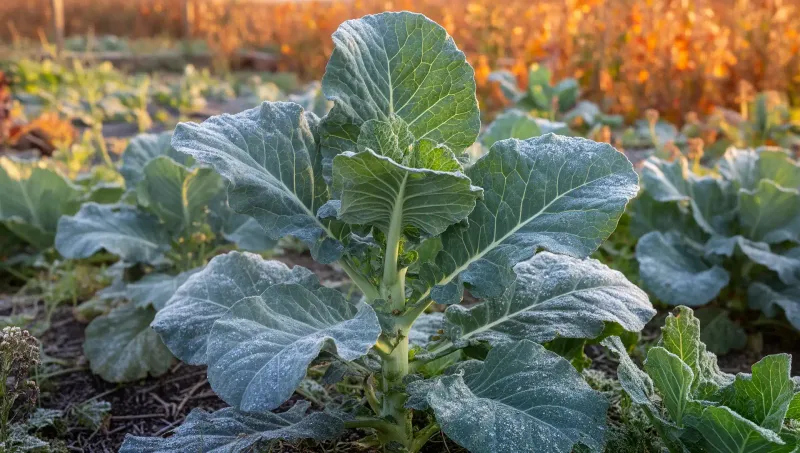
Once cold weather settles in, it helps to know the difference between a frost, a freeze, and a hard freeze, because they do not all carry the same risk for your plants. National Weather Service frost and freeze definitions put frost near 36 degrees Fahrenheit, a freeze at 32 degrees or below, and a hard freeze near 28 degrees. Mature collards handle frost and light to medium freezes reasonably well, but how much damage any individual plant sustains also depends on how long the cold lasts, how much wind is blowing, whether the soil is dry or moist, and how exposed the bed is. Variety and plant maturity factor in too.
NC State Extension identifies several varieties that have performed consistently in North Carolina gardens, including Vates, Carolina Improved Heading (sometimes listed as Morris), Georgia Southern, Blue Max, and Heavi Crop. Those are reliable choices for fall planting, but no variety is guaranteed to survive every winter condition the state can throw at it. When a hard freeze is in the forecast, lay frost cloth or another season extender over your plants. That layer of protection can make a real difference when temperatures drop into the upper twenties.
Pests do not disappear in fall, and a late-summer planting can attract the same insects that trouble spring brassicas. Flea beetles, imported cabbageworms, diamondback moth larvae, and aphids are all worth watching for on collards. NC State’s guide to pests of crucifers covers identification and management for the insects most likely to show up on your crop. Inspect plants regularly, identify what you are actually seeing before reaching for any product, and start with crop rotation, weed removal, and healthy transplants as your first line of defense.
Mountain gardeners should know about one additional pest: cabbage maggots. NC State’s integrated pest management guidance and the crucifers pest publication both note that cabbage maggots are chiefly a western North Carolina concern and are usually uncommon below 3,000 feet. They attack roots and can cause wilting or stunting that looks like a watering problem. If you garden at higher elevations in the mountains, that is a pest worth knowing about, but it is not a statewide worry.
Check your local conditions, protect your plants from hard freezes when the forecast calls for it, and your fall collard crop has a good chance of carrying you well into the cold months ahead.